Category: Sectors

  • Maruti Suzuki signs Gujarat MoU for five ITI labs

    Maruti Suzuki signs Gujarat MoU for five ITI labs

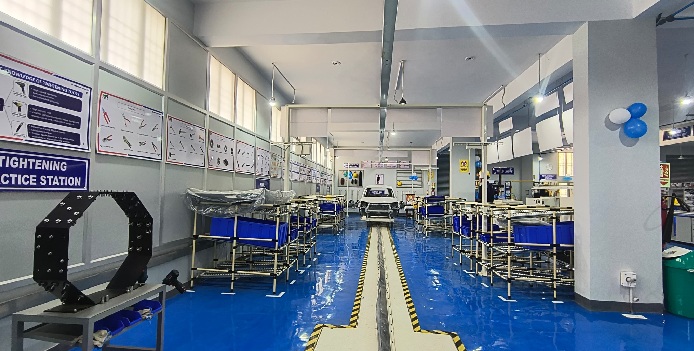
    Maruti Suzuki India Limited has signed a Memorandum of Understanding with the Directorate of Employment and Training (DET), Government of Gujarat, to establish Advanced Manufacturing Labs (AMLs) at Industrial Training Institutes in Palanpur, Bhavnagar, Surendranagar, Godhra, and Dahod, the company announced.

    The initiative, developed under Maruti Suzuki’s Corporate Social Responsibility program, is aligned with the Government of India’s Skill India mission and aims to build a future-ready automotive workforce across the state.

    The Advanced Manufacturing Labs replicate real-world shop-floor conditions and provide hands-on training in assembly, welding, painting, machining, mechatronics, and industrial safety — areas directly relevant to modern automotive manufacturing.

    EXPANDING MANUFACTURING FOOTPRINT

    The Skill India push in Gujarat coincides with a significant expansion of Maruti Suzuki’s manufacturing operations in the state. The company is set to commission a fourth production line at its Hansalpur facility this year, raising total annual capacity there from 750,000 units to 1 million units.

    In addition, Maruti Suzuki is constructing a new plant at Sanand with a capacity of 1 million units annually. Once operational, the company’s combined annual production capacity in Gujarat will reach 2 million units.

    EXECUTIVES SPEAK

    Rahul Bharti, Senior Executive Officer, Corporate Affairs, Maruti Suzuki India Limited, said the company’s Skill India alignment was central to creating livelihood opportunities for young people.

    “Through Advanced Manufacturing Labs, we are equipping students with experiential learning and confidence in modern equipment, nurturing professionals who can seamlessly integrate into the evolving automotive ecosystem,” Bharti said.

    He added that each manufacturing expansion brought with it a demand for skilled, job-ready talent, and that the AMLs were designed to meet that need directly.

    Ms. Stuti Charan, IAS, Director, DET, Government of Gujarat, said the initiative bridges a longstanding gap between classroom instruction and industry expectations.

    “This initiative will empower our youth and strengthen Gujarat’s position as a hub for the automotive sector, in line with the Prime Minister’s vision of Viksit Bharat and the Chief Minister’s guidance toward Viksit Gujarat 2047,” Charan said.

    NATIONAL SCALE

    Maruti Suzuki currently supports 31 ITIs across India in manufacturing-related trades. The company has established 18 AMLs nationwide to date. With the five new Gujarat labs, the total will rise to 23 AMLs operating across seven states and union territories — Gujarat, Haryana, Uttar Pradesh, Bihar, Madhya Pradesh, Punjab, and Chandigarh.

    The company also operates four Japan-India Institutes for Manufacturing in Gujarat, at Mehsana and Gandhinagar, and in Haryana, at Manesar and Sonipat. The institutes were established as a bilateral initiative between the Governments of India and Japan to develop a skilled manufacturing workforce.
  • Andhra farmers smartly beat El Nino with Direct Seeded Rice (DSR)

    Andhra farmers smartly beat El Nino with Direct Seeded Rice (DSR)

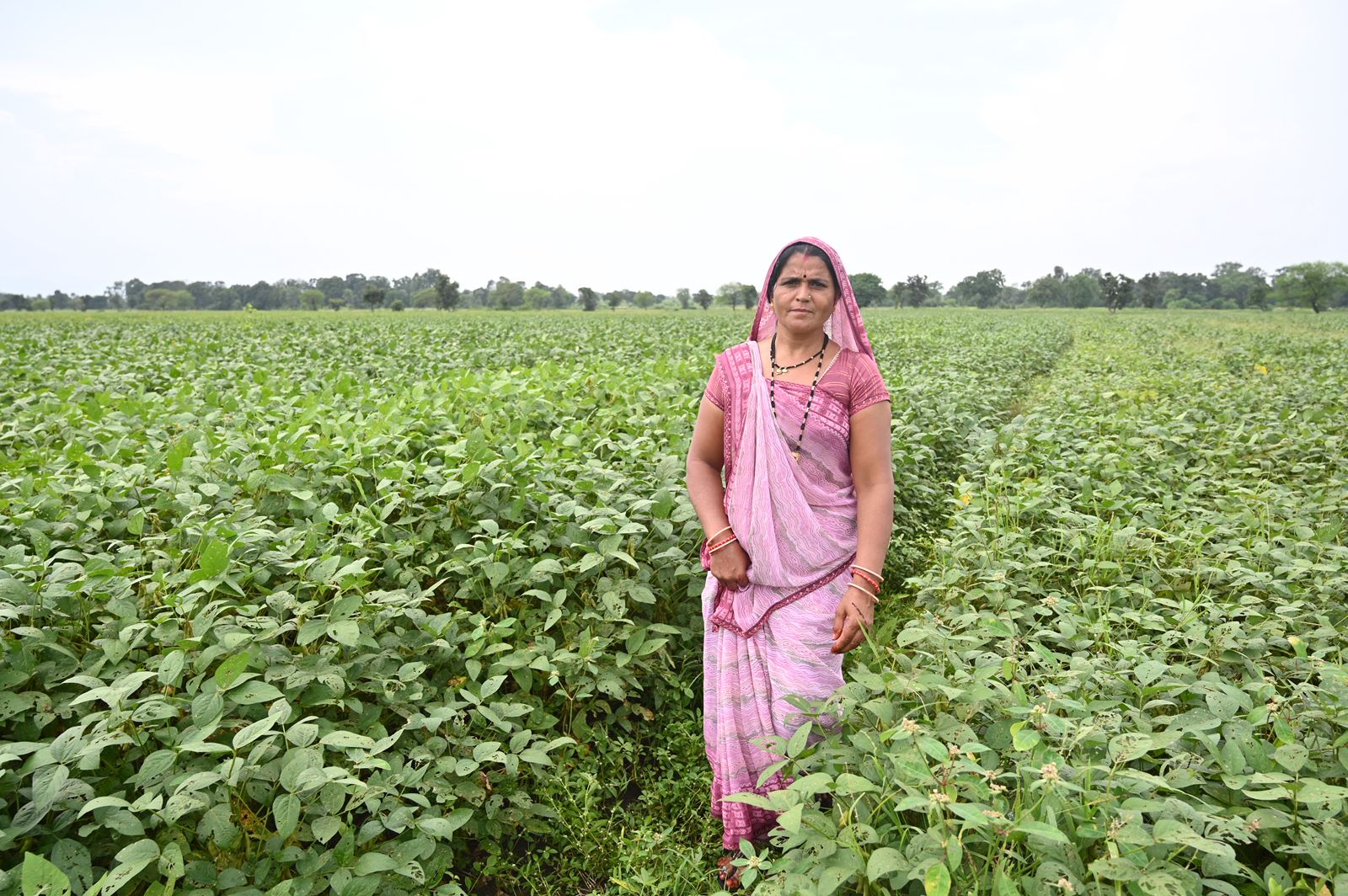
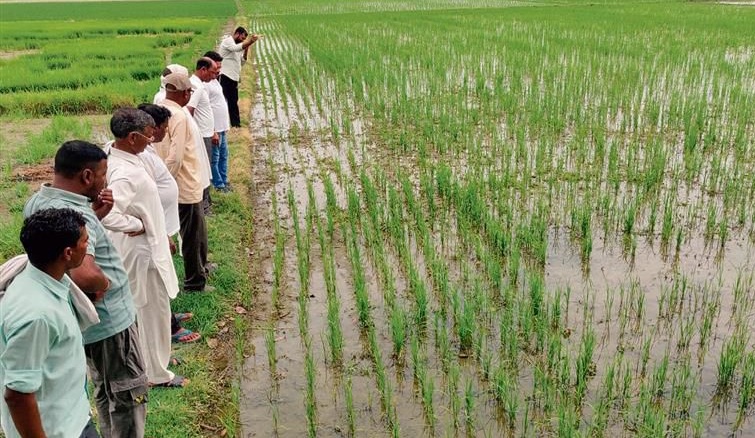
    Majji Satyam has been watching the sky since May. The 52-year-old farmer from JR Puram village in Andhra Pradesh’s Srikakulam district has five acres, two borewells, and a lifetime of growing paddy the way his father did — raise seedlings in a nursery, transplant them into flooded fields, keep the water standing until harvest.

    This kharif season, backed by years of training from the family-owned trust Dr Reddy’s Foundation — one of the beneficiaries of CSR funds of pharma major Dr Reddy’s Laboratories — he is trying something different.

    “Last year, rains had arrived in May itself. This year it has not yet come. I have heard that the rainfall will be less due to El Niño,” Satyam told PTI. “So I have decided to try DSR.”

    DSR — Direct Seeded Rice — skips the nursery entirely. Seeds go straight into the field. No transplantation, no waterlogging, no standing puddles. For a farmer staring down a lean monsoon, it is an attractive proposition.

    Satyam is not alone. Across Srikakulam and Vizianagaram districts, where the Dr Reddy’s Foundation works with farmers in over 1,500 villages covering roughly 10 lakh paddy area as part of the Action for Climate and Environment (ACE) program, a generation of cultivators is being quietly nudged away from water-intensive methods.

    State agricultural departments and Krishi Vighyan Kendras, with whom the foundation works closely, are reinforcing the message — advising farmers to reduce paddy acreage, switch to short-duration crops, or move to pulses and cereals.

    “If El Niño gets severe, we will cultivate paddy for house consumption only,” Satyam said.

    R Sanyas Rao, 50, from the same village, did not wait for a bad year to make the switch. Associated with the Foundation since 2014 — three years before Satyam joined — he tried wet DSR on five acres last kharif and found it worked. Labour costs dropped. Nursery management vanished as a headache. Transplantation costs disappeared.

    This year, Rao is going further: dry DSR on two acres, maize on three. “With borewell facility, I will be able to manage,” he said.

    The numbers make the case bluntly. Conventional paddy cultivation is extraordinarily water guzzling method. DSR and Alternate Wetting and Drying — AWD, a technique where fields are flooded and drained in cycles rather than kept continuously submerged — dramatically cut that demand.

    “Dry DSR method saves around 11-12 lakh litres of water per acre. Wet DSR saves around 4-5.5 lakh litres AWD saves roughly 3-5 lakh litres of water compared to traditional methods,” said Suman Saraswathibatla, Director (Rural Livelihoods and Climate Action) at Dr Reddy’s Foundation.

    Last year, farmers in two districts adopted DSR across 3,667 acres and AWD across 21,963 acres, saving more than 3,000 crore litres of water and reducing over 50,000 tonne equivalent carbon dioxide. With El Nino back in the forecast, those numbers are expected to rise significantly, he said.

    For both techniques to work well, soil moisture must remain consistent in the upper 30–40 cm of the field — a critical condition that shapes when and how farmers decide to sow.

    Being a cyclone and rainfed belt, Srikakulam’s sowing calendar has already changed. Traditionally, paddy went in at the end of June. Over the last three to four years, sowing has shifted to July, with peak transplantation moving to August.

    To bridge the gap, the Foundation has been encouraging farmers to plant short-duration cover crops — black gram, green gram, sesamum — in the May–June window before kharif begins. Green manuring crops like sun hemp and napier help retain soil moisture in the interim.

    Last year, cover crops were grown across 2,372 acres; agro-forestry — mixing timber and fruit plants in coconut orchards — covered 1508 acres. Both are set to expand this season.

    Underlying all of this is a quiet crisis in Srikakulam’s soil health. The foundation through its own state-of-art Hyderabad facility launched in January 2025 is providing soil health test results quickly along with actionable crop advisories.

    Over 5,000 soil health cards were issued last year and the findings are consistent: organic carbon levels are very low. Micronutrients like sulphur, zinc, and boron are deficient. Potash is in excess.

    “Site-specific nutrient management is one of our major interventions this year, especially given the combination of El Nino effects and the fertilizer crunch. We’re pushing hard to bring in as many samples as possible,” Suman said.

    For the past five years, the Foundation has been running awareness campaigns — bulk SMS messages, posters, farm extension meetings — urging farmers to apply fertilisers more precisely, based on what their specific soil actually needs rather than what habit or convenience suggests.

    It is slow work, changing practices that have been handed down across generations. But in a district where water is becoming an annual gamble, farmers like Satyam and Rao are finding that the old ways may no longer be the safest bet.

    “There is more awareness being created to adopt DSR instead of paddy transplantation,” Rao said. “I will decide the sowing operation in July.”

    The monsoon, as ever, will have the final word.

    Source: PTI

  • SOS Children’s Villages India holds are workshop 50 vulnerable children at Kiran Nadar museum

    SOS Children’s Villages India holds are workshop 50 vulnerable children at Kiran Nadar museum

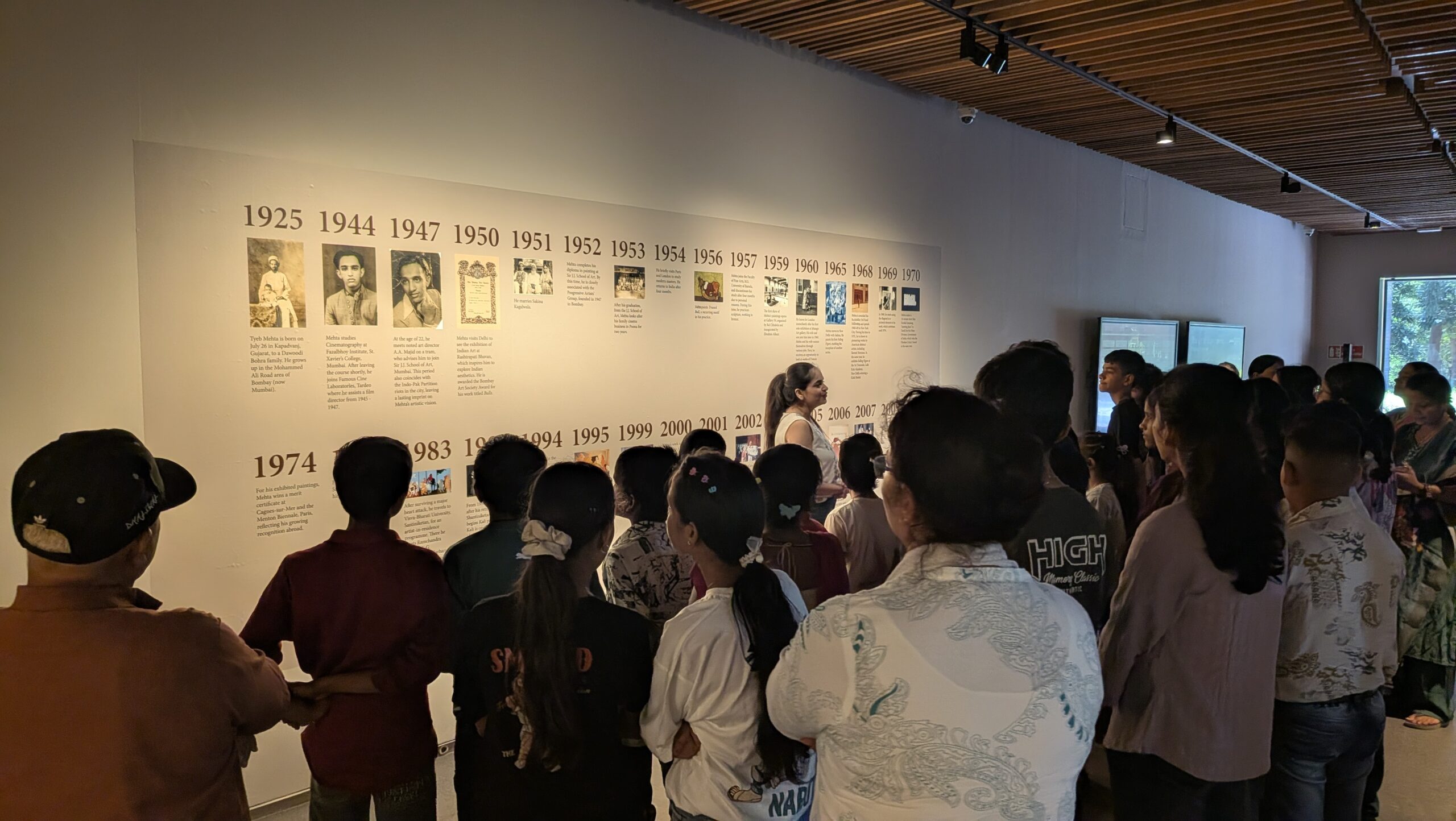
    SOS Children’s Villages India on Friday organised an immersive art workshop for 50 children from vulnerable communities, held at the Kiran Nadar Museum of Art in New Delhi in a bid to encourage creativity, emotional expression and holistic development.

    The one-day workshop, led by the KNMA Education team, brought together children aged 8 to 15 from SOS Children’s Village Greenfields, Faridabad, and the surrounding local community, offering participants a transformative experience in an interactive art gallery setting.

    The two-hour session opened with a guided tour of the museum, where children were introduced to the significance and stories behind artworks on display. Guided activities and creative exercises followed, designed to encourage imagination, storytelling and emotional expression. Through painting and hands-on engagement, participants were encouraged to interpret what they observed and explore their own ideas and perspectives.

    “At SOS India, we believe every child deserves opportunities that help them discover their potential and express themselves freely,” said Sumanta Kar, Chief Executive Officer, SOS Children’s Villages India. “The art workshop with KNMA created a joyful and enriching space where children could explore their creativity, communicate their emotions and build confidence in their abilities.”

    Kar added that such experiences play an important role in supporting the holistic development and well-being of children.

    The workshop provided children with an opportunity to engage with art beyond conventional classroom settings. SOS Children’s Villages India said the initiative reflects its commitment to creating inclusive spaces that promote creativity and emotional well-being while empowering children to express themselves and thrive.

  • Visually impaired Cricket CSR: Maruti Suzuki’s eParivartan drive hits the pitch

    Visually impaired Cricket CSR: Maruti Suzuki’s eParivartan drive hits the pitch

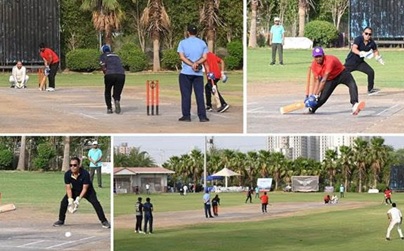
    Maruti Suzuki India Limited hosted a series of cricket matches with visually impaired players under its employee volunteering CSR initiative, ‘eParivartan‘, bringing together corporate employees and athletes from the Cricket Association for the Blind, Delhi (CABD) in a bid to champion social inclusion.

    The matches, held at the fully accessible SportsCube Center for Excellence in Sector 70, Gurgaon, saw two 10-over games played between Maruti Suzuki staff and CABD cricketers. The visually impaired cricket CSR event followed official blind cricket guidelines, incorporating audible balls and adapted rules for batting, bowling, and fielding. CABD won both matches.

    The initiative, part of the company’s broader eParivartan employee volunteering program, is designed to foster empathy, respect, and cross-community teamwork among corporate employees.

    “Playing alongside these remarkable cricketers reminded our team of their incredible talent, determination, and spirit,” said Rahul Bharti, Senior Executive Officer, Corporate Affairs, Maruti Suzuki India in a statement.

    “Such interactions help us nurture empathy, embrace the spirit of equality, and inspire us to grow as more holistic human beings.”

    Maruti Suzuki also presented cricket kits to the CABD as part of the event.

    The visually impaired cricket CSR drive is one of more than 30 community activities logged under eParivartan in FY 2025–26, during which over 1,100 employees volunteered more than 2,600 hours, positively impacting upwards of 8,700 individuals across health, education, and youth engagement programmes.

    The Cricket Association for the Blind in India (CABI), with which CABD is affiliated, governs blind cricket nationally and has been instrumental in expanding opportunities for visually impaired athletes across the country.

  • IIFL Home Finance CSR: education bus, wheelchair vehicle launched

    IIFL Home Finance CSR: education bus, wheelchair vehicle launched

    IIFL Home Finance, a leading affordable housing finance company, has expanded its corporate social responsibility (CSR) drive by launching a mobile education bus in Delhi and providing wheelchair-accessible vehicles in Mumbai to boost access for vulnerable groups.

    The company handed over a fully equipped air-conditioned mobile education bus to Salaam Baalak Trust at its Tis Hazari Centre in Delhi.

    The vehicle, fitted with digital learning facilities and internet connectivity, will deliver education and skill-building opportunities directly to children in underserved East Delhi communities.

    The initiative is expected to benefit over 600 children and their families.

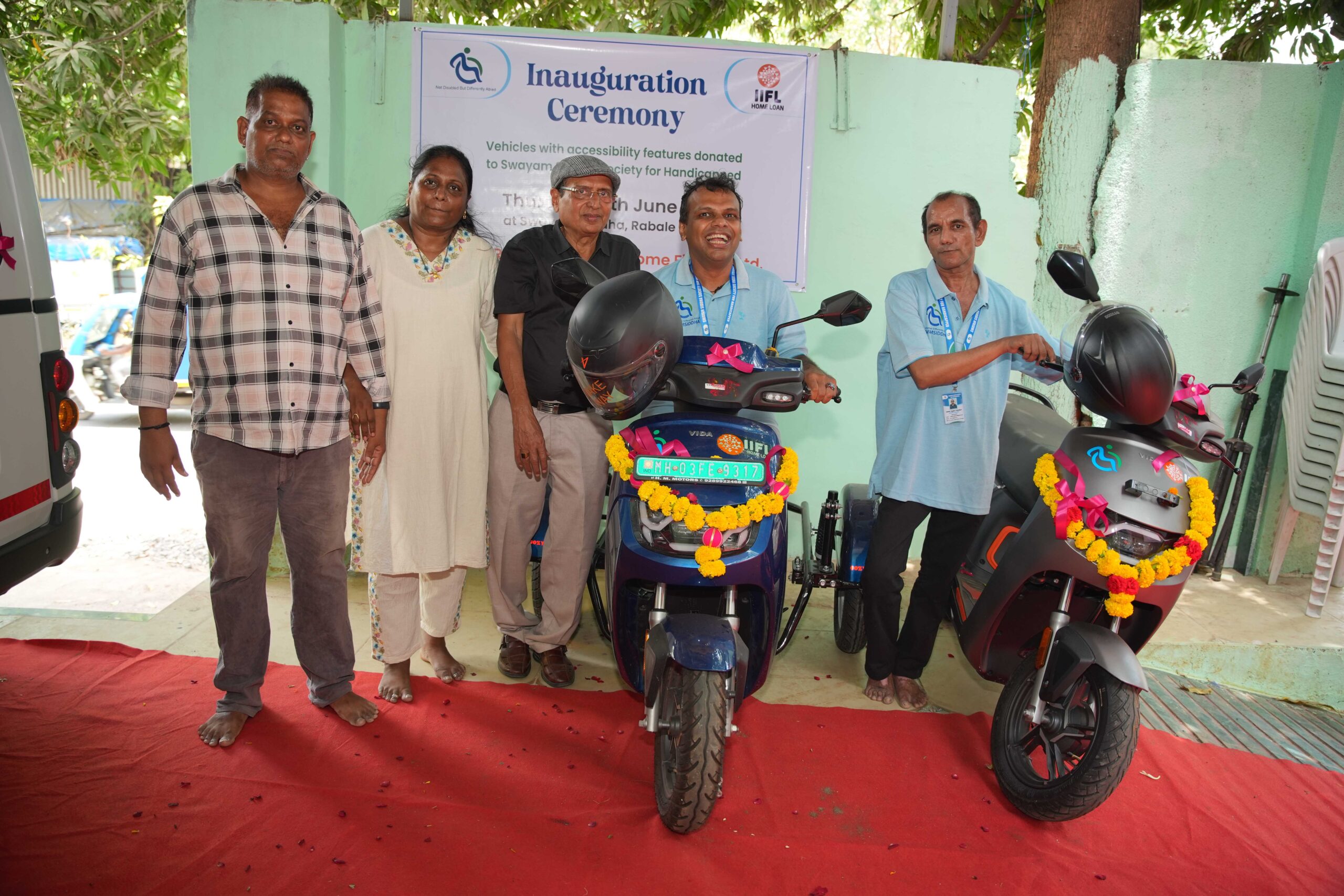
    In Mumbai, IIFL Home Finance partnered with Swayam Siddha Industrial Co-operative Society for the Handicapped Ltd. to launch a wheelchair-accessible Tata Magic vehicle and two electric scooters at the Rabale Centre in Navi Mumbai. The vehicles will help persons with disabilities access skill development centres, employment, and essential services.

    “Inclusion is not a programme for us, it is a conviction,” said Mrs. Aarti Marwaha Upadhyay, Chief Human Resource Officer, IIFL Home Finance.

    “When a child in East Delhi steps onto a mobile classroom, or a person with disability in Mumbai can independently access a skill centre or a job, something fundamental changes in their world.”

    The moves underscore IIFL Home Finance’s commitment to using its CSR platform for sustainable, equitable community development beyond housing finance.

  • Godawan revival: Qutub Minar lights Up for India’s rare Bustard

    Godawan revival: Qutub Minar lights Up for India’s rare Bustard

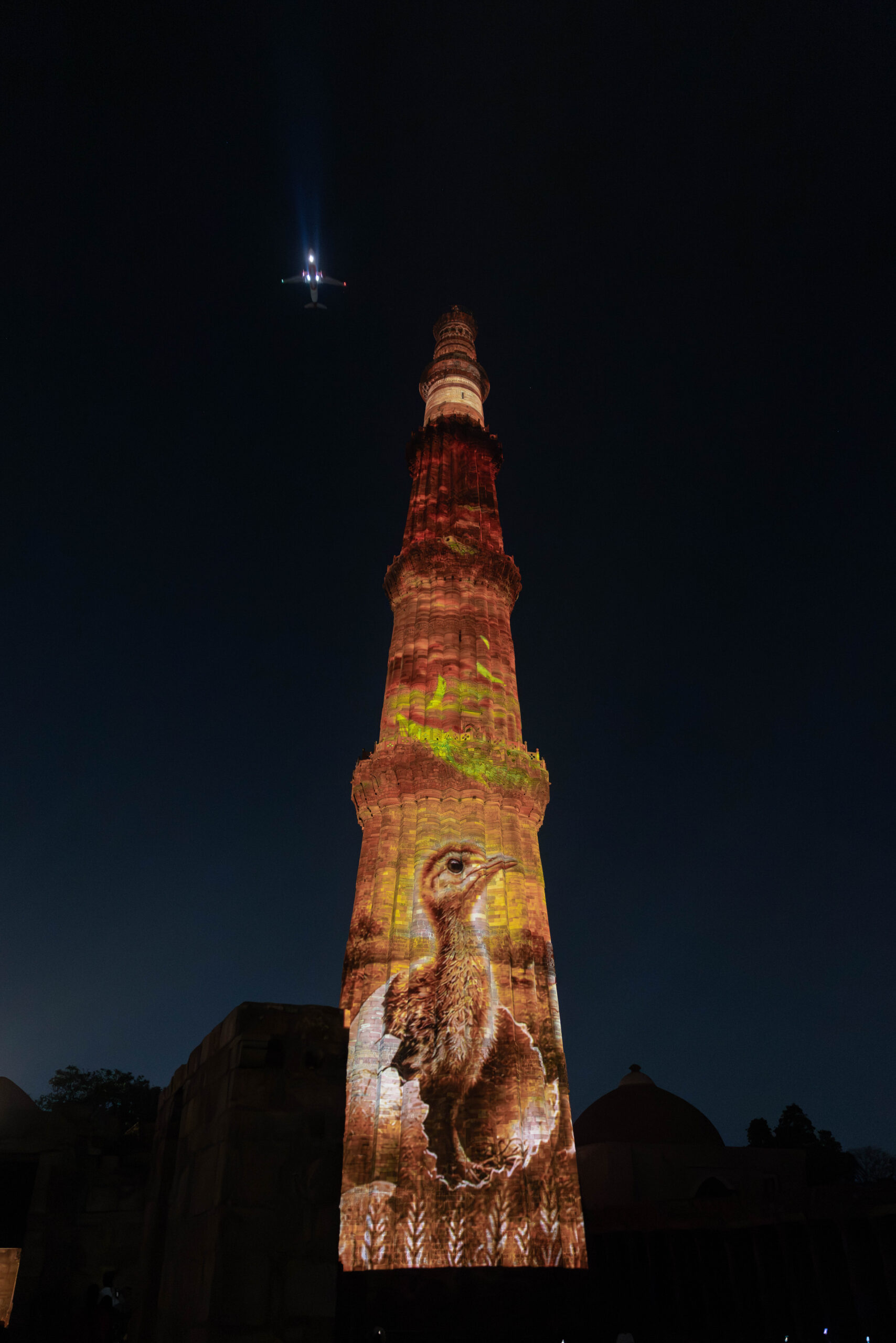
    One of India’s most iconic monuments became a canvas for conservation on World Environment Day as the story of the critically endangered Great Indian Bustard, known locally as Godawan, was projected onto Delhi’s Qutub Minar. The large-scale installation highlighted the bird’s gradual revival amid decades of decline.

    Once a contender for India’s national bird, the Godawan had faded from public consciousness as its numbers dwindled across the country’s grasslands. Recent developments, however, signal growing recognition and renewed hope for the species’ survival.

    Prime Minister Narendra Modi spotlighted the Godawan in the 133rd episode of Mann Ki Baat, praising India’s wildlife conservation efforts. In May, Rajasthan observed its first state-level Godawan Day on May 21 to boost awareness.

    A public tribute supported by Godawan Estuary Premium Water aimed to enhance ecological literacy around one of the world’s rarest birds and its revival. The event brought together conservationists, local communities, private partners and government agencies.

    “What makes this effort encouraging is the coming together of multiple stakeholders with a shared commitment towards conservation,” said Kedar Shrimal, president of Gramodaya Samajik Sansthan in a statement.

    “This growing spirit of collaboration is helping build greater awareness, stronger ecosystems, and renewed hope for the future of the species.”

    Conservation efforts have intensified through scientific intervention and community participation. Initiatives include restoring native grasslands, fencing nesting sites, improving water availability, captive breeding programmes and predator management. Local Bishnoi community members have played a key role in monitoring and protecting breeding grounds.

    Encouraging signs emerged in May with new hatchlings from breeding and hatchery programmes in Rajasthan, supported by specialised transport for relocating eggs and chicks when needed.

  • HUL Opens 25th revolutionary Suvidha Centres in Mumbai

    HUL Opens 25th revolutionary Suvidha Centres in Mumbai

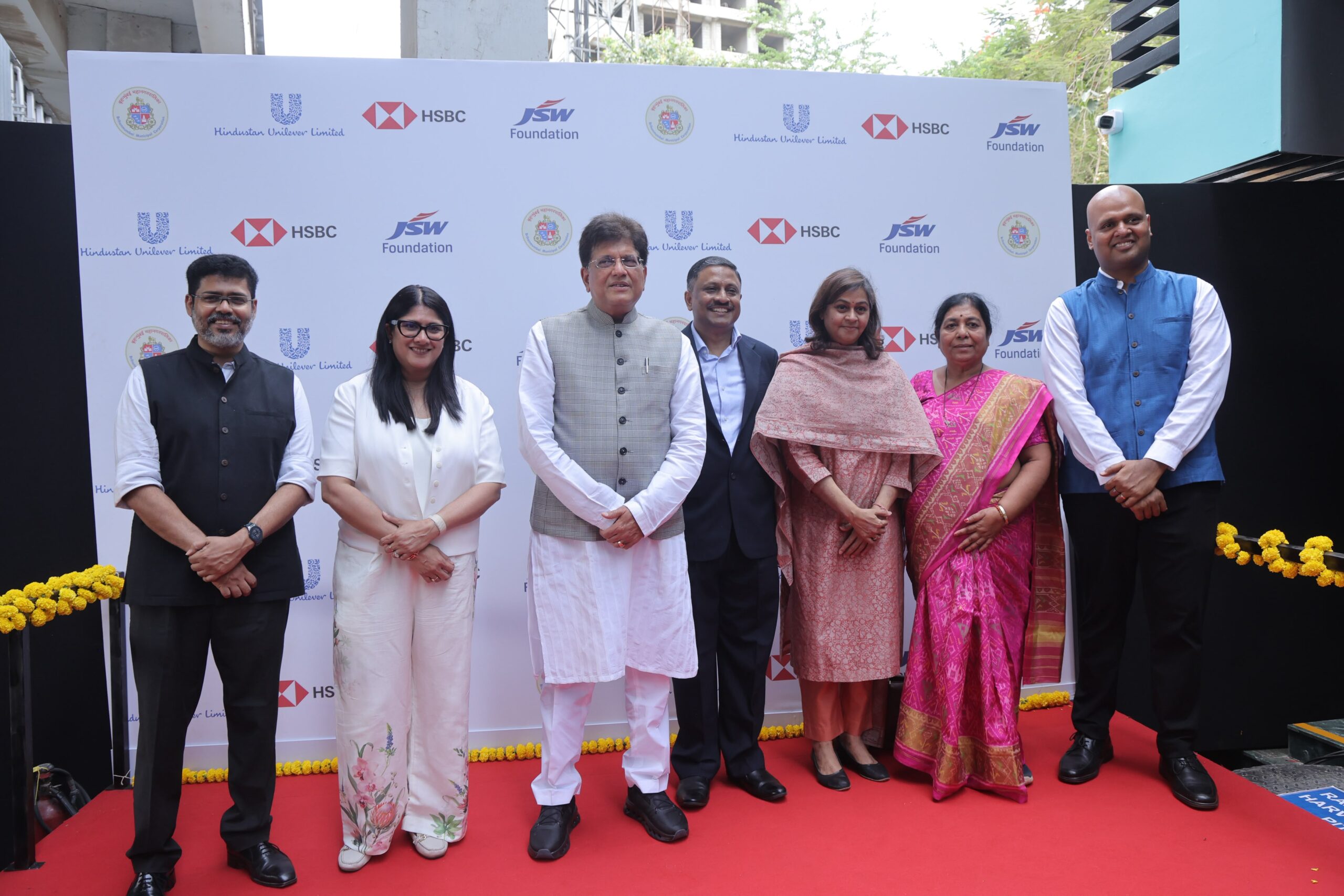
    Hindustan Unilever Limited (HUL), in partnership with the Brihanmumbai Municipal Corporation (BMC), HSBC India and JSW Foundation, on Sunday inaugurated the 25th Suvidha Centres in Borivali, Mumbai, marking 10 years of the innovative urban sanitation initiative. Commerce and Industry Minister Piyush Goyal formally opened the facility.

    Launched in 2016, Suvidha Centres has emerged as a transformative social innovation model, delivering essential hygiene and sanitation services to over 600,000 people annually. The centres have recorded more than 10 crore service uses since inception, achieving 95% user satisfaction.

    The revolutionary Suvidha Centres model reimagines community toilets into integrated hygiene hubs offering clean toilets, purified drinking water, showers and laundry facilities. Designed for inclusivity, the centres prioritise women, children, senior citizens and persons with disabilities.

    Independent assessments show households using Suvidha Centres save over ₹33,500 annually through reduced medical costs and time savings. Users report a 50% reduction in diarrhoeal incidence and low Urinary Tract Infection rates.

    Operationally self-sustaining within nine months, profits from Suvidha Centres maintain high hygiene standards. The centres feature solar power and water recycling systems, saving over 30 crore litres of water cumulatively while building climate resilience.

    HUL is scaling the model nationally through the Ministry of Housing and Urban Affairs via the Centre for Hygiene and Sanitation Excellence (CHASE) and has released the Suvidha Toolkit for wider adoption.

    “I am delighted to inaugurate the 25th Suvidha Centre,” said Piyush Goyal. “These centres serve as comprehensive community utility hubs providing modern sanitation, bathing, drinking water and laundry services.”

    Priya Nair, CEO & MD of HUL, said: “Suvidha Centres brings to life our belief that what is good for India is good for HUL. This financially sustainable model addresses urban sanitation challenges through deep insights and strong partnerships.”

  • HP Futures launches transformative education roadmap in Himachal Pradesh

    HP Futures launches transformative education roadmap in Himachal Pradesh

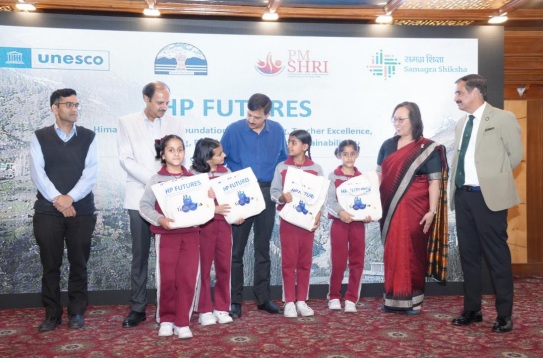
    UNESCO and the Government of Himachal Pradesh on Saturday unveiled a transformative education roadmap marking the second year of the HP FUTURES project, as the initiative shifts from research and pilots into sustained classroom reform across all 12 districts of the state.

    The roadmap was presented at the Third Steering Committee Meeting of the HP FUTURES project, accompanied by new teacher resources including competency-based learning guides, green education toolkits, and a localized Hindi edition of UNESCO’s Sport Values in Every Classroom Toolkit.

    The HP FUTURES education roadmap builds on a first year in which the initiative reached more than 10,000 students, 500 teachers, and nearly 200 schools while engaging over 750 education stakeholders statewide, an official statement said.

    “The HP FUTURES project is not meant to be an activity or even an annual calendar — this is actually meant to be a cultural shift in the way we know and see education in our schools,” said Shri Rakesh Kanwar, Secretary of Education, Government of Himachal Pradesh.

    Himachal Pradesh has risen from 21st to 5th place in national school learning outcome rankings, even as officials acknowledge that the primary challenge has shifted from awareness to implementation. A survey of 2,527 teachers across 199 schools found that 78 percent were familiar with the National Education Policy 2020, yet translating that policy into daily classroom practice remains the central task ahead.

    A review of 34 national and state policy documents confirmed that the state’s education framework is closely aligned with India’s National Education Policy 2020 and the National Curriculum Framework 2023. Two scoping missions conducted between October 2025 and February 2026 visited ten districts, gathering firsthand accounts from teachers and students.

    Under a values education initiative, 200 teachers from 56 PM SHRI schools participated in workshops held in Shimla, Mandi, and Kangra. A classroom activity called “Paper Toss,” introduced in approximately 25 schools for students in Grades 3 to 5, generated early reports of improved peer interaction and social-emotional learning.

    Climate education has also gained traction. In November 2025, more than 8,500 students participated in a statewide climate awareness quiz during SWACHHOTSAV 2025. Twenty-two PM SHRI schools across 11 districts joined the Climate Detective pilot programme, which guides students to investigate local environmental challenges using Traditional Ecological Knowledge. The effort draws on a broader base of more than 14,000 Eco Clubs operating across the state under the Mission LiFE initiative.

    In year two, the HP FUTURES education roadmap will target six core competencies outlined in the National Curriculum Framework — critical thinking, problem-solving, communication, and digital literacy — while piloting a new teacher professional development model combining workshops, classroom mentoring, and peer-learning networks across 12 schools in 12 districts.

    Curriculum, textbooks, and assessments reviewed in the first phase will be more closely aligned with competency-based learning goals, while Eco Clubs and the Value Education through Sport pillar will be expanded and connected to local ecosystems and community knowledge.

    “HP FUTURES represents a holistic vision for education — anchored in competency-based learning, value education through sport, and greening education,” said Joyce Poan, Chief of Education, UNESCO Regional Office for South Asia. “What makes this initiative truly significant is how it brings global evidence, national priorities and state-level leadership into one coherent agenda for transformation.”

    The HP FUTURES — Foundation for Upskilling, Teacher Excellence, Understanding, Readiness, Equity, and Sustainability — project is jointly led by the Government of Himachal Pradesh and UNESCO, with the Pratham Education Foundation serving as coordinating agency.

  • Balrampur Chini launches Bioyug Green Command 2026 to drive India’s bioplastics revolution

    Balrampur Chini launches Bioyug Green Command 2026 to drive India’s bioplastics revolution

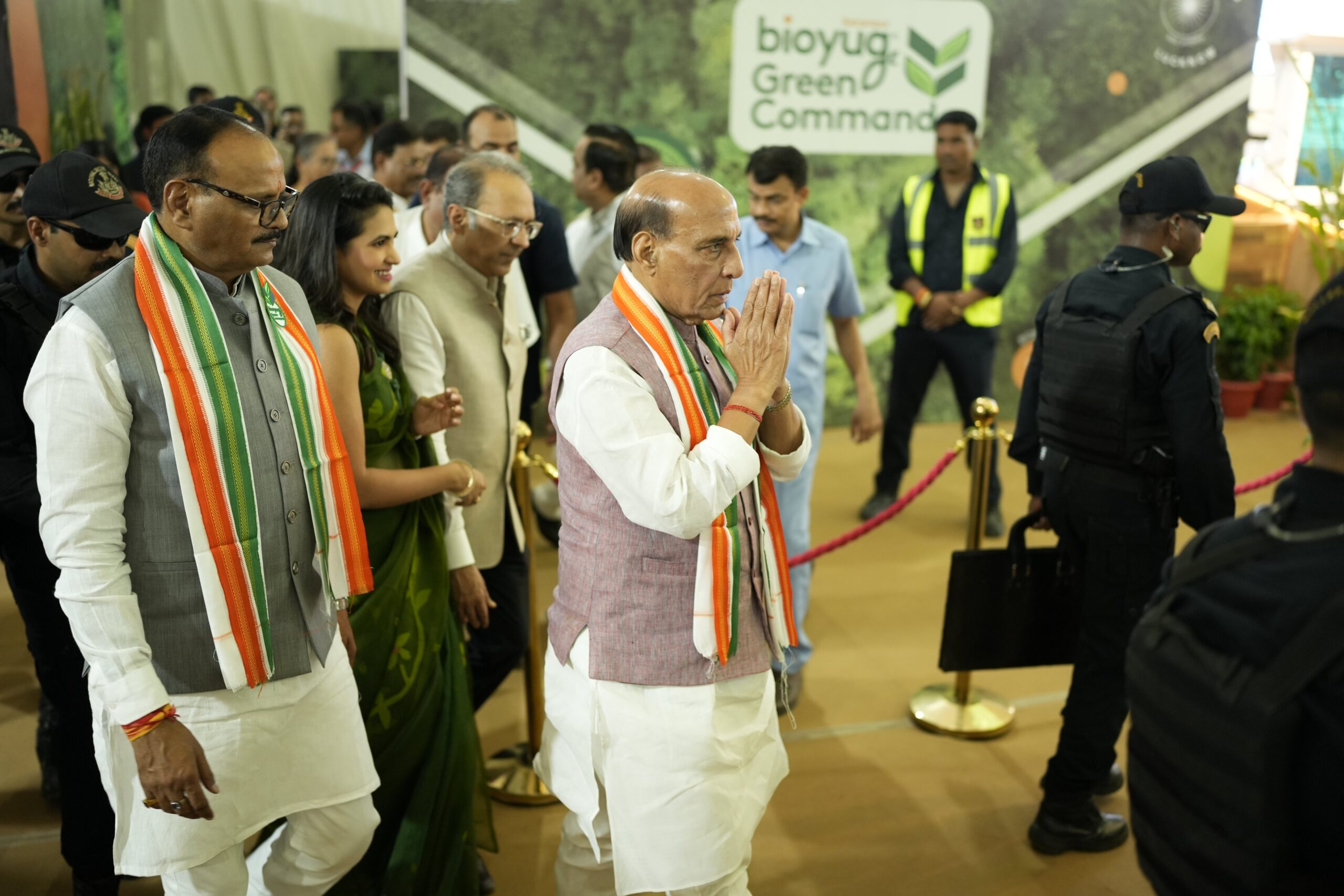
    Balrampur Chini Mills Limited (BCML) formally launched Bioyug Green Command 2026 on Friday, marking World Environment Day with a first-of-its-kind platform aimed at accelerating India’s bioplastics revolution and reducing the nation’s dependence on conventional petroleum-based plastics.

    The launch, held in collaboration with the Lucknow Cantonment Board, was presided over by Union Defence Minister Rajnath Singh as chief guest, signalling growing government support for bio-based indigenous manufacturing as a strategic national priority.

    The event formalised a landmark collaboration between Balrampur Bioyug and the Lucknow Cantonment Board following an earlier memorandum of understanding and BCML’s first institutional order for compostable polylactic acid (PLA)-based products. PLA, derived from sugarcane, is a fully organic bioplastic that breaks down within 180 days and converts into compost rather than waste.

    Speaking at the launch, BCML Chairman and Managing Director Vivek Saraogi said India stood at a defining moment where economic growth and environmental responsibility must advance together.

    “Through Bioyug Green Command 2026, we are bringing together government, industry, institutions and communities to accelerate this transition and demonstrate how innovation-led solutions can contribute meaningfully to a cleaner, greener and more self-reliant India,” Saraogi said.

    Executive Director Avantika Saraogi framed the shift to biomaterials as an economic opportunity as much as an environmental necessity.

    “The last century belonged to oil and petrochemicals; the next can belong to farmers and fields,” she said. “The materials of the future will not only be mined from beneath the earth but cultivated above it, through the power of agriculture.”

    Addressing the gathering, Defence Minister Singh drew attention to the accelerating public health toll of microplastics, citing scientific research indicating that approximately 350,000 people die globally each year due to microplastic exposure, with plastic particles now detectable in the blood of newborns.

    Singh highlighted the national security dimension of the transition to bioplastics, noting that India’s existing 20% ethanol blending programme had shielded the domestic economy from supply chain disruptions triggered by recent West Asian geopolitical turbulence.

    “By generating resources from our sugarcane, rice, and organic waste, we will strengthen our security framework,” Singh said. “While fulfilling our environmental obligations, we can become a self-reliant, bio-based economy.”

    Two high-level panel discussions formed a centrepiece of the programme. The first, titled “Mandate to Market: Unlocking the Bioplastics Value Chain in Uttar Pradesh,” examined policy support and market opportunities required to scale bioplastics adoption. The second, “From Mess to Mission: Bioplastics for Defence,” explored sustainable material integration within defence establishments.

    A parallel highlight was the felicitation of meritorious ITI girl students from Lakhimpur Kheri, Uttar Pradesh, participating in the “Building Skills. Transforming Futures” initiative — a women-focused 3D printing training programme using Bioyug PLA, run by Balrampur Foundation in partnership with ITI Mohammadi.

    BCML, one of India’s largest integrated sugar companies, is currently developing the country’s first PLA plant with a capacity of 80,000 tonnes per annum. The company operates ten sugar factories across Uttar Pradesh with an aggregate crushing capacity of 80,000 TCD.

    The event drew participation from over 2,000 stakeholders spanning government, industry, academia, defence, and civil society.

    Bioyug Green Command 2026 is anchored in the proposition that “the future of materials is grown, not drilled,” positioning India’s agricultural base as the foundation of its emerging circular bioeconomy.

  • ITC deploys AI for climate resilience in India

    ITC deploys AI for climate resilience in India

    Multi-business conglomerate ITC deploys ITC AI climate tools to decode nature’s signals and drive targeted adaptation measures across its operations and agricultural catchments as the world marks World Environment Day 2026.

    Under the theme “Inspired by Nature. For Climate. For Our Future” and the call #NowForClimate, ITC has conducted AI-powered climate risk assessments at 140 sites, including owned assets and third-party units, covering 20+ metrics such as floods, drought, extreme wind and more across multiple scenarios.

    Using these insights, the company is implementing site-specific adaptation plans featuring engineering solutions, nature-based interventions, early warning systems and community preparedness measures, ITC said in a statement.

    In agriculture, ITC has leveraged AI for farm-level studies to assess climate impacts on crop yields and is rolling out hyper-local advisories, climate-resilient crop varieties and regenerative practices through its ITCMAARS platform.

    The company has expanded its Climate Smart Agriculture (CSA) programme to nearly 32 lakh acres, benefiting over 12 lakh farmers, with a target of 4 million acres by 2030.

    “By combining AI, climate science and collaborative partnerships, we can turn data into insights and insights into meaningful action,” said S. Sivakumar, Group Head – Agri & IT Businesses and Sustainability, ITC Ltd.

    ITC has also scaled decarbonisation efforts, with over 50% of its energy from renewable sources and a goal of 100% renewable electricity by 2030. The company aims for Net Zero Operations by 2050.