Category: Sectors

  • PepsiCo India expands water security initiative

    PepsiCo India expands water security initiative

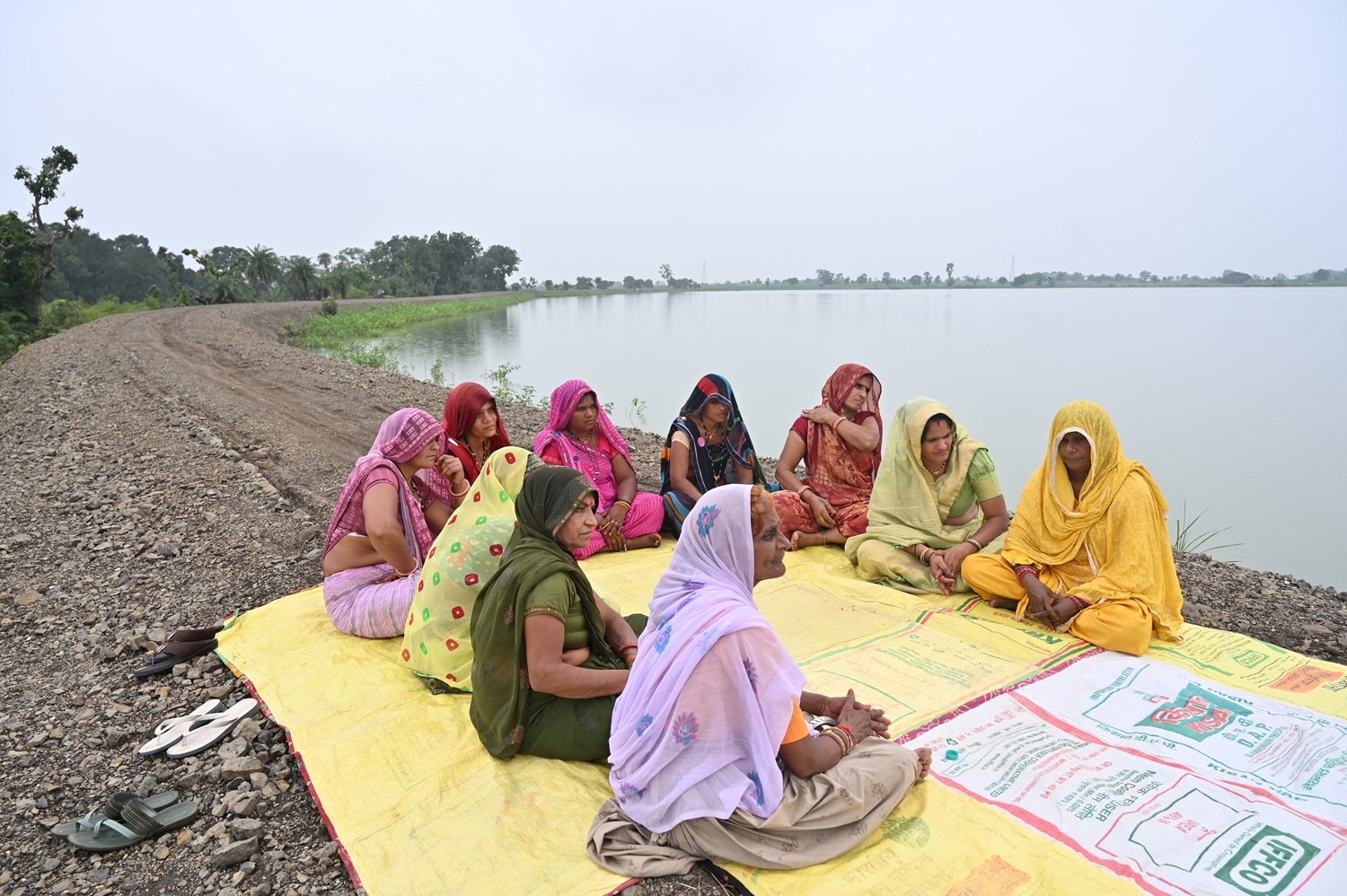
    PepsiCo India, via the PepsiCo Foundation and partner Pandit Jagat Ram Memorial FORCE Trust, will extend its water security and sanitation efforts from 13 villages in Mathura to 17 more, doubling reach to 100,000 people under the Water & WASH Secure Villages Initiative.

    The expansion builds on achievements in safe drinking water, sanitation, hygiene and groundwater management, implemented with local panchayats, administrations, communities and schools. It aligns with PepsiCo’s “Partnership of Progress” ethos, emphasizing multi-stakeholder collaboration for rural India’s water security, the company said in a statement.

    Announced at the Convergence for Water and WASH Secure Rural Communities conference in New Delhi, the event drew India’s Jal Shakti Minister of State Raj Bhushan Choudhary, officials from national missions, CSR executives, panchayat leaders and Uttar Pradesh community figures. Highlights included unveiling “Pathways to Effective Rural Water Sustainability & WASH Interventions,” a compilation of program success stories.

    Choudhary praised the initiative, quoting Prime Minister Narendra Modi: “Catch the rain where it falls, when it falls,” and lauded PepsiCo and FORCE for generational water security benefits.

    Yashika Singh, PepsiCo India and South Asia’s chief corporate affairs and sustainability officer, said: “True progress comes from communities, partners and institutions advancing together. Our Water & WASH Secure Villages Initiative’s success in 13 villages proves collective action’s power, now extending water security to 17 more for resilient futures.”

    Globally, the PepsiCo Foundation’s 2024 water access programs aided 1.2 million people, totaling over 96 million since 2010, prioritizing infrastructure and stewardship in high-risk zones. India’s expansion is a key focus.

    FORCE founder Jyoti Sharma noted: “Community-driven solutions ensure lasting water security. Partnering with PepsiCo India, we’ve boosted sanitation, health and resilience in Mathura, leveraging conference insights for greater impact.”

    The project has deployed 11 community and 12 school reverse osmosis units, rainwater harvesting, pond rejuvenation, hygiene drives and training for water committees, backed by hydrogeological studies and behavior change campaigns. It supports Jal Jeevan Mission, Swachh Bharat Mission and climate goals.

    PepsiCo India advances water security through watershed projects, recharge, regenerative farming and community access, fostering resilient agriculture and national agendas.

  • Amway India Fights Child Malnutrition in Delhi School

    Amway India Fights Child Malnutrition in Delhi School

    Amway India, in partnership with the Nourishing Schools Foundation, hosted interactive workshops on child malnutrition and hygiene for students at a low-cost private school in the capital on Thursday, advancing the fight against childhood malnutrition.

    The event, under Amway’s Power of 5 programme, involved volunteers preparing healthy meals like fruit salads and sprout chaat with the children, followed by painting sessions, drawing contests and role-playing exercises focused on combating child malnutrition through sanitation and balanced diets.

    “Every child deserves the foundation of good nutrition and the opportunity to grow strong and healthy for a better tomorrow,” Rajneesh Chopra, managing director of Amway India, said in a statement.

    He highlighted government initiatives like Poshan Abhiyaan and Mission Saksham Anganwadi, adding that the company aims to embed practical education against child malnutrition early through such activities.

    Archana Sinha, co-founder of Nourishing Schools Foundation, described the sessions as “fun and impactful,” saying they help children internalise health messages.

    “Our shared goal is to empower school children with knowledge that can transform their fight against child malnutrition and future,” she said.

    Launched in 2018, Power of 5 has reached more than 730,000 people across India, including over 100,000 children, by promoting awareness of micronutrients and healthy habits to tackle childhood malnutrition.

    Amway India’s corporate social responsibility efforts also include women’s empowerment programmes that have trained over 4,000 underprivileged women in skills for self-employment, and community projects such as water conservation in seven villages and five telemedicine centres serving 35,000 patients annually.

    The company has received awards including the Golden Peacock CSR Award and CSR Health Impact Award for its initiatives against child malnutrition since 2018.

  • Amara Raja Skill Centre in Mahabubnagar achieves 98.85% placement rate for first batch

    Amara Raja Skill Centre in Mahabubnagar achieves 98.85% placement rate for first batch

    The Amara Raja Skill Development Centre (ARSDC), a joint initiative of Amara Raja Advanced Cell Technologies and the Rajanna Foundation, marked a significant achievement on Tuesday with the valedictory of its inaugural batch, where 98 trainees from local villages secured placements in key industries at a near-perfect rate of 98.85%.

    Inaugurated on August 10 this year in partnership with the Electronics Sector Skills Council of India (ESSCI), the centre targeted underprivileged youth who had completed Class 10 or 12, selecting the cohort through a competitive screening process.

    The three-month programme offered free vocational training in high-growth areas such as heating, ventilation and air conditioning (HVAC), domestic and industrial electricals, electric vehicle service and repair (EVSR), and EV battery pack assembly. It combined theoretical classes, lab sessions and on-site practicals, culminating in NCVET-recognised certifications that enhance employability.

    The event drew prominent attendees, including Devarakadra MLA Madhusudan Reddy, District Collector Viziendira Boyi and TGIIC Vice-Chairman and Managing Director K Shashanka, alongside Amara Raja Group’s senior leadership.

    For many graduates from low-income families, the placements—offering stable salaries in leading firms—represent their first formal jobs, alleviating economic distress and stemming rural-to-urban migration.

    The centre’s model, which included complimentary transport and meals, addressed longstanding barriers to skill acquisition in Mahabubnagar, a district poised for industrial expansion with the upcoming Giga Corridor. Officials highlighted how such interventions could catalyse local development, with the second batch slated to commence on December 15.

    As India’s push for skilling gains momentum amid the green energy transition, ARSDC exemplifies the potential of targeted CSR efforts to build a resilient workforce, one certification at a time.

  • Rural Skill India Centre unveiled in UP to boost electronics, IT skilling

    Rural Skill India Centre unveiled in UP to boost electronics, IT skilling

    Union Minister for Electronics and Information Technology Ashwini Vaishnaw and Minister of State for Skill Development and Entrepreneurship Jayant Chaudhary on Monday inaugurated a new Skill India Centre (SIC) in Baraut, Baghpat district, Uttar Pradesh, targeting rural youth and women with training in electronics and IT-ITeS sectors.

    The centre, set up by the National Skill Development Corporation (NSDC) in partnership with Redington Foundation, aims to train around 600 candidates from the underprivileged sections of Baraut and neighbouring Chhaprauli blocks.

    A hub-and-spoke model will operate with the main facility in Baraut and a spoke centre in Chhaprauli to extend last-mile access.

    “This initiative strengthens the government’s mission of building a technologically empowered workforce that can support India’s expanding digital and electronics ecosystem,” Vaishnaw said at the inauguration.

    “When quality skilling reaches rural districts, it unlocks aspirations and accelerates social transformation.”

    Jayant Chaudhary highlighted the broader socio-economic impact, stating, “Skilling is not just about employment—it is about dignity, mobility, and confidence. This centre will become a gateway of new possibilities for young people in the region.”

    The curriculum focuses on high-demand areas in electronics manufacturing and IT-enabled services, aligning with national priorities under the Skill India and Digital India programmes.

    Redington Foundation’s Global Chief Sustainability Officer R. Venkatesh said the partnership “reaffirms our commitment to unlock impact by equipping rural and underprivileged youth with future-ready, job-oriented skills” in advanced electronics and IT domains.

    Early results from the collaboration are encouraging: 72 candidates from Baghpat trained under Redington Foundation’s CSR programme have already secured placements in reputed organisations.

    The Baraut centre is part of a wider push to expand skilling infrastructure in rural Uttar Pradesh and bridge the urban-rural digital divide through industry-aligned training and employment linkages.

  • Ambuja Cements builds water security in Marwar Mundwa through farm ponds

    Ambuja Cements builds water security in Marwar Mundwa through farm ponds

    Ambuja Cements, India’s ninth-largest building materials provider and part of the Adani Group, has constructed 170 farm ponds and 3,410 rooftop rainwater harvesting systems in the Marwar Mundwa region to enhance water security and support sustainable agriculture for local farmers.

    The corporate social responsibility (CSR) initiatives, focused on water-smart interventions including irrigation innovations and horticulture, aim to reduce climate dependency and boost rural incomes in Rajasthan’s arid Nagaur district.

    In Didiya Kalan village, Ambuja supported farmers Bau Devi and Ganpatram with a 1,782 cubic metre farm pond and rooftop rainwater harvesting system, the company said in a statement.

    The couple now grows cumin in the dry season and earned Rs 15,000 last year by selling excess water, enabling year-round farming.

    Twenty farmers in the same gram panchayat benefited from farm pond construction, harvesting a total of 38,147 cubic metres of water for irrigation.


    In Mundwa village, Bhauram Ji and Pipudi Devi addressed saline groundwater issues with a 1.7 million litre farm pond and rainwater system funded by Ambuja.

    The family shifted to year-round cultivation of cumin, isabgol and cotton, raising annual income to 600,000 rupees from 200,000 rupees, including savings on outsourced water for drinking and crops.

    Dharmendra Mundel in the region expanded his farmland from 15 to 30 bighas with a 2,178 cubic metre poly-lined farm pond backed by Ambuja, alongside sprinkler systems and a Pan Methi Cutter tool. His income rose to Rs 15-18 lakh annually, with Rs 200,000 saved on irrigation.

    In Rupasar village, farmer Jagdishram received a 1.24 million litre farm pond and a horticulture “wadi” plantation from the company. He earned an extra Rs 100,000 from off-season cumin on 8 bighas, with the orchard expected to add Rs 50,000 yearly.

    Ambuja‘s efforts in Marwar Mundwa, which include ongoing farmer training, target broader water security and economic resilience in rural India.

  • HCLFoundation-TNSDC partnership to deliver digital skills training to 2,500 rural youth

    HCLFoundation-TNSDC partnership to deliver digital skills training to 2,500 rural youth

    HCLFoundation, the corporate social responsibility arm of HCLTech, has signed a memorandum of understanding with the Tamil Nadu Skill Development Corporation to deliver digital skills training to 2,500 rural youth over the next three years.

    The digital skills training programme targets youth in the Vilathikulam and Pudur blocks of Thoothukudi district, covering 95 village panchayats. It includes setting up micro workspaces at block headquarters to support remote jobs in information technology and IT-enabled services, with a placement tracking system to monitor outcomes.

    The initiative falls under TNSDC’s “Vetri Nichayam” scheme, which offers digital skills training and job placement for unemployed people aged 18-35.

    “This MoU with HCLFoundation is a proactive step to equip local youth with the digital skills training needed to participate meaningfully in the district’s evolving economic landscape,” Kranthi Kumar Pati, TNSDC managing director, said in a statement.

    The digital skills training programme aims to curb rural-to-urban migration by creating local employment and to boost women’s participation in sectors including IT, logistics and finance, officials said.

    Thoothukudi is developing as an industrial centre in Tamil Nadu, and the digital skills training addresses educated unemployment in rural areas, said Alok Varma, HCLFoundation project director.

    HCLTech is a global technology services firm based in Noida, India.

  • Indus Towers Digital Van trains 136,525 in seven states

    Indus Towers, one of the world’s largest telecom infrastructure companies, said its Digital Transformation Van (DTV) has provided digital literacy training to 136,525 people from underserved communities across seven states as the country marks 10 years of its Digital India initiative.

    The mobile Digital Transformation Van, part of Indus Towers’ flagship Corporate Social Responsibility program ‘Saksham’, has reached rural and urban slum communities in Delhi, Uttarakhand, Madhya Pradesh, Maharashtra, Jharkhand, Chhattisgarh and Odisha, the company said in a statement.

    Launched in 2018 as the DigiShiksha initiative, the Digital Transformation Van program empowers youth, women, senior citizens and farmers with digital literacy, IT skills, cybersecurity awareness and financial education, aligning with the government’s Digital India Mission, according to the announcement.

    “Indus Towers’ DTV is a commitment to inclusive growth and a belief that technology can be a powerful equalizer,” said Neeti Wahi, Chief Digital and Information Officer at Indus Towers. “It is heartening to see over half of our beneficiaries are women.”

    The solar-powered Digital Transformation Van provides free doorstep digital education and public services through a 21-seater mobile classroom equipped with high-speed internet, modern computers, printers and e-learning tools, the company said.

    The Digital Transformation Van initiative is implemented by NIIT Foundation, with expert trainers conducting community awareness sessions on digital safety, environmental conservation and waste management for school children aged 12 and above, women, farmers and senior citizens, according to the statement.

    The Digital Transformation Van program represents Indus Towers’ approach to reaching communities where digital infrastructure and literacy gaps are most pronounced, customizing offerings based on local needs rather than relying on static training centers, the company said.

    Indus Towers operates 256,074 telecom towers across all 22 telecom circles in India, making it one of the country’s largest tower infrastructure providers, according to company information.

  • Bharti Airtel Foundation launches multi-year scholarship program at Indian School of Business

    Bharti Airtel Foundation launches multi-year scholarship program at Indian School of Business

    The Bharti Airtel Foundation has established a multi-year scholarship initiative with the Indian School of Business (ISB), offering financial support to students in the institution’s Post Graduate Programme in Management for Young Leaders, the foundation announced.

    The program will provide five students from each cohort with full or partial waivers covering tuition, accommodation and meal expenses through a need-cum-merit based selection process, the foundation said in a statement.

    The scholarship recipients, designated as “Bharti Scholars,” will be chosen based on both financial need and academic merit, according to the announcement.

    “Education is the cornerstone of progress and empowerment,” said Rakesh Bharti Mittal, Co-Chairman of the Bharti Airtel Foundation and Vice Chairman of Bharti Enterprises. “When talent meets opportunity, extraordinary things happen.”

    The memorandum of understanding was signed in the presence of Mittal, Madan Pillutla, Dean of ISB, and DNV Kumara Guru, Senior Director of Advancement, Alumni Engagement and External Relations at ISB.

    The foundation has supported over 2,000 scholars since its inception, with 44% of recipients being female students, according to the statement. The initiative focuses on creating higher education opportunities for children from underserved communities.

    ISB said the partnership advances its commitment to ensuring financial constraints do not limit access to management education for qualified candidates.
    The Post Graduate Programme in Management for Young Leaders is designed for early-career professionals seeking business education.

  • HCL Foundation donates medical equipment to UP hospital

    HCL Foundation donates medical equipment to UP hospital

    HCL Foundation, the corporate social responsibility arm of technology firm HCLTech, has donated advanced medical equipment to a government hospital in Uttar Pradesh state, the foundation said on Tuesday, as part of efforts to improve healthcare infrastructure in the region.

    HCL Foundation provided the equipment to the Government Institute of Medical Sciences (GIMS) in Greater Noida, including a 3 Tesla high energy inductive therapy system for deep tissue healing, an intermittent compression therapy unit, a computerized balance evaluation system, a high power laser therapy unit, and a DEXA scan machine for bone health assessment.

    The new equipment is expected to benefit more than 30,000 patients annually from Noida, Greater Noida, the Delhi National Capital Region and surrounding areas, HCL Foundation said.

    “At HCL Foundation, we believe that quality healthcare should be accessible to everyone,” said Dr Nidhi Pundhir, Senior Vice President for Global CSR at HCLTech and Director at HCL Foundation.

    The donation by HCL Foundation supports the Uttar Pradesh state government’s efforts to strengthen medical infrastructure and expand healthcare access in the region.

    Brig. (Dr.) Rakesh Gupta, Director of GIMS, said the support from HCL Foundation would “significantly strengthen” the institute’s healthcare infrastructure and patient care capacity.

  • Empowering Climate-Resilient Farming: ACC’s Solar Boost

    Empowering Climate-Resilient Farming: ACC’s Solar Boost

    In the hot, dry lands of Chhatatand village in rural India, farmers like Bhagywati Devi used to worry every day about rain. No rain meant no crops, no food, and no money. But now, things are different. ACC, a big company in cement and building materials from the Adani group, is working with the Adani Foundation to bring climate-resilient farming to places like this. They use smart ways to save water and grow food better, even when weather is bad. This helps farmers fight low crop yields and crazy rain patterns through climate-resilient farming practices.

    Bhagywati is 47 years old. She has three kids and a husband who works hard as a daily labourer. Life was tough. School fees piled up, and food was always short. “We waited for rain like kids wait for sweets,” she says. When it didn’t come, her fields turned brown. She had to use diesel pumps for water, but they cost too much money and made dirty smoke. Crops failed often, and her family went hungry.

    In 2024, everything changed for Bhagywati. She was one of 20 farmers picked for the Adani Foundation’s solar irrigation project. ACC helped make it happen. Now, a solar pump sits in her small half-acre field. It uses free sunshine to pull water from the ground and send it straight to her plants. No more waiting for rain or paying for diesel. “It’s like a magic machine from the sky,” Bhagywati laughs, her face lighting up.

    With steady water, her crops grow strong all year. She plants rice and veggies without fear. Yields doubled fast. Before, she earned just enough to scrape by. Now, she makes an extra Rs 6,000 each month. That’s big money here—it pays for better food, fixes the house roof, and saves for her youngest girl’s college dreams. “I used to work sun-up to sun-down just to eat. Now, I have time for my family,” she says. She cooks hot meals, helps kids with homework, and chats with neighbors. Her tired hands still work the soil, but her heart feels lighter.

    ACC didn’t stop at water. They taught her trellis farming too. It’s a simple trick: Grow climbing veggies like beans and gourds on tall frames made from sticks or wire. This saves space on her tiny plot. Plants grow up, not out, so she fits more in. “My land was too small before. Now, veggies climb high like happy kids on a swing,” she jokes. Extra harvest means more to sell at the market. Buyers pay good prices for fresh, clean produce. Her income grew again, and people in the village notice. Once, folks saw her only as a wife helping out. Now, they call her for advice on farming. She speaks up in meetings, proud and strong.

    Bhagywati’s story shows the power of climate-resilient farming. ACC brings easy tools like solar pumps and trellis setups to far-off villages. These aren’t fancy gadgets—they’re helpers that fit real life. Farmers learn to use less water, grow more food, and earn steady cash through climate-resilient farming methods. No more chasing rain or burning fuel. Instead, they build safe futures.

    Take Bhagywati’s family: The extra money bought new clothes for festivals. Her middle son dreams of being a teacher, not a labourer. The little girl studies without worry. “ACC gave us more than tools. They gave us hope,” Bhagywati says, watching her kids play under the green vines.

    Across India, thousands like her face the same fights—hotter days, less rain from climate change. But with ACC and Adani Foundation’s work, rural spots like Chhatatand are turning green again. One farmer, one field at a time, they’re proving small changes make big waves. Solar power waters the land. Smart farming lifts spirits. And stories like Bhagywati’s spread, inspiring others to try climate-resilient farming.

    In the end, it’s not just about crops. It’s about families thriving, kids learning, and villages growing strong. ACC builds more than cement—they build lives that last, rain or shine.