Blog

  • CSR flows to India’s aspirational districts rise 20% in FY24, but concentration persists in mining hubs

    CSR flows to India’s aspirational districts rise 20% in FY24, but concentration persists in mining hubs

    By Eldee

    Corporate Social Responsibility (CSR) spending in India’s 112 Aspirational Districts — the backward regions identified by NITI Aayog for accelerated development — grew by nearly 20 per cent in FY 2023-24, reaching Rs 1,521.44 crore from Rs 1,265.36 crore the previous year, according to the latest data tabled in Parliament by the Ministry of Corporate Affairs.

    The figures, part of a Rajya Sabha response in early February 2026, reflect a gradual shift towards channelling private sector resources into underdeveloped pockets, even as overall national CSR expenditure climbed to Rs 34,908.75 crore in FY24 from Rs 30,932.08 crore in FY23.

    Aspirational districts, which account for some of the country’s highest poverty and lowest human development indices, continue to receive only about 4-4.5 per cent of the total CSR pie — a share that has more than tripled over the past decade from around 1.3 per cent but remains modest given the scale of need.

    The data highlights stark regional and district-level variations. Jharkhand emerged as the top recipient among states, with its aspirational districts attracting around Rs 317 crore in FY24 (up from Rs 263 crore), driven largely by industrial and mining-linked contributions.

    Districts such as Purbi Singhbhum (Rs 94.20 crore) and Ranchi (Rs 80.65 crore) remained heavyweights, benefiting from proximity to corporate operations in steel, coal and heavy industries.

    Madhya Pradesh followed closely, with Singrauli topping the national list at Rs 114.29 crore in FY24 — the single highest district allocation — underscoring the influence of energy and mining sectors.

    Other notable performers included Uttarakhand’s Haridwar (Rs 75.80 crore) and Maharashtra’s Gadchiroli, which saw a dramatic jump from Rs 14.55 crore to Rs 70.15 crore, likely tied to increased focus on tribal and forested areas.

    Yet the pattern reveals persistent clustering. A handful of districts — often those with resource extraction or strategic industrial presence — captured a disproportionate share, while many remote or low-activity aspirational districts received negligible funds.

    Several, including Namsai in Arunachal Pradesh, Bijapur and Narayanpur in Chhattisgarh, and Yadgir in Karnataka, recorded zero or near-zero spending in both years. Others, like Sirohi in Rajasthan, saw sharp declines (from Rs 50.97 crore to Rs 20.67 crore).

    Experts point to the voluntary, board-driven nature of CSR under Section 135 of the Companies Act, 2013, which encourages but does not mandate spending in specific geographies beyond preferring local areas around operations.

    Government-owned companies have been more proactive, directing a higher proportion (around 11 per cent in recent analyses) to aspirational districts compared to private firms.

    Reports from think tanks such as Sattva Consulting note that while private corporations now contribute the majority of aspirational district funding — led by BFSI and energy/mining sectors with natural rural linkages — the overall flow remains aligned more with business footprints than pure equity considerations. Three-fourths of district-mapped CSR often concentrates in metros, Tier-1/2 cities or industrial hubs with lower poverty levels.

    NITI Aayog’s Aspirational Districts Programme, launched in 2018, has used real-time monitoring and convergence with central schemes to drive improvements in health, education, nutrition and infrastructure across these regions.

    The rising CSR inflows complement these efforts, but stakeholders argue for stronger nudges — such as better alignment with district priorities, multi-year commitments and incentives for non-core area spending — to ensure more equitable distribution.

    The Ministry maintains that CSR data is publicly available on csr.gov.in, empowering transparency and stakeholder scrutiny. As national CSR totals approach Rs 35,000 crore annually, the challenge remains translating incremental gains in backward districts into transformative, sustained impact amid uneven corporate priorities.
  • Alarming Western Disturbances shift raises flood risks in Himalayas: IIT Roorkee study

    Alarming Western Disturbances shift raises flood risks in Himalayas: IIT Roorkee study

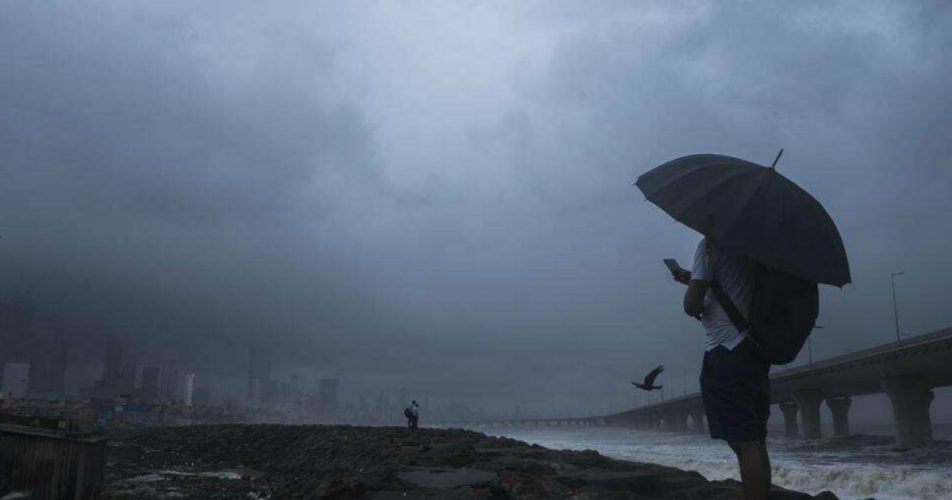
    A groundbreaking study from the Indian Institute of Technology (IIT) Roorkee has uncovered an alarming Western Disturbances shift, with these vital weather systems—traditionally tied to winter snowfall—now exerting greater influence during pre-monsoon months, heightening threats to climate resilience, disaster preparedness, and water security in northern India.


    Published in the International Journal of Climatology, the research reveals that Western Disturbances are becoming more active beyond the cold season, traveling longer distances, absorbing higher moisture, and delivering intensified precipitation from March to May.

    This Western Disturbances shift, driven by climate warming, is reshaping precipitation patterns across the Himalayas and adjacent areas.


    Analyzing over seven decades of atmospheric and rainfall data, researchers identified significant changes in Western Disturbances pathways, including extended travel, enhanced moisture uptake, and stronger upper-level winds, which amplify rainfall intensity outside the traditional winter period.


    The alarming Western Disturbances shift elevates risks of flash floods, landslides, and extreme rainfall in the fragile Himalayan terrain, while disrupting long-term water availability for downstream regions.


    “Extreme events, such as the 2023 Himachal flood and the recent 2025 Uttarakhand flood, reflect the growing influence of these disturbances,” said Spandita Mitra, PhD Scholar at IIT Roorkee’s Department of Hydrology.


    Lead investigator Prof. Ankit Agarwal added: “Our analysis shows that Western Disturbances are undergoing significant seasonal and structural changes, particularly during the pre-monsoon period. This transition has far-reaching implications for water resources, extreme weather events, and disaster vulnerability in the Himalayas.”


    Prof K K Pant, Director of IIT Roorkee, emphasized the need for proactive measures: “Scientific evidence such as this is crucial for rethinking climate resilience in ecologically sensitive regions. This study reinforces our commitment to translating insights into actionable strategies for sustainable development.”


    The researchers call for updated climate models, dynamic forecasting, and region-specific risk assessments to address the evolving patterns under a warming climate.

  • Swachhata Mela 2026: Massive cleanliness drive in Noida

    Swachhata Mela 2026: Massive cleanliness drive in Noida

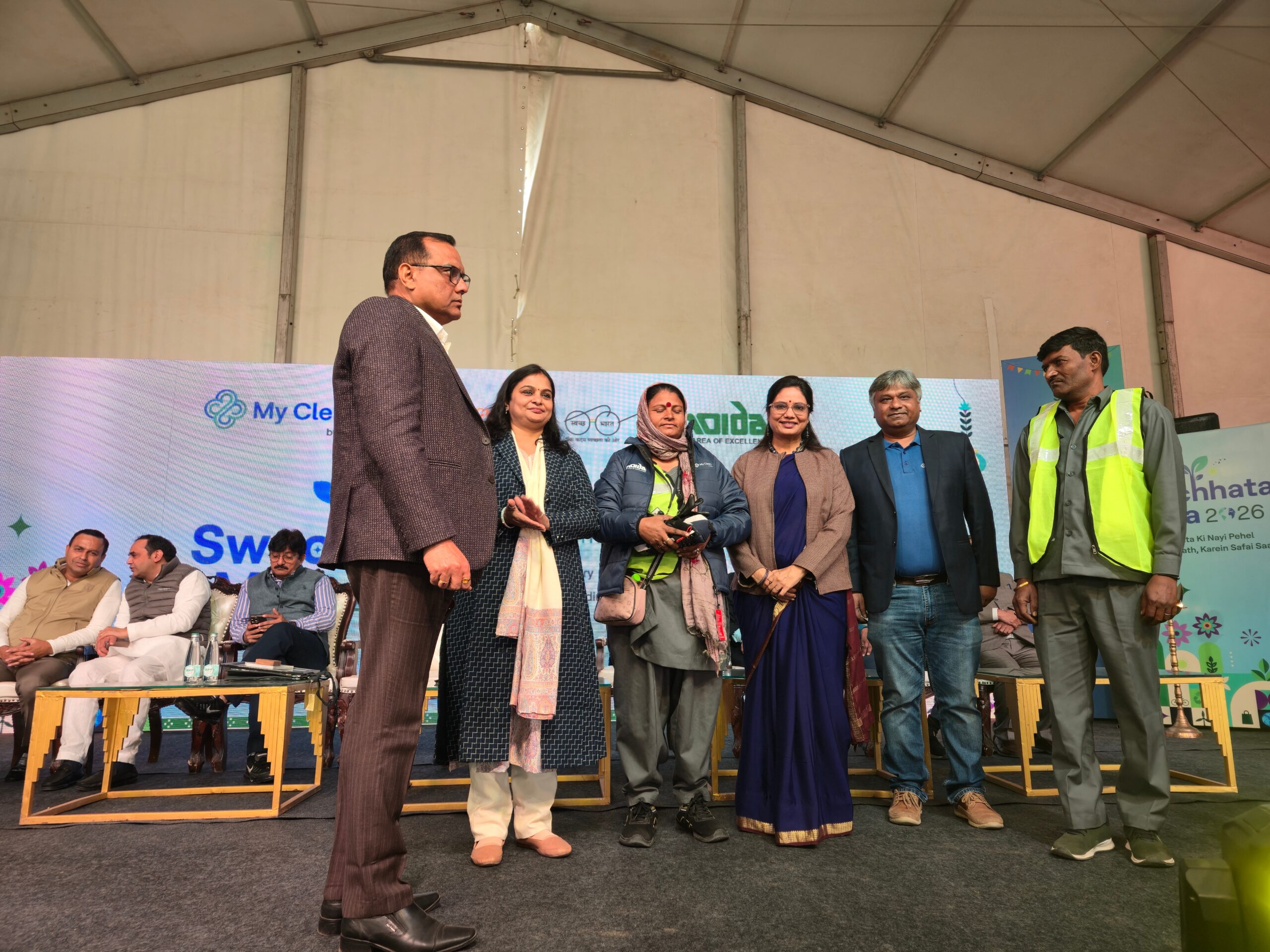
    In a massive show of community spirit for Swachh Bharat goals, HCLFoundation teamed up with Noida Authority to host Swachhata Mela 2026 here on Wednesday.

    The event, held under the guidance of Noida Authority CEO Krishna Karunesh IAS, brought together over 5,000 people — school students, teachers, RWAs, sanitation workers, urban village residents, NGOs and officials — to celebrate the city’s strides in cleanliness and sustainable living.

    Vandana Tripathi IAS, Additional CEO of Noida Authority, graced the occasion as chief guest. She stressed that lasting cleanliness needs strong systems, efficient services and active public participation. “In partnership with HCLFoundation, we are strengthening waste management while honouring sanitation workers. Swachhata Mela offers a key platform to engage communities and promote responsible behaviour for long-term clean-city goals,” she said.

    The mela featured lively panel discussions and expert talks on waste segregation, circular economy and changing citizen habits. Students and community groups enthralled the crowd with cultural performances.

    A special Swachhata Exhibition spotlighted the achievements of HCLFoundation’s My Clean City programme, showing real progress in sanitation, waste handling and behaviour change — thanks to strong backing from Noida Authority.

    A moving highlight was the felicitation of sanitation workers (safai karamcharis), school students, teachers and Waste Champions for their tireless efforts in keeping Noida and Greater Noida spotless. Sanitation kits were handed out to more than 5,100 safai karamcharis.

    Participating schools under the My Clean City Waste Champion programme were also honoured for spreading awareness and inspiring young citizens to act.

    Dr Nidhi Pundhir, Senior Vice President, Global CSR at HCLTech and Director, HCLFoundation, said: “Sustainable urban change comes from strong partnerships and empowered people. Cleanliness goes beyond infrastructure — it’s about shared responsibility, dignity and trust. Through My Clean City, we drive large-scale behaviour change, and Swachhata Mela 2026 shows our dedication to inclusive, citizen-led solutions for resilient cities. I express heartfelt thanks to all Noida sanitation workers who keep our city shining.”

    My Clean City is transforming urban sanitation in Noida and Greater Noida with science-based waste practices and wide community involvement. So far, it has sensitised nearly 750,000 citizens on good waste habits, trained over 61,000 stakeholders, and managed more than 50,000 tons of waste.

    Key tech boosts include the Integrated Control and Command Center (ICCC) for operations, HomoSep robots for safe manhole/septic tank cleaning, and E-garbage loaders for efficient collection. Over 2,400 school students are active in the My Clean City Waste Champions Club.

    The event reinforced how collective action can create cleaner, greener urban spaces across India.

  • Adani Foundation Irrigation Uplifts Himachal Farmer

    Adani Foundation Irrigation Uplifts Himachal Farmer

    In a significant boost to rural livelihoods, the Adani Foundation has transformed irrigation access for farmer Sandeep Kumar in Ropa village in Himachal Pradesh through the Dhounkothi Watershed Project, implemented in collaboration with ACC, the cement major of the Adani Portfolio.

    The initiative involved constructing 335 meters of cemented RCC channels to augment traditional ‘kuhls’, ensuring consistent water flow, reduced maintenance efforts, and enhanced water use efficiency. Previously, Sandeep and his family faced challenges in irrigating their fields due to erratic water supply and frequent repairs.

    With the upgraded infrastructure now in place, Sandeep has diversified into high-value cash crops including lady finger, brinjal, turmeric, garlic, and more. This shift has boosted his annual agricultural income from Rs 31,600 to Rs 40,100, while saving valuable time and labour for other activities such as livestock rearing.

    The project exemplifies how targeted infrastructure interventions can drive sustainable change. By partnering closely with local communities, panchayats, and grassroots organisations, the Adani Foundation and ACC are empowering farmers, building resilient villages, and promoting long-term agricultural productivity and resource access in underserved areas.

    Such efforts highlight the growing role of corporate social responsibility in uplifting rural India and fostering inclusive growth.

  • Community Pure Water Annual Fundraiser 2026: Safe Water Triumph

    Community Pure Water Annual Fundraiser 2026: Safe Water Triumph

    Hyderabad’s iconic Chowmahalla Palace hosted the Community Pure Water Annual Fundraiser 2026, a transformative charity dinner that brought together philanthropists, business leaders, CSR executives, and government officials committed to safe drinking water as preventive health infrastructure in rural India.

    Race2Win Foundation served as title sponsor, reinforcing the urgent need to address water contamination that hinders education, economic progress, and gender equity.

    Founded by Ravi Reddy under the Community Development Foundation, Community Pure Water operates over 550 ISO-certified community water centres, delivering more than 9 lakh litres of purified water daily to 1.2 million people across villages and schools with 97% uptime. These micro-utilities combine technology, automation, and community ownership to eliminate health hazards from polluted water and support stronger nutrition and livelihoods.

    Under the leadership of Mrs. Pratiksha Prashant, Chairperson of the Fundraising Committee, the event achieved its goal of providing safe water to 25 additional rural schools through generous support from attendees, including Chief Guest Mrs. Pinky Reddy, Special Guest Speaker Ms. Nandita Das, and distinguished figures from defence, police, government, and civil society.

    The fundraiser underscored safe drinking water as a powerful catalyst for community development. By prioritising clean water, Community Pure Water empowers healthier, more resilient, and thriving rural communities, advancing sustainable progress across India.

  • Re Sustainability, Janyu ink MoU for transformative robotics waste management

    Re Sustainability, Janyu ink MoU for transformative robotics waste management

    Re Sustainability Limited, a leading integrated waste management firm, and Janyu Technologies have signed a Memorandum of Understanding (MoU) to pioneer transformative robotics waste management solutions across India.

    The strategic partnership combines Re Sustainability’s three-decade expertise in handling hazardous, bio-medical, and industrial waste with Janyu Technologies’ advanced, remotely operated robotic systems.

    The collaboration targets high-risk areas such as sludge removal, confined-space cleaning, and hazardous waste handling, significantly reducing human exposure while boosting operational efficiency, consistency, and traceability.

    India’s waste management industry, valued at over USD 20 billion, is experiencing rapid growth amid stricter regulations, heightened compliance demands, and rising ESG priorities.

    This alliance accelerates the deployment of automation and deep-tech innovations to tackle complex challenges in regulated waste operations.

    Leveraging Re Sustainability’s extensive nationwide network, regulatory knowledge, and execution prowess alongside Janyu’s indigenous robotics tailored for hazardous environments, the partners aim to deliver scalable, safety-first models that align with India’s circular economy and sustainability goals.

    “Safety, compliance, and operational excellence are core to Re Sustainability,” said Masood Mallick, Managing Director & Group CEO.

    “This partnership with Janyu Technologies marks a transformative leap in integrating advanced robotics into high-risk waste management, minimizing human exposure and elevating efficiency, consistency, and traceability.”

    Abhimanyu Raja, Managing Director of Janyu Technologies, added: “India’s industrial progress must prioritize worker safety and dignity. Our human-enabling robotic systems for hazardous tasks like sludge handling and confined-space cleaning shift workers to safer, skilled roles while generating data for AI-driven analytics. Together with Re Sustainability, we are building safer, more competitive industrial infrastructure through Indian innovation.”

    The partnership establishes a foundation for next-generation, human-safe, technology-enabled waste and environmental infrastructure, promoting safer workplaces, robust compliance, and enduring environmental benefits.

  • Eco Survey: Southern states lead green ease of doing biz

    Eco Survey: Southern states lead green ease of doing biz

    Ease of doing business got a major green upgrade in southern India, with Tamil Nadu, Kerala and Andhra Pradesh emerging as trailblazing models, according to the Economic Survey 2025-26.

    The pre-Budget document presents clear evidence that these states have dramatically improved ease of doing business by slashing environmental clearance timelines under the Business Reform Action Plan (BRAP) — while smartly weaving sustainability right into their industrial and economic strategies. This shows that faster approvals and stronger environmental protection can — and do — coexist.

    Kerala used BRAP 2024 to turbocharge ease of doing business through streamlined business registration, digitised land and tax records, and simplified environmental clearances. Simultaneously, the state accelerated renewable energy adoption, rolled out carbon-neutral gram panchayats and launched large-scale waterbody rejuvenation — delivering quicker business setup alongside meaningful ecological gains.

    Tamil Nadu strengthened its ease of doing business ranking with single-window clearances, fully digitised approval processes and progressive land reforms. It is aggressively promoting massive solar parks, district-level decarbonisation plans and statewide energy efficiency programmes.

    The Tamil Nadu Pollution Control Board maintains rigorous oversight of industrial effluent treatment and actively facilitates Common Effluent Treatment Plants (CETPs) for pollution-intensive clusters like tanneries and textiles, ensuring treated wastewater consistently meets strict discharge standards.

    Andhra Pradesh advanced ease of doing business under BRAP 2024 with single-window industrial clearances, online land registration and electronic environmental approvals. The state expanded its Online Consent Management & Monitoring System, allowing businesses to apply for consents digitally, track real-time progress and significantly reduce delays — while greatly improving transparency and coordination between industries and the Pollution Control Board.

    “Some evidence suggests that states streamlining processes to boost ease of doing business while embedding sustainability can cut delays, increase transparency and deliver better environmental outcomes at the same time,” the Survey notes.

    These pioneering and balanced efforts send a strong signal: enhancing ease of doing business no longer means compromising on green goals — it can actually reinforce renewable energy growth, tighter pollution controls and digital-first governance.

  • Eco Survey 2025-26: Pollution trading schemes can be a game-changer even in developing countries, Surat pilot proves

    Eco Survey 2025-26: Pollution trading schemes can be a game-changer even in developing countries, Surat pilot proves

    Market-based tools like emissions trading — long hailed as successful in the US and Europe — can deliver big wins for cleaner air in developing nations too, the Economic Survey 2025-26 has asserted, citing a pioneering experiment in Gujarat’s Surat city.

    Traditionally, experts doubted whether pollution trading schemes could work in lower-capacity settings due to weak monitoring, limited enforcement, and low state credibility. Regulators often struggle to track emissions accurately or ensure polluters buy permits for every unit released.

    But the Survey points to strong counter-evidence from the world’s first particulate matter emissions trading market, launched in Surat — a major industrial hub — and evaluated in the seminal 2023 study by Greenstone et al.

    The scheme, run by the Gujarat Pollution Control Board, covered 317 large industrial plants (mostly coal-burning units in textiles and other sectors). It replaced old command-and-control rules (tech mandates and concentration limits) with a cap-and-trade system, backed by mandatory Continuous Emissions Monitoring Systems (CEMS) for real-time tracking of particulate emissions.

    Key findings from the randomised trial:

    The market worked smoothly — active trading took place, and plants achieved near-universal compliance (99% of emissions covered by permits vs just 66% under the old regime).

    Participating factories slashed particulate emissions by 20-30% compared to those under traditional regulation.

    For the same pollution level, abatement costs dropped by 11-14%, thanks to firms trading permits based on their differing marginal costs.

    The Survey calls this a breakthrough proof that, with credible real-time monitoring like CEMS in place, pollution trading schemes can achieve major emissions cuts at much lower compliance costs — even in challenging developing-country contexts.

    “This shows market-based environmental regulations are not just for rich nations. When supported by strong tech-enabled enforcement, they offer an effective and cost-efficient path to cleaner air,” the document notes.

    The Surat pilot has already inspired expansions in Gujarat (including Ahmedabad) and discussions in other states, highlighting its potential as a scalable model for tackling industrial air pollution across India.

  • Eco Survey 2025-26: No Capital shortage, but huge climate finance gap

    Eco Survey 2025-26: No Capital shortage, but huge climate finance gap

    There is no shortage of money in the world for fighting climate change — the real problem is that this cash is simply not reaching the countries that need it most, the Economic Survey 2025-26 has warned.

    Tabled in Parliament by Finance Minister Nirmala Sitharaman on Thursday, the pre-Budget document says the core issue is not lack of capital but a deep structural misalignment between huge pools of global liquidity and extremely low risk appetite among lenders and investors when it comes to projects in developing nations.

    “Global capital markets are flush with funds, yet flows to sustainable development and climate action in the Global South remain badly constrained by entrenched risk aversion built into the global financial system,” the Survey notes.

    This blockage shows up most clearly in two places: the conservative lending models of Multilateral Development Banks (MDBs) and tough prudential rules in rich countries.

    MDBs still prefer safe, sovereign-guaranteed loans to protect their AAA ratings. This limits their ability to recycle balance sheets and pull in large-scale private money. High capital charges under Basel III and Solvency II make long-term infrastructure bets in emerging markets unattractive for banks and insurers in developed nations.

    On top of that, big institutional investors want standardised, easy-to-trade securities — while climate projects in poorer countries are usually custom-made, small and illiquid.

    The Survey calls the situation urgent and demands big-ticket reforms to fix it:

    • Recapitalisation of MDBs
    • Shift to “originate-to-share” model using guarantees, insurance and blended finance
    • Recalibration of global regulations
    • Strong governance to protect public money

    It points to a recent game-changer example: In 2025, the Inter-American Development Bank and Brazil’s Central Bank set up a mechanism that unlocked up to $3.4 billion in long-term forex hedging. This tackles currency risk without piling more debt on governments — making projects far more attractive to private investors.

    Without such active risk-sharing and a move away from pure risk avoidance, the Survey warns, energy poverty and climate vulnerability will keep rising in the developing world despite trillions sitting idle in global markets.

  • SOS India holds free eye check-up camp for 137 kids

    SOS India holds free eye check-up camp for 137 kids

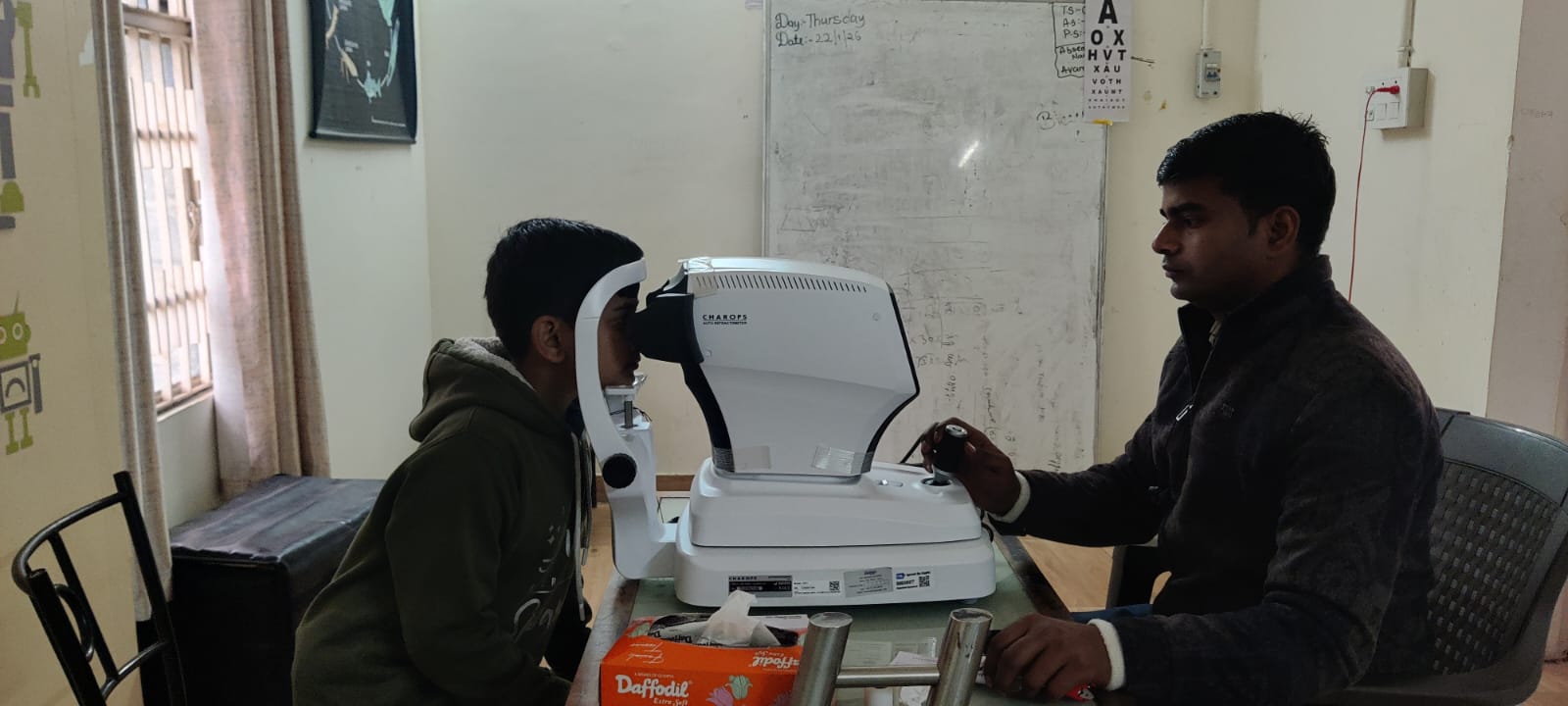
    SOS Children’s Villages India, in collaboration with Dr Agarwals Eye Hospital, conducted a one-day free eye check-up camp that screened 137 children and caregivers from its Family Like Care and Family Strengthening Programmes.

    In an era when myopia (near-sightedness) and hypermetropia (far-sightedness) are increasingly prevalent among children in India—with studies showing myopia rates rising with age and affecting learning—early detection is essential to prevent issues like reduced concentration and impaired academic performance.

    Vulnerable children often face limited access to basic healthcare, including eye screenings, making initiatives like this vital for their development.

    Sumanta Kar, CEO of SOS Children’s Villages India, emphasized the importance of the partnership: “Children today are more vulnerable to eye-related issues, and at their young age, they often struggle to articulate challenges they face. Our core commitment is the overall well-being of children and mothers in our care. This collaboration with Dr Agarwals Eye Hospital has enabled timely screening and preventive care, helping participants address vision concerns effectively.”

    The transformative camp focused on early diagnosis of conditions such as weak eyesight, colour blindness, and lazy eye (amblyopia). A team of qualified doctors and staff from Dr Agarwals Eye Hospital provided screenings, basic consultations, and preventive guidance to children and caregivers. For cases requiring further treatment, recommendations for additional diagnosis were offered.

    Dr Karthikeya, Senior Consultant – Vitreoretina, Uvea & ROP at Dr Agarwals Eye Hospital, highlighted the impact: “Many eye problems in children remain unnoticed without regular screening. Early identification prevents these issues from hindering studies and daily activities. Through outreach camps like these, we deliver quality eye care to underserved children who might otherwise miss timely help.”

    This collaboration underscores the shared goal of both organizations to advance children’s healthcare, providing empowering basic medical services to support the holistic growth of vulnerable youth.