Blog

  • Matix Fertilisers wins Mahatma Award for CSR work in Bengal

    Matix Fertilisers wins Mahatma Award for CSR work in Bengal

    Matix Fertilisers and Chemicals Limited, promoted by Nishant Kanodia, has been awarded the Mahatma Award for CSR Excellence, becoming the only recipient from West Bengal this year. ‘

    The company was selected from over 2,100 entries for its community development initiatives around its Panagarh manufacturing facility.

    The crop nutrition company’s CSR programmes, aligned with UN Sustainable Development Goals, have impacted over 52,000 beneficiaries across health, education and livelihood sectors.

    Under Project Dhadkan and Project Suraksha, the company has provided free medical treatment to 49,000 people.

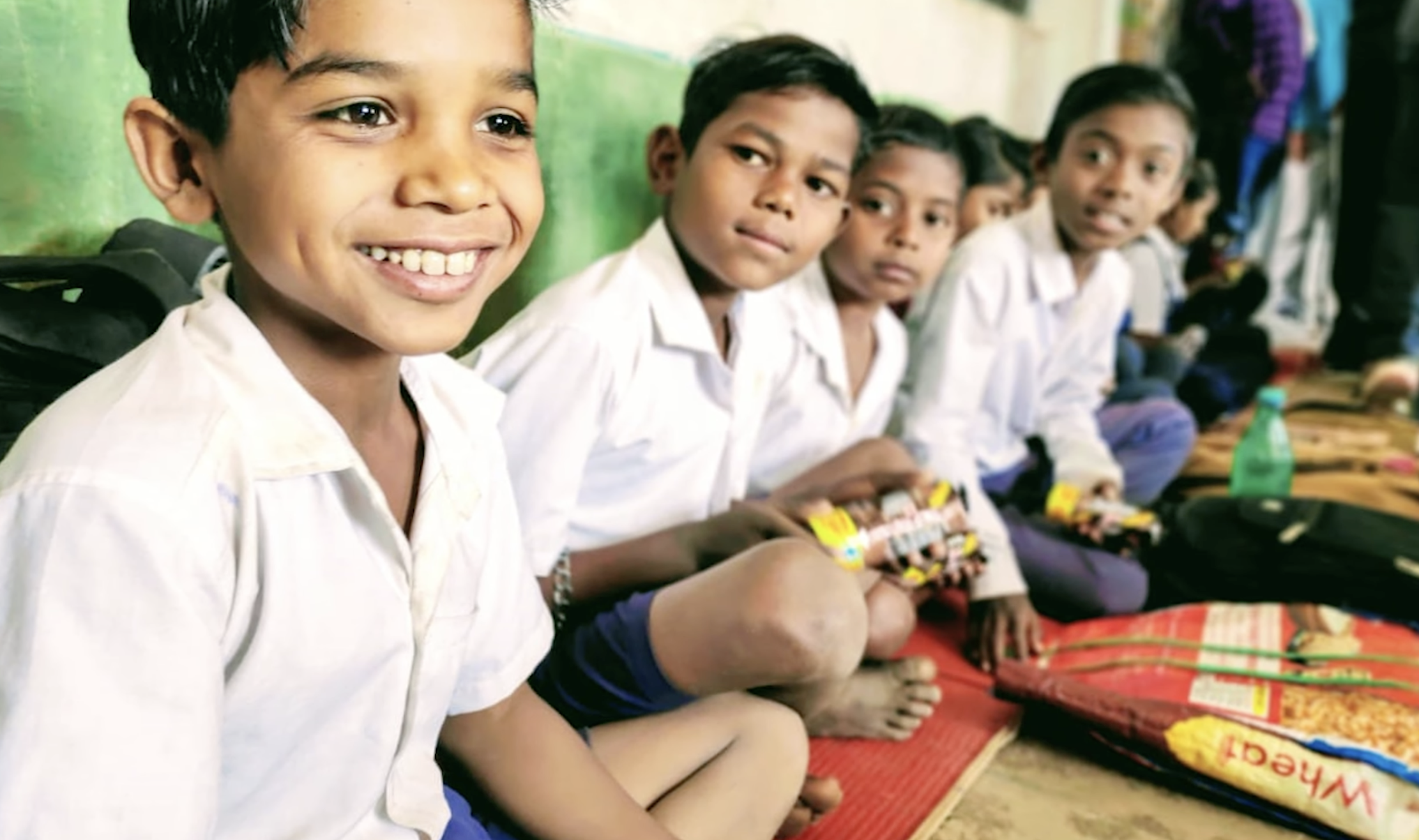
    Its education initiatives, including a Mini Science Centre and Digital Education Project, have reached 3,265 students, while Project Shakti has trained 565 women in animal husbandry and other skills.

    The company’s Mobile Soil Testing Van has analysed over 9,500 soil samples across five states, supporting farmers with scientific guidance.

    “This recognition validates our belief that our responsibility extends beyond business to the communities we serve,” said Nishant Kanodia, Chairman of Matix.

    “Our CSR initiatives are a voluntary and heartfelt commitment to making a lasting difference.”

    Managing Director Manoj Mishra said the award would inspire the team to expand their community-focused work further.

  • SEBI’s ESG Reforms Usher in Transparency, Face Teething Issues

    SEBI’s ESG Reforms Usher in Transparency, Face Teething Issues

    The Securities and Exchange Board of India’s (SEBI) April 29, 2025, circular on ESG Rating Providers (ERPs) has reshaped India’s capital markets, with its key provisions now in full swing, as per the July 11 Master Circular (SEBI, April 29, 2025; SEBI, July 11, 2025).

    By mandating public disclosure of ESG scores on stock exchanges and company websites, requiring ERP registration, and enforcing strict rating withdrawal rules—such as bondholder consent or minimum three-year coverage—SEBI is driving unprecedented transparency (SEBI, April 29, 2025).

    This empowers investors, particularly retail ones, to weigh sustainability alongside profits, while pushing companies to prioritise environmental, social, and governance (ESG) standards.

    The rules are clear: subscriber-pays ratings can only be withdrawn if there are no active subscribers or if firms skip their Business Responsibility and Sustainability Report (BRSR).

    Index-linked ratings, like those tied to the Nifty 50, remain in place as long as the index has subscribers. For issuer-pays bond ratings, withdrawal requires 75% bondholder approval or coverage for half the bond’s tenure. Mergers or repaid bonds allow withdrawals, but only with proper documentation (SEBI, April 29, 2025).

    Yet, challenges loom large. SEBI has flagged inconsistent data quality and a shortage of assurance providers for ESG/BRSR reports, raising concerns about the reliability of ratings (SEBI, September 2025).

    Some ERPs are still refining their methodology disclosures, though efforts to standardise are ongoing (SEBI, July 2025). Smaller companies, in particular, struggle with BRSR compliance, which could undermine the system’s effectiveness.

    Looking ahead, SEBI is eyeing alignment with global frameworks like ISSB and TCFD by 2026, aiming to make ESG a strategic cornerstone rather than a compliance burden (SEBI, July 2025).

    These reforms position India’s markets as a hub for sustainability-focused investors, but addressing capacity gaps and data inconsistencies is critical to sustaining this momentum.

    For now, SEBI’s bold push is setting a new benchmark for transparency, even as it navigates early hurdles.

  • India’s Bold Crackdown on Greenwashing: A Wake-Up Call for Corporate India

    India’s Bold Crackdown on Greenwashing: A Wake-Up Call for Corporate India

    In an era where sustainability is no longer a buzzword but a boardroom imperative, India’s regulatory blitz against greenwashing marks a pivotal shift towards genuine accountability. As we navigate the complexities of climate change and ethical governance, the Enhanced Sustainability Reporting (ESR) mandates, rolled out in 2024 and fortified through 2025, stand as a beacon of progress.

    Yet, they also expose the stark reality: nearly 80% of green claims in the Indian market are misleading or unsubstantiated, eroding consumer trust to a dismal 29%. It’s high time corporate India heeds this warning—greenwashing isn’t just bad PR; it’s a betrayal of stakeholders that could torpedo long-term value.

    Greenwashing, the insidious art of inflating environmental credentials to dupe investors and consumers, has long plagued global markets. In India, it’s particularly rampant in high-impact sectors like energy, manufacturing, and fashion, where vague promises of “eco-friendly” practices often mask business-as-usual pollution. The fallout? Not only does it undermine genuine sustainability efforts, but it also distorts market competition, favoring slick marketers over true innovators.

    Enter the government’s decisive intervention: starting October 2024, every environmental claim must be backed by verifiable documentation and third-party certification. Mandating digital tools like QR codes linking to audited evidence is a masterstroke—it democratizes transparency, empowering consumers to scan and scrutinize in seconds. This isn’t overregulation; it’s smart governance that aligns corporate narratives with verifiable actions.

    The teeth in these rules come from the penalties, which are refreshingly severe. Repeat offenders face fines up to ₹5 million (about USD 60,000) and even criminal prosecution. Such measures send a clear message: sustainability isn’t optional; it’s enforceable.

    Coupled with the Securities and Exchange Board of India (SEBI)’s Business Responsibility and Sustainability Report (BRSR) framework, which demands detailed ESG disclosures from top listed companies, these steps are reshaping corporate governance. Non-compliance doesn’t just invite fines—it risks reputational carnage and investor flight. In a market where ESG funds are surging, companies ignoring this could find themselves sidelined by discerning global capital.

    But enforcement is only as good as its oversight. The Parliamentary Standing Committee on Finance’s push for a dedicated ESG body with forensic powers is spot-on. By embedding ESG into directors’ fiduciary duties, it ensures that sustainability isn’t siloed in CSR reports but woven into core strategy.

    Imagine auditors with the tools to dissect claims, much like forensic accountants probe financial fraud—this could be the game-changer India needs to lead in the global green economy.Of course, challenges remain. Smaller firms might struggle with compliance costs, and the risk of overzealous enforcement could stifle innovation. Policymakers must balance rigor with support, perhaps through subsidies for certifications or streamlined digital platforms. Ultimately, though, these reforms are a net positive. They compel businesses to walk the talk, fostering a culture where ESG compliance drives competitive advantage, not just checkboxes.

    India’s ESR crackdown isn’t mere regulatory muscle-flexing; it’s a strategic pivot towards a resilient, trustworthy economy. For corporate leaders, the choice is clear: embrace authentic sustainability or face the consequences. In the end, true green progress will benefit not just the planet, but the bottom line too.

  • India’s CSR-1 Overhaul: New Rules Lock in Transparency for NGOs

    The reforms aim to enhance transparency, prevent fund misuse, and boost confidence in India’s CSR ecosystem.

    India’s updated CSR-1 requirements, effective July 14, 2025, mandate NGOs, trusts, and Section 8 companies to register via a fully web-based CSR-1 eForm on the MCA21 portal to implement corporate CSR projects.

    Eligible entities—public trusts, societies, Section 8 companies, or government bodies with valid 12A/80G registrations—must provide entity type, registration date, address, PAN, key office bearers’ details, and proof of eligibility. The shift from PDF to real-time web filing eliminates physical uploads, ensuring faster approvals and better record-keeping.

    Approved entities receive a unique CSR registration number, enabling them to access corporate CSR funds. The reforms aim to enhance transparency, prevent fund misuse, and boost confidence in India’s CSR ecosystem.

  • SEBI Tightens Rules for Social Stock Exchange to Boost Transparency

    SEBI Tightens Rules for Social Stock Exchange to Boost Transparency

    Capital markets regulator SEBI introduced stricter regulations for the Social Stock Exchange (SSE) on September 19, 2025, aiming to enhance governance and transparency for not-for-profit organizations (NPOs) and social enterprises, according to a circular (SEBI/HO/CFD/CFD-PoD-1/P/CIR/2025/129).

    The updated framework mandates that NPOs registering with the SSE must be Indian trusts, societies, or Section 8 companies with a valid registration certificate held for at least 12 months. New annual disclosure requirements cover governance, finances, donor lists, and social impact, due by October 31 or the income tax return deadline, whichever is later.

    Social enterprises raising funds via the SSE must file an Annual Impact Report (AIR), verified by SEBI-registered Social Impact Assessors, covering at least 67% of program expenditure. SSEs can also enforce additional disclosure parameters to ensure compliance.

    The reforms aim to protect investors, ensure accountability, and align SSE operations with SEBI’s broader capital market regulations, such as the ICDR and LODR frameworks. By mandating independent impact assessments, SEBI seeks to drive measurable social outcomes and foster confidence in India’s growing social finance sector.

    “These changes strengthen the SSE ecosystem, ensuring funds serve genuine social purposes while maintaining regulatory oversight,” a SEBI spokesperson said.

    The rules reflect SEBI’s push to mainstream social investment while mitigating risks of fraud and enhancing credibility in the evolving social sector.

  • BSG Awards Celebrate Sustainability Changemakers

    BSG Awards Celebrate Sustainability Changemakers

    Amid rising climate challenges like floods in Uttarakhand and heavy rains in Mumbai, Bharat Soka Gakkai (BSG) held its first-ever BSG Awards for Excellence in Sustainability on September 3, 2025, at New Delhi’s Chinmaya Mission Auditorium.

    The event honoured 17 winners and 3 special mentions across 14 categories, chosen from over 200 nominations by a distinguished jury, including Prof Bijayalaxmi Nanda, Gaurav Shah, Ruby Makhija, Ramveer Tanwar, and Vikas Verma.

    Chief Guest Amit Chandra emphasized sustainability as nurturing relationships between people, nature, and institutions.

    BSG Chairperson Vishesh Gupta highlighted the power of individual action in shaping a greener India. Jury members stressed sustainability as a responsibility, not a choice, urging daily practices for a thriving future.

    BSG’s ‘BSG for SDG’ initiative, launched in 2021, promotes sustainable human behavior to achieve SDGs by 2030. A special screening of the ‘BSG for SDG Film’ showcased stories of hope, followed by discussions to inspire collective climate action ahead of the UN Climate Conference (COP).

  • Water Access Transforms 15 Rajasthan Villages

    In Sambhar, Rajasthan, the Royal Rajasthan Foundation’s (RRF) Access to Water project, launched in 2020, is changing lives across 15 villages. Partnering with Gram Chetan Kendra, Muthoot Pappachan Foundation, and Danish Power, RRF has built farm ponds to conserve rainwater, boost irrigation, and lift farmer incomes, while empowering women to lead community efforts.

    For the first time in generations, families are growing a second crop, ending distress migration. Key impacts include:

    • 100% of farmers now grow a second crop, with 24% earning over ₹1.2 lakh extra annually.
    • Households save ₹1,000–2,000 monthly on water, with many accessing fluoride-free drinking water.
    • 91% of families with fruit trees save ₹200–300 monthly and report better nutrition.
    • Chemical fertilizer use dropped from 43% to 13%.
    • 96% of farmers learned efficient water use, improving soil and reducing pests.
    • 95% of families invest savings in children’s education.

    “Water isn’t scarce—it’s mismanaged,” says Ranjit Barthakur, RRF Chairperson. “With women leading, we’re building resilient, thriving communities.”

    In 2025, RRF will add 400 farm ponds, reaching over 1,470 families, and launch a Khejri tree plantation drive. This project shows how water, women’s empowerment, and climate action can transform rural lives.

  • UNESCO Designates Cold Desert as India’s First High-Altitude Biosphere Reserve

    UNESCO Designates Cold Desert as India’s First High-Altitude Biosphere Reserve

    Spanning 7,770 square kilometers across the trans-Himalayan region at altitudes of 3,300 to 6,600 meters, the reserve includes Pin Valley National Park, Chandratal, Sarchu, and Kibber Wildlife Sanctuary.

    UNESCO has added India’s Cold Desert Biosphere Reserve to its World Network of Biosphere Reserves (WNBR), marking the country’s first high-altitude cold desert reserve and its 13th UNESCO biosphere site, the organization announced at the 5th World Congress of Biosphere Reserves in Hangzhou, China.

    Spanning 7,770 square kilometers across the trans-Himalayan region at altitudes of 3,300 to 6,600 meters, the reserve includes Pin Valley National Park, Chandratal, Sarchu, and Kibber Wildlife Sanctuary. It features glacial valleys, alpine lakes, and one of the world’s coldest, driest ecosystems, hosting 732 vascular plant species, including 30 endemics, and iconic fauna like the snow leopard, Himalayan ibex, and golden eagle.

    Home to 12,000 people in scattered villages, the region sustains traditional practices such as yak herding, barley farming, and Tibetan herbal medicine, guided by Buddhist monastic traditions and community resource management.

    “This designation highlights India’s commitment to balancing conservation with sustainable development in fragile, culturally rich ecosystems,” said Tim Curtis, Director of UNESCO’s Regional Office for South Asia. “Biosphere reserves are learning hubs for fostering harmony between people and nature.”

    Announced during the 50th anniversary of UNESCO’s Man and the Biosphere (MAB) Programme, the Cold Desert joins 26 new sites in the WNBR, now totaling 785 globally. The MAB promotes interdisciplinary approaches to biodiversity conservation, sustainable economic development, and research, with biosphere reserves serving as models for local solutions to global challenges.

    The 5th World Congress, attended by over 3,000 participants from more than 100 countries, marks the first time the event has been held in Asia, underscoring the MAB’s growing global inclusivity.

  • Bright Futures: New Classrooms Transform Rural Karnataka

    Bright Futures: New Classrooms Transform Rural Karnataka

    In Kolkunte village, 13-year-old Priya beams as she enters her new classroom—bright, airy, and sturdy. Thanks to a partnership between Aahwahan Foundation and Huawei India, modern learning spaces are rising in remote Karnataka villages like Kolkunte (Davanagere), Hirekeruru (Haveri), and Thuraganuru (Mandya), where old schools lacked basic facilities.

    These spacious, well-ventilated classrooms are more than buildings—they’re hope for kids like Priya and 15-year-old Anil, who no longer worries about leaking roofs. “School feels like a place to grow now,” Anil says.

    “We’re building spaces where kids can dream big,” says Aahwahan’s CEO Braja Kishore Pradhan statement. The initiative bridges the urban-rural education gap, creating inclusive environments for underserved communities.

    “Every child deserves a chance to learn,” says Satish Hampali of Huawei India. “We’re proud to support rural students and build a brighter future.”

    With plans to reach more villages, Aahwahan and Huawei India are transforming lives, one classroom at a time. For Priya, it’s simple: “This place makes me believe I can be anything.”

  • APOA, CPOPC, Solidaridad Sign MoU to Boost Sustainable Palm Oil in South Asia

    APOA, CPOPC, Solidaridad Sign MoU to Boost Sustainable Palm Oil in South Asia

    The Asian Palm Oil Alliance (APOA), the Council of Palm Oil Producing Countries (CPOPC), and Solidaridad have signed a Memorandum of Understanding (MoU) to enhance collaboration between palm oil producers and consumers, aiming to advance sustainability and stabilize supply chains across South Asia.

    The agreement, signed in Mumbai, establishes a framework to align national sustainability standards, address market volatility, and promote smallholder inclusion, with a focus on India, a key market serving over 1.5 billion consumers.

    “This partnership provides a platform for producers and consumers to tackle shared challenges like food security and price stability,” said Atul Chaturvedi, chairman of APOA.

    The MoU commits the parties to harmonize frameworks such as Indonesia Sustainable Palm Oil (ISPO), Malaysian Sustainable Palm Oil (MSPO), and the Indian Palm Oil Sustainability (IPOS) Framework, while respecting national regulations.

    It also emphasizes traceable, No Deforestation, No Peat, and No Exploitation (NDPE)-compliant sourcing, using tools like Solidaridad’s SoliTrace and remote-sensing technology for supply chain transparency.

    A Joint Working Group, co-chaired by APOA and CPOPC with Solidaridad as the Technical Secretariat, will oversee implementation, monitor progress, and coordinate advocacy efforts.

    Focus on Resilience and Inclusion

    The initiative aims to ensure a stable supply of affordable edible oils amid price fluctuations and logistical challenges. Pilot projects will introduce digital traceability and importer-facing dashboards tailored for Indian buyers, alongside training for smallholders on regenerative farming practices.

    “Indian consumers deserve clear information on palm oil’s affordability and sustainability,” said Dr. B. V. Mehta, executive director of the Solvent Extractors’ Association of India, which hosts APOA’s secretariat.

    CPOPC’s Secretary General Izzana Salleh highlighted the role of fair trade and evidence-based dialogue in building market confidence, with smallholder livelihoods as a priority. Solidaridad Asia’s Managing Director, Dr. Shatadru Chattopadhayay, stressed delivering “practical sustainability” for producers and buyers.

    Broader Implications

    The partnership will advocate for fair recognition of national sustainability standards in global trade discussions and explore minimum sustainability criteria for Indian public procurement. By addressing policy risks and promoting climate-smart practices, the MoU seeks to enhance economic resilience and environmental stewardship across the region.

    APOA represents vegetable oil associations from India, Bangladesh, Pakistan, Sri Lanka, and Nepal. CPOPC, founded by Indonesia and Malaysia, advocates for producer nations. Solidaridad provides technical expertise in traceability and smallholder support.