Blog

  • Inspiring Bathinda Nutrition Centres empower rural health

    Inspiring Bathinda Nutrition Centres empower rural health

    When 45-year-old Kulwinder Kaur first heard about a Bathinda nutrition centre opening in her village, Mehma Sawai, she was skeptical. “Another government scheme,” she thought, accustomed to promises that rarely reached her doorstep in rural Bathinda.

    But when a local health volunteer knocked on her door with seeds for a kitchen garden and advice on managing her borderline diabetes, something shifted. “She spoke in our language, understood our kitchens, our budget,” recalls Kulwinder. “For the first time, health advice didn’t feel like it was meant for city people.”

    A Trusted Face in a Medical Desert

    In Mehma Sawai, like many villages across Bathinda, the nearest proper healthcare facility is miles away. For women managing households on tight budgets, taking time off to travel to a clinic—let alone affording consultation fees—remains a luxury. Non-communicable diseases like diabetes and hypertension quietly creep into families, often undiagnosed until complications arise.

    Recognizing this gap, Ambuja Cement established a community Bathinda nutrition centre in the village as part of its CSR health initiative. But the real transformation came through people like Savita, a trained health volunteer from the village itself, who became the centre’s beating heart.

    Where Street Plays Meet Diabetes Awareness

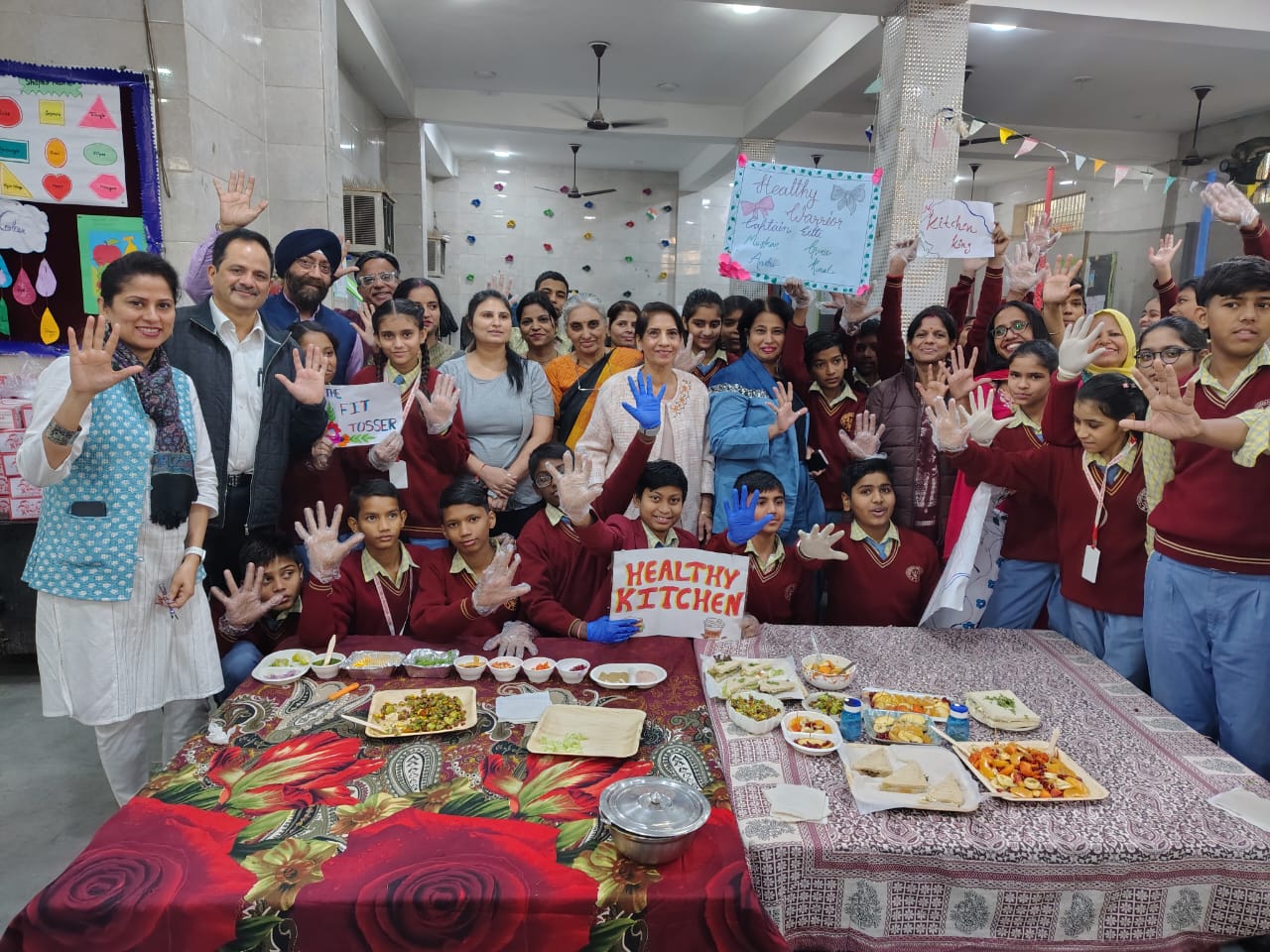
    Savita’s approach was refreshingly simple: meet people where they are. She organized street plays featuring local talent dramatizing the consequences of ignoring health warnings. She distributed vegetable seeds door-to-door, turning kitchen gardens into practical nutrition lessons. During harvest season, she held cooking demonstrations showing how to prepare diabetic-friendly meals without abandoning traditional recipes—focusing on diabetes prevention tips like balanced Punjabi staples.

    “I tell them: you don’t need fancy diets or expensive medicines to start,” says Savita. “Just add more greens, walk after dinner, check your blood pressure once a month. Small changes, big impact.”

    Slowly, the Bathinda nutrition centre became more than a health outpost—it became a gathering place where women shared recipes, compared blood sugar readings, and held each other accountable. Mehma Sawai’s women, many of whom had never learned to read warning signs of hypertension, now confidently discuss symptoms and prevention.

    Nine Villages, One Mission

    The success of Mehma Sawai’s Bathinda nutrition centre caught attention. Ambuja Cements has now replicated the model across nine villages in Bathinda, each anchored by a trained community volunteer who understands local barriers and speaks the language of lived experience. These empowering efforts are fostering sustainable health habits, one village at a time.

    For Kulwinder, the impact is deeply personal. Her blood sugar levels have stabilized. Her kitchen garden now supplies fresh vegetables year-round. But more importantly, she has knowledge—and that has given her agency.

    “Earlier, illness felt like fate. Now I know I have choices,” she says, tending to her thriving spinach patch. “And I’m teaching my daughters the same.”

    In villages where healthcare often arrives too late, these Bathinda nutrition centres are proving that prevention, rooted in community trust and practical wisdom, can be the most powerful medicine of all.

  • Empowering SUTRA 2025 Sustainable Trade Summit: India’s resilient future

    Empowering SUTRA 2025 Sustainable Trade Summit: India’s resilient future

    India is committed to advancing circularity and strengthening farm-to-factory linkages to position its textiles as a global model of responsibility and resilience, a senior Ministry of Textiles official said on Thursday.

    “With the right partnerships, investments, and innovations, we can weave a future that is not only equitable and climate-resilient but also defines India’s leadership in sustainable growth,” Rohit Kansal, Additional Secretary in the Ministry of Textiles, said at the SUTRA 2025 sustainable trade summit in New Delhi.

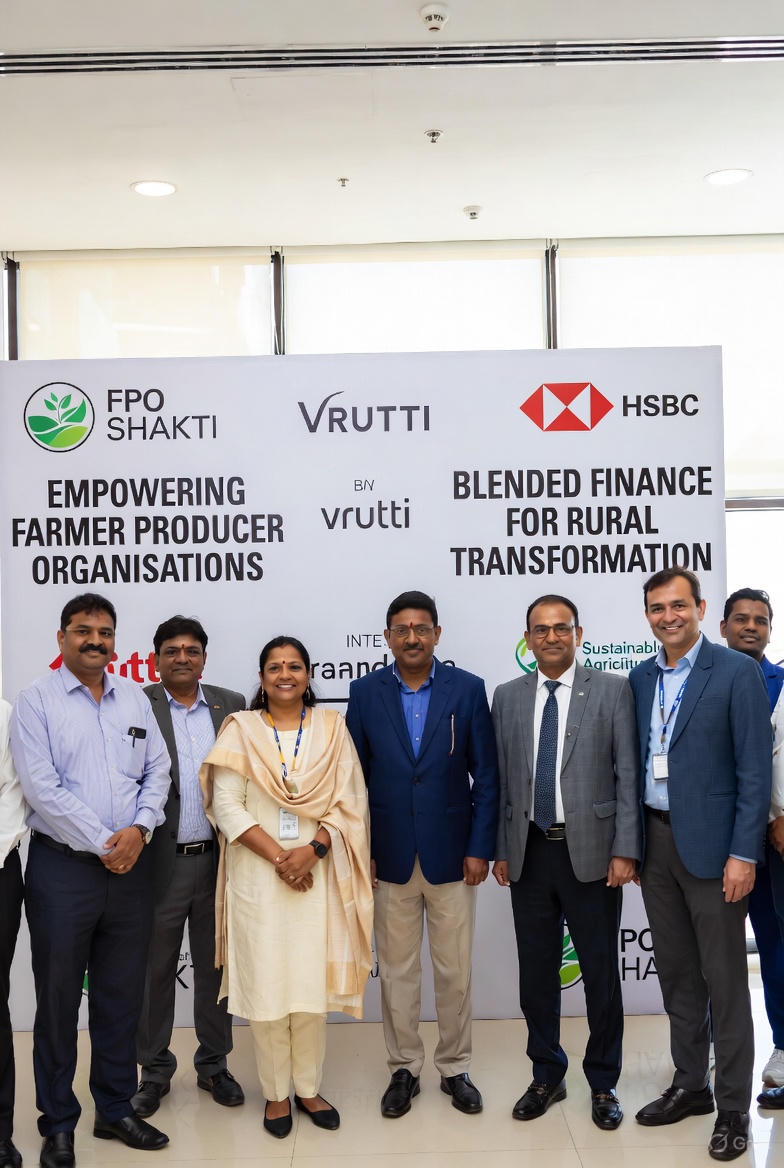
    Kansal said the IDH SUTRA 2025 platform brings together farmers, farmer producer organizations (FPOs), financiers, innovators, and industry stakeholders, embodying the meaning of SUTRA—the thread that connects them all.

    “Collaboration is the cornerstone of transformation, and through initiatives like this, India is demonstrating how sustainability can move from compliance to competitiveness, from intent to impact,” he added.

    The SUTRA 2025 sustainable trade summit brought together over 400 delegates and 35 speakers from government, industry, development institutions, academia, and farmer organizations to explore how purpose-led sourcing can accelerate India’s transition to climate-resilient and socially equitable trade systems.

    The summit highlighted India’s growing leadership in embedding sustainability and inclusion into its trade and agricultural systems.

    This year’s edition featured a Sustainability Experience Centre showcasing innovations in traceability, regenerative farming, and circular production. Interactive demonstrations and solution pitches enabled participants to explore how emerging technologies and data-driven systems can enhance transparency and accountability across supply chains, aligning with principles of responsible sourcing.

    Industry leaders including Sougata Niyogi of Godrej Agrovet, Sudhakar Desai of Emami Agrotech and IVPA, and executives from SAP, ITC Limited, Hindustan Unilever, and ICRIER shared perspectives on aligning business competitiveness with climate action and social responsibility. These empowering discussions at the SUTRA 2025 sustainable trade summit underscored the potential for scalable, inclusive solutions in sustainable trade.

  • Coffee Board Seeks Feedback on Sustainability Scheme to Boost Recognition for Indian Producers

    Coffee Board Seeks Feedback on Sustainability Scheme to Boost Recognition for Indian Producers

    The Coffee Board has invited public consultation on its draft sustainability certification framework, aiming to address a critical gap in recognition for India’s coffee sector despite the country’s adherence to sustainable practices across over 400,000 small and marginal holdings.

    The Indian Coffee Board Sustainability Certification Scheme (INDICOFS), developed by a Core Technical Committee comprising domain experts, introduces a voluntary three-tier compliance system designed to progressively align Indian coffee producers with international sustainability standards.

    Bridging the Recognition Gap

    The sector is integral to the livelihoods of approximately two million individuals, with farms situated in high biodiversity regions, notably the Western and Eastern Ghats. These regions provide essential ecosystem services and are home to numerous major rivers, underscoring the critical role that coffee cultivation plays in environmental stewardship.

    Despite adherence to sustainable agricultural practices integrating social, economic and environmental dimensions, the Indian coffee industry has not achieved recognition commensurate with its quality and production methods. While global demand for sustainably certified coffee has increased, only approximately 15% of India’s total coffee output is currently certified under sustainable certification criteria.

    INDICOFS Framework

    In response to the need for a coherent sustainability framework, the Coffee Board has developed INDICOFS—a set of sustainability standards tailored to the Indian context. The standards acknowledge best practices implemented by Indian coffee farms and facilitate a structured approach for continual improvement, ensuring sustainability across the coffee value chain.

    The scheme covers two phases. The first phase addresses “Sustainability Standards for Indian Coffee Plantations,” while the second phase focuses on “Chain of Custody Standards.” The framework encompasses sustainability standards, inspection procedures and certification protocols.

    The certification system defines three compliance levels:

    Level 1 (Basic/Self-Assessment): Provides foundational requirements for growers to evaluate practices and identify improvement opportunities, overseen by Coffee Board inspections

    Level 2 (Aspiring/Auditing): Outlines criteria for third-party verification, ensuring compliance and facilitating progression beyond basic practices

    Level 3 (Benchmarked Best Practices): Delineates advanced sustainability benchmarks assessed by recognized auditing bodies, signifying alignment with international standards

    Implementation and Oversight

    Implementation of INDICOFS will be managed by the Central Coffee Research Institute (CCRI), functioning under the administrative control of Coffee Board of India, recognized as one of the oldest public coffee research institutions globally.

    The standards are designed to address the evolving landscape of coffee production, including critical issues related to trade, environmental sustainability and preservation of traditional farming practices. A key innovation is INDICOFS’ holistic integration of responsible production methodologies with practices that enhance climate adaptation and minimize ecological footprints.

    The standard addresses critical Environmental, Social and Governance (ESG) aspects essential for sustainable coffee farming and incorporates general disclosure requirements aimed at providing stakeholders with transparent, relevant and comparable information about production operations.

    Public Consultation Invited

    The Coffee Board has posted the draft INDICOFS scheme along with an overview note on its website for wider consultation. Stakeholders and members of the public are invited to review the documents and share their views, comments and suggestions.

    Comments must be submitted in the prescribed format (Annexure-I) by email to dirresh@gmail.com with a copy to drccri2022@gmail.com on or before October 24, 2025.

    “The Coffee Board values your feedback and cooperation in this important national initiative to position Indian Coffee as a global benchmark for sustainability,” the board stated.

    By adopting this standard, coffee producers can demonstrate compliance with recognized sustainability benchmarks, enhance their marketability and contribute to the global movement toward sustainable agricultural practices. The initiative is expected to foster collaboration among coffee producers and stakeholders to promote a resilient and sustainable Indian coffee industry while improving the long-term viability of coffee farming and quality of life for communities involved in the supply chain.

  • Govt calls on firms to focus CSR efforts on tribal communities

    Govt calls on firms to focus CSR efforts on tribal communities

    Government officials urged corporations to direct their corporate social responsibility spending toward tribal communities, emphasizing measurable impact over large-scale investments at a national conference in New Delhi.

    Chanchal Kumar, Secretary of the Ministry of Development of North Eastern Region, called for companies to focus on “small, impactful projects” targeting healthcare, education and agriculture in underserved tribal and rural areas during his keynote address on October 6.

    “CSR efforts should reach every part of society, fostering inclusivity and equitable development,” Kumar said, highlighting artificial intelligence as a tool to improve efficiency and create jobs in tribal regions.

    The two-day National Conference & Exhibition on Leveraging CSR Excellence for Tribal Development, organized by the Indian Institute of Corporate Affairs, drew over 300 delegates from government, industry and civil society.

    Gyaneshwar Kumar Singh, Director General of IICA, noted Indian companies are now spending more than the mandated 2% of profits on CSR, reflecting “a deeper commitment to social welfare.” He urged firms to move beyond financial contributions toward technology transfer and knowledge sharing with local communities.

    The conference, timed to mark India’s second annual CSR Day on Mahatma Gandhi’s birth anniversary, featured three panel discussions on tribal livelihoods, entrepreneurship and health.

    M. Raja Murugan emphasized value addition and digital market access for tribal artisans, while Shombi Sharp praised India’s CSR framework as “a global model of corporate accountability and social innovation.”

    The event showcased CSR projects by corporations, public sector units and foundations focused on tribal entrepreneurship, education, healthcare and environmental conservation.

    Kumar said the North East Region is ready to attract greater investment with improved infrastructure and implementation capabilities, positioning it as “a model for balanced growth” by 2047.

  • Coal Ministry urges companies to align CSR efforts with local community needs

    Coal Ministry urges companies to align CSR efforts with local community needs

    Ministry of Coal on Tuesday held a stakeholder consultation on strengthening the Corporate Social Responsibility framework for coal companies, with officials calling for better coordination of welfare and sustainability programmes.

    Additional Secretary Rupinder Brar urged coal companies to align their CSR, welfare and sustainability initiatives to maximise community benefits, according to a statement.

    She stressed the need to prioritise local requirements when planning CSR activities.

    Brar emphasised the importance of engaging credible agencies for need and impact assessments to enable more effective CSR programmes, the ministry said.

    Coal public sector undertakings and private sector companies shared experiences on major CSR projects, community engagement and lessons from impact assessments during the New Delhi meeting.

    India is the world’s second-largest coal producer and consumer after China, with coal accounting for about 70% of the country’s power generation.

  • Schneider Electric India Foundation Launches Climate Smart Village in Jharkhand

    Schneider Electric India Foundation Launches Climate Smart Village in Jharkhand

    Schneider Electric India Foundation (SEIF), the social impact arm of Schneider Electric, inaugurated a Climate Smart Village in Kocha, Khunti, an aspirational district in Jharkhand, in partnership with NGO PRADAN, the company announced on Monday.

    This marks SEIF’s third such initiative in the state, following projects in Gumla district, aimed at bolstering food security and fostering self-reliant rural communities through sustainable energy access.

    The launch was led by Jharkhand’s Rural Development and Panchayati Raj Minister Dipika Pandey Singh, alongside Khunti MP Kali Charan Munda, Torpa MLA Sudeep Gudhiya, and Schneider Electric’s Vice President for Strategy, M&A, and CSR, Damini Chaudhari.

    In Kocha, a 40 kW solar-powered mini-grid with smart energy management now powers irrigation pumps, agro-processing units, households, streetlights, a Primary Health Center, and an e-vehicle.

    Previously reliant on a single rain-fed crop, farmers are transitioning to multi-crop cultivation, processing produce locally, and marketing through a women-led Farmer Producer Organization, Torpa Mahila Krishi Bhagwani Saykari Swalambhi Samiti. This shift is boosting agricultural productivity, local value addition, and community livelihoods.

    “Access to sustainable livelihood is the first step towards empowering communities,” said Deepak Sharma, Zone President – Greater India and MD & CEO of Schneider Electric India.

    “The Kocha initiative shows how renewable energy, combined with digital technologies and local entrepreneurship, can transform rural economies, fostering resilient, self-reliant communities.”

    Kocha previously faced low farm productivity, limited livelihood options, and reliance on monsoon rains, restricting farmers to one crop cycle annually. The lack of three-phase power prevented agro-processing, while absent streetlights compromised safety, and migration was common due to insufficient local jobs.

    “The Climate Smart Village in Kocha demonstrates how decentralized energy models can unlock long-term rural prosperity,” said Damini Chaudhari.

    “By integrating solar power with digital technologies, we’re addressing energy gaps and creating a sustainable platform for entrepreneurship and community well-being.”

    SEIF’s initiative aligns with Schneider Electric’s broader commitment to scalable models for energy equity and inclusive growth, supporting India’s vision of Viksit Bharat.

  • India’s Green Giants: Wipro, Tech Mahindra Lead Global Sustainability Charge

    India’s Green Giants: Wipro, Tech Mahindra Lead Global Sustainability Charge

    By Eldee

    When TIME Magazine and Statista rolled out their 2025 World’s Most Sustainable Companies list in June, two Indian IT powerhouses stole the spotlight. Bengaluru’s Wipro (53rd, score: 75.83) and Pune’s Tech Mahindra (57th, 75.13) didn’t just make the global top 100—they were India’s sole representatives there.

    But the story’s bigger: eight other Indian firms, from Mahindra (201st, 66.77) in automotive to Dr. Reddy’s (417th, 59.36) in pharma, also cracked the 500-strong list, signaling India’s rising clout in the global green race.

    As climate alarms blare—from Delhi’s choking smog to Kerala’s relentless floods—this isn’t just a feather in India’s cap; it’s a rallying cry for Corporate India to power our 2047 Viksit Bharat vision of a developed, sustainable nation.

    For years, India’s IT sector was written off as the world’s code mill, churning out software for Western giants. Wipro and Tech Mahindra are torching that stereotype. Wipro’s Lab45 AI platform slashed water use by 40% for US farmers in 2023 with smart irrigation—vital tech for a nation where 600 million battle water scarcity. “Sustainability drives our innovation,” CEO Thierry Delaporte told TIME.

    In 2025, Wipro’s FullStride Cloud tie-up with Pure Storage is supercharging clients’ green transitions, dovetailing with Budget 2025’s push for AI-driven clean tech. Tech Mahindra’s EcoForge platform, meanwhile, helped telecom majors like Vodafone cut emissions by 35% by linking data centres to renewables, while their 1-million-mangrove drive in Maharashtra shields coasts from erosion. “We’re redefining tech for a sustainable future,” CEO Mohit Joshi said, a vision reinforced by their 2025 Terra Carta Seal. These aren’t just firms; they’re India’s green vanguards.

    The list’s ten Indian stars—Mahindra, Airtel (223rd, 65.87), HCLTech (233rd, 65.51), WNS (290th, 63.37), Hindustan Zinc (313th, 62.49), Syngene International (364th, 61.08), Infosys (374th, 60.84), TCS (383rd, 60.65), Godrej Properties (413th, 59.54), and Dr. Reddy’s—show India’s green push spans sectors.

    Mahindra’s electric vehicles, Airtel’s renewable-powered towers, and Dr. Reddy’s eco-conscious drugs prove we’re not just followers but pacesetters. India’s 99th rank on the 2025 SDG Index—our first top-100 finish—rides on 42% renewable energy (we’re the world’s third-largest producer) and a tech market zooming to $60 billion, per Nasscom, with 126,000 new AI and ESG jobs in 2025. But the road’s bumpy: data centres guzzle power, supply chains stay opaque, and EY warns we’ve met just 25% of green investment needs. With net-zero by 2070 in focus and Budget 2025 boosting solar and battery storage, Corporate India must shift gears fast.

    While Schneider Electric (France, 93.85), Telefónica (Spain, 87.68), Brambles (Australia, 86.14), Temenos (Switzerland, 85.95), and Moncler (Italy, 85.87) top the list with European flair, India’s ten-strong contingent, led by Wipro and Tech Mahindra, shows we can hold our own.

    Global trade hiccups like tariffs may sting, but they underline India’s edge: affordable, scalable green tech that the Global South hungers for.

    For 1.4 billion Indians, sustainability isn’t a buzzword—it’s do-or-die. Wipro and Tech Mahindra have cracked the code; now Mahindra’s EVs, TCS’s low-carbon IT, and others must follow. The world’s watching, and India’s ready to lead—not just on rankings, but in scripting a greener future.

  • India’s Rs 30,000 cr CSR funds: Why It’s Pouring Billions into the Wrong Places!

    India’s Rs 30,000 cr CSR funds: Why It’s Pouring Billions into the Wrong Places!

    According to the Development Intelligence Unit’s (DIU) August report, “Investing in Tomorrow: Need for Realigning CSR Spends with Status of Development in Districts,” in FY 2022–23, India’s CSR spending hit Rs 29,989.92 crore, up 12.8% from the prior year, signaling post-pandemic recovery. Yet, deep flaws undermine its impact: geographical skews, poor evaluations, sectoral biases, opacity, overlap with government efforts, and minimal community involvement.

    Despite CSR being a statutory obligation for over five years, 70% of companies still lack a structured strategy for implementation, raising concerns about the CSR fund allocation and its lack of convergence with India’s commitment towards meeting SDG targets by 2030.

    Geographical Imbalance

    CSR funds chase corporate footprints—headquarters and operations—favoring industrialized states like Maharashtra (Rs 2,250 crore in FY 2021–22, 15% of total), Karnataka, Gujarat, Tamil Nadu, Andhra Pradesh, Telangana, and Delhi. In contrast, high-need areas like Jharkhand, Chhattisgarh, Bihar, Odisha, Madhya Pradesh, and Northeast states—home to >60% of NITI Aayog’s Aspirational Districts—get <20% of funds. This starves underserved regions, eroding CSR’s equity role.

    Sectoral Skew and Lack of Impact Assessment

    Spending clusters in familiar areas (e.g., education, health), ignoring broader gaps. Worse, few projects face rigorous evaluation—relying on outputs (e.g., toilets built) over outcomes (e.g., sustained hygiene). This breeds unaccountable, inefficient choices, blocking data-driven tweaks and long-term value.

    Duplication and Coordination Gaps

    CSR often echoes government schemes (mid-day meals, sanitation, skills training), with multiple firms redundantly funding classrooms or health camps sans local sync. Resources waste on overlaps, bypassing critical “last-mile” needs like maintenance, tribal outreach, or supply chains for vulnerable groups (e.g., single-woman households).

    Top-Down Design Lacking Innovation

    Projects roll out via corporate templates, sidelining community input or deprivation data—turning CSR into branding over real change (e.g., flashy classrooms amid unchecked dropouts).

    Rare innovations like multi-year, place-based partnerships or outcome financing foster short-term fragmentation, missing systemic wins.