Category: Sectors

  • Jindal Stainless deploys Sanjeevanair purification to cleanse smoke-laden skies above Manikarnika ghat

    Jindal Stainless deploys Sanjeevanair purification to cleanse smoke-laden skies above Manikarnika ghat

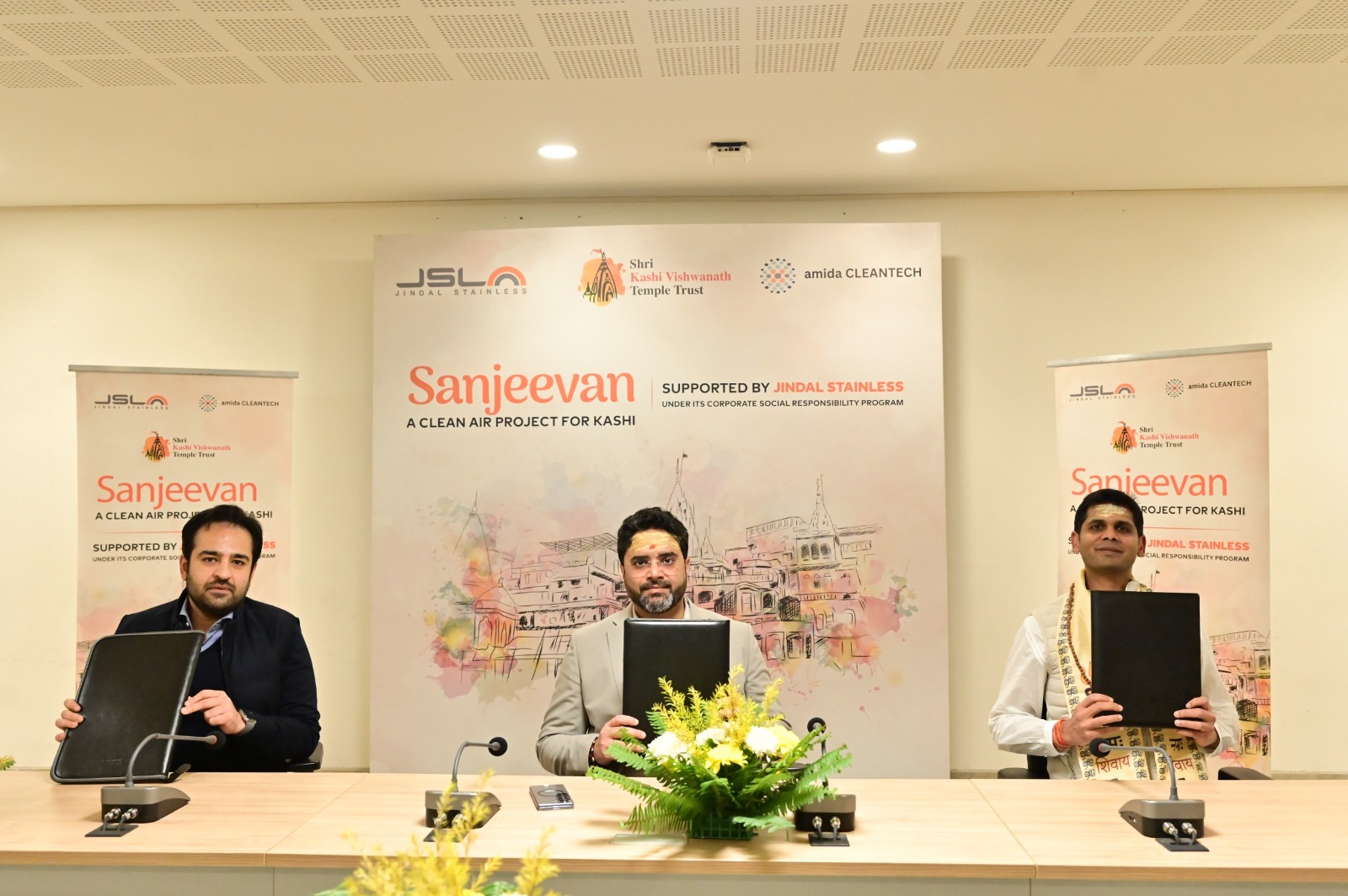
    Jindal Stainless Limited, India’s leading stainless steel manufacturer, has launched Sanjeevan air purification at the Shri Kashi Vishwanath Dham (SKVD) complex in Varanasi, marking the company’s single largest corporate social responsibility initiative to date.

    The breakthrough project targets the dense particulate haze generated by burning funeral pyres at the adjacent Manikarnika Ghat, one of Hinduism’s most sacred cremation sites.

    The programme is being executed in partnership with Amida Cleantech Private Limited (AMIDA), whose proprietary ACE+ technology — independently verified by NITI Aayog — forms the operational backbone of the system. Fifty-eight stainless-steel purification units, installed on the SKVD Ramp Building that flanks Manikarnika Ghat, collectively process more than 3,00,000 cubic metres of ambient air per hour.

    How ACE+ Works

    The acronym ACE stands for Attract, Capture, and Eliminate. The system is engineered to neutralise a broad spectrum of airborne contaminants: nano-black carbon, pollens, organic particulate matter ranging from 100 nanometres to 50 microns, sulphur oxides (SOx), nitrogen oxides (NOx) from vehicular traffic, and microbial pathogens including viruses and bacteria. The technology’s multi-pollutant capability addresses the compounded burden of cremation smoke, temple-corridor exhaust fumes, and biological aerosols — all converging at one of India’s most densely visited religious sites.

    “By improving air quality at Shri Kashi Vishwanath Dham, we aim to enhance the environment for both local residents and the millions of devotees who visit this revered landmark. Our collaboration with Amida Cleantech showcases our support for innovative Indian technology while driving meaningful change.” Jindal Stainless said in a statement.

    Alignment With National Policy

    The Sanjeevan air purification initiative is formally aligned with the National Clean Air Programme (NCAP) launched by India’s Ministry of Environment, Forest and Climate Change, which mandates measurable reductions in particulate pollution at the city, regional, and national level. SKVD authorities have formally approved the installation, a sanction that both companies regard as a critical enabling step for future rollouts at similarly congested heritage sites.

    Amida Cleantech said the system is designed to capture a significant portion of cremation emissions at their source, and to reduce measured PM concentrations along the temple corridor — protecting pilgrims, resident priests, and the ornate stone façades of the SKVD’s historic buildings from accelerated chemical weathering caused by acidic smoke deposits.

    Broader Significance

    Analysts note that Manikarnika Ghat conducts cremations around the clock, 365 days a year, meaning continuous emission loads uncommon at most pollution hotspots. Deploying a validated, scalable ambient purification system in such a demanding environment could serve as a proof-of-concept for other heritage and high-density religious sites across India. Sanjeevan air purification, if it meets its stated targets, would represent a replicable model bridging cultural heritage preservation, public health, and clean-tech commercialisation.

    Both Jindal Stainless and AMIDA were commended by local authorities for their commitment to the project. Amida Cleantech, whose guiding principle is “The Air You Breathe,” said ACE+ innovations are being positioned to address escalating ambient pollution across diverse high-exposure sectors — from industrial corridors to dense urban precincts.
  • HCLFoundation boosts pediatric heart care in UP

    HCLFoundation boosts pediatric heart care in UP

    HCLFoundation, the corporate social responsibility arm of Indian technology giant HCLTech, on Tuesday donated a suite of advanced intensive care equipment to the Saloni Heart Center at Sanjay Gandhi Postgraduate Institute of Medical Sciences (SGPGIMS) in Lucknow — marking a breakthrough in pediatric heart care access for millions of children across Uttar Pradesh.

    Uttar Pradesh records an estimated 75,000 congenital heart disease (CHD) births annually, yet the state until recently lacked a dedicated pediatric cardiac facility. The Saloni Heart Center, established within SGPGIMS as Uttar Pradesh’s first such institution, aims to address that critical gap — and Monday’s donation directly strengthens its post-operative and neonatal intensive care capabilities.

    Life-Saving Equipment Delivered

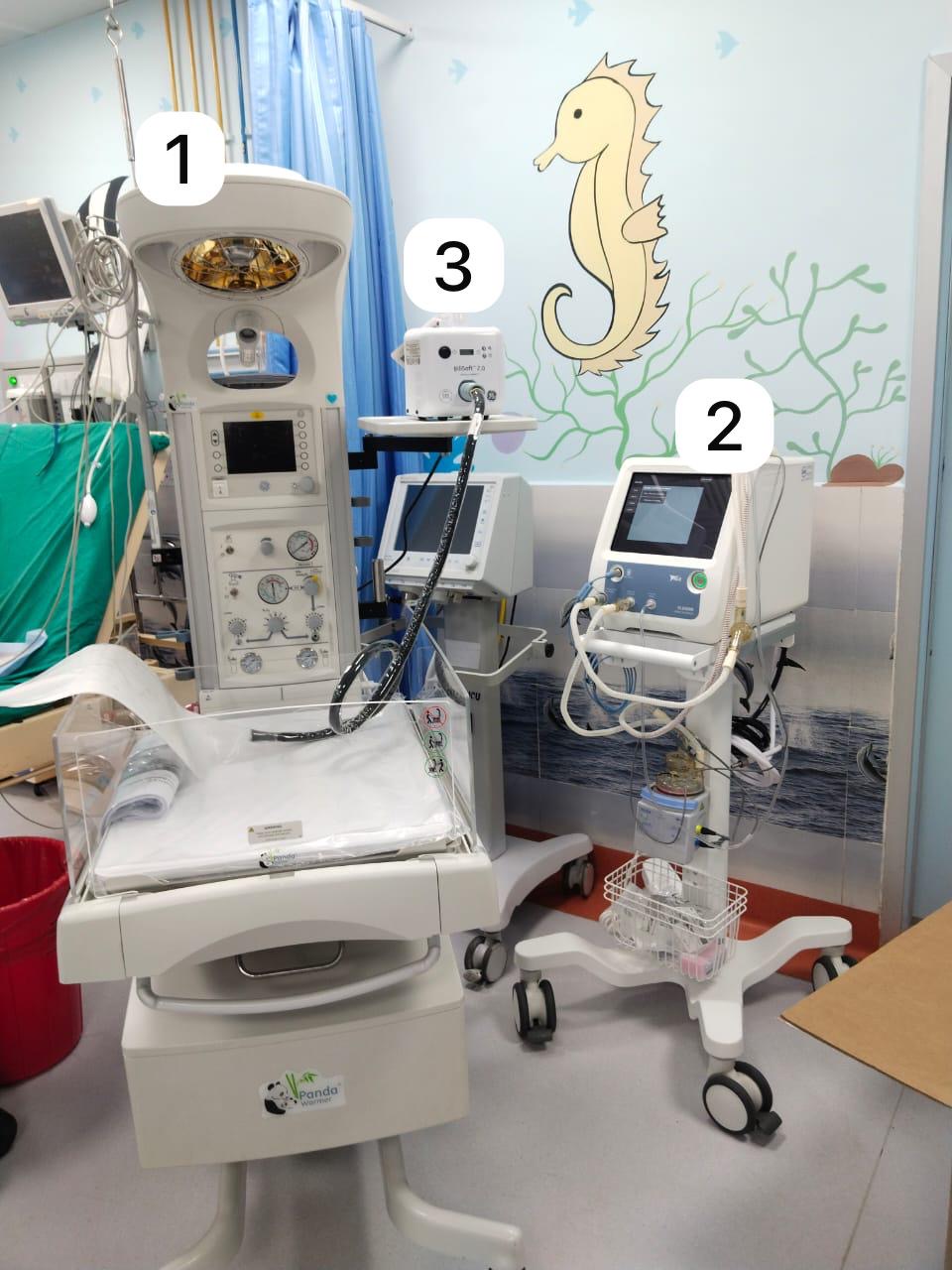
    The donated equipment includes a Panda ResusView Warmer with Resuscitation Trolley to ensure safe thermal regulation and integrated resuscitation support during critical cardiac episodes; an SLE 6000 Paediatric Neonatal Ventilator, a high-precision device designed for newborns and infants requiring controlled respiratory support; and a GE Bilisoft Fibre Optic Phototherapy System for treating neonatal jaundice — a complication particularly hazardous for CHD infants who cannot be routinely transferred to other wards.

    The initiative was attended by senior government officials including Shri Amit Kumar Ghosh, IAS, Additional Chief Secretary for Medical Health and Family Welfare, Government of Uttar Pradesh, and Awanish Kumar Avasthi, IAS, Senior Advisor to the Chief Minister of Uttar Pradesh.

    Also present were Prof. Radha K Dhiman, Director, SGPGIMS; Prof. S.K. Agarwal, Head, Cardiovascular & Thoracic Surgery, SGPGIMS; Shri Himanshu Seth, Executive Chairman, Saloni Heart Foundation; and Rishi Kumar, Senior Vice President, HCLTech.

  • Reckitt Transforms India’s Sanitation Economy, Trains 1.25 Lakh Workers as Entrepreneurs

    Reckitt Transforms India’s Sanitation Economy, Trains 1.25 Lakh Workers as Entrepreneurs

    Reckitt, the British consumer goods company, is pressing forward with a nationwide campaign to build a formal sanitation economy in India by converting informal waste handlers into skilled micro-entrepreneurs, overhauling school sanitation infrastructure, and commissioning the country’s first scientific study of life expectancy among sanitation workers — a group whose average lifespan trails the national mean by nearly 30 years.

    WORKFORCE TRANSFORMATION

    The company’s Harpic World Toilet College (HWTC), operated in partnership with the World Toilet Organisation and Jagran Pehel, has trained more than 1.25 lakh sanitation workers since its launch, with women accounting for over 45 percent of all trainees. Graduates are equipped to operate mechanised cleaning units, manage school sanitation services, maintain urban drains, and run facility-care operations as independent contractors.

    An independent social return on investment assessment found that every rupee invested in the programme generates Rs 23.20 in social value — driven by gains in worker dignity, safer conditions, and improved financial and health resilience for workers and their families.

    “India has made extraordinary progress in building toilets, but true sanitation progress must also mean longer and safer lives for the people who maintain them.” said Gaurav Jain, Executive Vice President, South Asia, Reckitt

    POWER OF 8: SCHOOL SANITATION REFORM

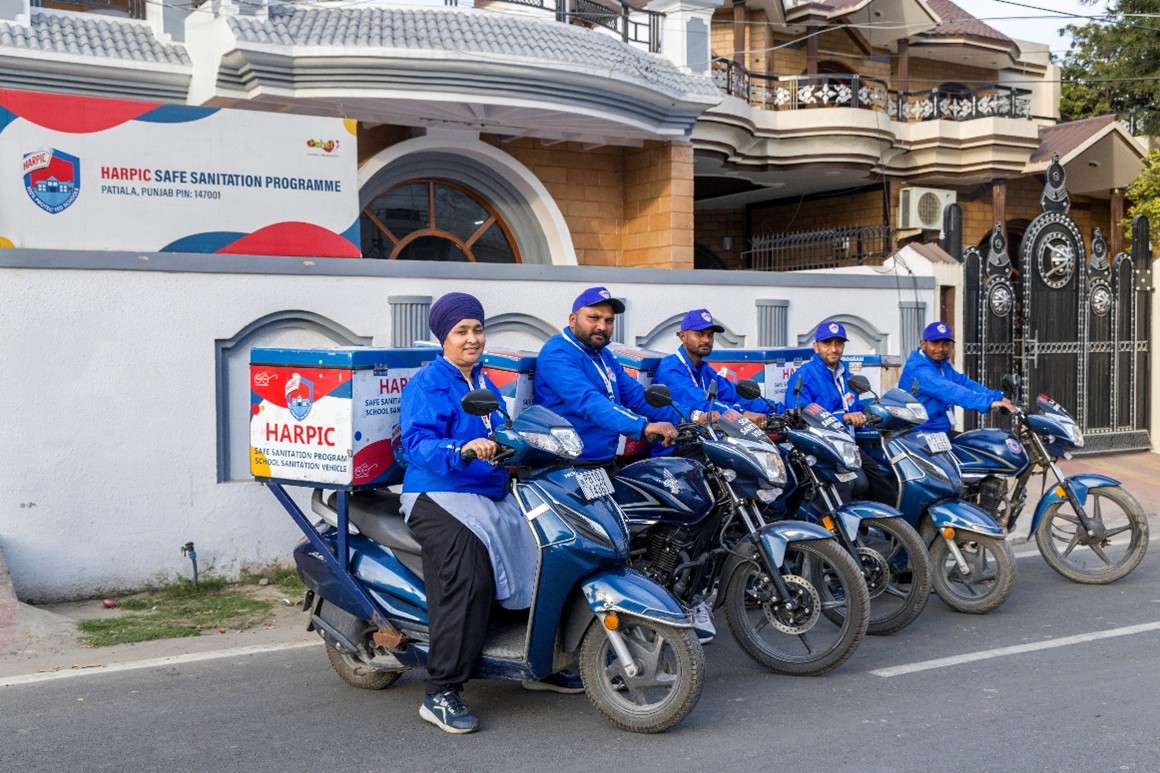
    Reckitt’s Harpic Safe Sanitation Programme deploys what it calls the “Power of 8” model — an eight-element operational framework designed to guarantee hygiene quality and financial accountability across school sanitation systems.

    The framework bundles assured funding, scheduled cleaning cycles, trained HWTC manpower, professional equipment, supervisory oversight, consumable supplies, drain maintenance and de-clogging, and live digital tracking into a single auditable service package.

    The model is intended to turn sanitation delivery into an enterprise-driven ecosystem, giving HWTC graduates a structured route to operate as service providers and contractors at scale. Behavioural change components — muppet-led sessions, storybooks, pop-up installations, and wall art co-created with Sesame Workshop India — are embedded in the curriculum to establish hygiene habits among schoolchildren.

    LIFE-EXPECTANCY EVIDENCE GAP

    Despite the scale of India’s sanitation workforce, no nationally representative, occupation-linked mortality dataset exists for the sector. Reckitt says the absence of such data leaves policymakers without the evidence needed to design effective mechanisation mandates, personal protective equipment requirements, or compensation frameworks.

    The company is funding what it describes as India’s first comprehensive life-expectancy assessment for sanitation workers, aiming to quantify survival risks from toxic gas exposure, infections, musculoskeletal injury, and socio-economic disadvantage. It says the findings are intended to feed directly into national sanitation economy planning.

    Reckitt has also sought to raise public recognition of sanitation workers. To mark the 25th anniversary of World Toilet Day, the company facilitated the release of commemorative postage stamps honouring the workforce.

    EXPANSION TARGETS

    Reckitt says it plans to extend the Power of 8 framework across additional Indian states, deepen enterprise development through HWTC, and ultimately reach 70 percent of India’s sanitation worker cohort. It describes the combined push — entrepreneurship training, systemic school reform, national recognition and life-expectancy research — as a unified strategy to create a sanitation economy “where every worker can live a longer, healthier and dignified life.”

    India’s Swachh Bharat Mission has overseen the construction of more than 100 million toilets since 2014, a transformation widely credited with expanding sanitation access. However, critics and public-health researchers have long argued that the programme’s focus on infrastructure has not been matched by investment in the workforce that maintains it.

  • Ambuja Foundation leads breast cancer awareness drive in Gujarat

    Ambuja Foundation leads breast cancer awareness drive in Gujarat

    Ambuja Foundation, backed by Ambuja Cements, hosted a high-impact breast cancer awareness and training camp in Kodinar, Gir Somnath, Gujarat.

    The event was organised with the Association of Breast Surgery UK (ABS), Association of Breast Surgeons of India (ABSI), Gir Somnath District Health Department, and Gujarat Medical Council.

    Dignitaries included Nilesh Jajadia, IPS (IGP Junagadh), representatives from Adani Cements and Ambuja Foundation, senior oncologists from Saurashtra, and health officials.

    Building on earlier camps in Chandrapur and Bathinda, the programme has so far reached: 6,000 women, conducted 3,700 clinical breast exams, and identified & referred 17 high-risk cases.

    Over three days, international and national experts from ABS and ABSI trained 70 plus doctors, 200 plus Community Health Officers (CHOs) and ASHAs in self-breast examination (with prosthesis-based lump detection practice), early diagnosis, and treatment protocols. On day three, 130 plus women received examinations and counselling, while trainees practised under supervision.

    Gujarat has reported – 54,000 breast cancer cases in the last five years; cervical and ovarian cancers also remain high in Saurashtra, especially among women 18–30.

    Since launching NCD cancer interventions in 2023, Ambuja Foundation has expanded evidence-based awareness and capacity building.

    “Since 2023 we’ve worked closely with ABS, ABSI and Gujarat Medical Council experts. We aim to scale this life-saving programme across more rural locations,” said Pearl Tiwari, CEO, Ambuja Foundation.

    “This partnership with Ambuja Foundation has significantly expanded our breast cancer awareness reach in rural India. We remain committed to sharing expertise with frontline health workers,” said Dr. Leena Chagla, FRCS, Past President-Elect, ABS UK.

    “It has been inspiring to witness Ambuja Foundation’s commitment first-hand. With Dr. D G Vijay, ABSI President, joining us in Gujarat, we have strengthened the foundation for long-term impact,” added Dr. Sarah Downey, President, ABS UK.

    Dr. D G Vijay, President, ABSI, affirmed: “As a Gujarati and ABSI President, I am fully committed to sustaining and expanding this vital initiative.”

  • UBL launches transformative project Jal Shakti in Telangana

    UBL launches transformative project Jal Shakti in Telangana

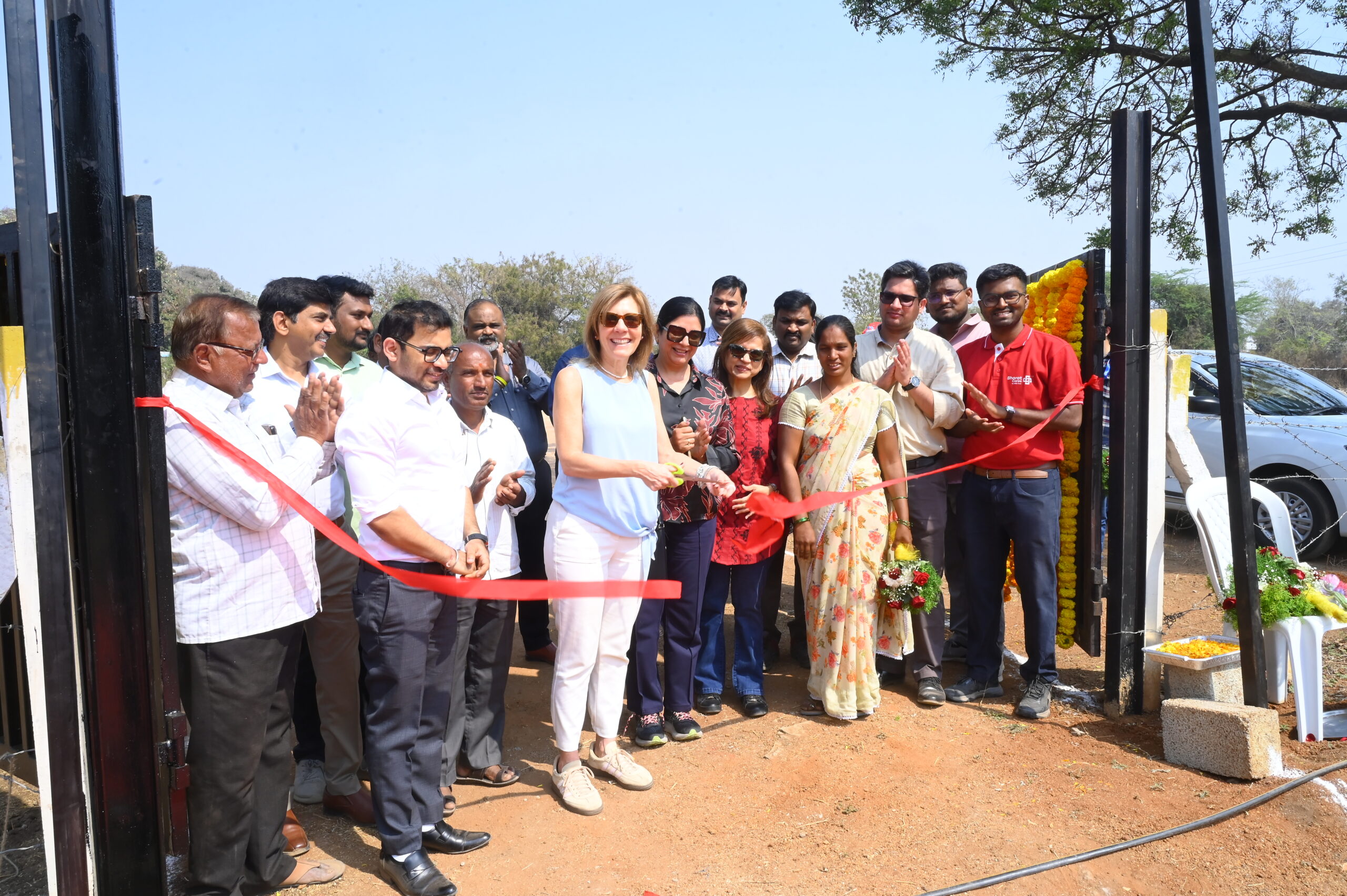
    United Breweries Limited (UBL), a subsidiary of HEINEKEN, has inaugurated its flagship transformative CSR initiative, Project Jal Shakti, in Sangareddy district, Telangana.

    The project, implemented in partnership with BharatCares, focuses on promoting sustainable agriculture, enhancing groundwater recharge, and boosting biodiversity across six gram panchayats: Malkapur, Kothlapur, Guntapalley, Gopulapuram, Haridaspur, and Malepally.

    As part of Project Jal Shakti, two renewable energy-powered Centres of Excellence (CoEs) have been established to empower farmers and local communities.

    The CoEs offer training in sustainable farming practices, soil and water conservation techniques to improve crop productivity. Equipped with automatic weather stations for real-time data and soil testing laboratories, the centres enable data-driven, efficient agriculture.

    To bolster water security, the initiative includes constructing a new check dam, rejuvenating an existing one, and deepening/widening three irrigation channels. Additionally, over 1,200 native saplings are being planted to aid ecosystem restoration.

    The inauguration event featured key attendees including Geetu Gidwani Verma (CSR & ESG Committee Chairperson, UBL), Yolanda Talamo (CSR & ESG Committee Member, UBL), Garima Singh (Chief Corporate Affairs, UBL), Bhomik Shah (Trustee, BharatCares), and Pentani Praveen Kumar (Sarpanch, Kothlapur Gram Panchayat).

    Garima Singh, Chief Corporate Affairs Officer at UBL, stated: “Project Jal Shakti reflects our long-term commitment to sustainable agriculture and water stewardship. By integrating farmer training, water infrastructure, agroforestry, and Centres of Excellence, we are building resilient livelihoods and restoring ecosystems through impactful partnerships.”

    Bhomik Shah of BharatCares added: “We are collaborating closely with communities to advance sustainable farming and water availability. The CoEs will drive long-term resilience for regional farmers.”

    Project Jal Shakti aligns with UBL’s broader sustainability efforts as India’s largest beer producer, marketing brands including Kingfisher and Heineken variants, alongside non-alcoholic beverages.

    BharatCares, the social impact arm of CSRBOX Group, ranks among India’s top social organizations, emphasizing innovation, scalability, and collaborations to tackle education, employability, rural infrastructure, healthcare, entrepreneurship, environmental sustainability, and road safety.

  • Swachhata Mela 2026: Massive cleanliness drive in Noida

    Swachhata Mela 2026: Massive cleanliness drive in Noida

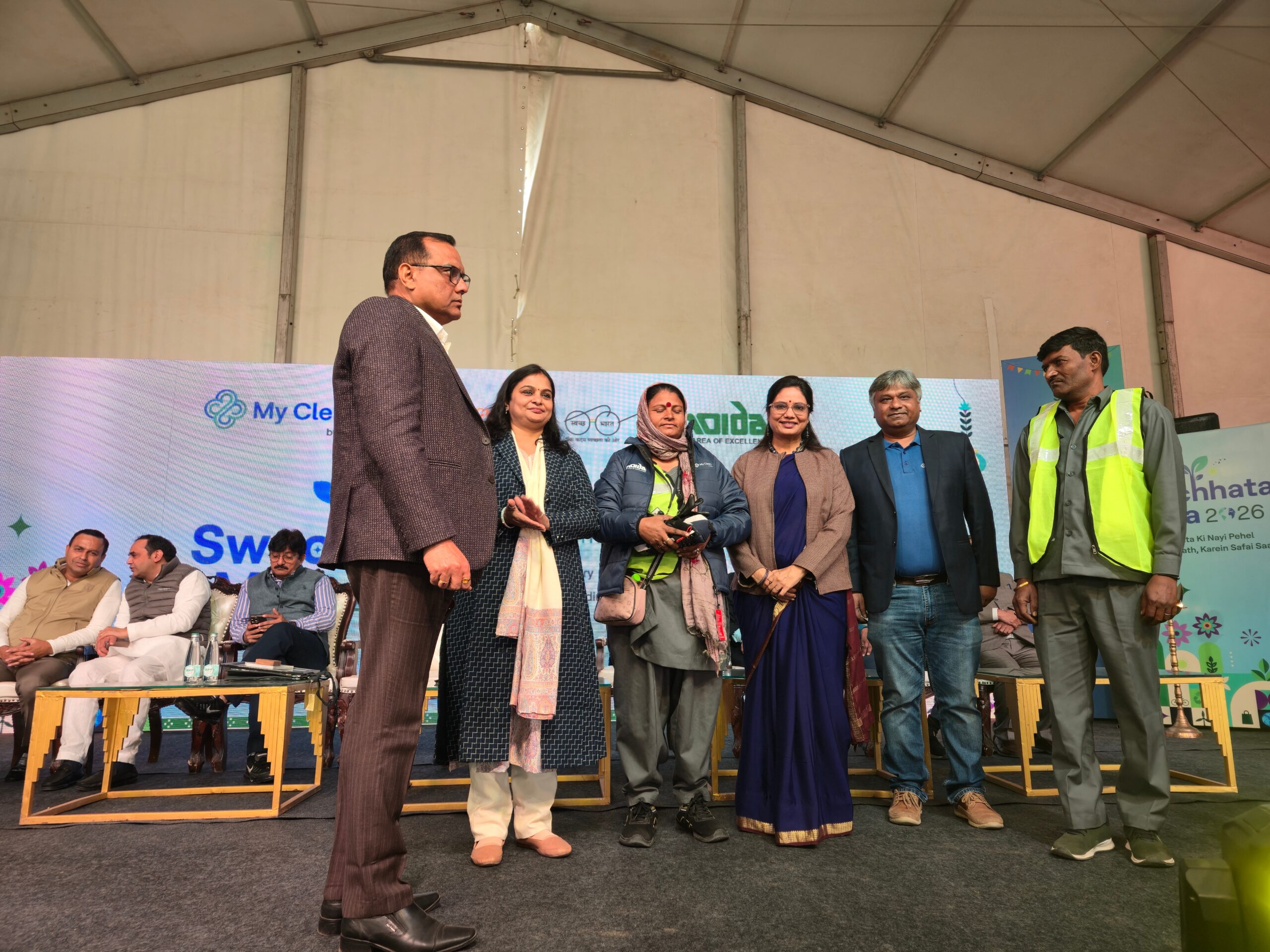
    In a massive show of community spirit for Swachh Bharat goals, HCLFoundation teamed up with Noida Authority to host Swachhata Mela 2026 here on Wednesday.

    The event, held under the guidance of Noida Authority CEO Krishna Karunesh IAS, brought together over 5,000 people — school students, teachers, RWAs, sanitation workers, urban village residents, NGOs and officials — to celebrate the city’s strides in cleanliness and sustainable living.

    Vandana Tripathi IAS, Additional CEO of Noida Authority, graced the occasion as chief guest. She stressed that lasting cleanliness needs strong systems, efficient services and active public participation. “In partnership with HCLFoundation, we are strengthening waste management while honouring sanitation workers. Swachhata Mela offers a key platform to engage communities and promote responsible behaviour for long-term clean-city goals,” she said.

    The mela featured lively panel discussions and expert talks on waste segregation, circular economy and changing citizen habits. Students and community groups enthralled the crowd with cultural performances.

    A special Swachhata Exhibition spotlighted the achievements of HCLFoundation’s My Clean City programme, showing real progress in sanitation, waste handling and behaviour change — thanks to strong backing from Noida Authority.

    A moving highlight was the felicitation of sanitation workers (safai karamcharis), school students, teachers and Waste Champions for their tireless efforts in keeping Noida and Greater Noida spotless. Sanitation kits were handed out to more than 5,100 safai karamcharis.

    Participating schools under the My Clean City Waste Champion programme were also honoured for spreading awareness and inspiring young citizens to act.

    Dr Nidhi Pundhir, Senior Vice President, Global CSR at HCLTech and Director, HCLFoundation, said: “Sustainable urban change comes from strong partnerships and empowered people. Cleanliness goes beyond infrastructure — it’s about shared responsibility, dignity and trust. Through My Clean City, we drive large-scale behaviour change, and Swachhata Mela 2026 shows our dedication to inclusive, citizen-led solutions for resilient cities. I express heartfelt thanks to all Noida sanitation workers who keep our city shining.”

    My Clean City is transforming urban sanitation in Noida and Greater Noida with science-based waste practices and wide community involvement. So far, it has sensitised nearly 750,000 citizens on good waste habits, trained over 61,000 stakeholders, and managed more than 50,000 tons of waste.

    Key tech boosts include the Integrated Control and Command Center (ICCC) for operations, HomoSep robots for safe manhole/septic tank cleaning, and E-garbage loaders for efficient collection. Over 2,400 school students are active in the My Clean City Waste Champions Club.

    The event reinforced how collective action can create cleaner, greener urban spaces across India.

  • Adani Foundation Irrigation Uplifts Himachal Farmer

    Adani Foundation Irrigation Uplifts Himachal Farmer

    In a significant boost to rural livelihoods, the Adani Foundation has transformed irrigation access for farmer Sandeep Kumar in Ropa village in Himachal Pradesh through the Dhounkothi Watershed Project, implemented in collaboration with ACC, the cement major of the Adani Portfolio.

    The initiative involved constructing 335 meters of cemented RCC channels to augment traditional ‘kuhls’, ensuring consistent water flow, reduced maintenance efforts, and enhanced water use efficiency. Previously, Sandeep and his family faced challenges in irrigating their fields due to erratic water supply and frequent repairs.

    With the upgraded infrastructure now in place, Sandeep has diversified into high-value cash crops including lady finger, brinjal, turmeric, garlic, and more. This shift has boosted his annual agricultural income from Rs 31,600 to Rs 40,100, while saving valuable time and labour for other activities such as livestock rearing.

    The project exemplifies how targeted infrastructure interventions can drive sustainable change. By partnering closely with local communities, panchayats, and grassroots organisations, the Adani Foundation and ACC are empowering farmers, building resilient villages, and promoting long-term agricultural productivity and resource access in underserved areas.

    Such efforts highlight the growing role of corporate social responsibility in uplifting rural India and fostering inclusive growth.

  • Community Pure Water Annual Fundraiser 2026: Safe Water Triumph

    Community Pure Water Annual Fundraiser 2026: Safe Water Triumph

    Hyderabad’s iconic Chowmahalla Palace hosted the Community Pure Water Annual Fundraiser 2026, a transformative charity dinner that brought together philanthropists, business leaders, CSR executives, and government officials committed to safe drinking water as preventive health infrastructure in rural India.

    Race2Win Foundation served as title sponsor, reinforcing the urgent need to address water contamination that hinders education, economic progress, and gender equity.

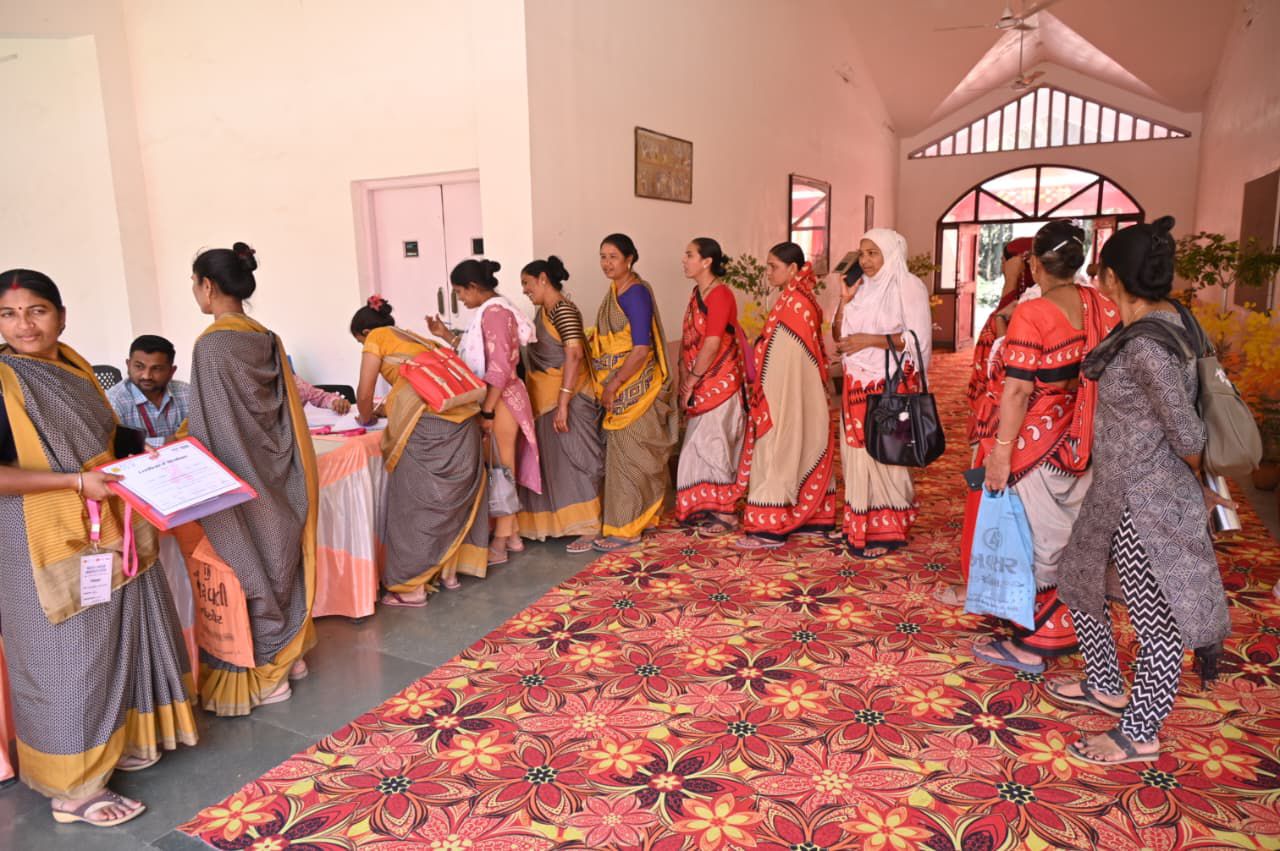
    Founded by Ravi Reddy under the Community Development Foundation, Community Pure Water operates over 550 ISO-certified community water centres, delivering more than 9 lakh litres of purified water daily to 1.2 million people across villages and schools with 97% uptime. These micro-utilities combine technology, automation, and community ownership to eliminate health hazards from polluted water and support stronger nutrition and livelihoods.

    Under the leadership of Mrs. Pratiksha Prashant, Chairperson of the Fundraising Committee, the event achieved its goal of providing safe water to 25 additional rural schools through generous support from attendees, including Chief Guest Mrs. Pinky Reddy, Special Guest Speaker Ms. Nandita Das, and distinguished figures from defence, police, government, and civil society.

    The fundraiser underscored safe drinking water as a powerful catalyst for community development. By prioritising clean water, Community Pure Water empowers healthier, more resilient, and thriving rural communities, advancing sustainable progress across India.

  • Eco Survey 2025-26: Pollution trading schemes can be a game-changer even in developing countries, Surat pilot proves

    Eco Survey 2025-26: Pollution trading schemes can be a game-changer even in developing countries, Surat pilot proves

    Market-based tools like emissions trading — long hailed as successful in the US and Europe — can deliver big wins for cleaner air in developing nations too, the Economic Survey 2025-26 has asserted, citing a pioneering experiment in Gujarat’s Surat city.

    Traditionally, experts doubted whether pollution trading schemes could work in lower-capacity settings due to weak monitoring, limited enforcement, and low state credibility. Regulators often struggle to track emissions accurately or ensure polluters buy permits for every unit released.

    But the Survey points to strong counter-evidence from the world’s first particulate matter emissions trading market, launched in Surat — a major industrial hub — and evaluated in the seminal 2023 study by Greenstone et al.

    The scheme, run by the Gujarat Pollution Control Board, covered 317 large industrial plants (mostly coal-burning units in textiles and other sectors). It replaced old command-and-control rules (tech mandates and concentration limits) with a cap-and-trade system, backed by mandatory Continuous Emissions Monitoring Systems (CEMS) for real-time tracking of particulate emissions.

    Key findings from the randomised trial:

    The market worked smoothly — active trading took place, and plants achieved near-universal compliance (99% of emissions covered by permits vs just 66% under the old regime).

    Participating factories slashed particulate emissions by 20-30% compared to those under traditional regulation.

    For the same pollution level, abatement costs dropped by 11-14%, thanks to firms trading permits based on their differing marginal costs.

    The Survey calls this a breakthrough proof that, with credible real-time monitoring like CEMS in place, pollution trading schemes can achieve major emissions cuts at much lower compliance costs — even in challenging developing-country contexts.

    “This shows market-based environmental regulations are not just for rich nations. When supported by strong tech-enabled enforcement, they offer an effective and cost-efficient path to cleaner air,” the document notes.

    The Surat pilot has already inspired expansions in Gujarat (including Ahmedabad) and discussions in other states, highlighting its potential as a scalable model for tackling industrial air pollution across India.

  • SOS India holds free eye check-up camp for 137 kids

    SOS India holds free eye check-up camp for 137 kids

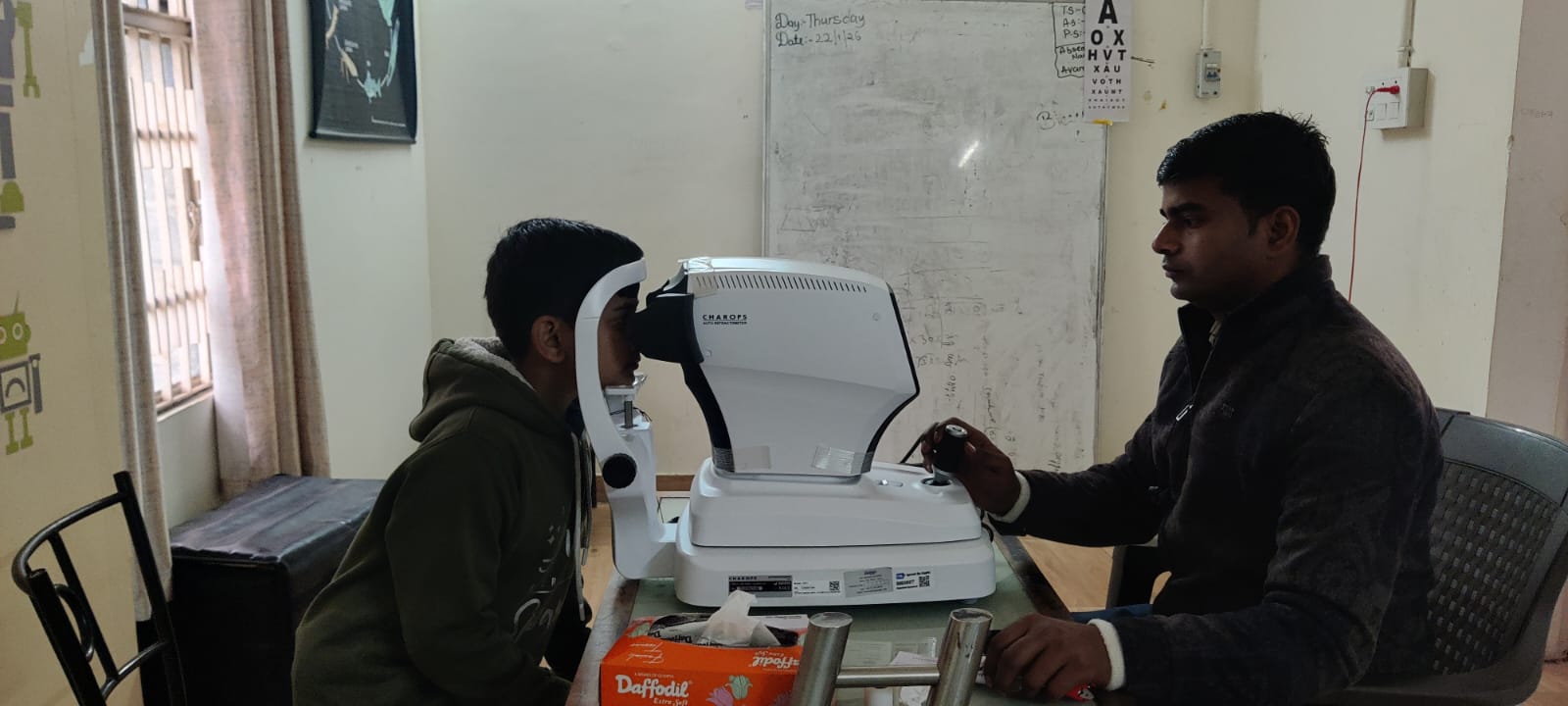
    SOS Children’s Villages India, in collaboration with Dr Agarwals Eye Hospital, conducted a one-day free eye check-up camp that screened 137 children and caregivers from its Family Like Care and Family Strengthening Programmes.

    In an era when myopia (near-sightedness) and hypermetropia (far-sightedness) are increasingly prevalent among children in India—with studies showing myopia rates rising with age and affecting learning—early detection is essential to prevent issues like reduced concentration and impaired academic performance.

    Vulnerable children often face limited access to basic healthcare, including eye screenings, making initiatives like this vital for their development.

    Sumanta Kar, CEO of SOS Children’s Villages India, emphasized the importance of the partnership: “Children today are more vulnerable to eye-related issues, and at their young age, they often struggle to articulate challenges they face. Our core commitment is the overall well-being of children and mothers in our care. This collaboration with Dr Agarwals Eye Hospital has enabled timely screening and preventive care, helping participants address vision concerns effectively.”

    The transformative camp focused on early diagnosis of conditions such as weak eyesight, colour blindness, and lazy eye (amblyopia). A team of qualified doctors and staff from Dr Agarwals Eye Hospital provided screenings, basic consultations, and preventive guidance to children and caregivers. For cases requiring further treatment, recommendations for additional diagnosis were offered.

    Dr Karthikeya, Senior Consultant – Vitreoretina, Uvea & ROP at Dr Agarwals Eye Hospital, highlighted the impact: “Many eye problems in children remain unnoticed without regular screening. Early identification prevents these issues from hindering studies and daily activities. Through outreach camps like these, we deliver quality eye care to underserved children who might otherwise miss timely help.”

    This collaboration underscores the shared goal of both organizations to advance children’s healthcare, providing empowering basic medical services to support the holistic growth of vulnerable youth.