Category: Sustainable World

  • Coca Cola’s CSR initiative in high density farming can make India self-sufficient in apple production

    Coca Cola’s CSR initiative in high density farming can make India self-sufficient in apple production

    India imports about 4 lakh tonnes of apple annually. Bringing 5,000 to 8,000 hectare under the HDP model is sufficient to make import substitute in the next five years.

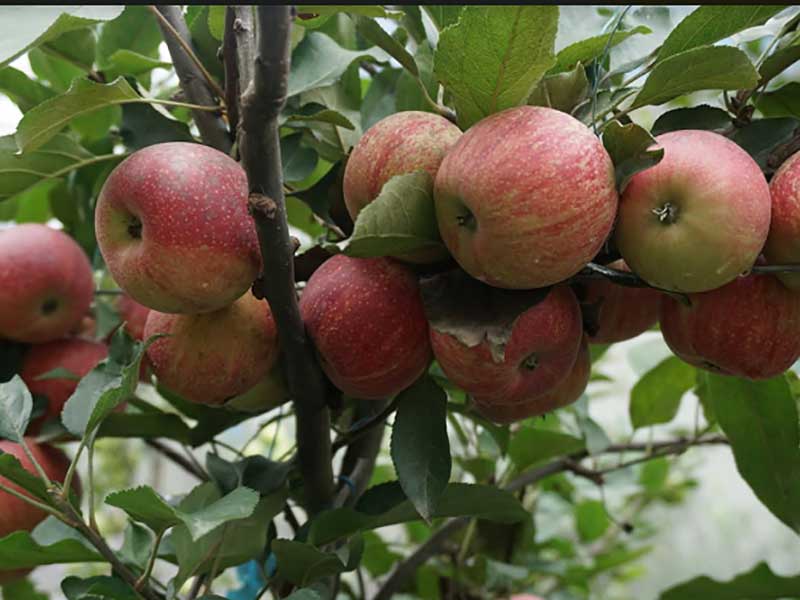
    Like many farmers in Uttarakhand, 35 year-old woman farmer from Champawat district Devaki Devi was sceptical of adopting a high density plantation of new apple varieties in mid-altitude range of 1,000-1,500 metres above sea level and that too in just five nali (10,800 square feet) area.

      For years, Devi had been growing vegetables in her small piece of land but decided to shift to apple cultivation after seeing fellow farmers getting better yields and returns.

      She took training in HDP (High Density Plantation) from the ‘Unnati apple project’, a CSR intervention of Coca Cola India along with Bhimtal-based Indo Dutch Horticulture Technologies and G B Pant University Of Agriculture and Technology.

      With technical and financial support from the Unnati project, Devi planted 250 apple saplings of ‘Gala mema’ and ‘Red Delicious’ varieties in five nali areas in 2021.

      In the traditional method, apple trees are planted at a distance of 5-7 metres, whereas in the HDP method it is done at every one metre.

      “Apple fruits are typically ready for harvest in August. But much to my surprise in HDP, the varieties that I planted the fruits were ready for picking in July itself. I got 5-6 kg yield per tree in the first year itself,” Devi said.

      Devi sold apples at Rs 150 per kilogram and got a better price as her crop hit the market a month in advance. She earned nearly Rs 1.80 lakh in the first year itself. Devi is now waiting to harvest next month with a yield as high as 10-15 kilogram per tree.

      For 57-year-old Madan Singh, a traditional apple farmer, growing apple trees at mid-altitude and getting the crop in 12 months after the planting was unbelievable until he tried his hands on five nali areas under the Unnati project.

      In traditional methods, it is difficult to get a crop for harvesting even after six years but in HDP method it was possible to get the crop from second year onwards with yields expected to go up to 50 kg per tree from fifth year, which is unimaginable, he added.

      Due to early maturity and better returns, many farmers in Uttarakhand are taking up this new method of apple cultivation.

      About 700-odd acres of apple orchards have already been developed since the launch of the Unnati apple project in 2018 in the state, Coca-Cola INSWA, CSR and Sustainability Senior Manager Aditya Panda said.

      Not only in Uttarakhand, the new method is also being promoted in Himachal Pradesh and Jammu and Kashmir, where 300 acres of apple orchards have come up under the Unnati project, he said.

      The target is to achieve 20,000 acres in three states.

      The Unnati apple project was initiated in Uttarakhand solely because the productivity in the state was low at 3-4 tonnes per hectare per annum, half the nation’s average productivity, despite favourable climate and vast available land for greenfield apple cultivation,” Panda said.

      Since farmers were shy of making upfront investment required to establish modern HDP apple orchards of highest global standards, the company subsidised and set up demo farms at their places. Along with planting material, drip irrigation, trellis support structure with four wire support, perforated weed mulching, hail net and fencing material are being provided at subsidised rates.

      To ensure well-being of farmer communities, improve yields and propagate judicious use of natural resources, Coca Cola India partnered with Indo Dutch Horticulture Technologies (IDHT) as its implementation partner in Uttarakhand.

      IDHT is the biggest and leading producer of high density apple plant nursery in India. It has been key in supplying the right planting material to farmers.

      “With a five times increase in yield expected from HDP apple orchards, there is potential to make the country self-sufficient in apple production. This will also help in reverse migration and provide employment to youth in hilly states,” Indo-Dutch Horticulture Technologies (IDHT) Director Sudhir Chadha said.

      A total of 2 lakh hectare is under apple cultivation in India, out of which 10,000 hectare in Uttarakhand.

      “We import about 4 lakh tonnes annually. Bringing 5,000 to 8,000 hectare under the HDP model is sufficient to make import substitute in the next five years,” he said.

      ‘Gala mema’, ‘Gala Schinico Red’ , ‘King Roat and ‘Golden Parsi Da Rosa’ are some of the high yielding varieties which Chadha has developed by grafting apple trees on rootstock imported from The Netherlands and Italy.

      These apple varieties can be grown in mid-altitude range and the research is underway to grow HDP apples in plains as well, he said.

      Chadha, a pioneer in the high density apple plantation in India, is conducting research in HDP apples at an experimental field of 10,000 acres given on lease for 10 years by G B Pant University Of Agriculture and Technology, which is a knowledge partner of Unnati Apple Project.

      According to Shivendra Kashyap, Dean, College of Agriculture at G B Pant University Of Agriculture and Technology, “We are doing research in some fruits, not in apples. Chadha’ HDP method has potential to change the way apples are cultivated not only in Uttarakhand but in other hilly states.”

      Coca Cola India has capped the subsidy for setting up an HDP apple orchard in five nali areas. The subsidy varies for three states. Farmers, however, can expand their orchards at their own cost.

      Besides apples, the company is working with farmers to boost production of mango, orange, grapes, litchi and priority commodities like sugarcane in 11 states under the Unnati project, which is part of the company’s ‘Fruit Circular Economy’.

  • DCB Bank to inaugurate 25 rainwater recharge wells in B’luru

    DCB Bank to inaugurate 25 rainwater recharge wells in B’luru

    Recharge can help move excess salts that accumulate in the root zone to deeper soil layers, or into the groundwater system. Tree roots increase water saturation into groundwater reducing water runoff..

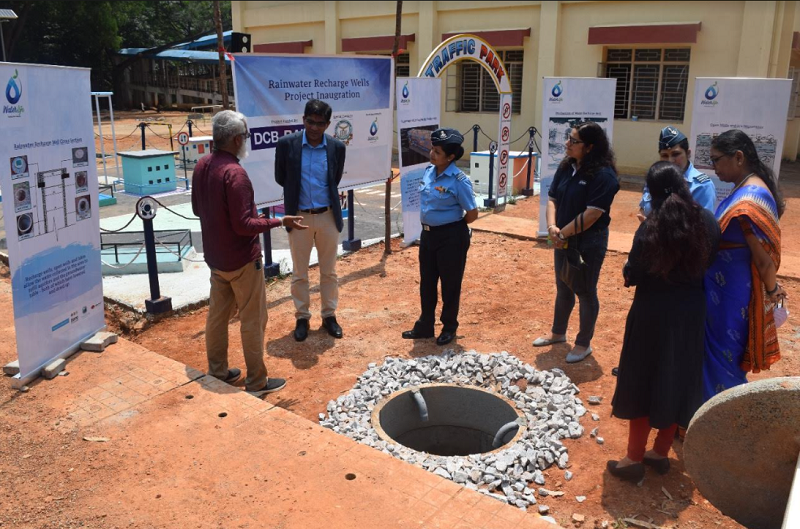
    Private lender DCB Bank will tomorrow inaugurate and symbolically mark the beginning of the 25 rainwater recharge wells (RRW) sustainability project in Bengaluru.

      This RRW would act as a powerful groundwater management tool that not only protects and restore aquatic environments, prevents urban flash folding, increases groundwater but also provides employment to well-diggers, the company said in a statement.

      With the continuous issue of ground water shortage in Bengaluru, the Bank is contributing to preserve water by utilising existing natural resources.

      Recharge can help move excess salts that accumulate in the root zone to deeper soil layers, or into the groundwater system. Tree roots increase water saturation into groundwater reducing water runoff.

      Besides this, DCB Bank in collaboration with iNaturewatch Foundation will launch a mobile app “eForestrails” in Mumbai that will help visitors for nature tours in Karnala Bird Sanctuary.

      In Odisha, DCB Bank’s sustainable development initiative in Banki Block, a backward area in Cuttack district is transforming the lives of its inhabitants.

      Local women are trained in the bee-keeping activity to create an inclusive development for the region. They have been successful in promoting cross-pollination and honey collection thereby building a steady source of supplementary income.

  • Nestle India training dairy, spice & coffee farmers to source high quality raw material

    Nestle India training dairy, spice & coffee farmers to source high quality raw material

    Apart from working towards a sustainable resilient supply chain, Nestle India has also been plastic neutral across all its brands, strengthening its commitment towards 100 per cent recyclable or reusable packaging by 2025.

    Recognising the need for sustainable operations across the value chain, FMCG major Nestle India on Wednesday said it is training dairy, spice and coffee farmers to develop sustainable farms and source high quality raw material.

      Nestle India, in a statement, said the company has partnered and engaged with 7000 dairy farmers across the dairy value stream for reducing enteric fermentation and energy, improving feed management and manure management.

      “The focus is on training farmers in good agricultural practices, helping them produce safe, high-quality raw materials, and develop resilient and sustainable farms,” it said.

      In addition to dairy farmers, Nestlé India has also been working closely with spice and coffee farmers, enabling them to source sustainably.

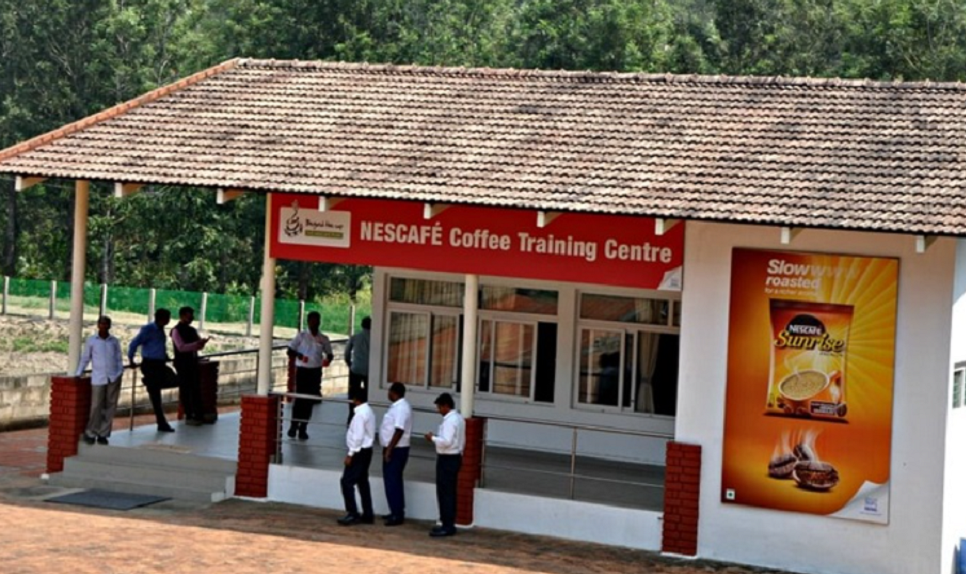
      The association with coffee farmers under the NESCAFÉ plan has resulted in an impactful contribution in reducing water usage at farms by 23 per cent while increasing yield by up to 18 per cent, the company claimed.

      Similarly, the MAGGI Spice plan has ensured that the spices sourced are free from harmful pesticides, additives, and climate change effects, it added.

      Commenting on these initiatives, Nestlé India Chairman and Managing Director Suresh Narayanan said: “Responsible sourcing of materials is essential to ensuring a sustainable future. There are continuous efforts to improve operational efficiencies, minimizing consumption of natural resources and reducing water, energy and CO2 emissions while maximizing production volumes.’’

      Apart from working towards a sustainable resilient supply chain, Nestle India has also been plastic neutral across all its brands, strengthening its commitment towards 100 per cent recyclable or reusable packaging by 2025.

      There has also been an increasing focus on sustainable logistics for addressing key climate challenges including the use of railways for transportation of goods to reduce carbon footprint and initiation of inland waterways among others.

      Nestle India said it has reduced the usage of energy by around 43 per cent, water usage by around 52 per cent, generation of wastewater by around 67 per cent and specific direct Green House Gas emissions by 57 per cent for every tonne of production over the last 15 years.

  • Intel commits for net zero greenhouse gas emissions in global operations by 2040

    Intel commits for net zero greenhouse gas emissions in global operations by 2040

    Intel’s priority is to actively reduce its emissions, in line with international standards and climate science. It will use credible carbon offsets to achieve its goal only if other options are exhausted.To realize this ambitious goal, Intel has set interim milestones for 2030.

    Chip-maker Intel on Wednesday announced it will achieve net-zero greenhouse gas emissions in its global operations by 2040 and develop more sustainable technology solutions.

    “Intel is committing to reach net-zero greenhouse gas emissions across its operations, otherwise known as its Scope 1 and 2 emissions, by 2040,” the company said in a statement.

    Intel’s priority is to actively reduce its emissions, in line with international standards and climate science. It will use credible carbon offsets to achieve its goal only if other options are exhausted, it said.

    To realize this ambitious goal, Intel has set interim milestones for 2030 which includes: achieving 100 percent renewable electricity use across its global operations, investing USD 300 million in energy conservation at its facilities to achieve 4 billion cumulative kilowatt hours of energy savings.

    Build new factories and facilities to meet US Green Building Council LEED program standards, including recently announced investments in the US, Europe and Asia.

    The company said it will launch a cross-industry research and development initiative to identify greener chemicals with lower global warming potential and to develop new abatement equipment.

    Besides this, Intel committed to lower the carbon footprint of its products and platforms with specific goals, and collaborate to create solutions that lower the greenhouse gas footprint of the entire technology ecosystem.

    These targets strengthen Intel’s commitment to sustainable business practices, like its RISE strategy.

    Intel’s cumulative greenhouse gas emissions over the past decade were nearly 75 per cent lower than they would have been in the absence of investments and action.

    Stating that the impact of climate change is an urgent global threat, Intel CEO Pat Gelsinger said protecting the planet demands immediate action and fresh thinking about how the world operates.

    “As one of the world’s leading semiconductor design and manufacturing companies, Intel is in a unique position to make a difference not only in our own operations, but in a way that makes it easier for customers, partners and our whole value chain to take meaningful action too,” he said.

  • SOS Children send rakhis to Corona-warriors of Max Healthcare

    SOS Children send rakhis to Corona-warriors of Max Healthcare

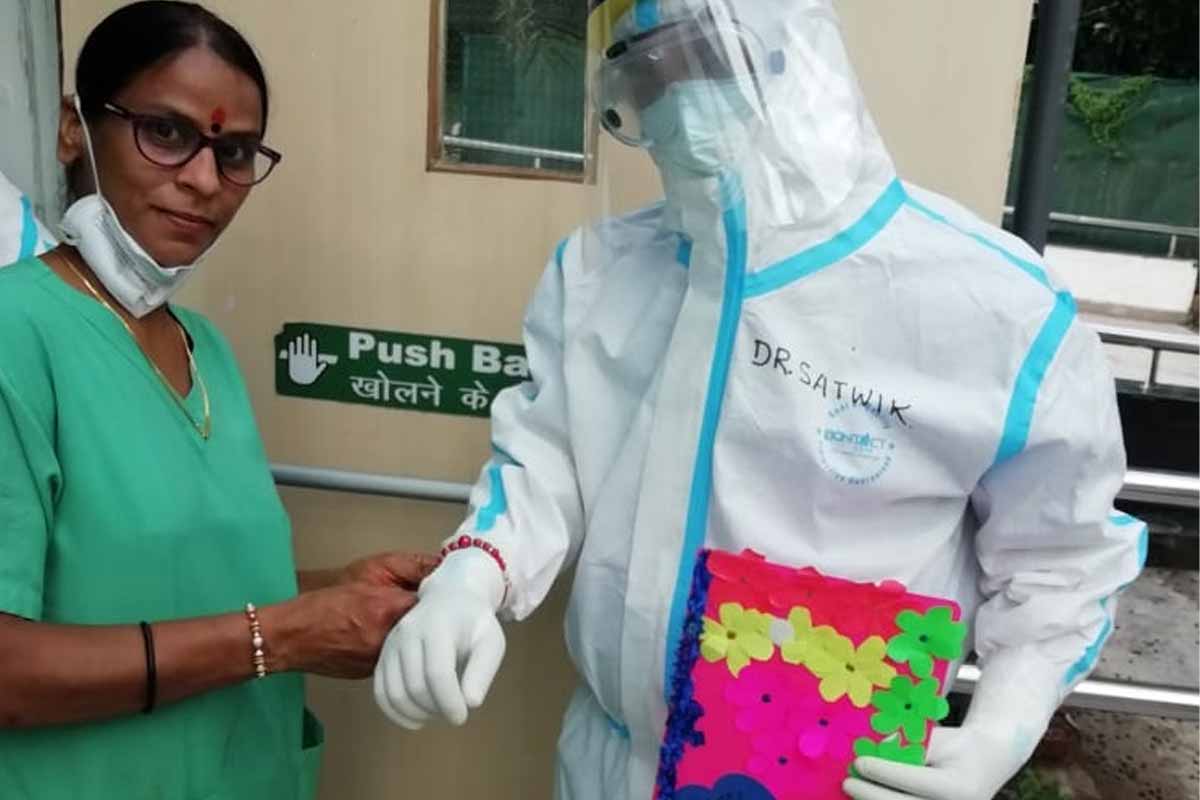
    On the auspicious occasion of Raksha Bandhan festival, more than 80 children from the Faridabad-based SOS Children’s Villages today sent rakhis and hand-made cards to doctors of two Max Healthcare hospitals in the national capital

    On the auspicious occasion of Raksha Bandhan festival, more than 80 children from the Faridabad-based SOS Children’s Villages today sent rakhis and hand-made cards to doctors of two Max Healthcare hospitals in the national capital.

    SOS Children’s Villages, in a statement, said the rakhis were sent doctors posted at Max Smart Super Specialty Hospital at Saket and BLK Super Specialty Hospital at Pusa Road in Delhi.

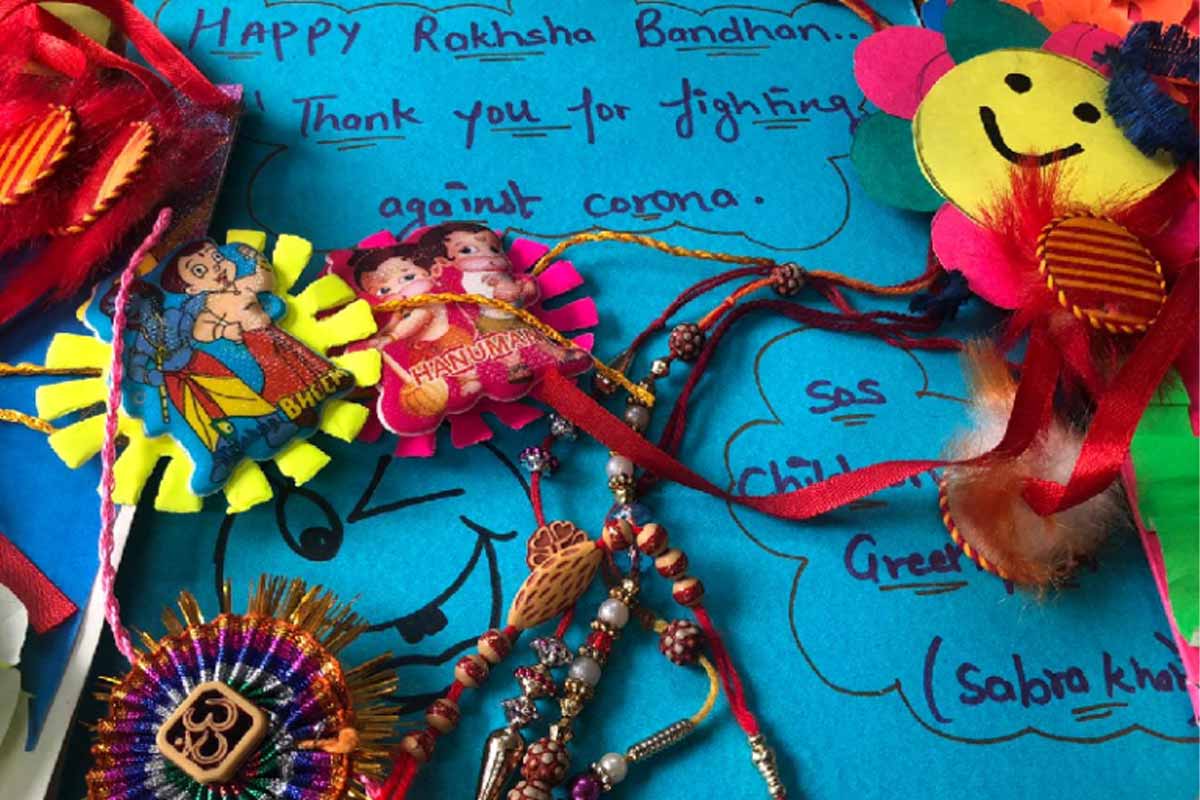
    The colorful, vibrant cards, hand-made by children, carried messages to the Corona Warriors at the two hospitals, thanking them for all their efforts and sacrifices in protecting the people in the time of the pandemic.

    “Thank you for fighting with the Coronavirus on our behalf,” said a card handmade by a SOS child.

    “You are all real-world heroes for protecting us from the Coronavirus and saving lives,” said a card handmade by another.

    “You are all real heroes. The ultimate measure of a man is not where he stands in moments of comfort and convenience but where he stands in times of challenge and controversy,” said another card made by a SOS child.

    The doctors were overwhelmed at this show of love and affection from the children.

    Saket-based Max Smart Super Specialty Hospital Vice Present and Unit Head Dr Gurpreet Singh said: “The cards carry heart-felt messages for our doctors and nurses. Our Corona warriors are over-whelmed by this gesture in the midst of facing one of mankind’s biggest pandemic. We all thank the SOS children for this loving gesture.”

    According to Delhi-based BLK Super Specialty Hospital Unit Head and Vice President Dr Sanjay Mehta: “We all are deeply touched at receiving the rakhis and cards from the SOS children. It is a deeply emotional moment for us after everything the Corona Warriors have gone through in the past few months. We will treasure these symbols of love and affection for many years to come. And this bond will last lifelong.”

    “This Raksha Bandhan, we and our children recognize the remarkable contribution of doctors, nurses and all the other Covid Warriors for saving humanity from the pandemic. In celebrating them, we celebrate the shared value of selfless efforts of our SOS mothers for creating lasting bonds of devotion, care and commitment,” said Sudarshan Suchi, Secretary General of SOS Children’s Villages of India.

    Established in 1964, SOS Children’s Villages of India protects the best interests of children who do not have a family or those who are risk of losing one. It operates in 32 locations across 22 states/UTs in India.

  • Alliance and GIZ launch pilot project to reduce plastic waste in Haridwar and Rishikesh

    Alliance and GIZ launch pilot project to reduce plastic waste in Haridwar and Rishikesh

    Global NGO The Alliance to End Plastic Waste and Deutsche Gesellschaft für Internationale Zusammenarbeit (GIZ) today launched a pilot project “Aviral” to reducce plastic waste in Haridwar and Rishikesh, Uttarakhand. Aviral will focus on strengthening

    Global NGO The Alliance to End Plastic Waste and Deutsche Gesellschaft für Internationale Zusammenarbeit (GIZ) today launched a pilot project “Aviral” to reducce plastic waste in Haridwar and Rishikesh, Uttarakhand.

    Aviral will focus on strengthening an integrated plastic waste management system. Following the two-year pilot in the two cities, the partnership aims to scale this initiative across partnering cities in India, the Alliance said in a statement.

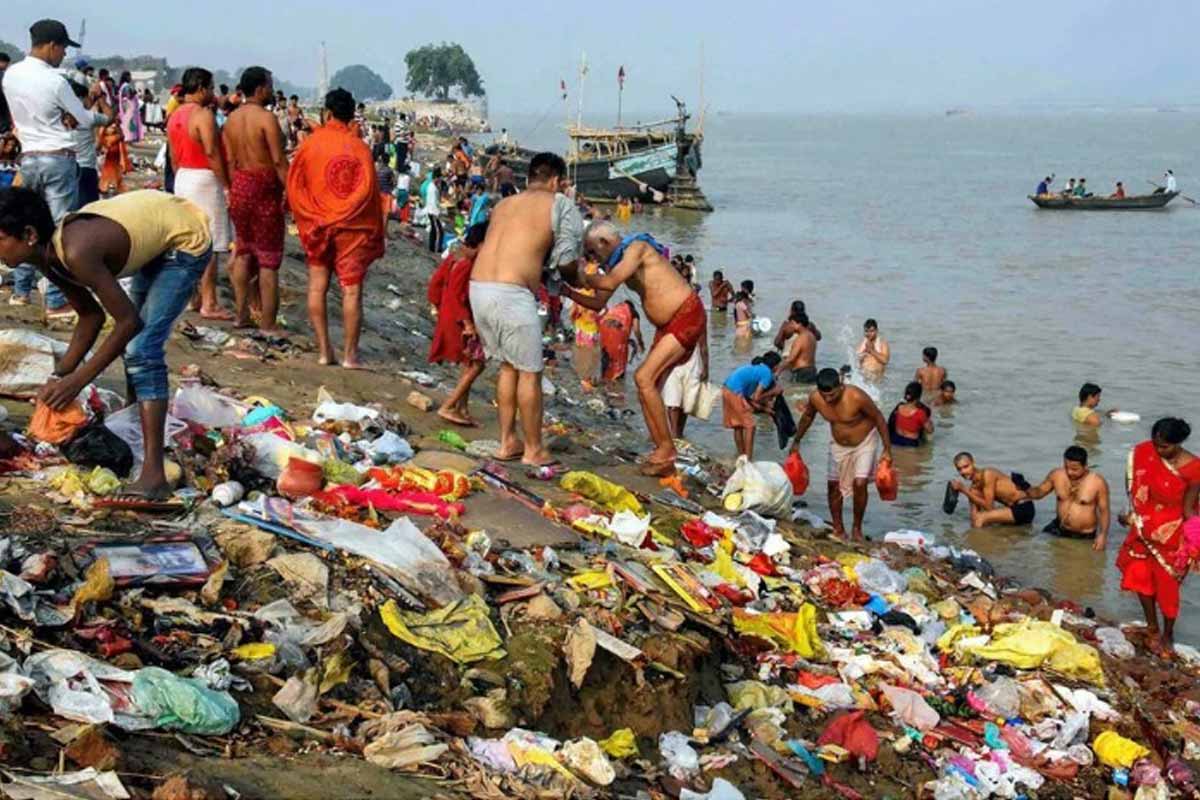
    In recent years, the amount of plastic waste has drastically increased in India. More specifically, this increase is affecting the two cities of Haridwar and Rishikesh, important Hindu pilgrimage and cultural tourism destinations, the Alliance said in a statement.

    Speaking about the initiative, the Alliance to End Plastic Waste CEO and President Jacob Duer said the project aims to reduce plastic waste and help improve the livelihoods of communities dependent on the Ganges, India’s lifeline and one of the world’s most important rivers.

    As its own name indicates, Aviral, means “continuous” in Hindi, the overall objective is to continue strengthening contribution to the achievement of the Sustainable Development Goals, added Carsten Schmitz-Hoffmann, Director General of GIZ International Services.

    This privately financed project contributes to the achievement of the Sustainable Development Goals.

  • SEEDS reaches out with dry ration to 1 lakh flood-hit people in Assam

    SEEDS reaches out with dry ration to 1 lakh flood-hit people in Assam

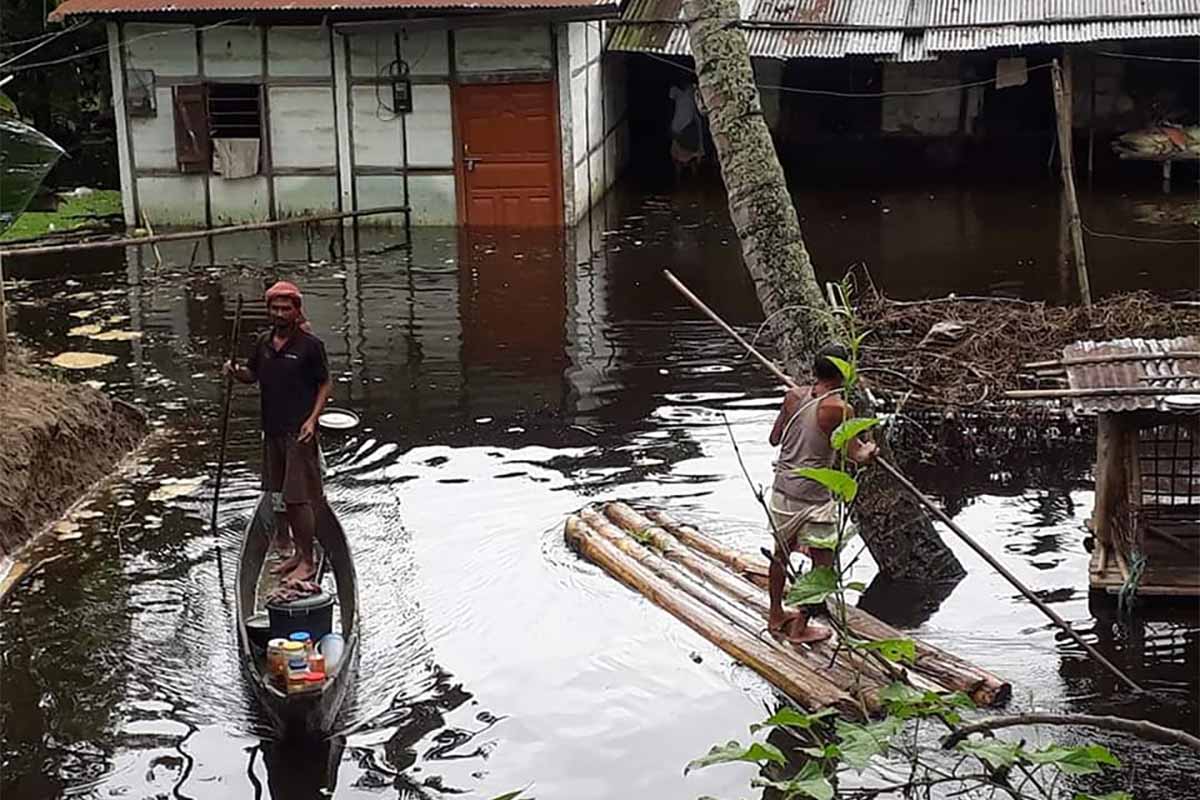
    Delhi-based NGO, Sustainable Environment and Ecological Development Society (SEEDS) is reaching out with safe drinking water, dry ration and hygiene kit to 1,00,000 flood-hit people in Lakhimpur, Dhemaji, Barpeta and Morigaon districts of Assam

    Delhi-based NGO, Sustainable Environment and Ecological Development Society (SEEDS) is reaching out with safe drinking water, dry ration and hygiene kit to 1,00,000 flood-hit people in Lakhimpur, Dhemaji, Barpeta and Morigaon districts of Assam.

    SEEDS also plans to work towards providing repair and restoration of homes and schools as part of the recovery intervention.

    Over 5.5 million people have been affected due to floods in India this year and Assam has experienced the worst flooding over the last ten years affecting over 3.6 million people till date as per the recent government report, it said.

    “This time, affected communities are facing additional threat given the ongoing COVID-19 crisis that requires health care services, health and hygiene safeguards and to maintain social distancing in the relief camps,” SEEDS said in a statement.

    To support flood-hit people in Assam, SEEDS is promptly reaching out to 1,00,000 affected people with their immediate needs in Lakhimpur, Dhemaji, Barpeta and Morigaon districts.

    The NGO is supplying safe drinking water, dry food, hygiene and family utility kit. This also includes key items required for COVID safety, emerged as the most urgent need based on the information from SEEDS volunteers on ground.

    A SEEDS team member from Assam informed, “The situation at the ground level is worse than ever. There are drinking water, food and hygiene issues. Thousands of families are battling with the intense flood situation coupled with the challenges of ongoing Coronavirus pandemic. They are in need of urgent humanitarian aid.”

    SEEDS Co-Founder Manu Gupta said, “With millions of people displaced by the floods, it has become critical that relief reaches them at the earliest. Our team is working relentlessly to analyse and meet the immediate requirements of the affected people in an effective manner. We are also taking all necessary precautions to mitigate the risk of the Covid-19 pandemic.”

    The floods have caused extensive damage to the houses, water sources, toilets and other infrastructures. Due to incessant rains and increased water in these regions and Covid-19 looming large, it is essential for communities to have a roof above their heads at the earliest.

    SEEDS will also work towards providing repair and restoration of homes and schools as part of the recovery intervention. SEEDS urges all the citizens to extend their support to help families of Assam, build back better.

    The NGO has sought contribution between Rs 1,000 to 4,000 from people for supplying ration kit, safe drinking water and hygiene kit.

  • HIV is No Longer a Death Sentence: Malcolm Reid

    HIV is No Longer a Death Sentence: Malcolm Reid

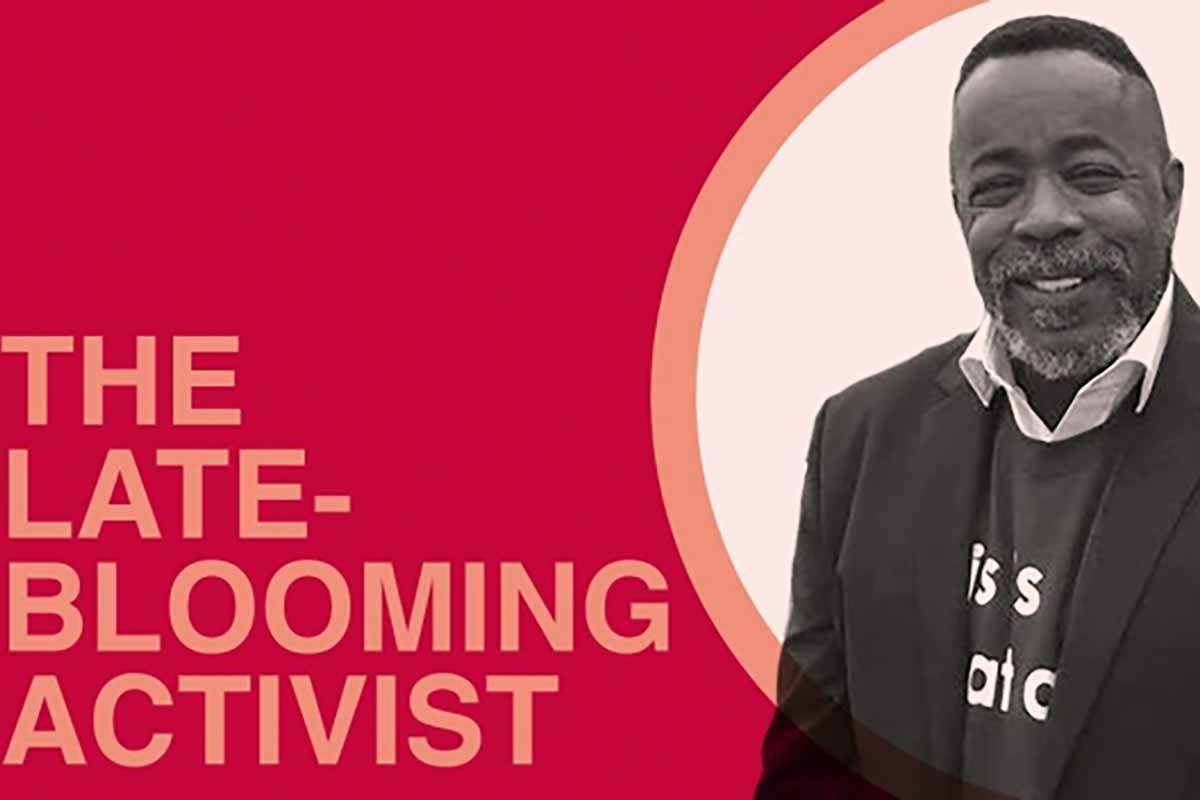
    Malcolm Reid is based in Atlanta, Georgia and has been involved with HIV advocacy since 2014. He created THRIVE SS’s group for Black men living with HIV over the age of 50, Silver Lining Project, and works to help participants

    Courtesy: Gilead Sciences / 3blmedia.com

    Malcolm Reid is based in Atlanta, Georgia and has been involved with HIV advocacy since 2014. He created THRIVE SS’s group for Black men living with HIV over the age of 50, Silver Lining Project, and works to help participants grapple with aging, PTSD, loss, and stigma while training them in political advocacy. Malcolm is an avid thrill-seeker and rollercoaster enthusiast having ridden over 50 of the world’s fastest.

    When did you find out you were HIV positive? How has your HIV status impacted your life?
    When I was diagnosed in 1997, I was not surprised. The impact on my life, at first, was negligible. I went on with my life as if nothing was different. I took my pills and kept it moving. I met my current husband a year before and we were both diagnosed around the same time, so I had someone to support me and I, being a natural caretaker, put a lot of energy into taking care of him.

    Years later, in 2014, I began to look at myself and my life. I realized how blessed I was. I also realized how selfish I had been. I knew that there were guys my age suffering in silence. Living a quiet existence, at home, alone. They were fearing disclosure, stigmatizing themselves. I realized that I was in a position to help. Even if it meant just being a sounding board to men my age or telling my story younger men.

    I shared my desires with some friends. While on a cruise with a large group of SGL people, I spoke out in a workshop. I told my story and expressed my desire to get involved. My friends were responsive, and one led me to a supportive group, which I joined in August of 2015. That group later became THRIVE SS.

    Where have you gotten support to manage your HIV treatment?
    Because I have a job with good benefits, I have managed my own medical support. Since joining THRIVE SS as a volunteer and now employee, my support comes from my advocacy.

    How long have you been involved in HIV advocacy?
    I have been involved in HIV advocacy since 2015. After becoming a member of the THRIVE SS organization, I was able to create a group called “Mature Men of Color” to support black gay men living with HIV over the age of 50. Today that group is the Silver Lining Project and we are now working to implement the dream I had back in 2014 – programs geared to assist Black gay men living with HIV over the age of 50 to deal with aging, PTSD, loss, and stigma while helping them train others and become engaged in political advocacy.

    Do you think there is an added stigma being a person from a racially marginalized community living with HIV, and if so, how do you handle it?
    Yes, I do think there is added stigma being a person from a racially marginalized community living with HIV. While the African American community mostly votes liberal, African American people are very conservative in social and family circles. The church and family structure can be judgmental and unforgiving. I believe the best way to handle this is through communication and education. I try to take the fear and myth out of living with HIV. I am open and out about my status. I believe when people see me and my husband, out in the community, living, thriving, doing the work; they will understand that HIV is no longer a death sentence. It’s not just the rich famous athlete that can live an abundant life with HIV.

    I also advocate for Undetectable = Untransmittable (U=U) because once people understand that people who are living with HIV receive the care they need, and achieve and maintain an undetectable viral load, they are unable to transmit HIV through sex and are, therefore, less likely to stigmatize us. From a policy and legal perspective, this will help us end the laws across the country that criminalize HIV.

    Living in Georgia, we are affected by the refusal of our government leaders and representatives to expand Medicaid. This has led to hospitals and health centers closing in rural areas and has left thousands of people unable to afford their medications. Many people don’t have access and even if they did, they might not be able to afford care. U=U is only possible when there’s equal affordability to ensure access.

    Do you feel that you face additional challenges in care as a member of a racially marginalized community living with HIV?
    I have been blessed. I have a good job with great health insurance. Currently, I have no challenges accessing, affording and remaining in care. But I see the challenges my brothers face regularly with ADAP and other public health organizations and want to help them access the care they need.

    How would you support someone who recently received a positive HIV diagnosis?
    First, I would talk to them about their concerns and fears to learn where they are mentally. Are they self-stigmatized? Are they blaming themselves for their diagnoses? Then I would use the THRIVE SS model to connect them to care. We want to not only link them to care but make sure we address the social determinants of health such as housing and an ongoing support network.

    If you could give your younger self one piece of advice, what would it be?
    A good job and salary aren’t everything. Look around at your blessings and share them – get involved, early and often. Also, understand that everyone who is not achieving what you have achieved still has a story and value, and it’s up to us to lift them up.

    What gives you hope?
    Young advocates that are bringing new energy and creativity to advocacy give me hope. I’m also hopeful because of strategies like PrEP, which can help prevent the spread of HIV, and medications that keep those of us living with HIV undetectable and untransmittable.

    https://www.3blmedia.com/News/HIV-No-Longer-Death-Sentence-Malcolm-Reid