Category: Sectors

  • Empowering Climate-Resilient Farming: ACC’s Solar Boost

    Empowering Climate-Resilient Farming: ACC’s Solar Boost

    In the hot, dry lands of Chhatatand village in rural India, farmers like Bhagywati Devi used to worry every day about rain. No rain meant no crops, no food, and no money. But now, things are different. ACC, a big company in cement and building materials from the Adani group, is working with the Adani Foundation to bring climate-resilient farming to places like this. They use smart ways to save water and grow food better, even when weather is bad. This helps farmers fight low crop yields and crazy rain patterns through climate-resilient farming practices.

    Bhagywati is 47 years old. She has three kids and a husband who works hard as a daily labourer. Life was tough. School fees piled up, and food was always short. “We waited for rain like kids wait for sweets,” she says. When it didn’t come, her fields turned brown. She had to use diesel pumps for water, but they cost too much money and made dirty smoke. Crops failed often, and her family went hungry.

    In 2024, everything changed for Bhagywati. She was one of 20 farmers picked for the Adani Foundation’s solar irrigation project. ACC helped make it happen. Now, a solar pump sits in her small half-acre field. It uses free sunshine to pull water from the ground and send it straight to her plants. No more waiting for rain or paying for diesel. “It’s like a magic machine from the sky,” Bhagywati laughs, her face lighting up.

    With steady water, her crops grow strong all year. She plants rice and veggies without fear. Yields doubled fast. Before, she earned just enough to scrape by. Now, she makes an extra Rs 6,000 each month. That’s big money here—it pays for better food, fixes the house roof, and saves for her youngest girl’s college dreams. “I used to work sun-up to sun-down just to eat. Now, I have time for my family,” she says. She cooks hot meals, helps kids with homework, and chats with neighbors. Her tired hands still work the soil, but her heart feels lighter.

    ACC didn’t stop at water. They taught her trellis farming too. It’s a simple trick: Grow climbing veggies like beans and gourds on tall frames made from sticks or wire. This saves space on her tiny plot. Plants grow up, not out, so she fits more in. “My land was too small before. Now, veggies climb high like happy kids on a swing,” she jokes. Extra harvest means more to sell at the market. Buyers pay good prices for fresh, clean produce. Her income grew again, and people in the village notice. Once, folks saw her only as a wife helping out. Now, they call her for advice on farming. She speaks up in meetings, proud and strong.

    Bhagywati’s story shows the power of climate-resilient farming. ACC brings easy tools like solar pumps and trellis setups to far-off villages. These aren’t fancy gadgets—they’re helpers that fit real life. Farmers learn to use less water, grow more food, and earn steady cash through climate-resilient farming methods. No more chasing rain or burning fuel. Instead, they build safe futures.

    Take Bhagywati’s family: The extra money bought new clothes for festivals. Her middle son dreams of being a teacher, not a labourer. The little girl studies without worry. “ACC gave us more than tools. They gave us hope,” Bhagywati says, watching her kids play under the green vines.

    Across India, thousands like her face the same fights—hotter days, less rain from climate change. But with ACC and Adani Foundation’s work, rural spots like Chhatatand are turning green again. One farmer, one field at a time, they’re proving small changes make big waves. Solar power waters the land. Smart farming lifts spirits. And stories like Bhagywati’s spread, inspiring others to try climate-resilient farming.

    In the end, it’s not just about crops. It’s about families thriving, kids learning, and villages growing strong. ACC builds more than cement—they build lives that last, rain or shine.

  • Delhi Government, SOS Children’s Villages forge partnership to uplift 350 orphaned children

    Delhi Government, SOS Children’s Villages forge partnership to uplift 350 orphaned children

    The Department of Women and Child Development of the Delhi government and SOS Children’s Villages India signed a five-year partnership on Wednesday to implement the government’s Sponsorship Scheme, aiming to provide holistic care for 350 children without parental care in the capital.

    The Memorandum of Understanding (MoU), signed by Mitali Namchoom, Director of the Department of Women and Child Development, and Sumanta Kar, CEO of SOS Children’s Villages India, at the department’s New Delhi headquarters, focuses on enhancing family-based care through SOS India’s Kinship Care Programme. This partnership will support children’s emotional, physical, and educational development, ensuring they grow into self-reliant individuals.

    “This partnership ensures every child grows up with dignity, surrounded by care and stability,” Namchoom said, highlighting the importance of preserving family bonds and cultural identity.

    Kar added, “Through this partnership, we will empower caregivers with psychosocial and educational support, enabling children to thrive with hope and confidence.”

    The partnership leverages SOS India’s expertise to strengthen the Sponsorship Scheme, aiming to transform the lives of Delhi’s vulnerable children.

  • Cisco India unleashes Krishi Mangal 3.0 for AgriTech startups

    Cisco India unleashes Krishi Mangal 3.0 for AgriTech startups

    Cisco India CSR and Social Alpha unveiled Krishi Mangal 3.0 on Wednesday, selecting seven agritech startups deploying artificial intelligence and IoT solutions to boost farmer productivity and address climate challenges in Indian agriculture.

    Krishi Mangal 3.0, the third edition of the accelerator program, provides up to Rs 50 lakh ($60,000) in non-dilutive funding per startup, with potential access to additional funding of up to Rs 2 crore through Social Alpha’s network.

    The program focuses on climate resilience and income security for farmers through technology-driven solutions.

    Selected startups will deploy their innovations across multiple states, potentially reaching over 200,000 farmers and 150 farmer producer organizations.

    Krishi Mangal 3.0 targets critical agricultural challenges including soil degradation, water management, farm mechanization, post-harvest losses and supply chain inefficiencies.

    “This initiative is not just about agricultural innovation; it is a direct contribution to the vision of Viksit Bharat,” said Harish Krishnan, managing director and chief policy officer at Cisco India & ASEAN, referring to India’s development goals.

    “By empowering our farmers with cutting-edge technology, we are boosting rural incomes, fostering economic resilience, and ensuring food security.”

    The seven startups represent diverse technological approaches to agricultural challenges. Ekosight Technologies operates Soil Doctor Clinic, providing AI-powered soil testing that analyzes 16 parameters with over 95% accuracy, generating instant digital reports and tracking crop health through satellite imagery.

    ArkaShine Innovations offers AI-enabled portable devices assessing physical, chemical and biological soil properties, delivering fertilizer and crop recommendations tailored to soil health and microclimatic conditions through an integrated digital dashboard.

    Terracroft Agritech developed KrishiBOT, a battery-operated farm robot designed for gender-neutral operation that reduces physical strain for women and elderly farmers while supporting line sowing and intercropping with minimal soil compaction.

    Surobhi Agro Industries‘ Farmology platform combines patented organic inputs with AI-powered agronomy, integrating IoT-based soil testing and crop health monitoring with 95% accuracy to help farmers make timely decisions on water, pest and nutrient management.

    Agribotic Systems built a 90% indigenous agricultural drone ecosystem with compact, foldable units enabling affordable precision farming through real-time spraying, obstacle avoidance and IoT-based fleet management.

    Bhairaj Organics developed Desigo, a milk supply chain solution using alternative energy to eliminate cold storage needs and middlemen, ensuring zero spoilage with FSSAI-compliant traceability while empowering women entrepreneurs.

    Rudra Solar Energy offers high-efficiency solar cabinet dryers that reduce post-harvest losses and improve product quality, with direct market linkages providing farmers fair prices and increased income.

    “Smallholder farmers are navigating a complex web of systemic issues—from erratic monsoons and degrading soil health to rising input costs, limited infrastructure, and shrinking access to credit,” said Ganesh Neelam, co-founder of Social Alpha, India’s venture development platform for science and technology startups.

    Previous Krishi Mangal editions have demonstrated significant impact. The first edition supported five startups deploying solutions in seven states, directly impacting over 17,000 farmers and collectively raising Rs 34.8 crore in follow-on funding. The second edition enabled seven startups to deploy in six states, benefiting more than 32,000 farmers and achieving a cumulative 14.9% increase in farmer incomes.

    India climbed to 39th position in the Global Innovation Index in 2024 from 81st in 2015, according to Deepak Bagla, mission director at Atal Innovation Mission, NITI Aayog. “The growth of the nation is tied to the growth of agriculture, the primary sector in India,” Bagla stated.

    Agriculture remains a critical economic sector in India, employing nearly half the country’s workforce and serving as the foundation for rural livelihoods across the nation.

    Startups in Krishi Mangal 3.0 also receive tailored business planning support and access to Social Alpha Labs for product design, prototyping and manufacturing assistance, along with potential seed investment opportunities subject to due diligence.

  • Empowering Indian women farmers: Walmart-backed FPCs boost incomes 51%, plan expansion

    Empowering Indian women farmers: Walmart-backed FPCs boost incomes 51%, plan expansion

    Maya Ghosh rises before dawn each day to oversee a network of collection centers that have transformed how women farmers in rural India sell their crops, cutting out middlemen who long controlled prices and profits.

    “We used to sell our produce to middlemen who would decide the price. We had no voice, no choice,” said Ghosh, a director at Ken Betwa Mahila Farmer Producer Company Limited.

    “Today, through our network of 34 collection centers, we’ve procured 448 metric tonnes directly from women farmers.” Ghosh is among thousands of women farmers whose livelihoods have improved through farmer producer companies (FPCs) – agricultural collectives that pool resources, share knowledge, and negotiate better prices for members.

    The initiative, run by non-profit SRIJAN with funding from the Walmart Foundation, expanded its shareholder base nearly fourfold to 24,328 women farmers between November 2022 and November 2024, with women comprising 88% of members.

    Average annual incomes for shareholders rose by 30,000 rupees (USD357), a 51% increase, while collective turnover across 12 FPCs grew more than 190% during the two-year period, SRIJAN said.

    BREAKING BARRIERS

    In villages where women farmers traditionally had limited say in agricultural decisions, they now occupy leadership positions and negotiate directly with buyers.

    “The first time I stood up in a meeting to speak, my hands were shaking,” said Savitri Yadav, who serves on the management committee of her FPC in the eastern state of Bihar. “Today, when traders come, they negotiate with us on our terms.”

    The model has proven particularly effective in eliminating intermediaries. Some 88% of shareholders now purchase farming inputs through their FPCs, while 39% sell produce directly through the collectives, according to project data.

    For Kamla Devi, a smallholder farmer in Uttar Pradesh state who joined her local FPC in 2023, the benefits were immediate. “My children can now go to school without me worrying about fees,” Devi said.

    “I bought quality seeds through our FPC and learned new farming techniques. My yield doubled, and I got a fair price when I sold through our collective.”

    WALMART FOUNDATION EXPANDS SUPPORT

    Building on initial success, SRIJAN is launching a second phase with new grant support from the Walmart Foundation that will expand the program to 38,000 women farmers across 19 FPCs.

    “We are committed to fostering a more inclusive, efficient, and profitable FPC ecosystem – one centered around agricultural production and greater participation of women farmers in the value chain,” said Prasanna Khemariya, chief executive officer of SRIJAN.

    The expansion focuses on ensuring FPCs can operate independently without external support, with all 19 companies expected to achieve self-sufficiency. Training programs aim to help 70% of participating women farmers adopt improved crop management practices.

    “Empowering women farmers is central to building resilient agricultural economies,” said Nishant Gupta, social and environmental impact advisor to Walmart.org, the Walmart Foundation’s philanthropic arm.

    “We are pleased to support SRIJAN’s efforts to enhance market access, boost capacity building, and increase women farmers’ participation in the agri-value chain.”

    CHANGING PERCEPTIONS

    The program’s impact extends beyond economics, reshaping how younger generations view agriculture as a career. Priya Sharma, 23, recently completed her university degree and returned to her village to join her mother’s FPC rather than seeking urban employment – a decision that would have been unusual just years earlier.

    “I saw what my mother achieved – the respect she earned, the income she generated,” Sharma said. “Agriculture doesn’t mean poverty anymore. It means opportunity.”

    At Ghosh’s collection center in Madhya Pradesh state, younger women farmers now weigh produce, negotiate prices, and manage accounts on tablets – tasks that were once dominated entirely by men and middlemen.

    “We’re not just growing crops,” Ghosh said. “We’re growing confidence. We’re growing communities. We’re growing a future where our daughters won’t have to leave their villages to find dignity and success.”

    India has approximately 146 million farmers, with women farmers comprising a significant portion of the agricultural workforce though often lacking formal recognition or direct market access, according to government data.

  • Automated Driving Test Tracks: Maruti Suzuki signs MoA in Tamil Nadu

    Automated Driving Test Tracks: Maruti Suzuki signs MoA in Tamil Nadu

    Maruti Suzuki India has signed a Memorandum of Agreement (MoA) with the Transport Department, Government of Tamil Nadu, to establish 10 Automated Driving Test Tracks (ADTTs) across the state, reinforcing its commitment to road safety.

    The initiative, formalized in a ceremony attended by Transport and Electricity Minister S S Sivasankar and Home Secretary Dheeraj Kumar, aims to revolutionize driving license testing with cutting-edge technology.

    The ADTTs, to be set up in Marthandam, Tirunelveli, Coimbatore (Central), Madurai (North), Tuticorin, Krishnagiri, Dindigul, Tiruvannamalai, Sivagangai, and Trichy (West), were strategically chosen based on high license issuance volumes and connectivity to nearby cities.

    These tracks will leverage video analytics, Radio Frequency Identification (RFID), and Harnessing Automobiles for Safety (HAMS) technologies to ensure a transparent, standardized, and objective testing process with zero human intervention, aligning with Central Motor Vehicle Rules.

    Maruti Suzuki’s road safety initiatives span the 5Es: Education, Evaluation, Enforcement, Engineering, and Emergency Care.

    “Maruti Suzuki’s commitment to road safety is commendable,” said Minister S S Sivasankar. “This collaboration to establish automated driving test tracks will promote disciplined driving and elevate road safety standards across Tamil Nadu.”

    Rahul Bharti, Senior Executive Officer, Corporate Affairs at Maruti Suzuki, added, “Automated driving test tracks ensure a rigorous and transparent assessment of driver skills. This initiative is a significant step toward safer roads in Tamil Nadu.”

    Maruti Suzuki’s road safety initiatives span the 5Es: Education, Evaluation, Enforcement, Engineering, and Emergency Care.

    The company has already established 45 ADTTs nationwide, including 17 in Uttar Pradesh, 14 in Delhi, 7 in Bihar, 4 in Uttarakhand, 2 in Haryana, and 1 in Jammu & Kashmir. With a recent MoA for 21 ADTTs in Rajasthan and the new Tamil Nadu project, the total will reach 76 ADTTs across India.

    Additionally, Maruti Suzuki operates 8 Institutes of Driving and Traffic Research (IDTRs) and 23 Road Safety Knowledge Centres (RSKCs) to enhance driver education. Its Integrated Traffic Safety Management System (ITMS) supports real-time monitoring, while First Responder training strengthens emergency care.

    The MoA was signed by R Gajalakshmi, Transport and Road Safety Commissioner, and Tarun Agarwal, Senior Vice President, CSR, Maruti Suzuki, marking a milestone in the company’s mission to foster safer roads through innovation and collaboration.

  • Transformative Himachal Pradesh Vision Care Initiative Treks to 5,000

    Transformative Himachal Pradesh Vision Care Initiative Treks to 5,000

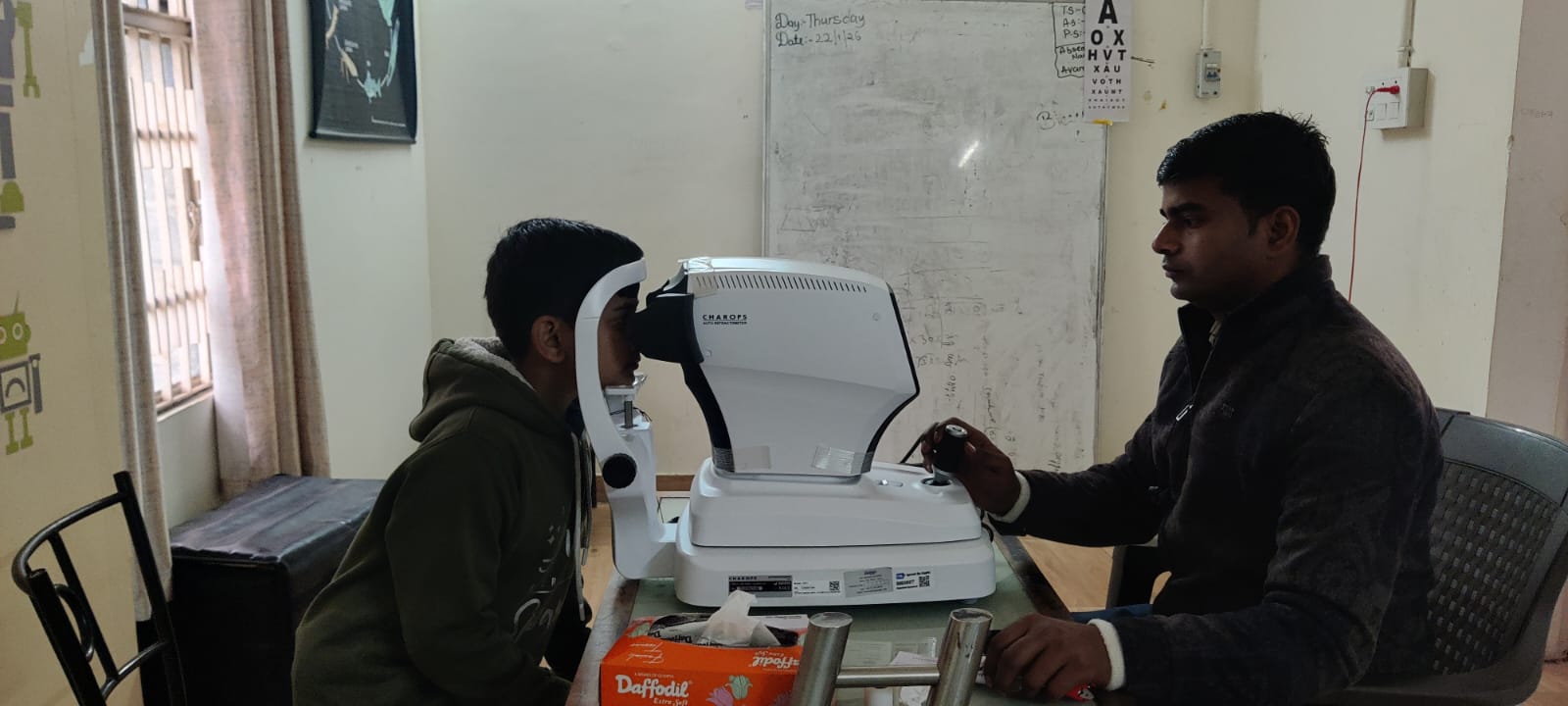
    The Government of Himachal Pradesh has partnered with online bus ticketing platform redBus and VisionSpring Foundation to launch the Himachal Pradesh vision care initiative, a transformative effort to deliver vision care services to underserved Himalayan communities.

    Targeting 5,000 people, this initiative provides eye screenings and eyeglass distribution to bridge a critical gap in eye care access.

    In Himachal Pradesh, 3 million people lack proper vision care, part of India’s 550 million residents without necessary corrective eyewear.

    Studies show eyeglasses can boost earning potential by up to 33.4% and increase productivity by 32%. The Himachal Pradesh vision care initiative addresses this need, empowering communities with clearer vision and brighter futures.

    From Oct. 9-18, VisionSpring teams, government officials, and health experts are trekking across Shimla and Kinnaur districts, reaching remote areas like Chitkul, India’s first village, and hazardous mountain roads near Reckong Peo. This Clear Vision Trek, a cornerstone of the Himachal Pradesh vision care initiative, marks the 25th anniversary of VisionSpring founder Jordan Kassalow’s journey that inspired the organization’s mission.

    “Everyone has the right to see clearly, no matter where they live,” Kassalow said, emphasizing the trek’s goal to deliver “life-changing eyeglasses across some of the most challenging terrain on earth.”

    The Himachal Pradesh vision care initiative includes three transformative programs: See to Earn for working adults, See to Learn for students, and See to be Safe for commercial vehicle drivers navigating mountainous roads. These efforts ensure comprehensive vision care tailored to diverse needs.

    Chief Minister Sukhvinder Singh Sukhu launched the Clear Vision Trek in Shimla on Oct. 9, aligning with World Sight Day celebrations. Partners like the National Programme for Control of Blindness & Visual Impairment, World Health Organization, and Indiahikes bolster this transformative Himachal Pradesh vision care initiative, setting a model for accessible healthcare in remote regions.

  • Inspiring Bathinda Nutrition Centres empower rural health

    Inspiring Bathinda Nutrition Centres empower rural health

    When 45-year-old Kulwinder Kaur first heard about a Bathinda nutrition centre opening in her village, Mehma Sawai, she was skeptical. “Another government scheme,” she thought, accustomed to promises that rarely reached her doorstep in rural Bathinda.

    But when a local health volunteer knocked on her door with seeds for a kitchen garden and advice on managing her borderline diabetes, something shifted. “She spoke in our language, understood our kitchens, our budget,” recalls Kulwinder. “For the first time, health advice didn’t feel like it was meant for city people.”

    A Trusted Face in a Medical Desert

    In Mehma Sawai, like many villages across Bathinda, the nearest proper healthcare facility is miles away. For women managing households on tight budgets, taking time off to travel to a clinic—let alone affording consultation fees—remains a luxury. Non-communicable diseases like diabetes and hypertension quietly creep into families, often undiagnosed until complications arise.

    Recognizing this gap, Ambuja Cement established a community Bathinda nutrition centre in the village as part of its CSR health initiative. But the real transformation came through people like Savita, a trained health volunteer from the village itself, who became the centre’s beating heart.

    Where Street Plays Meet Diabetes Awareness

    Savita’s approach was refreshingly simple: meet people where they are. She organized street plays featuring local talent dramatizing the consequences of ignoring health warnings. She distributed vegetable seeds door-to-door, turning kitchen gardens into practical nutrition lessons. During harvest season, she held cooking demonstrations showing how to prepare diabetic-friendly meals without abandoning traditional recipes—focusing on diabetes prevention tips like balanced Punjabi staples.

    “I tell them: you don’t need fancy diets or expensive medicines to start,” says Savita. “Just add more greens, walk after dinner, check your blood pressure once a month. Small changes, big impact.”

    Slowly, the Bathinda nutrition centre became more than a health outpost—it became a gathering place where women shared recipes, compared blood sugar readings, and held each other accountable. Mehma Sawai’s women, many of whom had never learned to read warning signs of hypertension, now confidently discuss symptoms and prevention.

    Nine Villages, One Mission

    The success of Mehma Sawai’s Bathinda nutrition centre caught attention. Ambuja Cements has now replicated the model across nine villages in Bathinda, each anchored by a trained community volunteer who understands local barriers and speaks the language of lived experience. These empowering efforts are fostering sustainable health habits, one village at a time.

    For Kulwinder, the impact is deeply personal. Her blood sugar levels have stabilized. Her kitchen garden now supplies fresh vegetables year-round. But more importantly, she has knowledge—and that has given her agency.

    “Earlier, illness felt like fate. Now I know I have choices,” she says, tending to her thriving spinach patch. “And I’m teaching my daughters the same.”

    In villages where healthcare often arrives too late, these Bathinda nutrition centres are proving that prevention, rooted in community trust and practical wisdom, can be the most powerful medicine of all.

  • Coffee Board Seeks Feedback on Sustainability Scheme to Boost Recognition for Indian Producers

    Coffee Board Seeks Feedback on Sustainability Scheme to Boost Recognition for Indian Producers

    The Coffee Board has invited public consultation on its draft sustainability certification framework, aiming to address a critical gap in recognition for India’s coffee sector despite the country’s adherence to sustainable practices across over 400,000 small and marginal holdings.

    The Indian Coffee Board Sustainability Certification Scheme (INDICOFS), developed by a Core Technical Committee comprising domain experts, introduces a voluntary three-tier compliance system designed to progressively align Indian coffee producers with international sustainability standards.

    Bridging the Recognition Gap

    The sector is integral to the livelihoods of approximately two million individuals, with farms situated in high biodiversity regions, notably the Western and Eastern Ghats. These regions provide essential ecosystem services and are home to numerous major rivers, underscoring the critical role that coffee cultivation plays in environmental stewardship.

    Despite adherence to sustainable agricultural practices integrating social, economic and environmental dimensions, the Indian coffee industry has not achieved recognition commensurate with its quality and production methods. While global demand for sustainably certified coffee has increased, only approximately 15% of India’s total coffee output is currently certified under sustainable certification criteria.

    INDICOFS Framework

    In response to the need for a coherent sustainability framework, the Coffee Board has developed INDICOFS—a set of sustainability standards tailored to the Indian context. The standards acknowledge best practices implemented by Indian coffee farms and facilitate a structured approach for continual improvement, ensuring sustainability across the coffee value chain.

    The scheme covers two phases. The first phase addresses “Sustainability Standards for Indian Coffee Plantations,” while the second phase focuses on “Chain of Custody Standards.” The framework encompasses sustainability standards, inspection procedures and certification protocols.

    The certification system defines three compliance levels:

    Level 1 (Basic/Self-Assessment): Provides foundational requirements for growers to evaluate practices and identify improvement opportunities, overseen by Coffee Board inspections

    Level 2 (Aspiring/Auditing): Outlines criteria for third-party verification, ensuring compliance and facilitating progression beyond basic practices

    Level 3 (Benchmarked Best Practices): Delineates advanced sustainability benchmarks assessed by recognized auditing bodies, signifying alignment with international standards

    Implementation and Oversight

    Implementation of INDICOFS will be managed by the Central Coffee Research Institute (CCRI), functioning under the administrative control of Coffee Board of India, recognized as one of the oldest public coffee research institutions globally.

    The standards are designed to address the evolving landscape of coffee production, including critical issues related to trade, environmental sustainability and preservation of traditional farming practices. A key innovation is INDICOFS’ holistic integration of responsible production methodologies with practices that enhance climate adaptation and minimize ecological footprints.

    The standard addresses critical Environmental, Social and Governance (ESG) aspects essential for sustainable coffee farming and incorporates general disclosure requirements aimed at providing stakeholders with transparent, relevant and comparable information about production operations.

    Public Consultation Invited

    The Coffee Board has posted the draft INDICOFS scheme along with an overview note on its website for wider consultation. Stakeholders and members of the public are invited to review the documents and share their views, comments and suggestions.

    Comments must be submitted in the prescribed format (Annexure-I) by email to dirresh@gmail.com with a copy to drccri2022@gmail.com on or before October 24, 2025.

    “The Coffee Board values your feedback and cooperation in this important national initiative to position Indian Coffee as a global benchmark for sustainability,” the board stated.

    By adopting this standard, coffee producers can demonstrate compliance with recognized sustainability benchmarks, enhance their marketability and contribute to the global movement toward sustainable agricultural practices. The initiative is expected to foster collaboration among coffee producers and stakeholders to promote a resilient and sustainable Indian coffee industry while improving the long-term viability of coffee farming and quality of life for communities involved in the supply chain.

  • Coal Ministry urges companies to align CSR efforts with local community needs

    Coal Ministry urges companies to align CSR efforts with local community needs

    Ministry of Coal on Tuesday held a stakeholder consultation on strengthening the Corporate Social Responsibility framework for coal companies, with officials calling for better coordination of welfare and sustainability programmes.

    Additional Secretary Rupinder Brar urged coal companies to align their CSR, welfare and sustainability initiatives to maximise community benefits, according to a statement.

    She stressed the need to prioritise local requirements when planning CSR activities.

    Brar emphasised the importance of engaging credible agencies for need and impact assessments to enable more effective CSR programmes, the ministry said.

    Coal public sector undertakings and private sector companies shared experiences on major CSR projects, community engagement and lessons from impact assessments during the New Delhi meeting.

    India is the world’s second-largest coal producer and consumer after China, with coal accounting for about 70% of the country’s power generation.

  • Schneider Electric India Foundation Launches Climate Smart Village in Jharkhand

    Schneider Electric India Foundation Launches Climate Smart Village in Jharkhand

    Schneider Electric India Foundation (SEIF), the social impact arm of Schneider Electric, inaugurated a Climate Smart Village in Kocha, Khunti, an aspirational district in Jharkhand, in partnership with NGO PRADAN, the company announced on Monday.

    This marks SEIF’s third such initiative in the state, following projects in Gumla district, aimed at bolstering food security and fostering self-reliant rural communities through sustainable energy access.

    The launch was led by Jharkhand’s Rural Development and Panchayati Raj Minister Dipika Pandey Singh, alongside Khunti MP Kali Charan Munda, Torpa MLA Sudeep Gudhiya, and Schneider Electric’s Vice President for Strategy, M&A, and CSR, Damini Chaudhari.

    In Kocha, a 40 kW solar-powered mini-grid with smart energy management now powers irrigation pumps, agro-processing units, households, streetlights, a Primary Health Center, and an e-vehicle.

    Previously reliant on a single rain-fed crop, farmers are transitioning to multi-crop cultivation, processing produce locally, and marketing through a women-led Farmer Producer Organization, Torpa Mahila Krishi Bhagwani Saykari Swalambhi Samiti. This shift is boosting agricultural productivity, local value addition, and community livelihoods.

    “Access to sustainable livelihood is the first step towards empowering communities,” said Deepak Sharma, Zone President – Greater India and MD & CEO of Schneider Electric India.

    “The Kocha initiative shows how renewable energy, combined with digital technologies and local entrepreneurship, can transform rural economies, fostering resilient, self-reliant communities.”

    Kocha previously faced low farm productivity, limited livelihood options, and reliance on monsoon rains, restricting farmers to one crop cycle annually. The lack of three-phase power prevented agro-processing, while absent streetlights compromised safety, and migration was common due to insufficient local jobs.

    “The Climate Smart Village in Kocha demonstrates how decentralized energy models can unlock long-term rural prosperity,” said Damini Chaudhari.

    “By integrating solar power with digital technologies, we’re addressing energy gaps and creating a sustainable platform for entrepreneurship and community well-being.”

    SEIF’s initiative aligns with Schneider Electric’s broader commitment to scalable models for energy equity and inclusive growth, supporting India’s vision of Viksit Bharat.