Category: Home Sector

  • Zerodha CSR grant boosts SusMafia climate ecosystem

    Zerodha CSR grant boosts SusMafia climate ecosystem

    Brokerage firm Zerodha has awarded a Rs 2 crore CSR grant crore CSR grant to The Sustainability Mafia (SusMafia), a non-profit focused on climate education and early-stage incubation, to boost India’s climate-tech ecosystem.

    The Zerodha CSR grant will enable SusMafia, legally known as The Sustainability Engine Foundation, to expand programs building a skilled climate workforce and supporting startups in sectors like air quality, water sanitation, waste management, carbon reduction, and the circular economy.

    SusMafia addresses gaps in talent readiness, early validation for founders, and connections to capital and pilots.

    Over recent years, the organization has trained over 400 climate professionals via its Climate Ninja program and deployed Rs 1 crore in grants to ventures, fostering a network of more than 80 climate entrepreneurs.

    With the new funding, SusMafia plans to train over 300 additional Climate Ninjas, support more than 20 early-stage startups, and host events like SusCrunch for stakeholder collaboration.

    “Strong climate outcomes emerge when founders, practitioners, and learners have access to the right knowledge and support early in their journey,” said Nithin Kamath, CEO of Zerodha. “SusMafia is building this connective tissue, and we’re pleased to back their work.”

    Ganesh Shankar, Director of SusMafia, added: “This Zerodha CSR grant strengthens our ability to build community, bringing founders, talent, and partners closer to make sustainability the default choice.”

    Zerodha, through its Rain Matter initiative, supports long-term climate and sustainability efforts across India.

    SusMafia collaborates with institutions including the Indian School of Business (ISB), IIT Madras, and Ashoka University, and networks with startups like PadCare, Dexler Energy, and Lucro.

  • Amit Shah to boost malnutrition mitigation with CSR programmes launch

    Amit Shah to boost malnutrition mitigation with CSR programmes launch

    Union Cooperation Minister Amit Shah is set to launch two Corporate Social Responsibility (CSR) initiatives aimed at boosting malnutrition mitigation among children in the national capital on Tuesday.

    The programmes — Giftmilk Programme and Shishu Sanjeevani Programme — will be unveiled during the National CSR Conclave titled “Role of Corporate Social Responsibility in Nutrition Security and Malnutrition Mitigation”, organised by the NDDB Foundation, an official statement said.

    The Giftmilk Programme, a CSR effort by SAIL-Bhilai Steel Plant in Chhattisgarh, will provide flavoured milk fortified with Vitamins A and D to around 4,000 children in government schools in mining areas of Bhilai Steel Plant. The milk will be supplied through the Chhattisgarh Milk Federation, managed by NDDB.

    The Shishu Sanjeevani Programme, supported by IDBI Bank as a CSR initiative, offers nutritional support to approximately 3,000 children at anganwadi centres in rural Nagpur district, Maharashtra. It features an energy-dense, ready-to-eat fortified supplement developed by NDDB and manufactured by the Bhandara Milk Union.

    The conclave aims to discuss collaborative and sustainable strategies to boost malnutrition mitigation in children.

    Several Union Ministers, including Rajiv Ranjan Singh, Annapurna Devi, Krishan Pal Gurjar, Murlidhar Mohol, S P Singh Baghel and George Kurian, will attend the event.

    Cooperation Secretary Ashish Kumar Bhutani, Animal Husbandry and Dairying Secretary Naresh Pal Gangwar, Women and Child Development Secretary Anil Malik, NDDB Chairman Meenesh Shah and other stakeholders are also expected.

  • ACC’s transforming water conservation in Dhakori village in Maharashtra

    ACC’s transforming water conservation in Dhakori village in Maharashtra

    ACC, part of the Adani Portfolio, and the Adani Foundation are advancing climate resilience through transforming water conservation efforts in rural Maharashtra.

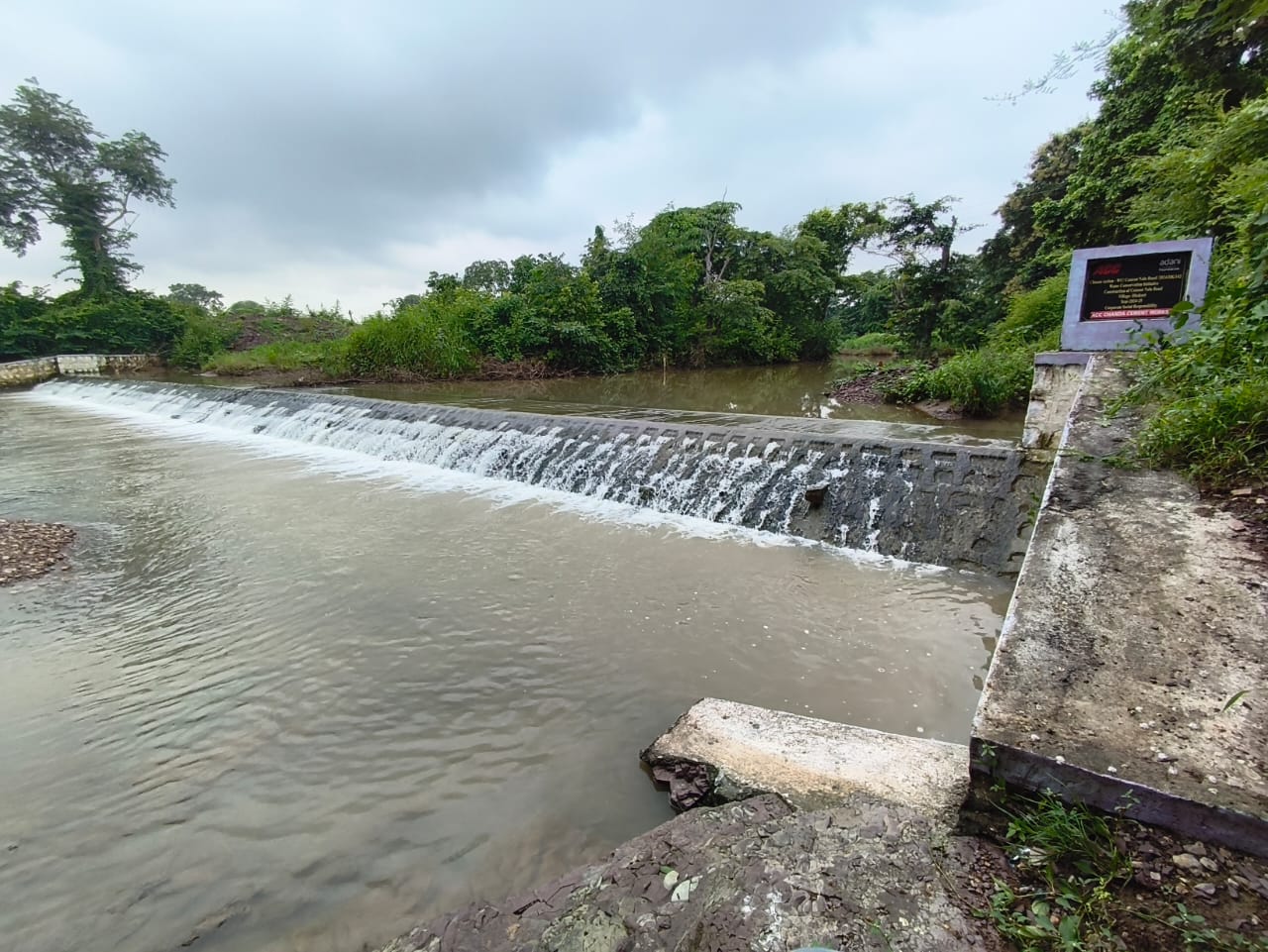
    In Dhakori village, Wani block, Yavatmal district, the companies addressed chronic water scarcity by building an upstream cement nala bund under the 2024-25 Climate Action Water Conservation initiative.

    Despite heavy monsoons, runoff previously left fields dry by November, restricting farmers to one crop annually.

    The new structure stores nearly 48,000 litres of water, recharges borewells and provides year-round supply to 96 acres of farmland.

    Around 35 farmers now grow multiple crops, with incomes rising by about Rs 18,000 per acre.

    The project has also secured household and livestock water supplies, fostering community stability.

    By revitalising resources in Dhakori, ACC and the Adani Foundation demonstrate how targeted, community-led initiatives can achieve sustainable rural development amid climate challenges.

    For more on ACC’s initiatives, visit ACC Limited. Details on Adani Foundation’s work available at Adani Foundation.

  • From struggle to success: How Samadhan Project changed Rajasthan farmers’ lives

    From struggle to success: How Samadhan Project changed Rajasthan farmers’ lives

    In the arid landscapes of Rajasthan, where traditional farming often meant meager earnings and uncertainty, Hindustan Zinc’s Samadhan Project is sparking a quiet revolution. This flagship CSR initiative has reached nearly 1.4 lakh farmers, helping them generate over Rs 192 crore in diversified income in just the past year through modern, sustainable practices.

    Take Shankar Lal Dangi from Chota Guda village near Udaipur. Like many, his family once scraped by on Rs 6,000–7,000 a month, limited by old-fashioned methods, scarce water, and unreliable markets. Through the Samadhan Project, Shankar embraced drip irrigation, scientific cropping, and joined a Farmer Producer Organization for better prices, according to the company statement.

    Today, his yields are higher, milk production has doubled, and his income has soared—bringing stability, pride, and a brighter future for his family.

    Close-up of raw milk being poured into container with dairy cows in background


    Similar hope blooms in Sindesar Kalan village, Rajsamand district, with Dinesh Puri Goswami. He shifted from low-yield crops to diverse vegetables and upgraded dairy practices.

    Using raised-bed nurseries and better animal care, Dinesh earned Rs 78,000 from vegetables in four months, plus Rs 12,000 monthly from milk. “It’s reduced our risks and given us steady income,” he shares.

    Women are at the heart of this change too. Gendi Bai from Ganeshpura village turned one bigha of land into a thriving vegetable plot with drip irrigation and mulching, earning ₹90,000 and gaining recognition as a progressive farmer.

    From leading Farmer Interest Groups to running dairy enterprises, women under Samadhan are driving household prosperity and community strength.

    The project’s multi-pronged approach—crop diversification, precision irrigation, livestock improvement, microenterprises, and farmer-owned institutions—has delivered real results: ₹90 crore in livestock assets, 280 lakh litres of milk worth ₹88 crore, and revenues from farmer-led ventures.

    With 510 Farmer Interest Groups and five Producer Organizations involving over 9,300 shareholders, Samadhan covers 2,449 hectares in climate-smart practices like trellis farming and bio-fortified crops. It’s not just boosting incomes; it’s building resilience, nutrition, and agri-entrepreneurship.

    As a Vedanta Group company, Hindustan Zinc extends its impact beyond farming through education, healthcare, and more, touching 23 lakh lives across 2,300 villages—aligning with India’s vision of inclusive growth.

    These stories of Shankar, Dinesh, Gendi Bai, and thousands more show how the Samadhan Project is turning subsistence into sustainability, one farm at a time.

  • Crop residue energy: slash pollution, lift farmer earnings

    Crop residue energy: slash pollution, lift farmer earnings

    Renowned Indian chemical engineer Padma Bhushan Dr J B Joshi urged harnessing crop residue to generate sustainable energy, a move that could slash air pollution in northern India and add up to Rs 5,00,000 annually to farmers’ earnings.

    India produces about 600 million tonnes of crop residue yearly, much of it burned in fields and contributing to toxic smog in Delhi and surrounding areas, Joshi told a conference on Energy Conservation Day organised by the Progressive Chambers of Commerce.

    “Converting this biomass into coal and gas via modern indigenous technology would cut reliance on imported fossil fuels,” Joshi said at the “Viksit Bharat 2047” event. He cited a pilot project in Sindhudurg district, Maharashtra, turning cashew waste into energy as proof of concept.

    The initiative aligns with India’s push for renewable sources amid rising energy demands. Panel moderator Dr A K Nayak warned that achieving developed-nation status by 2047 requires 40 times current energy output, all sustainably sourced.

    Somaiya University head Prof Ajay Kapoor stressed pairing tech investments with everyday conservation to ease citizens’ lives.

    The event launched the book “Food Security by Radiation – The Unreasoned Fear for Irradiated Food” by Arun K Nayak, Satendra Gautam, Ravindra Bansal and Samyak Munot, debunking myths on food irradiation.

  • Ambuja Foundation hosts dialogue on empowering skill building for Viksit Bharat

    Ambuja Foundation hosts dialogue on empowering skill building for Viksit Bharat

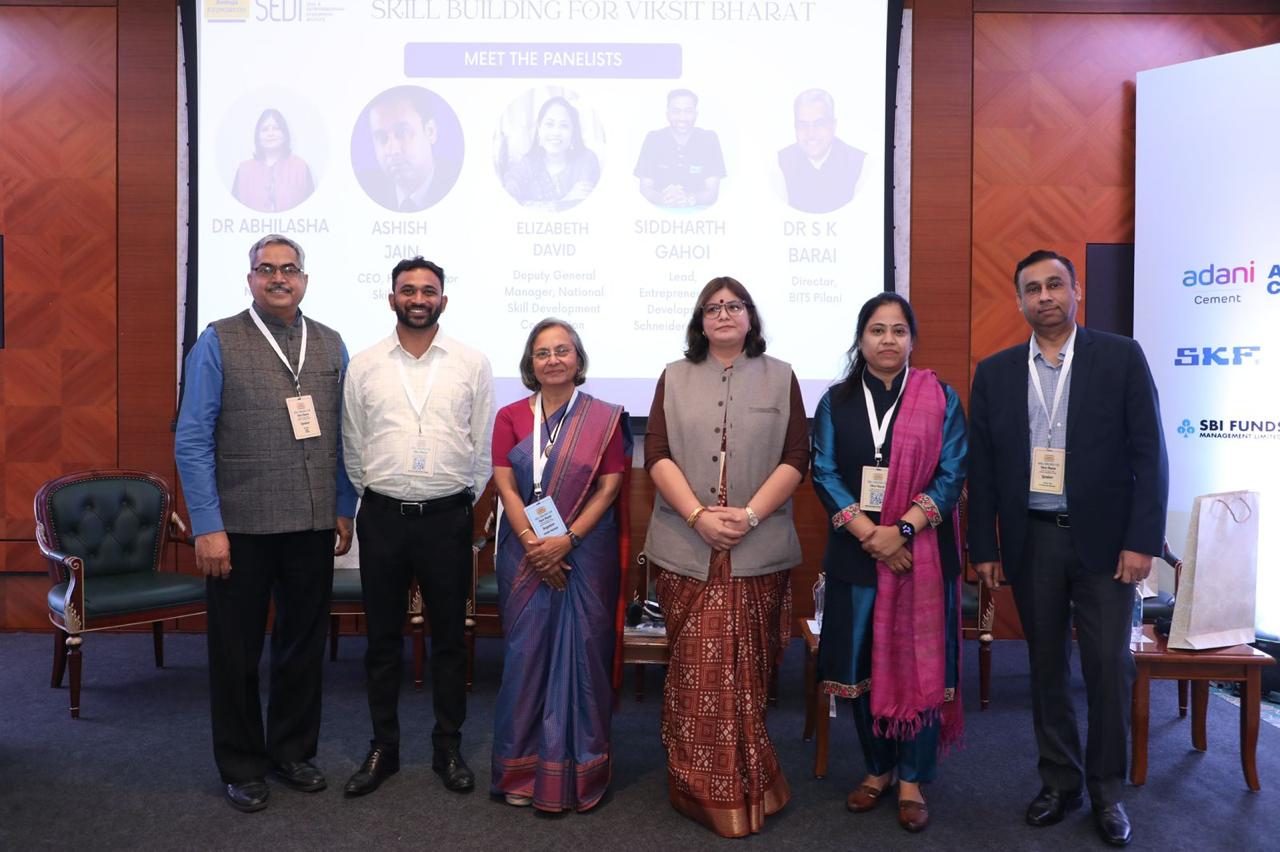
    Ambuja Foundation, an independent pan-India social development group focused on rural transformation, convened an open dialogue on empowering skill building for Viksit Bharat at Bharat Mandapam here on Thursday.

    The event drew over 150 stakeholders, including government officials, global academics, industry leaders and on-ground practitioners, to explore how skill building can reshape tomorrow’s workforce and boost India’s economic trajectory.

    Keynote speakers, among them Dr Rashmi Singh, secretary for women and child development and art, culture and languages in the New Delhi government; Raman Wadhwa, deputy director of the Deendayal Antyodaya Yojana under India’s National Rural Livelihoods Mission; and Col Gunjan Chowdhary, director of the National Council for Vocational Education and Training, outlined national skilling initiatives, access to opportunities and the need for cross-sector collaboration to realise Viksit Bharat.

    Swiss vocational education expert Urs Keller highlighted his country’s dual system, where two-thirds of training occurs on the job and nearly 66% of youth pursue vocational paths, backed by strong parental support and career guidance.

    Two panel discussions followed: one on corporate, agency and academic investments in skill building strategies; the other on industry leaders’ views of evolving sector needs and partnerships between government, business and academia.

    Attendees heard success stories from two graduates of Ambuja’s Skill and Entrepreneurship Development Institutes (SEDI), which have trained 1.34 million rural youth across 51 centres in 13 states for sustainable livelihoods. The event also launched a report on SEDI’s impact.

    “These discussions reaffirm our conviction that skill building will lead the path to Viksit Bharat,” said Pearl Tiwari, CEO of Ambuja Foundation. “Empowering individuals from disadvantaged backgrounds demands collaboration among social organisations, corporates and government for systemic change.”

  • Amway India Fights Child Malnutrition in Delhi School

    Amway India Fights Child Malnutrition in Delhi School

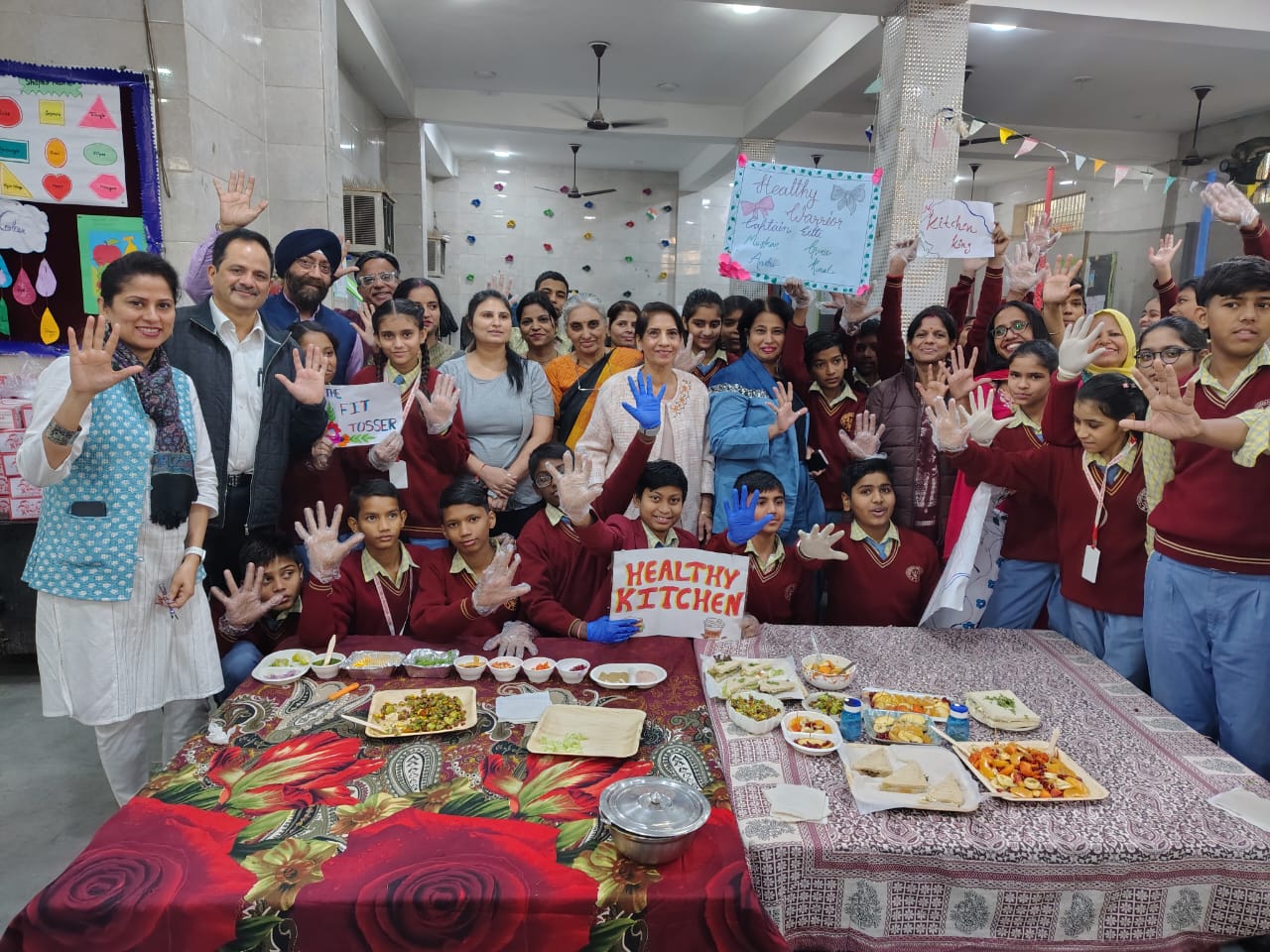
    Amway India, in partnership with the Nourishing Schools Foundation, hosted interactive workshops on child malnutrition and hygiene for students at a low-cost private school in the capital on Thursday, advancing the fight against childhood malnutrition.

    The event, under Amway’s Power of 5 programme, involved volunteers preparing healthy meals like fruit salads and sprout chaat with the children, followed by painting sessions, drawing contests and role-playing exercises focused on combating child malnutrition through sanitation and balanced diets.

    “Every child deserves the foundation of good nutrition and the opportunity to grow strong and healthy for a better tomorrow,” Rajneesh Chopra, managing director of Amway India, said in a statement.

    He highlighted government initiatives like Poshan Abhiyaan and Mission Saksham Anganwadi, adding that the company aims to embed practical education against child malnutrition early through such activities.

    Archana Sinha, co-founder of Nourishing Schools Foundation, described the sessions as “fun and impactful,” saying they help children internalise health messages.

    “Our shared goal is to empower school children with knowledge that can transform their fight against child malnutrition and future,” she said.

    Launched in 2018, Power of 5 has reached more than 730,000 people across India, including over 100,000 children, by promoting awareness of micronutrients and healthy habits to tackle childhood malnutrition.

    Amway India’s corporate social responsibility efforts also include women’s empowerment programmes that have trained over 4,000 underprivileged women in skills for self-employment, and community projects such as water conservation in seven villages and five telemedicine centres serving 35,000 patients annually.

    The company has received awards including the Golden Peacock CSR Award and CSR Health Impact Award for its initiatives against child malnutrition since 2018.

  • Amara Raja Skill Centre in Mahabubnagar achieves 98.85% placement rate for first batch

    Amara Raja Skill Centre in Mahabubnagar achieves 98.85% placement rate for first batch

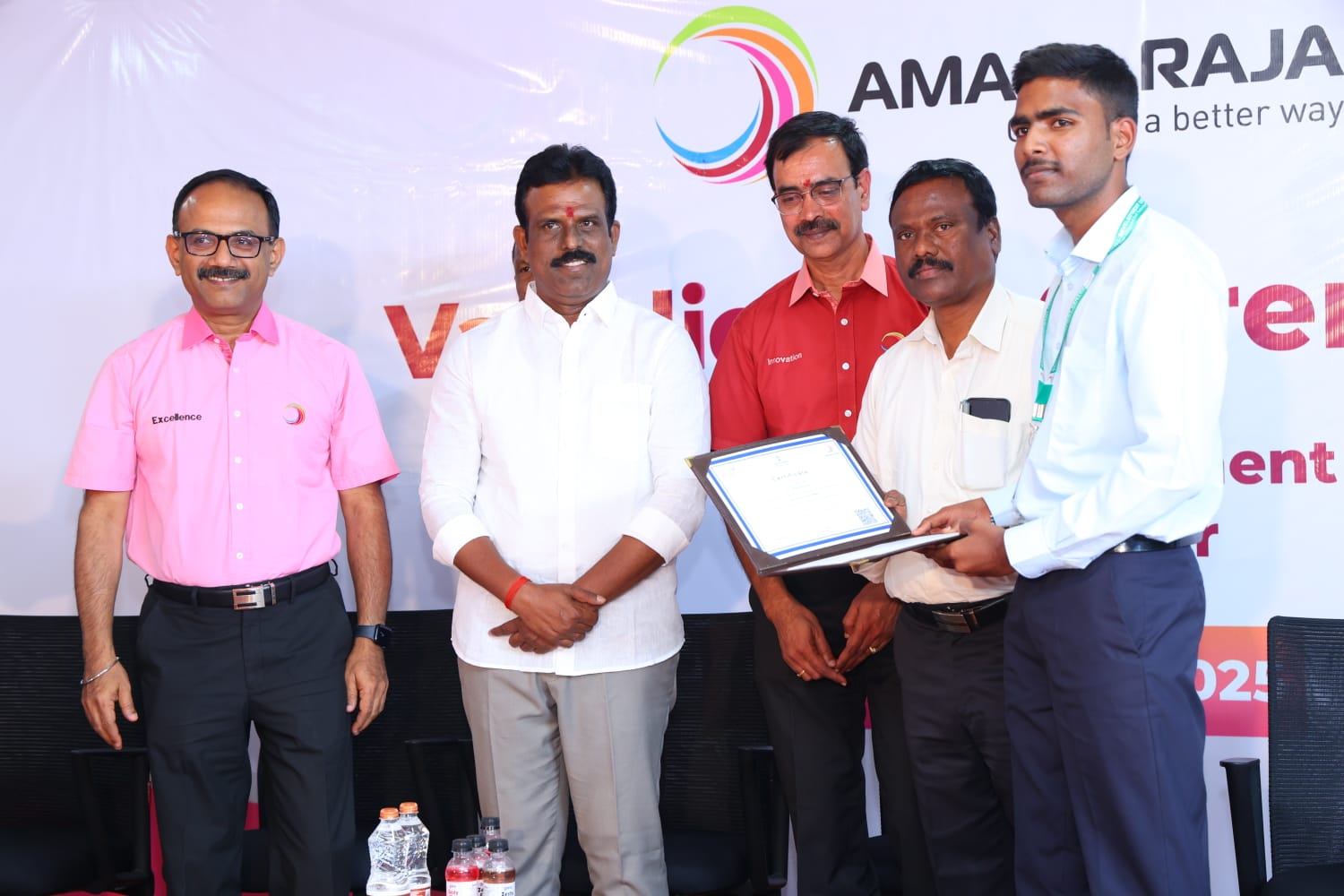
    The Amara Raja Skill Development Centre (ARSDC), a joint initiative of Amara Raja Advanced Cell Technologies and the Rajanna Foundation, marked a significant achievement on Tuesday with the valedictory of its inaugural batch, where 98 trainees from local villages secured placements in key industries at a near-perfect rate of 98.85%.

    Inaugurated on August 10 this year in partnership with the Electronics Sector Skills Council of India (ESSCI), the centre targeted underprivileged youth who had completed Class 10 or 12, selecting the cohort through a competitive screening process.

    The three-month programme offered free vocational training in high-growth areas such as heating, ventilation and air conditioning (HVAC), domestic and industrial electricals, electric vehicle service and repair (EVSR), and EV battery pack assembly. It combined theoretical classes, lab sessions and on-site practicals, culminating in NCVET-recognised certifications that enhance employability.

    The event drew prominent attendees, including Devarakadra MLA Madhusudan Reddy, District Collector Viziendira Boyi and TGIIC Vice-Chairman and Managing Director K Shashanka, alongside Amara Raja Group’s senior leadership.

    For many graduates from low-income families, the placements—offering stable salaries in leading firms—represent their first formal jobs, alleviating economic distress and stemming rural-to-urban migration.

    The centre’s model, which included complimentary transport and meals, addressed longstanding barriers to skill acquisition in Mahabubnagar, a district poised for industrial expansion with the upcoming Giga Corridor. Officials highlighted how such interventions could catalyse local development, with the second batch slated to commence on December 15.

    As India’s push for skilling gains momentum amid the green energy transition, ARSDC exemplifies the potential of targeted CSR efforts to build a resilient workforce, one certification at a time.

  • Rural Skill India Centre unveiled in UP to boost electronics, IT skilling

    Rural Skill India Centre unveiled in UP to boost electronics, IT skilling

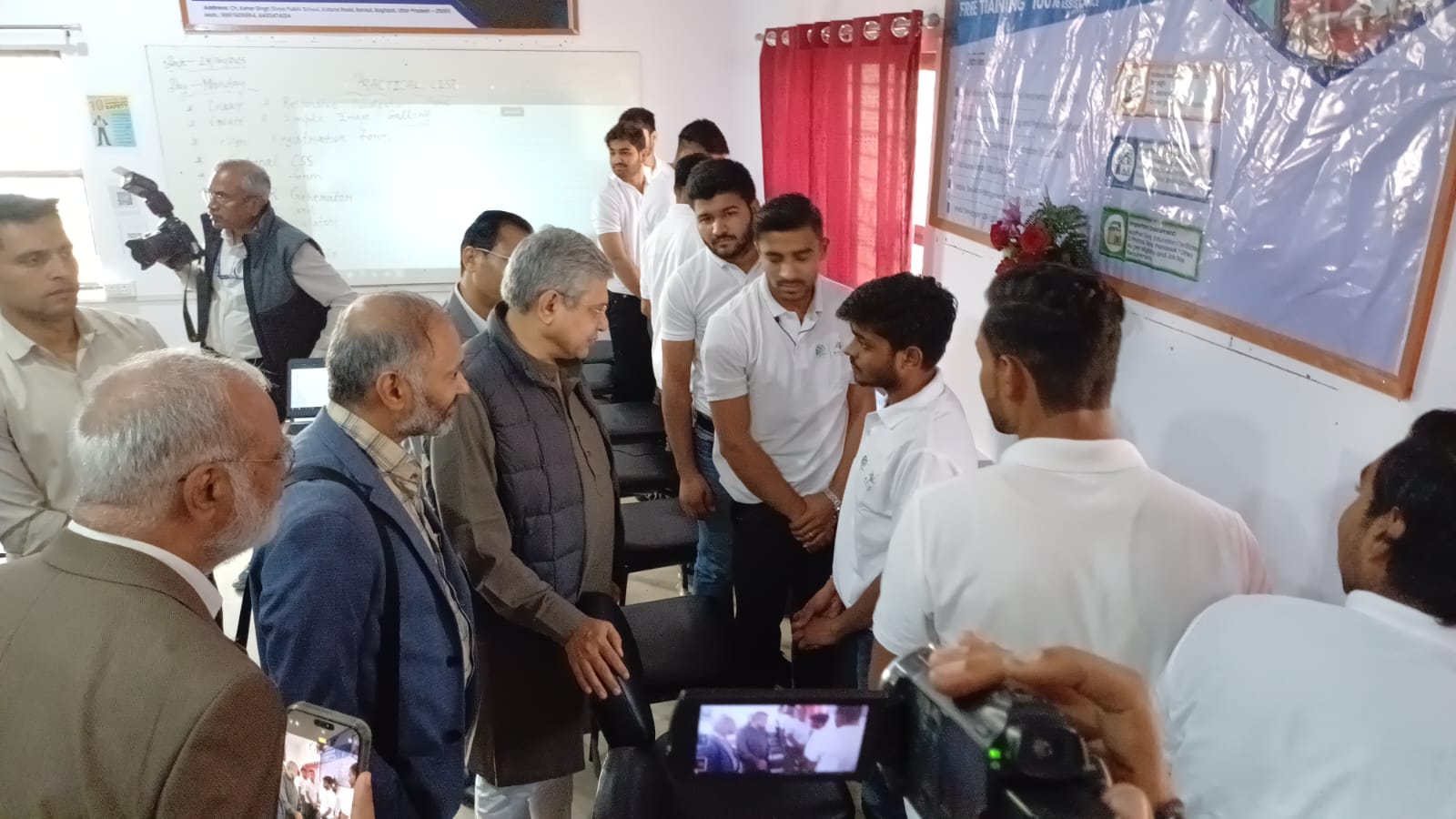
    Union Minister for Electronics and Information Technology Ashwini Vaishnaw and Minister of State for Skill Development and Entrepreneurship Jayant Chaudhary on Monday inaugurated a new Skill India Centre (SIC) in Baraut, Baghpat district, Uttar Pradesh, targeting rural youth and women with training in electronics and IT-ITeS sectors.

    The centre, set up by the National Skill Development Corporation (NSDC) in partnership with Redington Foundation, aims to train around 600 candidates from the underprivileged sections of Baraut and neighbouring Chhaprauli blocks.

    A hub-and-spoke model will operate with the main facility in Baraut and a spoke centre in Chhaprauli to extend last-mile access.

    “This initiative strengthens the government’s mission of building a technologically empowered workforce that can support India’s expanding digital and electronics ecosystem,” Vaishnaw said at the inauguration.

    “When quality skilling reaches rural districts, it unlocks aspirations and accelerates social transformation.”

    Jayant Chaudhary highlighted the broader socio-economic impact, stating, “Skilling is not just about employment—it is about dignity, mobility, and confidence. This centre will become a gateway of new possibilities for young people in the region.”

    The curriculum focuses on high-demand areas in electronics manufacturing and IT-enabled services, aligning with national priorities under the Skill India and Digital India programmes.

    Redington Foundation’s Global Chief Sustainability Officer R. Venkatesh said the partnership “reaffirms our commitment to unlock impact by equipping rural and underprivileged youth with future-ready, job-oriented skills” in advanced electronics and IT domains.

    Early results from the collaboration are encouraging: 72 candidates from Baghpat trained under Redington Foundation’s CSR programme have already secured placements in reputed organisations.

    The Baraut centre is part of a wider push to expand skilling infrastructure in rural Uttar Pradesh and bridge the urban-rural digital divide through industry-aligned training and employment linkages.

  • Ambuja Cements builds water security in Marwar Mundwa through farm ponds

    Ambuja Cements builds water security in Marwar Mundwa through farm ponds

    Ambuja Cements, India’s ninth-largest building materials provider and part of the Adani Group, has constructed 170 farm ponds and 3,410 rooftop rainwater harvesting systems in the Marwar Mundwa region to enhance water security and support sustainable agriculture for local farmers.

    The corporate social responsibility (CSR) initiatives, focused on water-smart interventions including irrigation innovations and horticulture, aim to reduce climate dependency and boost rural incomes in Rajasthan’s arid Nagaur district.

    In Didiya Kalan village, Ambuja supported farmers Bau Devi and Ganpatram with a 1,782 cubic metre farm pond and rooftop rainwater harvesting system, the company said in a statement.

    The couple now grows cumin in the dry season and earned Rs 15,000 last year by selling excess water, enabling year-round farming.

    Twenty farmers in the same gram panchayat benefited from farm pond construction, harvesting a total of 38,147 cubic metres of water for irrigation.


    In Mundwa village, Bhauram Ji and Pipudi Devi addressed saline groundwater issues with a 1.7 million litre farm pond and rainwater system funded by Ambuja.

    The family shifted to year-round cultivation of cumin, isabgol and cotton, raising annual income to 600,000 rupees from 200,000 rupees, including savings on outsourced water for drinking and crops.

    Dharmendra Mundel in the region expanded his farmland from 15 to 30 bighas with a 2,178 cubic metre poly-lined farm pond backed by Ambuja, alongside sprinkler systems and a Pan Methi Cutter tool. His income rose to Rs 15-18 lakh annually, with Rs 200,000 saved on irrigation.

    In Rupasar village, farmer Jagdishram received a 1.24 million litre farm pond and a horticulture “wadi” plantation from the company. He earned an extra Rs 100,000 from off-season cumin on 8 bighas, with the orchard expected to add Rs 50,000 yearly.

    Ambuja‘s efforts in Marwar Mundwa, which include ongoing farmer training, target broader water security and economic resilience in rural India.