Category: Home Latest Stories

  • Fixderma sun protection drive aids Hyderabad traffic police

    Fixderma sun protection drive aids Hyderabad traffic police

    Fixderma, a leading dermatologist-prescribed skincare brand, launched a sun protection drive to support Hyderabad Traffic Police personnel who endure prolonged sun exposure while on duty.

    The company distributed reusable water flasks and its bestselling Shadow Sunscreen range to traffic officers across the city. The initiative aims to combat dehydration and sun-related skin damage amid rising summer temperatures and intense UV exposure.

    Traffic police personnel, who manage public safety for extended hours in harsh outdoor conditions, are among the most vulnerable to heat-related issues. Fixderma’s drive underscores the vital importance of daily hydration and broad-spectrum sun protection for frontline workers.

    “Traffic police personnel work tirelessly every day to keep the city moving smoothly, despite challenging weather conditions,” said Shaily Mehrotra, CEO and Co-Founder of Fixderma & FCL.

    “Through this Fixderma sun protection initiative, we express our gratitude and contribute to their well-being. Sun protection should be an essential part of everyday health and preventive care.”

    Fixderma’s Shadow sunscreen range is widely recommended by dermatologists for its lightweight, broad-spectrum protection tailored to Indian skin and climate. The brand, founded in 2010, is trusted by over 15,000 dermatologists and exports to more than 40 countries.

  • Varanasi farmers reap higher returns with floriculture

    Varanasi farmers reap higher returns with floriculture

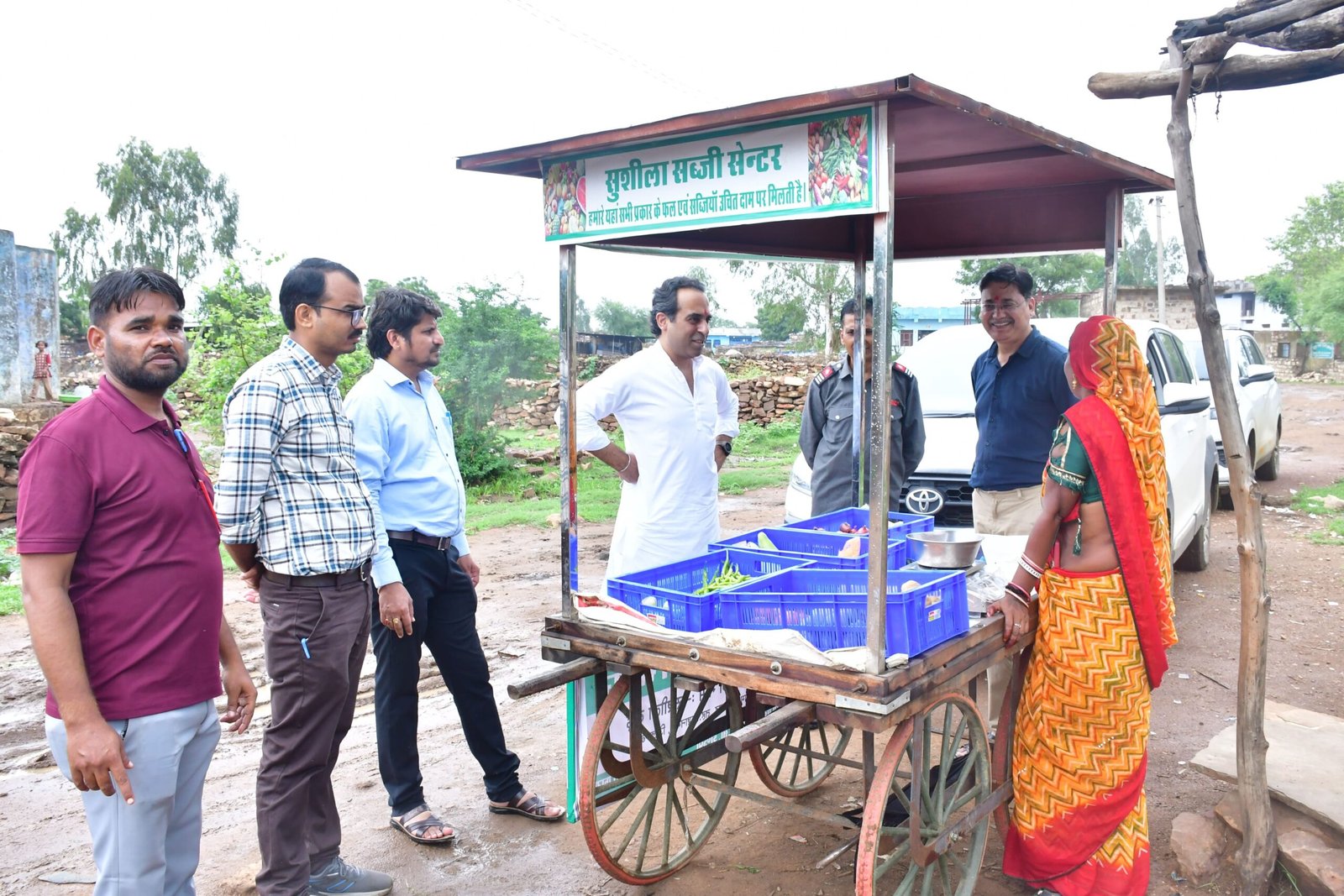
    Farmers in Varanasi have reported significantly higher returns compared to traditional crops, along with early harvests and improved market access, thanks to a new Varanasi Floriculture initiative by Ambuja Foundation and HDFC Bank.

    The project, launched under the Holistic Rural Development Program (HRDP) in 15 villages of Uttar Pradesh, is helping small landholding farmers shift to high-value, sustainable flower cultivation to capitalise on the city’s strong religious demand for blooms used in rituals and worship.

    A total of 32 farmers, including both men and women, were trained in organic farming and eco-friendly crop protection techniques. They received nursery plants of Marigold, Rose, and Jasmine varieties, along with vermi bed units to produce organic manure that enhances soil health and fertility.

    Supported by onsite expert guidance and continuous follow-up, the farmers successfully adopted chemical-free Varanasi Floriculture practices across 6.4 acres of land.

    With an input cost of approximately ₹1,60,000, the initiative generated nearly ₹5,90,000 in total income, underlining the strong profitability of the model.

    “Ambuja Foundation and HDFC Bank are committed to bringing positive change in the lives of rural communities,” said Ms Pearl Tiwari, CEO, Ambuja Foundation. “This Varanasi Floriculture initiative promotes efficient and organic farming to support economic growth.

  • Gates, Wadhwani sign MoU for India Innovation Network

    Gates, Wadhwani sign MoU for India Innovation Network

    Wadhwani Foundation and the Bill & Melinda Gates Foundation have signed a landmark Memorandum of Understanding to accelerate India’s push from laboratory research to commercial deployment, backing a national-scale programme called the National Innovation Network (NIN).

    The partnership targets translational research in health, nutrition, biotechnology, genomics and medical technology — sectors the Indian government has identified as national development priorities.

    Under the agreement, the Gates Foundation will fund five NIN Centres of Excellence over five years, with two centres receiving support in the current year. The centres will help researchers move innovations past the laboratory stage toward real-world applications, covering prototyping, validation, pilot deployments, intellectual property management and venture creation.

    The India Innovation Network builds on the Wadhwani Innovation Network (WIN), launched by Prime Minister Narendra Modi on April 29, 2025. Since its debut, WIN has backed more than 50 high-potential projects spanning healthtech, medtech, biotechnology and quantum technologies, establishing research hubs at IIT Bombay, IIT Delhi, IIT Kanpur, IIT Hyderabad, IIT(ISM) Dhanbad, the Indian Institute of Science and C-CAMP.

    Two flagship “Super Hubs” are under development: the Wadhwani School of AI & Intelligent Systems at IIT Kanpur and the Wadhwani Health & Bio Hub at IIT Bombay.

    “WIN has demonstrated that India’s innovation potential can be unlocked when researchers, institutions, industry and capital come together with a shared mission,” said Ajay Kela, Chief Executive and Board Member of Wadhwani Foundation. “Through NIN, we now have the opportunity to democratize innovation across India and help position the country as a global leader.”

    Archna Vyas, Director of the Gates Foundation’s India Country Office, said the most consequential health and nutrition breakthroughs of the next decade would likely originate in Indian institutions. “Our collaboration with Wadhwani Foundation will help support the opportunity for these innovations by investing in translational pathways,” she said.

    NIN aims to establish more than 250 Centres of Excellence across India within three to five years, drawing participation from government agencies, corporate partners, philanthropies and academic institutions under a shared governance framework managed by the Wadhwani Foundation.

    The network’s longer-term targets include translating thousands of innovations annually from research settings to market-ready products, with projected impact across millions of jobs and livelihoods.

  • MakeMyTrip to transform Dilli Haat INA renovation with DTTDC pact

    MakeMyTrip to transform Dilli Haat INA renovation with DTTDC pact

    MakeMyTrip Foundation, the social impact arm of India’s largest online travel company, has signed a Memorandum of Understanding with the Delhi Tourism and Transportation Development Corporation (DTTDC) to transform the Dilli Haat INA renovation — upgrading infrastructure at one of the capital’s most iconic open-air cultural markets.

    The partnership targets three key areas at the 30-year-old craft bazaar: greener landscaping, upgraded promenade lighting to extend evening footfall, and hygiene improvements to washroom facilities — changes designed to serve the hundreds of artisans from across India who depend on the haat as a primary marketplace.

    The announcement aligns with Delhi’s broader push to develop a night-time tourism economy.

    “Dilli Haat-INA is a perfect example of an evening destination that supports our vision,” said Rekha Gupta, Chief Minister of Delhi, adding that the government is committed to positioning Delhi as a leading global destination.

    “We are also focused on building a strong night tourism economy that allows visitors to experience the city well beyond sundown.”

    Art, Culture and Tourism Minister Kapil Mishra described the market as a meeting point between artisans who bring crafts from across the country and visitors who come to experience India’s heritage.

    “Collaborations like this one with MakeMyTrip Foundation help us deliver tangible improvements on the ground,” Mishra said.

    DTTDC Managing Director Suneel Anchipaka, IAS, said improved lighting would be critical as Delhi scales its evening tourism offering, making the haat more inviting for families well into the night.

    For MakeMyTrip Foundation, the Dilli Haat INA renovation marks a first step into urban cultural tourism, following a decade of work in afforestation, mangrove plantation along the Gujarat coast, and community-based tourism in the Himalayas.

    “Our aim here is not only to enhance the visitor experience but also to contribute to making this space more sustainable,” said Rajesh Magow, Co-Founder and Group CEO of MakeMyTrip and Managing Trustee of the Foundation.

    Dilli Haat-INA, located in south Delhi’s INA colony, has operated for over three decades as a permanent crafts fair hosting artisans from every state, from Kashmir to Kanyakumari.

  • TTK Prestige wins CII greenco certification with 70% renewable energy

    TTK Prestige wins CII greenco certification with 70% renewable energy

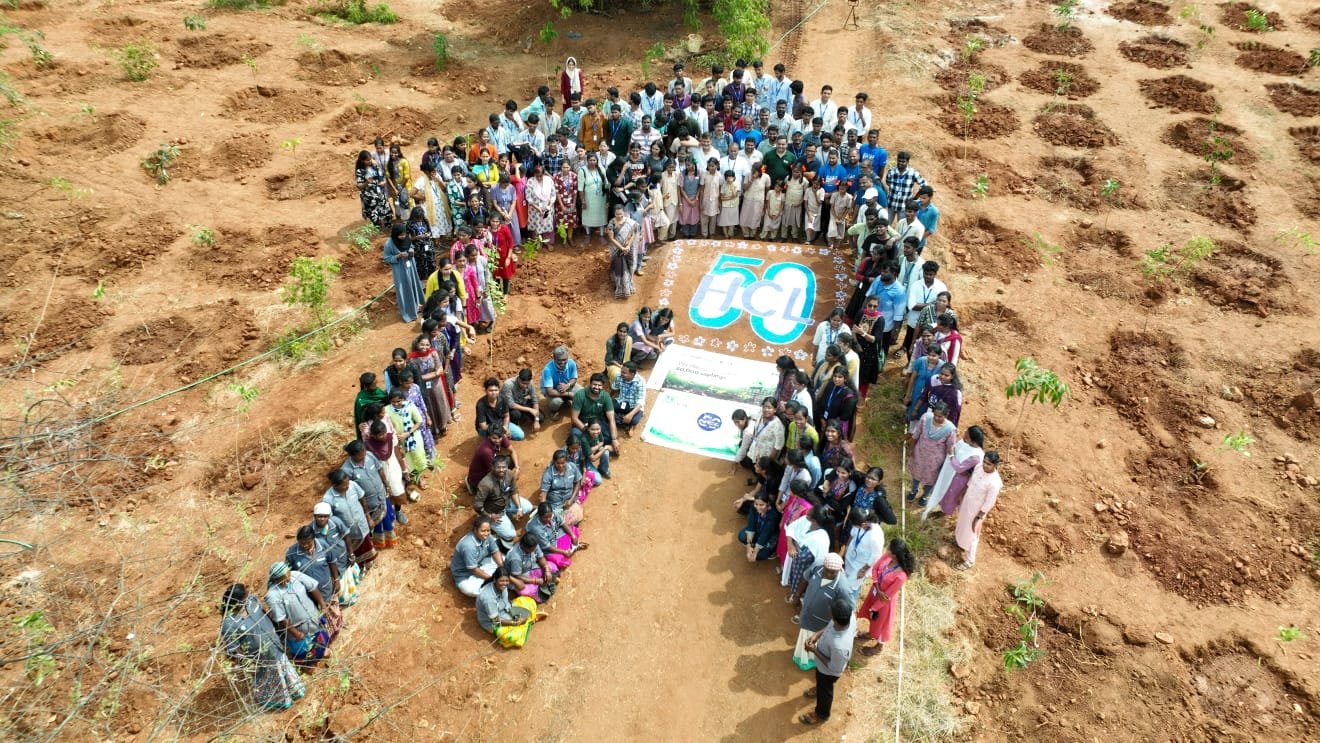
    TTK Prestige, India’s largest kitchen appliances company, has earned the CII GreenCo Certification across all its manufacturing plants, capping nearly three years of focused sustainability investment that has driven a 51% reduction in CO₂ emissions and lifted renewable energy usage to 70% of total consumption.

    The certification, awarded by the CII–Sohrabji Godrej Green Business Centre under its nationally recognised Green Company Rating System, validates a sustainability journey that began in August 2023.

    It covers the company’s full manufacturing footprint and encompasses energy and carbon management, water conservation, material resource optimisation, green supply chain practices, product stewardship and waste reduction.

    “Sustainability for us is not an initiative — it is a fundamental part of how we design, manufacture, and innovate. Achieving the CII GreenCo Certification is a significant milestone in this journey and a validation of the consistent progress we have made over the past few years,” said Venkatesh Vijayraghavan, MD and CEO, TTK Prestige

    Beyond the headline renewable energy figure, the company reported a 24% reduction in water usage and measurable improvements in material yield across aluminium, stainless steel, plastic, paper and hazardous materials. Specific power consumption has also been reduced, with focused initiatives delivering waste cutbacks across product categories.

    Vijayraghavan said the gains were directly linked to the company’s broader product strategy. “Today, with 70% of our energy coming from renewable sources and a substantial reduction in our carbon footprint, we are building a manufacturing ecosystem that is both efficient and responsible. This enables us to deliver well-designed, superior quality products that are not only innovative and high-performing, but also aligned with environmentally conscious choices.”

    TTK Prestige said the certification reinforces its commitment to green manufacturing practices across its own production facilities, ensuring operations remain aligned with environmentally responsible standards while continuing to deliver consumer products. The company added that its forward focus would be on accelerating momentum and strengthening sustainable practices across operations as it positions itself as a future-ready, responsible brand.

    Part of the TTK Group, TTK Prestige has operated for over six decades and serves millions of Indian households through its Prestige brand, built on the pillars of safety, innovation, durability and trust. The company also owns UK-based Horwood Homewares, acquired in April 2016, and markets the Judge brand in India.

  • EBG Foundation launches Sambhav Hai to build carbon-neutral villages across India

    EBG Foundation launches Sambhav Hai to build carbon-neutral villages across India

    EBG Foundation launched Sambhav Hai on Earth Day, a nationwide rural sustainability programme spearheaded by EBG Group Founder and Chairman Dr Irfan Khan, targeting carbon-neutral villages across India through a phased, data-driven framework that begins with the adoption of Charla Thanda village in Telangana’s Nalgonda district.

    The initiative marks one of the most ambitious grassroots climate programmes announced in India this year, with a Rs 30 crore allocation for its first phase covering 50 villages, expanding to 150 villages in Year 2 and scaling to 750 villages in Year 3 with government institutional support. The programme aims to reduce carbon emissions by 10 to 20 percent within the first year, progressing toward full carbon neutrality within three years.

    “Real change cannot come from isolated interventions. With Sambhav Hai, we are building a model where environmental sustainability, economic progress, and community ownership go hand in hand. Our aim is to empower villages with the tools, data, and accountability systems they need to lead their own transformation and contribute meaningfully to India’s climate goals,” said Dr Irfan Khan, Founder and Chairman, EBG Group

    At Charla Thanda, on-ground interventions have already begun with household-level data mapping to establish a comprehensive climate and resource baseline. The programme will focus on improving access to safe drinking water, strengthening groundwater recharge systems and implementing structured waste segregation and composting solutions. Afforestation drives and regenerative land practices will run in parallel, with local volunteers trained to sustain efforts over the long term.

    The village is being developed as a live demonstration of the Foundation’s Minus One Village model — a replicable blueprint designed to be scaled across regions and geographies.

    “Sambhav Hai’s success will be tracked through a robust framework that integrates water, energy, waste, food and land systems, along with carbon footprint metrics under the Minus One Village model. This ensures that the impact is measurable, accountable, and scalable across geographies.” — Suresh Goyal, Additional Director, EBG Foundation

    “What began as a simple idea has evolved into a powerful movement for large-scale transformation. By placing villages at the centre of climate action and bridging the gap between policy and on-ground implementation, Sambhav Hai creates a pathway for communities to actively lead India’s journey towards environmental resilience.” — Ranjitha M, Additional Director, EBG Foundation

    In parallel with its phased village rollout, the Foundation said it would initiate work across multiple states as part of a broader national expansion, extending the programme’s footprint beyond Telangana into a pan-India rural sustainability movement.

  • Elan Group powers World Earth Day run 2026 in Gurugram

    Elan Group powers World Earth Day run 2026 in Gurugram

    Elan Group brought the World Earth Day Run 2026 to life at Elan Mercado, Sector 80, Gurugram on April 19, 2026, flagging off at 5:30 AM in a powerful display of community-driven environmental commitment. Organised in partnership with PikuSports, the event drew enthusiastic participation from runners spanning diverse age groups and fitness levels.

    The run, positioned as an immersive outdoor fitness experience, featured four race categories — a 10 km timed run, a 5 km timed run, and 5 km and 3 km non-timed fun runs — ensuring the event was accessible to first-time participants and seasoned athletes alike. Top male and female finishers in each timed segment, alongside age-category winners, were recognised, reflecting the event’s dual emphasis on competitive performance and broad inclusivity.

    Participants received event T-shirts, hydration and energy support, finisher medals, and digital certificates, complemented by post-run refreshments. On-ground medical assistance was deployed throughout, with photography and videography teams documenting key moments across the course.

    “World Earth Day serves as a powerful reminder of our shared responsibility towards the environment. At Elan Group, we are committed to building not just developments, but experiences that reflect a forward-looking and conscious way of living,” said Vidhi Attri, Head of Marketing, Elan Group.

    The event drew substantial corporate backing across specialised categories. Fortis Memorial Research Institute provided healthcare support; Red FM 93.5 served as radio partner; while Vault, Fast&Up, Bikano, Bagrry’s, Whatr, Recovery Room, Agnishila, BlissClub, Xplurger, Sirona and Spinex covered fitness, energy, gifting, breakfast, hydration, recovery, outfit, social media, hygiene and physiotherapy respectively.

    Elan Mercado’s location in Sector 80 provided a strategically positioned and well-planned environment suited for an early morning large-format run. The event concluded on a high note, underlining Elan Group’s broader strategy of experience-led engagement that integrates lifestyle, wellness and purpose-driven community initiatives.

  • HDFC Bank Parivartan builds 15,289 water assets, boosts rural India

    HDFC Bank Parivartan builds 15,289 water assets, boosts rural India

    HDFC Bank Parivartan has built and restored over 15,289 water structures across more than 10,430 villages, delivering a powerful boost to rural water security and benefiting 14.92 lakh households.

    The flagship CSR programme has also provided access to safe drinking water in over 950 villages through community purification systems using UV, RO, and multi-stage filtration technology, supported by dedicated water tanks, tap connections, and regular quality monitoring.

    From farm ponds and check dams to jal minars, rainwater harvesting systems, lift irrigation, and recharge wells, HDFC Bank Parivartan has created diverse water assets tailored to local needs, especially helping tribal farming communities in Central India.

    Powering long-term impact, the bank combines every water structure with agricultural support including micro irrigation systems, shade net houses, Bio-Input Resource Centres, and multilayer farming. These integrated efforts have significantly increased irrigated area, reduced dependence on erratic rainfall, and improved crop yields for smallholder farmers.

    Community ownership remains central to the programme’s success. Women’s Self-Help Groups and Water User Associations actively participate in Village Action Plans, while GIS-based planning and convergence with government schemes like MGNREGA ensure precision and sustainability. Trained water user groups focus on water budgeting and judicious usage to keep assets productive for years.

    “At HDFC Bank Parivartan, we meet communities where they are — whether building ice stupas in the mountains or installing purification plants in villages that never had clean tap water,” said Ms. Nusrat Pathan, Head of CSR, HDFC Bank.

    “Through Parivartan, our work spans watershed development, rainwater harvesting, rejuvenation of water bodies, last-mile irrigation infrastructure, and climate-smart agricultural practices. Over 15,000 water structures and safe drinking water for nearly a thousand villages is a major milestone, but the real success lies in fields now yielding a second crop and children no longer falling ill from contaminated water. We remain committed to building a water-secure India,” she added.

    Natural Resource Management was introduced as a dedicated focus area under Parivartan in FY 2024-25, integrating water conservation with afforestation, soil health, and solar energy. The programme supports Sustainable Development Goal 6 (clean water and sanitation) and SDG 13 (climate action).

    HDFC Bank Parivartan operates across six key pillars — Rural Development, Education, Skill Development & Livelihood Enhancement, Healthcare & Hygiene, Financial Literacy & Inclusion, and Natural Resource Management. As of March 2025, it has positively impacted over 10.56 crore lives across 28 states and 8 Union Territories. In FY 2024-25, HDFC Bank spent Rs. 1,068.03 crore on CSR activities under the Parivartan umbrella.

  • Syngenta India sponsors 650 motorised tricycles to empower specially abled citizens in Madhya Pradesh

    Syngenta India sponsors 650 motorised tricycles to empower specially abled citizens in Madhya Pradesh

    Agro-innovation company Syngenta India has launched what it called a first-of-its-kind corporate social responsibility initiative, committing to sponsor 650 motorised tricycles for specially abled individuals in Madhya Pradesh, in a move that links agricultural enterprise with disability inclusion.

    The first batch of vehicles was handed over on Sunday by Union Agriculture Minister Shivraj Singh Chouhan at the Unnat Krishi Mahotsav 2026, an agriculture exhibition and conference held in Raisen, Madhya Pradesh, on April 12.

    “Empowering them with mobility is a critical step towards ensuring dignity, inclusion, and self-reliance,” Chouhan said, adding that the government remained committed to addressing the needs of marginalised communities, including the Divyangjan — a Hindi term for persons with disabilities. He singled out the Vidisha region, his parliamentary constituency, as a focus area for broader mobility initiatives.

    Chouhan framed the distribution of motorised tricycles not merely as a mobility intervention but as a pathway to economic participation, saying recipients could use the vehicles as livelihood tools and engage in local rural economies.

    Vivek Sharma, officiating Managing Director and Head of Marketing at Syngenta India, said the initiative was anchored in the company’s sustainability priorities, integrating social inclusion with agricultural advancement. He said the programme aimed to support last-mile connectivity, on-farm engagement and participation in rural enterprises across the agricultural value chain.

    Sharma said Syngenta planned to complement the mobility support with skill development and improved market access, with the stated aim of enabling “long-term transformation at the grassroots.”

    Syngenta India has operated in Madhya Pradesh through several community development programmes, including I RISE, a rural skilling initiative; I CLEAN, a market-access and hygiene awareness programme; and I SAFE, which promotes responsible use of agricultural inputs. At the Raisen exhibition, the company showcased new products and technologies for farmers.

  • Signify Khel Jyoti illuminates Haryana’s sports future

    Signify Khel Jyoti illuminates Haryana’s sports future


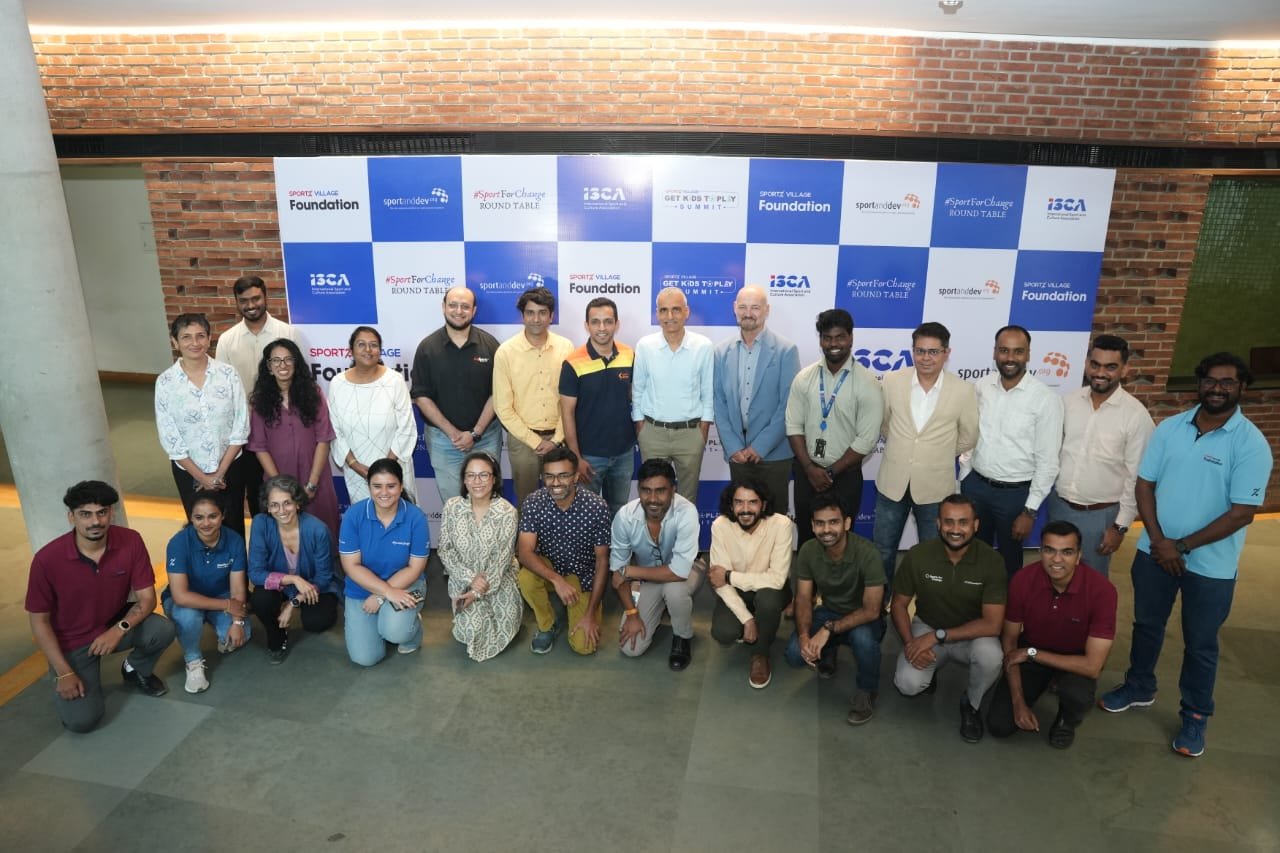
    Signify, the world leader in lighting, has illuminated four Kabaddi and Kho-Kho training centers across rural Haryana under its flagship CSR initiative, Signify Khel Jyoti, in a move designed to transform grassroots sports development across one of India’s most sports-rich states.

    The intervention, timed ahead of the International Day of Sport for Development and Peace, deploys industry-leading energy-efficient LED sports lighting to extend usable training hours beyond sunset, improve athlete safety, and drive inclusive participation — particularly among women and youth.

    “Sport has the power to bring communities together and create opportunities for young talent, especially in underserved regions,” said Nikhil Gupta, Head of Strategy & Marketing, Signify, Greater India.

    “Through Signify Khel Jyoti, we are enabling access to safe and inclusive sporting spaces by improving infrastructure at the grassroots level.”

    The centers were identified through a structured selection process in partnership with JSW Sports and Haryana Steelers, prioritizing active training ecosystems, coaching support, and long-term community impact. Ground-level execution was managed by Pro Sport Development.

    Divyanshu Singh, CEO of JSW Sports and Haryana Steelers, said the initiative unlocks significant potential at the grassroots level. “In a state like Haryana, where Kabaddi is part of everyday life, extending training hours and improving safety can directly influence participation and performance,” he said.

    The newly illuminated centers have historically produced athletes who have gone on to represent India at the highest levels, including the Pro Kabaddi League. Officials report increased enrollment across age groups, with a notable early rise in girls’ participation.

    The Haryana project forms part of a broader national effort: Signify Khel Jyoti has now illuminated over 200 grassroots sports centers across India, reinforcing the company’s commitment to building an inclusive and sustainable sports ecosystem through the power of light.