Category: Home Latest Stories

  • AWL Agri Business strengthens mid-day meal programme with new vehicles, meal sponsorship

    AWL Agri Business strengthens mid-day meal programme with new vehicles, meal sponsorship

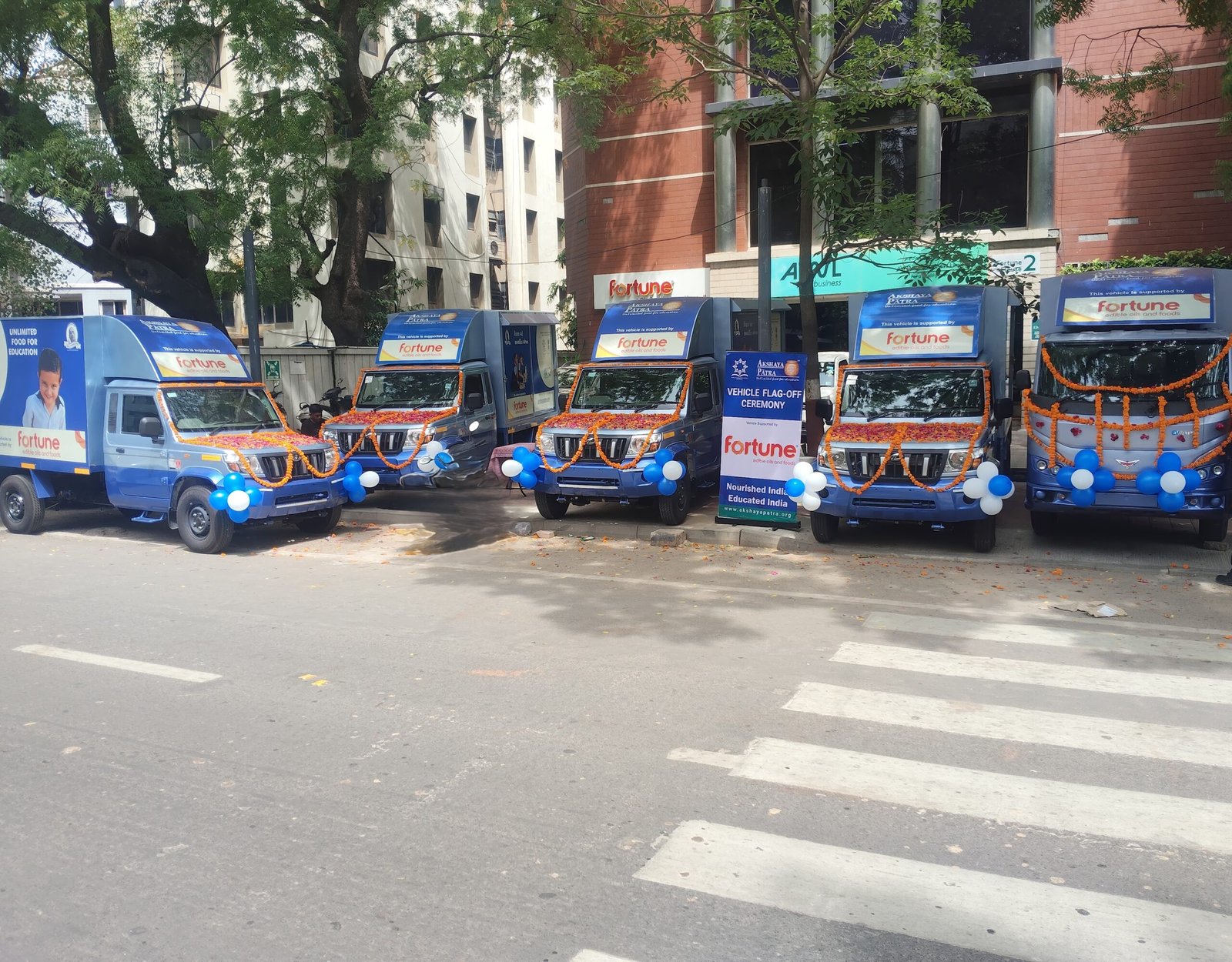
    AWL Agri Business Limited, one of India’s largest food and FMCG companies, said on Tuesday it has strengthened its partnership with The Akshaya Patra Foundation by donating five custom-built insulated food distribution vehicles to support the Foundation’s Mid-Day Meal Programme.

    The company has also committed to sponsoring nutritious mid-day meals for more than 41,000 children studying in government schools across Gandhinagar, it said. The initiative was marked by a vehicle flag-off ceremony held at the company’s corporate headquarters.

    The five customized insulated vehicles will enable the safe and timely delivery of freshly prepared meals to government schools across Surat, Gandhinagar, and Vadodara, strengthening the Foundation’s ability to provide nutritious meals to children every school day, the company said.

    “At AWL Agri Business, we believe that good nutrition is the foundation of a child’s health, education and future,” said Shrikant Kanhere, Managing Director & CEO, AWL Agri Business Ltd. “We are delighted to further strengthen our partnership with The Akshaya Patra Foundation through this initiative, which combines infrastructure support with direct nutritional assistance to children.”

    Sri Raya Rama Dasa, Vice President of The Akshaya Patra Foundation, Gujarat, said the vehicles and meal sponsorship would strengthen the organization’s ability to serve children more efficiently. “Together, these efforts will help us combat classroom hunger, improve school attendance and help more children to learn and thrive,” he said.

    The partnership builds on a long-standing association between the two organizations. To date, AWL Agri Business has served more than 700,000 mid-day meals to school children and provided 14 food delivery vehicles, covering more than 27,000 children across 129 schools, the company said.

    The Mid-Day Meal Programme initiative also supports Fortune SuPoshan, AWL’s flagship CSR programme addressing malnutrition and anaemia among women and children, the company said.

    AWL Agri Business Ltd., formerly known as Adani Wilmar Ltd., is one of India’s largest food and FMCG companies, with more than 80 manufacturing facilities across 11 states, including what it says is India’s largest single-location refinery, located in Mundra with a 5,000-tonne-per-day capacity. Its Fortune brand reaches more than 135 million households, the company said.
  • HCLTech named to TIME’s most sustainable companies 2026 list for 2nd straight year

    HCLTech named to TIME’s most sustainable companies 2026 list for 2nd straight year

    HCLTech, a global technology company, has been named to TIME’s World’s Most Sustainable Companies 2026 list, marking its second consecutive year on the ranking, the company said.

    HCLTech ranks among the top five global professional services companies on the list and is the highest-ranked India-headquartered company in the category, the company said.

    The ranking, compiled by TIME in collaboration with Statista, assesses more than 5,800 global companies across more than 20 sustainability indicators, including commitments and ratings, reporting and transparency, and environmental and social stewardship.

    HCLTech said the recognition reflects its alignment with the UN Global Compact and the Sustainable Development Goals. In fiscal year 2026, the company said it replenished 51 times more water than it consumed and retained zero waste-to-landfill platinum certification across all owned facilities.

    The company said it has accelerated its net-zero journey by achieving its 2030 Science Based Targets initiative (SBTi)-validated emissions target four years ahead of schedule.

    “Being recognized by TIME for a second consecutive year reflects the progress we are making in embedding sustainability deeper into the core of our business and advancing our net-zero ambition for 2040,” said Vipul Arora, Global Head of Sustainability at HCLTech.

    “Our focus remains on scaling impact through innovation, partnerships and responsible practices that enable long-term value for our clients, communities and the broader ecosystem,” Arora said.

    HCLTech is a global technology company with more than 223,000 employees across 60 countries, offering services in AI, digital, engineering, cloud and software. The company serves clients across sectors including financial services, manufacturing, life sciences and healthcare, technology and services, semiconductors, telecom and media, retail and consumer packaged goods, mobility and public services.

    Consolidated revenue for the 12 months ending June 2026 totaled USD 14.8 billion, the company said.

  • Govt exploring CSR funds to boost innovation, social enterprises: Sitharaman

    Govt exploring CSR funds to boost innovation, social enterprises: Sitharaman

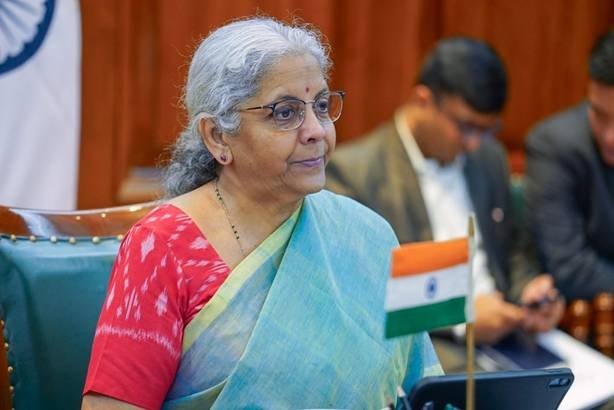
    Finance and Corporate Affairs Minister Nirmala Sitharaman on Monday said the government has explored the potential of CSR funds to boost innovation, social enterprises and mission-driven organisations capable of delivering scalable social impact across the country.

    “Yes sir,” Sitharaman said in a written reply to a question in the Lok Sabha.

    The minister said the legal framework for Corporate Social Responsibility (CSR) is laid out under Section 135 of the Companies Act, 2013, Schedule VII of the Act, and the Companies (CSR Policy) Rules, 2014. Schedule VII lists the activities that companies can undertake as part of their CSR obligations, and these, she said, “are broad-based and may be interpreted liberally so as to capture the essence of the subjects enumerated therein.”

    The activities under Schedule VII are broadly aligned with national development priorities and span sectors such as education, environmental sustainability, gender equality, healthcare, livelihood enhancement, skill development, eradication of hunger, safe drinking water, sanitation, slum area development, rural development, and reduction of inequalities faced by socially and economically backward groups.

    Companies can also route CSR funds through four designated funds — the Clean Ganga Fund, the Prime Minister’s National Relief Fund (PMNRF), the Prime Minister’s Citizen Assistance and Relief in Emergency Situations Fund (PM CARES), and the Swachh Bharat Kosh — enabling scalable social impact nationwide.

    Sitharaman further pointed out that item (ix) of Schedule VII allows companies to contribute to incubators or research and development projects in science, technology, engineering and medicine, helping boost innovation-led ventures.

    Under Section 135 of the Companies Act read with Rule 4(1) of the Companies (CSR Policy) Rules, 2014, the board of a company can carry out CSR activities either directly or through a Section 8 company, registered public trust or society meeting tax-exemption criteria under the Income Tax Act, 1961, an entity established under an Act of Parliament or State legislature, or an implementing agency with at least three years’ track record in similar activities. This framework, Sitharaman said, facilitates partnerships between companies and suitable implementing agencies.

    The Ministry, she added, has widened the scope of Schedule VII through a notification dated May 27, 2026, introducing a new item (xiii) — “subscription to zero coupon zero principal instruments on the Social Stock Exchange.” The amendment is expected to boost fundraising for not-for-profit organisations working on public welfare projects in a transparent and regulated manner.

  • Muthoot Finance hikes CSR spend to Rs 174 crore for FY27

    Muthoot Finance hikes CSR spend to Rs 174 crore for FY27

    Muthoot Finance, India’s largest gold loan non-banking financial company, said on Monday it will boost its Corporate Social Responsibility (CSR) spending to Rs 174.03 crore for fiscal year 2027, extending programmes in healthcare, education and housing to underserved communities nationwide.

    The Muthoot Finance CSR outlay follows FY26 spending of Rs 106.42 crore, which the company said reached approximately 3.37 million beneficiaries through initiatives spanning education, healthcare, livelihood support, community development and sports promotion.

    “At Muthoot Finance, we believe sustainable growth must go hand in hand with meaningful social impact,” Managing Director George Alexander Muthoot said in a statement.

    He said the FY26 results reflected the company’s commitment to underserved communities through healthcare, education, housing and social inclusion programmes.

    Education remained a central focus of the Muthoot Finance CSR strategy, with flagship programmes including the Muthoot M. George Excellence Awards, higher education scholarships and the Muthoot Shiksha Jyothi initiative supporting nearly 11,900 students, including first-generation learners, the company said.

    Muthoot Finance has also established several educational institutions, including Sanskara School in Kochi, the Muthoot Institute of Technology and Science, and the newly launched Kalaivani School in Tamil Nadu.

    On healthcare, the company said its Muthoot Snehasraya programme and related interventions benefited more than 100,000 people in FY26 through medical outreach, rehabilitation support and community healthcare services.

    The company’s housing initiative, Muthoot Aashiyana, has built more than 270 homes for vulnerable and disaster-affected families since its 2018 launch, providing shelter and stability to underserved households, Muthoot Finance said.

    Muthoot Finance also expanded its Soundscape Project, which provides digital hearing aids to children with hearing impairments, reaching 267 beneficiaries across Kerala, Hyderabad and Mumbai.

    Separately, the company’s prison rehabilitation programme, Radio Parvaaz, supports emotional wellbeing and informal learning among inmates, alongside initiatives for children of incarcerated parents.

    Other community programmes included Box of Hope for fisherwomen’s livelihoods, a maritime safety programme for coastal communities in Tamil Nadu, and Pedal for Progress, which distributes bicycles to tribal students.

    Deputy Managing Director George Muthoot George said the company aims to move beyond addressing immediate needs toward empowering communities for long-term self-reliance.

  • River lift irrigation empowers 5,700 farmers in Bengal

    River lift irrigation empowers 5,700 farmers in Bengal

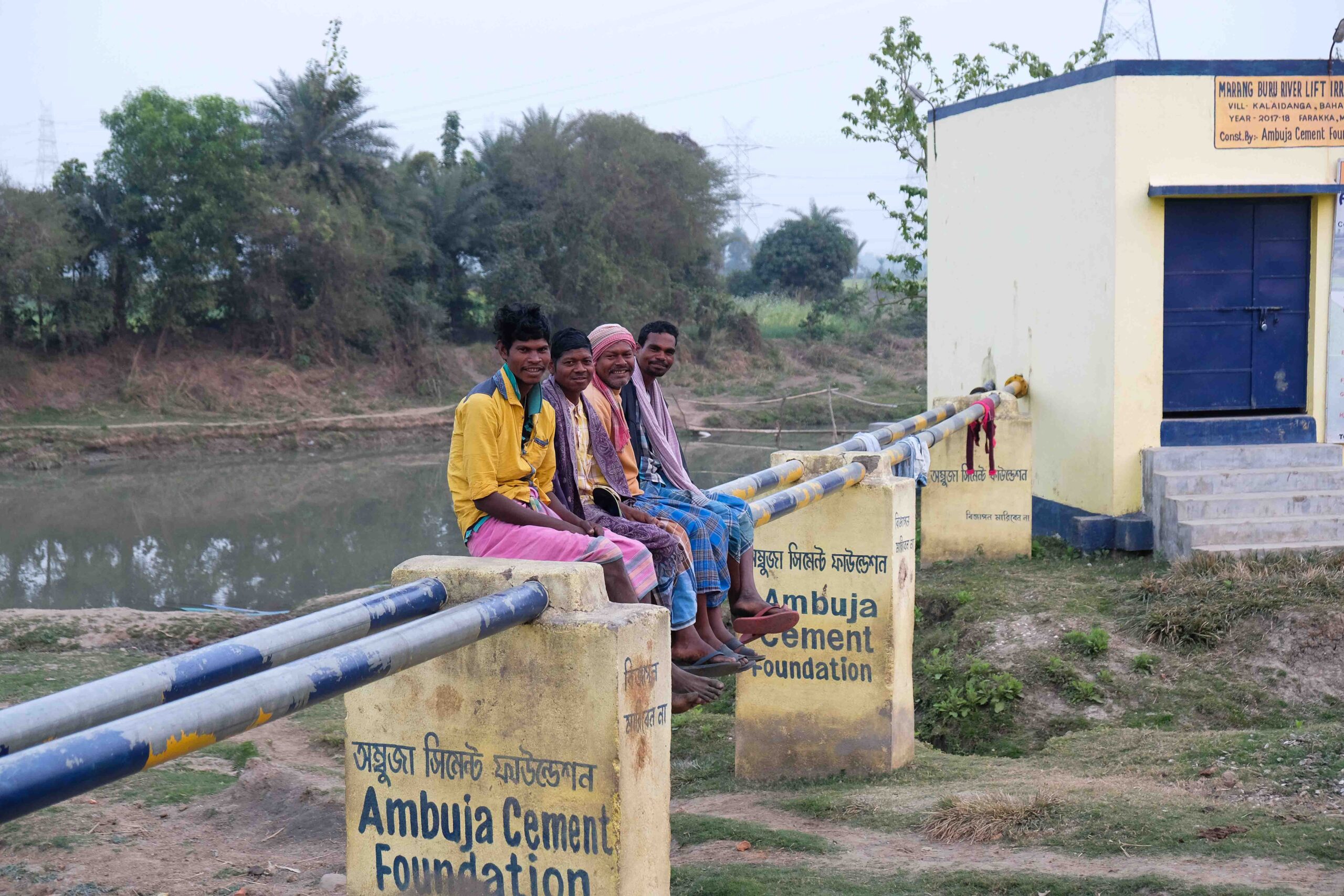
    A River Lift Irrigation initiative led by Ambuja Foundation has transformed farming livelihoods for more than 5,700 farmers across 23 villages in Farakka, Murshidabad district, West Bengal.

    The foundation, working with partners, installed 25 River Lift Irrigation systems covering nearly 747 hectares of farmland, addressing chronic water scarcity that had confined local agriculture to a single crop cycle, the Foundation said in a statement.

    The River Lift Irrigation systems draw water from a nearby river, lift it to higher elevations and distribute it through an underground pipeline network, minimizing land loss and reducing maintenance costs compared with conventional irrigation infrastructure, according to the foundation.

    To sustain the project, Ambuja Foundation established Water User Groups in all 23 villages to manage operations, finances and maintenance, while engaging local pump operators to keep the systems running. The community-led model generates enough revenue to cover operational costs and wages, while building surplus funds for future upkeep, the foundation said.

    The River Lift Irrigation project has lifted cropping intensity in the region from 100% to 250%, while irrigation efficiency has improved by nearly 30%, the foundation said. Farmers who previously grew a single paddy crop are now cultivating Rabi crops such as mustard, wheat and maize, alongside vegetables including cabbage, cauliflower, potato and tomato, enabling two to three harvests a year.

    The economic impact has been significant. Average annual income per acre in the project area has risen to between 80,000 rupees and 150,000 rupees, from 25,000-30,000 rupees before the systems were installed, marking more than a twofold increase, the foundation said. Agricultural land values in the area have also climbed by nearly 20%, strengthening household assets.

    “Ambuja Foundation is committed to bring a meaningful change in rural India. Therefore, we supported rural communities in Farakka with River Lift Irrigation systems which allow families to secure sustainable livelihoods within their own villages,” said Chandrakant Kumbhani, CEO of Ambuja Foundation.

    “We look forward to collaborating on more projects under our sustainable agriculture program to strengthen and support rural communities on their journey toward economic resilience.”

    The initiative forms part of Ambuja Foundation’s broader sustainable agriculture program aimed at improving rural incomes and water resource management across India.

  • Belstar Microfinance empowers Anandam Trust with van

    Belstar Microfinance empowers Anandam Trust with van

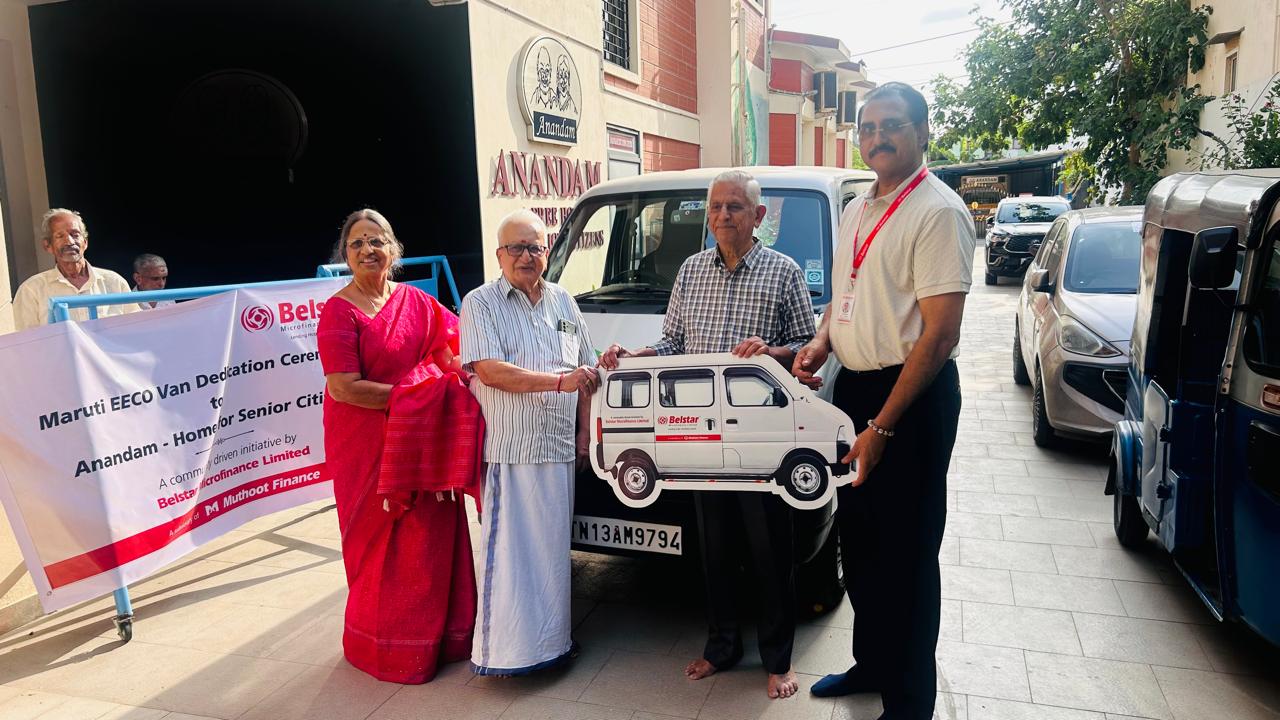
    Belstar Microfinance Limited, a subsidiary of Muthoot Finance Limited, had donated a Maruti Eeco van to Anandam Trust, a home for senior citizens, as part of a community outreach programme aimed at improving emergency healthcare access for elderly residents.

    The Belstar Microfinance Van Donation will help more than 110 elderly residents at the trust reach nearby hospitals quickly during medical emergencies, the company said in a statement.

    Anandam Trust also runs daily tuition classes for underprivileged schoolchildren with learning difficulties, and the vehicle will additionally be used to transport students between locations.

    Company executives said timely access to transport can be critical for elderly residents without family support or independent income, and that the initiative reflects Belstar’s broader focus on community welfare beyond its core lending business.

    “At Belstar, we believe that meaningful progress extends beyond financial services and is reflected in the positive difference we create in the communities around us,” said J. Balakrishnan, Whole Time Director and Chief Executive Officer of Belstar Microfinance Limited.

    “Supporting initiatives that address essential needs, especially for senior citizens, is a step towards building stronger and more caring communities.”

    Bhageerathy Ramamoorthy, Managing Trustee of Anandam Trust, thanked Belstar Microfinance and its leadership for the contribution, saying the van would directly support the healthcare and emergency transportation needs of residents at Anandam Old Age Home.

    Belstar Microfinance, ranked among India’s top 10 NBFC-MFIs, holds an “AA/Stable” credit rating from CRISIL and operates across 19 states and two union territories, offering micro-enterprise, education, consumer and emergency loans, along with gold loans in select southern states.

    The company said its business model follows a double bottom line approach, balancing financial performance with social impact, particularly through women’s economic empowerment.

  • Uttar Pradesh CM Yogi Adityanath leads 35cr tree plantation drive

    Uttar Pradesh CM Yogi Adityanath leads 35cr tree plantation drive

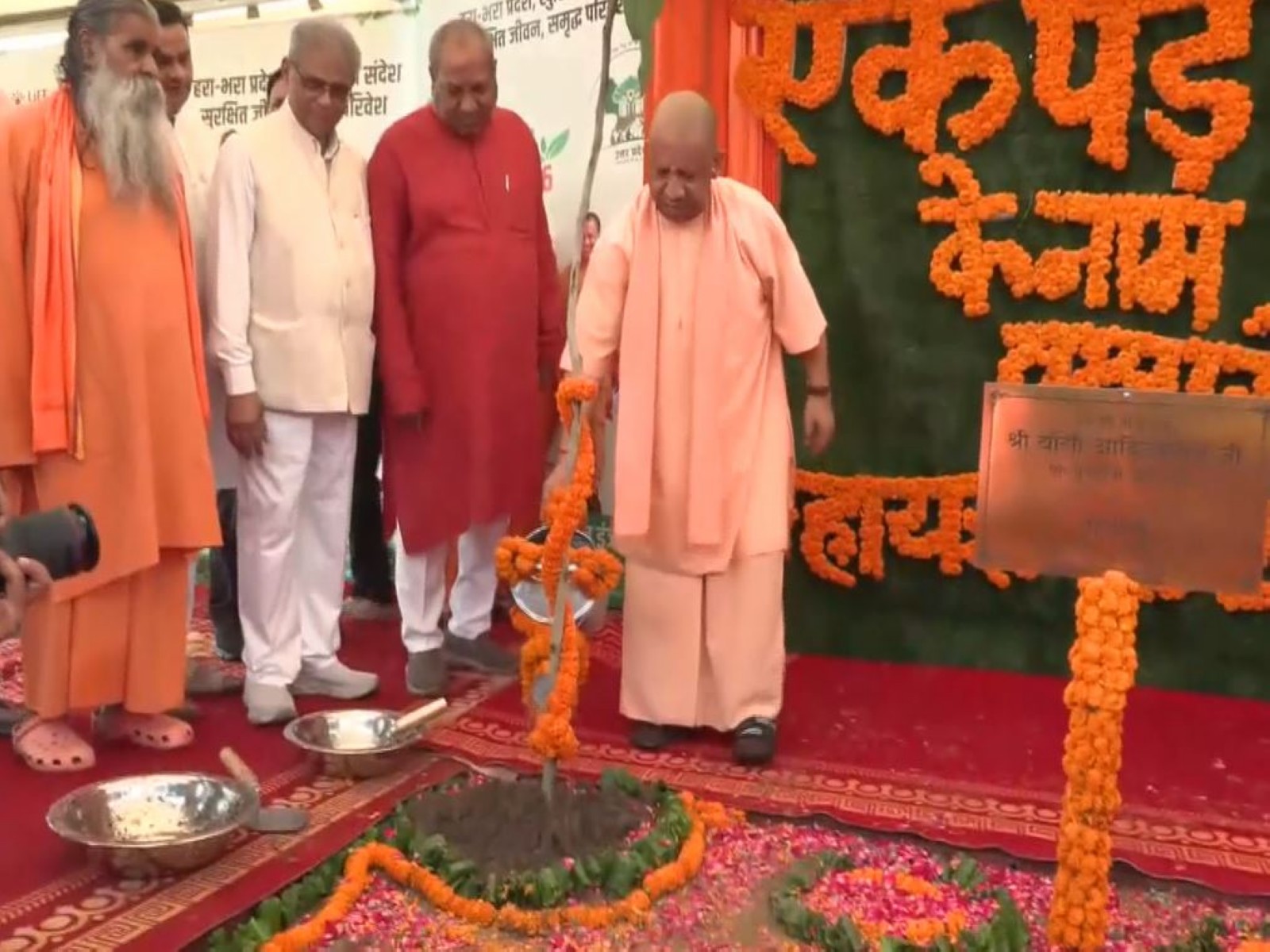
    Uttar Pradesh Chief Minister Yogi Adityanath on Sunday stressed the critical importance of tree plantation, warning that indiscriminate felling could trigger water shortages and food grain crises.

    “A single tree absorbs and retains thousands of litres of water. Rivers remain perennial only where there are forests or a large number of trees,” Adityanath said after planting a Maulsari sapling along the Tal Ring Road near RKBK as part of the Paudharopan Mahayagya 2026 campaign themed ‘Ek Ped Maa Ke Naam’.

    He noted that environmental imbalance disrupts rainfall patterns, harming farmers, and called on every citizen to not only plant but also protect saplings to restore ecological balance.

    The state government has set an ambitious target of planting 35 crore saplings in a single day, supported by over 57 lakh nurseries. Adityanath said robust protection measures have already led to visible increases in forest cover.

    “Expressing gratitude is a hallmark of Indian culture. Through large-scale tree plantation, we can secure a brighter future for generations to come,” he added.

    Adityanath also admired the scenic beauty of Ramgarh Tal and took a selfie at the site.

    Present on the occasion were MP Ravi Kishan Shukla, Mayor Dr. Manglesh Srivastava, MLC Dr. Dharmendra Singh, and other BJP leaders and councillors.

  • Maruti Suzuki Commissions 1 MWh BESS at Kharkhoda

    Maruti Suzuki Commissions 1 MWh BESS at Kharkhoda

    Maruti Suzuki India Limited has commissioned a 1 MWh Battery Energy Storage System (BESS) at its Kharkhoda manufacturing facility, advancing its commitment to a robust green energy ecosystem.

    The company installed a 20 MWp solar power project at the facility in 2025. The innovative BESS stores surplus solar energy generated during holidays and low-demand periods for later use, while also enhancing grid stability. The pilot project is integrated into the plant’s internal electricity distribution network.

    “Maruti Suzuki is strongly aligned with India’s focus on building self-reliant energy ecosystems,” said Hisashi Takeuchi, Managing Director & CEO, Maruti Suzuki India Limited. “The introduction of this Battery Energy Storage System at our Kharkhoda facility is part of these continued efforts. With a lifecycle of about 15 years, BESS will help reduce nearly 54 tonnes of CO₂ emissions annually.”

    Takeuchi added that despite rising production volumes, the company remains committed to lowering absolute Scope 1 & 2 emissions in line with parent Suzuki Motor Corporation’s target of a 42% reduction by FY 2030-31 compared to FY 2022-23.

  • IIT Kharagpur study proves speed management cuts crashes

    IIT Kharagpur study proves speed management cuts crashes

    New research from IIT Kharagpur has proved that scientific speed management interventions can significantly cut fatal crash risk, fatalities and crash severity on Indian highways, offering crucial evidence for policymakers as India seeks to halve road crash deaths and serious injuries by 2030.

    The findings were presented at a high-level road safety dialogue organised by the Road Safety Network (RSN) in partnership with IIT Kharagpur, as the country continues to grapple with a severe road safety crisis. More than 1.8 lakh lives were lost in road crashes in 2024.

    The study, carried out on a 51-km stretch of National Highway 16 between Balihati and Kolaghat in West Bengal, examined how design-based speed management measures affected vehicle behaviour and crash outcomes.

    Researchers found the interventions cut operating speeds by 39-45% for cars, 29-33% for heavy vehicles and 18-28% for two-wheelers.

    The study also recorded significant reductions in fatal crashes, fatalities, crash severity and the likelihood of a crash turning fatal at locations where speed management measures were applied.

    Speeding remains a leading cause of road crashes in India. According to the Ministry of Road Transport and Highways’ Road Accidents in India 2024 report, over-speeding accounted for 62% of all road crashes and more than one lakh fatalities nationwide. Pedestrians, among the most vulnerable road users, accounted for 20.6% of all crash fatalities.

    Prof. (Dr.) Bhargab Maitra, Professor, Department of Civil Engineering, IIT Kharagpur, and a Road Safety Network member, said the Safe System approach recognises that while people make mistakes, roads, policies and systems must be designed so those mistakes do not result in death or serious injury.

    He said scientific speed management is central to this approach, and that aligning speeds with road function and the needs of all users, particularly vulnerable ones, significantly improves safety outcomes. He called for greater emphasis on evidence-based interventions as India pursues its road safety targets.

    The findings were unveiled at a dialogue convened by RSN and IIT Kharagpur at the IIT Kharagpur Research Park, bringing together government officials, public health experts, researchers and road safety practitioners to discuss evidence-based approaches to reducing fatalities and serious injuries.

    RSN also presented recommendations to the Ministry of Road Transport and Highways and state and local authorities to strengthen speed management nationwide.

    These included rationalising speed limits based on road function and user risk, adopting context-sensitive speed zoning, strengthening infrastructure and access control, expanding technology-enabled enforcement, improving crash data systems and enhancing coordination across transport, enforcement, health and urban development sectors.

    The recommendations stressed aligning speed management policies with the safety needs of vulnerable road users to support India’s road safety goals.

  • Coromandel, IICARE launch Jawali watershed plan in Maharasthra

    Coromandel, IICARE launch Jawali watershed plan in Maharasthra

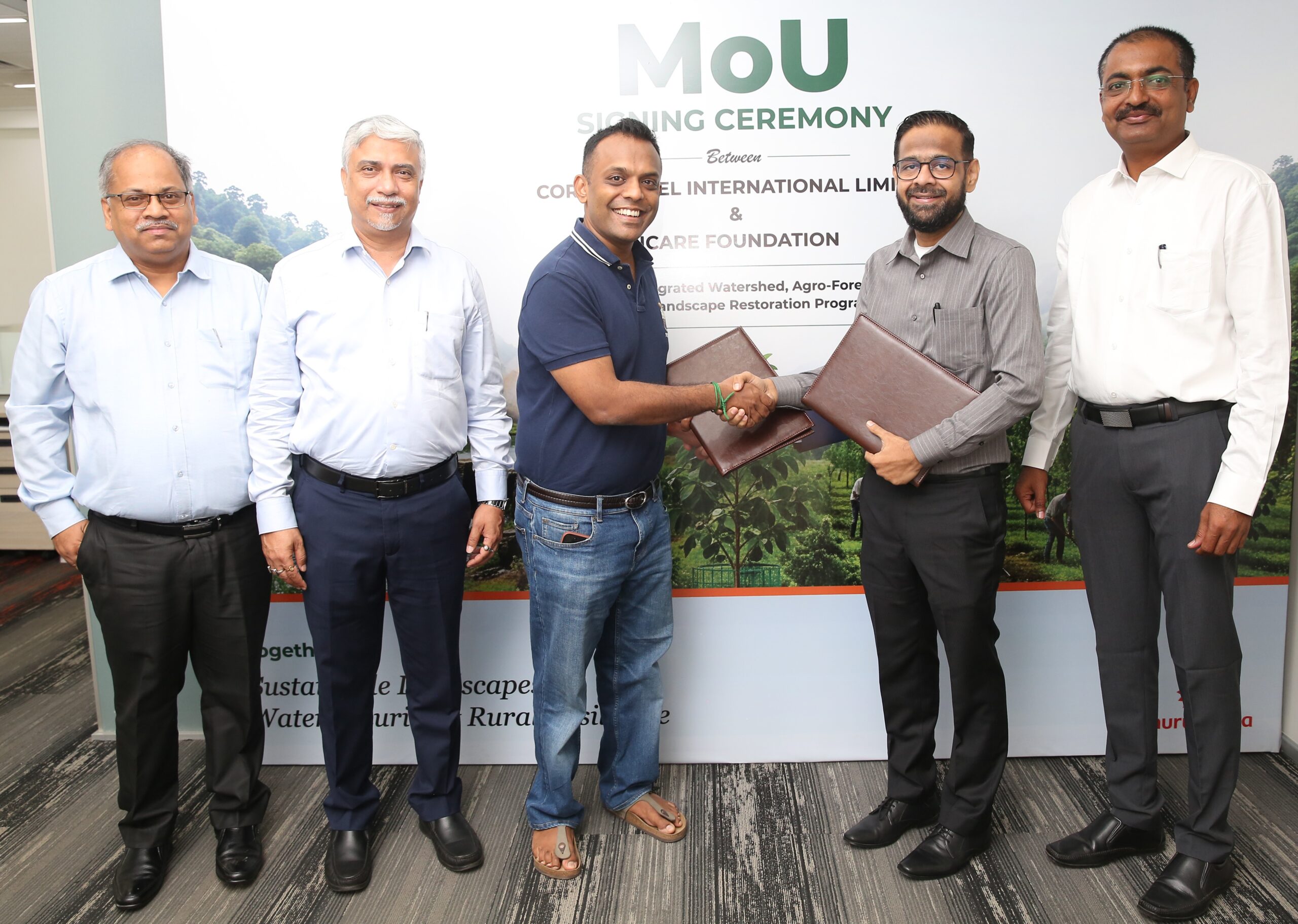
    Coromandel International Limited, one of India’s leading agri-solutions companies, has signed a Memorandum of Understanding with IICARE Foundation, a not-for-profit working on ecological restoration and climate resilience, to launch the landmark Jawali Watershed programme in Phaltan taluka, Satara district, Maharashtra.

    The agreement, announced on Tuesday, covers an integrated watershed, agro-forestry, nursery and landscape restoration initiative.

    The companies said the partnership would build a scientifically designed, community-driven and scalable model for sustainable land management, combining watershed development, agro-forestry, nursery planning and ecological restoration under one programme.

    Under the deal, IICARE Foundation will act as the lead implementation partner, coordinating with local communities, farmer groups, government bodies and technical agencies, the company said in a statement.

    Coromandel will contribute expertise in agronomy, soil and nutrient management, crop suitability, nursery design and watershed interventions, supporting the Jawali Watershed effort with scientific and strategic input.

    The programme will roll out in phases. The first stage involves site validation, soil and water assessments, contour studies, nursery planning and a detailed project report.

    Later phases will include pilot projects, nursery establishment, soil and water conservation structures, native plantations, agro-forestry demonstrations and farmer training, building toward a replicable, large-scale restoration model.

    Organisers said the initiative would follow a “nursery-first” and “pilot-to-scale” strategy, prioritising native and mixed-species plantations, groundwater recharge, soil health and long-term community stewardship.

    Performance will be tracked through indicators such as area restored, sapling survival rates, species diversity, water conservation and farmer participation.

    “This collaboration reflects Coromandel’s commitment to advancing sustainable agriculture and strengthening the resilience of rural ecosystems,” said Narayanan Vellayan, Executive Director – Nutrient Business, Coromandel International Limited.

    “The programme aims to develop a practical and scalable model for restoring degraded landscapes and supporting sustainable livelihoods.”

    Dr Santosh Bhosale, Director, IICARE Foundation, called the Jawali Watershed programme a landmark step bringing together ecological restoration, watershed management and climate-resilient agriculture.

    “Coromandel’s technical capabilities and agricultural expertise will strengthen the programme’s scientific foundation and support a credible model that can be replicated across similar geographies,” he said.