Author: csr-admin

  • Empowering Indian women farmers: Walmart-backed FPCs boost incomes 51%, plan expansion

    Empowering Indian women farmers: Walmart-backed FPCs boost incomes 51%, plan expansion

    Maya Ghosh rises before dawn each day to oversee a network of collection centers that have transformed how women farmers in rural India sell their crops, cutting out middlemen who long controlled prices and profits.

    “We used to sell our produce to middlemen who would decide the price. We had no voice, no choice,” said Ghosh, a director at Ken Betwa Mahila Farmer Producer Company Limited.

    “Today, through our network of 34 collection centers, we’ve procured 448 metric tonnes directly from women farmers.” Ghosh is among thousands of women farmers whose livelihoods have improved through farmer producer companies (FPCs) – agricultural collectives that pool resources, share knowledge, and negotiate better prices for members.

    The initiative, run by non-profit SRIJAN with funding from the Walmart Foundation, expanded its shareholder base nearly fourfold to 24,328 women farmers between November 2022 and November 2024, with women comprising 88% of members.

    Average annual incomes for shareholders rose by 30,000 rupees (USD357), a 51% increase, while collective turnover across 12 FPCs grew more than 190% during the two-year period, SRIJAN said.

    BREAKING BARRIERS

    In villages where women farmers traditionally had limited say in agricultural decisions, they now occupy leadership positions and negotiate directly with buyers.

    “The first time I stood up in a meeting to speak, my hands were shaking,” said Savitri Yadav, who serves on the management committee of her FPC in the eastern state of Bihar. “Today, when traders come, they negotiate with us on our terms.”

    The model has proven particularly effective in eliminating intermediaries. Some 88% of shareholders now purchase farming inputs through their FPCs, while 39% sell produce directly through the collectives, according to project data.

    For Kamla Devi, a smallholder farmer in Uttar Pradesh state who joined her local FPC in 2023, the benefits were immediate. “My children can now go to school without me worrying about fees,” Devi said.

    “I bought quality seeds through our FPC and learned new farming techniques. My yield doubled, and I got a fair price when I sold through our collective.”

    WALMART FOUNDATION EXPANDS SUPPORT

    Building on initial success, SRIJAN is launching a second phase with new grant support from the Walmart Foundation that will expand the program to 38,000 women farmers across 19 FPCs.

    “We are committed to fostering a more inclusive, efficient, and profitable FPC ecosystem – one centered around agricultural production and greater participation of women farmers in the value chain,” said Prasanna Khemariya, chief executive officer of SRIJAN.

    The expansion focuses on ensuring FPCs can operate independently without external support, with all 19 companies expected to achieve self-sufficiency. Training programs aim to help 70% of participating women farmers adopt improved crop management practices.

    “Empowering women farmers is central to building resilient agricultural economies,” said Nishant Gupta, social and environmental impact advisor to Walmart.org, the Walmart Foundation’s philanthropic arm.

    “We are pleased to support SRIJAN’s efforts to enhance market access, boost capacity building, and increase women farmers’ participation in the agri-value chain.”

    CHANGING PERCEPTIONS

    The program’s impact extends beyond economics, reshaping how younger generations view agriculture as a career. Priya Sharma, 23, recently completed her university degree and returned to her village to join her mother’s FPC rather than seeking urban employment – a decision that would have been unusual just years earlier.

    “I saw what my mother achieved – the respect she earned, the income she generated,” Sharma said. “Agriculture doesn’t mean poverty anymore. It means opportunity.”

    At Ghosh’s collection center in Madhya Pradesh state, younger women farmers now weigh produce, negotiate prices, and manage accounts on tablets – tasks that were once dominated entirely by men and middlemen.

    “We’re not just growing crops,” Ghosh said. “We’re growing confidence. We’re growing communities. We’re growing a future where our daughters won’t have to leave their villages to find dignity and success.”

    India has approximately 146 million farmers, with women farmers comprising a significant portion of the agricultural workforce though often lacking formal recognition or direct market access, according to government data.

  • Automated Driving Test Tracks: Maruti Suzuki signs MoA in Tamil Nadu

    Automated Driving Test Tracks: Maruti Suzuki signs MoA in Tamil Nadu

    Maruti Suzuki India has signed a Memorandum of Agreement (MoA) with the Transport Department, Government of Tamil Nadu, to establish 10 Automated Driving Test Tracks (ADTTs) across the state, reinforcing its commitment to road safety.

    The initiative, formalized in a ceremony attended by Transport and Electricity Minister S S Sivasankar and Home Secretary Dheeraj Kumar, aims to revolutionize driving license testing with cutting-edge technology.

    The ADTTs, to be set up in Marthandam, Tirunelveli, Coimbatore (Central), Madurai (North), Tuticorin, Krishnagiri, Dindigul, Tiruvannamalai, Sivagangai, and Trichy (West), were strategically chosen based on high license issuance volumes and connectivity to nearby cities.

    These tracks will leverage video analytics, Radio Frequency Identification (RFID), and Harnessing Automobiles for Safety (HAMS) technologies to ensure a transparent, standardized, and objective testing process with zero human intervention, aligning with Central Motor Vehicle Rules.

    Maruti Suzuki’s road safety initiatives span the 5Es: Education, Evaluation, Enforcement, Engineering, and Emergency Care.

    “Maruti Suzuki’s commitment to road safety is commendable,” said Minister S S Sivasankar. “This collaboration to establish automated driving test tracks will promote disciplined driving and elevate road safety standards across Tamil Nadu.”

    Rahul Bharti, Senior Executive Officer, Corporate Affairs at Maruti Suzuki, added, “Automated driving test tracks ensure a rigorous and transparent assessment of driver skills. This initiative is a significant step toward safer roads in Tamil Nadu.”

    Maruti Suzuki’s road safety initiatives span the 5Es: Education, Evaluation, Enforcement, Engineering, and Emergency Care.

    The company has already established 45 ADTTs nationwide, including 17 in Uttar Pradesh, 14 in Delhi, 7 in Bihar, 4 in Uttarakhand, 2 in Haryana, and 1 in Jammu & Kashmir. With a recent MoA for 21 ADTTs in Rajasthan and the new Tamil Nadu project, the total will reach 76 ADTTs across India.

    Additionally, Maruti Suzuki operates 8 Institutes of Driving and Traffic Research (IDTRs) and 23 Road Safety Knowledge Centres (RSKCs) to enhance driver education. Its Integrated Traffic Safety Management System (ITMS) supports real-time monitoring, while First Responder training strengthens emergency care.

    The MoA was signed by R Gajalakshmi, Transport and Road Safety Commissioner, and Tarun Agarwal, Senior Vice President, CSR, Maruti Suzuki, marking a milestone in the company’s mission to foster safer roads through innovation and collaboration.

  • Global CSR best practices for Indian firms to adopt now

    Global CSR best practices for Indian firms to adopt now

    By Eldee

    Indian Corporate Social Responsibility (CSR) stands at a crossroads. While mandatory spending under Section 135 of the Companies Act has mobilized over Rs 15,500 crore annually, the decline to 1.87% of net profit—a six-year low—signals that compliance isn’t enough. The answer lies abroad: global best practices that transform CSR from obligation to competitive advantage.

    As Indian firms eye international markets and global talent, adopting world-class CSR strategies isn’t optional—it’s imperative. Here’s the blueprint that’s revolutionizing corporate citizenship worldwide.

    Strategic Alignment: Making CSR Core, Not Peripheral

    The first global CSR best practice Indian firms must embrace: integrate CSR with core business strategy, not treat it as a separate charitable wing.

    Technology giants like Microsoft don’t just donate computers—they build digital literacy programs that create future customers and skilled workers. Pharmaceutical companies like Novartis don’t simply fund clinics—they develop healthcare infrastructure that strengthens entire supply chain ecosystems.

    Indian companies can mirror this approach. Technology firms should champion digital literacy initiatives, healthcare companies prioritize public health systems, manufacturing units drive circular economy models. When Tata’s multi-year village development programs align industrial growth with community prosperity, they exemplify this integration—creating shared value, not one-way charity.

    Long-Term Impact Over Short-Term Optics

    Global leaders have abandoned the photo-opportunity approach. Instead of ribbon-cutting ceremonies, they commit to multi-year programs with measurable, lasting outcomes.

    Indian firms currently average project durations under 18 months. International best practice demands 3-5 year commitments minimum—time horizons that allow education programs to graduate students, healthcare initiatives to reduce disease burden, environmental projects to restore ecosystems.

    Unilever’s Sustainable Living Plan spans decades. Patagonia’s environmental commitments are generational. Indian corporations must shift from annual CSR budgets to sustained campaigns that compound impact over time, particularly in education, environmental restoration, and economic empowerment.

    Stakeholder Co-Creation: Community as Partner, Not Recipient

    Perhaps the most critical global best practice: genuine stakeholder engagement throughout the CSR lifecycle.

    Leading international corporations involve local communities, employees, customers, NGOs, and government bodies from initial design through implementation and evaluation. Communities aren’t beneficiaries—they’re co-creators.

    Indian CSR often suffers from top-down imposition: urban corporate offices deciding rural priorities without consultation. Global best practice demands listening tours, community needs assessments, participatory design workshops, and local advisory boards. When stakeholders shape programs, success rates multiply—needs are accurately addressed, cultural contexts respected, sustainability ensured.

    Collaboration Ecosystems: Leverage Expert Networks

    No corporation possesses all expertise needed for complex social challenges. Global leaders build collaboration ecosystems.

    They partner with specialized NGOs for on-ground execution, academic institutions for research and evaluation, government agencies for scale and policy alignment, other corporations for collective impact initiatives.

    Indian firms can dramatically enhance CSR effectiveness through strategic partnerships. Rather than building parallel systems, leverage existing NGO networks with decades of community relationships. Rather than proprietary programs, join industry coalitions addressing systemic issues—child nutrition, water conservation, skill development—where collective action produces exponential results.

    Innovation and Digital Integration: Technology as Force Multiplier

    Global CSR increasingly deploys cutting-edge technology for reach, efficiency, and impact measurement.

    Digital platforms extend education to remote villages through mobile learning. Telemedicine connects rural patients with specialist doctors. Blockchain ensures transparent fund tracking. AI analyzes program data to optimize interventions in real-time. IoT sensors monitor environmental restoration projects continuously.

    Indian firms, particularly in technology sectors, must leverage innovation for social good. The Ministry’s new web-based CSR-1 registration system effective July 2025 signals this direction—demanding digital tracking, transparent reporting, real-time monitoring. Companies should exceed these requirements, building sophisticated impact measurement systems that demonstrate return on social investment.

    ESG Integration: From CSR to Holistic Sustainability

    The global frontier: integrating Environmental, Social, and Governance (ESG) frameworks that encompass but transcend traditional CSR.

    International leaders adopt Science Based Targets initiative (SBTi) for climate commitments, join RE100 for renewable energy transition, pursue EV100 for electric vehicle fleets. They establish dedicated ESG committees at board level, integrate sustainability into executive compensation, publish comprehensive sustainability reports aligned with Global Reporting Initiative (GRI) standards.

    Indian firms must recognize ESG as business imperative, not compliance burden. Climate action reduces operational risks. Supply chain sustainability ensures resilience. Diversity and inclusion attract global talent. Robust governance mechanisms build investor confidence.

    Maharashtra, Gujarat, Uttar Pradesh, Rajasthan, Karnataka, and Tamil Nadu currently dominate CSR fund receipt—but ESG integration demands geographic equity, ensuring underserved regions receive proportionate investment.

    Transparency and Rigorous Impact Measurement

    Global best practice demands obsessive transparency and data-driven impact assessment.

    Leading corporations publish detailed CSR reports with specific metrics: students educated, patients treated, carbon sequestered, women entrepreneurs trained. They conduct third-party evaluations, randomized controlled trials, longitudinal studies measuring sustained impact years after program completion.

    Indian companies must move beyond anecdotal success stories and input metrics (money spent, events conducted) to outcome metrics (lives improved, behaviors changed, systems strengthened). Rigorous documentation, digital tracking, independent audits, and public disclosure build credibility and enable continuous improvement.

    Governance Architecture: Institutional Commitment

    Global leaders establish robust governance structures ensuring CSR isn’t dependent on individual champions but embedded institutionally.

    Board-level CSR/ESG committees provide strategic oversight. Chief Sustainability Officers hold executive authority. Cross-functional teams integrate social impact across business units. Employee volunteer programs democratize participation. Supplier codes mandate responsible practices throughout value chains.

    Indian firms should elevate CSR from compliance function to strategic capability, with dedicated leadership, adequate resourcing, and clear accountability mechanisms that survive leadership transitions and market fluctuations.

    The Competitive Advantage

    Why should Indian firms urgently adopt these global best practices? Because CSR excellence drives competitive advantage in increasingly conscious markets.

    Consumers prefer purpose-driven brands. Investors demand ESG performance. Employees choose companies with authentic social commitments. Communities welcome businesses that contribute meaningfully. Governments partner with corporations demonstrating responsibility.

    As India aspires toward developed nation status, Corporate Social Responsibility must evolve from defensive compliance to offensive strategy—where social impact and business success reinforce each other, where doing good and doing well become indistinguishable.

    The Rs 15,524 crore currently deployed annually represents immense potential. Channeled through global best practices—strategic alignment, long-term commitment, stakeholder engagement, collaborative ecosystems, technological innovation, ESG integration, rigorous measurement, and institutional governance—Indian CSR can transform from regulatory obligation to national competitive advantage.

    The global playbook exists. The question isn’t whether Indian firms can adopt these practices. It’s whether they can afford not to.

  • India’s USD 120 mln e-Waste Management Plan for Circular Economy

    India’s USD 120 mln e-Waste Management Plan for Circular Economy

    India’s e-waste management initiative: A step toward sustainability

    India has launched a USD 120 million initiative to tackle e-waste management through a circular economy approach in its electronics sector, supported by the Global Environment Facility and United Nations Development Programme in partnership with the Ministry of Electronics and Information Technology.

    The five-year e-waste management project aims to address unsafe recycling practices in the world’s third-largest generator of electronic waste, where more than 80% of discarded electronics are processed informally using methods that release toxic chemicals.

    “The project comes at an important time when the Indian electronics sector is seeing rapid growth and development,” said S. Krishnan, Secretary at the Ministry of Electronics and Information Technology.

    “The initiative will help us drive innovation in eco-design, recycling and circular business models.” The GEF approved USD 15 million in financing, unlocking over USD 105 million in co-financing from the Government of India and industry stakeholders for comprehensive e-waste management reforms.

    Addressing Informal Sector Risks

    Formal recycling infrastructure remains limited in India, exposing workers and communities to serious health risks from hazardous materials including mercury, lead, cadmium and persistent organic pollutants that do not break down easily.

    “Environmental and health risks from unsafe e-waste recycling practices are rising,” said Angela Lusigi, UNDP Resident Representative in India. “We are working with government and industry partners to ensure resources are used efficiently, workers are protected, and the sector grows sustainably.”

    The e-waste management initiative will strengthen institutional mechanisms and enforcement of regulations, support innovation in eco-design with manufacturers, pilot safe recycling and battery management systems, and improve infrastructure for valuable material recovery.

    A Global E-Waste Challenge

    Electronic waste now exceeds 60 million tonnes globally each year, growing five times faster than recycling rates, according to UNDP data.

    “This flood of discarded devices contains toxic chemicals which cause long-term damage to ecosystems and people’s health,” said Xiaofang Zhou, UNDP Chemicals and Waste Hub Director. “Addressing e-waste is central to building the circular economy we need for a healthier planet.”

    Carlos Manuel Rodriguez, GEF Chief Executive Officer, said the project could serve as a model demonstrating how toxic chemicals can be designed out of production and safely managed when products are discarded.

    Project Scope and Impact

    The e-waste management project will build India’s capacity to advance objectives of the National Policy on Electronics and implement E-Waste (Management) Rules, 2022.

    “This project will strengthen Extended Producer Responsibility and Resource Efficiency to meet critical minerals requirement of the Electronics Sector,” said Amitesh Kumar Sinha, Additional Secretary at the Ministry of Electronics and Information Technology.

    The initiative will strengthen collection and recycling systems, pilot eco-design and valuable material extraction technologies, test replacement-rebate business models, and implement gender-responsive schemes for upgrading the informal sector.

    The project expects to benefit 6,400 people directly while preventing release of 8,000 tonnes of toxic heavy metals, eliminating 25 tonnes of hazardous flame retardants, and cutting 600,000 tonnes of carbon dioxide-equivalent emissions.

    India’s electronics market is expanding rapidly, making effective e-waste management critical for sustainable growth and protecting public health and the environment from hazardous recycling practices.

  • Transformative Himachal Pradesh Vision Care Initiative Treks to 5,000

    Transformative Himachal Pradesh Vision Care Initiative Treks to 5,000

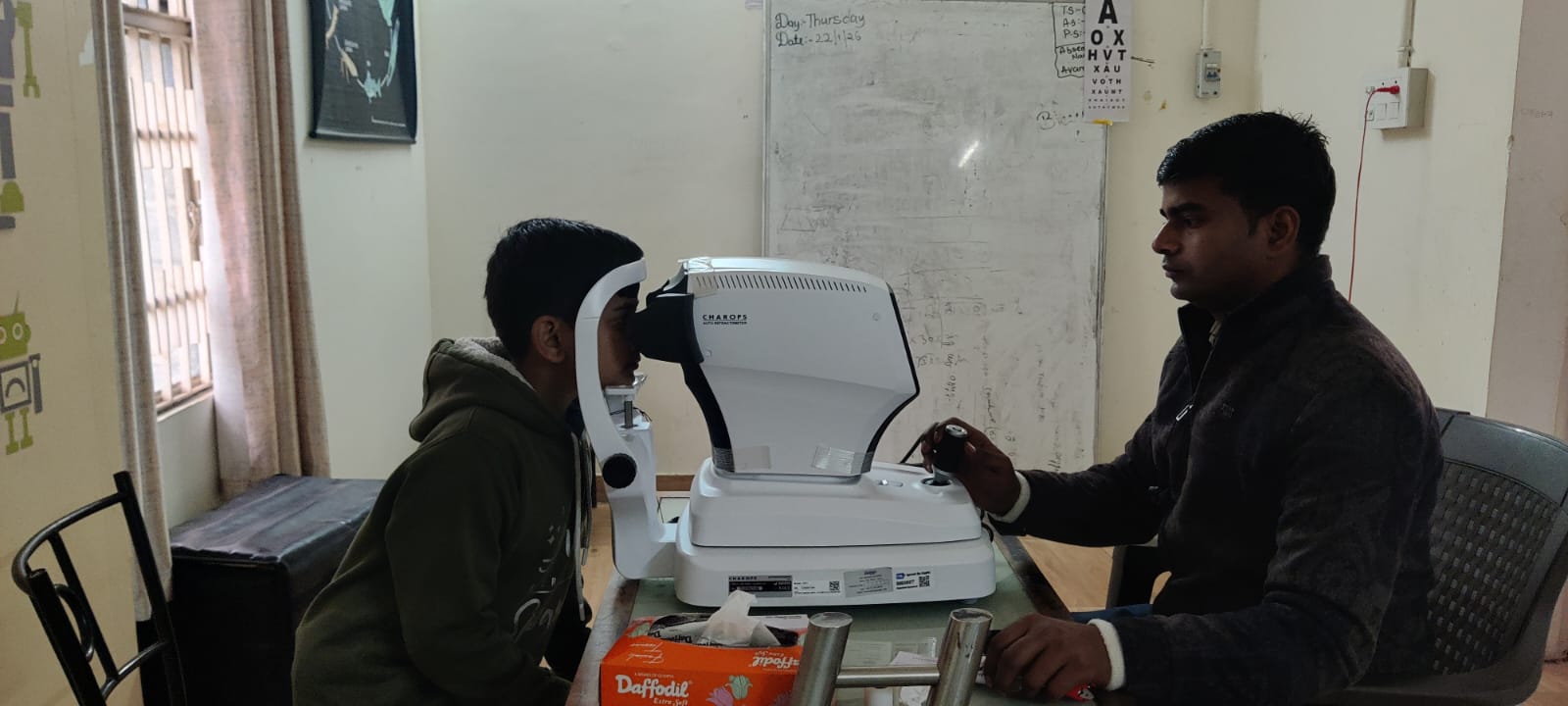
    The Government of Himachal Pradesh has partnered with online bus ticketing platform redBus and VisionSpring Foundation to launch the Himachal Pradesh vision care initiative, a transformative effort to deliver vision care services to underserved Himalayan communities.

    Targeting 5,000 people, this initiative provides eye screenings and eyeglass distribution to bridge a critical gap in eye care access.

    In Himachal Pradesh, 3 million people lack proper vision care, part of India’s 550 million residents without necessary corrective eyewear.

    Studies show eyeglasses can boost earning potential by up to 33.4% and increase productivity by 32%. The Himachal Pradesh vision care initiative addresses this need, empowering communities with clearer vision and brighter futures.

    From Oct. 9-18, VisionSpring teams, government officials, and health experts are trekking across Shimla and Kinnaur districts, reaching remote areas like Chitkul, India’s first village, and hazardous mountain roads near Reckong Peo. This Clear Vision Trek, a cornerstone of the Himachal Pradesh vision care initiative, marks the 25th anniversary of VisionSpring founder Jordan Kassalow’s journey that inspired the organization’s mission.

    “Everyone has the right to see clearly, no matter where they live,” Kassalow said, emphasizing the trek’s goal to deliver “life-changing eyeglasses across some of the most challenging terrain on earth.”

    The Himachal Pradesh vision care initiative includes three transformative programs: See to Earn for working adults, See to Learn for students, and See to be Safe for commercial vehicle drivers navigating mountainous roads. These efforts ensure comprehensive vision care tailored to diverse needs.

    Chief Minister Sukhvinder Singh Sukhu launched the Clear Vision Trek in Shimla on Oct. 9, aligning with World Sight Day celebrations. Partners like the National Programme for Control of Blindness & Visual Impairment, World Health Organization, and Indiahikes bolster this transformative Himachal Pradesh vision care initiative, setting a model for accessible healthcare in remote regions.

  • Inspiring Bathinda Nutrition Centres empower rural health

    Inspiring Bathinda Nutrition Centres empower rural health

    When 45-year-old Kulwinder Kaur first heard about a Bathinda nutrition centre opening in her village, Mehma Sawai, she was skeptical. “Another government scheme,” she thought, accustomed to promises that rarely reached her doorstep in rural Bathinda.

    But when a local health volunteer knocked on her door with seeds for a kitchen garden and advice on managing her borderline diabetes, something shifted. “She spoke in our language, understood our kitchens, our budget,” recalls Kulwinder. “For the first time, health advice didn’t feel like it was meant for city people.”

    A Trusted Face in a Medical Desert

    In Mehma Sawai, like many villages across Bathinda, the nearest proper healthcare facility is miles away. For women managing households on tight budgets, taking time off to travel to a clinic—let alone affording consultation fees—remains a luxury. Non-communicable diseases like diabetes and hypertension quietly creep into families, often undiagnosed until complications arise.

    Recognizing this gap, Ambuja Cement established a community Bathinda nutrition centre in the village as part of its CSR health initiative. But the real transformation came through people like Savita, a trained health volunteer from the village itself, who became the centre’s beating heart.

    Where Street Plays Meet Diabetes Awareness

    Savita’s approach was refreshingly simple: meet people where they are. She organized street plays featuring local talent dramatizing the consequences of ignoring health warnings. She distributed vegetable seeds door-to-door, turning kitchen gardens into practical nutrition lessons. During harvest season, she held cooking demonstrations showing how to prepare diabetic-friendly meals without abandoning traditional recipes—focusing on diabetes prevention tips like balanced Punjabi staples.

    “I tell them: you don’t need fancy diets or expensive medicines to start,” says Savita. “Just add more greens, walk after dinner, check your blood pressure once a month. Small changes, big impact.”

    Slowly, the Bathinda nutrition centre became more than a health outpost—it became a gathering place where women shared recipes, compared blood sugar readings, and held each other accountable. Mehma Sawai’s women, many of whom had never learned to read warning signs of hypertension, now confidently discuss symptoms and prevention.

    Nine Villages, One Mission

    The success of Mehma Sawai’s Bathinda nutrition centre caught attention. Ambuja Cements has now replicated the model across nine villages in Bathinda, each anchored by a trained community volunteer who understands local barriers and speaks the language of lived experience. These empowering efforts are fostering sustainable health habits, one village at a time.

    For Kulwinder, the impact is deeply personal. Her blood sugar levels have stabilized. Her kitchen garden now supplies fresh vegetables year-round. But more importantly, she has knowledge—and that has given her agency.

    “Earlier, illness felt like fate. Now I know I have choices,” she says, tending to her thriving spinach patch. “And I’m teaching my daughters the same.”

    In villages where healthcare often arrives too late, these Bathinda nutrition centres are proving that prevention, rooted in community trust and practical wisdom, can be the most powerful medicine of all.

  • Empowering SUTRA 2025 Sustainable Trade Summit: India’s resilient future

    Empowering SUTRA 2025 Sustainable Trade Summit: India’s resilient future

    India is committed to advancing circularity and strengthening farm-to-factory linkages to position its textiles as a global model of responsibility and resilience, a senior Ministry of Textiles official said on Thursday.

    “With the right partnerships, investments, and innovations, we can weave a future that is not only equitable and climate-resilient but also defines India’s leadership in sustainable growth,” Rohit Kansal, Additional Secretary in the Ministry of Textiles, said at the SUTRA 2025 sustainable trade summit in New Delhi.

    Kansal said the IDH SUTRA 2025 platform brings together farmers, farmer producer organizations (FPOs), financiers, innovators, and industry stakeholders, embodying the meaning of SUTRA—the thread that connects them all.

    “Collaboration is the cornerstone of transformation, and through initiatives like this, India is demonstrating how sustainability can move from compliance to competitiveness, from intent to impact,” he added.

    The SUTRA 2025 sustainable trade summit brought together over 400 delegates and 35 speakers from government, industry, development institutions, academia, and farmer organizations to explore how purpose-led sourcing can accelerate India’s transition to climate-resilient and socially equitable trade systems.

    The summit highlighted India’s growing leadership in embedding sustainability and inclusion into its trade and agricultural systems.

    This year’s edition featured a Sustainability Experience Centre showcasing innovations in traceability, regenerative farming, and circular production. Interactive demonstrations and solution pitches enabled participants to explore how emerging technologies and data-driven systems can enhance transparency and accountability across supply chains, aligning with principles of responsible sourcing.

    Industry leaders including Sougata Niyogi of Godrej Agrovet, Sudhakar Desai of Emami Agrotech and IVPA, and executives from SAP, ITC Limited, Hindustan Unilever, and ICRIER shared perspectives on aligning business competitiveness with climate action and social responsibility. These empowering discussions at the SUTRA 2025 sustainable trade summit underscored the potential for scalable, inclusive solutions in sustainable trade.

  • Coffee Board Seeks Feedback on Sustainability Scheme to Boost Recognition for Indian Producers

    Coffee Board Seeks Feedback on Sustainability Scheme to Boost Recognition for Indian Producers

    The Coffee Board has invited public consultation on its draft sustainability certification framework, aiming to address a critical gap in recognition for India’s coffee sector despite the country’s adherence to sustainable practices across over 400,000 small and marginal holdings.

    The Indian Coffee Board Sustainability Certification Scheme (INDICOFS), developed by a Core Technical Committee comprising domain experts, introduces a voluntary three-tier compliance system designed to progressively align Indian coffee producers with international sustainability standards.

    Bridging the Recognition Gap

    The sector is integral to the livelihoods of approximately two million individuals, with farms situated in high biodiversity regions, notably the Western and Eastern Ghats. These regions provide essential ecosystem services and are home to numerous major rivers, underscoring the critical role that coffee cultivation plays in environmental stewardship.

    Despite adherence to sustainable agricultural practices integrating social, economic and environmental dimensions, the Indian coffee industry has not achieved recognition commensurate with its quality and production methods. While global demand for sustainably certified coffee has increased, only approximately 15% of India’s total coffee output is currently certified under sustainable certification criteria.

    INDICOFS Framework

    In response to the need for a coherent sustainability framework, the Coffee Board has developed INDICOFS—a set of sustainability standards tailored to the Indian context. The standards acknowledge best practices implemented by Indian coffee farms and facilitate a structured approach for continual improvement, ensuring sustainability across the coffee value chain.

    The scheme covers two phases. The first phase addresses “Sustainability Standards for Indian Coffee Plantations,” while the second phase focuses on “Chain of Custody Standards.” The framework encompasses sustainability standards, inspection procedures and certification protocols.

    The certification system defines three compliance levels:

    Level 1 (Basic/Self-Assessment): Provides foundational requirements for growers to evaluate practices and identify improvement opportunities, overseen by Coffee Board inspections

    Level 2 (Aspiring/Auditing): Outlines criteria for third-party verification, ensuring compliance and facilitating progression beyond basic practices

    Level 3 (Benchmarked Best Practices): Delineates advanced sustainability benchmarks assessed by recognized auditing bodies, signifying alignment with international standards

    Implementation and Oversight

    Implementation of INDICOFS will be managed by the Central Coffee Research Institute (CCRI), functioning under the administrative control of Coffee Board of India, recognized as one of the oldest public coffee research institutions globally.

    The standards are designed to address the evolving landscape of coffee production, including critical issues related to trade, environmental sustainability and preservation of traditional farming practices. A key innovation is INDICOFS’ holistic integration of responsible production methodologies with practices that enhance climate adaptation and minimize ecological footprints.

    The standard addresses critical Environmental, Social and Governance (ESG) aspects essential for sustainable coffee farming and incorporates general disclosure requirements aimed at providing stakeholders with transparent, relevant and comparable information about production operations.

    Public Consultation Invited

    The Coffee Board has posted the draft INDICOFS scheme along with an overview note on its website for wider consultation. Stakeholders and members of the public are invited to review the documents and share their views, comments and suggestions.

    Comments must be submitted in the prescribed format (Annexure-I) by email to dirresh@gmail.com with a copy to drccri2022@gmail.com on or before October 24, 2025.

    “The Coffee Board values your feedback and cooperation in this important national initiative to position Indian Coffee as a global benchmark for sustainability,” the board stated.

    By adopting this standard, coffee producers can demonstrate compliance with recognized sustainability benchmarks, enhance their marketability and contribute to the global movement toward sustainable agricultural practices. The initiative is expected to foster collaboration among coffee producers and stakeholders to promote a resilient and sustainable Indian coffee industry while improving the long-term viability of coffee farming and quality of life for communities involved in the supply chain.

  • Govt calls on firms to focus CSR efforts on tribal communities

    Govt calls on firms to focus CSR efforts on tribal communities

    Government officials urged corporations to direct their corporate social responsibility spending toward tribal communities, emphasizing measurable impact over large-scale investments at a national conference in New Delhi.

    Chanchal Kumar, Secretary of the Ministry of Development of North Eastern Region, called for companies to focus on “small, impactful projects” targeting healthcare, education and agriculture in underserved tribal and rural areas during his keynote address on October 6.

    “CSR efforts should reach every part of society, fostering inclusivity and equitable development,” Kumar said, highlighting artificial intelligence as a tool to improve efficiency and create jobs in tribal regions.

    The two-day National Conference & Exhibition on Leveraging CSR Excellence for Tribal Development, organized by the Indian Institute of Corporate Affairs, drew over 300 delegates from government, industry and civil society.

    Gyaneshwar Kumar Singh, Director General of IICA, noted Indian companies are now spending more than the mandated 2% of profits on CSR, reflecting “a deeper commitment to social welfare.” He urged firms to move beyond financial contributions toward technology transfer and knowledge sharing with local communities.

    The conference, timed to mark India’s second annual CSR Day on Mahatma Gandhi’s birth anniversary, featured three panel discussions on tribal livelihoods, entrepreneurship and health.

    M. Raja Murugan emphasized value addition and digital market access for tribal artisans, while Shombi Sharp praised India’s CSR framework as “a global model of corporate accountability and social innovation.”

    The event showcased CSR projects by corporations, public sector units and foundations focused on tribal entrepreneurship, education, healthcare and environmental conservation.

    Kumar said the North East Region is ready to attract greater investment with improved infrastructure and implementation capabilities, positioning it as “a model for balanced growth” by 2047.

  • Coal Ministry urges companies to align CSR efforts with local community needs

    Coal Ministry urges companies to align CSR efforts with local community needs

    Ministry of Coal on Tuesday held a stakeholder consultation on strengthening the Corporate Social Responsibility framework for coal companies, with officials calling for better coordination of welfare and sustainability programmes.

    Additional Secretary Rupinder Brar urged coal companies to align their CSR, welfare and sustainability initiatives to maximise community benefits, according to a statement.

    She stressed the need to prioritise local requirements when planning CSR activities.

    Brar emphasised the importance of engaging credible agencies for need and impact assessments to enable more effective CSR programmes, the ministry said.

    Coal public sector undertakings and private sector companies shared experiences on major CSR projects, community engagement and lessons from impact assessments during the New Delhi meeting.

    India is the world’s second-largest coal producer and consumer after China, with coal accounting for about 70% of the country’s power generation.