Category: Woman and Child

  • Delhi Government, SOS Children’s Villages forge partnership to uplift 350 orphaned children

    Delhi Government, SOS Children’s Villages forge partnership to uplift 350 orphaned children

    The Department of Women and Child Development of the Delhi government and SOS Children’s Villages India signed a five-year partnership on Wednesday to implement the government’s Sponsorship Scheme, aiming to provide holistic care for 350 children without parental care in the capital.

    The Memorandum of Understanding (MoU), signed by Mitali Namchoom, Director of the Department of Women and Child Development, and Sumanta Kar, CEO of SOS Children’s Villages India, at the department’s New Delhi headquarters, focuses on enhancing family-based care through SOS India’s Kinship Care Programme. This partnership will support children’s emotional, physical, and educational development, ensuring they grow into self-reliant individuals.

    “This partnership ensures every child grows up with dignity, surrounded by care and stability,” Namchoom said, highlighting the importance of preserving family bonds and cultural identity.

    Kar added, “Through this partnership, we will empower caregivers with psychosocial and educational support, enabling children to thrive with hope and confidence.”

    The partnership leverages SOS India’s expertise to strengthen the Sponsorship Scheme, aiming to transform the lives of Delhi’s vulnerable children.

  • Hinduja Group, BML University to train rural women as entrepreneurs in Alwar

    Hinduja Group, BML University to train rural women as entrepreneurs in Alwar

    In the first phase, 30 women will receive training to launch micro-businesses.

    Five years after completing a sustainable water management project in Alwar district of northwestern Rajasthan state, two companies and a local university are now training 450 rural women to become entrepreneurs.

    The Hinduja Foundation, the philanthropic arm of Indian conglomerate Hinduja Group, and its subsidiary Ashok Leyland, have partnered with BML Munjal University to provide skills training to the women in the food and tailoring industries.

    The training initiative, called Sujal Mahila Mahasangh Alwar, targets women from villages where the Hinduja Foundation and Ashok Leyland earlier implemented water stewardship projects to improve access to clean water under a Rs 90 million corporate social responsibility programme.

    “We are pleased to establish a partnership with BML Munjal University to empower our Sujal Sahelis with the requisite skills and resources to become successful entrepreneurs,” said Paul Abraham, president of the Hinduja Foundation.

    In the first phase, 30 women will receive training to launch micro-businesses. The university said it aimed to help at least 80% of the 450 women, known as “Sujal Sahelis” or water friends, to start their own businesses successfully.

    The project is being supported by several organizations including cement maker Ambuja Foundation and SWAN Livelihood as the training implementation partner.

    Fetching water is a major household chore for women in rural India, with some areas seeing them spend up to four hours daily carrying water from sources several kilometres away to meet a family’s needs.

  • Cosmo blankets provide warmth to the needy

    Cosmo blankets provide warmth to the needy

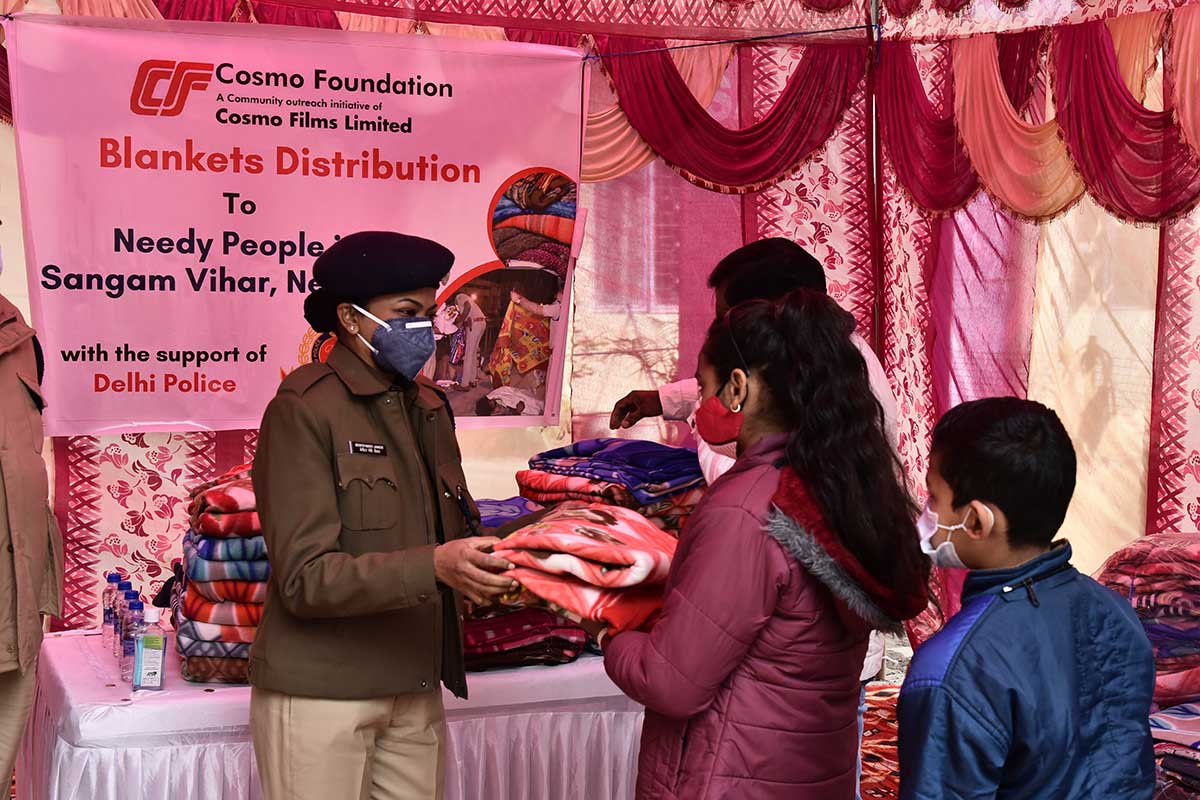
    As North India reels under biting cold, Cosmo Foundation, the philanthropic wing of Cosmo Films Ltd., has come to rescue the needy by distributing free blankets and woollens in association with South Delhi Police. To help the underprivileged living under the harsh winter conditions

    As North India reels under biting cold, Cosmo Foundation, the philanthropic wing of Cosmo Films Ltd., has come to rescue the needy by distributing free blankets and woollens in association with South Delhi Police.

    To help the underprivileged living under the harsh winter conditions, 1,000 blankets and 200 woollens were distributed in the slums of the Sangam Vihar area, with Benita Mary Jaiker, DCP South Delhi, taking the lead.

    Ram Sundar, ACP Sangam Vihar; Vijay Pal Khatri, SHO; Surendra Kumar Rana, SHO, and Rajnish Choudhary, SHO, all chipped in their bit.

    Talking about this drive, Yamini Jaipuria, Managing Trustee, Cosmo Foundation, said, “We hope that our continuous efforts to help others motivate others too to come forward and give the underprivileged a hope and respite from their lives and motivate them to look forward to a better tomorrow.”

    “We are happy to be a part of this initiative, and this is a commendable initiative by the Cosmo Foundation. We can make this world a better place for the underprivileged with such initiatives and work together. Looking forward to being a part of such initiatives in the near future”, said Ms Benita Mary Jaiker, DCP South Delhi.

  • LG CSR bid to benefit children of veterans

    LG CSR bid to benefit children of veterans

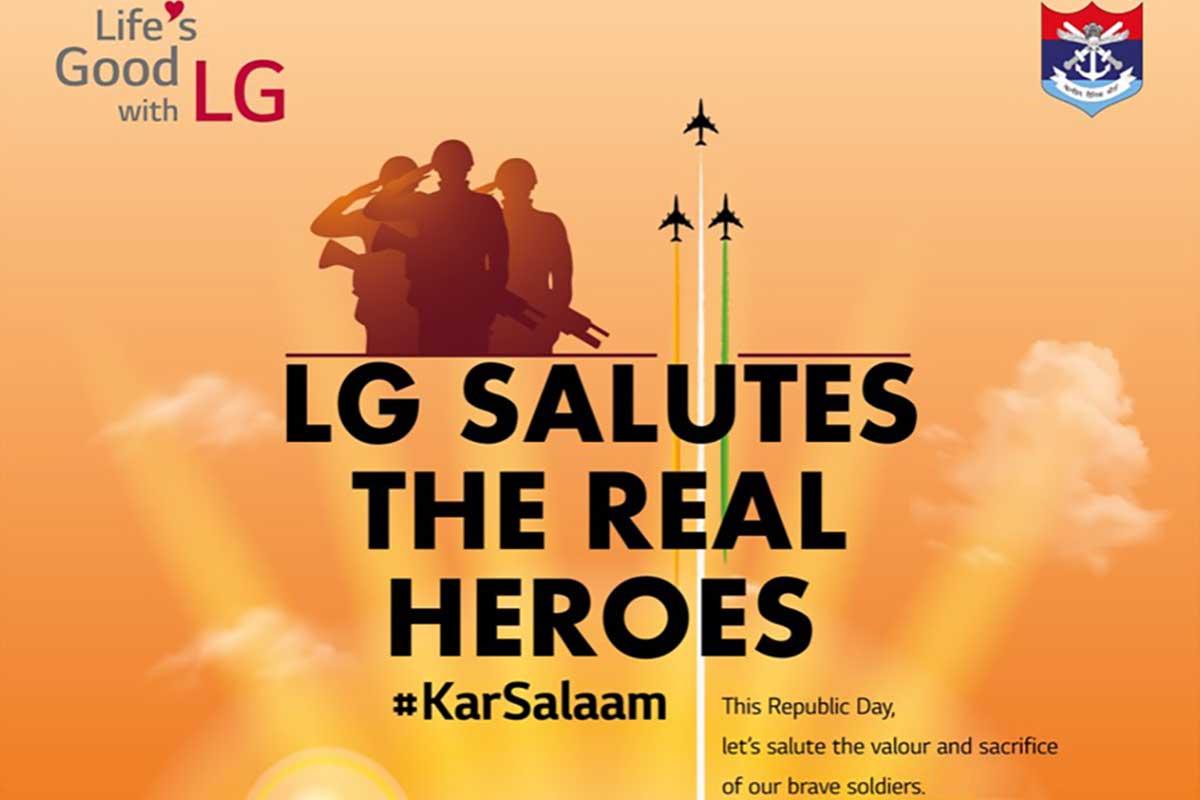
    Under its KarSalaam initiative, LG Electronics has pledged to contribute Rs. 1 Crore to Republic Day’s Armed Forces Flag Day Fund (AFFDF). Launched in 2017, the ‘Kar Salaam’ initiative has been dedicated to the veterans of the Indian Armed Forces by saluting their spirit of service to the nation

    Under its KarSalaam initiative, LG Electronics has pledged to contribute Rs. 1 Crore to Republic Day’s Armed Forces Flag Day Fund (AFFDF). Launched in 2017, the ‘Kar Salaam’ initiative has been dedicated to the veterans of the Indian Armed Forces by saluting their spirit of service to the nation. The contributions made in 2021 were utilized in funding the education of children.

    LG Electronics has been investing in several CSR initiatives to help the community in every possible aspect. Ahead of India’s 73rd Republic Day, LG Electronics has pledged to support the chivalry and sacrifice of India’s brave soldiers for their unmatched contribution to the nation. The contribution made by LG Electronics will help the dependents of heroic martyrs, veterans and their families.

    Commenting on the occasion, Young Lak Kim- MD LG Electronics India, said, “LG Electronics has been operating in India for the past 25 years, and we have always been committed to the welfare of society. Our Kar Salaam initiative underscores this philosophy and is grateful to the brave hearts who have selflessly contributed to the nation. We thank the Kendriya Sainik Board (KSB) for helping us implement this initiative and hope we would be able to bring some positivity and joy to the families of thousands of ex-servicemen of the Defence Forces.”

    Air Commodore B Ahluwalia, VSM, Secretary KSB, said, “We would like to thank LG Electronics for their continued support and for inspiring others to come forward and contribute to the welfare of those who had dedicated their lives for the nation. The Kar Salaam initiative has, over the years, created a lot of awareness and helped generate funds. We are confident, this year, more people come forward and contribute to the cause that helps us improve the lives of war widows, children of martyr’s, war disabled soldiers & Ex-servicemen.”

    To further support the cause, LG will be conducting a public awareness drive to request and urge people to come forward, show support for the cause and contribute to the Armed Forces Flag Day Fund. LG Electronics will also run a TV, radio, and digital campaign between January 20 and January 31, 2022, to further amplify communication across the masses for the initiative. The awareness campaign will also run at 7,000 retail stores across the country.

  • Nand Ghar: transforming lives of women and children

    Nand Ghar: transforming lives of women and children

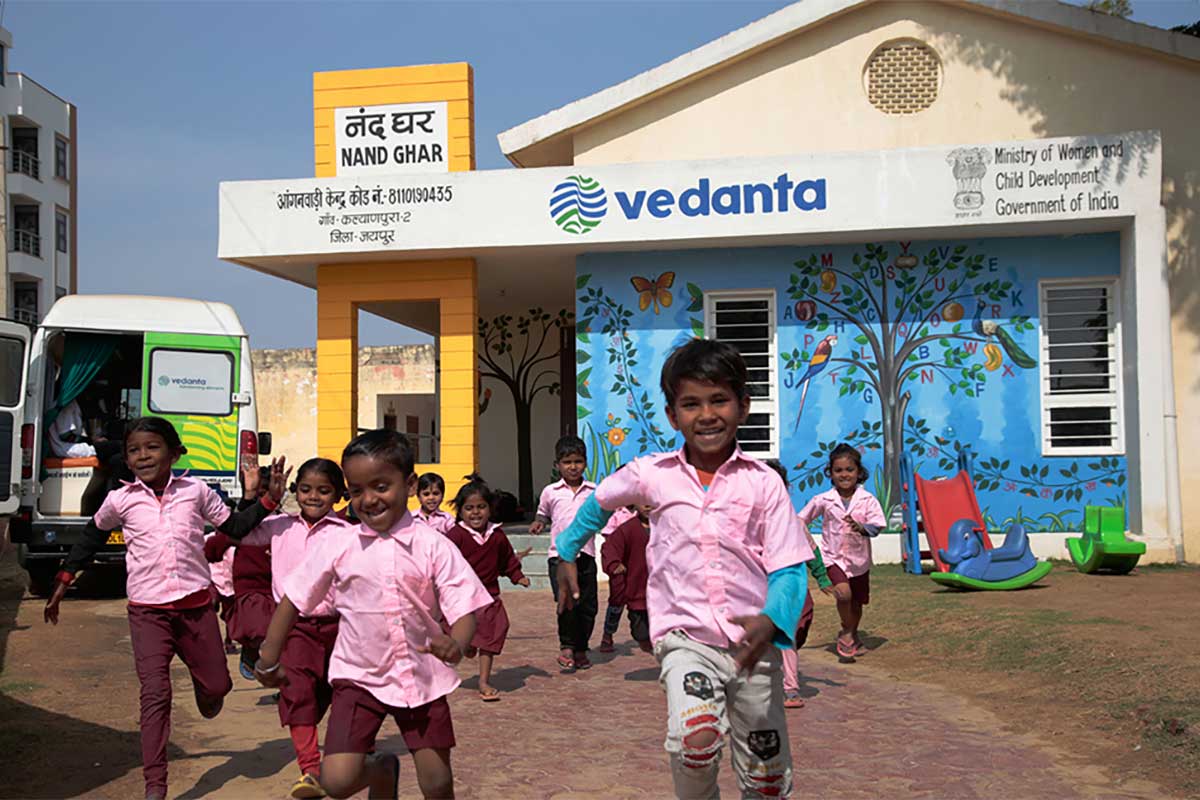
    Nand Ghar project has achieved the important milestone of completing 3000 Nand Ghars across 12 states in India providing nutrition and early education to children and skill development to women. Vedanta Chairman, Anil Agarwal’s dream – Project Nand Ghar is the flagship

    Nand Ghar project has achieved the important milestone of completing 3000 Nand Ghars across 12 states in India providing nutrition and early education to children and skill development to women.

    Vedanta Chairman, Anil Agarwal’s dream – Project Nand Ghar is the flagship CSR project under the aegis of the Anil Agarwal Foundation, the philanthropic arm of Vedanta Group, one of the world’s leading metals and mining conglomerates.

    Set up in collaboration with the Union Ministry of Women and Child Development, Nand Ghars are modernized “Anganwadis” working around nutrition, early childhood education, primary healthcare & skill development for women. Vedanta has committed to develop 4000 Nand Ghars across India. The project aims to transform the lives of 7 crore children and 2 crore women in the 13.7 lakh Anganwadis in India.

    With Nand Ghar, Vedanta is bridging the urban and rural divide by leveraging technology, upgrading to state-of-the-art infrastructure, capacity building of front-line functionaries, digital real time monitoring making significant improvements in the overall service delivery of anganwadi ecosystem.

    Agarwal himself says, “Nand Ghar is the closest to my heart. It gives me immense joy to see the project achieving the milestone of 3000 across 12 states in India and making a significant impact at the grassroots, strengthening the foundation of our nation that are rural women and children. With this important milestone, we are marching towards realizing Hon’ble Prime Minister’s vision of eradicating malnutrition, providing healthcare services, education and skill development for rural women, becoming an imperative project for social development.”

    In the last 20 months of the pandemic, Nand Ghars ensured the last mile delivery of services to beneficiaries, repurposing itself for creating greater impact. With regular activities making a paradigm shift, Nand Ghar molded its service delivery method accordingly. With education moving from classroom to home-based learning, Nand Ghar swiftly rolled out alternative learning methods through WhatsApp and IVRS for continuous education.

    Nand Ghar has ensured doorstep delivery of Dry and Take-home rations for its beneficiaries. Additionally, more than 3300 nutrition gardens were developed in Nand Ghar premises and community areas to ensure steady supply of nourishment to the community members.

    It has also generated local employment by training women to stitch masks and prepare items of local needs, significantly raising their household income by ₹4000.

    With the pandemic, healthcare became a key priority. To ensure wellness of the community members, Nand Ghar deployed an integrated healthcare model which comprised of Mobile Health Vans, Telemedicine facilities and paramedic on wheels for preventive and curative care providing the consultation of MBBS/Specialist doctors, dispensing medicines and conducting non-invasive tests, all free of cost.

  • Aster Volunteers donate 75 tonnes of food to 1500 underprivileged families in Yemen

    Aster Volunteers donate 75 tonnes of food to 1500 underprivileged families in Yemen

    As Yemen continues to grapple with one of the world’s worst humanitarian crisis, Aster Volunteers – the global CSR arm of Aster DM Healthcare along with supporting NGOs like Dar Al Shifa Establishment and Governor of Seiyun- Hadramout region

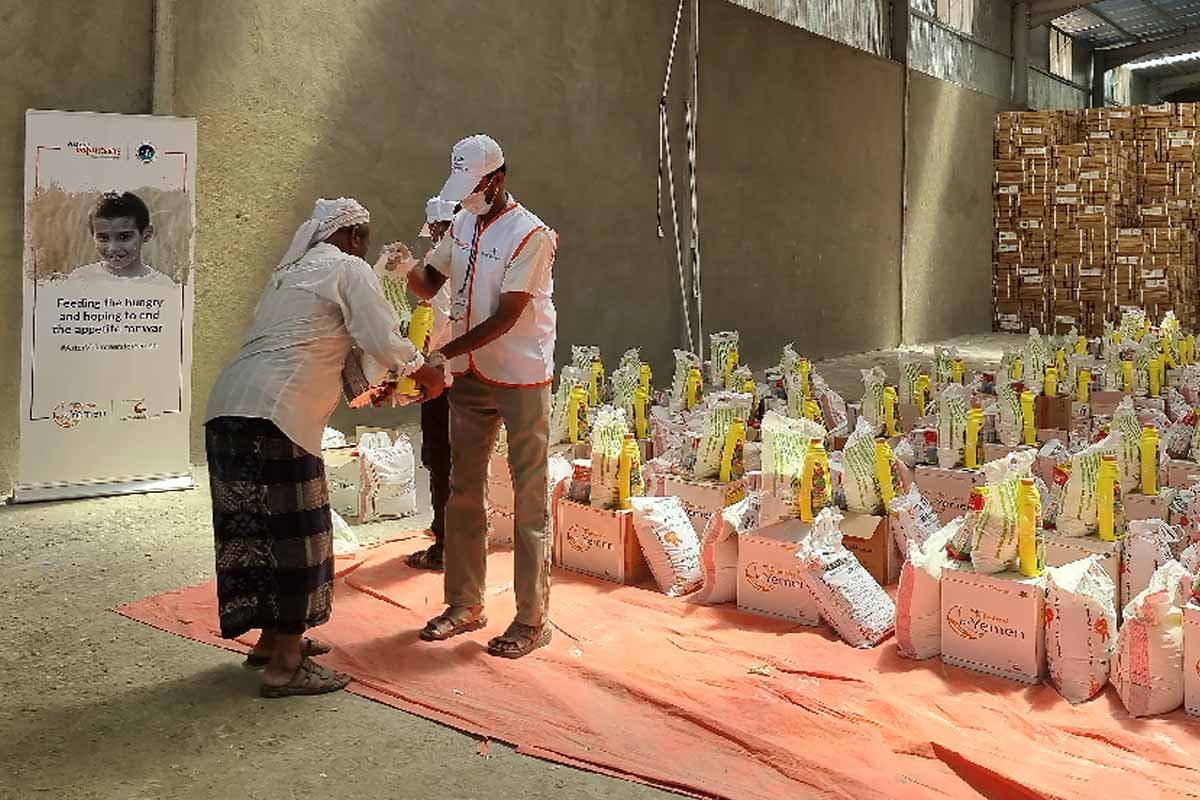
    As Yemen continues to grapple with one of the world’s worst humanitarian crisis, Aster Volunteers – the global CSR arm of Aster DM Healthcare along with supporting NGOs like Dar Al Shifa Establishment and Governor of Seiyun- Hadramout region, launched a relief mission to distribute ration kits to the people of Yemen.

    “Around 1500 families received a ration kit weighing 50 kg each, providing for around 360,000 meals,” Aster DM Healthcare said in a statement.

    The dry ration kit included rice, wheat flour, sugar, cooking oil, beans, milk powder, pulses and other essential food items to provide a balanced diet for entire families of young children, lactating mothers and other adults.

    The on-ground mission was led by Jaleel PA, Head – CSR at Aster DM Healthcare and external volunteers who distributed the ration kits in remote communities of Hadramout region near Seiyun International Airport, where Yemenis continue to suffer due to food insecurity, malnutrition, healthcare gaps, lockdown impact of the Covid-19 crisis and a recent sudden flash flood which led to the destruction of homes and livelihoods.

    Through this mission, Aster Volunteers were able to support about 5,000 individuals who received food kits from distribution centres set up in Seiyun, Tarim and Shibam towns from August 15.

    The food items were procured locally with the help of funds donated by Aster employees and with a matching donation from Aster DM Healthcare.

    Aster Volunteers donate 75 tonnes of food to 1500 underprivileged families in YemenAster DM Healthcare CSR Head Jaleel PA (extreme left) along with external volunteers donated 75 tonne of food to underpriveleged families in Yemen.

    Speaking on the relief mission Azad Moopen, Founder Chairman and Managing Director of Aster DM Healthcare said: “Yemen continues to suffer from years of civil war which has resulted in huge devastation — unfortunately, the human disaster is humongous leading to loss of life of civilians through conflict, starvation and death.

    “In fact, Yemen is on the brink of one of the worst famines in history affecting millions including children. The programme by Aster Volunteers is our effort to help the population of Yemen in whatever little way that we can,” he said.

    According to the latest figures from the Integrated Food Security Phase Classification (IPC) Acute Malnutrition Report, nearly 2.3 million children under the age of 5 are expected to suffer from acute malnutrition this year in Yemen. Out of these, up to 400,000 are expected to suffer from severe acute malnutrition and could die if they do not receive urgent treatment.

    Aster Volunteers also plan to organise medical education, training and capacity building sessions for local doctors of Yemen that would equip them with the latest information required to meet the healthcare needs of the local population.

    During the four-day mission, a delegation of Aster Volunteers met senior government officials, academics, students and members of business community to understand the challenges faced by people of this region.

    In the coming months, Aster Volunteers will engage with local charity organizations and government departments to provide support in several areas, including primary healthcare, health awareness among remote communities and in the education sector.

    The food relief mission is a part of Aster Volunteers’ natural disaster support and relief aid programme which has previously supported Kerala flood victims, famine struck Somalians, Rohingya refugees in Bangladesh, Syrian refugees in Jordan’s Zaatari camp among others, which has benefitted 288,158 people till date.

  • SOS Village come to aid of women in need

    SOS Village come to aid of women in need

    A five-year-long women empowerment and livelihood intervention from SOS Children’s Villages of India tripled the monthly income and the social status of several Extremely Backward Caste and Scheduled Caste women of Kamruddinpur, a village in Begusarai District of Bihar

    A five-year-long women empowerment and livelihood intervention from SOS Children’s Villages of India tripled the monthly income and the social status of several Extremely Backward Caste and Scheduled Caste women of Kamruddinpur, a village in Begusarai District of Bihar. The case story titled, ‘Empowering women leading to economic development – Alleviating poverty through collective effort capturing this outcome has been adjudged among the top 10 livelihood development case stories in India by the prestigious ‘Sitaram Rao Livelihoods India Case Study Competition 2021’, a national-level initiative to collate the best models of livelihoods’ promotion in the country.

    Conceived under the SOS Children’s Villages’ flagship Family Strengthening Programme, a community outreach model to build the capacity of vulnerable families in order to uphold quality childcare for their children, the Kamruddinpur project consisted of providing livelihood training, forming self-help group (christened as Dhanwanti), and facilitating the reach of welfare schemes of the government to the villagers.

    The highlights of the programme were: an increase in the monthly income of women from Rs 2,500-Rs 3,000 in 2013, prior to the launch of the programme, to Rs. 9,700 at present; access to microcredit at low interest; improved social participation and recognition; access to various welfare schemes from the Central and State governments, and better nutrition and education of children, who belong to these families, among others.

    Commenting about the recognition of the Kamruddinpur case story, Sumanta Kar, Senior National Deputy Director, SOS Children’s Villages of India, said, “It gives us immense satisfaction to know that impact of our intervention in Begusarai, as part of the Family Strengthening Programme is getting recognized as one of the top 10 case stories in developing livelihood opportunities for the vulnerable communities. Since our programme is something that can – and should – be replicated in many disadvantaged communities in the country. I hope the case story inspires civil society, government and the private sector for coming together to transform lives of weaker sections of the society by strengthening the smallest unit- family through empowering women as primary caregivers and preventing their children from losing parental care.”

    He said that the beneficiaries were illiterate women from the Below Poverty Line families living in a village known for its feudalist ideology and patriarchal dominance, and more importantly, their children, who were deprived of quality care and upbringing. We believe that empowering women in households heralds quality childcare and upbringing for their children and hence we work towards their upliftment.

    These women were working in agriculture farms for meagre daily wages. Our intervention involved training them to gain basic literacy and awareness. We organised activities for them to open up and discuss their issues and challenges. These interactions enabled them to learn the importance of savings, education, health, hygiene, and nutrition of their children. It also led to the formation of the Dhanwanti Self Help Group in 2013 with 13 women who chipped in Rs 50 each. SOS Children’s Villages made a small contribution by creating a fund that can be used for extending microcredit to the members of the SHG at a low rate of interest. Within about a year and a half, the corpus of the revolving fund increased enough to fund income-generating activities such as cow rearing.

    “We trained them in bookkeeping, maintaining ledger and other ways of managing finance on one hand, and in communication and conflict management on the other hand. On the livelihood front, the women enhanced their understanding of raising livestock, an area they already had some amount of exposure. But more importantly, they were taught how to assess the fat content of the milk, and how to fix price based on fat content. We also facilitated market linkages for selling their milk. All these sustained efforts on women empowerment and livelihood training helped them more than triple their monthly income – from Rs 2,500- Rs 3,000 in 2013 to Rs.8,000 – Rs 10,000 today. Thanks to the regular inter-loaning and prompt repayment, the corpus of their SHG has increased to Rs 2.66 lakhs now – from about Rs. 650 in 2013.”

    The SHG is currently linked with National Urban Livelihood Mission, and the members now make use of various social security schemes such as Rajiv Gandhi Urban Electrification Scheme, Swachh Bharat Mission and UjjawalaYojna that improve the overall living conditions of their families.

    He further added, “SOS CV India we will be supporting 8000 more children under this programme in 2021 and the caregivers will be getting support for various Income Generating activities. This will help many families, who have lost livelihood due to COVID-19 to build sustainable livelihoods and prevent the abandonment of children.”

  • Women artisans get American Express grant

    Women artisans get American Express grant

    American Express, the credit card major has announced a grant of Rs 1 crore to support women artisans across India. The grant will be disbursed through Dastkar, a society that will use the funds to support over 12,000 women artisans from 19 states

    American Express, the credit card major has announced a grant of Rs 1 crore to support women artisans across India. The grant will be disbursed through Dastkar, a society that will use the funds to support over 12,000 women artisans from 19 states, financially impacted due to the COVID-19 pandemic.

    As part of the company’s CSR initiative, the grant to Dastkar’s Artisan Support Fund will take care of financial needs towards wages and raw materials along with marketing assistance to craftswomen involved in varied arts and crafts, including mirror-work embroiderers, weavers, basket makers, fibre craft artisans, block printers, among others, it said.

    American Express said in a statement that craftswomen from Delhi, Haryana, Rajasthan, Uttar Pradesh, Uttarakhand, Assam, Gujarat, Himachal Pradesh, Madhya Pradesh, West Bengal, Maharashtra, Jammu and Kashmir, Tamil Nadu, Karnataka, Odisha, Jharkhand, Manipur, Telangana and Bihar will be covered for assistance.

    Speaking about the initiative, American Express Banking Corp India Senior Vice President and CEO Manoj Adlakha said: “Through our funding to Dastkar, we will support the sustenance of India’s craft community in the wake of the pandemic. We are proud to contribute towards mitigating the impact and conserving the country’s diverse cultural heritage…”

    Dastkar Chairperson and Founder member Laila Tyabji said, “Locked out of earnings and employment, these craftswomen require assistance – both financial and marketing. The corporate sector has a crucial role to play here. We thank American Express for recognizing the urgency of the situation and providing much-needed capital to help our women artisans recover from the devastating impacts of the pandemic and rebuild their livelihood.”

  • Reliance Foundation to partner W-GDP, USAID to bridge gender digital divide in India

    Reliance Foundation to partner W-GDP, USAID to bridge gender digital divide in India

    Reliance Foundation, the CSR arm of Reliance Industries Ltd, today said it has forged a new partnership with US Agency for International Development and W-GDP to bridge the gender digital divide in India. The partnership was announced

    Reliance Foundation, the CSR arm of Reliance Industries Ltd, today said it has forged a new partnership with US Agency for International Development and W-GDP to bridge the gender digital divide in India.

    The partnership was announced at a Women’s Global Development and Prosperity (W-GDP) event hosted by Deputy Secretary of State of the United States Stephen Biegun and with special guest, Ivanka Trump, Advisor to the President of the United States, and Deputy USAID Administrator Bonnie Glick, it said in a statement.

    Ivanka Trump said that the W-GDP Fund was created to source and scale the most innovative programmes to advance women’s economic empowerment.

    “We are leveraging the resources and expertise of the US government and the private sector so that activities have enduring, deep effects on the communities they reach,” she said.

    Whereas USAID Acting Administrator John Barsa said, “Global prosperity will remain out of reach if we exclude half the population. At the US Agency for International Development (USAID), we believe investment in women is key to unlocking human potential on a transformational scale.”

    The W-GDP Fund at USAID is financing innovative solutions to close the economic gap between women and men and help our partners advance on their Journeys to Self-Reliance, he said.

    At the event, through a virtual video message, Nita M Ambani, Founder and Chairperson, Reliance Foundation, said, “I am delighted and proud to announce that Reliance Foundation is joining forces with W-GDP, through our partnership with USAID. Together, we shall launch the W-GDP WomenConnect Challenge across India, in the fall of 2020. At the heart of this partnership, is our shared goal to help bridge both the gender divide and the digital divide in India.”

    The W-GDP Women’s Connect Challenge (WCC) supports private sector-led approaches that close the gender digital divide, expands business opportunities, and empowers women. As part of programme, W-GDP will partner with the Reliance Foundation to create an India-specific expression of the WCC and incorporate the lessons of previous W-GDP WCC Rounds.

    This year Reliance Foundation is celebrating its 10th anniversary, and over the last decade has impacted the lives of 36 million Indians.

    “Together, Jio and Reliance Foundation will make a tremendous contribution to the W-GDP Initiative in India to help bridge the gender digital divide,” the statement added.

    In February 2019, the White House established the Women’s Global Development and Prosperity (W-GDP) Initiative, the first whole-of-government approach to women’s economic empowerment.

    W-GDP seeks to reach 50 million women in the developing world by 2025 by focusing on three pillars of women prospering in the workforce, women succeeding as entrepreneurs, and women enabled in the economy.

    In its first year alone, W-GDP programs reached 12 million women across the globe. It leverages a new innovative fund, scaling private-public partnerships that address the three pillars.

  • RBL Bank helps low-income women in making face masks; earning livelihood

    RBL Bank helps low-income women in making face masks; earning livelihood

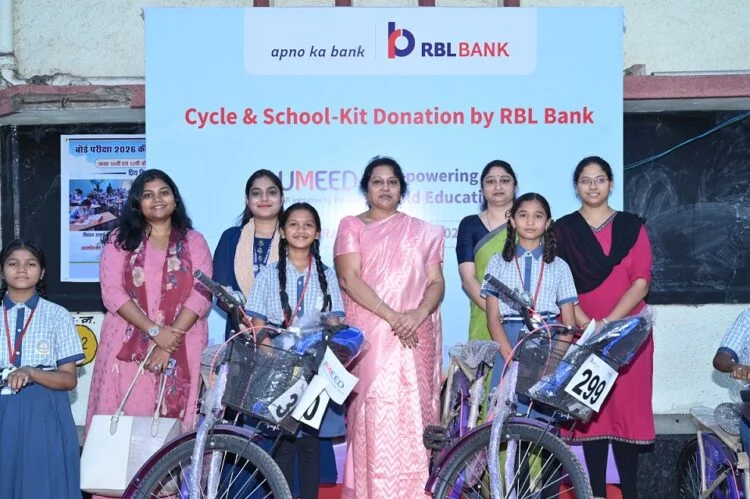
    Private lender RBL Bank has repurposed one of its CSR programmes under which aspiring low-income women entrepreneurs from Maharashtra and West Bengal were trained to manufacture 70,000 face masks which gave them a meaningful work and much needed economic

    Private lender RBL Bank has repurposed one of its CSR programmes under which aspiring low-income women entrepreneurs from Maharashtra and West Bengal were trained to manufacture 70,000 face masks which gave them a meaningful work and much needed economic support to their families during the COVID-19 crisis.

    Among other initiatives been undertaken as part of corporate social responsibility (CSR), the bank provided food relief to 1500 underprivileged families in Mumbai, medical devices to an hospital, laptops and tablets to school children of low income families for e-learning besides supporting migrant labourers, it added.

    In a statement, RBL Bank Human Resources, CSR and Internal Branding Head Shanta Vallury Gandhi said the bank enabled re-purposing of a CSR program managed by the NGO Natarajan Education Society (NES) in Pune (Maharasthra), that gave astounding results.

    NES trains women on tailoring and fashion designing to help them set up small business and self-help groups. But the bank gave an opportunity to these women to manufacture three ply cloth mask for distribution to front-line workers, business correspondents and branch staff and customers.

    “In a short duration of over two months, these women beneficiaries manufactured 60,000 masks distributed across the four zones in India,”the bank said.

    The women beneficiaries and NES in a short duration transited from classroom training to completely virtual environment in order to learn making high quality masks.

    Similarly in West Bengal, women Self Help Group (SHG) called Anandadhara manufactured 10,000 masks which were distributed locally in the East and North Eastern states.

    The bank has partnered with the West Bengal State Rural Livelihood Mission (WBSRLM) managed women SHG Anandadhara.

    “These activities hugely helped the women beneficiaries gain meaningful work and provided the much needed economic support that helped hike their overall family’s income, especially during the lockdown phase of COVID-19,” it added.