Category: Health
-
From darkness to dignity: Murlidhar’s journey of hope with ACC’s MSMM Program
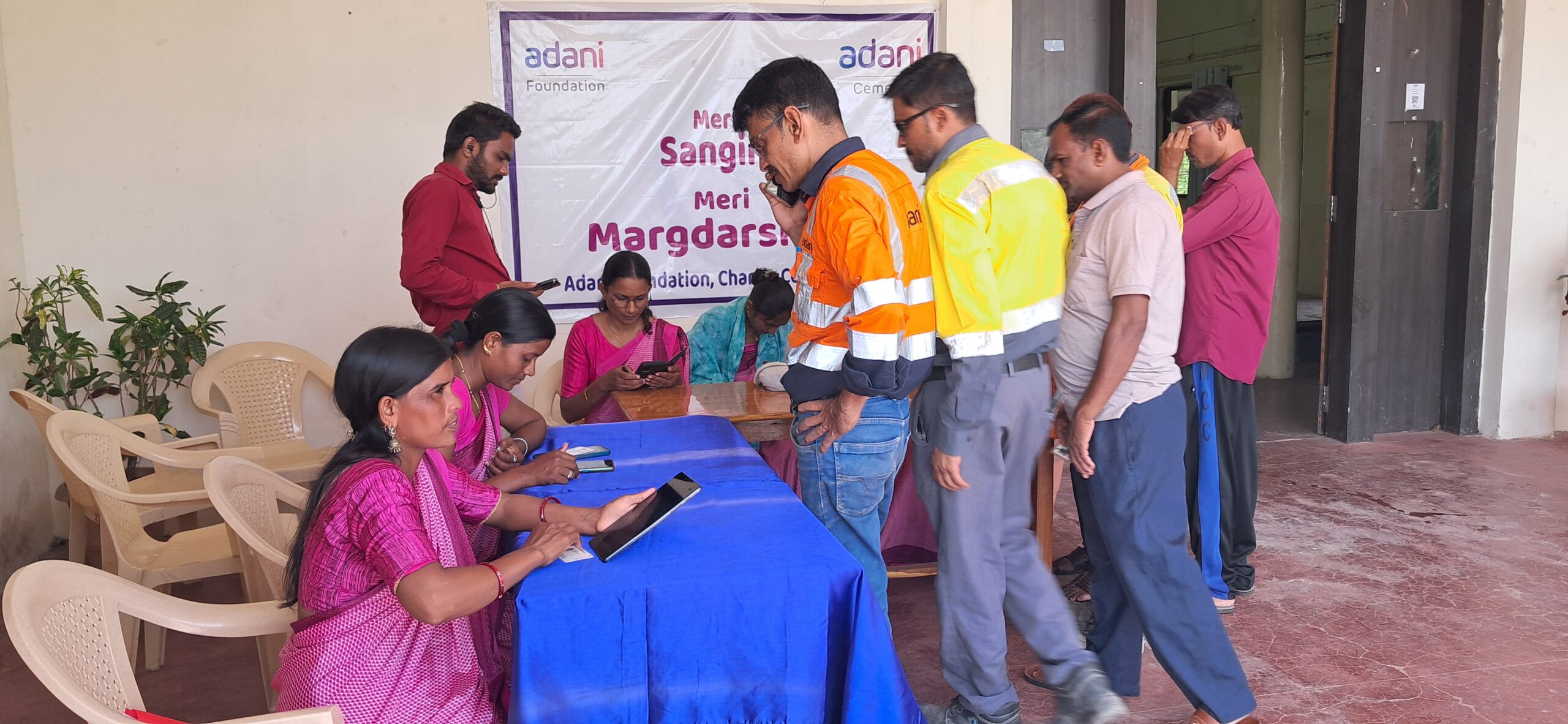
In the quiet village of Parmadoh, Chandrapur, Maharashtra, Murlidhar Waralu There — a farmer from an economically weaker family — faced a fading world due to an eye disease. Surgery was the only solution, but financial barriers stood in the way—until ACC, a leader in the Adani Portfolio, and the Adani Foundation brought hope through their Meri Sangini Meri Margdarshika (MSMM) program.
A Champion for Change
Mamatai Vabhitkar, a dedicated Sangini under the MSMM initiative, discovered Murlidhar’s struggle during a village meeting. With compassion and determination, she introduced him to the Ayushman Bharat Yojana, guiding him through enrollment and documentation. Thanks to her efforts, Murlidhar’s surgery was fully funded, saving him Rs 20,000 and restoring his vision.
With his eyesight back, Murlidhar resumed his work and regained his independence. His story inspired over 160 villagers in Parmadoh to enroll in the scheme, unlocking access to vital healthcare.
Building Stronger Communities
The MSMM program empowers women like Mamatai to bridge the gap between rural communities and government welfare schemes. Through ACC and the Adani Foundation’s efforts, families in Chandrapur are gaining access to healthcare, financial stability, and a brighter future.
-

Nagaland ropes in Vitamin Angels for child nutrition drive
The pilot’s formative research is slated to kick off by June-July this year.
In a bid to tackle malnutrition among children, the Nagaland government has partnered with Vitamin Angels India to roll out a special drive to provide vitamin A supplements and deworming tablets to kids under five years across three districts.
The National Health Mission (NHM) of Nagaland signed an agreement with the non-profit organisation to undertake the nutrition intervention in Dimapur, Niuland and Chümoukedima districts through 2024-25, an official statement said.
The project, extending an existing partnership, aims to strengthen nutritional interventions using an “implementation science” approach focused on community needs. An NHM-Vitamin Angels team will monitor the drive.
Only 46 per cent of Nagaland’s children aged 9-35 months received vitamin A doses as per National Family Health Survey (NFHS)-5 data, much lower than the 71 per cent national average. Vitamin A boosts immunity, and its deficiency can cause blindness and increase disease susceptibility.
“We’ve made progress in improving nutrition levels but need to do more. This pilot will help address supply-demand gaps,” said Dr Khelito Zhimomi, Joint Director at the state’s Reproductive, Maternal, Newborn, Child, Adolescent Health plus Nutrition (RMNCAH+N) wing.
Vitamin Angels India’s Shruti Menon stressed the NGO’s commitment to taking services to the “last mile” aided by the state’s resolve.
The pilot’s formative research is slated to kick off by June-July this year.
Vitamin A is crucial for boosting immunity and its deficiency can cause blindness, increase susceptibility to diseases like measles and diarrhoea among kids. Guidelines recommend nine doses at six-month intervals for under-five children from nine months of age.
-

Hyundai Motor India gives assistive devices to disabled
HMIL plans to provide a total of 684 such devices over three years to aid mobility, vision, hearing and communication of the disabled under the programme run by the Hyundai Motor India Foundation (HMIF) and Samarthanam Trust for the Disabled.
Hyundai Motor India Ltd (HMIL) has distributed 72 technologically advanced assistive devices, including hearing aids, wheelchairs and bionic limbs, to disabled people in partnership with an NGO as part of its social initiative “Samarth by Hyundai”.
HMIL plans to provide a total of 684 such devices over three years to aid mobility, vision, hearing and communication of the disabled under the programme run by the Hyundai Motor India Foundation (HMIF) and Samarthanam Trust for the Disabled.
The first “Samarth Assistive Devices Conclave” hosted by HMIL saw panel discussions on enabling inclusion through assistive technology, challenges around disability in India and investment in technologies for para sports.
“We aim to create a more inclusive society and ease the way of living for people with disabilities in India,” Tarun Garg, chief operating officer at HMIL, told the event.
The automaker said its global vision of “Progress for Humanity” was aligned with the initiative to empower the disabled.
Mahantesh G Kivadasannavar, founder of Samarthanam Trust, said the collaboration created “an inclusive society where technology and compassion converge to enhance the lives of people with disabilities”.
-

UP Govt and Vedanta join forces to address malnourishment
The five-month project aims to improve nutritional and health status of the targeted children through nutritious food
Vedanta Ltd has joined hands with the Uttar Pradesh government reaffirming its commitment to combat and eradicate malnourishment from the state by the year 2024.
Vedanta’s philanthropic arm, The Anil Agarwal Foundation plans to end all forms of malnutrition, including stunting and wasting in children under five years of age, and address the nutritional needs of pregnant and lactating women through its flagship CSR Project Nand Ghar, an official statement said.
Nand Ghar has partnered with Mealmile Nutrients, as a part of its thematic interventions on the right nutrition. Initiating a pilot project, the partnership is targeting to improvise the nutritional levels of 3000 malnourished children in the Araji line block of Varanasi.
Under the pilot, a Ready to Use Therapeutic Food (RUTF) in the form of a paste, manufactured by Mealmile Nutrients is being distributed by the district administration to each of the household having malnourished children in Varanasi.
The project aims to potentially improve the nutritional and health status of the targeted children by ensuring access to nutritious food. The ongoing pilot project is five months long and should be eventually assessed by the district administration.
On the occasion, Vedanta Resources Director Priya Agarwal said: “Project Nand Ghar is committed towards PM’s vision of a malnourishment-free India. It is our chairman’s dream to see no child goes to bed hungry. This partnership with the Government of Uttar Pradesh will strengthen our commitment to combat malnourishment among children and ensure a healthy future for them.”
The District Magistrate of Varanasi, Kaushal Raj Sharma said: “Malnourishment suppresses the development and growth of children. Our primary focus is to provide the necessary nourishment to the children so that they get the opportunity to grow to their full potential. With this partnership we shall ensure proper nourishment for the holistic development of the children, hence the nation.”
Currently, there are 950 Nand Ghars in the state of Uttar Pradesh, directly impacting the lives of 40,000 children and 30,000 women.
-

Quess partners with SMC to rid menstruation taboo
This collaboration is a step toward impacting the female workforce participation within Quess, enabling awareness of sustainable products as well as facilitating a safe and hygienic work environment for all gendered employees and their families.
Quess Corp, India’s leading business service provider, has entered into a corporate partnership with Sustainable Menstruation Coalition (SMC), a global coalition aiming to eradicate period poverty.
The partnership aims to positively impact over 400,000 plus Quess associates, 3000 plus corporate clients, 7000 plus core employees, and two million plus employee family ecosystem through company-wide menstruation awareness campaigns encouraging behavioural change and education on a wide scale.
The Sustainable Menstruation Coalition is a strategic alliance of companies and NGOs that uses innovative financing and on-ground activation to empower menstruators to choose sustainable menstrual hygiene products that benefit their health and wellbeing. Through this collaboration, Quess Corp and SMC will together tackle workplace stigma and taboos and promote sustainable menstruation practices among the workforce and their larger ecosystems to impact health, sustainability goals, and gender parity at the workplace.
Quess aims to become a Period Victory workplace which provides access to sustainable menstruation products and celebrates dignified menstruation free of shame or stigma. This collaboration is a step toward impacting the female workforce participation within Quess, enabling awareness of sustainable products as well as facilitating a safe and hygienic work environment for all gendered employees and their families. Further, this partnership extends to schools and educational institutes as part of Quess Corp’s CSR arm, Careworks Foundation (CWF).
Lohit Bhatia, President of Workforce Management, Quess Corp, spoke on the partnership and said, “We believe that social security can only be achieved through formal employment. This is what workers of all classes need, including women. One of the biggest deterrents for women entering the workforce is the discontinuation of education when they hit puberty due to a lack of toilets in public schools or access to hygienic menstruation products.
Something as natural as periods cannot put a girl child’s access to education and future employment at risk. We are confident that through this partnership, we should be able to make a difference in the lives of several little girls who aspire for a financially secure future.”
Reports maintain that 64% of Indian women do not have access to menstrual hygiene products, while 23 million Indian girls drop out of school annually after they start their period. It is also estimated that women in India miss 50 days of work a year due to their menstrual cycles. The scale of unawareness and lack of access to hygienic health accessories contributes to the low participation of women in the workforce as these factor into the education of girls and, consequently, the employment of women in the workforce.
“Even in our workforce, we have been striving to improve women’s participation and seeing a quarter-on-quarter increase in their enrolment. To continue this momentum till it reaches the desired level, steps like creating awareness and giving access to hygienic menstruation products will go a long way”, added Bhatia.
The Sustainable Menstruation Coalition (SMC) aims to empower menstruators in India to gain awareness of menstrual hygiene practices by adopting sustainable menstruation products. The coalition intends to positively impact the reduction of waste and greenhouse gas emissions to provide sustainable menstrual products to 100 million menstruators across India by 2030.
Imran Wali Ahmad, Managing Director, TrueFootprint & Founding Member, SMC, added, “As the non-profit Project Drawdown highlights, one of the most impactful solutions for climate change lies in girls’ education; one of the biggest barriers identified is poor menstrual hygiene practices. We are hopeful that with the support of like-minded institutions like Quess, we should be able to reach our common goal of providing sustainable menstrual products to 100 million women and girls across India in the next seven years, in alignment with the UN’s 2030 SDG targets.”
As part of the initiative, SMC has actioned a baseline survey with female employees at Quess to understand their comfort level, menstrual knowledge, and access to period products. An awareness program specialised in the survey findings will be undertaken to sensitise menstruators about period hygiene and introduce them to sustainable/alternate products.
All genders of the workforce will be a part of this program to encourage continuous learning of the menstrual landscape and normalise the phenomenon. Further, knowledge dissemination through sensitisation seminars, workshops, and donation campaigns will also be undertaken to aid menstruators outside the company.
-

SBI Sanjeevani now serves Himalayan towns
SBI Foundation partnered with Borderless World Foundation to provide primary, preventive, diagnostic, curative and referral health services at the doorstep of the communities in the remote villages of Bandipore and Kargil districts.
The SBI Foundation’s mobile medical unit project, SBI Sanjeevani – Clinic on Wheels, will soon service Bandipore, Jammu & Kashmir and Kargil, Ladakh. This has become possible after SBI Foundation partnered with Borderless World Foundation to provide primary, preventive, diagnostic, curative and referral health services at the doorstep of the communities in the remote villages of Bandipore and Kargil districts.
The mobile medical units, funded by SBICap Securities, were flagged off by Bhagwat Karad, Union Minister of State for Finance in the presence of Amitava Chatterjee, CGM, SBI Delhi Circle, Lalit Mohan, President and COO, SBI Foundation and officials from Borderless World Foundation and SBICap Securities.
SBI Sanjeevani – Clinic on Wheels is currently being implemented in 21 States and Union Territories in our country, covering over 400 remote villages and serving a population of close to 5 lakh.
These mobile medical units are equipped with state-of-the-art diagnostic facilities and accompanied by a dedicated medical team consisting of a doctor, lab technician and pharmacist. Along with the clinical facilities, these units will also run specialised health and awareness camps in these remote villages. This project also leverages collaborations with the state and local health departments/medical colleges for support.
Speaking at the event, MoS Finance Karad said, “The SBI Sanjeevani – Clinic on Wheels is a unique initiative where the state and local health departments, local NGOs and SBI Foundation work in unison. I am grateful to SBI Foundation, SBICap Securities and Borderless World Foundation for these efforts to serve communities in the most remote areas of our country, specifically in Bandipore and Kargil.”
“Serving rural communities is one of the core ethos of the State Bank of India. As a corporate citizen, SBI is undertaking various CSR initiatives, thus helping nation-building.” Amitava Chatterjee, CGM, SBI Delhi Circle, said.
Lalit Mohan, President and COO, SBI Foundation, shared, “Our SBI Sanjeevani initiative makes primary healthcare services accessible to our rural and remote population and improves the health status of villages and induces behavioural changes in health, hygiene and sanitation practices within the community. Shortly, we further look to extend this initiative to all states and union territories in our country, to serve our rural and remote communities.”
SBI Foundation is the CSR arm of the State Bank of India. True to its tradition of service beyond banking, the foundation currently works in over 27 states and union territories of India on rural development, healthcare, education, livelihood and skill development, youth empowerment, promotion of sports, and more.
-

Bayer launches oxygen plant in Sambalpur
The plant has been set up in Sambalpur with a capacity to supply up to 100 beds in the hospital and aims to fulfill the critical need for medical-grade oxygen in a hospital.
Bayer, a global enterprise with core competencies in the life science fields of health care and nutrition, on Friday unveiled an oxygen plant with 500 LPM capacity, at SDH Rairakhol in Sambalpur district of Odisha, as part of its CSR initiative focusing on strengthening healthcare facilities in rural and underserved parts of India.
Apart from the Sambalpur district of Odisha, Bayer is also setting up oxygen plants in the Raichur district of Karnataka, Tikamgarh in Madhya Pradesh, and Guwahati in Assam.
Inaugurating the new plant, Sambalpur District Magistrate and Collector Dibya Jyoti Parida said: “The private sector can play an important role in supporting the government to strengthen health facilities across the country. We thank Bayer and LobourNet for taking up the initiative of setting up this plant.”
The plant has been set up in Sambalpur with a capacity to supply up to 100 beds in the hospital and aims to fulfill the critical need for medical-grade oxygen in a hospital, the company said in a statement.
The pressure swing absorption (PSA) Oxygen plant will generate, supply and store 93-95 % Pure Medical Oxygen for about 100 Oxygenated beds. This will allow the hospital to also run coronary care units (CCU), intensive care units (ICU) and Operation Theatres (OT) in the future.
The sub-divisional hospital currently has a 100-bed capacity and the newly installed oxygen plant is scaled to serve over 400 patients in need of oxygen support every month.
The dedicated oxygen plant will ensure a steady and stable supply of oxygen to the needy patients in the hospital, a critical factor in saving lives.
Speaking on the launch, Rachana Panda, Vice-President, and Country Head- Communications, Public Affairs, and Sustainability, South Asia, Bayer said, “The recent pandemic has highlighted the need to upgrade our health infrastructure, especially in the hinterland. …It is always our endeavor to provide better nutrition and healthcare facilities to the local communities and I hope that this plant will be an important step in that direction.”
The hospital caters to a population of almost 70,000 residents in the area and with the activation of the oxygen plant, critical patients in need of oxygen will get the much-needed supply directly from the plant.
—
Mitsubishi Electric India donates air conditioners to Polytechnic Industrial Training InstituteMitsubishi Electric India has donated and installed air conditioners in two labs of the Polytechnic Industrial Training Institute located in Manesar, Gurugram, as part of its CSR initiative.
Air conditioners have been installed in Highway Engineering Lab and Soil, and Foundation Engineering Lab of the institution, the company said in a statement.
The objective is to support the infrastructure of the Government Polytechnic Industrial Training Institute and help it excel so that students can get a comfortable environment to study and progress, it said.
A similar activity will be carried out by the company in 10 cities to support educational and health institutions, it added.
The company’s CSR activities include Skill Development, Community Development and Climate Action.
-
STFC ties up with Skill India to train 1000 drivers for transporting oxygen tankers
Commercial vehicle financer Shriram Transport Finance Company (STFC) on Tuesday said it has partnered with Skill India to train 1000 drivers to ensure seamless and accident free transportation of oxygen tankers. With an objective to streamline Liquid Medical Oxygen
Commercial vehicle financer Shriram Transport Finance Company (STFC) on Tuesday said it has partnered with Skill India to train 1000 drivers to ensure seamless and accident free transportation of oxygen tankers.
With an objective to streamline Liquid Medical Oxygen (LMO) Tankers supply chain amidst the pandemic, STFC has launched a CSR initiative — Shriram Seva Sankalp LMO Driver Training. The campaign aims to upskill 1000 experienced heavy and medium vehicles drivers to carefully handle and transport Cryogenic LMO Tankers.
According to STFC, over 500 drivers have successfully completed their training in January 2022, the company aims to certify the remaining 500 drivers by March 2022.
The shortlisting of experienced heavy motor vehicles (HMV) drivers to enroll for the capacity building training program was conducted at the approved training centers funded by STFC at multiple locations including Maharashtra, Jharkhand, Gujarat and Tamil Nadu.
The Holistic Cryogenic Medical Oxygen Tanker Driver Training Program will offer the trainees a deep-dive into the theory, hands-on practice on simulators, handling of hazardous cargo tanker and in-plant LMO loading and unloading along with all other safety precautions to be taken.
This will help in creating a pool of skilled drivers to transport cryogenic medical oxygen tankers owing to its growing significance in medical management of COVID-19 across hospitals.
Post the successful completion of the training program, the drivers will be awarded with a certification by the Logistics Skill Council.
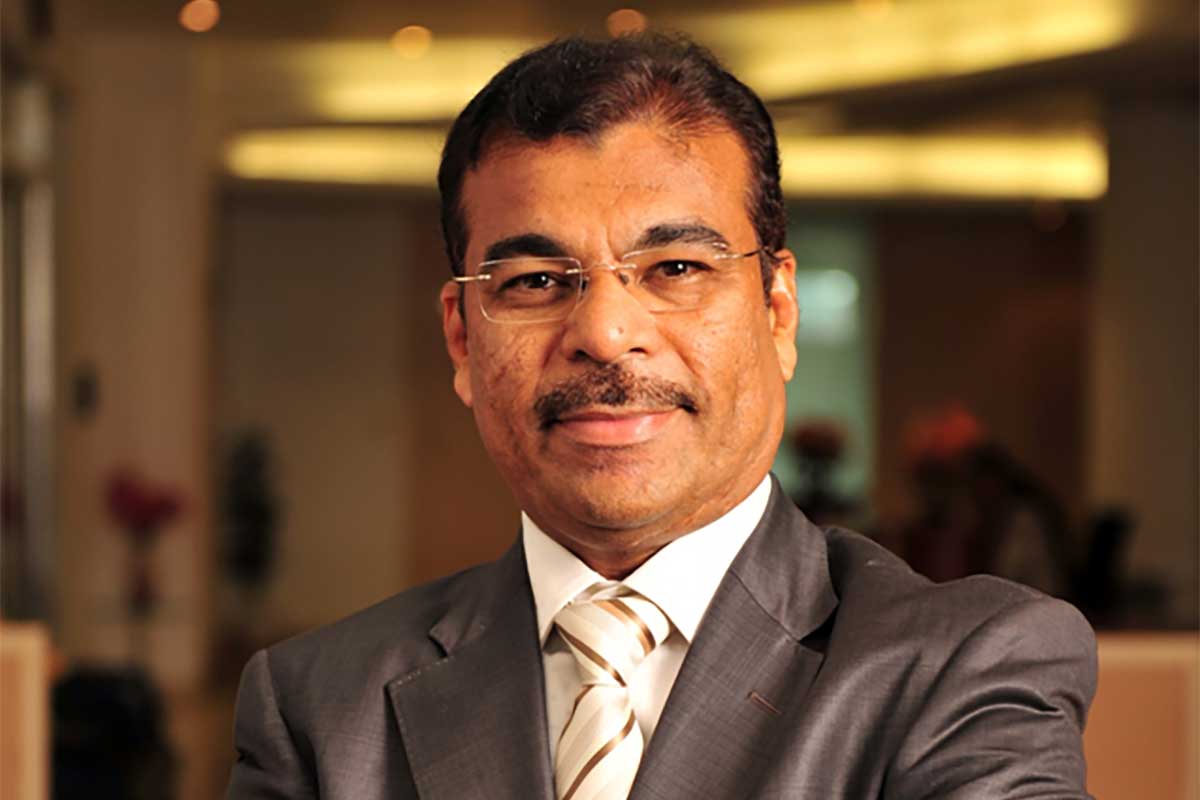
Speaking about the initiative, STFC Vice Chairman and Managing Director Umesh Revankar said: “The need for skilled drivers to operate oxygen tankers was felt in 2021 owing to the acute shortage of oxygen in the country.”
As India braces towards meeting challenges of the third wave of the pandemic, Revankar said the company’s endeavor is to once again provide continuous support to the society.
“Thus, we have stepped up to the opportunity and decided to work together with the government to avert a similar situation in the future,” he said.
Since the start of the CSR training program, over 10,000 candidates have been trained to drive heavy and light motor vehicles with ease, he added.
Skill India is an initiative launched by the Ministry of Skill Development and Entrepreneurship in 2015 with an aim to train Indians in different industry-related jobs. The Ministry is responsible for coordination of all Skill Development efforts across the country, removal of disconnect between demand and supply of skilled manpower, and building the vocational and technical training framework.
STFC through its partner DB Skills is working in collaboration with National Skill Development Corporation (NSDC) to upskill drivers.
Recently, STFC Ltd had also organized a vaccination campaign for truck drivers titled ‘Highway Heroes’ in collaboration with TV9 Network and Apollo Hospitals.
The month-long campaign initiated to vaccinate 6000 drivers was inaugurated in Chennai and executed in transportation hubs in five cities including Chennai, Hyderabad, Nalagarh, Kolkata and Dharuhera.
-
Crypto Relief joins had with DFY to handle third wave
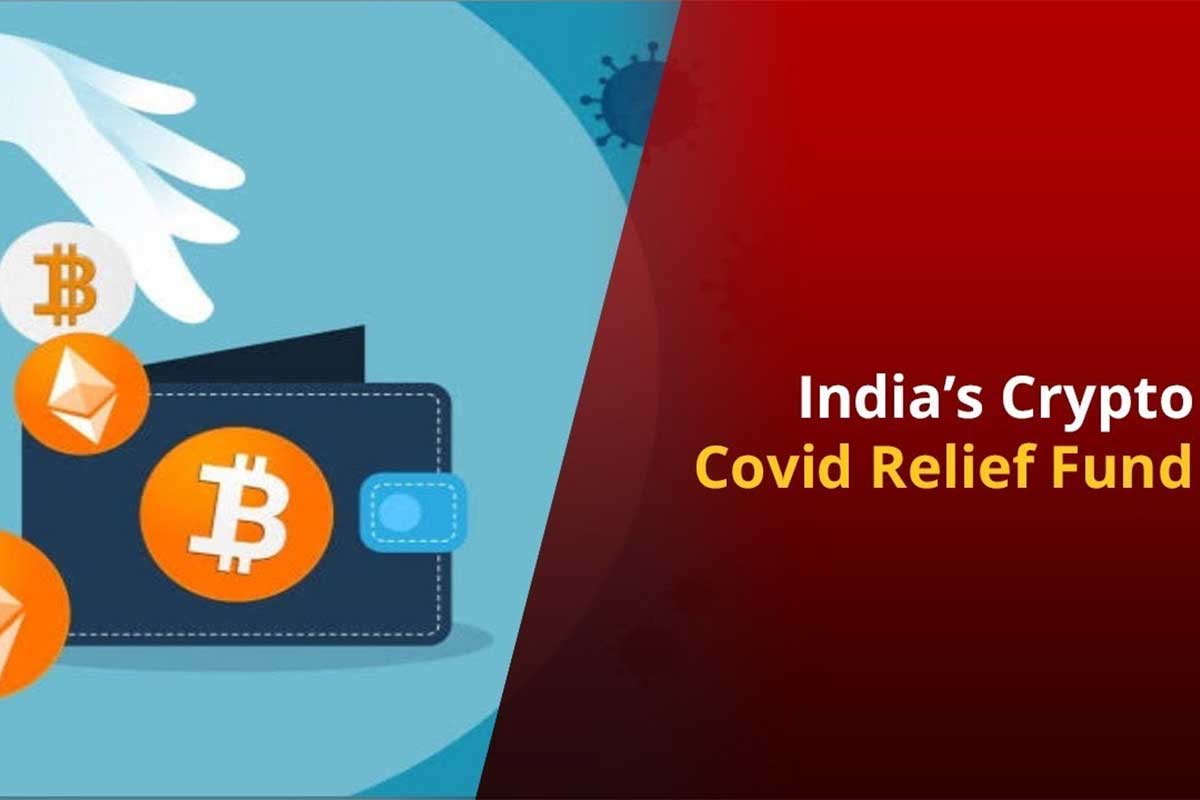
Doctors For You (DFY) has established 5 COVID hospitals across India to help deal with the third wave of COVID-19. As part of what is being termed as the Crypto Relief initiative, 1000 beds, with 70 ICU beds and 130 pediatrics beds, have been put in place
Doctors For You (DFY) has established 5 COVID hospitals across India to help deal with the third wave of COVID-19. As part of what is being termed as the Crypto Relief initiative, 1000 beds, with 70 ICU beds and 130 pediatrics beds, have been put in place.
A collaboration has been formed with the district administration in Haryana, Uttar Pradesh, Bihar, Maharashtra and Karnataka. The doctors who would help treat patients at these designated locations are Tau Devilal Stadium, Gurugram, Public Hospital, Lucknow, Patliputra Stadium, Patna, SRA, Mumbai and KPCL Hospital, Bangalore.
The intervention encompasses strengthening the health institutions with the required infrastructure, expert workforce, and other essential resources. This includes providing health establishments with necessary facilities, including HDU and oxygen beds. The current staffing is equipped to handle Pediatric cases, which are the critical concern under Omicron pandemic spread.
Talking about this initiative, Sandeep Nailwal, Founder of Crypto Relief, said, “Amid 3rd wave of COVID, we are closely working with the group of health institutions to provide healthcare needs during this surge. The infrastructure provided by CRF will help with quality healthcare services and aid relief from the major health crisis.”
In addition, Nailwal’s Crypto Relief fund was instrumental in building rural and tribal district’s capacity in 6 districts for the COVID current wave, where far-flung communities such as Pulwama, tribal areas such as Lasadiya and aspirational districts such as Nuh have been provided necessary medical capital equipment, medical personnel and capacity building to support healthcare services to impact health outcomes directly and additionally adding 500 more COVID beds in remote Areas.