Prime Minister Narendra Modi on Friday marked World Environment Day by highlighting how his government’s initiatives over the past decade have driven expanding green cover and boosted populations of several animal species across India.
In a post on X, Modi applauded citizens’ collective efforts, backed by science, innovation and policy, in improving the environment. He described the day as a reminder to reaffirm commitment to sustainable growth and environmental protection.
“Some of India’s key successes include expanding green cover and a rise in the population of several animals,” Modi said.
The Prime Minister pointed to notable conservation achievements, including recovery programmes for the Great Indian Bustard, snow leopards, sloth bears and cheetahs. He also credited the ‘Ek Ped Maa Ke Naam’ initiative with adding nearly 119,000 hectares of forest cover annually.
Guided by the principle of ‘One Earth, One Family, One Future’, the government will continue its Mission LiFE efforts toward a cleaner, greener and more sustainable planet, he added.
World Environment Day, observed annually on June 5, was established by the United Nations Environment Programme in 1973 and remains one of the largest global platforms for environmental awareness. Azerbaijan is hosting the 2026 celebrations.
SOS Children’s Villages India has launched a nationwide sapling plantation drive, planting more than 5,000 saplings to mark World Environment Day, engaging children, caregivers, and local communities in environmental conservation efforts.
The initiative, aligned with this year’s theme “Inspired by Nature. For Climate. For Our Future,” spans 32 SOS Children’s Villages and multiple Family Strengthening Programme locations from Jammu & Kashmir to Tamil Nadu and Gujarat to Assam.
The plantations include a mix of fruit-bearing, medicinal, native, and climate-resilient species such as neem, moringa, mango, gooseberry, guava, lemon, jackfruit, and custard apple.
“Environmental sustainability is closely linked to child well-being and community resilience. Through this plantation drive, we aim to contribute to a greener future,” said Sumanta Kar, CEO, SOS Children’s Villages India.
He added that every sapling planted represents a commitment to future generations and a healthier planet.
Latur recorded the highest number with over 2,000 saplings, while Shillong focused on medicinal and wild edible species through partnerships with local stakeholders. Several locations prioritised fruit-bearing and indigenous varieties to support both ecological restoration and community well-being.
SOS Children’s Villages India has partnered with local institutions and government bodies to enhance community participation in this World Environment Day initiative.
Environmental challenges spanning waste management, agriculture, and clean technology are creating significant opportunities for India’s circular economy, according to Suranjana Ghosh, Head of Marico Innovation Foundation.
India generates an estimated 350 million tonnes of agricultural waste annually, much of which holds substantial industrial and economic potential if converted into valuable resources rather than discarded.
“Environmental challenges today are increasingly interconnected… Across sectors, we are seeing growing evidence that environmental challenges can be addressed through practical solutions,” Ghosh said.
She emphasised that sustainability is now viewed as an opportunity to create economic value, citing innovations that convert crop residue into sustainable materials, fuels, and industrial inputs, alongside waste-to-value technologies that strengthen recycling ecosystems.
“More than innovation itself, the challenge today is creating the right conditions for adoption. Access to markets, industry partnerships and implementation support will be critical,” Ghosh added.
As World Environment Day 2026 focuses on climate action, Ghosh called for translating innovation into measurable outcomes to build a USD 2 trillion circular economy that could generate 10 million jobs by 2050.
“India does not lack innovative solutions… the focus must be on translating innovation into measurable outcomes that strengthen circularity, improve resource efficiency, and create long-term impact,” she said.
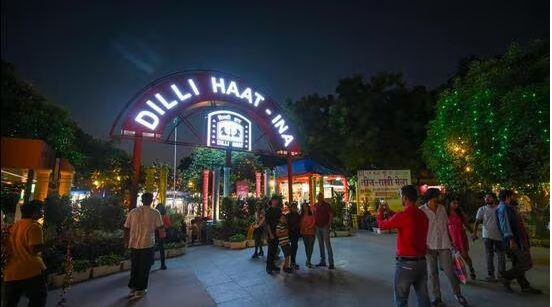
The partnership targets three key areas at the 30-year-old craft bazaar: greener landscaping, upgraded promenade lighting to extend evening footfall, and hygiene improvements to washroom facilities — changes designed to serve the hundreds of artisans from across India who depend on the haat as a primary marketplace.
The announcement aligns with Delhi’s broader push to develop a night-time tourism economy.
“Dilli Haat-INA is a perfect example of an evening destination that supports our vision,” said Rekha Gupta, Chief Minister of Delhi, adding that the government is committed to positioning Delhi as a leading global destination.
“We are also focused on building a strong night tourism economy that allows visitors to experience the city well beyond sundown.”
Art, Culture and Tourism Minister Kapil Mishra described the market as a meeting point between artisans who bring crafts from across the country and visitors who come to experience India’s heritage.
“Collaborations like this one with MakeMyTrip Foundation help us deliver tangible improvements on the ground,” Mishra said.
DTTDC Managing Director Suneel Anchipaka, IAS, said improved lighting would be critical as Delhi scales its evening tourism offering, making the haat more inviting for families well into the night.
For MakeMyTrip Foundation, the Dilli Haat INA renovation marks a first step into urban cultural tourism, following a decade of work in afforestation, mangrove plantation along the Gujarat coast, and community-based tourism in the Himalayas.
“Our aim here is not only to enhance the visitor experience but also to contribute to making this space more sustainable,” said Rajesh Magow, Co-Founder and Group CEO of MakeMyTrip and Managing Trustee of the Foundation.
Dilli Haat-INA, located in south Delhi’s INA colony, has operated for over three decades as a permanent crafts fair hosting artisans from every state, from Kashmir to Kanyakumari.
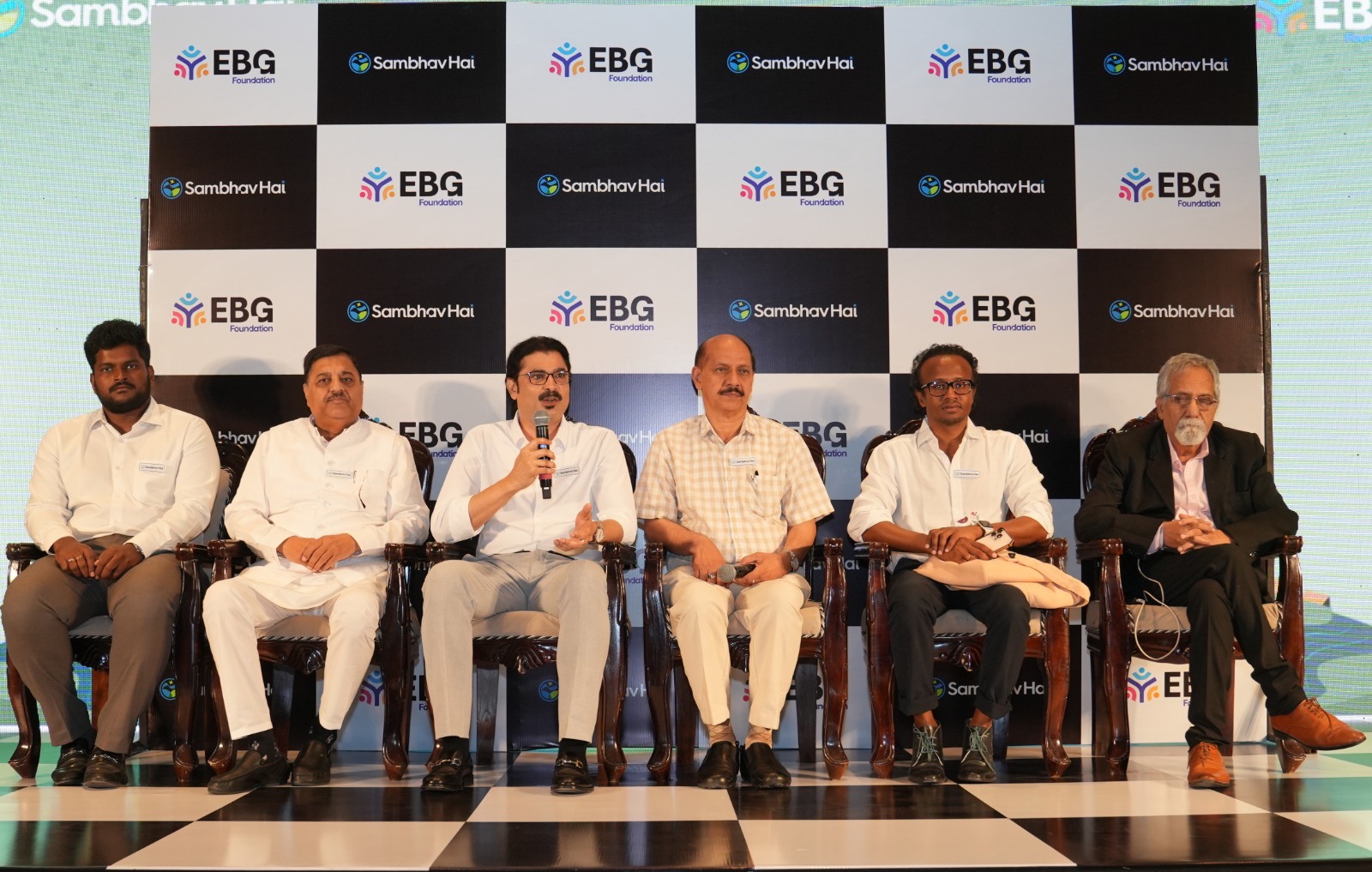
EBG Foundation launched Sambhav Hai on Earth Day, a nationwide rural sustainability programme spearheaded by EBG Group Founder and Chairman Dr Irfan Khan, targeting carbon-neutral villages across India through a phased, data-driven framework that begins with the adoption of Charla Thanda village in Telangana’s Nalgonda district.
The initiative marks one of the most ambitious grassroots climate programmes announced in India this year, with a Rs 30 crore allocation for its first phase covering 50 villages, expanding to 150 villages in Year 2 and scaling to 750 villages in Year 3 with government institutional support. The programme aims to reduce carbon emissions by 10 to 20 percent within the first year, progressing toward full carbon neutrality within three years.
“Real change cannot come from isolated interventions. With Sambhav Hai, we are building a model where environmental sustainability, economic progress, and community ownership go hand in hand. Our aim is to empower villages with the tools, data, and accountability systems they need to lead their own transformation and contribute meaningfully to India’s climate goals,” said Dr Irfan Khan, Founder and Chairman, EBG Group
At Charla Thanda, on-ground interventions have already begun with household-level data mapping to establish a comprehensive climate and resource baseline. The programme will focus on improving access to safe drinking water, strengthening groundwater recharge systems and implementing structured waste segregation and composting solutions. Afforestation drives and regenerative land practices will run in parallel, with local volunteers trained to sustain efforts over the long term.
The village is being developed as a live demonstration of the Foundation’s Minus One Village model — a replicable blueprint designed to be scaled across regions and geographies.
“Sambhav Hai’s success will be tracked through a robust framework that integrates water, energy, waste, food and land systems, along with carbon footprint metrics under the Minus One Village model. This ensures that the impact is measurable, accountable, and scalable across geographies.” — Suresh Goyal, Additional Director, EBG Foundation
“What began as a simple idea has evolved into a powerful movement for large-scale transformation. By placing villages at the centre of climate action and bridging the gap between policy and on-ground implementation, Sambhav Hai creates a pathway for communities to actively lead India’s journey towards environmental resilience.” — Ranjitha M, Additional Director, EBG Foundation
In parallel with its phased village rollout, the Foundation said it would initiate work across multiple states as part of a broader national expansion, extending the programme’s footprint beyond Telangana into a pan-India rural sustainability movement.
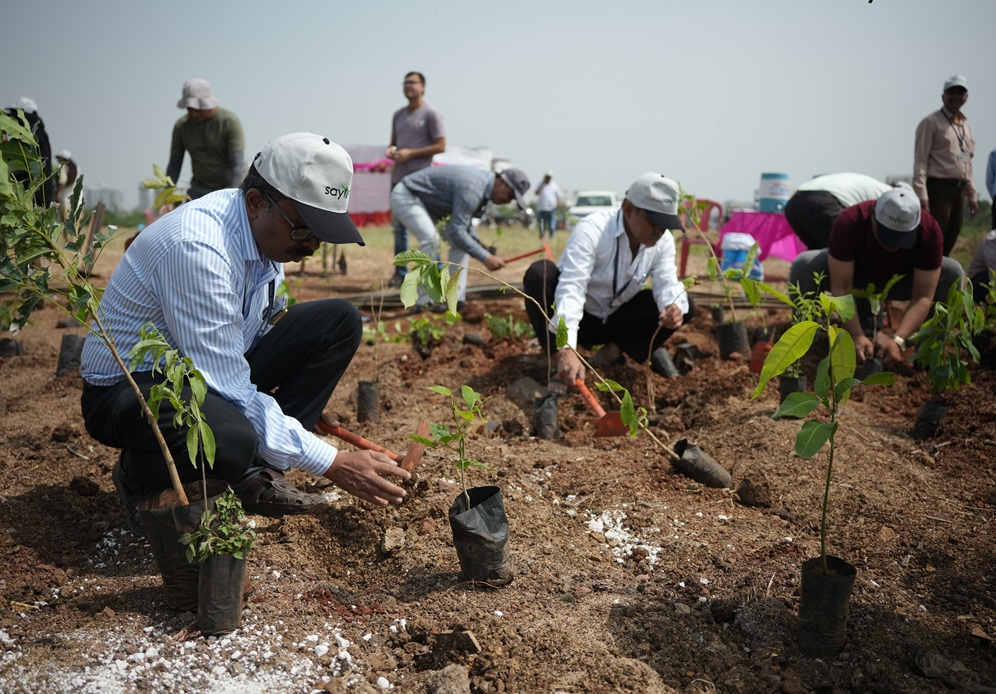
Every monsoon, plantation drives sweep across India. Corporate volunteers gather, saplings are planted, photographs are taken, and annual CSR reports celebrate impressive numbers.
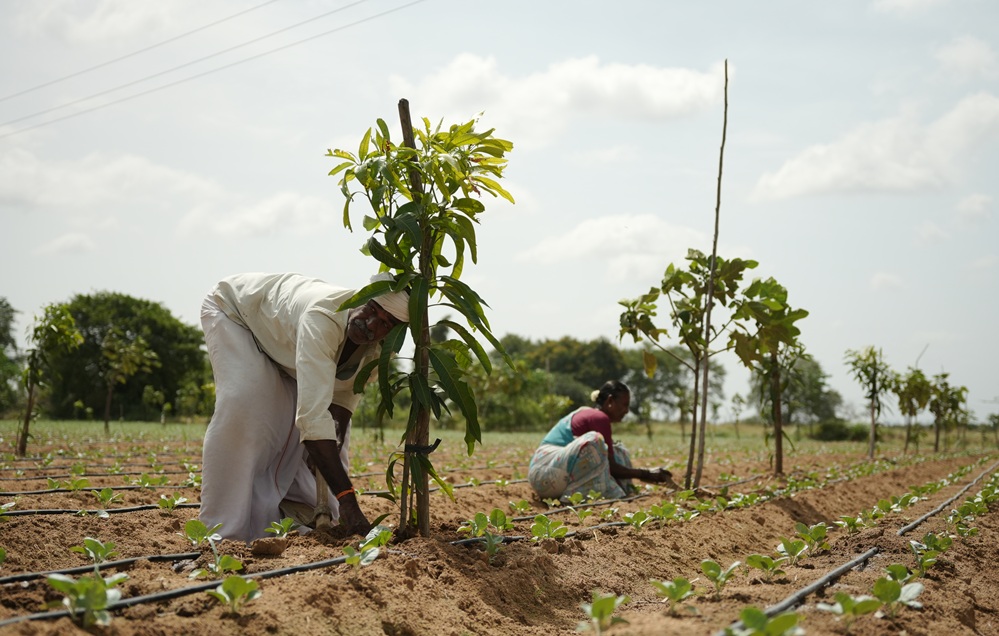
But after the cameras leave, the real question begins: how many of those saplings will survive five years later? Programs such as those implemented by SayTrees Environmental Trust demonstrate this shift, with over 9 million saplings planted across 20,000+ hectares of farmland supporting more than 25,000 farmers through agroforestry systems, capturing over 120,000–160,000 tonnes of CO₂ annually while improving soil health and farm resilience.
Planting a tree is the easiest part of the process. Protecting it, nurturing it, and allowing it to become part of a thriving ecosystem is the real work. And that work does not end with a plantation event, it begins there. Such agroforestry landscapes can capture over 120,000–160,000 tonnes of CO₂ annually while improving soil health and farm resilience.
India’s climate ambitions demand more than symbolic greening. They demand ecological integrity.
India has committed to creating an additional carbon sink of 2.5 to 3 billion tonnes of CO₂ equivalent by 2030 through increased forest and tree cover. Achieving this target cannot depend on plantation numbers alone, it requires ecosystems that survive and mature.
Recent debates around commercial plantations and forest leasing have renewed an old question: what qualifies as a forest? A plantation, especially one driven by short-term economic returns, is not automatically a forest. Forests are living systems composed of native species, layered canopies, soil microbiology, water cycles, and biodiversity networks that evolve over decades.
When restoration is reduced to numbers, ecological complexity is lost.
Across the country, survival rates of plantation drives often drop sharply after the first few years due to inadequate maintenance, poor species selection, water stress, grazing pressures, and lack of community engagement. Reviews of afforestation efforts by institutions such as the Comptroller and Auditor General (CAG) have pointed to gaps between plantation targets and long-term ecological outcomes. A sapling in the soil is only the first step in a 20-year ecological journey. Without protection and monitoring, it rarely becomes a mature canopy.
A living forest, particularly in urban and peri-urban landscapes, performs multiple functions simultaneously. According to research by the Forest Survey of India (FSI) and studies by institutions such as IISc Bengaluru, dense native tree cover can help moderate urban heat, reduce runoff during heavy rainfall, stabilise soil, and improve air quality. As Indian cities experience rising temperatures and more intense rainfall events, these ecological services are no longer optional, they are essential infrastructure.
But these benefits emerge only through thoughtful ecological design: native species diversity, multi-layered canopy planning, soil restoration, and long-term stewardship.
Equally critical is community partnership. Restoration efforts that exclude local communities rarely endure. Evidence from Joint Forest Management initiatives across India shows that when local communities participate in protection and monitoring, survival and regeneration outcomes improve significantly.
Ecological restoration is not merely a technical exercise; it is a long-term social commitment.
CSR in India has the potential to support meaningful ecological regeneration, but only if it shifts from annual plantation targets to multi-year restoration commitments. This means budgeting not only for saplings, but for maintenance, monitoring, and biodiversity support over five to ten years.
Climate action cannot be reduced to a photo opportunity.
India does not need more one-day plantation drives. It needs living forests, biodiverse, climate-resilient ecosystems that are designed to thrive long after the CSR cycle ends.
If corporate responsibility is to truly serve climate resilience in 2026 and beyond, the shift is clear: from planting trees to growing forests with life. Planting is an act. Growing is a commitment. And the future of India’s climate leadership depends on choosing the latter.
The writers are founder and co-founder of Bengaluru-based NGO SayTrees Environmental Trust.
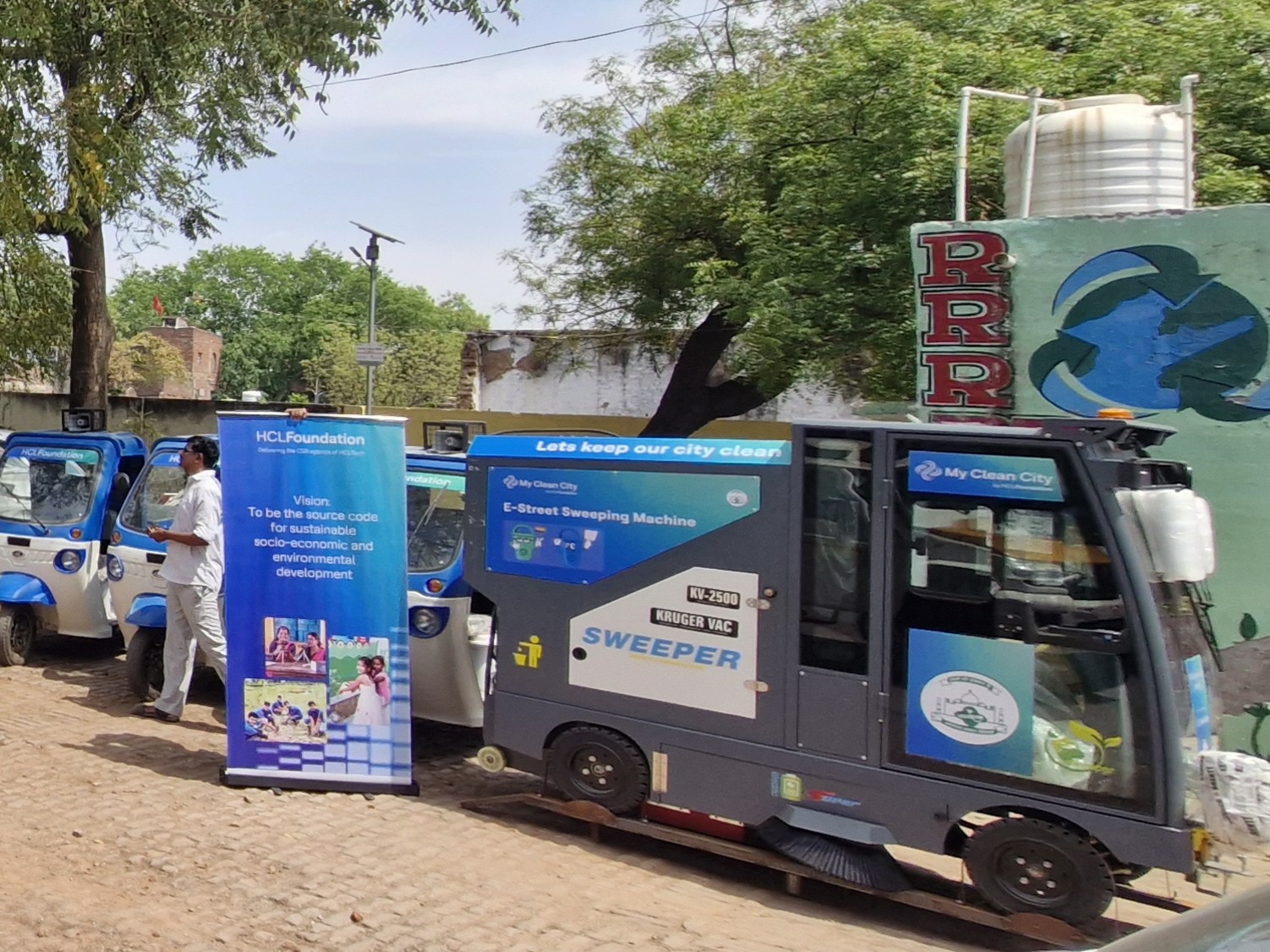
HCLFoundation, which drives the corporate social responsibility agenda of HCLTech in India, announced on Monday the expansion of its My Clean City program to Agra, Uttar Pradesh — the first city outside the Noida–Greater Noida belt to receive the initiative since its 2019 launch.
As part of the rollout, the foundation donated 10 e-drain carts, two e-street sweeping machines and one HomoSep robot — a mechanised septic tank cleaning device — to Agra Nagar Nigam, the city’s municipal body. The equipment is intended to reduce hazardous manual work while improving the scale and consistency of urban waste management.
The HomoSep robot, already deployed in Gautam Buddha Nagar, has cleared more than 100,000 litres of sludge across 452 manholes and sewer sites — removing sanitation workers from direct exposure to toxic conditions. The device represents a broader pivot within the program toward mechanisation as a tool for worker safety.
Since its launch, My Clean City has engaged nearly 750,000 citizens through behavioural sensitisation drives and trained more than 61,000 stakeholders on waste management practices. The program has managed over 17,000 tonnes of waste in Noida and Greater Noida, and runs a Waste Champions Club involving more than 2,400 school students.
The initiative also carries a social welfare component. Under its Social Inclusion of Sanitation Workers program, 200 sanitation worker families in Gautam Buddha Nagar receive support across health, education, financial literacy and skill development — a recognition that sustainable sanitation reform extends beyond infrastructure.
Five biogas plants, each processing between 1,500 and 1,800 kg of cow dung daily, have been established in the region as part of complementary clean energy efforts, generating fuel from waste material.
HCLFoundation said the Agra expansion reflects a strategy of replicating proven urban sanitation models in new municipal geographies. The foundation, which reported having positively impacted over 7.5 million lives to date, focuses thematically on education, health and sanitation, skill development, environment, and disaster risk reduction.
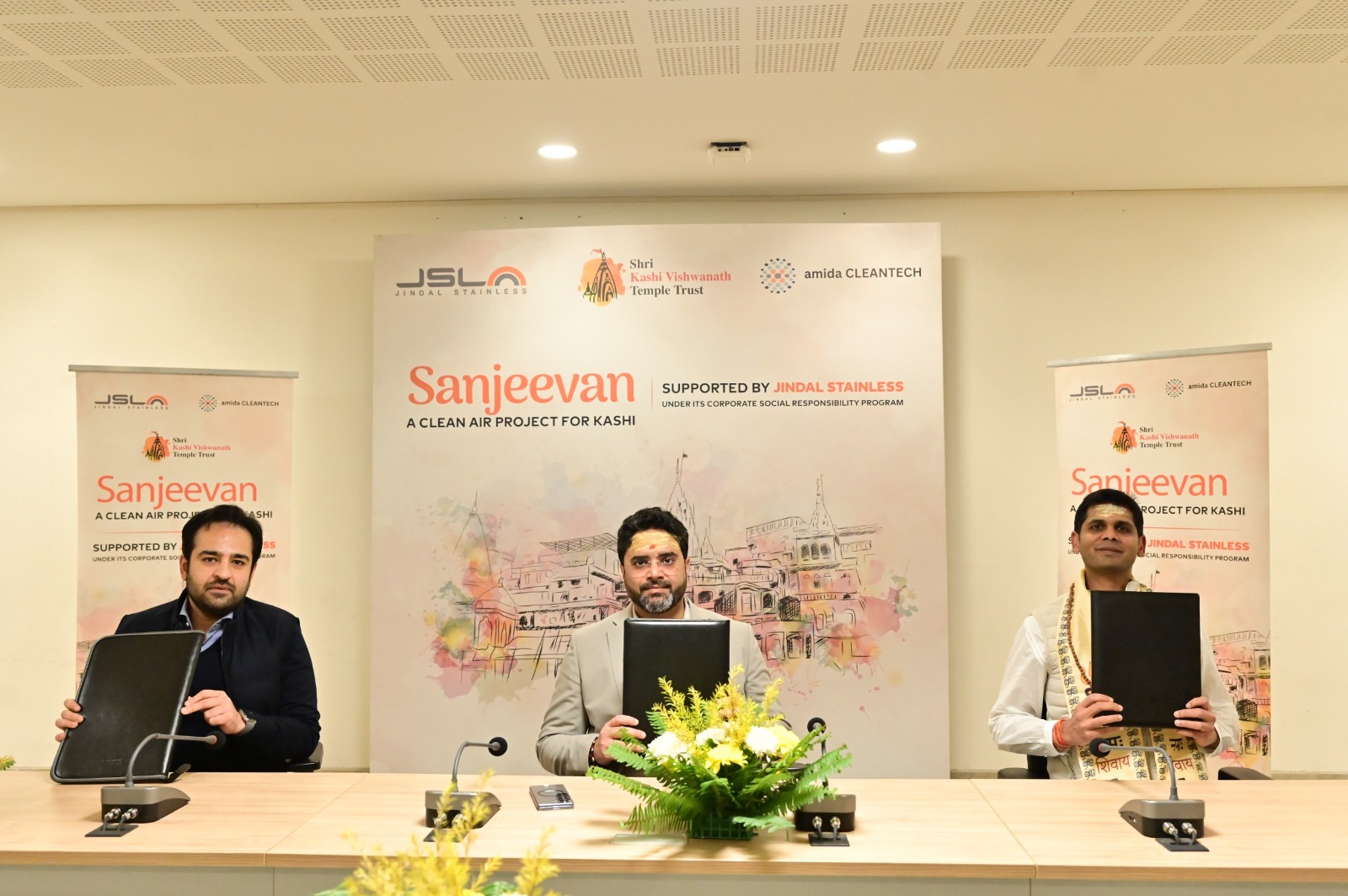
Jindal Stainless Limited, India’s leading stainless steel manufacturer, has launched Sanjeevan air purification at the Shri Kashi Vishwanath Dham (SKVD) complex in Varanasi, marking the company’s single largest corporate social responsibility initiative to date.
The breakthrough project targets the dense particulate haze generated by burning funeral pyres at the adjacent Manikarnika Ghat, one of Hinduism’s most sacred cremation sites.
The programme is being executed in partnership with Amida Cleantech Private Limited (AMIDA), whose proprietary ACE+ technology — independently verified by NITI Aayog — forms the operational backbone of the system. Fifty-eight stainless-steel purification units, installed on the SKVD Ramp Building that flanks Manikarnika Ghat, collectively process more than 3,00,000 cubic metres of ambient air per hour.
How ACE+ Works
The acronym ACE stands for Attract, Capture, and Eliminate. The system is engineered to neutralise a broad spectrum of airborne contaminants: nano-black carbon, pollens, organic particulate matter ranging from 100 nanometres to 50 microns, sulphur oxides (SOx), nitrogen oxides (NOx) from vehicular traffic, and microbial pathogens including viruses and bacteria. The technology’s multi-pollutant capability addresses the compounded burden of cremation smoke, temple-corridor exhaust fumes, and biological aerosols — all converging at one of India’s most densely visited religious sites.
“By improving air quality at Shri Kashi Vishwanath Dham, we aim to enhance the environment for both local residents and the millions of devotees who visit this revered landmark. Our collaboration with Amida Cleantech showcases our support for innovative Indian technology while driving meaningful change.” Jindal Stainless said in a statement.
Alignment With National Policy
The Sanjeevan air purification initiative is formally aligned with the National Clean Air Programme (NCAP) launched by India’s Ministry of Environment, Forest and Climate Change, which mandates measurable reductions in particulate pollution at the city, regional, and national level. SKVD authorities have formally approved the installation, a sanction that both companies regard as a critical enabling step for future rollouts at similarly congested heritage sites.
Amida Cleantech said the system is designed to capture a significant portion of cremation emissions at their source, and to reduce measured PM concentrations along the temple corridor — protecting pilgrims, resident priests, and the ornate stone façades of the SKVD’s historic buildings from accelerated chemical weathering caused by acidic smoke deposits.
Broader Significance
Analysts note that Manikarnika Ghat conducts cremations around the clock, 365 days a year, meaning continuous emission loads uncommon at most pollution hotspots. Deploying a validated, scalable ambient purification system in such a demanding environment could serve as a proof-of-concept for other heritage and high-density religious sites across India. Sanjeevan air purification, if it meets its stated targets, would represent a replicable model bridging cultural heritage preservation, public health, and clean-tech commercialisation.
Both Jindal Stainless and AMIDA were commended by local authorities for their commitment to the project. Amida Cleantech, whose guiding principle is “The Air You Breathe,” said ACE+ innovations are being positioned to address escalating ambient pollution across diverse high-exposure sectors — from industrial corridors to dense urban precincts.
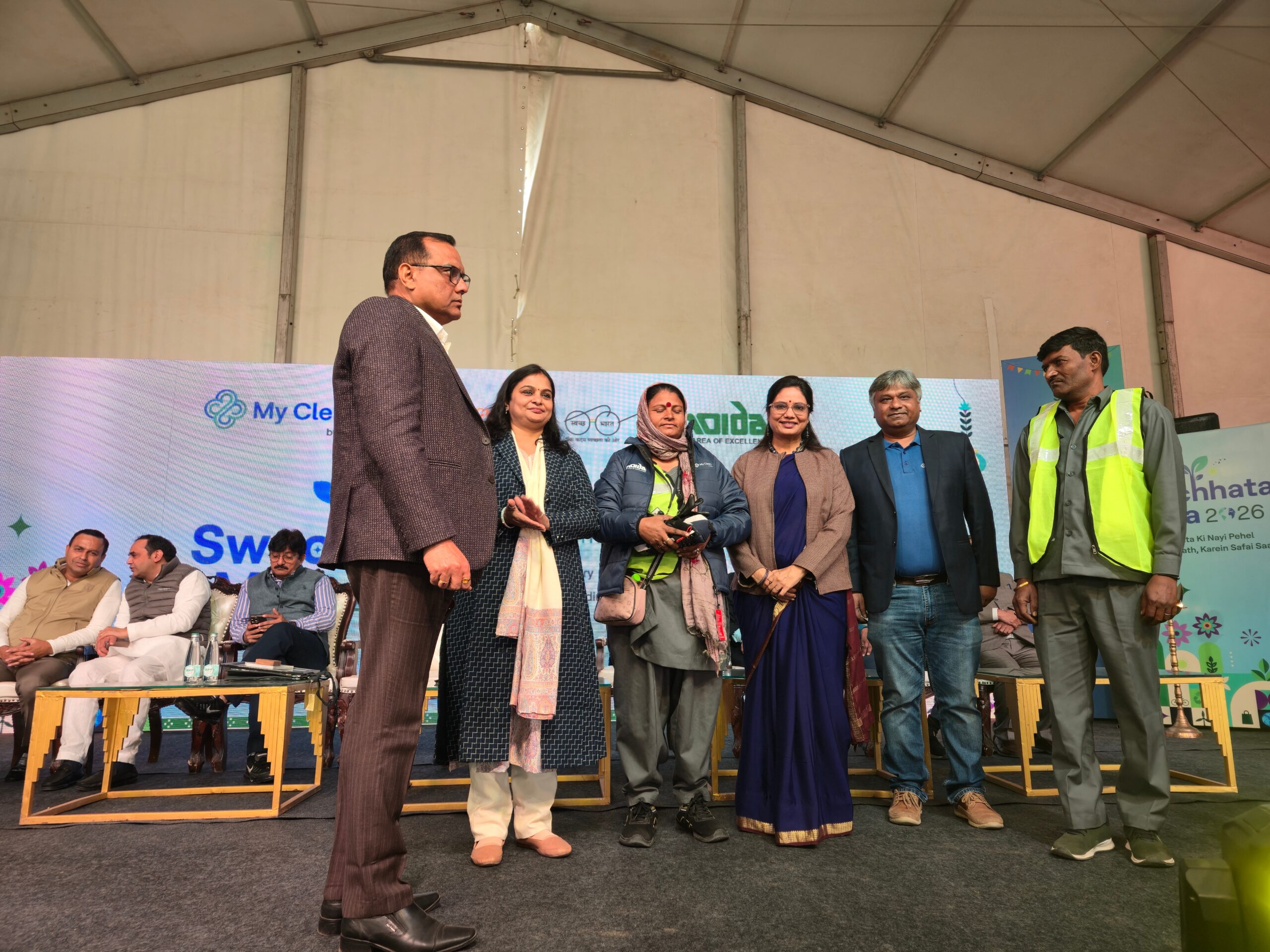
In a massive show of community spirit for Swachh Bharat goals, HCLFoundation teamed up with Noida Authority to host Swachhata Mela 2026 here on Wednesday.
The event, held under the guidance of Noida Authority CEO Krishna Karunesh IAS, brought together over 5,000 people — school students, teachers, RWAs, sanitation workers, urban village residents, NGOs and officials — to celebrate the city’s strides in cleanliness and sustainable living.
Vandana Tripathi IAS, Additional CEO of Noida Authority, graced the occasion as chief guest. She stressed that lasting cleanliness needs strong systems, efficient services and active public participation. “In partnership with HCLFoundation, we are strengthening waste management while honouring sanitation workers. Swachhata Mela offers a key platform to engage communities and promote responsible behaviour for long-term clean-city goals,” she said.
The mela featured lively panel discussions and expert talks on waste segregation, circular economy and changing citizen habits. Students and community groups enthralled the crowd with cultural performances.
A special Swachhata Exhibition spotlighted the achievements of HCLFoundation’s My Clean City programme, showing real progress in sanitation, waste handling and behaviour change — thanks to strong backing from Noida Authority.
A moving highlight was the felicitation of sanitation workers (safai karamcharis), school students, teachers and Waste Champions for their tireless efforts in keeping Noida and Greater Noida spotless. Sanitation kits were handed out to more than 5,100 safai karamcharis.
Participating schools under the My Clean City Waste Champion programme were also honoured for spreading awareness and inspiring young citizens to act.
Dr Nidhi Pundhir, Senior Vice President, Global CSR at HCLTech and Director, HCLFoundation, said: “Sustainable urban change comes from strong partnerships and empowered people. Cleanliness goes beyond infrastructure — it’s about shared responsibility, dignity and trust. Through My Clean City, we drive large-scale behaviour change, and Swachhata Mela 2026 shows our dedication to inclusive, citizen-led solutions for resilient cities. I express heartfelt thanks to all Noida sanitation workers who keep our city shining.”
My Clean City is transforming urban sanitation in Noida and Greater Noida with science-based waste practices and wide community involvement. So far, it has sensitised nearly 750,000 citizens on good waste habits, trained over 61,000 stakeholders, and managed more than 50,000 tons of waste.
Key tech boosts include the Integrated Control and Command Center (ICCC) for operations, HomoSep robots for safe manhole/septic tank cleaning, and E-garbage loaders for efficient collection. Over 2,400 school students are active in the My Clean City Waste Champions Club.
The event reinforced how collective action can create cleaner, greener urban spaces across India.
Market-based tools like emissions trading — long hailed as successful in the US and Europe — can deliver big wins for cleaner air in developing nations too, the Economic Survey 2025-26 has asserted, citing a pioneering experiment in Gujarat’s Surat city.
Traditionally, experts doubted whether pollution trading schemes could work in lower-capacity settings due to weak monitoring, limited enforcement, and low state credibility. Regulators often struggle to track emissions accurately or ensure polluters buy permits for every unit released.
But the Survey points to strong counter-evidence from the world’s first particulate matter emissions trading market, launched in Surat — a major industrial hub — and evaluated in the seminal 2023 study by Greenstone et al.
The scheme, run by the Gujarat Pollution Control Board, covered 317 large industrial plants (mostly coal-burning units in textiles and other sectors). It replaced old command-and-control rules (tech mandates and concentration limits) with a cap-and-trade system, backed by mandatory Continuous Emissions Monitoring Systems (CEMS) for real-time tracking of particulate emissions.
Key findings from the randomised trial:
The market worked smoothly — active trading took place, and plants achieved near-universal compliance (99% of emissions covered by permits vs just 66% under the old regime).
Participating factories slashed particulate emissions by 20-30% compared to those under traditional regulation.
For the same pollution level, abatement costs dropped by 11-14%, thanks to firms trading permits based on their differing marginal costs.
The Survey calls this a breakthrough proof that, with credible real-time monitoring like CEMS in place, pollution trading schemes can achieve major emissions cuts at much lower compliance costs — even in challenging developing-country contexts.
“This shows market-based environmental regulations are not just for rich nations. When supported by strong tech-enabled enforcement, they offer an effective and cost-efficient path to cleaner air,” the document notes.
The Surat pilot has already inspired expansions in Gujarat (including Ahmedabad) and discussions in other states, highlighting its potential as a scalable model for tackling industrial air pollution across India.