Category: Agri & Food

  • Dr Reddy’s Foundation soil testing lab set to hit 1-lakh sample mark ahead of 2026 rabi season

    Dr Reddy’s Foundation soil testing lab set to hit 1-lakh sample mark ahead of 2026 rabi season

    Dr Reddy’s Foundation — a family-owned trust and one of the key beneficiaries of the CSR funds of pharma major Dr Reddy’s Laboratories — is scaling up operations at its Hyderabad soil testing facility with the lab targeting between 75,000 and 1,00,000 samples ahead of the next Rabi season — more than double what it processed in its first full year of operations.

    The move comes amid growing concern over depleting soil health and implementation gaps in the Centre’s Soil Health Card scheme rolled out nationally in 2015. “Though the government’s soil testing ecosystem exists, the scale of the problem is huge. So we decided to address this issue in our own way,” said Suman Saraswathibatla, Director (Rural Livelihoods and Climate Action) at the foundation.

    This soil testing facility is central to the Foundation’s broader soil health and regenerative agriculture programme, under which assessing soil condition is treated as the starting point for any intervention.

    The push for an in-house facility followed nearly seven years of the Foundation’s own effort to find a reliable soil-testing solution, Saraswathibatla told PTI.  

    It approached Krishi Vigyan Kendras, agricultural universities, the Indian Council of Agricultural Research (ICAR), CGIAR institutions, and private players offering portable soil-testing devices — but found none of them adequate.

    “If accuracy is there, then consistency is an issue. If consistency is there, accuracy is an issue,” he said, adding that the wet chemistry-based lab infrastructure needed for reliable analysis was “so broken and so under-equipped” that proper soil sample analysis at scale was simply not possible.

    A 2023 experience proved to be the turning point. The Foundation sent 5,000 soil samples to one of the global research institutes for analysis — and waited a full year for results, by which time two cropping seasons had already passed.

    “Two seasons are over. I am talking about 5,000 soil samples,” Saraswathibatla said. “If I need to develop a digital soil map, 5,000 is sufficient for four villages — one block. We are talking about so many lakhs of blocks. So where is the solution?”

    With no institutional option delivering at the scale or speed required, the Foundation decided to build its own facility.

    FROM PILOT TO SCALE
    The Hyderabad lab became operational in January 2025. In its first year, it processed 20,000 soil samples as the Foundation validated its standard operating procedures. This year, the facility has already analysed more than 40,000 samples across India, with the Foundation targeting between 75,000 and 1 lakh samples ahead of the next Rabi season.

    The facility is not restricted to the Foundation’s own project villages — external users like researchers and government, can also access its services, Saraswathibatla said.

    The testing facility examines three categories of soil properties — physical, chemical, and biological — each requiring different reassessment cycles.

    Physical properties like texture stay stable for 10–20 years, though bulk density and aggregation shift with management. Chemical properties like pH and organic carbon —need reassessment every 2–3 years under intensive cultivation. Biological properties rre most management-sensitive, annual or seasonal (6–12 month) testing usually suffices under stable cropping systems.

    Most testing programs, including government ones, focus on 12–14 chemical indicators: N, P, K, secondary nutrients (S, Ca, Mg), micronutrients (Zn, Fe, Mn, Cu, B), plus pH, EC, and organic carbon. “These parameters underpin site-specific nutrient management (SSNM) but often miss biological functioning and physical resilience,” Saraswathibatla said.

    The push to scale up soil sampling this year has been driven partly by a combination of El Nino conditions and a fertiliser shortage, which has heightened the need for precise, data-backed fertiliser recommendations, according to Saraswathibatla.

    While government advisories typically provide General Recommended Dosage (GRD) at the district level, there is a growing shift toward finer-scale recommendations. Saraswathibatla said the Foundation is developing village-level nutrient advisories based on stratified sampling (e.g., 20–50 representative samples per village, depending on soil heterogeneity) that can significantly improve recommendation accuracy for clusters of farms.

    Farmers also receive extension support—training in balanced fertilization, integrated nutrient management, and climate-smart practices—which Saraswathibatla said is key to converting soil data into better soil health, carbon sequestration, and resilience.

    A BIOLOGICAL FIX FOR FERTILISER RESIDUE
    The Foundation is separately partnering with a biological startup to introduce an NPK-soluble bacterium consortium — a packaged or bottled formulation designed to mobilise residual nitrogen, phosphorus and potassium that has built up in soil from years of fertiliser application, making these nutrients available to plants again.

    “It is not like we have done it. It is there — it is a proven science solution,” Saraswathibatla said. “But it is more about we have to really, really pack it and take it to the farmer.”

    The intervention, he said, is aimed at both risk mitigation and farmer safety — helping ensure balanced fertiliser use while recovering value from nutrients already present in the soil.

    MOU WITH ICAR-IISS
    Last month, ICAR-Indian Institute of Soil Science, Bhopal signed an MoU with the Foundation to deepen collaboration on soil health research and technology transfer.

    The partnership will focus on building a Digital Soil Health Repository, high-resolution soil maps, nutrient management tools, cropping system modelling, and climate-smart advisories, combining ICAR’s scientific expertise with the Foundation’s field experience to advance data-driven soil management and precise fertiliser use — with a particular focus on supporting small and marginal farmers.

    Source: PTI

  • River lift irrigation empowers 5,700 farmers in Bengal

    River lift irrigation empowers 5,700 farmers in Bengal

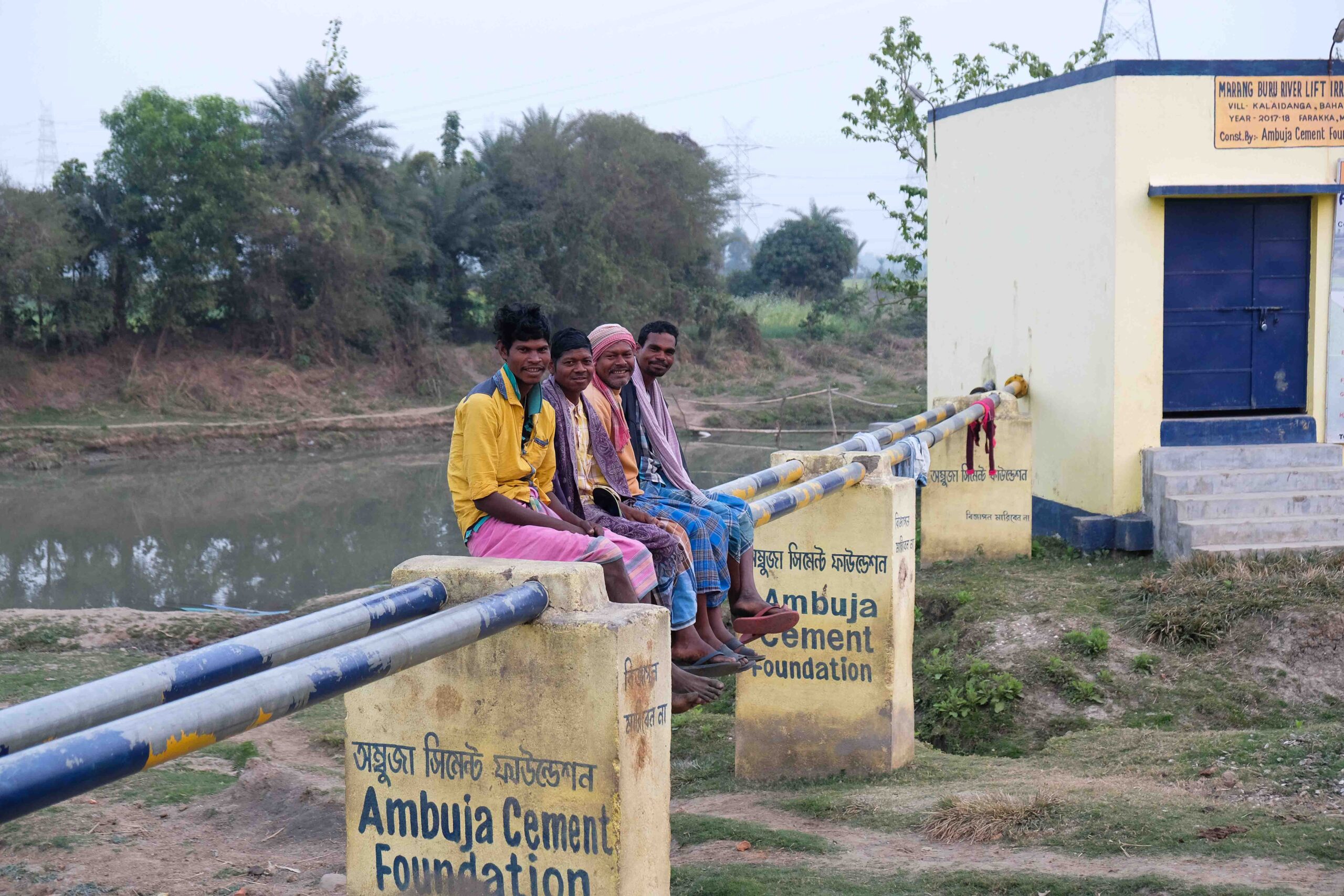
    A River Lift Irrigation initiative led by Ambuja Foundation has transformed farming livelihoods for more than 5,700 farmers across 23 villages in Farakka, Murshidabad district, West Bengal.

    The foundation, working with partners, installed 25 River Lift Irrigation systems covering nearly 747 hectares of farmland, addressing chronic water scarcity that had confined local agriculture to a single crop cycle, the Foundation said in a statement.

    The River Lift Irrigation systems draw water from a nearby river, lift it to higher elevations and distribute it through an underground pipeline network, minimizing land loss and reducing maintenance costs compared with conventional irrigation infrastructure, according to the foundation.

    To sustain the project, Ambuja Foundation established Water User Groups in all 23 villages to manage operations, finances and maintenance, while engaging local pump operators to keep the systems running. The community-led model generates enough revenue to cover operational costs and wages, while building surplus funds for future upkeep, the foundation said.

    The River Lift Irrigation project has lifted cropping intensity in the region from 100% to 250%, while irrigation efficiency has improved by nearly 30%, the foundation said. Farmers who previously grew a single paddy crop are now cultivating Rabi crops such as mustard, wheat and maize, alongside vegetables including cabbage, cauliflower, potato and tomato, enabling two to three harvests a year.

    The economic impact has been significant. Average annual income per acre in the project area has risen to between 80,000 rupees and 150,000 rupees, from 25,000-30,000 rupees before the systems were installed, marking more than a twofold increase, the foundation said. Agricultural land values in the area have also climbed by nearly 20%, strengthening household assets.

    “Ambuja Foundation is committed to bring a meaningful change in rural India. Therefore, we supported rural communities in Farakka with River Lift Irrigation systems which allow families to secure sustainable livelihoods within their own villages,” said Chandrakant Kumbhani, CEO of Ambuja Foundation.

    “We look forward to collaborating on more projects under our sustainable agriculture program to strengthen and support rural communities on their journey toward economic resilience.”

    The initiative forms part of Ambuja Foundation’s broader sustainable agriculture program aimed at improving rural incomes and water resource management across India.

  • Chouhan urges industry to boost CSR in agriculture

    Chouhan urges industry to boost CSR in agriculture

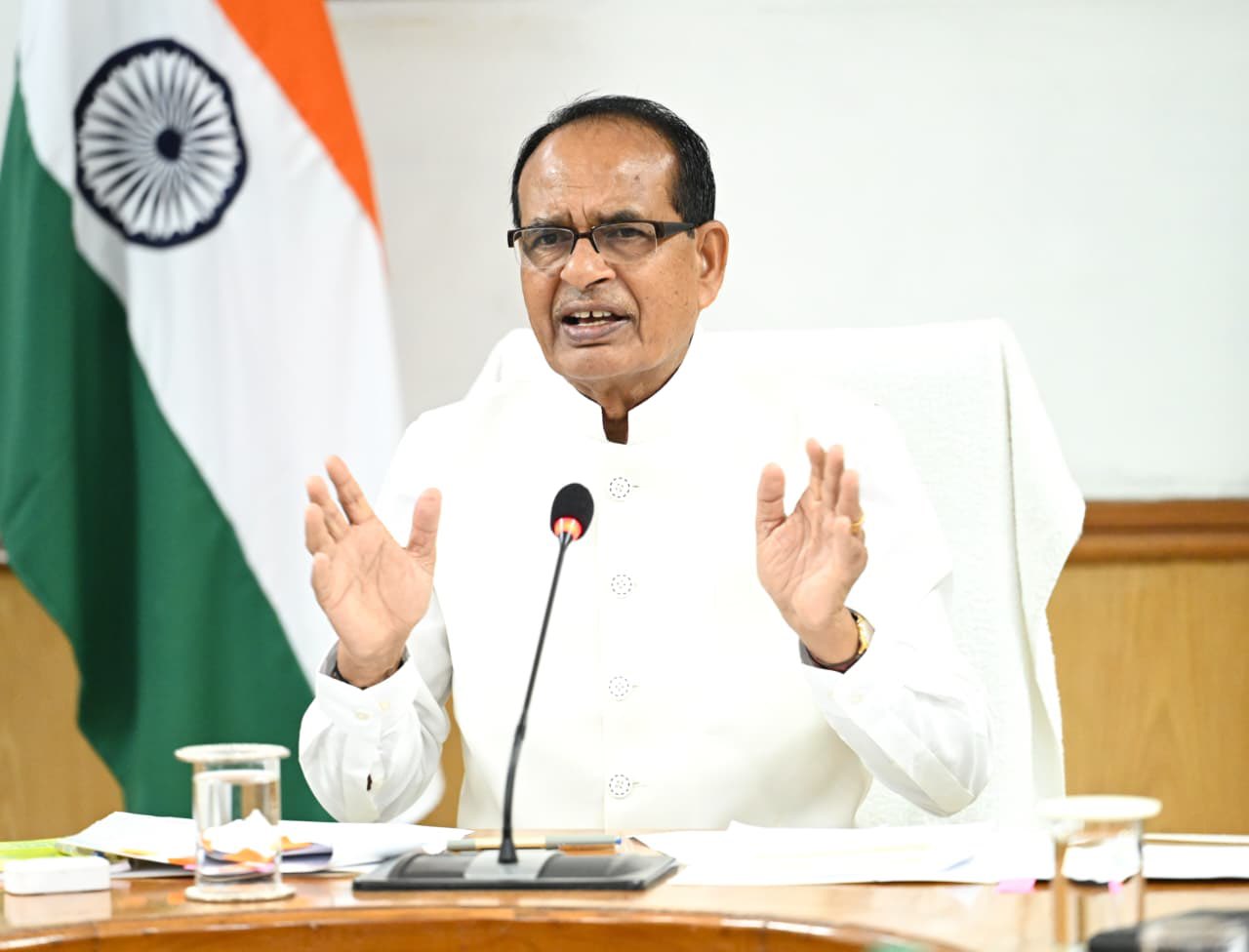
    Union Agriculture Minister Shivraj Singh Chouhan on Wednesday urged Indian corporations to expand CSR in agriculture, calling on industry leaders to channel a share of their profits into farmer welfare, rural development and agricultural research.

    Speaking at the CSR Conclave 2026, organised by the Indian Council of Agricultural Research (ICAR) in New Delhi, Chouhan said companies have a duty to act as “trustees” of national wealth rather than mere profit-makers, invoking Mahatma Gandhi’s philosophy of trusteeship.

    “While the nation provides opportunities for growth, it is the responsibility of industry to become an active partner in nation-building,” Chouhan said, adding that research must move beyond laboratories to directly benefit farmers.

    The minister strongly urged companies to prioritise climate-resilient farming, soil health, nutrition-secure food systems, and skill development for rural youth and women. He cited jute-processing technology as an example of innovation that needs faster commercialisation with private-sector backing.

    Chouhan also urged support for agri-tech startups, drone-pilot training, and women-led initiatives such as “Drone Didi,” describing rural women’s self-help groups as central to the next wave of agricultural entrepreneurship.

    While Indian law mandates that companies spend 2% of profits on CSR, Chouhan said the obligation should be viewed as a moral commitment rather than a legal formality. “True life belongs to the one who gives life to others,” he said.

    The event at the Bharat Ratna C. Subramaniam Auditorium was also attended by Ministers of State Ramnath Thakur and Bhagirath Choudhary, alongside senior ICAR officials and corporate representatives.

  • Coromandel, IICARE launch Jawali watershed plan in Maharasthra

    Coromandel, IICARE launch Jawali watershed plan in Maharasthra

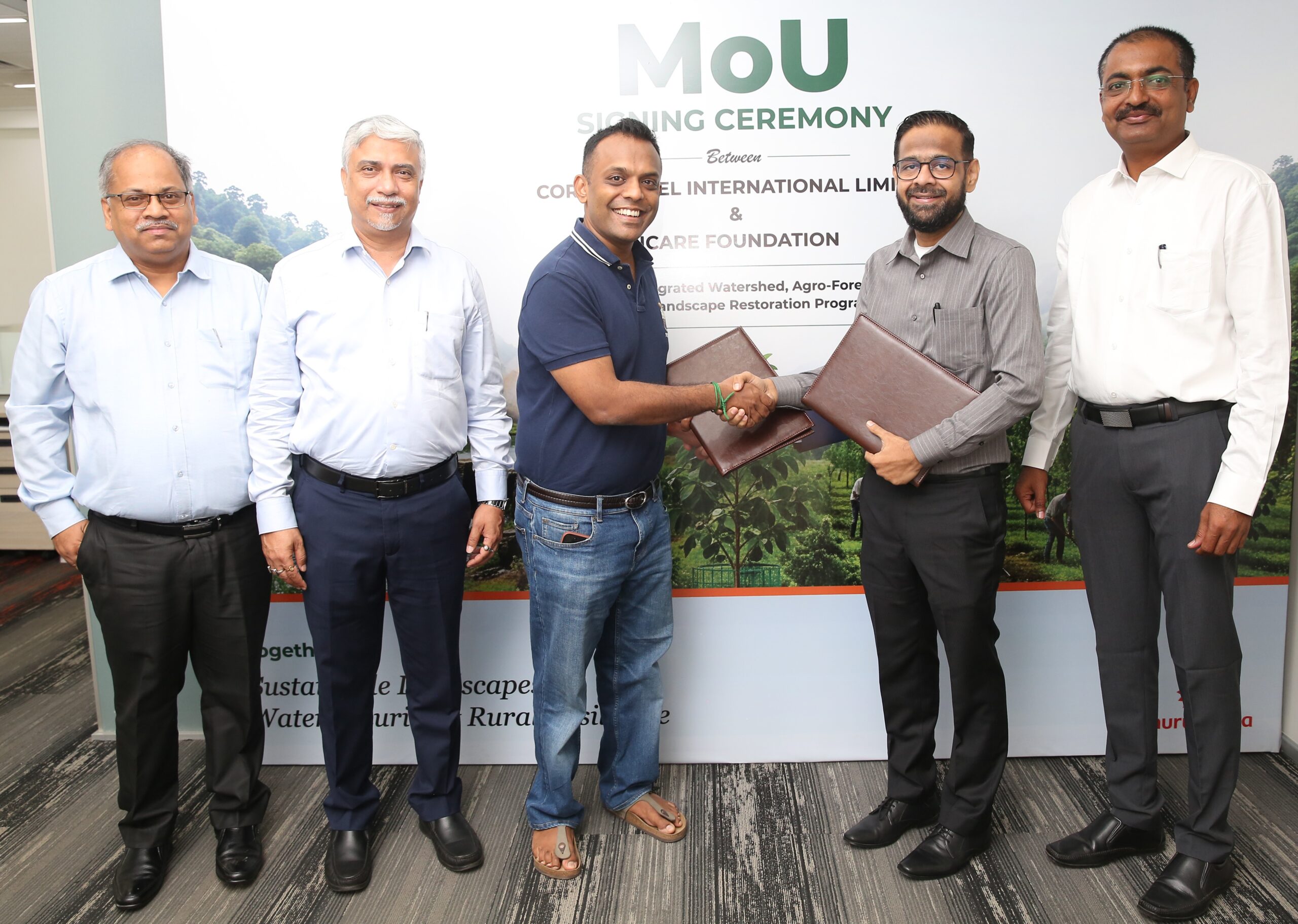
    Coromandel International Limited, one of India’s leading agri-solutions companies, has signed a Memorandum of Understanding with IICARE Foundation, a not-for-profit working on ecological restoration and climate resilience, to launch the landmark Jawali Watershed programme in Phaltan taluka, Satara district, Maharashtra.

    The agreement, announced on Tuesday, covers an integrated watershed, agro-forestry, nursery and landscape restoration initiative.

    The companies said the partnership would build a scientifically designed, community-driven and scalable model for sustainable land management, combining watershed development, agro-forestry, nursery planning and ecological restoration under one programme.

    Under the deal, IICARE Foundation will act as the lead implementation partner, coordinating with local communities, farmer groups, government bodies and technical agencies, the company said in a statement.

    Coromandel will contribute expertise in agronomy, soil and nutrient management, crop suitability, nursery design and watershed interventions, supporting the Jawali Watershed effort with scientific and strategic input.

    The programme will roll out in phases. The first stage involves site validation, soil and water assessments, contour studies, nursery planning and a detailed project report.

    Later phases will include pilot projects, nursery establishment, soil and water conservation structures, native plantations, agro-forestry demonstrations and farmer training, building toward a replicable, large-scale restoration model.

    Organisers said the initiative would follow a “nursery-first” and “pilot-to-scale” strategy, prioritising native and mixed-species plantations, groundwater recharge, soil health and long-term community stewardship.

    Performance will be tracked through indicators such as area restored, sapling survival rates, species diversity, water conservation and farmer participation.

    “This collaboration reflects Coromandel’s commitment to advancing sustainable agriculture and strengthening the resilience of rural ecosystems,” said Narayanan Vellayan, Executive Director – Nutrient Business, Coromandel International Limited.

    “The programme aims to develop a practical and scalable model for restoring degraded landscapes and supporting sustainable livelihoods.”

    Dr Santosh Bhosale, Director, IICARE Foundation, called the Jawali Watershed programme a landmark step bringing together ecological restoration, watershed management and climate-resilient agriculture.

    “Coromandel’s technical capabilities and agricultural expertise will strengthen the programme’s scientific foundation and support a credible model that can be replicated across similar geographies,” he said.

  • Andhra farmers smartly beat El Nino with Direct Seeded Rice (DSR)

    Andhra farmers smartly beat El Nino with Direct Seeded Rice (DSR)

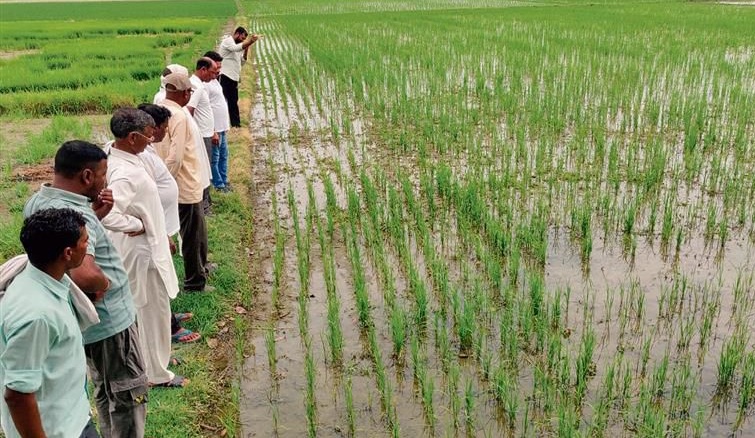
    Majji Satyam has been watching the sky since May. The 52-year-old farmer from JR Puram village in Andhra Pradesh’s Srikakulam district has five acres, two borewells, and a lifetime of growing paddy the way his father did — raise seedlings in a nursery, transplant them into flooded fields, keep the water standing until harvest.

    This kharif season, backed by years of training from the family-owned trust Dr Reddy’s Foundation — one of the beneficiaries of CSR funds of pharma major Dr Reddy’s Laboratories — he is trying something different.

    “Last year, rains had arrived in May itself. This year it has not yet come. I have heard that the rainfall will be less due to El Niño,” Satyam told PTI. “So I have decided to try DSR.”

    DSR — Direct Seeded Rice — skips the nursery entirely. Seeds go straight into the field. No transplantation, no waterlogging, no standing puddles. For a farmer staring down a lean monsoon, it is an attractive proposition.

    Satyam is not alone. Across Srikakulam and Vizianagaram districts, where the Dr Reddy’s Foundation works with farmers in over 1,500 villages covering roughly 10 lakh paddy area as part of the Action for Climate and Environment (ACE) program, a generation of cultivators is being quietly nudged away from water-intensive methods.

    State agricultural departments and Krishi Vighyan Kendras, with whom the foundation works closely, are reinforcing the message — advising farmers to reduce paddy acreage, switch to short-duration crops, or move to pulses and cereals.

    “If El Niño gets severe, we will cultivate paddy for house consumption only,” Satyam said.

    R Sanyas Rao, 50, from the same village, did not wait for a bad year to make the switch. Associated with the Foundation since 2014 — three years before Satyam joined — he tried wet DSR on five acres last kharif and found it worked. Labour costs dropped. Nursery management vanished as a headache. Transplantation costs disappeared.

    This year, Rao is going further: dry DSR on two acres, maize on three. “With borewell facility, I will be able to manage,” he said.

    The numbers make the case bluntly. Conventional paddy cultivation is extraordinarily water guzzling method. DSR and Alternate Wetting and Drying — AWD, a technique where fields are flooded and drained in cycles rather than kept continuously submerged — dramatically cut that demand.

    “Dry DSR method saves around 11-12 lakh litres of water per acre. Wet DSR saves around 4-5.5 lakh litres AWD saves roughly 3-5 lakh litres of water compared to traditional methods,” said Suman Saraswathibatla, Director (Rural Livelihoods and Climate Action) at Dr Reddy’s Foundation.

    Last year, farmers in two districts adopted DSR across 3,667 acres and AWD across 21,963 acres, saving more than 3,000 crore litres of water and reducing over 50,000 tonne equivalent carbon dioxide. With El Nino back in the forecast, those numbers are expected to rise significantly, he said.

    For both techniques to work well, soil moisture must remain consistent in the upper 30–40 cm of the field — a critical condition that shapes when and how farmers decide to sow.

    Being a cyclone and rainfed belt, Srikakulam’s sowing calendar has already changed. Traditionally, paddy went in at the end of June. Over the last three to four years, sowing has shifted to July, with peak transplantation moving to August.

    To bridge the gap, the Foundation has been encouraging farmers to plant short-duration cover crops — black gram, green gram, sesamum — in the May–June window before kharif begins. Green manuring crops like sun hemp and napier help retain soil moisture in the interim.

    Last year, cover crops were grown across 2,372 acres; agro-forestry — mixing timber and fruit plants in coconut orchards — covered 1508 acres. Both are set to expand this season.

    Underlying all of this is a quiet crisis in Srikakulam’s soil health. The foundation through its own state-of-art Hyderabad facility launched in January 2025 is providing soil health test results quickly along with actionable crop advisories.

    Over 5,000 soil health cards were issued last year and the findings are consistent: organic carbon levels are very low. Micronutrients like sulphur, zinc, and boron are deficient. Potash is in excess.

    “Site-specific nutrient management is one of our major interventions this year, especially given the combination of El Nino effects and the fertilizer crunch. We’re pushing hard to bring in as many samples as possible,” Suman said.

    For the past five years, the Foundation has been running awareness campaigns — bulk SMS messages, posters, farm extension meetings — urging farmers to apply fertilisers more precisely, based on what their specific soil actually needs rather than what habit or convenience suggests.

    It is slow work, changing practices that have been handed down across generations. But in a district where water is becoming an annual gamble, farmers like Satyam and Rao are finding that the old ways may no longer be the safest bet.

    “There is more awareness being created to adopt DSR instead of paddy transplantation,” Rao said. “I will decide the sowing operation in July.”

    The monsoon, as ever, will have the final word.

    Source: PTI

  • ITC deploys AI for climate resilience in India

    ITC deploys AI for climate resilience in India

    Multi-business conglomerate ITC deploys ITC AI climate tools to decode nature’s signals and drive targeted adaptation measures across its operations and agricultural catchments as the world marks World Environment Day 2026.

    Under the theme “Inspired by Nature. For Climate. For Our Future” and the call #NowForClimate, ITC has conducted AI-powered climate risk assessments at 140 sites, including owned assets and third-party units, covering 20+ metrics such as floods, drought, extreme wind and more across multiple scenarios.

    Using these insights, the company is implementing site-specific adaptation plans featuring engineering solutions, nature-based interventions, early warning systems and community preparedness measures, ITC said in a statement.

    In agriculture, ITC has leveraged AI for farm-level studies to assess climate impacts on crop yields and is rolling out hyper-local advisories, climate-resilient crop varieties and regenerative practices through its ITCMAARS platform.

    The company has expanded its Climate Smart Agriculture (CSA) programme to nearly 32 lakh acres, benefiting over 12 lakh farmers, with a target of 4 million acres by 2030.

    “By combining AI, climate science and collaborative partnerships, we can turn data into insights and insights into meaningful action,” said S. Sivakumar, Group Head – Agri & IT Businesses and Sustainability, ITC Ltd.

    ITC has also scaled decarbonisation efforts, with over 50% of its energy from renewable sources and a goal of 100% renewable electricity by 2030. The company aims for Net Zero Operations by 2050.

  • Varanasi farmers reap higher returns with floriculture

    Varanasi farmers reap higher returns with floriculture

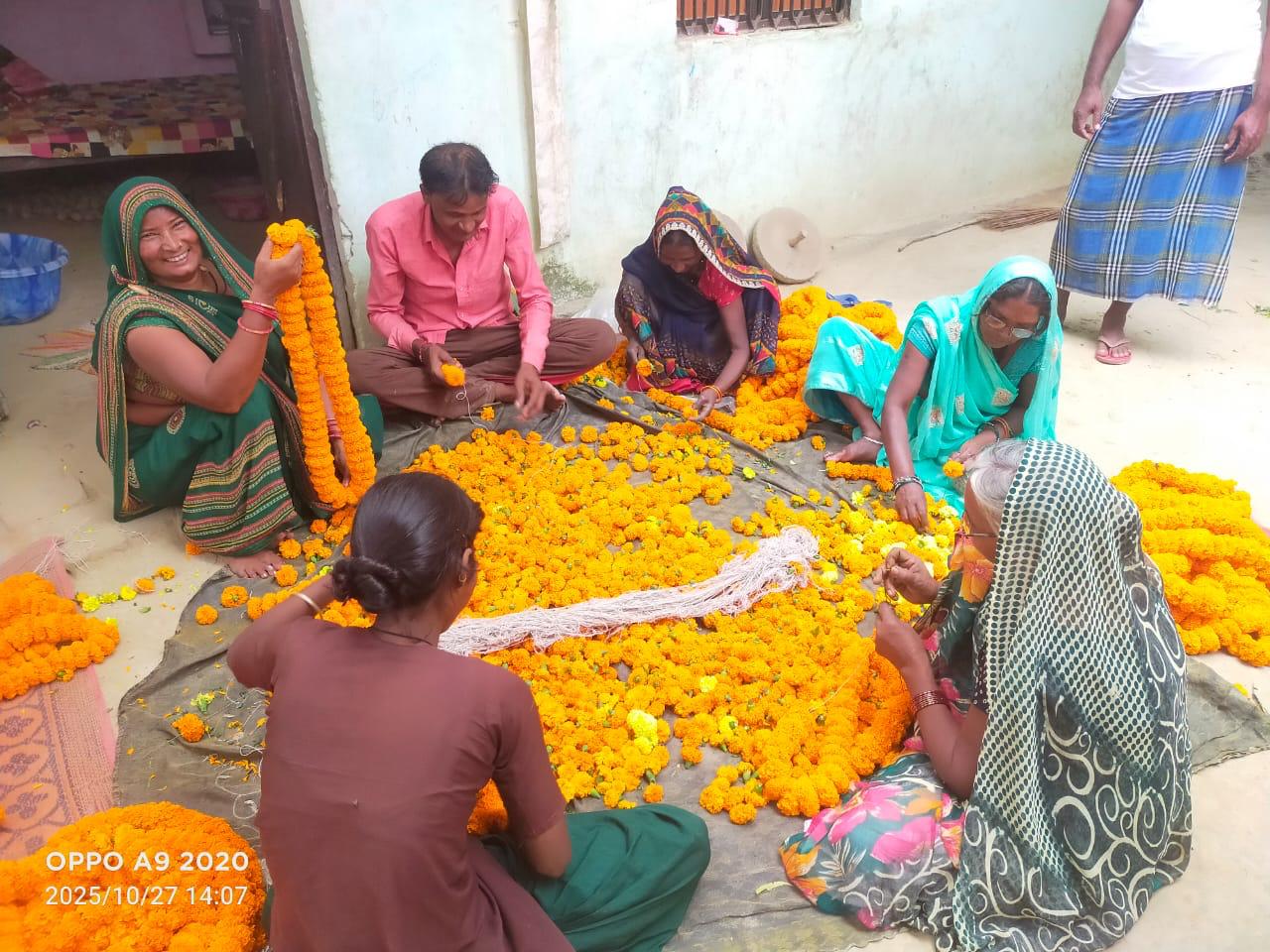
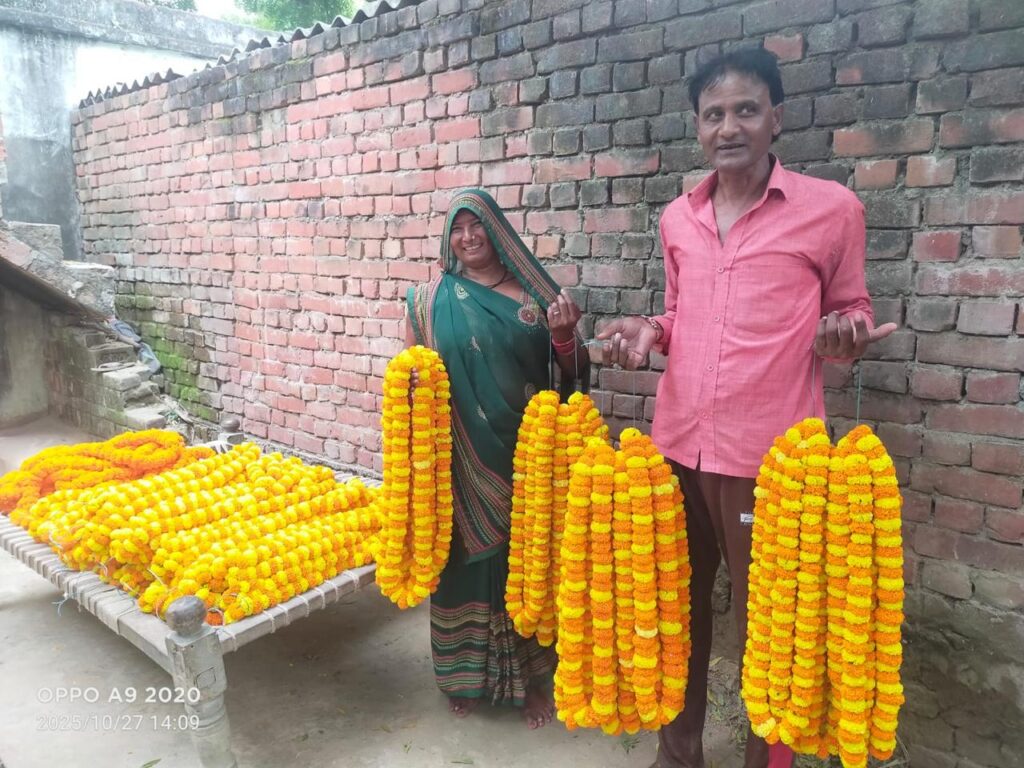
    Farmers in Varanasi have reported significantly higher returns compared to traditional crops, along with early harvests and improved market access, thanks to a new Varanasi Floriculture initiative by Ambuja Foundation and HDFC Bank.

    The project, launched under the Holistic Rural Development Program (HRDP) in 15 villages of Uttar Pradesh, is helping small landholding farmers shift to high-value, sustainable flower cultivation to capitalise on the city’s strong religious demand for blooms used in rituals and worship.

    A total of 32 farmers, including both men and women, were trained in organic farming and eco-friendly crop protection techniques. They received nursery plants of Marigold, Rose, and Jasmine varieties, along with vermi bed units to produce organic manure that enhances soil health and fertility.

    Supported by onsite expert guidance and continuous follow-up, the farmers successfully adopted chemical-free Varanasi Floriculture practices across 6.4 acres of land.

    With an input cost of approximately ₹1,60,000, the initiative generated nearly ₹5,90,000 in total income, underlining the strong profitability of the model.

    “Ambuja Foundation and HDFC Bank are committed to bringing positive change in the lives of rural communities,” said Ms Pearl Tiwari, CEO, Ambuja Foundation. “This Varanasi Floriculture initiative promotes efficient and organic farming to support economic growth.

  • Adani Foundation Irrigation Uplifts Himachal Farmer

    Adani Foundation Irrigation Uplifts Himachal Farmer

    In a significant boost to rural livelihoods, the Adani Foundation has transformed irrigation access for farmer Sandeep Kumar in Ropa village in Himachal Pradesh through the Dhounkothi Watershed Project, implemented in collaboration with ACC, the cement major of the Adani Portfolio.

    The initiative involved constructing 335 meters of cemented RCC channels to augment traditional ‘kuhls’, ensuring consistent water flow, reduced maintenance efforts, and enhanced water use efficiency. Previously, Sandeep and his family faced challenges in irrigating their fields due to erratic water supply and frequent repairs.

    With the upgraded infrastructure now in place, Sandeep has diversified into high-value cash crops including lady finger, brinjal, turmeric, garlic, and more. This shift has boosted his annual agricultural income from Rs 31,600 to Rs 40,100, while saving valuable time and labour for other activities such as livestock rearing.

    The project exemplifies how targeted infrastructure interventions can drive sustainable change. By partnering closely with local communities, panchayats, and grassroots organisations, the Adani Foundation and ACC are empowering farmers, building resilient villages, and promoting long-term agricultural productivity and resource access in underserved areas.

    Such efforts highlight the growing role of corporate social responsibility in uplifting rural India and fostering inclusive growth.

  • Ambuja Cements drives transformative nutrition awareness in Bathinda

    Ambuja Cements drives transformative nutrition awareness in Bathinda

    Ambuja Cements, the cement and building materials arm of the Adani Group’s diversified portfolio, is advancing transformative nutrition awareness in rural Bathinda through its corporate social responsibility (CSR) initiatives.

    In villages where wheat-based meals have long been the staple, residents are increasingly turning to maize and millet flour, signalling a marked improvement in dietary patterns driven by the company’s health outreach.

    At a local flour mill, owner Balveer Singh has observed surging demand for maize flour year-round, beyond its traditional winter consumption. This shift stems from heightened nutrition awareness under Ambuja’s CSR health programme, educating villagers on how millet and maize aid in managing blood sugar levels, bolstering heart health and boosting daily energy.

    Adapting to these evolving preferences, Singh has introduced multigrain blends, transforming his mill into a community hub for healthier food options and empowering families to prioritise nutritious staples.

    This grassroots change underscores the impact of combining education with accessible solutions. By engaging local entrepreneurs and championing food-based interventions, Ambuja Cements is fostering a sustainable wellness culture rooted in daily habits.

  • From struggle to success: How Samadhan Project changed Rajasthan farmers’ lives

    From struggle to success: How Samadhan Project changed Rajasthan farmers’ lives

    In the arid landscapes of Rajasthan, where traditional farming often meant meager earnings and uncertainty, Hindustan Zinc’s Samadhan Project is sparking a quiet revolution. This flagship CSR initiative has reached nearly 1.4 lakh farmers, helping them generate over Rs 192 crore in diversified income in just the past year through modern, sustainable practices.

    Take Shankar Lal Dangi from Chota Guda village near Udaipur. Like many, his family once scraped by on Rs 6,000–7,000 a month, limited by old-fashioned methods, scarce water, and unreliable markets. Through the Samadhan Project, Shankar embraced drip irrigation, scientific cropping, and joined a Farmer Producer Organization for better prices, according to the company statement.

    Today, his yields are higher, milk production has doubled, and his income has soared—bringing stability, pride, and a brighter future for his family.

    Close-up of raw milk being poured into container with dairy cows in background


    Similar hope blooms in Sindesar Kalan village, Rajsamand district, with Dinesh Puri Goswami. He shifted from low-yield crops to diverse vegetables and upgraded dairy practices.

    Using raised-bed nurseries and better animal care, Dinesh earned Rs 78,000 from vegetables in four months, plus Rs 12,000 monthly from milk. “It’s reduced our risks and given us steady income,” he shares.

    Women are at the heart of this change too. Gendi Bai from Ganeshpura village turned one bigha of land into a thriving vegetable plot with drip irrigation and mulching, earning ₹90,000 and gaining recognition as a progressive farmer.

    From leading Farmer Interest Groups to running dairy enterprises, women under Samadhan are driving household prosperity and community strength.

    The project’s multi-pronged approach—crop diversification, precision irrigation, livestock improvement, microenterprises, and farmer-owned institutions—has delivered real results: ₹90 crore in livestock assets, 280 lakh litres of milk worth ₹88 crore, and revenues from farmer-led ventures.

    With 510 Farmer Interest Groups and five Producer Organizations involving over 9,300 shareholders, Samadhan covers 2,449 hectares in climate-smart practices like trellis farming and bio-fortified crops. It’s not just boosting incomes; it’s building resilience, nutrition, and agri-entrepreneurship.

    As a Vedanta Group company, Hindustan Zinc extends its impact beyond farming through education, healthcare, and more, touching 23 lakh lives across 2,300 villages—aligning with India’s vision of inclusive growth.

    These stories of Shankar, Dinesh, Gendi Bai, and thousands more show how the Samadhan Project is turning subsistence into sustainability, one farm at a time.