Category: Home Sustainable World

  • Vrutti, HSBC India launch FPO Shakti to aid farmer groups

    Vrutti, HSBC India launch FPO Shakti to aid farmer groups

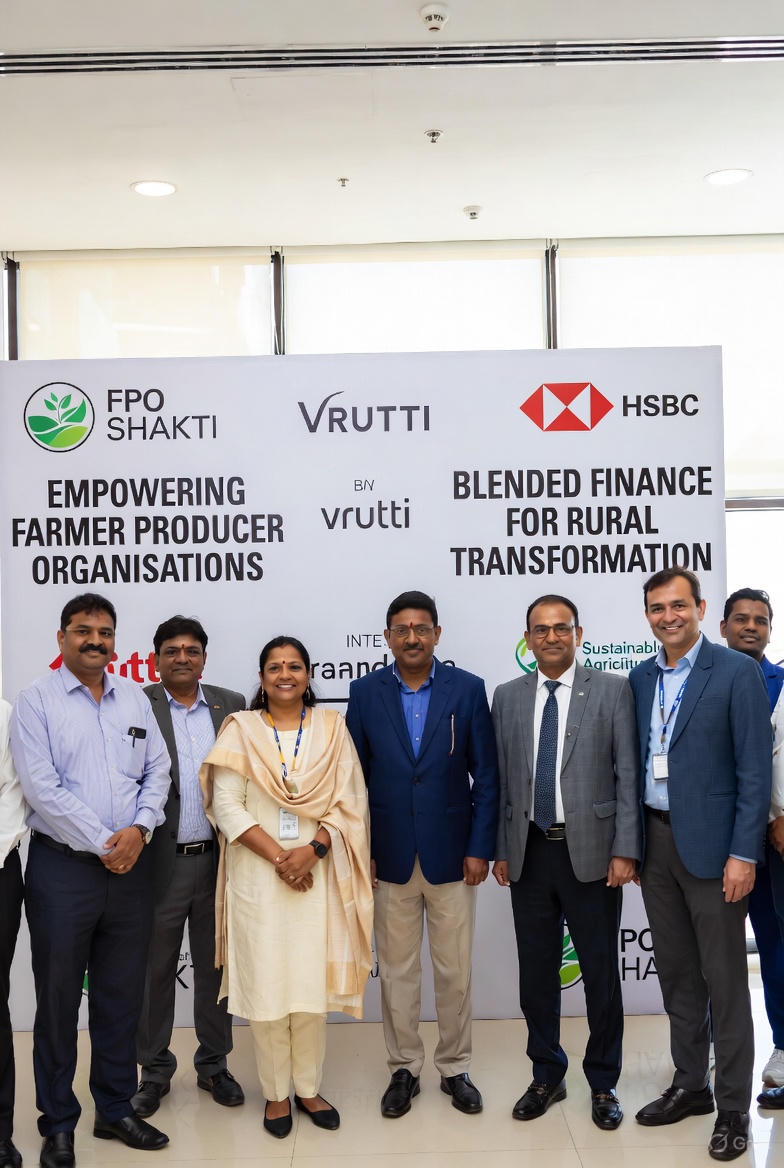
    Vrutti, a livelihoods catalyst under the Catalyst Platform, partnered with HSBC India on Thursday to unveil FPO Shakti, a blended finance facility aimed at empowering early-stage Farmer Producer Organisations (FPOs) with timely capital.

    The stage-based programme, managed by Friends of Women’s World Banking (FWWB) India, targets a financing gap that hampers more than two-thirds of India’s 44,000 registered FPOs from scaling beyond incubation. It combines revolving funds, guarantees and revenue-linked loans with technical support on governance, business planning and digital tools, offering a 24-month acceleration path for participants.

    An initial 15 FPOs will benefit, with expansion planned to over 100, fostering bankable farmer-owned enterprises amid seasonal agricultural risks.

    “Structured interventions to build FPO capacity and governance are essential to unlock investment-ready pipelines,” HSBC India Managing Director and Head of Sustainability Aloka Majumdar said.

    Vrutti CEO Raghini Badhrinarayanan described the facility as a “shift to long-term institutional strengthening” with patient capital tailored to rural realities.

    The initiative integrates diagnostics, business support organisations and real-time digital tracking to align finance with FPO growth stages, promoting resilient value chains and higher smallholder incomes.

  • Diageo India ESG Report highlights 93% emissions cut

    Diageo India ESG Report highlights 93% emissions cut

    The Diageo India ESG Report for fiscal year 2024-2025 reveals groundbreaking progress, with a staggering 93% reduction in greenhouse gas emissions since 2020, far surpassing the company’s ambitious 2030 targets.

    This fourth annual Diageo India ESG Report, meticulously aligned with Global Reporting Initiative (GRI) standards, UN Sustainable Development Goals (SDGs), and Sustainability Accounting Standards Board (SASB) disclosures, underscores United Spirits Ltd’s (Diageo India’s) commitment to environmental stewardship, social responsibility, and robust governance in the alcobev sector.

    Environmental Triumphs in the Diageo India ESG Report

    At the heart of the Diageo India ESG Report is a narrative of transformative environmental action. The report details how Diageo India achieved 99% renewable energy usage across its operations, a feat accomplished well ahead of schedule. This leap was propelled by the complete phasing out of coal in 2022, which directly contributed to the dramatic 93% drop in greenhouse gas emissions. The Diageo India ESG Report also celebrates zero waste to landfill status and 99% recyclable packaging, positioning the company as a pioneer in low-carbon initiatives.

    Water conservation emerges as another cornerstone of the Diageo India ESG Report. Since 2020, distilleries have seen a 54% improvement in water-use efficiency, while packaging sites have improved by 35%. In FY25 alone, Diageo India replenished 1,82,000 cubic meters of water, pushing the cumulative total to 11 lakh cubic meters. These efforts, detailed extensively in the Diageo India ESG Report, span critical water-stressed regions in states like Maharashtra, Uttar Pradesh, and Rajasthan. The flagship Godavari Initiative for aquifer restoration exemplifies how the Diageo India ESG Report translates data into on-ground impact, fostering community resilience amid climate challenges.

    Social Impact and Empowerment in the Diageo India ESG Report

    The Diageo India ESG Report goes beyond metrics to spotlight social progress that builds inclusive communities. In agriculture, 430 smallholder farmers received training in regenerative practices, enhancing livelihoods and soil health. Gender diversity has surged, with women now holding 28% of executive roles, 30% of leadership positions, and 50% of executive committee seats—edging closer to the 50% leadership target outlined in prior Diageo India ESG Report iterations.

    Skilling initiatives in the Diageo India ESG Report reached 1,922 individuals, 67% of whom were women, including 303 persons with disabilities. The Bar Academy, a standout program, trained over 9,400 bartenders, equipping them with skills for sustainable careers. Responsible drinking remains a priority, as evidenced in the Diageo India ESG Report: Act Smart India engaged 2 lakh youth to prevent underage access, while anti-drink-driving education reached 5 lakh people. The DRINKiQ platform further promotes moderation, aligning with the holistic social agenda of the Diageo India ESG Report.

    Governance Excellence Driving the Diageo India ESG Report

    Strong governance forms the backbone of the Diageo India ESG Report, featuring a diverse board and quarterly executive reviews to ensure accountability. Jitendra Mahajan, Diageo India’s Chief Supply and Sustainability Officer, emphasized in the Diageo India ESG Report that this agenda crafts a business that “grows responsibly, leads with integrity, and creates long-term value.” As India accelerates its push for sustainable practices, the Diageo India ESG Report cements United Spirits Ltd’s role as a leader in the alcobev industry, inspiring peers to elevate their ESG commitments.

    This comprehensive Diageo India ESG Report not only quantifies achievements but also charts a visionary path forward, proving that profitability and planetary care can coexist harmoniously.

  • Empowering SUTRA 2025 Sustainable Trade Summit: India’s resilient future

    Empowering SUTRA 2025 Sustainable Trade Summit: India’s resilient future

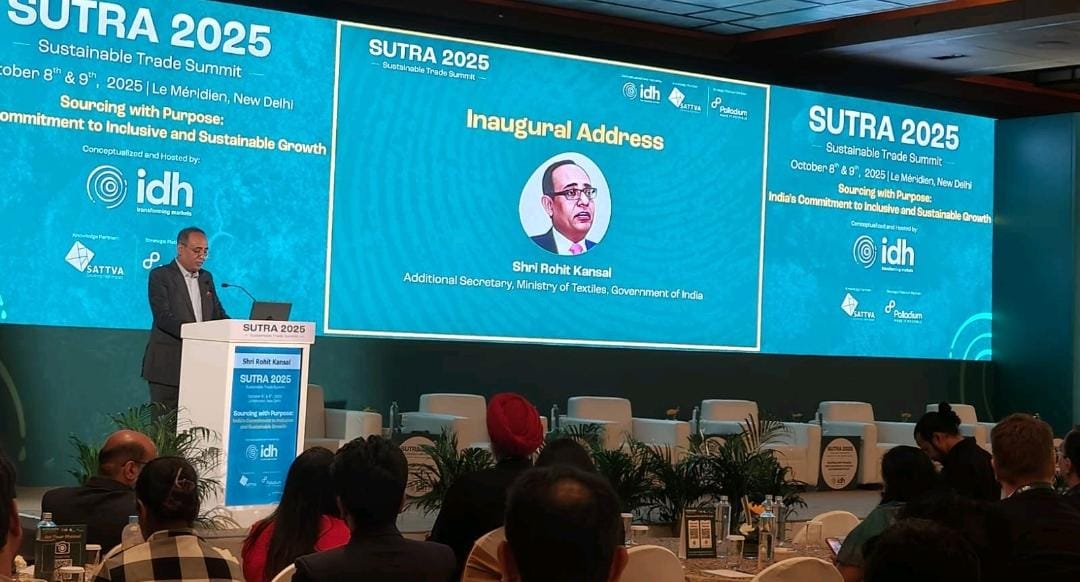
    India is committed to advancing circularity and strengthening farm-to-factory linkages to position its textiles as a global model of responsibility and resilience, a senior Ministry of Textiles official said on Thursday.

    “With the right partnerships, investments, and innovations, we can weave a future that is not only equitable and climate-resilient but also defines India’s leadership in sustainable growth,” Rohit Kansal, Additional Secretary in the Ministry of Textiles, said at the SUTRA 2025 sustainable trade summit in New Delhi.

    Kansal said the IDH SUTRA 2025 platform brings together farmers, farmer producer organizations (FPOs), financiers, innovators, and industry stakeholders, embodying the meaning of SUTRA—the thread that connects them all.

    “Collaboration is the cornerstone of transformation, and through initiatives like this, India is demonstrating how sustainability can move from compliance to competitiveness, from intent to impact,” he added.

    The SUTRA 2025 sustainable trade summit brought together over 400 delegates and 35 speakers from government, industry, development institutions, academia, and farmer organizations to explore how purpose-led sourcing can accelerate India’s transition to climate-resilient and socially equitable trade systems.

    The summit highlighted India’s growing leadership in embedding sustainability and inclusion into its trade and agricultural systems.

    This year’s edition featured a Sustainability Experience Centre showcasing innovations in traceability, regenerative farming, and circular production. Interactive demonstrations and solution pitches enabled participants to explore how emerging technologies and data-driven systems can enhance transparency and accountability across supply chains, aligning with principles of responsible sourcing.

    Industry leaders including Sougata Niyogi of Godrej Agrovet, Sudhakar Desai of Emami Agrotech and IVPA, and executives from SAP, ITC Limited, Hindustan Unilever, and ICRIER shared perspectives on aligning business competitiveness with climate action and social responsibility. These empowering discussions at the SUTRA 2025 sustainable trade summit underscored the potential for scalable, inclusive solutions in sustainable trade.

  • India’s Green Giants: Wipro, Tech Mahindra Lead Global Sustainability Charge

    India’s Green Giants: Wipro, Tech Mahindra Lead Global Sustainability Charge

    By Eldee

    When TIME Magazine and Statista rolled out their 2025 World’s Most Sustainable Companies list in June, two Indian IT powerhouses stole the spotlight. Bengaluru’s Wipro (53rd, score: 75.83) and Pune’s Tech Mahindra (57th, 75.13) didn’t just make the global top 100—they were India’s sole representatives there.

    But the story’s bigger: eight other Indian firms, from Mahindra (201st, 66.77) in automotive to Dr. Reddy’s (417th, 59.36) in pharma, also cracked the 500-strong list, signaling India’s rising clout in the global green race.

    As climate alarms blare—from Delhi’s choking smog to Kerala’s relentless floods—this isn’t just a feather in India’s cap; it’s a rallying cry for Corporate India to power our 2047 Viksit Bharat vision of a developed, sustainable nation.

    For years, India’s IT sector was written off as the world’s code mill, churning out software for Western giants. Wipro and Tech Mahindra are torching that stereotype. Wipro’s Lab45 AI platform slashed water use by 40% for US farmers in 2023 with smart irrigation—vital tech for a nation where 600 million battle water scarcity. “Sustainability drives our innovation,” CEO Thierry Delaporte told TIME.

    In 2025, Wipro’s FullStride Cloud tie-up with Pure Storage is supercharging clients’ green transitions, dovetailing with Budget 2025’s push for AI-driven clean tech. Tech Mahindra’s EcoForge platform, meanwhile, helped telecom majors like Vodafone cut emissions by 35% by linking data centres to renewables, while their 1-million-mangrove drive in Maharashtra shields coasts from erosion. “We’re redefining tech for a sustainable future,” CEO Mohit Joshi said, a vision reinforced by their 2025 Terra Carta Seal. These aren’t just firms; they’re India’s green vanguards.

    The list’s ten Indian stars—Mahindra, Airtel (223rd, 65.87), HCLTech (233rd, 65.51), WNS (290th, 63.37), Hindustan Zinc (313th, 62.49), Syngene International (364th, 61.08), Infosys (374th, 60.84), TCS (383rd, 60.65), Godrej Properties (413th, 59.54), and Dr. Reddy’s—show India’s green push spans sectors.

    Mahindra’s electric vehicles, Airtel’s renewable-powered towers, and Dr. Reddy’s eco-conscious drugs prove we’re not just followers but pacesetters. India’s 99th rank on the 2025 SDG Index—our first top-100 finish—rides on 42% renewable energy (we’re the world’s third-largest producer) and a tech market zooming to $60 billion, per Nasscom, with 126,000 new AI and ESG jobs in 2025. But the road’s bumpy: data centres guzzle power, supply chains stay opaque, and EY warns we’ve met just 25% of green investment needs. With net-zero by 2070 in focus and Budget 2025 boosting solar and battery storage, Corporate India must shift gears fast.

    While Schneider Electric (France, 93.85), Telefónica (Spain, 87.68), Brambles (Australia, 86.14), Temenos (Switzerland, 85.95), and Moncler (Italy, 85.87) top the list with European flair, India’s ten-strong contingent, led by Wipro and Tech Mahindra, shows we can hold our own.

    Global trade hiccups like tariffs may sting, but they underline India’s edge: affordable, scalable green tech that the Global South hungers for.

    For 1.4 billion Indians, sustainability isn’t a buzzword—it’s do-or-die. Wipro and Tech Mahindra have cracked the code; now Mahindra’s EVs, TCS’s low-carbon IT, and others must follow. The world’s watching, and India’s ready to lead—not just on rankings, but in scripting a greener future.

  • BSG Awards Celebrate Sustainability Changemakers

    BSG Awards Celebrate Sustainability Changemakers

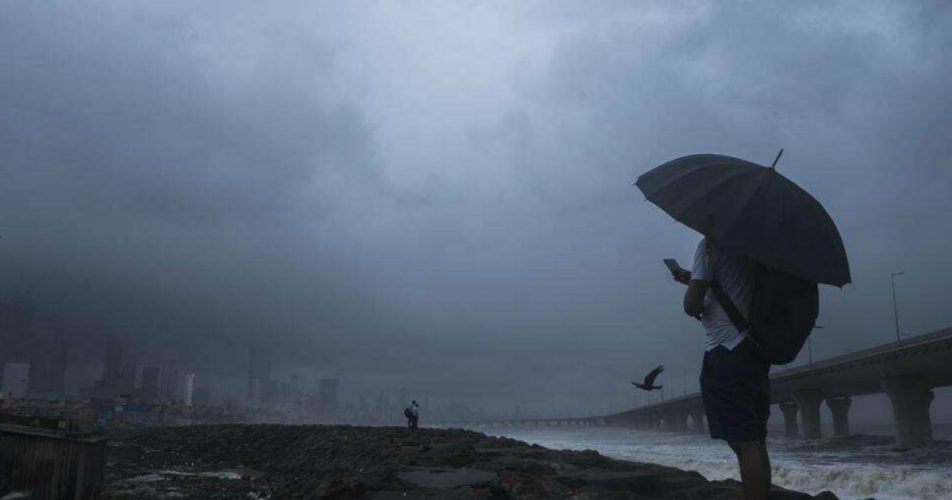
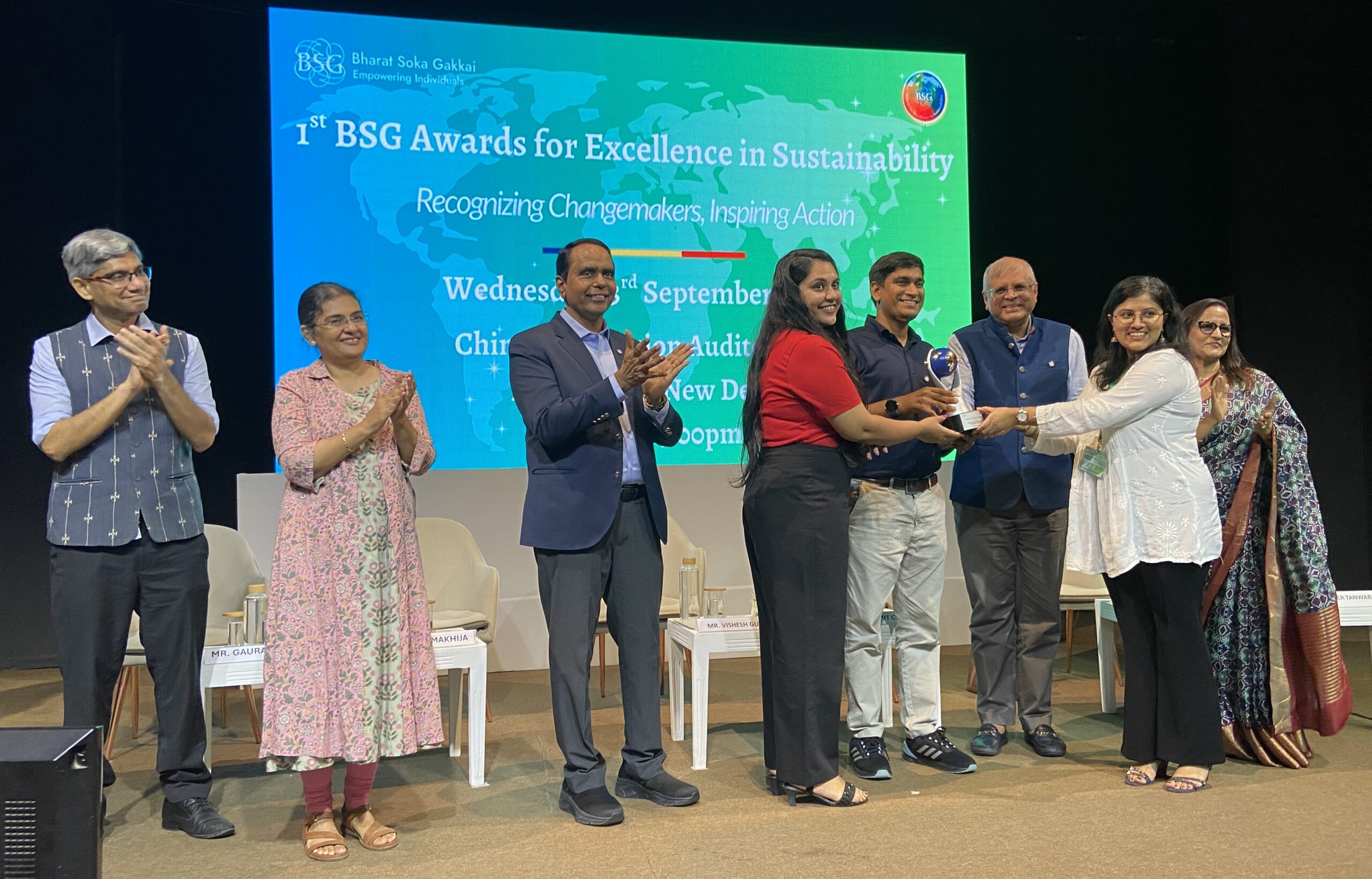
    Amid rising climate challenges like floods in Uttarakhand and heavy rains in Mumbai, Bharat Soka Gakkai (BSG) held its first-ever BSG Awards for Excellence in Sustainability on September 3, 2025, at New Delhi’s Chinmaya Mission Auditorium.

    The event honoured 17 winners and 3 special mentions across 14 categories, chosen from over 200 nominations by a distinguished jury, including Prof Bijayalaxmi Nanda, Gaurav Shah, Ruby Makhija, Ramveer Tanwar, and Vikas Verma.

    Chief Guest Amit Chandra emphasized sustainability as nurturing relationships between people, nature, and institutions.

    BSG Chairperson Vishesh Gupta highlighted the power of individual action in shaping a greener India. Jury members stressed sustainability as a responsibility, not a choice, urging daily practices for a thriving future.

    BSG’s ‘BSG for SDG’ initiative, launched in 2021, promotes sustainable human behavior to achieve SDGs by 2030. A special screening of the ‘BSG for SDG Film’ showcased stories of hope, followed by discussions to inspire collective climate action ahead of the UN Climate Conference (COP).

  • UNESCO Designates Cold Desert as India’s First High-Altitude Biosphere Reserve

    UNESCO Designates Cold Desert as India’s First High-Altitude Biosphere Reserve

    Spanning 7,770 square kilometers across the trans-Himalayan region at altitudes of 3,300 to 6,600 meters, the reserve includes Pin Valley National Park, Chandratal, Sarchu, and Kibber Wildlife Sanctuary.

    UNESCO has added India’s Cold Desert Biosphere Reserve to its World Network of Biosphere Reserves (WNBR), marking the country’s first high-altitude cold desert reserve and its 13th UNESCO biosphere site, the organization announced at the 5th World Congress of Biosphere Reserves in Hangzhou, China.

    Spanning 7,770 square kilometers across the trans-Himalayan region at altitudes of 3,300 to 6,600 meters, the reserve includes Pin Valley National Park, Chandratal, Sarchu, and Kibber Wildlife Sanctuary. It features glacial valleys, alpine lakes, and one of the world’s coldest, driest ecosystems, hosting 732 vascular plant species, including 30 endemics, and iconic fauna like the snow leopard, Himalayan ibex, and golden eagle.

    Home to 12,000 people in scattered villages, the region sustains traditional practices such as yak herding, barley farming, and Tibetan herbal medicine, guided by Buddhist monastic traditions and community resource management.

    “This designation highlights India’s commitment to balancing conservation with sustainable development in fragile, culturally rich ecosystems,” said Tim Curtis, Director of UNESCO’s Regional Office for South Asia. “Biosphere reserves are learning hubs for fostering harmony between people and nature.”

    Announced during the 50th anniversary of UNESCO’s Man and the Biosphere (MAB) Programme, the Cold Desert joins 26 new sites in the WNBR, now totaling 785 globally. The MAB promotes interdisciplinary approaches to biodiversity conservation, sustainable economic development, and research, with biosphere reserves serving as models for local solutions to global challenges.

    The 5th World Congress, attended by over 3,000 participants from more than 100 countries, marks the first time the event has been held in Asia, underscoring the MAB’s growing global inclusivity.