Category: Home Sector

  • HCLFoundation-TNSDC partnership to deliver digital skills training to 2,500 rural youth

    HCLFoundation-TNSDC partnership to deliver digital skills training to 2,500 rural youth

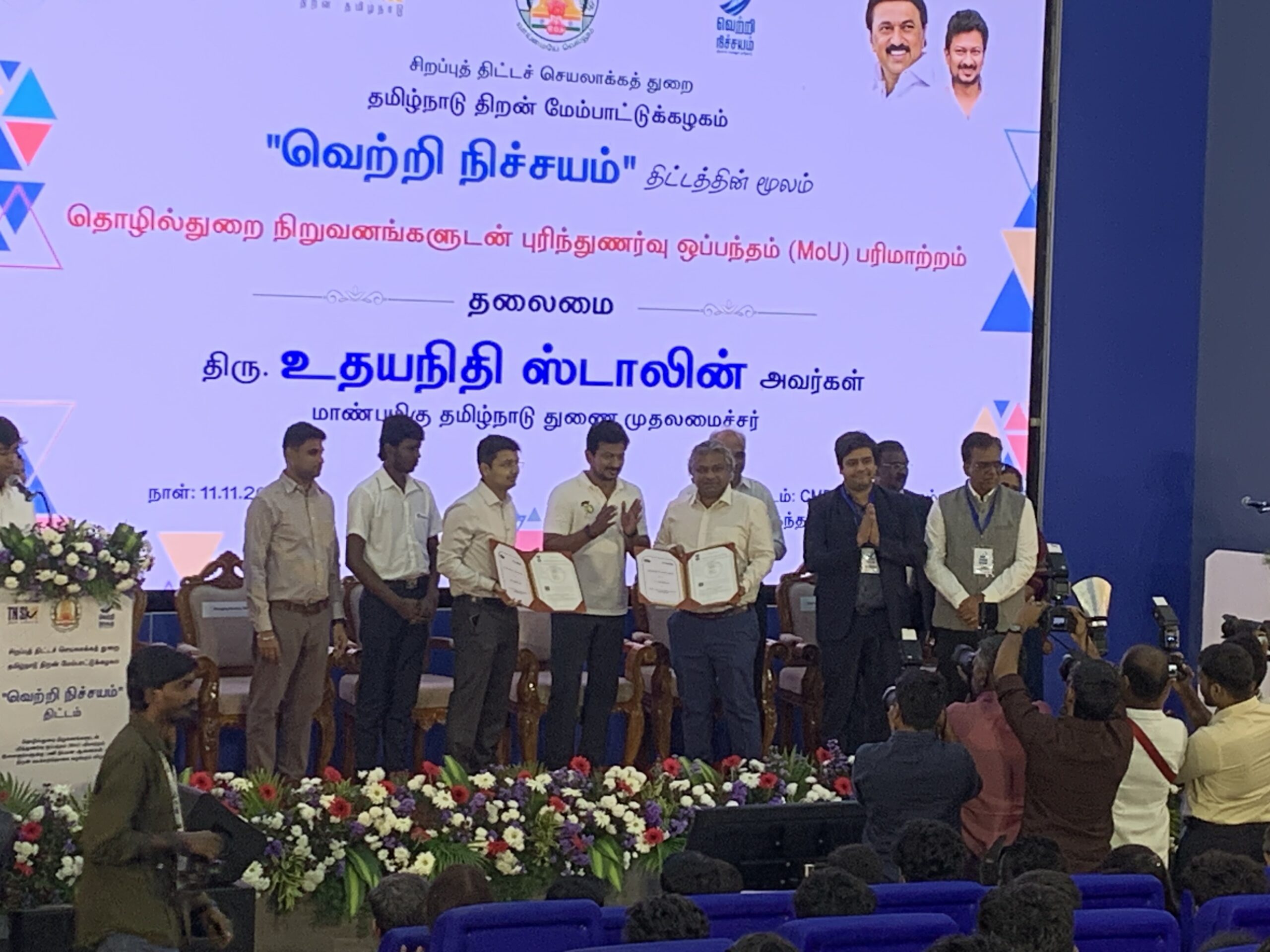
    HCLFoundation, the corporate social responsibility arm of HCLTech, has signed a memorandum of understanding with the Tamil Nadu Skill Development Corporation to deliver digital skills training to 2,500 rural youth over the next three years.

    The digital skills training programme targets youth in the Vilathikulam and Pudur blocks of Thoothukudi district, covering 95 village panchayats. It includes setting up micro workspaces at block headquarters to support remote jobs in information technology and IT-enabled services, with a placement tracking system to monitor outcomes.

    The initiative falls under TNSDC’s “Vetri Nichayam” scheme, which offers digital skills training and job placement for unemployed people aged 18-35.

    “This MoU with HCLFoundation is a proactive step to equip local youth with the digital skills training needed to participate meaningfully in the district’s evolving economic landscape,” Kranthi Kumar Pati, TNSDC managing director, said in a statement.

    The digital skills training programme aims to curb rural-to-urban migration by creating local employment and to boost women’s participation in sectors including IT, logistics and finance, officials said.

    Thoothukudi is developing as an industrial centre in Tamil Nadu, and the digital skills training addresses educated unemployment in rural areas, said Alok Varma, HCLFoundation project director.

    HCLTech is a global technology services firm based in Noida, India.

  • Empowering Climate-Resilient Farming: ACC’s Solar Boost

    Empowering Climate-Resilient Farming: ACC’s Solar Boost

    In the hot, dry lands of Chhatatand village in rural India, farmers like Bhagywati Devi used to worry every day about rain. No rain meant no crops, no food, and no money. But now, things are different. ACC, a big company in cement and building materials from the Adani group, is working with the Adani Foundation to bring climate-resilient farming to places like this. They use smart ways to save water and grow food better, even when weather is bad. This helps farmers fight low crop yields and crazy rain patterns through climate-resilient farming practices.

    Bhagywati is 47 years old. She has three kids and a husband who works hard as a daily labourer. Life was tough. School fees piled up, and food was always short. “We waited for rain like kids wait for sweets,” she says. When it didn’t come, her fields turned brown. She had to use diesel pumps for water, but they cost too much money and made dirty smoke. Crops failed often, and her family went hungry.

    In 2024, everything changed for Bhagywati. She was one of 20 farmers picked for the Adani Foundation’s solar irrigation project. ACC helped make it happen. Now, a solar pump sits in her small half-acre field. It uses free sunshine to pull water from the ground and send it straight to her plants. No more waiting for rain or paying for diesel. “It’s like a magic machine from the sky,” Bhagywati laughs, her face lighting up.

    With steady water, her crops grow strong all year. She plants rice and veggies without fear. Yields doubled fast. Before, she earned just enough to scrape by. Now, she makes an extra Rs 6,000 each month. That’s big money here—it pays for better food, fixes the house roof, and saves for her youngest girl’s college dreams. “I used to work sun-up to sun-down just to eat. Now, I have time for my family,” she says. She cooks hot meals, helps kids with homework, and chats with neighbors. Her tired hands still work the soil, but her heart feels lighter.

    ACC didn’t stop at water. They taught her trellis farming too. It’s a simple trick: Grow climbing veggies like beans and gourds on tall frames made from sticks or wire. This saves space on her tiny plot. Plants grow up, not out, so she fits more in. “My land was too small before. Now, veggies climb high like happy kids on a swing,” she jokes. Extra harvest means more to sell at the market. Buyers pay good prices for fresh, clean produce. Her income grew again, and people in the village notice. Once, folks saw her only as a wife helping out. Now, they call her for advice on farming. She speaks up in meetings, proud and strong.

    Bhagywati’s story shows the power of climate-resilient farming. ACC brings easy tools like solar pumps and trellis setups to far-off villages. These aren’t fancy gadgets—they’re helpers that fit real life. Farmers learn to use less water, grow more food, and earn steady cash through climate-resilient farming methods. No more chasing rain or burning fuel. Instead, they build safe futures.

    Take Bhagywati’s family: The extra money bought new clothes for festivals. Her middle son dreams of being a teacher, not a labourer. The little girl studies without worry. “ACC gave us more than tools. They gave us hope,” Bhagywati says, watching her kids play under the green vines.

    Across India, thousands like her face the same fights—hotter days, less rain from climate change. But with ACC and Adani Foundation’s work, rural spots like Chhatatand are turning green again. One farmer, one field at a time, they’re proving small changes make big waves. Solar power waters the land. Smart farming lifts spirits. And stories like Bhagywati’s spread, inspiring others to try climate-resilient farming.

    In the end, it’s not just about crops. It’s about families thriving, kids learning, and villages growing strong. ACC builds more than cement—they build lives that last, rain or shine.

  • Delhi Government, SOS Children’s Villages forge partnership to uplift 350 orphaned children

    Delhi Government, SOS Children’s Villages forge partnership to uplift 350 orphaned children

    The Department of Women and Child Development of the Delhi government and SOS Children’s Villages India signed a five-year partnership on Wednesday to implement the government’s Sponsorship Scheme, aiming to provide holistic care for 350 children without parental care in the capital.

    The Memorandum of Understanding (MoU), signed by Mitali Namchoom, Director of the Department of Women and Child Development, and Sumanta Kar, CEO of SOS Children’s Villages India, at the department’s New Delhi headquarters, focuses on enhancing family-based care through SOS India’s Kinship Care Programme. This partnership will support children’s emotional, physical, and educational development, ensuring they grow into self-reliant individuals.

    “This partnership ensures every child grows up with dignity, surrounded by care and stability,” Namchoom said, highlighting the importance of preserving family bonds and cultural identity.

    Kar added, “Through this partnership, we will empower caregivers with psychosocial and educational support, enabling children to thrive with hope and confidence.”

    The partnership leverages SOS India’s expertise to strengthen the Sponsorship Scheme, aiming to transform the lives of Delhi’s vulnerable children.

  • Cisco India unleashes Krishi Mangal 3.0 for AgriTech startups

    Cisco India unleashes Krishi Mangal 3.0 for AgriTech startups

    Cisco India CSR and Social Alpha unveiled Krishi Mangal 3.0 on Wednesday, selecting seven agritech startups deploying artificial intelligence and IoT solutions to boost farmer productivity and address climate challenges in Indian agriculture.

    Krishi Mangal 3.0, the third edition of the accelerator program, provides up to Rs 50 lakh ($60,000) in non-dilutive funding per startup, with potential access to additional funding of up to Rs 2 crore through Social Alpha’s network.

    The program focuses on climate resilience and income security for farmers through technology-driven solutions.

    Selected startups will deploy their innovations across multiple states, potentially reaching over 200,000 farmers and 150 farmer producer organizations.

    Krishi Mangal 3.0 targets critical agricultural challenges including soil degradation, water management, farm mechanization, post-harvest losses and supply chain inefficiencies.

    “This initiative is not just about agricultural innovation; it is a direct contribution to the vision of Viksit Bharat,” said Harish Krishnan, managing director and chief policy officer at Cisco India & ASEAN, referring to India’s development goals.

    “By empowering our farmers with cutting-edge technology, we are boosting rural incomes, fostering economic resilience, and ensuring food security.”

    The seven startups represent diverse technological approaches to agricultural challenges. Ekosight Technologies operates Soil Doctor Clinic, providing AI-powered soil testing that analyzes 16 parameters with over 95% accuracy, generating instant digital reports and tracking crop health through satellite imagery.

    ArkaShine Innovations offers AI-enabled portable devices assessing physical, chemical and biological soil properties, delivering fertilizer and crop recommendations tailored to soil health and microclimatic conditions through an integrated digital dashboard.

    Terracroft Agritech developed KrishiBOT, a battery-operated farm robot designed for gender-neutral operation that reduces physical strain for women and elderly farmers while supporting line sowing and intercropping with minimal soil compaction.

    Surobhi Agro Industries‘ Farmology platform combines patented organic inputs with AI-powered agronomy, integrating IoT-based soil testing and crop health monitoring with 95% accuracy to help farmers make timely decisions on water, pest and nutrient management.

    Agribotic Systems built a 90% indigenous agricultural drone ecosystem with compact, foldable units enabling affordable precision farming through real-time spraying, obstacle avoidance and IoT-based fleet management.

    Bhairaj Organics developed Desigo, a milk supply chain solution using alternative energy to eliminate cold storage needs and middlemen, ensuring zero spoilage with FSSAI-compliant traceability while empowering women entrepreneurs.

    Rudra Solar Energy offers high-efficiency solar cabinet dryers that reduce post-harvest losses and improve product quality, with direct market linkages providing farmers fair prices and increased income.

    “Smallholder farmers are navigating a complex web of systemic issues—from erratic monsoons and degrading soil health to rising input costs, limited infrastructure, and shrinking access to credit,” said Ganesh Neelam, co-founder of Social Alpha, India’s venture development platform for science and technology startups.

    Previous Krishi Mangal editions have demonstrated significant impact. The first edition supported five startups deploying solutions in seven states, directly impacting over 17,000 farmers and collectively raising Rs 34.8 crore in follow-on funding. The second edition enabled seven startups to deploy in six states, benefiting more than 32,000 farmers and achieving a cumulative 14.9% increase in farmer incomes.

    India climbed to 39th position in the Global Innovation Index in 2024 from 81st in 2015, according to Deepak Bagla, mission director at Atal Innovation Mission, NITI Aayog. “The growth of the nation is tied to the growth of agriculture, the primary sector in India,” Bagla stated.

    Agriculture remains a critical economic sector in India, employing nearly half the country’s workforce and serving as the foundation for rural livelihoods across the nation.

    Startups in Krishi Mangal 3.0 also receive tailored business planning support and access to Social Alpha Labs for product design, prototyping and manufacturing assistance, along with potential seed investment opportunities subject to due diligence.

  • Empowering Indian women farmers: Walmart-backed FPCs boost incomes 51%, plan expansion

    Empowering Indian women farmers: Walmart-backed FPCs boost incomes 51%, plan expansion

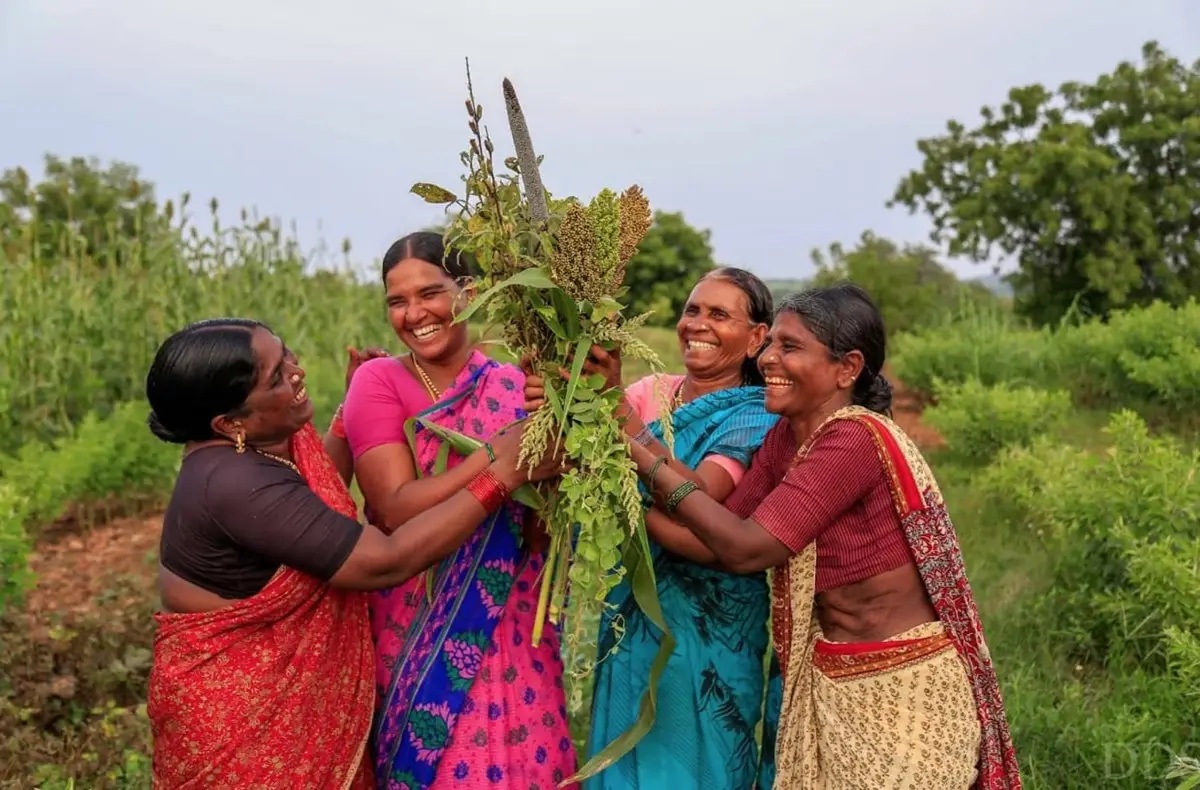
    Maya Ghosh rises before dawn each day to oversee a network of collection centers that have transformed how women farmers in rural India sell their crops, cutting out middlemen who long controlled prices and profits.

    “We used to sell our produce to middlemen who would decide the price. We had no voice, no choice,” said Ghosh, a director at Ken Betwa Mahila Farmer Producer Company Limited.

    “Today, through our network of 34 collection centers, we’ve procured 448 metric tonnes directly from women farmers.” Ghosh is among thousands of women farmers whose livelihoods have improved through farmer producer companies (FPCs) – agricultural collectives that pool resources, share knowledge, and negotiate better prices for members.

    The initiative, run by non-profit SRIJAN with funding from the Walmart Foundation, expanded its shareholder base nearly fourfold to 24,328 women farmers between November 2022 and November 2024, with women comprising 88% of members.

    Average annual incomes for shareholders rose by 30,000 rupees (USD357), a 51% increase, while collective turnover across 12 FPCs grew more than 190% during the two-year period, SRIJAN said.

    BREAKING BARRIERS

    In villages where women farmers traditionally had limited say in agricultural decisions, they now occupy leadership positions and negotiate directly with buyers.

    “The first time I stood up in a meeting to speak, my hands were shaking,” said Savitri Yadav, who serves on the management committee of her FPC in the eastern state of Bihar. “Today, when traders come, they negotiate with us on our terms.”

    The model has proven particularly effective in eliminating intermediaries. Some 88% of shareholders now purchase farming inputs through their FPCs, while 39% sell produce directly through the collectives, according to project data.

    For Kamla Devi, a smallholder farmer in Uttar Pradesh state who joined her local FPC in 2023, the benefits were immediate. “My children can now go to school without me worrying about fees,” Devi said.

    “I bought quality seeds through our FPC and learned new farming techniques. My yield doubled, and I got a fair price when I sold through our collective.”

    WALMART FOUNDATION EXPANDS SUPPORT

    Building on initial success, SRIJAN is launching a second phase with new grant support from the Walmart Foundation that will expand the program to 38,000 women farmers across 19 FPCs.

    “We are committed to fostering a more inclusive, efficient, and profitable FPC ecosystem – one centered around agricultural production and greater participation of women farmers in the value chain,” said Prasanna Khemariya, chief executive officer of SRIJAN.

    The expansion focuses on ensuring FPCs can operate independently without external support, with all 19 companies expected to achieve self-sufficiency. Training programs aim to help 70% of participating women farmers adopt improved crop management practices.

    “Empowering women farmers is central to building resilient agricultural economies,” said Nishant Gupta, social and environmental impact advisor to Walmart.org, the Walmart Foundation’s philanthropic arm.

    “We are pleased to support SRIJAN’s efforts to enhance market access, boost capacity building, and increase women farmers’ participation in the agri-value chain.”

    CHANGING PERCEPTIONS

    The program’s impact extends beyond economics, reshaping how younger generations view agriculture as a career. Priya Sharma, 23, recently completed her university degree and returned to her village to join her mother’s FPC rather than seeking urban employment – a decision that would have been unusual just years earlier.

    “I saw what my mother achieved – the respect she earned, the income she generated,” Sharma said. “Agriculture doesn’t mean poverty anymore. It means opportunity.”

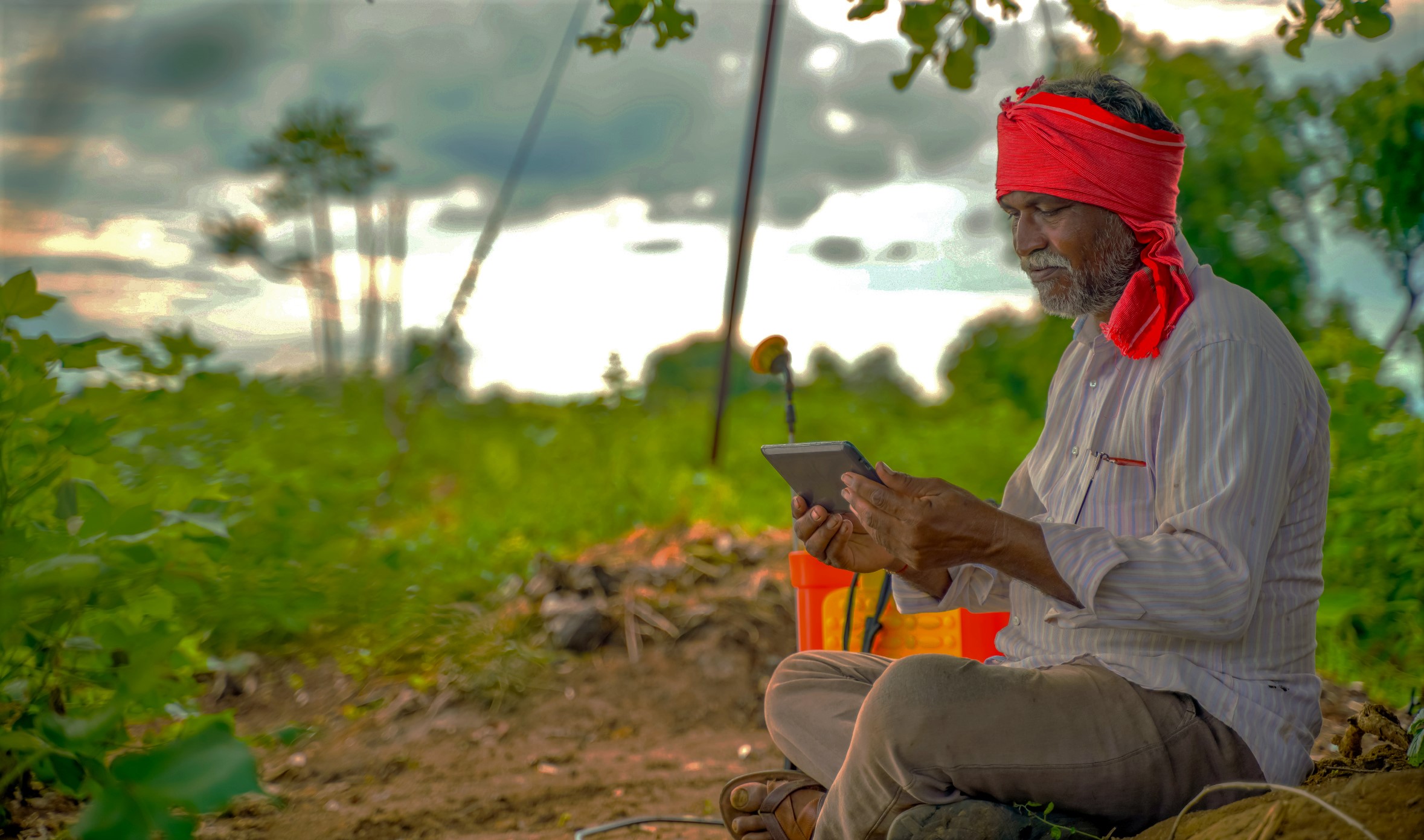
    At Ghosh’s collection center in Madhya Pradesh state, younger women farmers now weigh produce, negotiate prices, and manage accounts on tablets – tasks that were once dominated entirely by men and middlemen.

    “We’re not just growing crops,” Ghosh said. “We’re growing confidence. We’re growing communities. We’re growing a future where our daughters won’t have to leave their villages to find dignity and success.”

    India has approximately 146 million farmers, with women farmers comprising a significant portion of the agricultural workforce though often lacking formal recognition or direct market access, according to government data.
  • Transformative Himachal Pradesh Vision Care Initiative Treks to 5,000

    Transformative Himachal Pradesh Vision Care Initiative Treks to 5,000

    The Government of Himachal Pradesh has partnered with online bus ticketing platform redBus and VisionSpring Foundation to launch the Himachal Pradesh vision care initiative, a transformative effort to deliver vision care services to underserved Himalayan communities.

    Targeting 5,000 people, this initiative provides eye screenings and eyeglass distribution to bridge a critical gap in eye care access.

    In Himachal Pradesh, 3 million people lack proper vision care, part of India’s 550 million residents without necessary corrective eyewear.

    Studies show eyeglasses can boost earning potential by up to 33.4% and increase productivity by 32%. The Himachal Pradesh vision care initiative addresses this need, empowering communities with clearer vision and brighter futures.

    From Oct. 9-18, VisionSpring teams, government officials, and health experts are trekking across Shimla and Kinnaur districts, reaching remote areas like Chitkul, India’s first village, and hazardous mountain roads near Reckong Peo. This Clear Vision Trek, a cornerstone of the Himachal Pradesh vision care initiative, marks the 25th anniversary of VisionSpring founder Jordan Kassalow’s journey that inspired the organization’s mission.

    “Everyone has the right to see clearly, no matter where they live,” Kassalow said, emphasizing the trek’s goal to deliver “life-changing eyeglasses across some of the most challenging terrain on earth.”

    The Himachal Pradesh vision care initiative includes three transformative programs: See to Earn for working adults, See to Learn for students, and See to be Safe for commercial vehicle drivers navigating mountainous roads. These efforts ensure comprehensive vision care tailored to diverse needs.

    Chief Minister Sukhvinder Singh Sukhu launched the Clear Vision Trek in Shimla on Oct. 9, aligning with World Sight Day celebrations. Partners like the National Programme for Control of Blindness & Visual Impairment, World Health Organization, and Indiahikes bolster this transformative Himachal Pradesh vision care initiative, setting a model for accessible healthcare in remote regions.

  • Water Access Transforms 15 Rajasthan Villages

    In Sambhar, Rajasthan, the Royal Rajasthan Foundation’s (RRF) Access to Water project, launched in 2020, is changing lives across 15 villages. Partnering with Gram Chetan Kendra, Muthoot Pappachan Foundation, and Danish Power, RRF has built farm ponds to conserve rainwater, boost irrigation, and lift farmer incomes, while empowering women to lead community efforts.

    For the first time in generations, families are growing a second crop, ending distress migration. Key impacts include:

    • 100% of farmers now grow a second crop, with 24% earning over ₹1.2 lakh extra annually.
    • Households save ₹1,000–2,000 monthly on water, with many accessing fluoride-free drinking water.
    • 91% of families with fruit trees save ₹200–300 monthly and report better nutrition.
    • Chemical fertilizer use dropped from 43% to 13%.
    • 96% of farmers learned efficient water use, improving soil and reducing pests.
    • 95% of families invest savings in children’s education.

    “Water isn’t scarce—it’s mismanaged,” says Ranjit Barthakur, RRF Chairperson. “With women leading, we’re building resilient, thriving communities.”

    In 2025, RRF will add 400 farm ponds, reaching over 1,470 families, and launch a Khejri tree plantation drive. This project shows how water, women’s empowerment, and climate action can transform rural lives.

  • Bright Futures: New Classrooms Transform Rural Karnataka

    Bright Futures: New Classrooms Transform Rural Karnataka

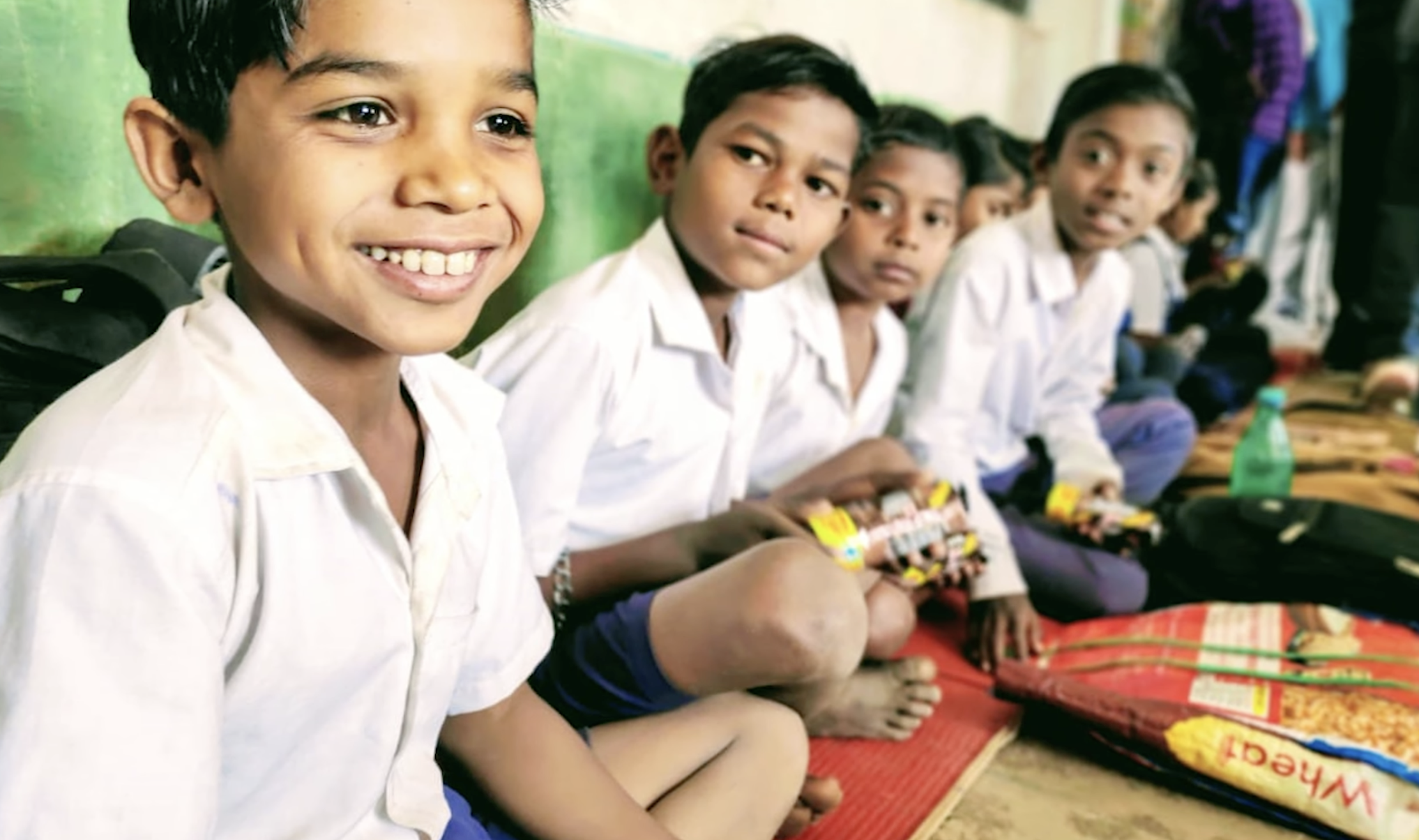
    In Kolkunte village, 13-year-old Priya beams as she enters her new classroom—bright, airy, and sturdy. Thanks to a partnership between Aahwahan Foundation and Huawei India, modern learning spaces are rising in remote Karnataka villages like Kolkunte (Davanagere), Hirekeruru (Haveri), and Thuraganuru (Mandya), where old schools lacked basic facilities.

    These spacious, well-ventilated classrooms are more than buildings—they’re hope for kids like Priya and 15-year-old Anil, who no longer worries about leaking roofs. “School feels like a place to grow now,” Anil says.

    “We’re building spaces where kids can dream big,” says Aahwahan’s CEO Braja Kishore Pradhan statement. The initiative bridges the urban-rural education gap, creating inclusive environments for underserved communities.

    “Every child deserves a chance to learn,” says Satish Hampali of Huawei India. “We’re proud to support rural students and build a brighter future.”

    With plans to reach more villages, Aahwahan and Huawei India are transforming lives, one classroom at a time. For Priya, it’s simple: “This place makes me believe I can be anything.”

  • APOA, CPOPC, Solidaridad Sign MoU to Boost Sustainable Palm Oil in South Asia

    APOA, CPOPC, Solidaridad Sign MoU to Boost Sustainable Palm Oil in South Asia

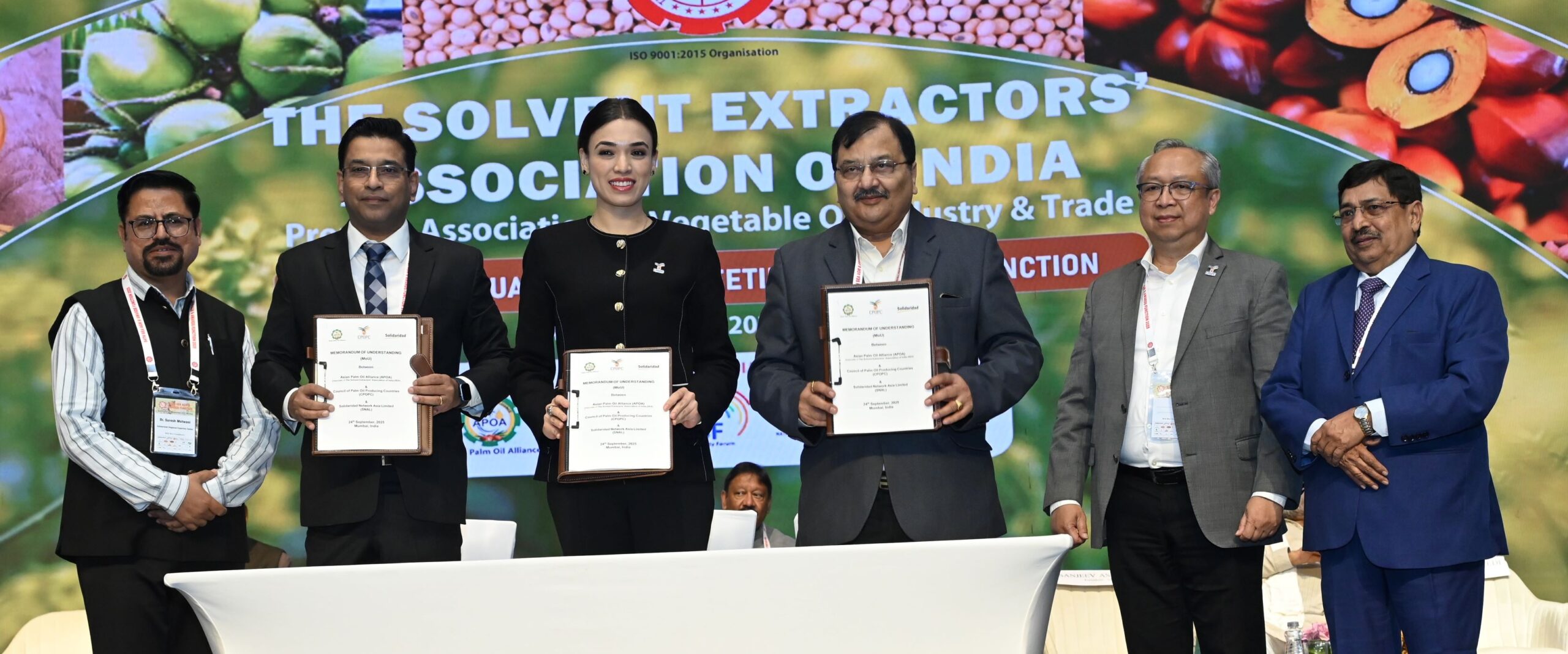
    The Asian Palm Oil Alliance (APOA), the Council of Palm Oil Producing Countries (CPOPC), and Solidaridad have signed a Memorandum of Understanding (MoU) to enhance collaboration between palm oil producers and consumers, aiming to advance sustainability and stabilize supply chains across South Asia.

    The agreement, signed in Mumbai, establishes a framework to align national sustainability standards, address market volatility, and promote smallholder inclusion, with a focus on India, a key market serving over 1.5 billion consumers.

    “This partnership provides a platform for producers and consumers to tackle shared challenges like food security and price stability,” said Atul Chaturvedi, chairman of APOA.

    The MoU commits the parties to harmonize frameworks such as Indonesia Sustainable Palm Oil (ISPO), Malaysian Sustainable Palm Oil (MSPO), and the Indian Palm Oil Sustainability (IPOS) Framework, while respecting national regulations.

    It also emphasizes traceable, No Deforestation, No Peat, and No Exploitation (NDPE)-compliant sourcing, using tools like Solidaridad’s SoliTrace and remote-sensing technology for supply chain transparency.

    A Joint Working Group, co-chaired by APOA and CPOPC with Solidaridad as the Technical Secretariat, will oversee implementation, monitor progress, and coordinate advocacy efforts.

    Focus on Resilience and Inclusion

    The initiative aims to ensure a stable supply of affordable edible oils amid price fluctuations and logistical challenges. Pilot projects will introduce digital traceability and importer-facing dashboards tailored for Indian buyers, alongside training for smallholders on regenerative farming practices.

    “Indian consumers deserve clear information on palm oil’s affordability and sustainability,” said Dr. B. V. Mehta, executive director of the Solvent Extractors’ Association of India, which hosts APOA’s secretariat.

    CPOPC’s Secretary General Izzana Salleh highlighted the role of fair trade and evidence-based dialogue in building market confidence, with smallholder livelihoods as a priority. Solidaridad Asia’s Managing Director, Dr. Shatadru Chattopadhayay, stressed delivering “practical sustainability” for producers and buyers.

    Broader Implications

    The partnership will advocate for fair recognition of national sustainability standards in global trade discussions and explore minimum sustainability criteria for Indian public procurement. By addressing policy risks and promoting climate-smart practices, the MoU seeks to enhance economic resilience and environmental stewardship across the region.

    APOA represents vegetable oil associations from India, Bangladesh, Pakistan, Sri Lanka, and Nepal. CPOPC, founded by Indonesia and Malaysia, advocates for producer nations. Solidaridad provides technical expertise in traceability and smallholder support.

  • From darkness to dignity: Murlidhar’s journey of hope with ACC’s MSMM Program

    From darkness to dignity: Murlidhar’s journey of hope with ACC’s MSMM Program

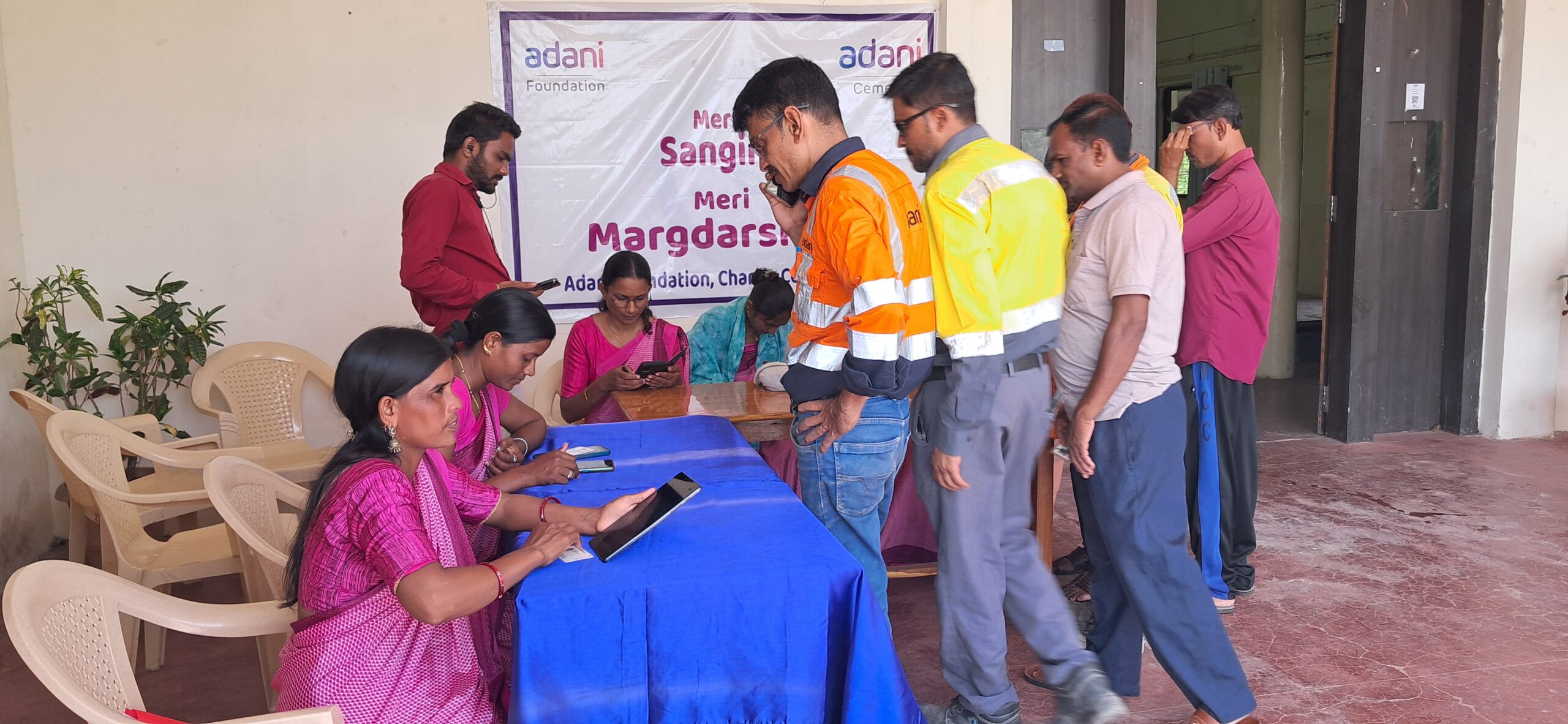
    In the quiet village of Parmadoh, Chandrapur, Maharashtra, Murlidhar Waralu There — a farmer from an economically weaker family — faced a fading world due to an eye disease. Surgery was the only solution, but financial barriers stood in the way—until ACC, a leader in the Adani Portfolio, and the Adani Foundation brought hope through their Meri Sangini Meri Margdarshika (MSMM) program.

    A Champion for Change

    Mamatai Vabhitkar, a dedicated Sangini under the MSMM initiative, discovered Murlidhar’s struggle during a village meeting. With compassion and determination, she introduced him to the Ayushman Bharat Yojana, guiding him through enrollment and documentation. Thanks to her efforts, Murlidhar’s surgery was fully funded, saving him Rs 20,000 and restoring his vision.

    With his eyesight back, Murlidhar resumed his work and regained his independence. His story inspired over 160 villagers in Parmadoh to enroll in the scheme, unlocking access to vital healthcare.

    Building Stronger Communities

    The MSMM program empowers women like Mamatai to bridge the gap between rural communities and government welfare schemes. Through ACC and the Adani Foundation’s efforts, families in Chandrapur are gaining access to healthcare, financial stability, and a brighter future.