Category: Home Sector

  • Beyond One-Time Plantations: Why CSR Must Invest in Living Forests

    Beyond One-Time Plantations: Why CSR Must Invest in Living Forests

    By Kapil Sharma and Deokant Payasi

    Every monsoon, plantation drives sweep across India. Corporate volunteers gather, saplings are planted, photographs are taken, and annual CSR reports celebrate impressive numbers.

    But after the cameras leave, the real question begins: how many of those saplings will survive five years later? Programs such as those implemented by SayTrees Environmental Trust demonstrate this shift, with over 9 million saplings planted across 20,000+ hectares of farmland supporting more than 25,000 farmers through agroforestry systems, capturing over 120,000–160,000 tonnes of CO₂ annually while improving soil health and farm resilience.

    Planting a tree is the easiest part of the process. Protecting it, nurturing it, and allowing it to become part of a thriving ecosystem is the real work. And that work does not end with a plantation event, it begins there. Such agroforestry landscapes can capture over 120,000–160,000 tonnes of CO₂ annually while improving soil health and farm resilience.

    India’s climate ambitions demand more than symbolic greening. They demand ecological integrity.

    India has committed to creating an additional carbon sink of 2.5 to 3 billion tonnes of CO₂ equivalent by 2030 through increased forest and tree cover. Achieving this target cannot depend on plantation numbers alone, it requires ecosystems that survive and mature.

    Recent debates around commercial plantations and forest leasing have renewed an old question: what qualifies as a forest? A plantation, especially one driven by short-term economic returns, is not automatically a forest. Forests are living systems composed of native species, layered canopies, soil microbiology, water cycles, and biodiversity networks that evolve over decades.

    When restoration is reduced to numbers, ecological complexity is lost.

    Across the country, survival rates of plantation drives often drop sharply after the first few years due to inadequate maintenance, poor species selection, water stress, grazing pressures, and lack of community engagement. Reviews of afforestation efforts by institutions such as the Comptroller and Auditor General (CAG) have pointed to gaps between plantation targets and long-term ecological outcomes. A sapling in the soil is only the first step in a 20-year ecological journey. Without protection and monitoring, it rarely becomes a mature canopy.

    True climate resilience lies in diversity.

    Fast-growing monocultures may deliver quick carbon metrics, but ecological research from the Indian Council of Forestry Research and Education (ICFRE) and global assessments by FAO show that biodiverse, mixed-species forests provide greater long-term resilience, better soil stability, and stronger ecosystem services than single-species plantations.

    A living forest, particularly in urban and peri-urban landscapes, performs multiple functions simultaneously. According to research by the Forest Survey of India (FSI) and studies by institutions such as IISc Bengaluru, dense native tree cover can help moderate urban heat, reduce runoff during heavy rainfall, stabilise soil, and improve air quality. As Indian cities experience rising temperatures and more intense rainfall events, these ecological services are no longer optional, they are essential infrastructure.

    But these benefits emerge only through thoughtful ecological design: native species diversity, multi-layered canopy planning, soil restoration, and long-term stewardship.

    Equally critical is community partnership. Restoration efforts that exclude local communities rarely endure. Evidence from Joint Forest Management initiatives across India shows that when local communities participate in protection and monitoring, survival and regeneration outcomes improve significantly.

    Ecological restoration is not merely a technical exercise; it is a long-term social commitment.

    CSR in India has the potential to support meaningful ecological regeneration, but only if it shifts from annual plantation targets to multi-year restoration commitments. This means budgeting not only for saplings, but for maintenance, monitoring, and biodiversity support over five to ten years.

    Climate action cannot be reduced to a photo opportunity.

    India does not need more one-day plantation drives. It needs living forests, biodiverse, climate-resilient ecosystems that are designed to thrive long after the CSR cycle ends.

    If corporate responsibility is to truly serve climate resilience in 2026 and beyond, the shift is clear: from planting trees to growing forests with life. Planting is an act. Growing is a commitment. And the future of India’s climate leadership depends on choosing the latter.

    The writers are founder and co-founder of Bengaluru-based NGO SayTrees Environmental Trust.

  • HCLFoundation expands My Clean City program to Agra, donates Sanitation fleet to Nagar Nigam

    HCLFoundation expands My Clean City program to Agra, donates Sanitation fleet to Nagar Nigam

    HCLFoundation, which drives the corporate social responsibility agenda of HCLTech in India, announced on Monday the expansion of its My Clean City program to Agra, Uttar Pradesh — the first city outside the Noida–Greater Noida belt to receive the initiative since its 2019 launch.

    As part of the rollout, the foundation donated 10 e-drain carts, two e-street sweeping machines and one HomoSep robot — a mechanised septic tank cleaning device — to Agra Nagar Nigam, the city’s municipal body. The equipment is intended to reduce hazardous manual work while improving the scale and consistency of urban waste management.

    The HomoSep robot, already deployed in Gautam Buddha Nagar, has cleared more than 100,000 litres of sludge across 452 manholes and sewer sites — removing sanitation workers from direct exposure to toxic conditions. The device represents a broader pivot within the program toward mechanisation as a tool for worker safety.

    Since its launch, My Clean City has engaged nearly 750,000 citizens through behavioural sensitisation drives and trained more than 61,000 stakeholders on waste management practices. The program has managed over 17,000 tonnes of waste in Noida and Greater Noida, and runs a Waste Champions Club involving more than 2,400 school students.

    The initiative also carries a social welfare component. Under its Social Inclusion of Sanitation Workers program, 200 sanitation worker families in Gautam Buddha Nagar receive support across health, education, financial literacy and skill development — a recognition that sustainable sanitation reform extends beyond infrastructure.

    Five biogas plants, each processing between 1,500 and 1,800 kg of cow dung daily, have been established in the region as part of complementary clean energy efforts, generating fuel from waste material.

    HCLFoundation said the Agra expansion reflects a strategy of replicating proven urban sanitation models in new municipal geographies. The foundation, which reported having positively impacted over 7.5 million lives to date, focuses thematically on education, health and sanitation, skill development, environment, and disaster risk reduction.

  • ITC’s women-led water groups transform rural India

    ITC’s women-led water groups transform rural India

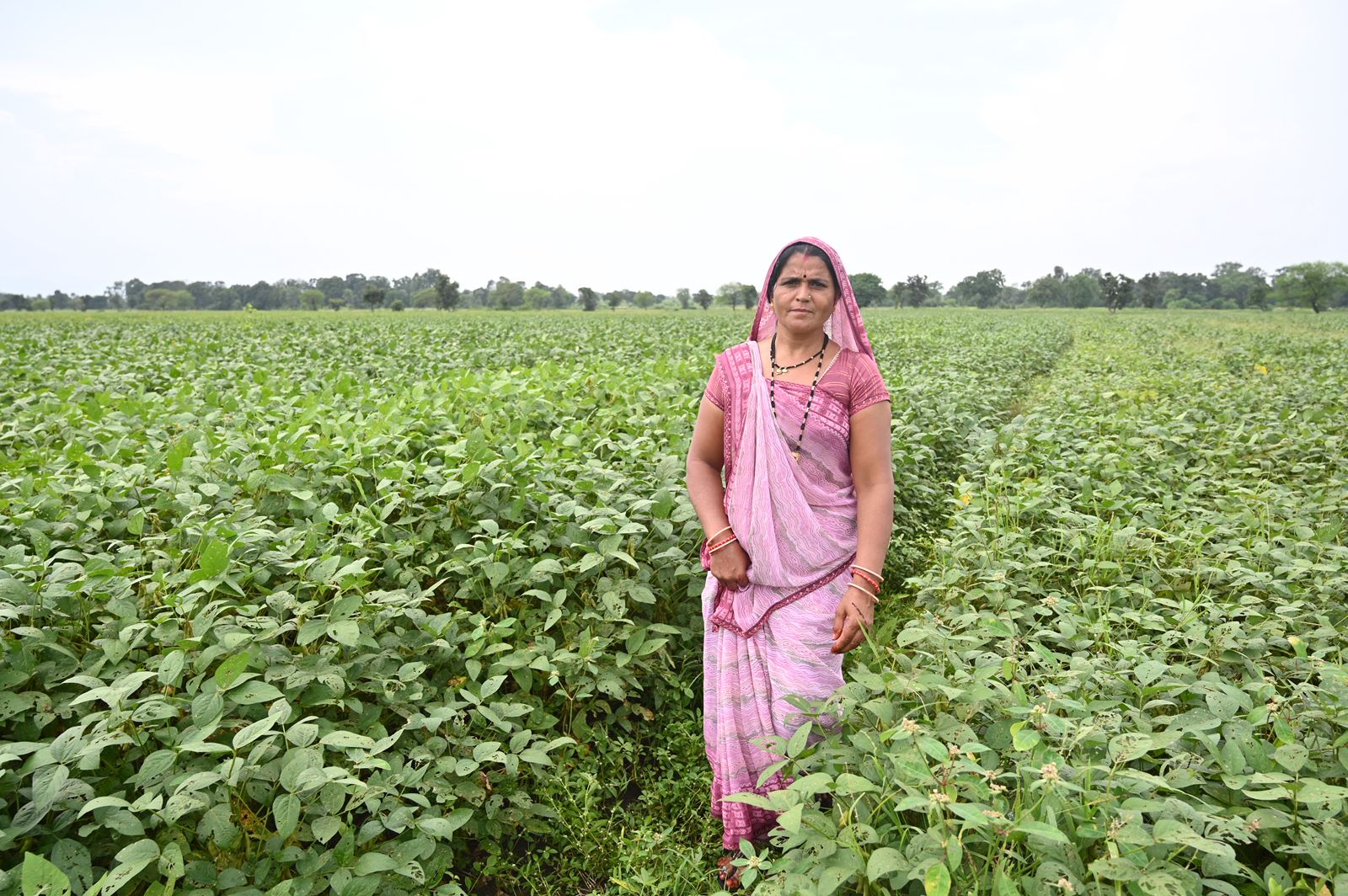
    In Molga village in Madhya Pradesh’s Sehore district, a six-acre lake that once ran dry now brims with water, feeding acres of soybean fields through sluice gates. The turnaround is the work of women — dozens of them — organised into a community water user group under Indian conglomerate ITC Ltd’s watershed initiative.

    The company’s integrated water stewardship programme has established over 5,800 women-led water user groups spanning 17 states, covering 1.89 million acres and benefiting more than 500,000 people. The model centres on a straightforward principle: give women governance over local water, and communities thrive.

    “We used to face a lot of difficulty in getting water earlier,” said Vimla Malvi, a water user group member in Sehore. “I had to carry two pots on my head for long distances. After getting involved with ITC’s water user group, there has been a lot of positive change.”

    Women now oversee maintenance of more than 36,900 water structures — ponds, canals, and check dams — built under ITC’s programmes. Their involvement has ensured equitable water access for marginalised households, where scarcity has historically fallen hardest.

    Beyond infrastructure, ITC’s Krishi Sakhi programme has trained thousands of women as agriculture service providers, promoting drip and sprinkler micro-irrigation and climate-resilient farming. Nearly 200,000 women farmers are part of ITC’s agricultural ecosystem. The company said its water-use efficiency drive enabled potential crop water savings of nearly 1,700 million kilolitres in 2025–26 alone.

    “In inclusive water user groups, women play an active role in decision-making on how water is managed, maintained and shared, ensuring ITC’s interventions are not only equitable and sustainable but also scalable,” said Prabhakar Lingareddy, Executive Vice President, Social Investments, ITC Ltd.

    The programme has helped ITC maintain a water-positive status for over 23 consecutive years, while also operating river basin-level interventions across five major sub-basins.

    The initiative aligns with the United Nations’ World Water Day 2026 theme — “Water and Gender” — carrying the message: “Where water flows, equality grows.” Advocates say ITC’s model demonstrates that empowering women is inseparable from solving the global water crisis.

    Time freed from water collection has flowed into income-generating activities, with women joining micro-enterprises and self-help groups supported by ITC — compounding the social return on what began as an environmental intervention.

  • Ambuja Cements Drives Women Empowerment, Hands E-Autos to 10 SHG Women in Gujarat

    Ambuja Cements Drives Women Empowerment, Hands E-Autos to 10 SHG Women in Gujarat

    Ambuja Cements, the ninth-largest building materials solutions provider globally and part of the Adani Portfolio, has handed over electric auto-rickshaws to 10 women from Self-Help Groups (SHGs) in the Kodinar region of Gujarat, opening a new chapter in rural women empowerment and self-employment on International Women’s Day.

    The handover ceremony was held at Ambujanagar, marking the culmination of a structured skilling and financing initiative designed to equip women with both the capability and capital to operate independent transport businesses.

    Women associated with Sorath Mahila Vikas Sahakari Mandali and local SHGs underwent two months of specialised e-auto driving training at the Skill and Entrepreneurship Development Institute (SEDI), Ambujanagar. The programme focused on building safe driving skills and operational confidence among participants.

    Following training, participants purchased the e-autos with extended loan support from Sorath Mahila Vikas Sahakari Mandali, ensuring financial access remained no barrier to ownership.

    The trained women will operate e-autos in and around Kodinar, providing passenger transport services and ferrying school-going children — addressing a critical rural mobility gap while generating sustainable household income.

    Ambuja Cements officials, present at the handover, encouraged the women to embrace their self-employment journey, reaffirming the company’s commitment to income-generating opportunities for women in underserved rural communities.

    The initiative reflects Ambuja Cements’ wider strategy of linking skill development with livelihood creation, particularly for women in regions surrounding its plant operations. The company’s SEDI centres across India have trained thousands of rural youth and women in vocational skills since inception.

    The e-auto programme aligns with India’s broader push for electric mobility adoption in rural areas and dovetails with national priorities around women-led development and the SHG movement under the National Rural Livelihoods Mission.

  • Reckitt Transforms India’s Sanitation Economy, Trains 1.25 Lakh Workers as Entrepreneurs

    Reckitt Transforms India’s Sanitation Economy, Trains 1.25 Lakh Workers as Entrepreneurs

    Reckitt, the British consumer goods company, is pressing forward with a nationwide campaign to build a formal sanitation economy in India by converting informal waste handlers into skilled micro-entrepreneurs, overhauling school sanitation infrastructure, and commissioning the country’s first scientific study of life expectancy among sanitation workers — a group whose average lifespan trails the national mean by nearly 30 years.

    WORKFORCE TRANSFORMATION

    The company’s Harpic World Toilet College (HWTC), operated in partnership with the World Toilet Organisation and Jagran Pehel, has trained more than 1.25 lakh sanitation workers since its launch, with women accounting for over 45 percent of all trainees. Graduates are equipped to operate mechanised cleaning units, manage school sanitation services, maintain urban drains, and run facility-care operations as independent contractors.

    An independent social return on investment assessment found that every rupee invested in the programme generates Rs 23.20 in social value — driven by gains in worker dignity, safer conditions, and improved financial and health resilience for workers and their families.

    “India has made extraordinary progress in building toilets, but true sanitation progress must also mean longer and safer lives for the people who maintain them.” said Gaurav Jain, Executive Vice President, South Asia, Reckitt

    POWER OF 8: SCHOOL SANITATION REFORM

    Reckitt’s Harpic Safe Sanitation Programme deploys what it calls the “Power of 8” model — an eight-element operational framework designed to guarantee hygiene quality and financial accountability across school sanitation systems.

    The framework bundles assured funding, scheduled cleaning cycles, trained HWTC manpower, professional equipment, supervisory oversight, consumable supplies, drain maintenance and de-clogging, and live digital tracking into a single auditable service package.

    The model is intended to turn sanitation delivery into an enterprise-driven ecosystem, giving HWTC graduates a structured route to operate as service providers and contractors at scale. Behavioural change components — muppet-led sessions, storybooks, pop-up installations, and wall art co-created with Sesame Workshop India — are embedded in the curriculum to establish hygiene habits among schoolchildren.

    LIFE-EXPECTANCY EVIDENCE GAP

    Despite the scale of India’s sanitation workforce, no nationally representative, occupation-linked mortality dataset exists for the sector. Reckitt says the absence of such data leaves policymakers without the evidence needed to design effective mechanisation mandates, personal protective equipment requirements, or compensation frameworks.

    The company is funding what it describes as India’s first comprehensive life-expectancy assessment for sanitation workers, aiming to quantify survival risks from toxic gas exposure, infections, musculoskeletal injury, and socio-economic disadvantage. It says the findings are intended to feed directly into national sanitation economy planning.

    Reckitt has also sought to raise public recognition of sanitation workers. To mark the 25th anniversary of World Toilet Day, the company facilitated the release of commemorative postage stamps honouring the workforce.

    EXPANSION TARGETS

    Reckitt says it plans to extend the Power of 8 framework across additional Indian states, deepen enterprise development through HWTC, and ultimately reach 70 percent of India’s sanitation worker cohort. It describes the combined push — entrepreneurship training, systemic school reform, national recognition and life-expectancy research — as a unified strategy to create a sanitation economy “where every worker can live a longer, healthier and dignified life.”

    India’s Swachh Bharat Mission has overseen the construction of more than 100 million toilets since 2014, a transformation widely credited with expanding sanitation access. However, critics and public-health researchers have long argued that the programme’s focus on infrastructure has not been matched by investment in the workforce that maintains it.

  • AI-Driven CSR: India’s tech leap for social good as Impact Summit begins

    AI-Driven CSR: India’s tech leap for social good as Impact Summit begins

    By Eldee

    As the India AI Impact Summit 2026 kicks off in the capital from February 16, AI-Driven CSR is emerging as a game-changing force in India’s social development landscape. Artificial intelligence is powering a profound revolution, turning corporate giving into smarter, more scalable and high-impact interventions that deliver real, measurable change.

    In FY 2023-24, CSR spending reached new heights with a record Rs 34,000 crore poured into over 59,000 projects — a strong 12 percent surge year-on-year, per Ministry of Corporate Affairs data. Education commands 38 percent of spending, followed by healthcare, environment and livelihoods.

    Many leading firms decisively exceed the 2 percent mandate, channeling resources through foundations for strategic, transformative alignment with national priorities.

    Reforms have added serious muscle: mandatory third-party impact assessments, the transparent National CSR Data Portal, and the Social Stock Exchange unlocking fresh NGO funding channels. The era of checkbox compliance is giving way to outcome-focused, high-impact philanthropy.

    • AI is the decisive accelerator here. Forward-looking Indian companies are harnessing it to amplify efficiency and reach:
    • Infosys Foundation deploys AI for personalised rural learning, predicting outcomes to target interventions with precision.
    • TCS powers remote healthcare chatbots and disaster analytics.
    • Hindustan Unilever uses image recognition to revolutionize waste segregation and recycling.
    • Reliance Foundation combines AI with blockchain for traceable e-waste management.
    • Intel India drives “AI for All” skilling to boost nationwide employability.

    These initiatives echo global trailblazers — Microsoft AI for Earth tackling climate challenges, Google crisis mapping, IBM sustainability models — but are uniquely anchored in India’s mandatory CSR framework and BRSR reporting.

    Pioneering NGOs like Marpu Foundation showcase the transformative potential: AI-driven real-time dashboards for fund tracking, beneficiary verification, automated need-matching and volunteer coordination. Predictive models forecast dropouts and pollution trends, enabling proactive, high-impact spending. The outcome is amplified accountability, minimized leakages and human effort supercharged — never replaced.

    Challenges persist: funds still concentrate in industrial zones, AI adoption remains uneven among tech-savvy giants, and data privacy, bias and digital divides demand urgent safeguards.

    The India AI Impact Summit 2026 arrives at the perfect moment to pioneer solutions. With global visionaries and policymakers converging under the banner of People, Planet and Progress, the summit must champion inclusive AI-Driven CSR policies: incentives for mandatory spending integration, robust public-private-NGO partnerships for localised models, expanded ethical skilling at scale, and firm benchmarks for responsible deployment.

    India’s IndiaAI Mission already provides a solid foundation — indigenous models, compute infrastructure, capacity building. By positioning AI as essential infrastructure for CSR, not an optional luxury, India can lead the world in proving technology can accelerate equitable progress and fast-track the Sustainable Development Goals.

    This summit is more than optics — it’s about defining commitments that convert bold promise into tangible change for millions. In this pivotal moment, India stands poised to demonstrate that innovation and inclusion are not trade-offs — they are powerful allies. The opportunity is immense. The time to seize it is now.

  • Re Sustainability, Janyu ink MoU for transformative robotics waste management

    Re Sustainability, Janyu ink MoU for transformative robotics waste management

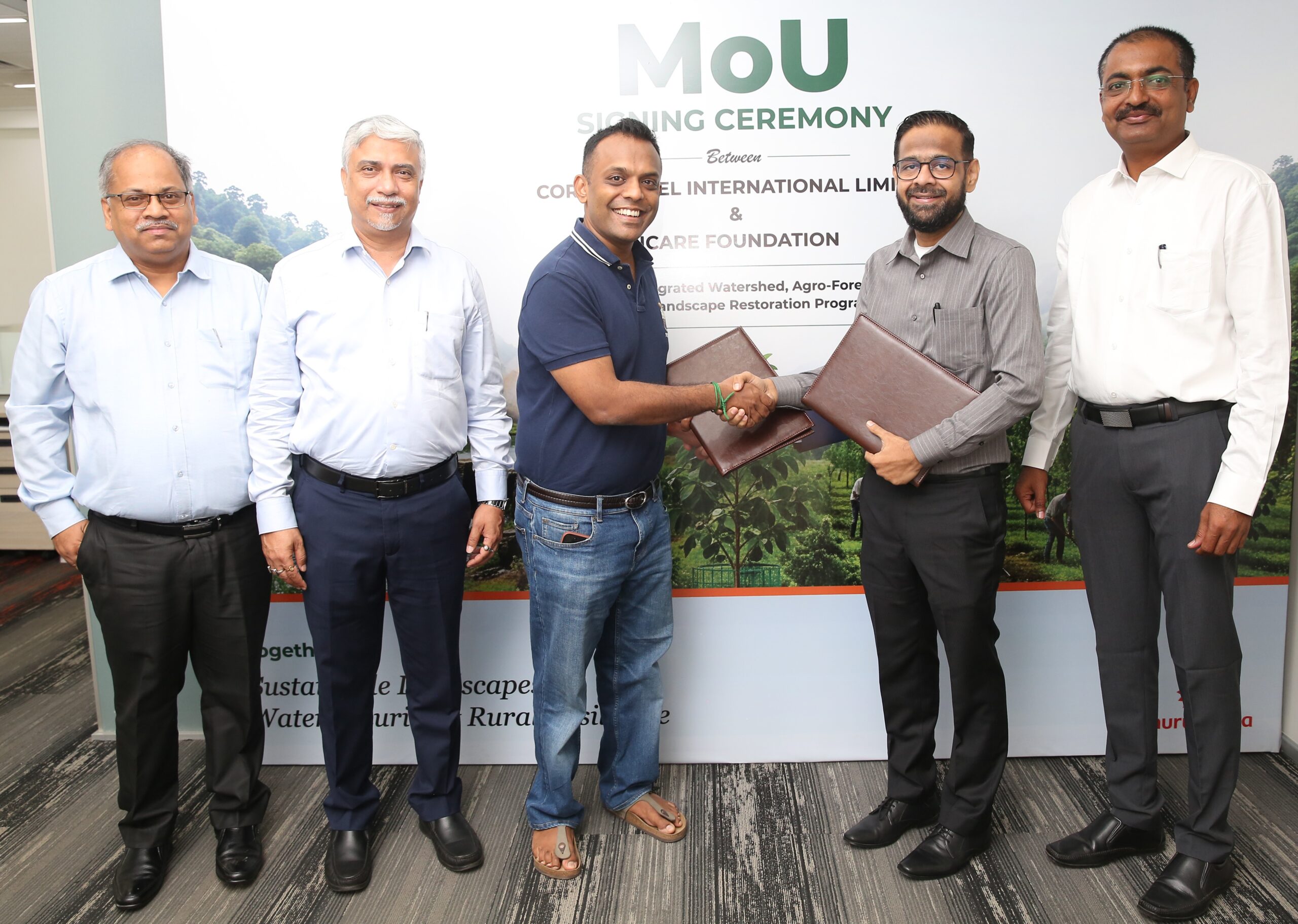
    Re Sustainability Limited, a leading integrated waste management firm, and Janyu Technologies have signed a Memorandum of Understanding (MoU) to pioneer transformative robotics waste management solutions across India.

    The strategic partnership combines Re Sustainability’s three-decade expertise in handling hazardous, bio-medical, and industrial waste with Janyu Technologies’ advanced, remotely operated robotic systems.

    The collaboration targets high-risk areas such as sludge removal, confined-space cleaning, and hazardous waste handling, significantly reducing human exposure while boosting operational efficiency, consistency, and traceability.

    India’s waste management industry, valued at over USD 20 billion, is experiencing rapid growth amid stricter regulations, heightened compliance demands, and rising ESG priorities.

    This alliance accelerates the deployment of automation and deep-tech innovations to tackle complex challenges in regulated waste operations.

    Leveraging Re Sustainability’s extensive nationwide network, regulatory knowledge, and execution prowess alongside Janyu’s indigenous robotics tailored for hazardous environments, the partners aim to deliver scalable, safety-first models that align with India’s circular economy and sustainability goals.

    “Safety, compliance, and operational excellence are core to Re Sustainability,” said Masood Mallick, Managing Director & Group CEO.

    “This partnership with Janyu Technologies marks a transformative leap in integrating advanced robotics into high-risk waste management, minimizing human exposure and elevating efficiency, consistency, and traceability.”

    Abhimanyu Raja, Managing Director of Janyu Technologies, added: “India’s industrial progress must prioritize worker safety and dignity. Our human-enabling robotic systems for hazardous tasks like sludge handling and confined-space cleaning shift workers to safer, skilled roles while generating data for AI-driven analytics. Together with Re Sustainability, we are building safer, more competitive industrial infrastructure through Indian innovation.”

    The partnership establishes a foundation for next-generation, human-safe, technology-enabled waste and environmental infrastructure, promoting safer workplaces, robust compliance, and enduring environmental benefits.

  • Eco Survey 2025-26: Pollution trading schemes can be a game-changer even in developing countries, Surat pilot proves

    Eco Survey 2025-26: Pollution trading schemes can be a game-changer even in developing countries, Surat pilot proves

    Market-based tools like emissions trading — long hailed as successful in the US and Europe — can deliver big wins for cleaner air in developing nations too, the Economic Survey 2025-26 has asserted, citing a pioneering experiment in Gujarat’s Surat city.

    Traditionally, experts doubted whether pollution trading schemes could work in lower-capacity settings due to weak monitoring, limited enforcement, and low state credibility. Regulators often struggle to track emissions accurately or ensure polluters buy permits for every unit released.

    But the Survey points to strong counter-evidence from the world’s first particulate matter emissions trading market, launched in Surat — a major industrial hub — and evaluated in the seminal 2023 study by Greenstone et al.

    The scheme, run by the Gujarat Pollution Control Board, covered 317 large industrial plants (mostly coal-burning units in textiles and other sectors). It replaced old command-and-control rules (tech mandates and concentration limits) with a cap-and-trade system, backed by mandatory Continuous Emissions Monitoring Systems (CEMS) for real-time tracking of particulate emissions.

    Key findings from the randomised trial:

    The market worked smoothly — active trading took place, and plants achieved near-universal compliance (99% of emissions covered by permits vs just 66% under the old regime).

    Participating factories slashed particulate emissions by 20-30% compared to those under traditional regulation.

    For the same pollution level, abatement costs dropped by 11-14%, thanks to firms trading permits based on their differing marginal costs.

    The Survey calls this a breakthrough proof that, with credible real-time monitoring like CEMS in place, pollution trading schemes can achieve major emissions cuts at much lower compliance costs — even in challenging developing-country contexts.

    “This shows market-based environmental regulations are not just for rich nations. When supported by strong tech-enabled enforcement, they offer an effective and cost-efficient path to cleaner air,” the document notes.

    The Surat pilot has already inspired expansions in Gujarat (including Ahmedabad) and discussions in other states, highlighting its potential as a scalable model for tackling industrial air pollution across India.

  • SOS India holds free eye check-up camp for 137 kids

    SOS India holds free eye check-up camp for 137 kids

    SOS Children’s Villages India, in collaboration with Dr Agarwals Eye Hospital, conducted a one-day free eye check-up camp that screened 137 children and caregivers from its Family Like Care and Family Strengthening Programmes.

    In an era when myopia (near-sightedness) and hypermetropia (far-sightedness) are increasingly prevalent among children in India—with studies showing myopia rates rising with age and affecting learning—early detection is essential to prevent issues like reduced concentration and impaired academic performance.

    Vulnerable children often face limited access to basic healthcare, including eye screenings, making initiatives like this vital for their development.

    Sumanta Kar, CEO of SOS Children’s Villages India, emphasized the importance of the partnership: “Children today are more vulnerable to eye-related issues, and at their young age, they often struggle to articulate challenges they face. Our core commitment is the overall well-being of children and mothers in our care. This collaboration with Dr Agarwals Eye Hospital has enabled timely screening and preventive care, helping participants address vision concerns effectively.”

    The transformative camp focused on early diagnosis of conditions such as weak eyesight, colour blindness, and lazy eye (amblyopia). A team of qualified doctors and staff from Dr Agarwals Eye Hospital provided screenings, basic consultations, and preventive guidance to children and caregivers. For cases requiring further treatment, recommendations for additional diagnosis were offered.

    Dr Karthikeya, Senior Consultant – Vitreoretina, Uvea & ROP at Dr Agarwals Eye Hospital, highlighted the impact: “Many eye problems in children remain unnoticed without regular screening. Early identification prevents these issues from hindering studies and daily activities. Through outreach camps like these, we deliver quality eye care to underserved children who might otherwise miss timely help.”

    This collaboration underscores the shared goal of both organizations to advance children’s healthcare, providing empowering basic medical services to support the holistic growth of vulnerable youth.

  • Adani Foundation empowers Gangavaram youth through sports initiative

    Adani Foundation empowers Gangavaram youth through sports initiative

    The Adani Foundation is empowering youth in Gangavaram, Andhra Pradesh, by nurturing sporting talent via the Adani Coaching & Fitness Centre, a transformative initiative launched in 2022.

    The centre offers structured training in Kabaddi, Kho-Kho, Shuttle Badminton, and fitness programmes, enabling aspiring athletes from fisher folk communities to pursue sports ambitions alongside education.

    Success stories highlight the programme’s impact. Sixteen-year-old Yeripalli Komali and Badi Divya, both from fisher folk families, have progressed from school-level to representing Andhra Pradesh in national Kabaddi tournaments. Similarly, 20-year-old Perla Divya has competed for Andhra University in the All-India Kabaddi tournament and now serves as a Physical Education teacher, earning ₹7,000 monthly.

    The Adani Foundation provides professional kits, mentorship, and competitive exposure. Leading the centre is 23-year-old Nolli Theja, a national-level Kabaddi player from Gangavaram who has participated in 14 national tournaments. Having overcome financial challenges himself, Theja now coaches and inspires the next generation.

    To date, the centre has trained over 72 players, including 30 girls, turning sports into a pathway for empowerment, confidence, and community pride in Gangavaram.