Author: csr-admin

  • Fixderma sun protection drive aids Hyderabad traffic police

    Fixderma sun protection drive aids Hyderabad traffic police

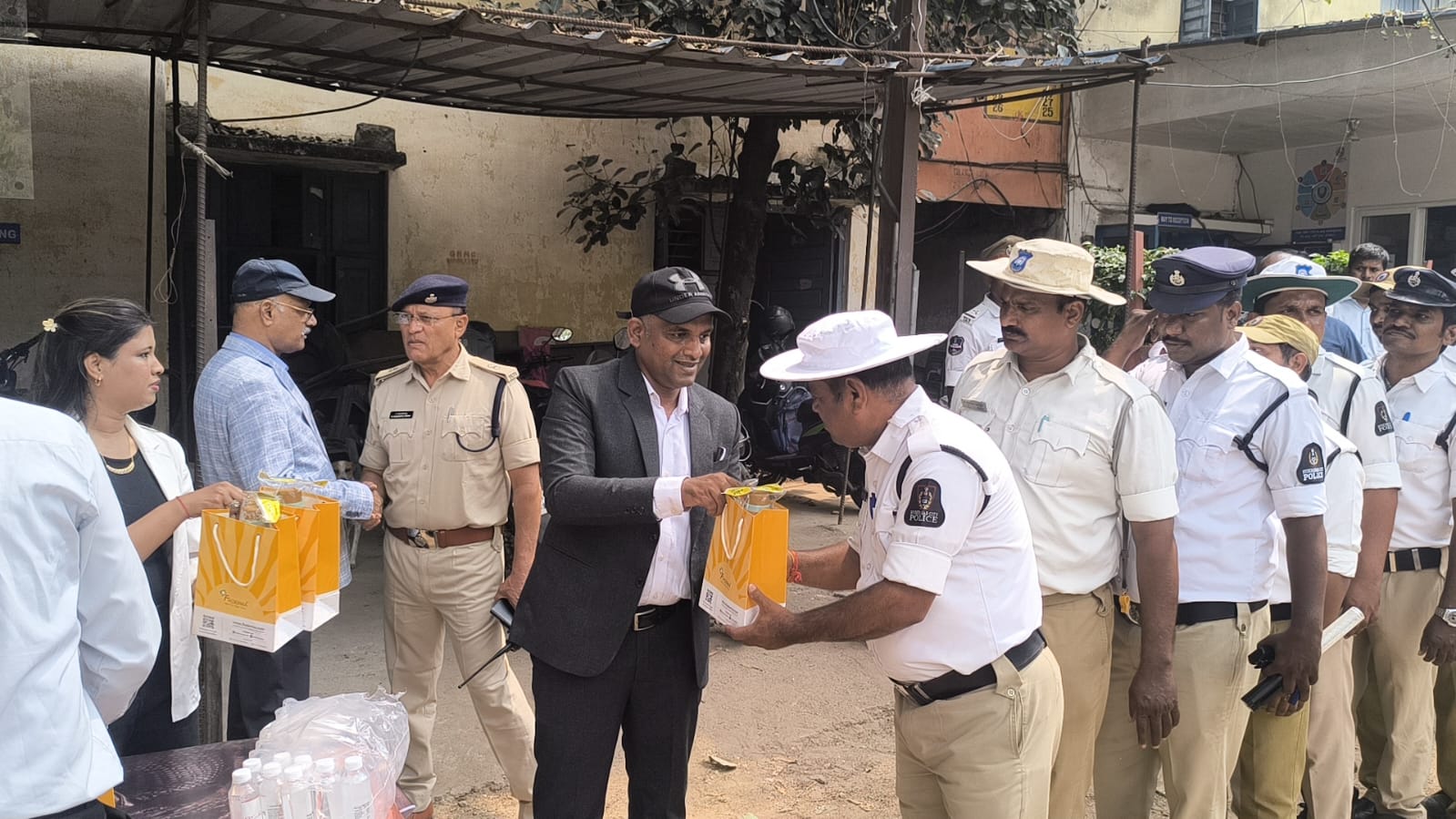
    Fixderma, a leading dermatologist-prescribed skincare brand, launched a sun protection drive to support Hyderabad Traffic Police personnel who endure prolonged sun exposure while on duty.

    The company distributed reusable water flasks and its bestselling Shadow Sunscreen range to traffic officers across the city. The initiative aims to combat dehydration and sun-related skin damage amid rising summer temperatures and intense UV exposure.

    Traffic police personnel, who manage public safety for extended hours in harsh outdoor conditions, are among the most vulnerable to heat-related issues. Fixderma’s drive underscores the vital importance of daily hydration and broad-spectrum sun protection for frontline workers.

    “Traffic police personnel work tirelessly every day to keep the city moving smoothly, despite challenging weather conditions,” said Shaily Mehrotra, CEO and Co-Founder of Fixderma & FCL.

    “Through this Fixderma sun protection initiative, we express our gratitude and contribute to their well-being. Sun protection should be an essential part of everyday health and preventive care.”

    Fixderma’s Shadow sunscreen range is widely recommended by dermatologists for its lightweight, broad-spectrum protection tailored to Indian skin and climate. The brand, founded in 2010, is trusted by over 15,000 dermatologists and exports to more than 40 countries.

  • Varanasi farmers reap higher returns with floriculture

    Varanasi farmers reap higher returns with floriculture

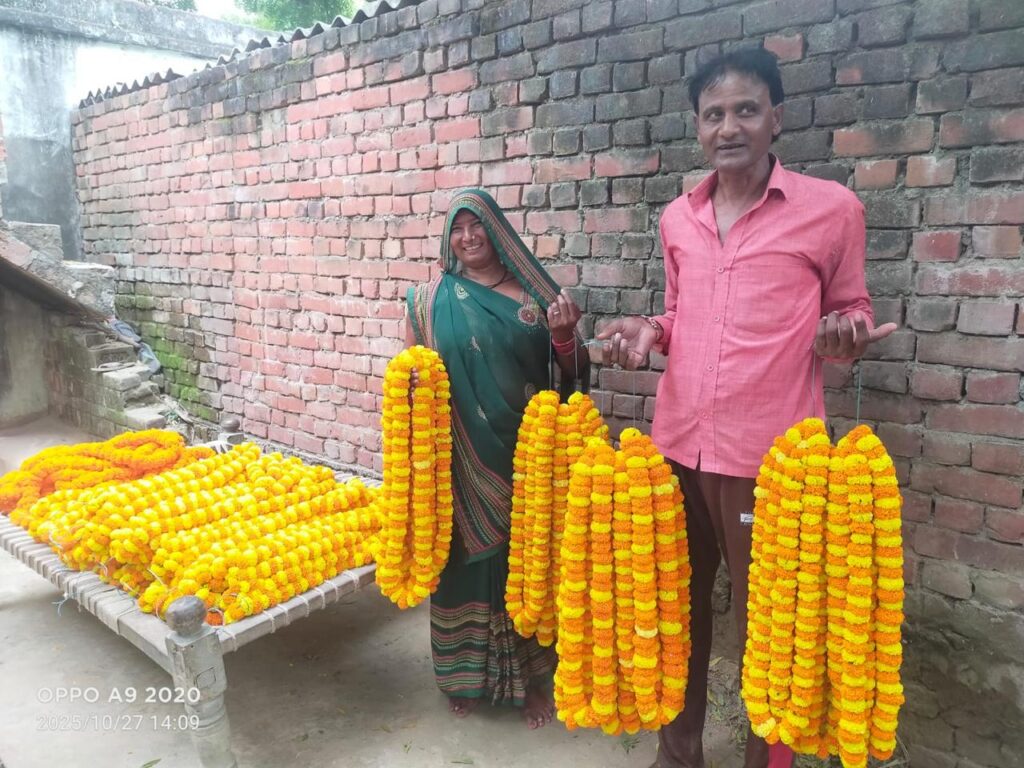
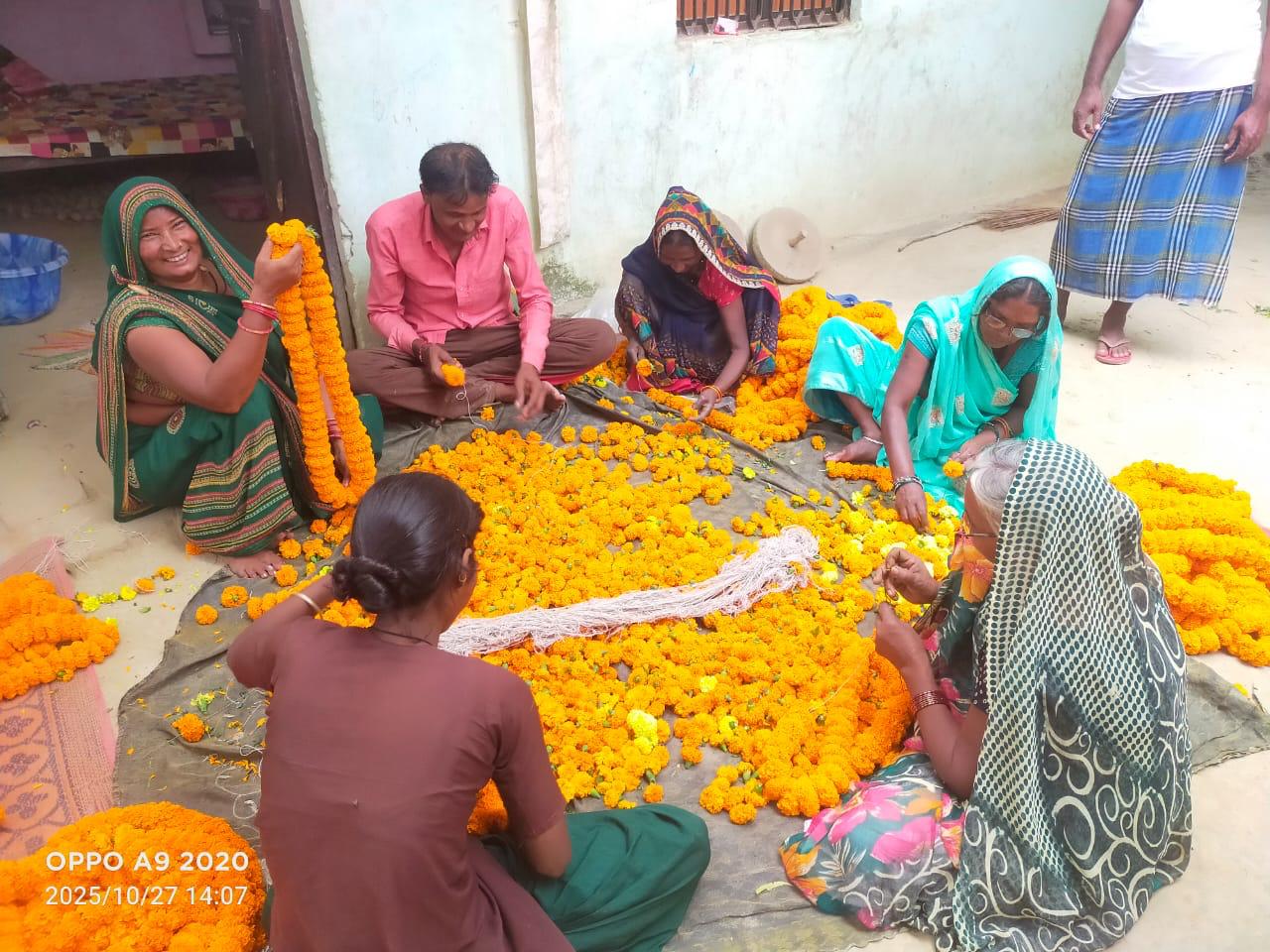
    Farmers in Varanasi have reported significantly higher returns compared to traditional crops, along with early harvests and improved market access, thanks to a new Varanasi Floriculture initiative by Ambuja Foundation and HDFC Bank.

    The project, launched under the Holistic Rural Development Program (HRDP) in 15 villages of Uttar Pradesh, is helping small landholding farmers shift to high-value, sustainable flower cultivation to capitalise on the city’s strong religious demand for blooms used in rituals and worship.

    A total of 32 farmers, including both men and women, were trained in organic farming and eco-friendly crop protection techniques. They received nursery plants of Marigold, Rose, and Jasmine varieties, along with vermi bed units to produce organic manure that enhances soil health and fertility.

    Supported by onsite expert guidance and continuous follow-up, the farmers successfully adopted chemical-free Varanasi Floriculture practices across 6.4 acres of land.

    With an input cost of approximately ₹1,60,000, the initiative generated nearly ₹5,90,000 in total income, underlining the strong profitability of the model.

    “Ambuja Foundation and HDFC Bank are committed to bringing positive change in the lives of rural communities,” said Ms Pearl Tiwari, CEO, Ambuja Foundation. “This Varanasi Floriculture initiative promotes efficient and organic farming to support economic growth.

  • India’s transformative para shooting push begins

    India’s transformative para shooting push begins

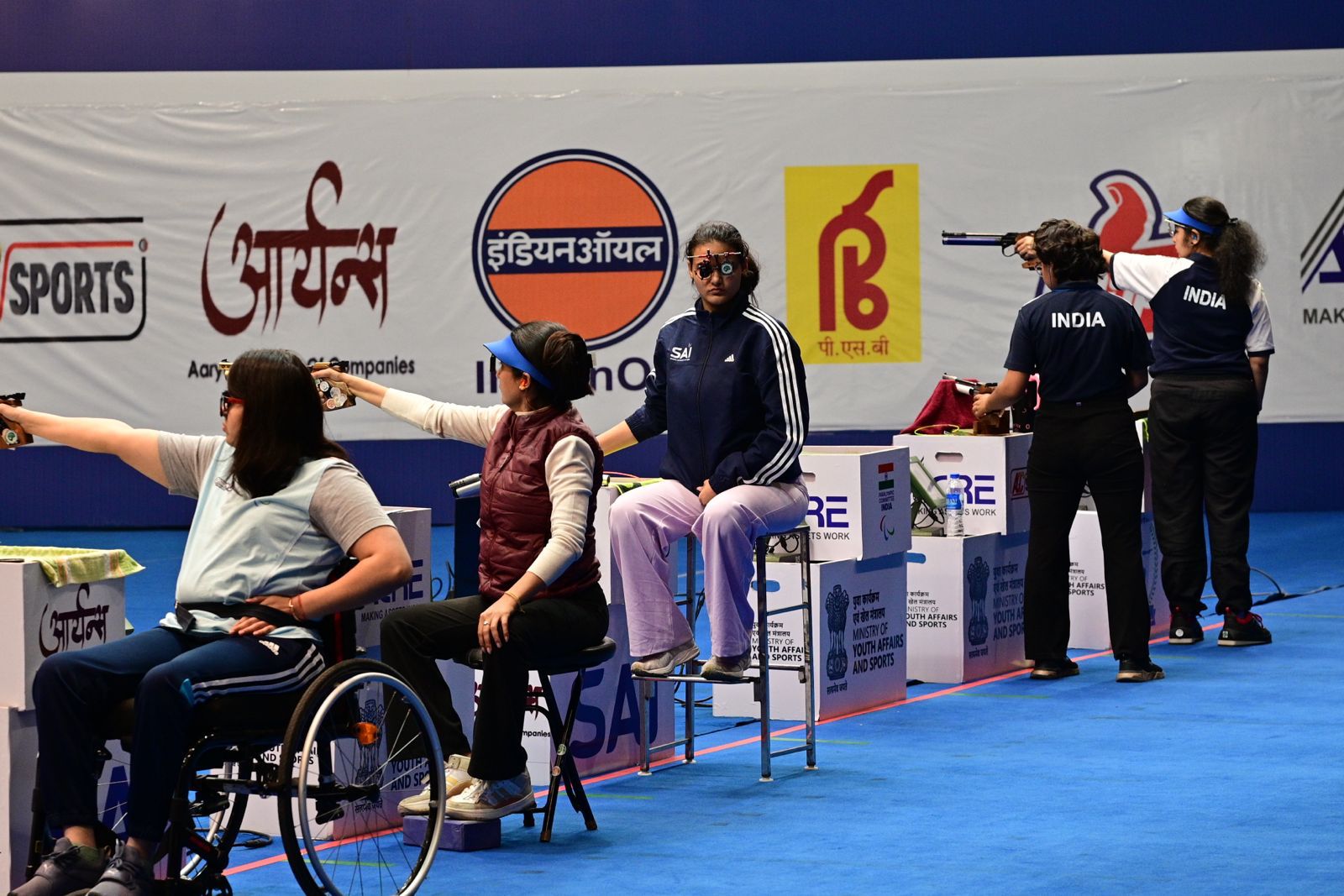
    A corporate-backed initiative to build India’s next generation of Paralympic shooting champions is now fully operational, with funds deployed and training underway across the country.

    The Wheeling Happiness Foundation (WHF), led by India’s first woman Paralympic medalist Dr. Deepa Malik, has launched the “Shaping Future Paralympic Shooting Champions” program under a CSR partnership with Asset Care and Reconstruction Enterprise (ACRE). The alliance, signed earlier this year, represents one of the most structured private-sector commitments to para-shooting development in the country.

    “We are not just building champions; we are building a more inclusive India,” said Dr. Malik, a Padma Shri awardee. “This collaboration is proving to be a game-changer for countless aspiring para-shooters.”

    The program targets the identification and training of more than 300 new para-shooters nationwide. It also seeks to certify 30 national coaches and 15 classifiers and referees to World Shooting Para Sports (WSPS) standards — a technical gap that has long constrained India’s competitive depth in the discipline.

    Equipment procurement is a central plank of the effort, with adaptive wheelchairs, specialized shooting tables, and accessible training infrastructure to be provided to participants. At least 30 percent of all supported athletes will be women, a target WHF says is non-negotiable.

    The Para Shooting Association of India (PSAI), the national governing body, is the technical implementing partner. PSAI Chairperson and Dronacharya Awardee J.P. Nautiyal is overseeing execution alongside WHF.

    Mohd Shariq Malik of the ACRE CSR Committee said the program aligned with the company’s core social mandate. “We are incredibly proud to support these inspiring athletes and believe in their potential to bring glory to our nation,” he said.

    The Rotary Club of Delhi South, under District 3011 of Rotary International, has also facilitated the partnership. Kriti Makhija of the club was acknowledged by WHF for her coordination role.

    India has emerged as a dominant force in para shooting internationally. At the 2025 World Shooting Para Sport World Cup in Changwon, India topped the medal table with 15 gold, 13 silver, and four bronze medals — ahead of South Korea and Iran. The WHF-ACRE initiative is aimed at broadening the talent pipeline that feeds that competitive success.

    Dr. Malik said the program embodied the foundation’s motto — “Ability Beyond Disability” — and was designed to be sustainable rather than episodic.

    “With ACRE’s support, we are strengthening our Paralympic legacy and fostering national pride on the global stage,” she said.

  • IFAD launches transformative India rural development roadmap worth USD 4.2 billion

    IFAD launches transformative India rural development roadmap worth USD 4.2 billion

    The International Fund for Agricultural Development (IFAD) and the Government of India have launched a transformative eight-year rural development strategy, committing to scale investment, strengthen climate resilience and accelerate inclusive agricultural growth across the country’s vast rural economies.

    The new Country Strategic Opportunities Programme (COSOP) 2026–2033 was unveiled at the IFAD–India Partnership for Rural Prosperity event held at Bharat Mandapam in New Delhi on April 12, bringing together senior government representatives, IFAD leadership, development partners and private sector actors.

    The strategy sets two core objectives: enhancing the social, economic and climatic resilience of rural communities; and strengthening knowledge systems to scale proven models domestically and share them across the Global South.

    The announcement marks a pivotal expansion of one of IFAD’s largest country partnerships. Across 35 projects, USD 1.36 billion in IFAD financing has mobilised more than twice as much from partners, for a total investment of USD 4.2 billion.

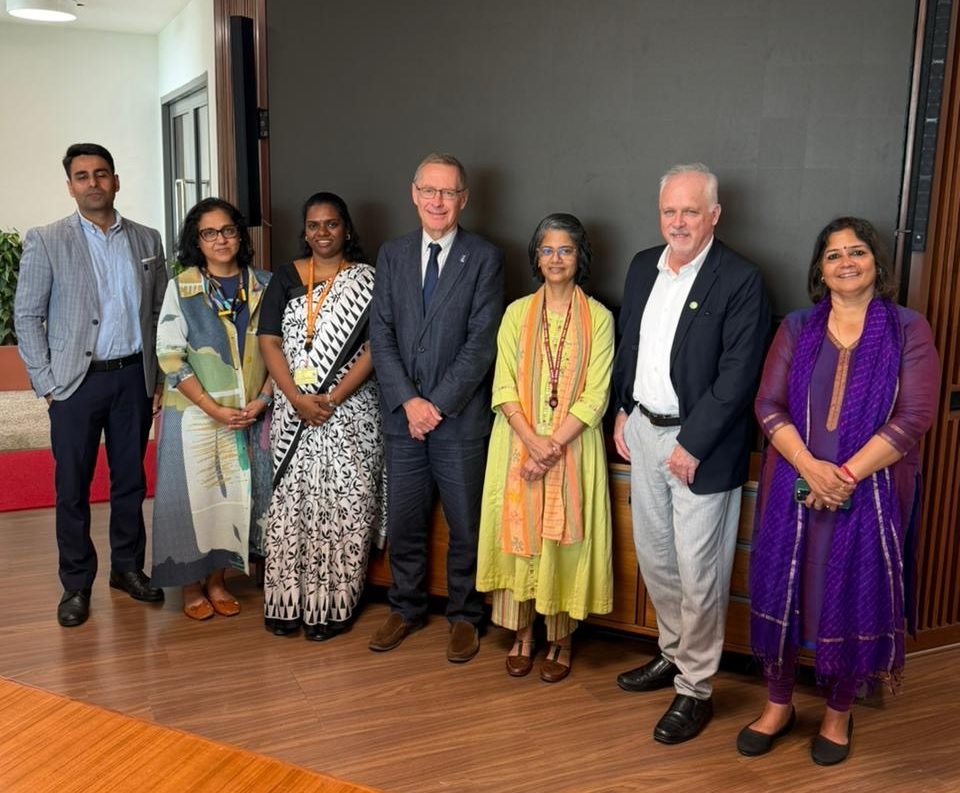
    A senior IFAD delegation led by Associate Vice-President Donal Brown held talks with officials from India’s Ministry of Finance, Ministry of Agriculture and Farmers Welfare, and Ministry of Rural Development. Discussions covered smallholder support, digital agriculture, climate-resilient crops such as millets, and expanding farmer producer organisations.

    Brown said the partnership goes beyond individual projects and focuses on building systems that connect institutions, finance, infrastructure and markets for long-term rural development, IFAD said in a statement.

    The strategy places significant emphasis on strengthening grassroots institutions including self-help groups, farmer producer organisations and cooperatives, expected to play a key role in linking finance, technology, infrastructure and markets.

    On the financing front, IFAD signed a strategic partnership with NABARD on the sidelines of the event to expand rural finance and innovation. NABARD Chairman Shaji K V said the two institutions share a conviction that rural financial systems work best when built from the community up. International Fund for Agricultural Development

    The new strategy also positions India as a knowledge leader in rural development, with plans to share successful models in digital agriculture, inclusive rural finance and climate-resilient value chains with partner countries across Africa, Southeast Asia and Latin America.

    The IFAD delegation also undertook field visits to Meghalaya’s Ri-Bhoi district to review community-led initiatives under the Meghalaya Livelihoods and Access to Markets Project, and held talks with Meghalaya Chief Minister Conrad Sangma and Assam Chief Minister Himanta Biswa Sarma on future agricultural cooperation.

    India and IFAD have partnered for nearly 48 years, financing 35 rural development projects worth approximately USD 4.2 billion, with six ongoing projects focused on market linkages, climate-resilient agriculture and training programmes.

    “India is not only transforming its own rural economy — it is generating solutions that are relevant globally,” said Reehana Raza, IFAD Regional Director for Asia and the Pacific.
  • KCG, Urbaser sign moU for waste management drive

    KCG, Urbaser sign moU for waste management drive

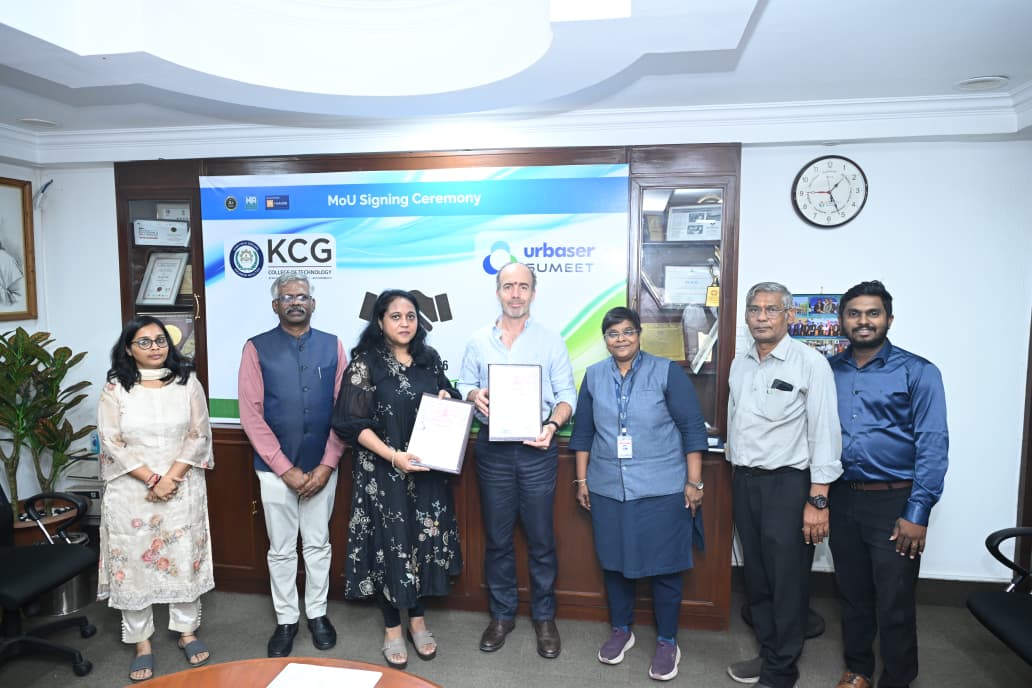
    KCG College of Technology, a unit of the Hindustan Group of Institutions, has signed a transformative Memorandum of Understanding with Sumeet Urban Services (Chennai) V Pvt Ltd, known as Urbaser Sumeet, to deepen industry-academia collaboration in waste management, sustainability and skill development.

    The partnership aims to build a long-term, industry-integrated sustainability model that directly engages students in solving real-world urban environmental challenges across Chennai.

    Under the agreement, students will participate in clean-up drives, waste management awareness campaigns, sustainability workshops, internships and innovation challenges. The collaboration will also cover hackathons, practical training and professional certification programmes focused on circular economy practices and environmental sustainability.

    A key initiative under the MoU is “Edubridge,” a programme designed to support the education and empowerment of children of frontline conservancy workers — a measure both institutions described as central to social inclusion and community impact.

    Urbaser Sumeet will also serve as the hygiene partner for major institutional events at KCG, demonstrating best practices in source segregation, solid waste management and urban cleanliness systems.

    “Engineering education today must go beyond laboratories and classrooms,” said Anand Jacob Varghese, Chairman, Hindustan Group of Institutions. “When our students walk alongside conservancy workers, manage waste drives and design recycling solutions for their own city, they are not just learning — they are becoming the kind of engineers and citizens Chennai needs.”

    Annie Jacob, Director of KCG College of Technology, said embedding Urbaser Sumeet’s operational expertise into campus programmes would give students direct exposure to one of Chennai’s most critical urban services. “From internships in waste vehicle operations to the Edubridge initiative, this collaboration is built around real impact — not just awareness,” she said.

    Albert Gleiser Ignacio, Managing Director of Urbaser Sumeet, said lasting change in urban waste management begins with how the next generation thinks about it. “Partnering with KCG gives us the opportunity to bring that ground reality into an academic setting and build a pipeline of professionals genuinely invested in sustainable urban systems,” he said.

    The partnership is expected to generate research-oriented projects in waste segregation, recycling systems, circular economy models and smart urban sustainability solutions. Both organisations said they intend to develop a scalable and replicable model for sustainable campus-community partnerships.

    The collaboration promotes the principles of Reduce, Reuse and Recycle and seeks to foster environmentally conscious practices across the student community and beyond.

  • Gates, Wadhwani sign MoU for India Innovation Network

    Gates, Wadhwani sign MoU for India Innovation Network

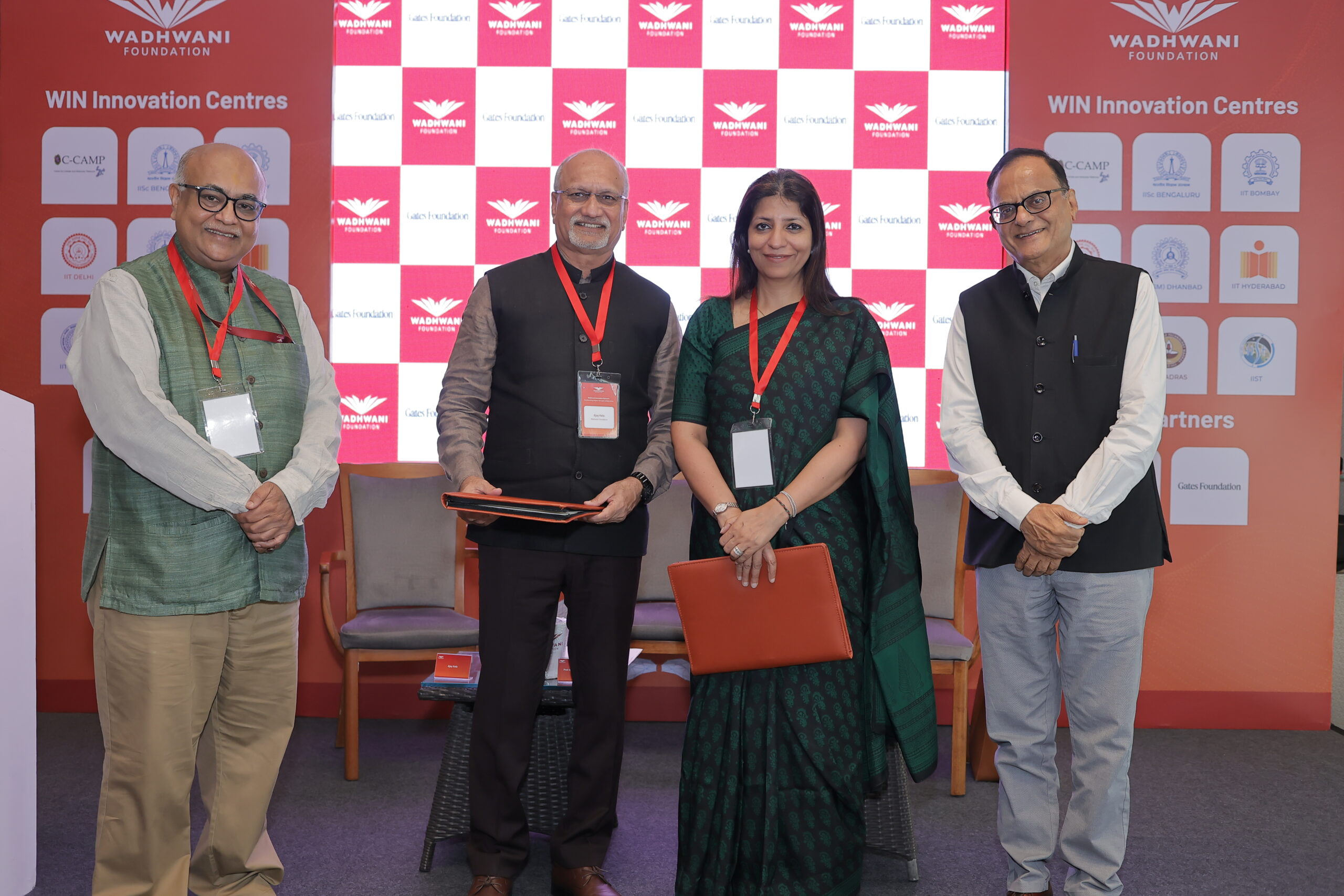
    Wadhwani Foundation and the Bill & Melinda Gates Foundation have signed a landmark Memorandum of Understanding to accelerate India’s push from laboratory research to commercial deployment, backing a national-scale programme called the National Innovation Network (NIN).

    The partnership targets translational research in health, nutrition, biotechnology, genomics and medical technology — sectors the Indian government has identified as national development priorities.

    Under the agreement, the Gates Foundation will fund five NIN Centres of Excellence over five years, with two centres receiving support in the current year. The centres will help researchers move innovations past the laboratory stage toward real-world applications, covering prototyping, validation, pilot deployments, intellectual property management and venture creation.

    The India Innovation Network builds on the Wadhwani Innovation Network (WIN), launched by Prime Minister Narendra Modi on April 29, 2025. Since its debut, WIN has backed more than 50 high-potential projects spanning healthtech, medtech, biotechnology and quantum technologies, establishing research hubs at IIT Bombay, IIT Delhi, IIT Kanpur, IIT Hyderabad, IIT(ISM) Dhanbad, the Indian Institute of Science and C-CAMP.

    Two flagship “Super Hubs” are under development: the Wadhwani School of AI & Intelligent Systems at IIT Kanpur and the Wadhwani Health & Bio Hub at IIT Bombay.

    “WIN has demonstrated that India’s innovation potential can be unlocked when researchers, institutions, industry and capital come together with a shared mission,” said Ajay Kela, Chief Executive and Board Member of Wadhwani Foundation. “Through NIN, we now have the opportunity to democratize innovation across India and help position the country as a global leader.”

    Archna Vyas, Director of the Gates Foundation’s India Country Office, said the most consequential health and nutrition breakthroughs of the next decade would likely originate in Indian institutions. “Our collaboration with Wadhwani Foundation will help support the opportunity for these innovations by investing in translational pathways,” she said.

    NIN aims to establish more than 250 Centres of Excellence across India within three to five years, drawing participation from government agencies, corporate partners, philanthropies and academic institutions under a shared governance framework managed by the Wadhwani Foundation.

    The network’s longer-term targets include translating thousands of innovations annually from research settings to market-ready products, with projected impact across millions of jobs and livelihoods.

  • Ambuja Foundation launches skill development institute in Modinagar

    Ambuja Foundation launches skill development institute in Modinagar

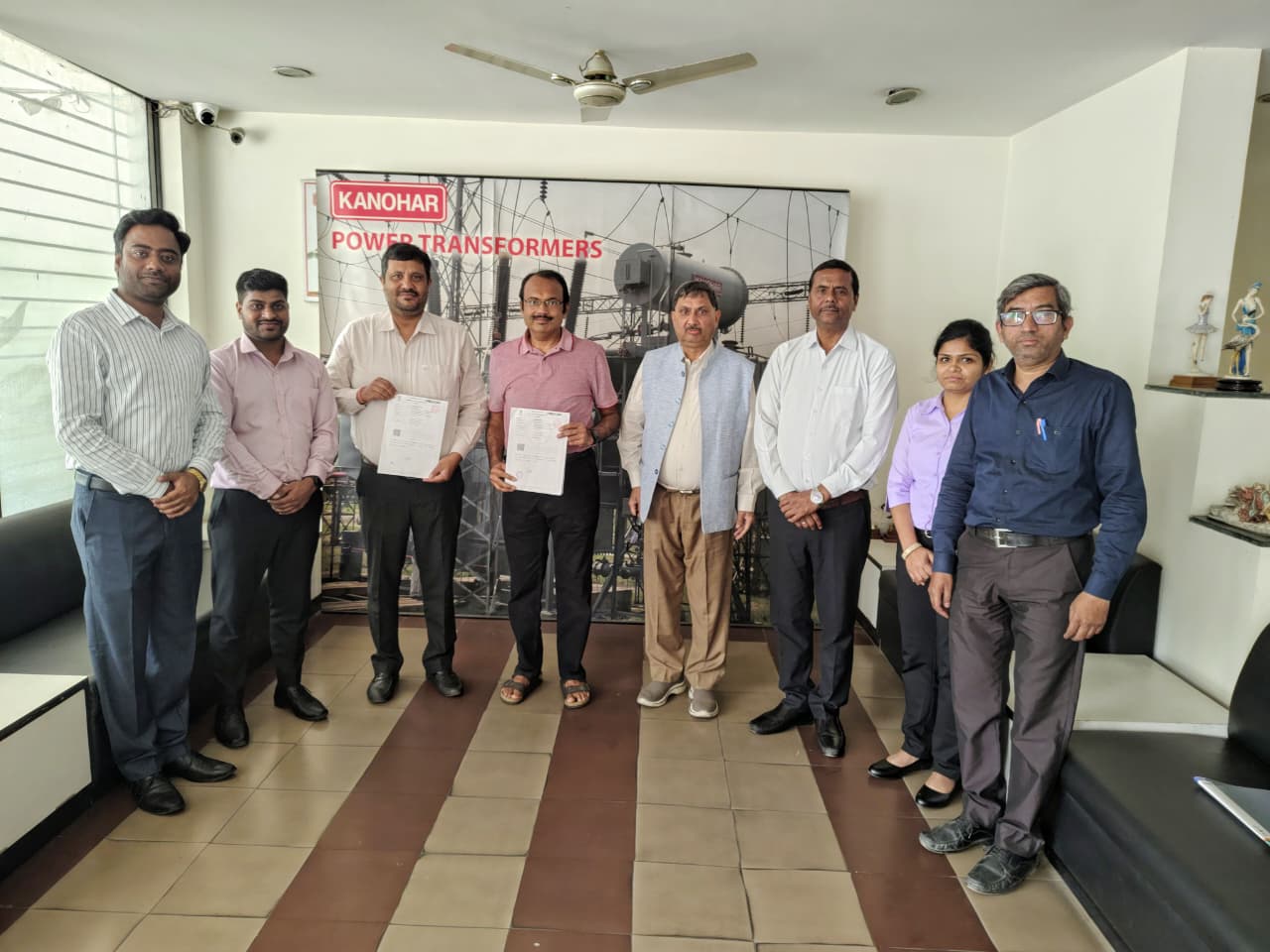
    Ambuja Foundation and Kanohar Electricals Limited have partnered to launch a Skill Development Institute in Modinagar, Uttar Pradesh, aiming to empower more than 1,000 rural youth over the next three years with employment-oriented training.

    Located in Ghaziabad district and strategically close to the expanding Delhi NCR economic hub, the institute targets villages around Saunda where educated youth face high unemployment and underemployment despite completing secondary school or graduation. A field assessment by Ambuja Foundation highlighted a critical gap in industry-relevant technical skills and practical exposure.

    The initiative, rooted in the native village of Kanohar Electricals Limited founder Shri Kanohar Lal Singhal, will offer structured courses including Phlebotomy, General Duty Assistant, OT Assistance, Customer Care, and Microfinance. Participants will also receive soft skills, IT training, on-the-job training, work readiness, financial literacy, and occupational health and safety modules.

    “With the growing demand for a skilled workforce, this Skill Development Institute in Modinagar will bridge the skills gap and equip youth with industry-relevant capabilities,” said Pearl Tiwari, CEO, Ambuja Foundation. “Through this partnership with Kanohar Electricals Limited, we aim to empower rural youth with the confidence and opportunities needed for sustainable careers.”

    Dinesh Singhal, Chairman and Managing Director of Kanohar Electricals Limited, added: “Investing in skills development is essential for inclusive economic growth. This collaboration will transform livelihood prospects for young people in rural Uttar Pradesh.”

    The three-year programme is expected to connect trainees with job opportunities across the NCR region, supporting reduced unemployment, higher household incomes, and greater economic mobility.

  • Standard Chartered launches breakthrough Rs 540 Cr SLTF

    Standard Chartered launches breakthrough Rs 540 Cr SLTF

    Standard Chartered Bank has extended a breakthrough Sustainability-Linked Trade Facility (SLTF) worth Rs 540 crore to Indorama India Private Limited, the bank announced on Wednesday, in a move that deepens its push to embed environmental, social, and governance (ESG) principles into corporate financing across South Asia.

    The facility, structured as a sustainability-linked trade and working capital arrangement, ties its financing terms directly to Indorama India’s achievement of clearly defined Sustainability Performance Targets (SPTs) aligned with the company’s broader ESG framework. The structure is designed to financially incentivise measurable progress on sustainability, rather than treating ESG commitments as aspirational.

    “We are pleased to partner with Indorama India in supporting its sustainability journey through this tailored SLTF,” said Angel Sivan, Regional Head of Transaction Banking Corporate Sales, India and South Asia, Standard Chartered. “By integrating ESG-linked targets into the deal structure, we are enabling our clients to align their growth with more responsible business practices.”

    Manish Kumar Agarwal, Chief Financial Officer of Indorama India, called the deal a reflection of the company’s resolve to mainstream sustainability into its core financing activities. “This strengthens our liquidity position and reinforces our dedication to ESG principles,” he said, adding that the company intends to build on the momentum toward a broader sustainable finance agenda.

    The transaction adds to a growing pipeline of sustainability-linked financing deals in India, as corporates and lenders seek to operationalise ESG commitments through binding financial mechanisms rather than voluntary pledges.

    Standard Chartered, which has maintained a continuous presence in India for over 165 years, operates across Corporate and Investment Banking and Wealth and Retail Banking segments through an extensive branch network covering major cities.
    Globally, the London- and Hong Kong-listed bank operates in 54 markets.

  • MakeMyTrip to transform Dilli Haat INA renovation with DTTDC pact

    MakeMyTrip to transform Dilli Haat INA renovation with DTTDC pact

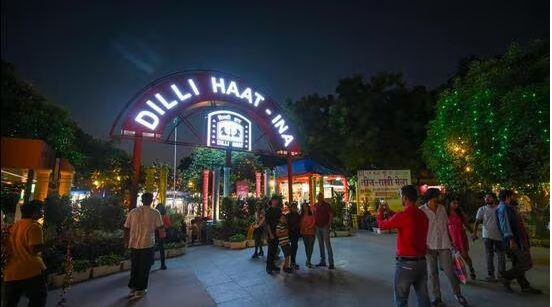
    MakeMyTrip Foundation, the social impact arm of India’s largest online travel company, has signed a Memorandum of Understanding with the Delhi Tourism and Transportation Development Corporation (DTTDC) to transform the Dilli Haat INA renovation — upgrading infrastructure at one of the capital’s most iconic open-air cultural markets.

    The partnership targets three key areas at the 30-year-old craft bazaar: greener landscaping, upgraded promenade lighting to extend evening footfall, and hygiene improvements to washroom facilities — changes designed to serve the hundreds of artisans from across India who depend on the haat as a primary marketplace.

    The announcement aligns with Delhi’s broader push to develop a night-time tourism economy.

    “Dilli Haat-INA is a perfect example of an evening destination that supports our vision,” said Rekha Gupta, Chief Minister of Delhi, adding that the government is committed to positioning Delhi as a leading global destination.

    “We are also focused on building a strong night tourism economy that allows visitors to experience the city well beyond sundown.”

    Art, Culture and Tourism Minister Kapil Mishra described the market as a meeting point between artisans who bring crafts from across the country and visitors who come to experience India’s heritage.

    “Collaborations like this one with MakeMyTrip Foundation help us deliver tangible improvements on the ground,” Mishra said.

    DTTDC Managing Director Suneel Anchipaka, IAS, said improved lighting would be critical as Delhi scales its evening tourism offering, making the haat more inviting for families well into the night.

    For MakeMyTrip Foundation, the Dilli Haat INA renovation marks a first step into urban cultural tourism, following a decade of work in afforestation, mangrove plantation along the Gujarat coast, and community-based tourism in the Himalayas.

    “Our aim here is not only to enhance the visitor experience but also to contribute to making this space more sustainable,” said Rajesh Magow, Co-Founder and Group CEO of MakeMyTrip and Managing Trustee of the Foundation.

    Dilli Haat-INA, located in south Delhi’s INA colony, has operated for over three decades as a permanent crafts fair hosting artisans from every state, from Kashmir to Kanyakumari.

  • Lava deploys 20,941 MDM-enabled smartphones for anganwadi digital empowerment in UP

    Lava deploys 20,941 MDM-enabled smartphones for anganwadi digital empowerment in UP

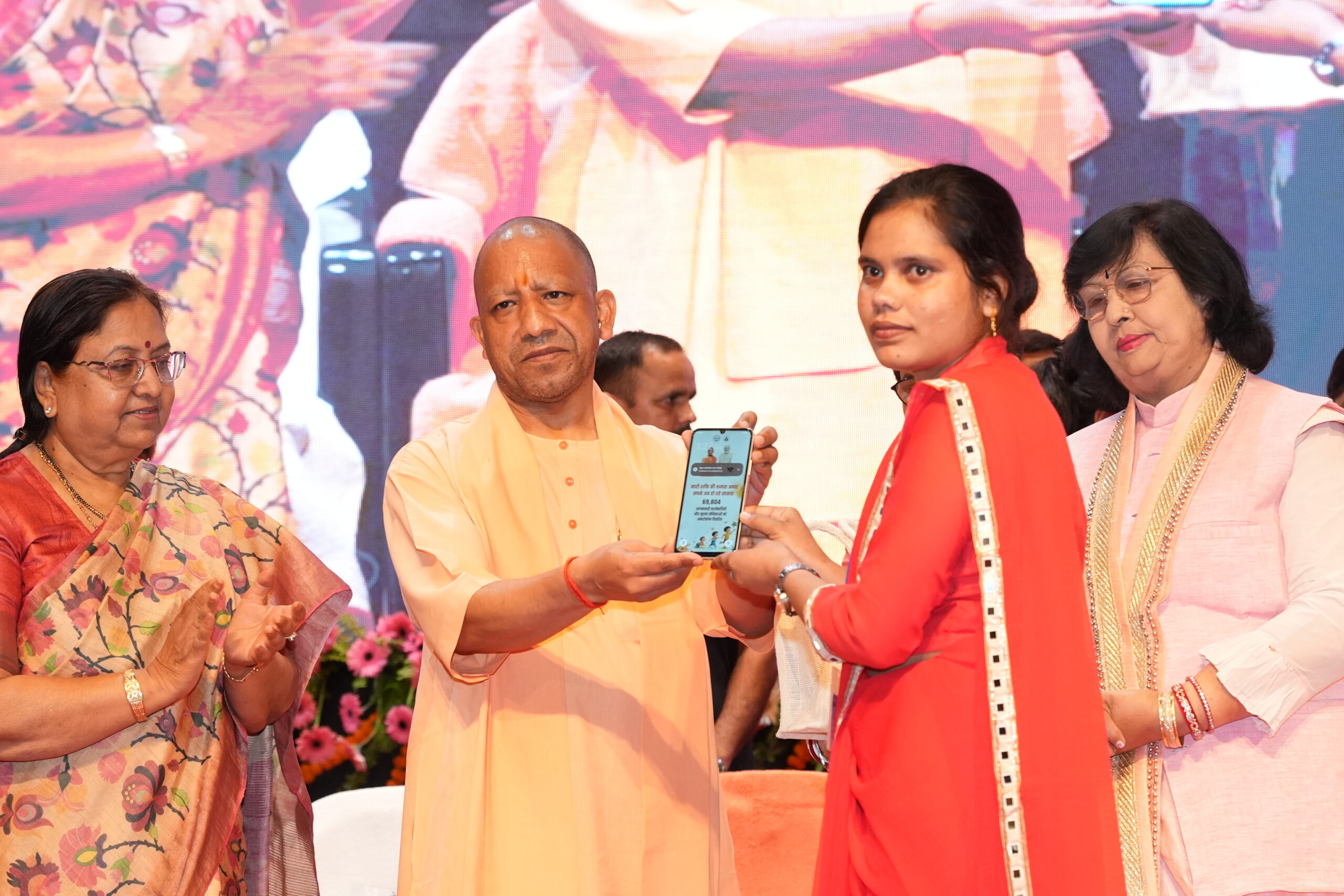
    Lava International Limited has partnered with the Government of Uttar Pradesh to deliver Lava smartphones to 20,941 Anganwadi workers statewide, a transforming rollout under the Integrated Child Development Services (ICDS) framework aimed at replacing manual record-keeping with real-time, data-driven service delivery at the grassroots level.

    The handover ceremony was held at Lok Bhavan, Lucknow in March 2026, under the theme “Suposhit Uttar Pradesh, Sashakt Bharat” — Nourished Uttar Pradesh, Empowered India.

    UP Chief Minister Yogi Adityanath presided over the event alongside Women’s Welfare Minister Baby Rani Maurya, Additional Chief Secretary Leena Johri, and WCD Director Sarneet Kaur Broca. Approximately 1,000 Anganwadi workers attended in person.

    Lava supplied handsets from its Storm Play series, factory-configured for field deployment with Mobile Device Management (MDM) capabilities, a supervisor monitoring application, and state-specific interface integrations aligned to WCD and ICDS digital systems.

    The Anganwadi digital empowerment initiative enables workers to record maternal and child health data in real time, track attendance digitally, monitor nutrition distribution for newborns and lactating mothers, and feed information directly into centralised dashboards.

    “Digital transformation at the grassroots is not just about access to devices, but about building systems that work reliably at scale for those delivering essential services on a day-to-day basis. This initiative is a testament of our ability to design and deliver technology solutions tailored for real-world public sector needs,” said Llyod D’souza, Chief Business Officer, Enterprise Business, Lava International Limited.

    The deployment directly addresses longstanding bottlenecks in welfare delivery. Supervisors can now remotely monitor field activity, track stock availability of food packets for at-risk households, and receive early alerts on potential health and nutrition risks — capabilities previously dependent on paper-based reporting cycles.

    Officials said the initiative supports the UP government’s broader ambition to bridge the digital divide through scalable, technology-led interventions and strengthen last-mile delivery of public welfare programmes.

    For Lava, the contract extends a record of enterprise public-sector deployments as the company positions itself as a domestic alternative in India’s government mobility procurement market.