Author: csr-admin

  • JSW to restore Shiv Khori shrine under CSR; J&K Lt Governor lays foundation stone

    JSW to restore Shiv Khori shrine under CSR; J&K Lt Governor lays foundation stone

    The restoration include the renovation of bathing ghats and toilets, the establishment of food kiosks, drinking water points, rest areas, rain shelters along pathways, and the creation of other necessary infrastructure and facilities.

    Jammu and Kashmir, Lt Governor Manoj Sinha today virtually inaugurated the foundation stone laying ceremony for the restoration of the Shri Shiv Khori shrine, a famous cave shrine of Hindus devoted to lord Shiva, situated in the Reasi district.

    “Laid e-foundation stone for the restoration of the Holy Shrine of Shiv Khori by JSW Foundation. I am glad Shri Sajjan Jindal Ji, Chairman and MD of JSW Group, also joined us on this auspicious occasion. New facilities will ease the pilgrimage & increase the influx of devotees,” the LG tweeted.

    Shiv Khori is one of the most important religious sites of the country. Restoration, upgradation and new infra facilities will ensure unique spiritual tourism circuit to devotees. It will provide major fillip to economy and create large employment opportunities for local population, he added.

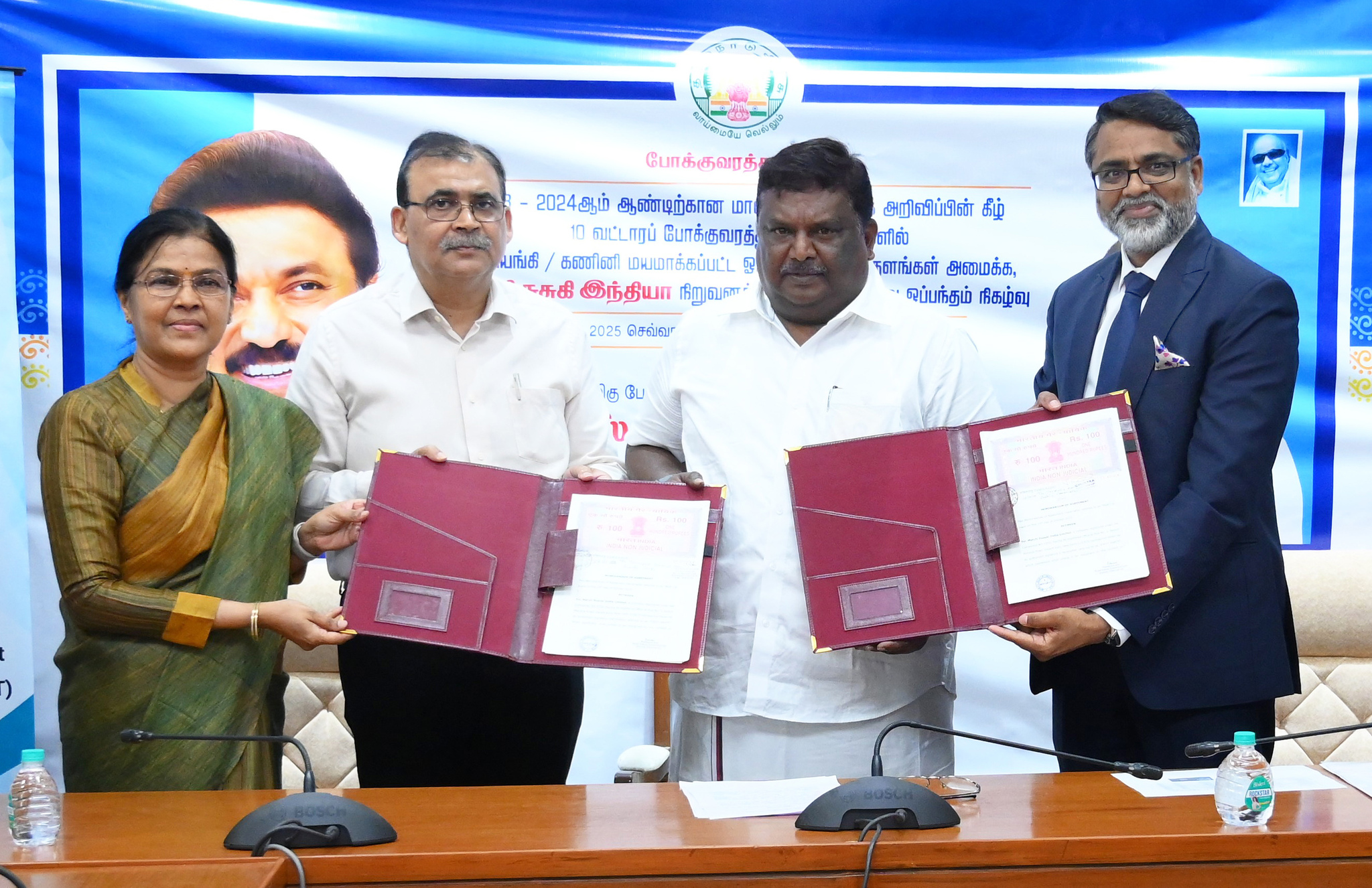
    The Shiv Khori Shrine will be restored as part of the JSW Group’s CSR initiative. JSW Foundation has signed an MoU with Chairman of Shri Shiv Khori Shrine Board (SSKSB) in this regard.

    As part of the restoration project, the JSW team, alongside a group of experts, conducted a comprehensive scientific survey. The survey identified several key areas for improvement, including the renovation of bathing ghats and toilets, the establishment of food kiosks, drinking water points, rest areas, rain shelters along pathways, installation of benches, dustbins, and the creation of other necessary infrastructure and facilities.

    The foundation will provide necessary funds under its Corporate Social Responsibility (CSR) corpus for the development of facilities and support the Shiv Khori Shrine Board in ensuring public convenience.

  • ICICI Prudential Life scores ESG rating of ‘A’

    ICICI Prudential Life scores ESG rating of ‘A’

    This year, the company expanded the terms of reference of the Board CSR Committee to include review of sustainability activities and key ESG related disclosures.

    ICICI Prudential Life Insurance today said it has received a rating of ‘A’ in the MSCI ESG Ratings assessment with a score of 16.9.

      MSCI ESG Ratings aim to measure a company’s management of financially relevant ESG risks and opportunities. It uses a rules-based methodology to identify industry leaders and laggards according to their exposure to ESG risks and how well they manage those risks relative to peers.

      ICICI Prudential Life Insurance said it has focused initiatives in place for each dimension of the ESG framework under the Environment (Transitioning towards Green and Sustainable Operations), Social (Empowering Employees, Adopting Customer Centricity, and Helping Communities) and Governance (Enabling Robust Governance Structure and Effectively Managing Risks) pillars.

      As a result of these initiatives ICICI Prudential Life Insurance received an ESG Risk Rating of 16.9 and was assessed by Sustainalytics to be at Low risk of experiencing material financial impact arising from ESG factors.

    “ESG as one of the strategic elements has been a core part of path followed by the company in achieving its objective of doubling the FY2019 Value of New Business in FY2023. We remain committed to creating a culture that integrates ‘best in class’ sustainability practices with our business processes,” the company’s Managing Director and CEO N S Kannan said in the report.

    The company has been making significant progress in integrating sustainability with its business processes and as a way of doing business since it commenced on their ESG journey in 2020.

    This year, the company expanded the terms of reference of the Board CSR Committee to include review of sustainability activities and key ESG related disclosures.

    According to MSCI, a “leader” (rated AAA & AA) indicates a company leading its industry in managing the most significant ESG risks and opportunities.

    “Average” (rated A, BBB, or BB) companies are described by a mixed or unexceptional track record of managing ESG risks and opportunities relative to industry peers; while a “laggard” (rated B or CCC) trails its industry based on its high exposure and failure to manage significant ESG risks.

  • ITC announces 2nd phase of ‘Balposhan’ project to combat malnutrition in children in Gujarat

    ITC announces 2nd phase of ‘Balposhan’ project to combat malnutrition in children in Gujarat

    This project will be implemented in 85 villages of Valsad district of Gujarat in collaboration with NUTRIHUB, ICAR-Indian Institute of Millets Research, and MAMTA Health Institute for Mother and Child.

    Diversified conglomerate ITC Limited today announced the second phase of its CSR project “Balposhal” in order to address child malnutrition in India with a special focus on children below five years.

    This project will be implemented in 85 villages of Valsad district of Gujarat in collaboration with NUTRIHUB, ICAR-Indian Institute of Millets Research, and MAMTA Health Institute for Mother and Child, the company said in a statement.

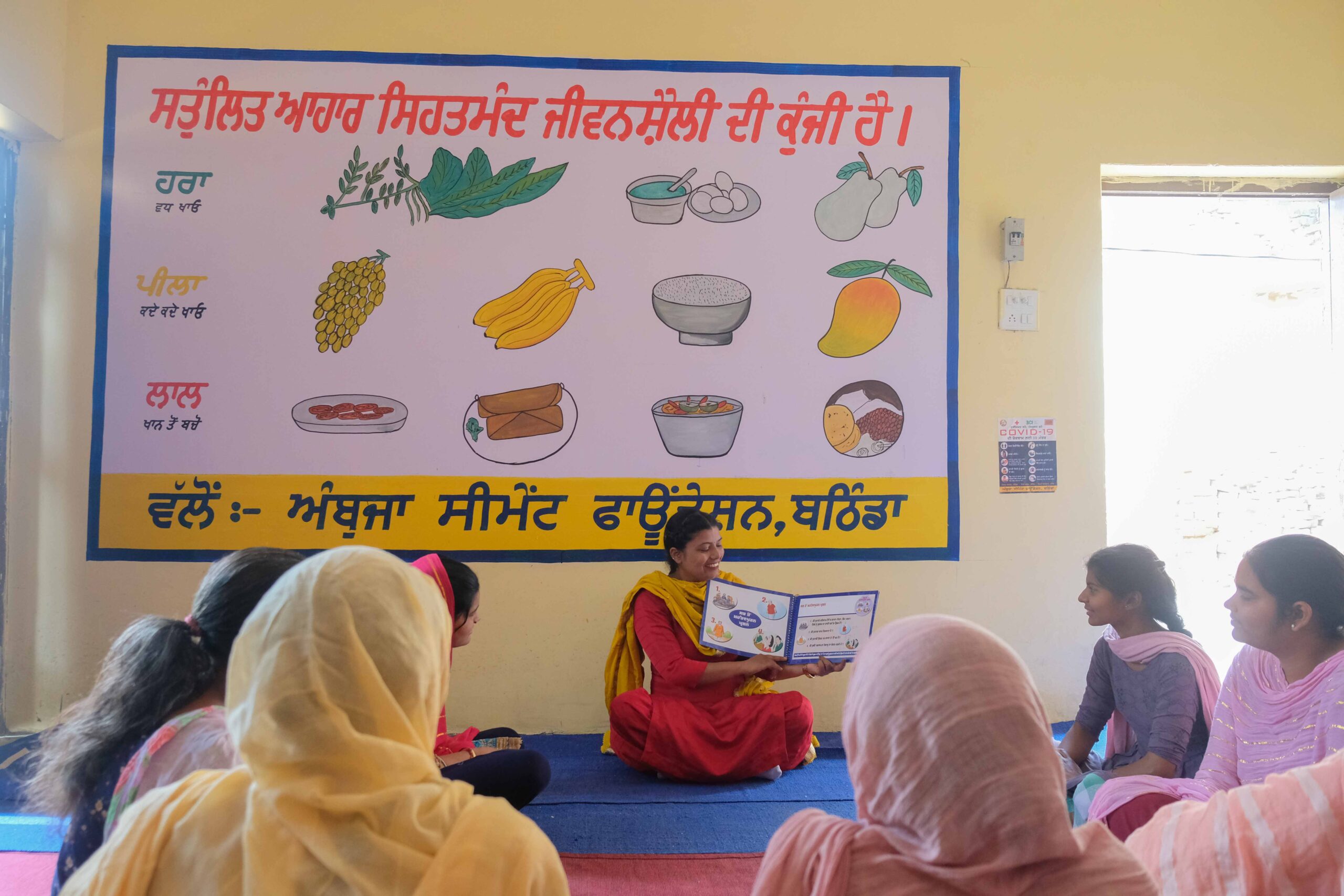
    The cornerstone of this effort is the Community-based Management of Acute Malnutrition (CMAM) model, a proven approach that empowers community volunteers to identify and treat malnourished children before their conditions worsen, it said.

    By integrating treatment with comprehensive long-term interventions, Balposhan aims to not only alleviate acute malnutrition but also improve overall public health and food security sustainably. The comprehensive strategy encompasses community mobilisation, nutritional rehabilitation, structured maternal education and innovative tools like ‘Balvikas kits’ for early childhood development.

    The NutriHub team has developed nutrient-dense, millet-based supplementary foods such as Millet Nutri Bar, Millet Khakra Cookies and Millet Khichdi Mix tailored to the specific needs of malnourished children as part of the food-based nutritional intervention. These innovative products will play a crucial role in the holistic approach adopted by Balposhan.

     “We are indeed delighted to launch Phase 2 of Balposhan, our CSR initiative dedicated to combatting child malnutrition. As we celebrate International Year of Millets 2023, we are committed to drive impactful change in the nutritional landscape of the nation in collaboration with NUTRIHUB, ICAR-IIMR and MAMTA,” said Hemant Malik, Divisional Chief Executive – Foods, ITC Ltd.

    In the first phase of Balposhan project, ITC engaged with 1,000 beneficiaries including children under five years, their mothers, as well as pregnant women in Valsad district, Gujarat. The initiative helped raise awareness about the negative impact of malnutrition’s on children under five years of age, particularly within the crucial first 1,000 days of their lives.

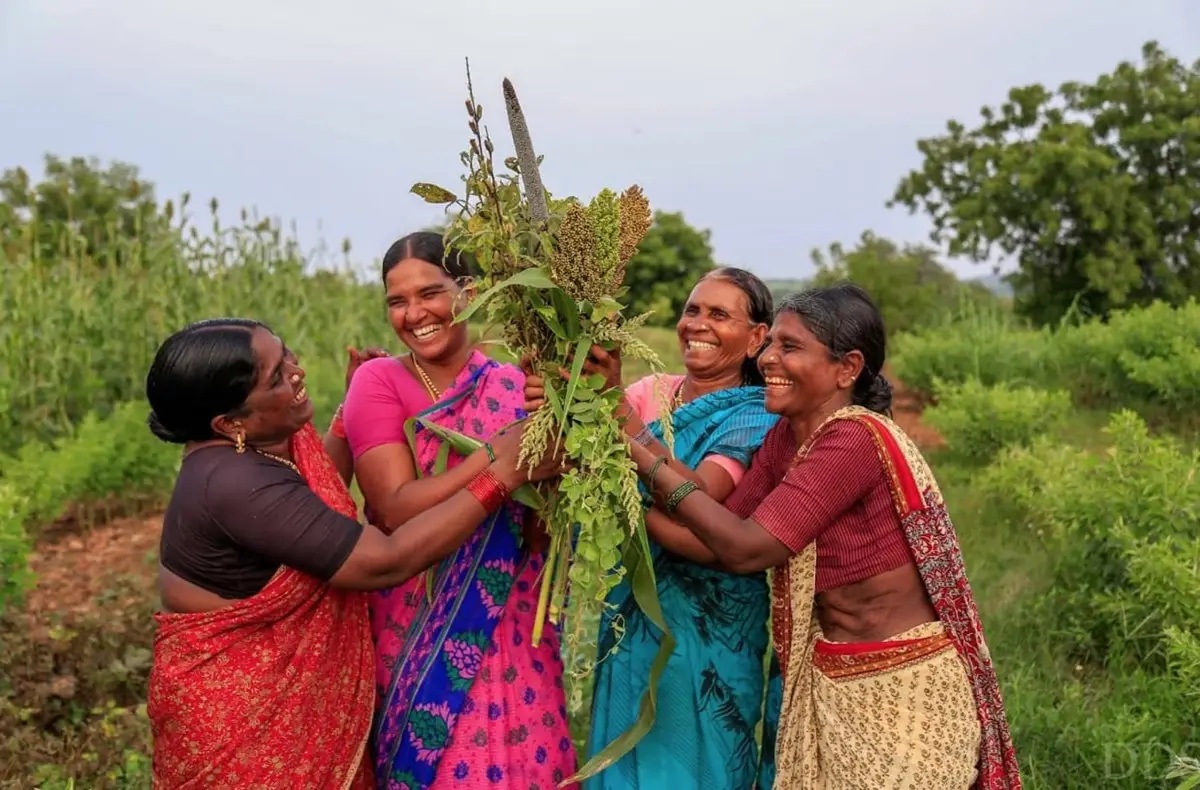
     This initiative is a part of ITC’s Mission Millet campaign aimed at contributing to various on-going government initiatives of reducing the risks of nutritional deficiencies and also by encouraging the cultivation and consumption of millets, in India.

  • Over 20 social ventures register on SSEs; wait for offer documents

    Over 20 social ventures register on SSEs; wait for offer documents

    At present, organisations are only able to register on the platform. The format for offer documents and fundraising is yet to be released. It will only be possible to start fundraising or see any outcomes on the platform once this is done.

    India’s unique experiment of a Social Stock Exchange (SSE) is gathering steam, as many not-for-profit and social organizations have shown interest in listing on the platform. So far, over 20 social ventures have expressed their interest in listing on the new platform with more to follow.

    At present, organisations are only able to register on the platform. The format for offer documents and fundraising is yet to be released. It will only be possible to start fundraising or see any outcomes on the platform once this is done.

    Currently, more than 20 different social organisations have registered under the SSE platform of both NSE and BSE exchanges. Here are the details:

    1. Development Management Foundation

    This organisation is listed on both NSE and BSE. It is an educational institution founded to create, strengthen and establish development management.

    2. Gramalaya Trust

    It operates in the field of water, sanitation, and hygiene in rural, urban, coastal and tribal areas. It is listed on NSE.

    3. Grey Sim Learning Foundation

    Listed on NSE, the Foundation provides vocational skills and products to increase the employability and productivity of the youth.

    4. Krushi Vikas Va Gramin Prashikshan Sanstha

    Listed on NSE, this organisation aims at the betterment of rural, semi-rural, and diversifying urban communities depending on agri and nonfarm-based activities for their livelihood.

    5. Lighthouse Communities Foundation

    The foundation, listed on BSE, enables livelihoods for all.

    6. Masoom Trust

    Listed on NSE, it empowers, strengthen and transform night schools to empower youth.

    7. Missing Link Trust

    It is listed on both NSE and BSE and engages with the public on the issue of sex trafficking and missing girl child.

    8. Mukti

    It is listed on NSE and helps the poor and distressed across the globe.

    9. Opportunity Foundation Trust

    It is listed on both NSE and BSE and works to help lift girl children out of poverty through education.

    10. People’s Rural Education Movement

    Listed on BSE, it is working for the development of Adivasi (indigenous), Dalit, Fisher folk and other marginalized communities of Odisha and neighbouring states of India.

    11. Possit Skill Organisation

    Listed on both NSE and BSE, it supports unemployed youth to harness their talent and develop their market-oriented skills.

    12. Ratna Nidhi Charitable Trust

    Listed on NSE, this trust looks at tackling the problems of poverty in Mumbai, especially among young children.

    13. Saath Charitable Trust

    Listed on BSE, it works with the deprived communities and empowers the socially marginalised by providing them livelihood services, and imparts skills.

    14. Score Livelihood Foundation

    Listed on NSE, it empowers communities with sustainable and inclusive livelihood options.

    16. SGBS Unnati Foundation

    Listed on both NSE and BSE, it works towards equipping underprivileged youths and providing employment.

    17. Supporting Association for Thematic and Holistic Initiatives (SATHI)

    Listed on BSE, it helps improving the lives of individuals, especially women and children.

    18. United Way of Delhi

    Listed on NSE, it helps individuals achieve their potential through education, financial stability, and access to health.

    19. United Way Mumbai

    Listed on NSE, it helps individuals achieve their potential through education, financial stability, and access to health.

    20. Voice Society

    Listed on NSE, it is a Voluntary Action Group of Academicians, Professionals and Volunteers who work to raise awareness amongst Indian consumers about their own Consumer Rights.

    The other social organisations listed on the stock exchanges include Vatsalya Trust, Samvedna Development Society, and Shri JagatBharti Education and Charitable Trust.

    An SSE is an electronic fundraising platform that allows an alternative fundraising option for social enterprises. Meanwhile, the listing process for SSEs works similarly to an initial public offering (IPO). The difference here is instead of allotted shares, participants will get Zero Coupon Zero Principal (ZCZP) instruments.

    At present, the social-development sector in India receives funding through multiple sources spanning corporate social responsibility (CSR), philanthropy, government funding and retail charity. An SSE would attempt to bring coherence across to diverse platforms with uniform frameworks of funding, utilisation, impact-creation, measurement, disclosures, and reporting.

    It may be noted that the BSE received a final approval from the regulator SEBI to launch SSE as a separate segment in December 2022, while NSE in February this year.

    This concept is still very new to India and was introduced by Finance Minister Nirmala Sitharaman in her Union Budget speech for the financial year 2019-20. Globally, countries like Brazil, Canada, Jamaica, Portugal, South Africa, Singapore and the UK already have established SSEs.

  • Bayer, GenZero and Shell collaborate to reduce methane emissions in rice cultivation

    Bayer, GenZero and Shell collaborate to reduce methane emissions in rice cultivation

    With this collaboration in place, the program in its first year aims to significantly scale up its coverage to 25,000 hectares of rice cultivation in the ongoing 2023-24 crop year.

    Paddy rice cultivation is responsible for approximately 10 percent of global methane emissions, a potent greenhouse gas with a global warming potential over 27 times that of carbon dioxide.

    Global life sciences firm Bayer has parterned with a Temasek-owned investment platform firm GenZero and Shell Energy India to reduce methane emissions in rice cultivation in India.

    With this collaboration in place, the program in its first year aims to significantly scale up its coverage to 25,000 hectares of rice cultivation during the Kharif 2023 and Rabi 2023-24 seasons.

    “With this program, we aim to get more insights into how regenerative agricultural practices can contribute to mitigating climate change by way of methane emission reductions, water conservation, soil health improvements and drive sustainable development of smallholder farmers,” said Simon-Thorsten Wiebusch, Country Divisional Head, Crop Science Division of Bayer for India, Bangladesh and Sri Lanka.

    Having the expertise and support of organizations like GenZero, Shell, International Rice Research Institute (IRRI) and others will go a long way in developing the ecosystem for faster adoption of such sustainable practices, he said.

    According to Bayer, any success achieved during this first year will pave the way for the implementation of an even larger-scale sustainable rice project. Beyond greenhouse gas reduction, the program is expected to generate other benefits such as water savings, soil health improvement, and enhanced community livelihoods for smallholder rice farmers.

    The proposed approach will include training, support, and guidance for smallholder farmers while utilizing Measurement, Reporting & Verification (MRV) mechanisms incorporating remote sensing technology. The project aims to set a benchmark for similar efforts in the rice decarbonization space.

    Paddy rice cultivation is responsible for approximately 10 percent of global methane emissions, a potent greenhouse gas with a global warming potential over 27 times that of carbon dioxide.

    Rice farms occupy 15 percent of global farm area, equivalent to more than 150 million hectares worldwide. It also consumes around one-third of the global fresh water. To address the challenges of climate change and limit global temperature rise, a significant and scalable effort is required to promote methane emissions reductions in rice cultivation.

    Bayer over the last two years has already done the necessary groundwork and initiated a pilot Sustainable Rice Project across India. It started with an aim to generate carbon reductions by encouraging rice farmers to switch from the current practice of transplanting with continuously flooding fields to Alternate Wetting and Drying (AWD) that involves controlled and intermittent flooding and Direct Seeded Rice (DSR) that involves no transplanting operations and very limited flooding.

     To ensure scientific accuracy and credibility, the International Rice Research Institute (IRRI), a globally renowned scientific institution, will provide valuable support in conducting scientific assessments of greenhouse gas reductions, water use reductions, and improvements in soil health.

    Speaking about the collaborative initiative with Bayer, IRRI Deputy Director General for Research, Ajay Kohli said, “Public-private partnerships are an effective way to transform food systems, leveraging the strengths and resources of both sectors to achieve common goals.”

    Such partnerships in agricultural science can improve the efficiency and effectiveness of research and development. By combining the strengths and resources of both sectors, and also sharing knowledge and capacity-building, thus enhancing the overall productivity and sustainability of the agricultural sector, he added.

  • Former President Ram Nath Kovind inaugurates Dhanuka Group’s school

    Former President Ram Nath Kovind inaugurates Dhanuka Group’s school

    The higher secondary school, which will provide classes from nursery to 11th, has a capacity to accomodate up to 1000 students.

    Former President Ram Nath Kovind today inauguraged a school constructed by agrochemical makeer Dhanuka Group here at Salasar town — that houses the famous Balaji temple — in Churu district of Rajasthan.

    Shrimati Triveni Devi Dhanuka Higher Secondary Adarsh Vidya Mandir has been built by Dhanuka Group as a part of its corporate social responsibility (CSR) initiatives.

    The higher secondary school, which will provide classes from nursery to 11th, has a capacity to accommodate students up to 1000. Currently, 580 students (320 boy and 260 girl students) are enrolled.

    Constructed over 7586 square meter of land, the school has a staff strength of 37, with 27 of them being teaching staff. It has a facility of air conditioned computer lab with 20 computers and a conference cum hall with multimedia facility.

    Addressing the gathering, Kovind said: “Education has an invaluable contribution in our life and better resources are necessary for this. If the ‘temple of education’ starts in small cities and villages, then it would help in shaping the future of children, their families, society and the country.”

    The inauguration of Adarsh Vidya Mandir by Chiranjilal Dhanuka Charitable Trust in Salasar Dham will make not only make children efficient but a good human being also, he said.

    Union Minister of State for Agriculture and Farmers Welfare Kailash Chowdhary said establishment of this school is a matter of pride in Salasar Dham. “The Dhanuka family has given a temple of education here, which will shape the future of our India,” he said.

    On the occasion, Dhanuka Group Chairman R G Aggarwal said Salasar Dham is renowned for its famous Lord Balaji temple. It is a place where faith is reinforced, and prayers are offered for the fulfilment of wishes.

     “Adarsh Vidya Mandir, inspired by the principles of Vidya Bharti, aims to create a holistic educational experience that instills a deep sense of patriotism, love for Indian cultural heritage, and clear goals. It endeavors to foster balanced spiritual development, molding the future intelligentsia of our great nation and preparing them to contribute meaningfully to its growth,” he added.

    The group has two more schools in same district. One school named Durgaprasad Dhanuka Kanya Adarsh Vidyalaya Mandir is located in neighboring Ratangarh town of same district. This all-girl school has a capacity for 700 students, with 614 girl students benefiting from charitable education. It has a staff strength of 33 personnel, with 29 of them being teachers.

    Located at Hrishikul road in same Ratagarh town of district Churu, the third school ‘Chiranjilal Dhanuka Uchha Madhyamik Adarsh Vidya Mandir has 811 students (all boys) studying from nursery to 12th class. This school has a capacity to accomodate up to 1000 students at a time.

     Besides these charitable schools, Dhanuka Group has been at the forefront of philanthropic activities in other areas of ecology, environment and humanity too.

  • HCLFoundation plants over 47,000 saplings across India to support sustainable planet

    HCLFoundation plants over 47,000 saplings across India to support sustainable planet

    HCLFoundation has planted over 1.45 million saplings to date across the country in collaboration with various stakeholders and local communities.

    HCLFoundation has planted more than 47,000 saplings of different native species across India to mark the 47th anniversary of the HCL Group.

    The mega plantation drive was organized in Chennai, Madurai, Bengaluru, Coimbatore, Lucknow, Vijayawada, Nagpur, Hyderabad, Hardoi, Thoothukudi, North and South 24 Paraganas and Noida, the company said in a statement.

    “We are committed to supercharging progress towards climate action. We are proud of the active participation from our employees, partners, women groups, students and community members, whose support has been instrumental in making this plantation drive a grand success,” HCLFoundation Vice President (Global CSR) Nidhi Pundhir said.

    HCLTech employees, their family members, NGO partners, community volunteers, school students and women’s groups participated in the planting activities at government schools, forested areas, HCLTech campuses and designated lands dedicated to mass afforestation.

    HCLFoundation has planted over 1.45 million saplings to date across the country in collaboration with various stakeholders and local communities.

    This is in line with HCLTech’s overall CSR objectives of contributing to socio-economic and environmental advancement while adhering to the central government’s National Action Plan for Climate Change and the United Nations Sustainable Development Goals.

  • CSR spend on senior citizens’ welfare rose sharply to Rs 76.23 crore in FY22

    CSR spend on senior citizens’ welfare rose sharply to Rs 76.23 crore in FY22

    Under the Act, CSR is a Board driven process and the Board of the company is empowered to plan, decide, execute and monitor CSR activities.

    The CSR spending on the senior citizens’ welfare rose by 46 per cent to Rs 76.23 crore in the 2021-22 fiscal from Rs 52.33 crore in the 2019-20 fiscal, as per the government data.

    Under the the Companies Act, 2013, the CSR is a Board driven process and the government does not issue any specific direction to the companies to spend in any particularl activity, Minister of State for Corporate Affairs Rao Inderjit Singh had said in a written reply to the Rajya Sabha last week.

     Schedule VII of the Act indicates the eligible list of activities that can be undertaken by the companies as CSR. Item No. (iii) of Schedule VII of the Act includes setting up old age home, day care centres and such other facilities for senior citizens.

     Under the Act, CSR is a Board driven process and the Board of the company is empowered to plan, decide, execute and monitor CSR activities of the company based on the recommendation of its CSR Committee.

  • SAI expands current CSR initiatives to its academics & coach training programmes

    SAI expands current CSR initiatives to its academics & coach training programmes

    NSNIS Patiala looking to get CSR partners for its coaching and sports science education program.

    Sports Authority of India (SAI) has approved a proposal to expand the current Corporate Social Responsibility (CSR) initiative to SAI’s Academics and Coach Training Programs to further strengthen and support the growing demand from the sports environment in the country.

    The proposal was approved during its 57th Governing Body Meeting (GBM), an official statement said.

    Under the new initiative, Netaji Subhas National Institute Of Sports (NSNIS) Patiala intends to enter into CSR partnerships with organizations of repute for obtaining financial or operational support on various areas in academics.

    CSR initiatives at NSNIS Patiala will aim towards offering courses in coach education, development of sports academics infrastructure, equipment for academic purposes and sports science equipment for labs, research in sports soaching and sports sciences (technical, tactical, and skill development aspects of coaching and training of athletes), capacity building for faculty, coaches and sports scientist.

    NSNIS Patiala through CSR wants to focus on international faculty exchange/exposure (including travel arrangements), student internship programs.

    It also wants to get other services in support of academics such as buses for transportation of the trainees of the institute; providing books for library, publication, Wi-Fi/technical support; providing manpower in terms of professionals/faculty/technical expertise; and any other facilities related to coach education and development program to develop quality manpower in the sports sector through its academic programs.

    The above-mentioned support will also extend to SAI’s Regional Academic Centres at Bangalore, Kolkata, and Thiruvananthapuram, the statement said.

  • Bharti Foundation to organise 10-day long Teachers’ Summer Fest from June 21

    Bharti Foundation to organise 10-day long Teachers’ Summer Fest from June 21

    Focus of the fest is to motivate teachers by integrating ‘Theatre & Storytelling in education’. This will contribute to the country’s mission towards foundational literacy and numeracy (FNL), as well as building learning levels post-Covid.

    Bharti Foundation will organise a 10-day long virtual “Teachers’ Summer Fest’ starting from June 21 across the country.

     The fest will be conducted on TheTeacherApp, a new tech-initiative by the Foundation. Over 4500 teachers have already downloaded the app from across the country, the Foundation said in a statement.

     The focus of the fest is to motivate teachers by integrating ‘Theatre and storytelling in education’. This will contribute to the country’s mission towards foundational literacy and numeracy as well as building learning levels post-Covid.

     Bharti Foundation CEO Mamta Saikia said, “Bharti Foundation has been relentlessly working towards making quality education available to the underprivileged children, especially girls. With many flagship programs, TheTeacherApp’s Summer Fest is another initiative towards our goal of ensuring quality education by empowering school learners, teachers and educationists. We aim to target 10,000 plus teachers across India.”

    The government’s NIPUN (National Initiative for Proficiency in Reading with Understanding and Numeracy) Bharat Mission, launched in July 2021, aims to create an enabling environment to ensure the universal acquisition of foundational literacy and numeracy (FNL), so that every child achieves the desired learning competencies in reading, writing, and numeracy by the end of Grade 3, by 2026-27.

    Bharti Foundation encourages teachers nationwide to seize this opportunity for personal and professional growth. By participating in Teachers’ Summer Fest, educators can engage in stimulating discussions, gain fresh insights, and contribute to a nationwide movement for transformative education.