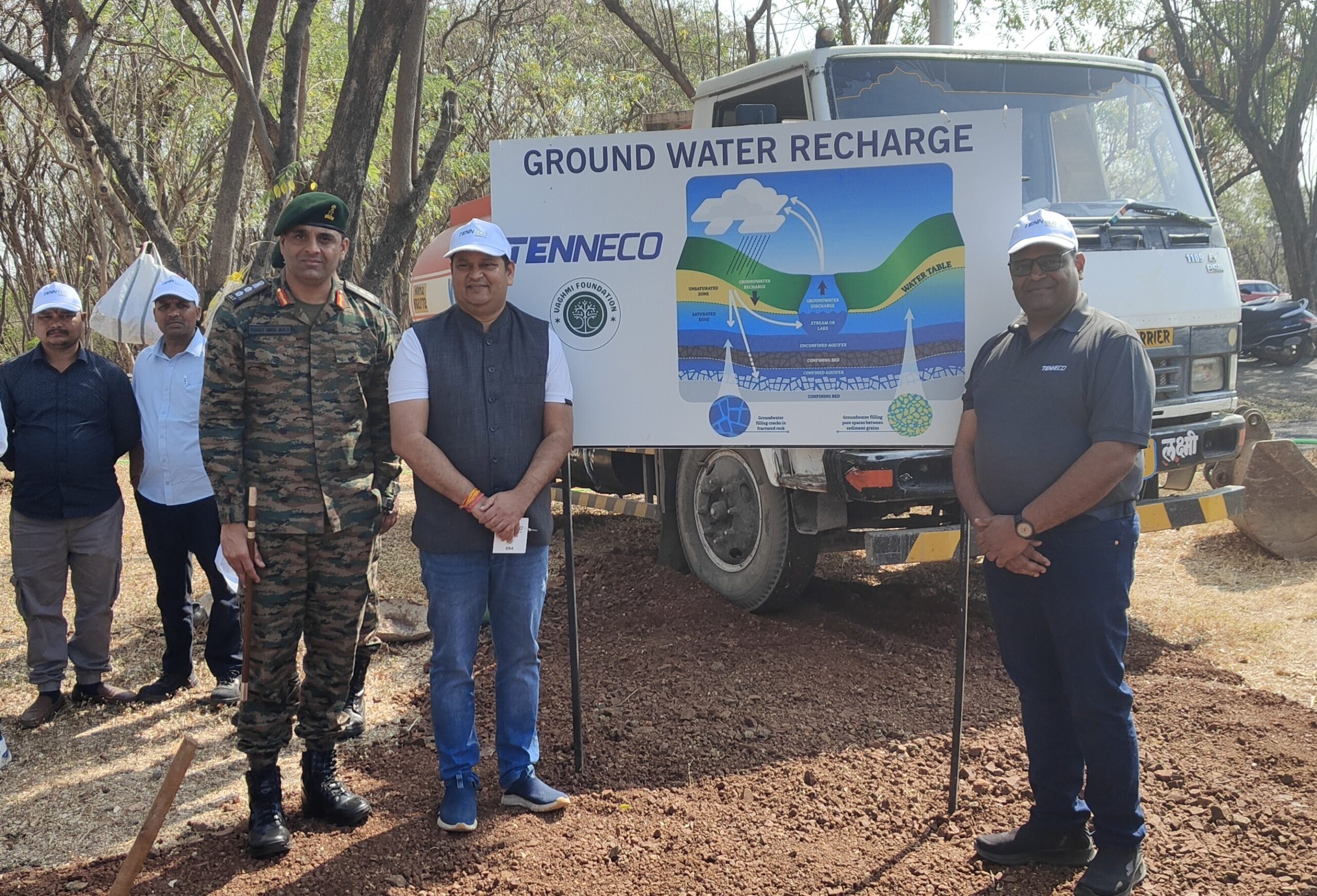
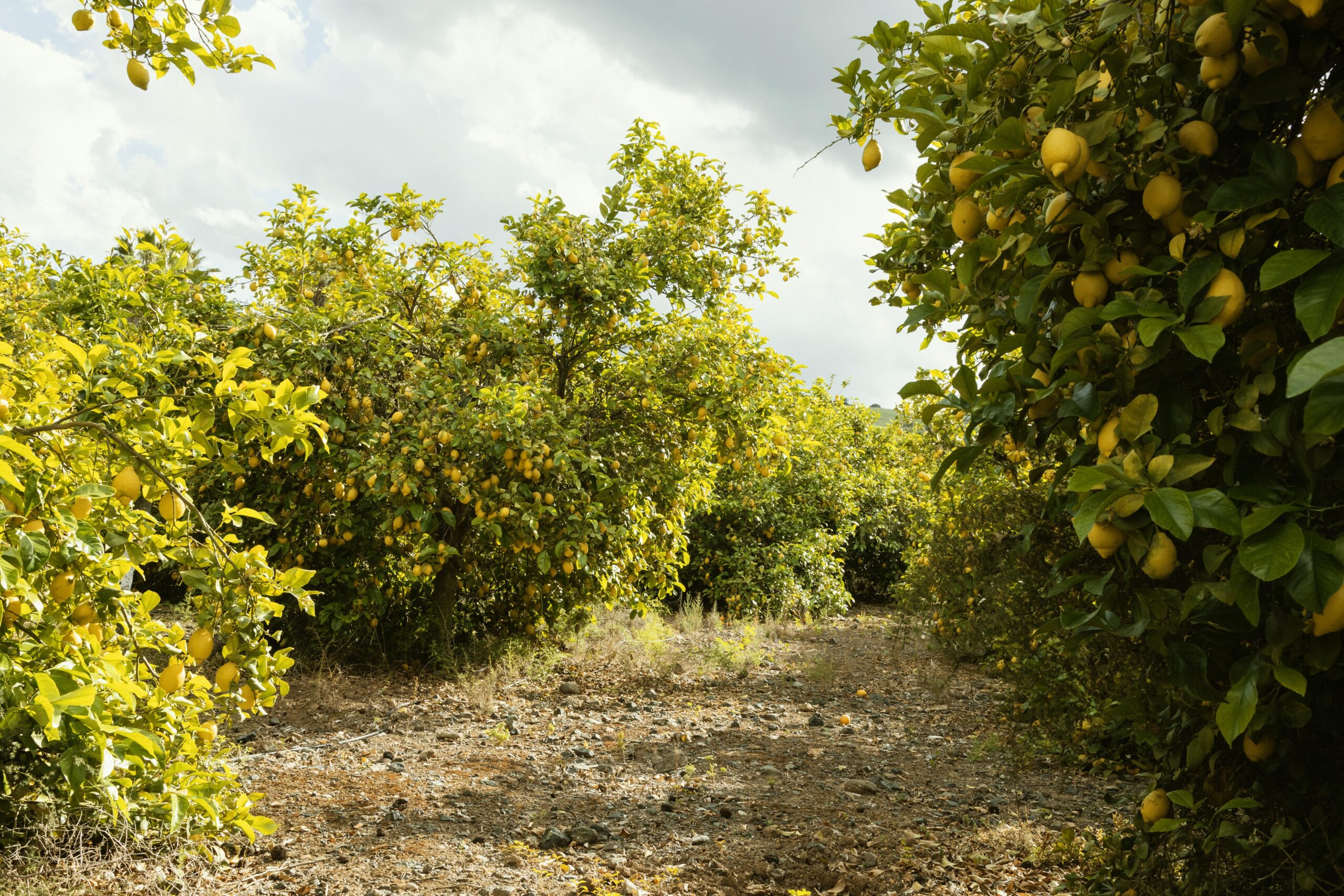
Tenneco Clean Air India on Sunday launched its landmark tree plantation drive, known as Vriksharopan Abhiyan, in collaboration with the 15th Battalion of the Jat Regiment and Vaghmi Foundation, planting 5,000 saplings at the regiment’s premises in Lullanagar, Pune.
The sustainable initiative includes 18 months of maintenance to ensure sapling survival, with each plant tagged for geo-monitoring, survival tracking and quarterly reporting by the Vaghmi Foundation.
Tenneco leadership, regiment officers and foundation representatives attended the event, underscoring the company’s commitment to environmental conservation.
“The Vriksharopan Abhiyan is a meaningful step in Tenneco’s larger ambition to contribute to India’s environmental priorities,” said Rishi Verma, President of Tenneco India. “Our focus is on nurturing long-term green cover through structured care, protection and scientific monitoring to create healthier, more resilient ecosystems.”
Tenneco employees and foundation members will conduct periodic revisits to support ongoing care.
Tenneco Clean Air India, part of the global Tenneco Group, supplies clean air, powertrain and suspension systems to automotive original equipment manufacturers in India, operating 12 manufacturing facilities and two R&D centres.
The Habitats Trust, a non-profit organisation tackling biodiversity loss, climate crisis and water scarcity, on Wednesday opened applications for the 9th edition of the strategic Habitats Trust Grants, totalling Rs 3.5 crore.
Applications for the Habitats Trust Grants are accepted from January 10 to February 10, 2026, with recipients announced in the first week of August 2026.
India hosts 7-8% of global biodiversity, but many species and ecosystems outside protected areas remain underfunded. The grants target holistic, innovative and replicable projects focused on lesser-known species and underrepresented habitats.
“India’s conservation challenges are complex and interconnected with climate and governance issues,” said Rushikesh Chavan, Director of The Habitats Trust. “The strategic Habitats Trust Grants aim to support models that address urgent needs while ensuring sustainability and replicability, especially for overlooked species.”
The grants are divided into three categories:
THT Conservation Grants (Rs 1 crore each, over three years): Awarded to two organisations for comprehensive efforts on critical habitats.
THT Research Grants (Rs 40 lakh each, over two years): Awarded to two organisations for interdisciplinary research informing on-ground action.
THT Action Grants/Action Service Projects (Rs 25 lakh each, over two years): Awarded to three organisations or individuals for urgent interventions.
A 12-member expert panel will evaluate applications based on relevance, impact, stakeholder engagement, scalability and sustainability.
Since 2018, the programme has supported 38 projects across 21 states and union territories, disbursing over Rs 16.2 crore. In 2025, eight grantees received Rs 3.8 crore, including Grameen Sahara and Hume Centre for Ecology and Wildlife Biology (Conservation Grants), Coastal Conservation Foundation and Wildlife Institute of India (Research Grants), and others for Action Grants.
Founded in 2018 by Roshni Nadar Malhotra and Shikhar Malhotra, The Habitats Trust operates in 32 states and union territories, partnering with over 120 entities across more than 600,000 hectares.
Change Engine on Wednesday announced the transformative Mission Billion Summit, scheduled for January 29, 2026, at the India International Centre in Delhi, with the ambitious goal of building 100 non-profit unicorns by 2030.
India’s social sector is at an inflection point, with emerging founders tackling large-scale challenges. The Mission Billion Summit seeks to unite fragmented ecosystems, providing patient capital and partnerships to scale interventions beyond pilots.
“We need a movement towards non-profit unicorns in India, similar to the startup boom a decade ago,” said Varun Aggarwal, co-founder of Change Engine. “The transformative Mission Billion Summit will convene stakeholders to address pressing developmental issues, centering founders on evidence-driven national impact.”
Shubham Bansal, another co-founder, described the event as a “startup school for non-profits,” offering toolkits on government partnerships, evidence-building and capital raising. “Our aim is to empower founders to build nationwide solutions,” he added.
The one-day summit features two parallel tracks with over 25 speakers, more than 12 sessions and three workshop-style masterclasses.
The “Building Nonprofit Unicorns” track covers evidence-building beyond randomized controlled trials, fundraising for innovation capital, government partnerships and community-led scaling.
The “Tackling Wicked Problems” track examines effective approaches in welfare, social protection, education and governance.
A highlight will be the launch of Change Engine’s inaugural “Ease of Doing Non-profits” report, based on surveys revealing barriers to scale, particularly the shortage of flexible, high-risk innovation capital.
Participants include philanthropists such as Sanjeev Bikhchandani of Info Edge, Aakanksha Gulati of ACT Grants and Murugan Vasudevan of Veddis Foundation, alongside leaders from scaled organizations like Vidhi Centre for Legal Policy, Central Square Foundation and Rocket Learning.
Change Engine supports founders in creating non-profit unicorns impacting over one million lives through data leverage, government ties, tech expertise and seed capital.
Hyundai Motor India Foundation (HMIF), the corporate social responsibility arm of Hyundai Motor India Limited, has completed the landmark plantation of 1 million trees under its IONIQ Forest initiative near Talegaon in Pune district.
The project covers 90.5 acres and incorporates 41 native species using the Miyawaki afforestation method, making it one of India’s most significant single-site, time-bound efforts.
Work began with site clearance in May 2025, followed by initial planting on World Environment Day in June. The forest was officially inaugurated in September 2025 by Maharashtra Chief Minister Devendra Fadnavis.
Each tree is geo-tagged with a QR code for transparency and real-time monitoring.
“Hyundai Motor India Foundation’s IONIQ Forest project is more than an afforestation effort; it represents a vision to create a greener and more sustainable future,” said Puneet Anand, AVP and Vertical Head – Corporate Affairs at HMIL.
“By combining environmental restoration with community empowerment, Hyundai is setting a benchmark for sustainable growth in India,” he said in a statement.
The initiative has created livelihoods for over 150 members of local tribal communities. Over five years, the forest is expected to sequester 63,000 tons of CO2, boost biodiversity and enhance climate resilience.
It will also serve as an educational hub for schools and communities to promote environmental awareness.
The effort aligns with HMIF’s Rs 56 crore CSR commitment in Maharashtra, spanning environment, healthcare, road safety and community development.
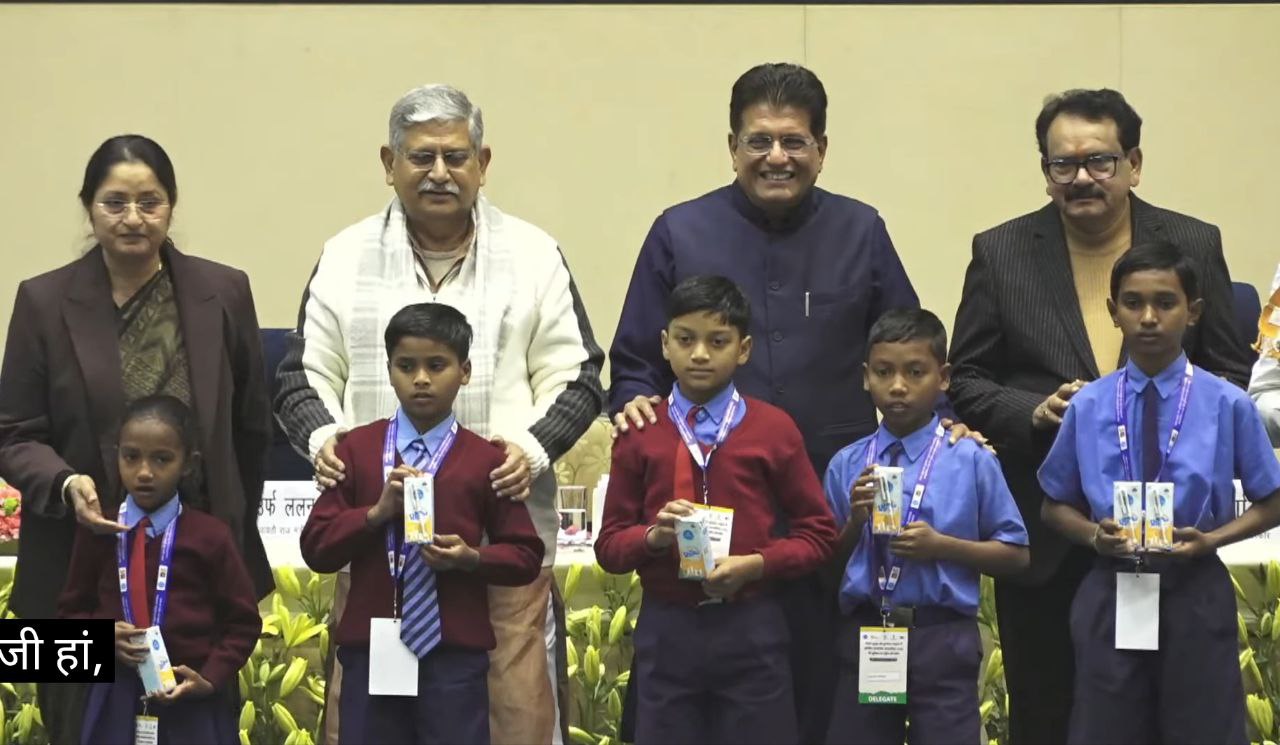
Commerce and Industry Minister Piyush Goyal on Tuesday called for a transformative fight against malnutrition via CSr against malnutrition via CSR, stressing it as a collective national responsibility shared by government, corporates, communities and individuals.
Addressing the National Conclave on the Role of Corporate Social Responsibility in Nutrition Security and Malnutrition Mitigation, organised by the National Dairy Development Board (NDDB) Foundation for Nutrition, Goyal said eliminating malnutrition is vital for realising Viksit Bharat by 2047 and ensuring long-term social and economic prosperity.
He viewed the mandatory 2 per cent CSR spending as a floor, not a ceiling, and framed malnutrition via CSR initiatives as strategic opportunities for businesses to create shared value.
Goyal praised NDDB programmes like Giftmilk and Shishu Sanjeevani, which deliver fortified milk and supplements to children in schools, anganwadis, aspirational districts and tribal areas via cooperative networks.
Highlighting inter-ministerial synergy under the Prime Minister’s whole-of-government approach, he noted collaboration among ministries of Commerce, Cooperation, Animal Husbandry, Panchayati Raj, and Women and Child Development.
NDDB serves as a key facilitator linking industry CSR with grassroots delivery, promoting affordable access to milk and fish as protein-rich foods.
Goyal emphasised early intervention during pregnancy and childhood to prevent stunting, while advocating saturation coverage to every household.
He positioned nutrition investments as building India’s future workforce and markets, benefiting corporates through healthier consumers and employees.
Calling for a people’s movement, Goyal encouraged exceeding CSR obligations and personal contributions to achieve a malnutrition-free India.
Brokerage firm Zerodha has awarded a Rs 2 crore CSR grant crore CSR grant to The Sustainability Mafia (SusMafia), a non-profit focused on climate education and early-stage incubation, to boost India’s climate-tech ecosystem.
The Zerodha CSR grant will enable SusMafia, legally known as The Sustainability Engine Foundation, to expand programs building a skilled climate workforce and supporting startups in sectors like air quality, water sanitation, waste management, carbon reduction, and the circular economy.
SusMafia addresses gaps in talent readiness, early validation for founders, and connections to capital and pilots.
Over recent years, the organization has trained over 400 climate professionals via its Climate Ninja program and deployed Rs 1 crore in grants to ventures, fostering a network of more than 80 climate entrepreneurs.
With the new funding, SusMafia plans to train over 300 additional Climate Ninjas, support more than 20 early-stage startups, and host events like SusCrunch for stakeholder collaboration.
“Strong climate outcomes emerge when founders, practitioners, and learners have access to the right knowledge and support early in their journey,” said Nithin Kamath, CEO of Zerodha. “SusMafia is building this connective tissue, and we’re pleased to back their work.”
Ganesh Shankar, Director of SusMafia, added: “This Zerodha CSR grant strengthens our ability to build community, bringing founders, talent, and partners closer to make sustainability the default choice.”
Zerodha, through its Rain Matter initiative, supports long-term climate and sustainability efforts across India.
Union Cooperation Minister Amit Shah is set to launch two Corporate Social Responsibility (CSR) initiatives aimed at boosting malnutrition mitigation among children in the national capital on Tuesday.
The programmes — Giftmilk Programme and Shishu Sanjeevani Programme — will be unveiled during the National CSR Conclave titled “Role of Corporate Social Responsibility in Nutrition Security and Malnutrition Mitigation”, organised by the NDDB Foundation, an official statement said.
The Giftmilk Programme, a CSR effort by SAIL-Bhilai Steel Plant in Chhattisgarh, will provide flavoured milk fortified with Vitamins A and D to around 4,000 children in government schools in mining areas of Bhilai Steel Plant. The milk will be supplied through the Chhattisgarh Milk Federation, managed by NDDB.
The Shishu Sanjeevani Programme, supported by IDBI Bank as a CSR initiative, offers nutritional support to approximately 3,000 children at anganwadi centres in rural Nagpur district, Maharashtra. It features an energy-dense, ready-to-eat fortified supplement developed by NDDB and manufactured by the Bhandara Milk Union.
The conclave aims to discuss collaborative and sustainable strategies to boost malnutrition mitigation in children.
Several Union Ministers, including Rajiv Ranjan Singh, Annapurna Devi, Krishan Pal Gurjar, Murlidhar Mohol, S P Singh Baghel and George Kurian, will attend the event.
Cooperation Secretary Ashish Kumar Bhutani, Animal Husbandry and Dairying Secretary Naresh Pal Gangwar, Women and Child Development Secretary Anil Malik, NDDB Chairman Meenesh Shah and other stakeholders are also expected.
India’s leading drone manufacturer Garuda Aerospace held an ESG awarenessworkshop, reinforcing its dedication to ethical, accountable and sustainable business practices.
The session attracted participation from more than 150 employees and stakeholders, highlighting the company’s priority on integrating sustainability into its operations.
The workshop focused on educating attendees about Environmental, Social and Governance (ESG) principles, emphasising responsible practices, data integrity, compliance and skill development.
Through structured sessions and interactive discussions, participants gained insights into how ESG awareness contributes to long-term value creation, operational transparency and responsible innovation in the aviation and aerospace industry.
Rithika Agnishwar, Co-founder and Chief Administrative Officer of Garuda Aerospace, stated: “Sustainability starts with awareness and accountability.
At Garuda Aerospace, we believe that responsible aviation goes beyond technology—it is about people, processes and purpose. This ESG awareness workshop is a step towards building a culture where ethical practices, data integrity and governance are deeply embedded in how we operate and grow.”
The initiative is part of Garuda Aerospace’s ongoing efforts to promote responsible business conduct and alignment with international sustainability standards.
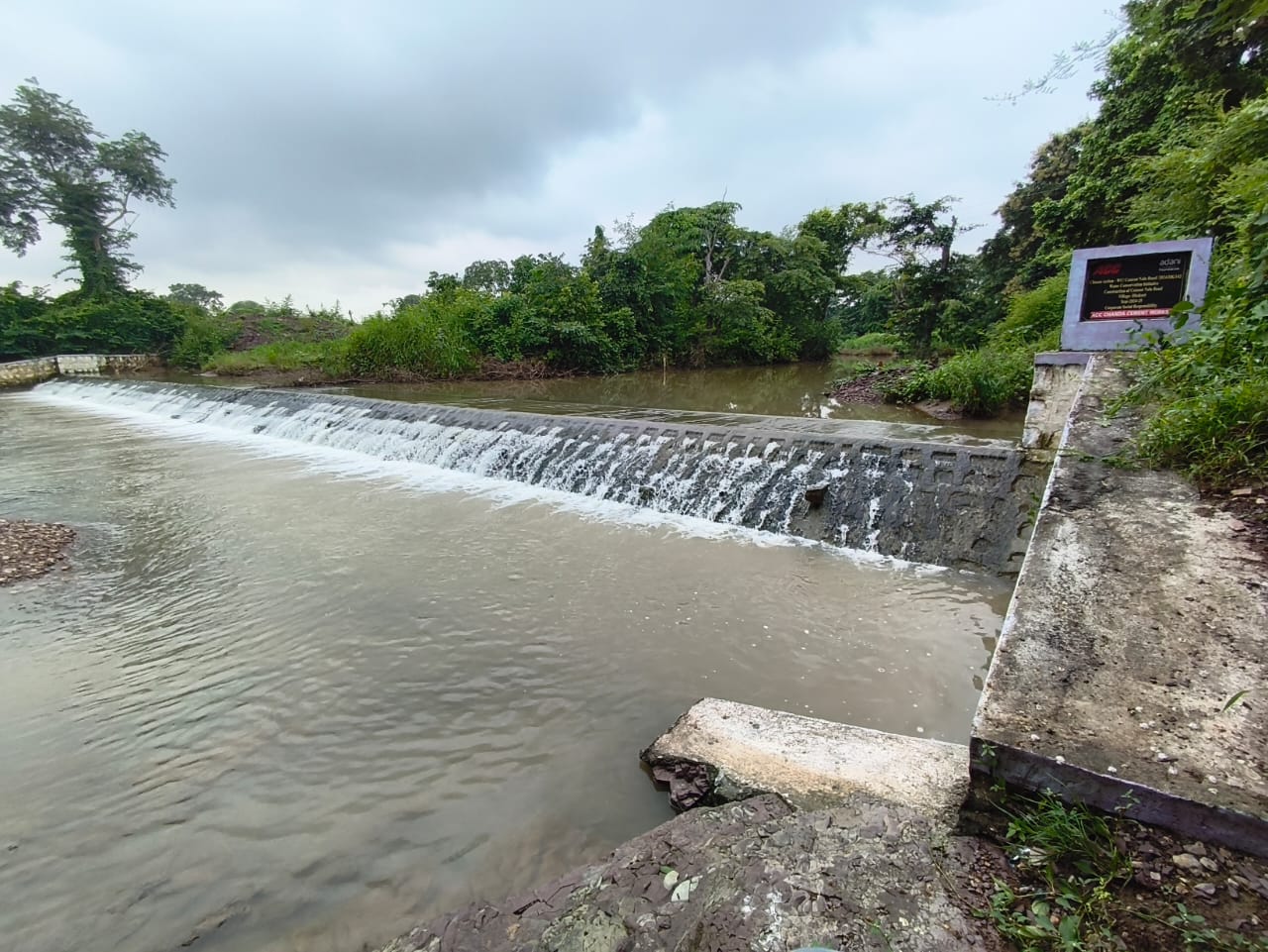
ACC, part of the Adani Portfolio, and the Adani Foundation are advancing climate resilience through transforming water conservation efforts in rural Maharashtra.
In Dhakori village, Wani block, Yavatmal district, the companies addressed chronic water scarcity by building an upstream cement nala bund under the 2024-25 Climate Action Water Conservation initiative.
Despite heavy monsoons, runoff previously left fields dry by November, restricting farmers to one crop annually.
The new structure stores nearly 48,000 litres of water, recharges borewells and provides year-round supply to 96 acres of farmland.
Around 35 farmers now grow multiple crops, with incomes rising by about Rs 18,000 per acre.
The project has also secured household and livestock water supplies, fostering community stability.
By revitalising resources in Dhakori, ACC and the Adani Foundation demonstrate how targeted, community-led initiatives can achieve sustainable rural development amid climate challenges.
For more on ACC’s initiatives, visit ACC Limited. Details on Adani Foundation’s work available at Adani Foundation.
In the arid landscapes of Rajasthan, where traditional farming often meant meager earnings and uncertainty, Hindustan Zinc’s Samadhan Project is sparking a quiet revolution. This flagship CSR initiative has reached nearly 1.4 lakh farmers, helping them generate over Rs 192 crore in diversified income in just the past year through modern, sustainable practices.
Take Shankar Lal Dangi from Chota Guda village near Udaipur. Like many, his family once scraped by on Rs 6,000–7,000 a month, limited by old-fashioned methods, scarce water, and unreliable markets. Through the Samadhan Project, Shankar embraced drip irrigation, scientific cropping, and joined a Farmer Producer Organization for better prices, according to the company statement.
Today, his yields are higher, milk production has doubled, and his income has soared—bringing stability, pride, and a brighter future for his family.
Close-up of raw milk being poured into container with dairy cows in background
Similar hope blooms in Sindesar Kalan village, Rajsamand district, with Dinesh Puri Goswami. He shifted from low-yield crops to diverse vegetables and upgraded dairy practices.
Using raised-bed nurseries and better animal care, Dinesh earned Rs 78,000 from vegetables in four months, plus Rs 12,000 monthly from milk. “It’s reduced our risks and given us steady income,” he shares.
Women are at the heart of this change too. Gendi Bai from Ganeshpura village turned one bigha of land into a thriving vegetable plot with drip irrigation and mulching, earning ₹90,000 and gaining recognition as a progressive farmer.
From leading Farmer Interest Groups to running dairy enterprises, women under Samadhan are driving household prosperity and community strength.
The project’s multi-pronged approach—crop diversification, precision irrigation, livestock improvement, microenterprises, and farmer-owned institutions—has delivered real results: ₹90 crore in livestock assets, 280 lakh litres of milk worth ₹88 crore, and revenues from farmer-led ventures.
With 510 Farmer Interest Groups and five Producer Organizations involving over 9,300 shareholders, Samadhan covers 2,449 hectares in climate-smart practices like trellis farming and bio-fortified crops. It’s not just boosting incomes; it’s building resilience, nutrition, and agri-entrepreneurship.
As a Vedanta Group company, Hindustan Zinc extends its impact beyond farming through education, healthcare, and more, touching 23 lakh lives across 2,300 villages—aligning with India’s vision of inclusive growth.
These stories of Shankar, Dinesh, Gendi Bai, and thousands more show how the Samadhan Project is turning subsistence into sustainability, one farm at a time.