Author: csr-admin

  • “Single day not sufficient to address critical environment issues”

    “Single day not sufficient to address critical environment issues”

    Our environment, be it in India or across the globe needs our unwavering attention.

    As the world celebrates the 50th World Environment Day with ‘beat plastic pollution’ as the focus, the kind of impact it should have had in 50 years on issues like wildlife, biodiversity, forests and water conservation is clearly missing. Be it plastic pollution, loss of vegetation and biodiversity, air and water pollution, climate change, perishing wildlife, there are so many critical environmental issues that a single day in the year will not suffice.

    Every day needs to be treated as a day for the environment so that we could truly reach a stage where it is a matter of celebration for all of us. Our environment, be it in India or across the globe needs our unwavering attention.

    The governments (states and centres), local authorities, industry owners, citizens, non-governmental organisations – every stakeholder across the globe needs to work in consonance with the other to ensure that we save our environment and this planet.

    If only we succeed, we would have a reason to celebrate World Environment Day. Until then we need to treat it as a serious responsibility which needs to be discharged on a daily basis.

      Nawneet Vibhaw, Partner, Shardul Amarchand Mangaldas & Co

  • PepsiCo Foundation organizes tree plantation drive in Mathura

    PepsiCo Foundation organizes tree plantation drive in Mathura

    During the program, poster-making competition and flower-pot painting was conducted along with a rally to educate the villagers on the changing effects of the environment.

    On the occasion of World Environment Day, Pandit Jagat Ram Memorial Force Trust and PepsiCo Foundation organized a tree plantation drive in Sacholi village of Nandgaon block in Mathura district, Uttar Pradesh.

    “It is everyone’s responsibility to save the environment and driving public awareness is the most effective way to bring this much-needed change,” said UP cabinet minister Nardev Chaudhary said on the occasion.

    The villagers of the countryside must make a valuable contribution in planting trees and stop cutting down the trees to ensure that our earth is green and full of trees, he said and added planting trees is the most necessary action one can take to make the vision of green earth a reality.

    PepsiCo India, Chief Government Affairs and Communications Officer Garima Singh said: “We encourage communities to join hands and make the sustainable protection of our environment a top priority, enabling us to achieve this goal.”

     Also present at the event, Rajkumar Pathak, Range Officer, Forest Department, urged citizens to take a pledge to plant trees every year and Vijay Kumar Agarwal, BDO of Nandgaon Block, educated the attendees on the importance of saving the environment, driving awareness among communities on protecting trees and plants.

     During the program, poster-making competition and flower-pot painting was conducted along with a rally to educate the villagers on the changing effects of the environment. Workers from Pandit Jagat Ram Memorial Force Trust also contributed to the various activities held on-ground to celebrate World Environment Day.

  • Axis Bank organizes cleanliness drive across 25 beaches, water bodies till June 11

    Axis Bank organizes cleanliness drive across 25 beaches, water bodies till June 11

    The initiative will cover across 20 cities including Mumbai, Bangalore, Kochi, Chennai, Hyderabad, Lucknow, Varanasi, Patna, etc.

    Private lender Axis Bank has kick started Clean-A-thon, a pan–India cleanliness drive across 25 plus beaches and water bodies and will continue till June 11.

     The initiative will cover across 20 cities including Mumbai, Bangalore, Kochi, Chennai, Hyderabad, Lucknow, Varanasi, Patna, etc., in collaboration with local NGOs, the bank said in a statement.

    The aim to to emphasize the urgency of combating plastic pollution and promoting responsible waste management practices.

     The cleanliness drive will witness participation from Bank’s branch employees, local communities, environmental activists/influencers, local authorities and volunteers who will be collecting and disposing plastic waste from beaches and water bodies.

    These volunteers will also educate the local people about the harmful effects of plastic pollution and how they can reduce the use of single-use plastics.

    Speaking about the initiative Ravi Narayanan, Group Executive – Branch Banking, Retail Liabilities & Product, Axis Bank said, “We firmly believe that the responsibility to protect our planet lies with each one of us, and through this initiative, we aim to instill a sense of environmental consciousness and responsibility amongst fellow citizens.”

    This initiative will add to several ongoing global efforts for a greener and more sustainable future, re-affirming our commitment to build a safe and healthier planet that we owe to the generations which follow us, he added.

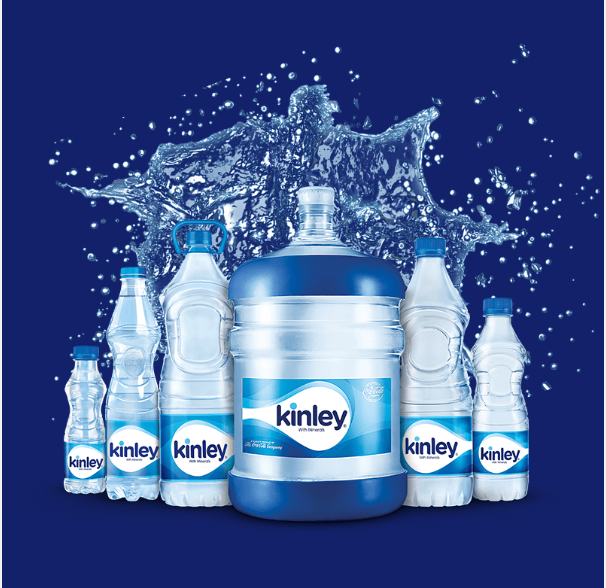
  • Coca Cola India launches Kinley bottles made from 100% recycled PET

    Coca Cola India launches Kinley bottles made from 100% recycled PET

    rPET bottles are made from food grade recycled polyethylene terephthalate (PET). The use of rPET bottles not only conserves natural resources but also reduces the amount of plastic waste that ends up in the larger ecosystem.

    Coca-Cola India today launched new bottles made from 100 percent recycled PET plastic material (rPET) in Andhra Pradesh. This is the first time in India that any bottle made with 100 percent rPET is being used for food/beverage.

     “The new rPET packaging is available for the company’s packaged drinking water brand, Kinley, in 1 litre bottles,” the company said in a statement.

    The new bottle features a unique label displaying “100% made from recycled food grade plastic”, marking a major milestone for Coca-Cola in India in realizing its circular economy endeavours, it said.

    This was possible only after the Food Safety Standards Authority of India (FSSAI) approved the use of recycled PET in food packaging, subject to adherence to their guidelines, after a thorough review of food safety, it added.

    Enrique Ackermann, Vice President, Technical and Innovation, Coca-Cola India and Southwest Asia said, “We are proud to be the first beverage company in India to offer our consumers a sustainable choice of packaging, by launching Kinley bottles made from 100% recycled PET.”

    In December 2022, Coca-Cola Bangladesh launched 100 per cent rPET bottles, making it the first market in the Southwest Asia (SWA) region to introduce Kinley water bottles in 2-liter packages. The Coca-Cola company now offers 100 percent rPET bottles in more than about 40 markets.

    Aligned with its global commitment of creating a ‘World Without Waste’, the company has set a goal of using at least 50 percent recycled content in its packaging by 2030; working towards using more recycled content in its packaging.

    The company has been working towards this goal for years and has made consistent progress in reducing the use of virgin plastic across its value chain globally.

    Currently, 90 percent of the company’s packaging is recyclable while 15 per cent of PET used is recycled (rPET) across the globe. rPET bottles are made from food grade recycled polyethylene terephthalate (PET).

     When PET bottles are recycled, the plastic is recycled as per the technologies that are approved by US FDA and European Food Safety Authority (EFSA) for food grade recycled material, and reformed into new PET bottles, reducing the need for virgin plastic for producing PET Bottles.

    The use of rPET bottles not only conserves natural resources but also reduces the amount of plastic waste that ends up in the larger ecosystem, the company added.

  • About 174 applications of CSR-related defaults in process of compounding

    About 174 applications of CSR-related defaults in process of compounding

    So far, sanction for prosecution has been accorded in 366 cases. Of these, 174 applications for compounding have been made.

    About 174 applications of Corporate Social Responsibility (CSR)-related defaults are in the process of compounding, according to the data maintained by the Minsitry of Corporate Affairs.

    Earlier, CSR related defaults were compoundable offences. So far, sanction for prosecution has been accorded in 366 cases. “Of these, 174 applications for compounding have been made and 121 cases have been compounded,” the data showed.

    Now, the non-compliance of CSR provisions has been converted as a civil wrong with effect from January, 22 2021.

    The penal provision related to violation of CSR provision with respect to CSR expenditure is provided under Section 135 (7) of the Act. As per the existing provision, penalty is prescribed against the company and every officer in default which is determined on the basis of unspent CSR amount of the company.

    The broad framework for CSR has been provided under Section 135 of the Companies Act, 2013, Schedule VII of the Act and Companies (CSR Policy) Rules, 2014. The CSR framework is disclosure-based and CSR mandated companies are required to file details of CSR activities annually in the MCA21 registry.

    The government monitors the compliance of CSR provisions through the disclosures made by the companies in the MCA21 portal.

    Whenever any violation of CSR provisions is reported, action against such non-compliant companies is initiated as per provisions of the act after due examination of records and following due process of law.

  • Apollo Hospitals Foundation to plant 90,000 trees in Andhra Pradesh

    Apollo Hospitals Foundation to plant 90,000 trees in Andhra Pradesh

    The trees are being planted across Aragonda village and will offset a carbon footprint of 3,800 tonne. Each sapling is geo-tagged to track maintenance and growth.

    The Apollo Hospitals Foundation has decided to plant 90,000 trees in Aragonda village in Chittoor district, Andhra Pradesh in partnership with the state’s forest department in order reduce carbon emissions, preserve wildlife habitats, and improve air quality for local communities.

      “This initiative is a step towards mitigating the impact of climate change and ensuring a sustainable future,” Apollo Hospitals Group Chairman Dr Prathap C Reddy said in a statement.

      The tree planting initiative was taken as part of Apollo Hospitals Group Chairman’s 90th birthday celebration, said Upasana Kamineni Konidela, Vice Chairperson of Apollo Hospitals’ CSR.

      The state forest department will provide saplings native to the region, and the Apollo Foundation will manage plantation and maintenance.

      The plantation drive will use Miyawaki forest models to bring back native trees of the region and monitor survival rates through geo-tagging of each plant.

      According to the Foundation, the 90,000 trees are being planted across Aragonda to offset the Apollo Hospitals Groups Carbon footprint by 3800 tonne.

      This project aligns with Apollo Foundations’ long-standing commitment to environmental sustainability. The company remains dedicated to reducing its carbon footprint and promoting a greener future for a healthier tomorrow.

  • DMK leader asks if govt plans to use CSR funds of ONGC for upcoming South Indian Kumbh Mela

    DMK leader asks if govt plans to use CSR funds of ONGC for upcoming South Indian Kumbh Mela

    Minister of State for Petroleum and Natural Gas Rameswar Teli replied that CSR is a Board-driven process and the Board is empowered to plan, approve, execute and monitor the CSR activities based on the recommendations of its CSR committee.

    DMK leader S Kalyanasundaram in the Rajya Sabha asked the government if it plans to utilise the CSR funds of the Oil and Natural Gas Corporation (ONGC) for the upcoming South Indian Kumbh Mela called as MAHAMAHAM, to be held in 2028.

    He also asked if the funds will be utilised for the upgradation of basic civic amenities such as beautification of the areas around the temples, building of dharamshalas for the pilgrims, upgradation of railway stations, bus stands and other public transport and hospitals.

    Replying to the written question, Minister of State for Petroleum and Natural Gas Rameswar Teli said Corporate Social Responsibility (CSR) is a Board-driven process and the Board of the company is empowered to plan, approve, execute and monitor the CSR activities based on the recommendations of its CSR Committee.

    Oil and Gas Public Sector Undertakings undertake CSR activities under the heads identified under Schedule VII of the Companies Act, 2013 with special focus on Health (Nutrition, Sanitation, and Drinking Water), Education, Skill Development, Rural Development, Women Empowerment, Environment Oriented Initiatives and Care for the Elderly and Differently-abled Persons, he responded.

  • Godrej Agrovet gets certification under IPOS framework for adopting sustainable practices

    Godrej Agrovet gets certification under IPOS framework for adopting sustainable practices

    The IPOS Framework, established by the edible oils industry body SEA with assistance from Solidaridad, the Indian Institute of Oil Palm Research, and SOPOPRAD, has been created for the Indian industry and lays down a set of environment friendly, economically viable and socially beneficial practices and guidelines.

    Godrej Agrovet has become the first company in the country to be awarded a verification Certification under the Indian Palm Oil Sustainability (IPOS) Framework, issued by an independent international certification body, in recognition of the sustainable practices adopted by its oil palm business.

    The certification was presented to Godrej Agrovet’s oil palm plantation business CEO Sougata Niyogi, the company said in a statement.

     India, the world’s largest consumer of palm oil, is pushing ahead with its own ambitious plans to boost its production of the commodity.

     The IPOS Framework, established by the edible oils industry body Solvent Extractors Association of India with assistance from Solidaridad, the Indian Institute of Oil Palm Research, and SOPOPRAD, has been created for the Indian industry and lays down a set of environment friendly, economically viable and socially beneficial practices and guidelines.

     It is aimed at facilitating the well-being of farmers while ensuring that the growth is sustainable from environmental and social perspectives.

      Godrej Agrovet’s CEO, Oil Palm Plantation, Sougata Niyogi said “With more than thirty years of experience in the oil palm business, Godrej Agrovet is the largest developer and producer of Crude Palm Oil in India. The business plays a vital role in driving sustainability agenda in the production of Oil Palm and has therefore strived towards educating farmers on sustainable palm oil cultivation practices on a continuous basis.”

    “This certification is a result of our commitment in supporting farmers to enhance their farm management skills that lead to improved productivity. We are grateful to the Indian Palm Oil Sustainability Framework (IPOS) for recognizing our efforts and look forward to achieving greater milestones in the near future,” he added

    Over the years, Godrej Agrovet has developed plantations across Andhra Pradesh, Telangana, Tamil Nadu, Goa, Maharashtra, Odisha, Gujarat, Chhattisgarh and Mizoram. Recently, Godrej Agrovet, has signed Memorandum of Understandings (MoUs) with Assam, Manipur and Tripura State governments for development and promotion of oil palm cultivation in the region under the National Mission on Edible Oils – Oil Palm (NMEO-OP) scheme.

    The MoUs signed are in line with the company’s long-term strategy to be the catalyst of India’s edible oil mission through sustainable growth of oil palm production and doubling of farmers’ income.

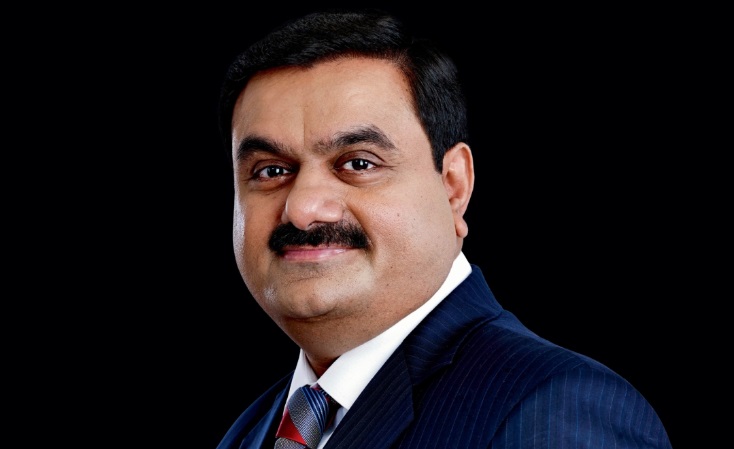
  • Adani Foundation gets Rs 60,000cr gift on Gautam’s birthday

    Adani Foundation gets Rs 60,000cr gift on Gautam’s birthday

    Billionaire industralist Gautam Adani claims to be connected to the common person with whom he shares his rural roots. His wife Priti and family decided to donate Rs 60,000 crore on his sixtieth birthday in 2022 to the Adani Foundation to boost health, education and skill development. Experts are being consulted to develop schemes to benefit the people at the lowest strata of society.

    In his first-ever interview with the media, Asia’s richest and the world’s third-richest business tycoon in the world, Gautam Adani, admitted to being a very shy person, yet shared his formula for success as being good intentions and hard work. He told India TV that he does not believe in the “Maya Jaal” of monetary growth, his focus is the nation’s development, and he is confident that India is on the path of rapid growth.

    Acknowledging the role of various people in his success, Gautam says whatever he has achieved today is due to the tremendous support he received from his acquaintances, friends and well-wishers. But acknowledges Dhirubhai Ambani as his role model due to his vision and struggle to establish the Reliance empire. Gautam Adani’s wealth increases by Rs 1600 crores daily and Rs 66 crore every hour. Despite this, he says no business is free of risks, but the risk-taking capacity impacts the growth of a business. But when you take a risk, you should be aware of its consequences. However, perseverance remains the key.

    Having seen death closely twice in his life, first when he was kidnapped and again when he found himself stuck in Taj Mumbai during the 26/11 terrorist attack. He says he saw death closely and recounts the first bullet being fired in front of his eyes at 10, shortly after he finished dinner with a friend from Dubai. But these incidents don’t bother him as he is adaptable and quickly moves on.

    Adani Group’s philosophy is to go through competitive bidding before getting into any business. “We will not touch anything without bidding and winning the contract”, he says – no business, whether ports, airports, powerhouses, etc., has been secured without competing. When someone comes first in an exam, you cannot ask the person how they topped. No one has alleged any favouritism the government shows towards the Adani group. Political statements against the Adani Group are merely political jargon.

    He says it is wrong to say that the loans secured by the Adani Group are with the help of political clout. In 2013 the Adani Group secured 80 per cent of loans from Indian Banks; today, that has come down to 35 per cent. The remaining borrowing is from international financial institutions where the Indian politicians do not have much say. The foreign banks want to lend loans to the Adani Group because the rating of the Group is at par with India’s financial rating.

    Reacting to his sharp criticism by Congress Party and its leader Rahul Gandhi, Gautam Adani said it was due to the continuous political attack naming him as a beneficiary of the Modu Government after 2014 that the people of India have come to know his identity and who he was. But at the same time rubbished all allegations saying there was no truth in any allegation, and he did not read anything more in Rahul Gandhi’s statement than political compulsion. People understand that there is a difference between a political statement and a genuine allegation.

    Adani Group, he said, was committed to developing the potential not only in Rajasthan but also to developing the potential in every state of the country. Irrespective of any political narrative, Rahul Gandhi or his party is not anti-development. The Adani Group is working with state governments across India, ranging from Ashok Gehlot in Rajasthan to the left government in Kerala, Mamta Banerjee in West Bengal and Navin Patnaik in Odisha and KCR in Telangana. The Adani Group has businesses in 22 states across India. People try to use Adani to attack Prime Minister Modi for political reasons, but no one finds any problem with the Adani business model.

    Reacting to allegations of receiving land at Rs 1 per acre for the Mundra port, Gautam Adani said that there was no land; the Adani Group reclaimed land underwater and used its resources to develop the port by setting up railways lines and roads at its own cost. The government spent only a few paise on the Mundra port, which has become the largest private port in India in the last ten years. The entire development in Mundra has been based on collaboration with the local farmers and the community.

    Rubbishing the charges that farm laws were introduced to help the Adani Group, Gautam Adani said his Group has minimal exposure to agriculture-related business. His company made some warehouses for the state-run Food Corporation of India (FCI), and all the wheat stored in them belonged to the FCI and not to the Adani Group. FCI procures wheat at MSP and supplies it to people below the poverty line. The Adani Group has nothing to do with what is stored inside these warehouses. Linking us with this is baseless. The farm laws were good and impacted 40 to 50 per cent of people connected with agriculture in some way or another. If the laws had been implemented, Adani could have helped develop agricultural infrastructure.

      As told to IndiaTV

  • G20 sherpa Amitabh Kant flags off Mina Guli’s marathon campaign in India

    G20 sherpa Amitabh Kant flags off Mina Guli’s marathon campaign in India

    Global chemical and pharma major Bayer has joined Mina Guli as a campaign partner in its effort to address the global water crisis.

    Mina Guli, water activist and ultramarathon runner, began the India chapter of the run on Sunday as part of her global ‘Run Blue’ campaign aimed at raising awareness about water crisis in the run-up to the UN Water Conference to be held in March this year.

      G20 sherpa and former Niti Aayog CEO Amitabh Kant flagged off the India’s leg of the run at Nehru Park here in the national capital, said German chemical and pharma major Bayer.

      Bayer has joined Mina Guli as a campaign partner in its effort to address the global water crisis.

      Guli, who is also CEO of non-profit organisation Thirst Foundation driving action on water, has completed 151 of the 200 marathons since May 2022 and moved into India. She will be running five marathons in India. After Delhi, she will run in cities like Varanasi, Thane, and Mumbai, Bayer said in a statement.

      After flagging off the marathon run at Nehru Park here in the national capital, Kant said: “Climate change is having a huge impact on countries around the world and especially on developing countries like India. Its adverse effects on agriculture, water resources, forests, etc are quite evident. Coupled with the rapid depletion of many critical natural resources, we face a challenging future”.

      Hence, it is imperative for countries to come together to achieve the sustainability goals set by the United Nations. India has continuously met its nationally defined contribution targets on sustainability and the government’s efforts at rapidly increasing access to clean water are bearing fruit, he said.

      “But water conservation will also require a collaborative effort between, companies, government, and civil society and Run Blue can be an important catalyst in building up this coalition,” he said, adding that the Run Blue campaign supported by Bayer will inspire people and encourage social transformation for a better tomorrow.

      Beginning her run in India, Guli said the world is experiencing acute water shortages and more than 2 billion people are without access to safe drinking water. India is home to about 18 percent of the world’s population but has only 4 percent of freshwater resources.

      “So, it is imperative to conserve water and use it judiciously – and to protect and restore the rivers, lakes, and wetlands that provide it. If we do not act now, all of us will face a severe water crisis. Through my runs in various cities of India and along the Ganga, I hope to raise awareness about water conservation and also inspire companies, governments, and communities to commit to conserving this precious resource – and the freshwater ecosystems that provide it and that underpin our societies and economies,” she added. Bayer said it Bayer has made conscious business choices in tandem with its commitment to water conservation and sustainable growth.

      In Asia, the partnership between IRRI and direct-seeded rice is contributing to economic and ecological sustainability. At the Vapi manufacturing site, Bayer has installed rainwater harvesting systems, zero liquid discharge wastewater treatment plants, and put an action plan in place to reduce the overall consumption of water.

      With the Better Life Farming initiative, Bayer is working with like-minded partners within the agri-industry to promote efficient water management systems and a sustainable ecosystem.

     Bayer Pharmaceuticals in South Asia Managing Director Manoj Saxena said the company’s decision to partner for the Run Blue campaign comes from its firm commitment towards sustainability, including water. “In our role as a global leader in agriculture and health, Bayer aims to usher in innovations and technologies that will drive sustainable usage of water and encourage its conservation,” he added.