Author: csr-admin

  • NGOs: Helping people, changing lives

    NGOs: Helping people, changing lives

    The World Bank defines NGOs as private organisations that pursue activities to relieve suffering, promote the interests of the poor, protect the environment, provide basic social services, or undertake community development

    The World Bank defines NGOs as private organisations that pursue activities to relieve suffering, promote the interests of the poor, protect the environment, provide basic social services, or undertake community development.

    NGOs are legally constituted organisations which operate independently from government and are generally considered to be non-state, non-profit oriented groups who pursue purposes of public interest.

    NGOs and Development: History and Role in India
    NGOs are voluntary organisations (VOs). These are popularly known as NGOs because they are free from governmental control in their functioning. They are democratic and open to all those wishing to become member of the organisation voluntarily and serve the society.

    Therefore, they have assumed a significant space in civil society, which is fast emerging today due to the weakening of the state.

    NGO is a popular term, which has gained currency at global level and commands respect in society due to its welfare services in society. The organization does seek financial assistance from the government but it operates, at least theoretically, on its own principles and programmes.

    NGOs are, in principle, open to voluntary membership.Any one may become member by choice and resign from the organization at one’s own will.

    History of NGOs in India:
    NGO have along history in India. In the past, people in this country have been found to have provided help to others in trouble. Since centuries there exists the tradition of voluntary service to the needy and helpless in the country. In the beginning, these services were rendered by people motivated by their religious feelings.

    They believed that service to people would be the service to God and, therefore, would be a means to attain spiritual salvation and sometimes to atonement for any sinful act. Spirit of charity and altruism guided the voluntary action in the past, which had found expression in diverse forms even outside the formal established religious channels. Many people including rulers have trod the path of service to their fellow beings and adopted it as their life mission.

    Floods, fires, earthquakes, epidemic outbreaks and other kinds of calamities were the occasions which motivated people to voluntary help those who were trapped in disastrous situations. Community life was very strong and people were guided by the ‘we’ feeling and selflessness in extending their individual support.

    The help and support used to be individual, spontaneous and transitory.

    It is around the late 18th and early 19th century that associations and organisations were being formed to render such activities in a more organised and permanent profile.

    The reform movements of the 19th century were perhaps the first organised forms of voluntary action in the service of society. This was the period when the caste rigidities were strong, untouchability was in practice, and other social evils like child marriage, cursed status of widows were prevalent in the Indian society against which voluntary organizations came forward to launch reform movements.

    NGOs have gained importance now and are increasing in number very fast. Enhancement of their importance is the result of weakening of the role of state in upholding the welfare and well-being of its citizens and consequent development of the assertive role of civil society to ascertain social welfare and integration. More than half a million voluntary organisations would perhaps be working in the country.

    Role of NGOs in development:
    NGOs have immense role in bringing about social change and development and it is being experienced from different parts of the country. Development, as we have read earlier, is a multi-faceted process, which essentially involves the aggressive participation of the people that would not be possible unless they are educated, awakened and motivated.

    NGOs are taking up this job sportingly and successfully.

    The areas in which we witness active and appreciative role of NGOs are as follows:

    1. The NGOs are active to promote education, particularly among that section of population, which has remained un-benefited or less benefited by the measures adopted by the government.The education of girls, and other deprived people, particularly the SCs and STs, has been their target objective.
    2. Women are the other vulnerable section of society. Gender discrimination is a ubiquitous cultural reality. Girls are discriminated in the upbringing pattern in the family. Larger numbers of the undernourished are from amongst the girls. Retention of girls in schools is much less as compared to boys.
    3. Since the second half of the preceding century started the change in the status of women with their active participation in political,social and economic activities, which gained acceleration since the last quarter of the preceding century. Important in this process has been the role of academicians and NGOs.
    4. The threat to the human life developed due to environmental pollution and imbalance and the depletion of natural resources as a consequence of the nature of development. Here, the role of NGOs is really noticeable and praiseworthy. Thousands of voluntary organisations are at work to awaken people and governments against environmental degradation and depletion of resources.
    5. The NGOs have a major role to play towards the cause of people’s resettlement and are also performing commendable job in this direction. The projects like the construction of dams, road highways and railways have often made some sections of people, particularly in rural areas, vulnerable and are displaced without being properly compensated.
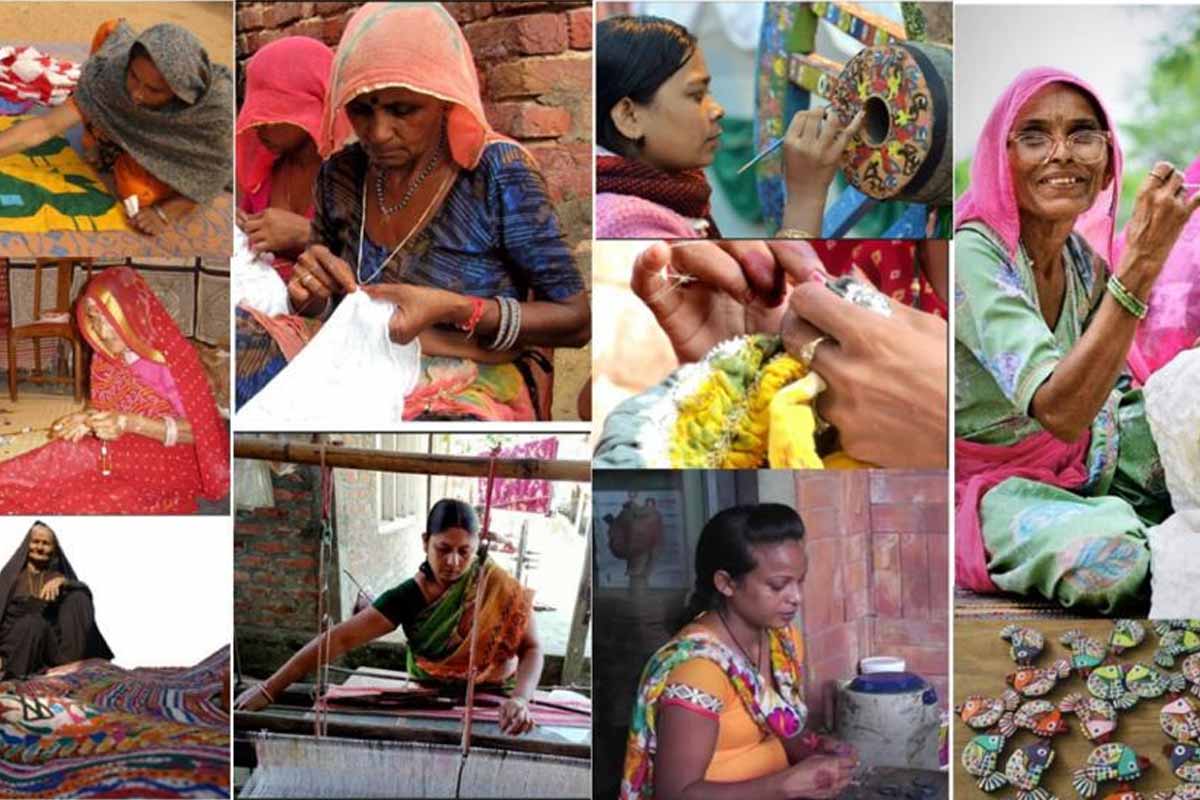
    6. NGOs are also rendering great service in restoring dignity to the deprived and discriminated sections of the people in the society like women suffering from gender discrimination, lower caste people suffering from caste segregation and the status of untouchable, racial and religious discrimination.
  • Hyundai Mobis donates Rs 3.50 crore for COVID-19 relief

    Hyundai Mobis donates Rs 3.50 crore for COVID-19 relief

    Mobis India Ltd — an established player in manufacturing high-quality automotive parts and accessories for Hyundai Motors in India — today donated Rs 3.50 crores through is CSR arm Mobis India Foundation for COVID-19 Relief. Of the total donation

    Mobis India Ltd — an established player in manufacturing high-quality automotive parts and accessories for Hyundai Motors in India — today donated Rs 3.50 crores through is CSR arm Mobis India Foundation for COVID-19 Relief.

    Of the total donation, the company has donated face masks and hand sanitizers worth Rs 3 crore through its NGO partner Oli, while the rest Rs 0.50 crore has been donated to the PM CARES Fund, Mobis India, Managing Director (AS Parts Division) Woosuk Leem said in a statement.

    “These are very challenging times. The COVID-19 pandemic has brought the world to a standstill. There has been immense misery and a huge loss of human lives and worsened the plight of millions of people across the globe. At Mobis India, we are cognizant to this fact and have launched several measures to reach out and help the poor and needy,” he added.

  • COVID impact: JSW Paints trains 2,000 contractors on safe painting norms

    COVID impact: JSW Paints trains 2,000 contractors on safe painting norms

    JSW Paints has trained under a new initiative ‘Safe to Paint’ about 2,000 contractors from six states on safe painting practices to be followed at customers’ site in view of the ongoing COVID-19 pandemic. The company said it empowered its contractor partners

    JSW Paints has trained under a new initiative ‘Safe to Paint’ about 2,000 contractors from six states on safe painting practices to be followed at customers’ site in view of the ongoing COVID-19 pandemic.

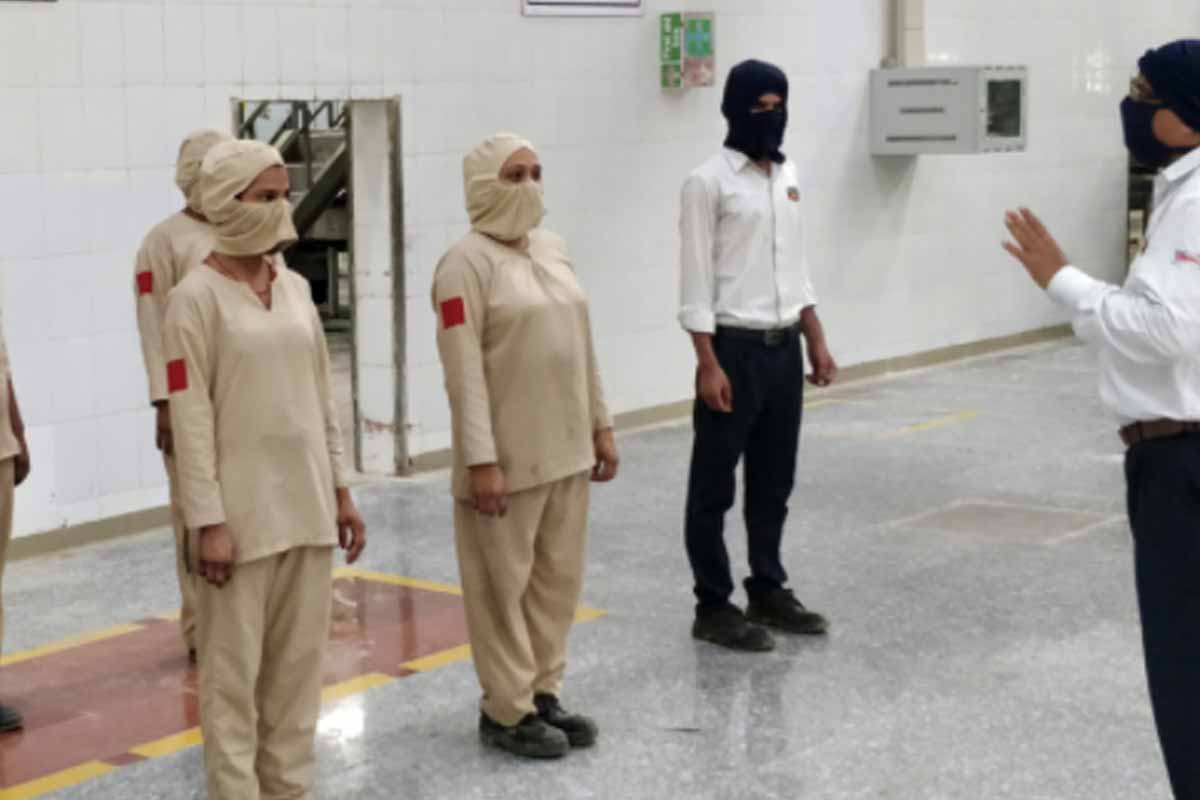
    The company said it empowered its contractor partners under the ‘Star Contractor Partners Program’ by conducting training modules on preparedness against COVID-19.

    The company’s training programme clearly defines the precautions that one needs to take while completing painting jobs at a customer’s site.

    The training module covers all precautions suggested by the World Health Organization (WHO) and Government of India regarding hand hygiene, respiratory hygiene and sanitization.

    “Over 2000 contractors were provided with safety and sanitization training across Karnataka, Kerala, Tamil Nadu, Andhra Pradesh, Telangana and Maharashtra and prepare them to provide safe painting services to consumers,” JSW Paints said.

    Adapting to the new normal, contractors have enthusiastically taken the training on a video call. Post the training, these contractors give a test through dedicated call centre operatives and receive a digital certificate based on their performance, it said.

    Talking about the new initiative, JSW Paints Managing Director and CEO A S Sundaresan said, “Consumers depend on contractors for painting safely! It is imperative to ensure safe painting practices in Consumer’s homes. We are training our Star Contractors as per WHO and Government of India guidelines.”

    Through this initiative, the the company wants to make the contractor community aware about the importance of maintaining hygiene, adherence to safety practices and the sanitization necessary to ensure homes are safe, he added.

    The company said that with economic activity steadily resuming post months of lockdown clamped to prevent spread of COVID-19 disease, adherence to safety practices by customer-facing partners such as painting contractors is crucial.

  • RBL Bank helps low-income women in making face masks; earning livelihood

    RBL Bank helps low-income women in making face masks; earning livelihood

    Private lender RBL Bank has repurposed one of its CSR programmes under which aspiring low-income women entrepreneurs from Maharashtra and West Bengal were trained to manufacture 70,000 face masks which gave them a meaningful work and much needed economic

    Private lender RBL Bank has repurposed one of its CSR programmes under which aspiring low-income women entrepreneurs from Maharashtra and West Bengal were trained to manufacture 70,000 face masks which gave them a meaningful work and much needed economic support to their families during the COVID-19 crisis.

    Among other initiatives been undertaken as part of corporate social responsibility (CSR), the bank provided food relief to 1500 underprivileged families in Mumbai, medical devices to an hospital, laptops and tablets to school children of low income families for e-learning besides supporting migrant labourers, it added.

    In a statement, RBL Bank Human Resources, CSR and Internal Branding Head Shanta Vallury Gandhi said the bank enabled re-purposing of a CSR program managed by the NGO Natarajan Education Society (NES) in Pune (Maharasthra), that gave astounding results.

    NES trains women on tailoring and fashion designing to help them set up small business and self-help groups. But the bank gave an opportunity to these women to manufacture three ply cloth mask for distribution to front-line workers, business correspondents and branch staff and customers.

    “In a short duration of over two months, these women beneficiaries manufactured 60,000 masks distributed across the four zones in India,”the bank said.

    The women beneficiaries and NES in a short duration transited from classroom training to completely virtual environment in order to learn making high quality masks.

    Similarly in West Bengal, women Self Help Group (SHG) called Anandadhara manufactured 10,000 masks which were distributed locally in the East and North Eastern states.

    The bank has partnered with the West Bengal State Rural Livelihood Mission (WBSRLM) managed women SHG Anandadhara.

    “These activities hugely helped the women beneficiaries gain meaningful work and provided the much needed economic support that helped hike their overall family’s income, especially during the lockdown phase of COVID-19,” it added.

  • RAHI serves 2.5 million meals to vulnerable groups in 9 states

    RAHI serves 2.5 million meals to vulnerable groups in 9 states

    Bengaluru-based NGO Rise Against Hunger India (RAHI) today said it has served 2.5 million meals till date to these vulnerable groups in 38 districts spread across nine states. Out of this, nearly 85 per cent of the meals were provided to the migrant

    Bengaluru-based NGO Rise Against Hunger India (RAHI) today said it has served 2.5 million meals till date to these vulnerable groups in 38 districts spread across nine states.

    Out of this, nearly 85 per cent of the meals were provided to the migrant population comprising of daily wage workers, construction workers, contract laborers, street vendors who were the worst-hit due to COVID-19 and the subsequent lockdown, it said in a statement.

    Talking about the milestone achievement, RAHI Executive Director Dola Mohapatra said, “Over the last 4 months, our focus has widened to include more vulnerable groups under our meal distribution programme. The early stages of our COVID-19 response was concentrated on the metro cities focussing on the vulnerable community like labour, daily-wagers.”

    However, over the past six weeks, RAHI has managed to reach out across 38 districts in nine states of India to cater to the migrants, who moved back to their villages, he said.

    The nine states include Maharashtra, Haryana, Punjab, Rajasthan, UP, Telangana, Karnataka, Kerala and Delhi.

    Stating that continued support will be required in the coming 4-6 months for these migrants who have been the worst-hit, Mohapatra said, “Hunger is the biggest enemy for these groups as of today and we need to work towards providing them ample provisions, so that they along with their families can have two decent meals per day.”

    Due to spike in a number of cases, the uncertainty prevails over when workers will be able to get back to earn a stable income. “In these tough times, we need to support them,” he said.

    He also appeal to all corporate groups, large business houses and other organisations who wish to contribute to come forward and help in providing basic food to these people and prevent them from succumbing to hunger.

    Apart from food, RAHI is also planning to mobilize essentials like cooking oil, spices, masks etc. which can be utilized by these people.

    With Unlock 2.0 in place and the whole country trying to adapt to the new normal, there is a dire need to handhold lakhs of migrant population who undertook the mass exodus from Tier-I cities to their villages. Despite the lockdown being lifted, these vulnerable groups have not been able to adapt to the new normal and restart their livelihood. They are still struggling to meet their basic needs of food.

  • Relaxo Foundation donates 25,000 pair of slippers to Delhi sanitation workers

    Relaxo Foundation donates 25,000 pair of slippers to Delhi sanitation workers

    Relaxo Foundation has donated 25,000 pair of slippers to sanitation workers of the North Delhi Municipal Corporation (NDMC) who have been battling the COVID-19 pandemic for over 100 days now and counting. In these times of Coronavirus pandemic, sanitation

    Relaxo Foundation has donated 25,000 pair of slippers to sanitation workers of the North Delhi Municipal Corporation (NDMC) who have been battling the COVID-19 pandemic for over 100 days now and counting.

    In these times of Coronavirus pandemic, sanitation workers with the municipal corporations have been at the forefront, putting their lives at risk in ensuring a clean and healthy environment, it said in a statement.

    Speaking about the initiative, Relaxo Foundation President Ramesh Kumar Dua said: “Sanitation workers across the country are warriors on the frontlines, whose courage and commitment helps us stay safer. This global pandemic has brought to fore the realization of their silent, selfless service to the society which we do appreciate and acknowledge.”

    Due to the nature of their work, it is critical for them to have easy-to-clean and comfortable slippers, he said.

    Relaxo Foundation has also supported AIIMS, Delhi, and other hospitals in Haryana and Uttrakhand, in purchasing medical equipment besides aiding government administration and various charitable organizations in distributing relief materials for migrants and marginalized families.

    Launched in 2015, Relaxo Foundation is the CSR arm of Relaxo Footwears Limited, and is guided by the philosophy of business that believes in collective development of all stakeholders, especially those at the bottom of the pyramid.

  • PM hails role of people of Varanasi in helping needy during COVID-19 crisis

    PM hails role of people of Varanasi in helping needy during COVID-19 crisis

    New Delhi, July 9: Prime Minister Narendra Modi today applauded the contribution of people, authorities and NGOs of Varanasi in helping the needy during the COVID-19 pandemic, and urged citizens to strictly adhere to guidelines to prevent the spread of the deadly virus

    New Delhi, July 9: Prime Minister Narendra Modi today applauded the contribution of people, authorities and NGOs of Varanasi in helping the needy during the COVID-19 pandemic, and urged citizens to strictly adhere to guidelines to prevent the spread of the deadly virus.

    While interacting via digital mode with representatives of various Varanasi-based non-government organisations via video link, he said Kashi has vigorously countered the unprecedented coronavirus crisis.

    Varanasi, which is also known as Kashi, is the prime minister’s parliamentary constituency.

    Uttar Pradesh with a population of nearly 24 crore people has been able to contain the spread of COVID-19 disease, he said, adding that those infected with the virus are also recovering fast.

    Modi said Brazil with an almost similar population has seen thousands of deaths due to COVID-19 but in Uttar Pradesh, the deaths were limited to nearly 800.

    He said Varanasi can emerge as an export hub and develop as a key centre of ‘Aatmanirbhar Bharat’ campaign in the coming days.

  • Essar Foundation unveils menstrual hygiene App

    Essar Foundation unveils menstrual hygiene App

    Essar Foundation, a CSR arm of Essar, has launched a mobile App called ‘Sahej’ to promote awareness about menstrual hygiene. The Sahej app has been developed in consultation with key NGOs working in the menstrual hygiene space, namely the Rotaract Club

    Essar Foundation, a CSR arm of Essar, has launched a mobile App called ‘Sahej’ to promote awareness about menstrual hygiene.

    The Sahej app has been developed in consultation with key NGOs working in the menstrual hygiene space, namely the Rotaract Club, Kavach A Movement and Ghar Bachao Ghar Banao Andolan.

    “Sahej is not just a menstrual hygiene management app. It is a movement to sensitively, yet assertively, address the subject of menstruation,” Essar Foundation CEO and Essar Group President Human Resources Kaustubh Sonalkar said in a statement.

    With the ongoing COVID-19 crisis, many women will have limited access to menstrual hygiene products and services, he said.

    “We hope Sahej will help break geographical and linguistic barriers to equip women with the right information and products,” he added.

    According to the Foundation, the Android-based app offers a one-stop solution for women to menstruate with dignity. It encourages adolescent girls to maintain menstrual health by availing of hygienic products at subsidised prices.

    The Sahej app features a one-of-a-kind e-store of menstrual products manufactured by women-led micro enterprises and SHGs (Self Help Groups).

    It also provides a platform to donate sanitary napkins to underprivileged women, as well as equip Aanganwadi workers with the right information for educating girls from rural India on correct menstrual hygiene.

    Additionally, the app provides for unique ways to promote menstrual hygiene awareness through interactive game-based learning, educational videos by renowned doctors, and a period tracker. Available in three languages—Hindi, Marathi and English—the app caters to the customised needs of every woman across every age group.

    The Sahej App offers a variety of products like sanitary napkins, tampons, menstrual cups, panty liners and pee kits for women’s personal hygiene and choice at affordable rates.

    Also, products like dispensers, incinerators, and even pad manufacturing technologies will be available at discounted prices. “We plan to launch the e-commerce facility of the App post the Covid-19 lockdown,” it said.

    Meanwhile, the Foundation has also distributed 4 lakh sanitary napkins to women in Mumbai slums and the Mumbai police duirng the ongoing lockdown period.

    Sanitary napkins were distributed in collaboration with Brihanmumbai Municipal Corporation (BMC) and Brihanmumbai Electric Supply & Transport (BEST),it said.

    BMC helped the Foundation identify the relevant municipal wards where these pads were in short supply and BEST helped us with the transport, it added.

  • HCL gives vital protective gears to frontline workers in Coimbatore

    HCL gives vital protective gears to frontline workers in Coimbatore

    To safeguard the lives of frontline health workers, the HCL Corporation on Friday said it has joined hands with Coimbatore district administration to provide vital protection equipment including masks, Personal Protective Equipment (PPE), hand sanitizers

    To safeguard the lives of frontline health workers, the HCL Corporation on Friday said it has joined hands with Coimbatore district administration to provide vital protection equipment including masks, Personal Protective Equipment (PPE), hand sanitizers and hands-free wash basins.

    HCL has provided 7,000 PPE kits complying with the SITRA and HLL specifications, 20,000 three-ply masks, 55 liters of sanitizer and two hands-free wash basins to the district administration, an official statement said.

    These are being routed to the frontline workers of Coimbatore district working in the ESI Hospital, Government Hospital, Coimbatore Medical College Hospital, District Health Centres and conservancy workers across the district, it said.

    Commenting on the support, District Collector K Rajamani said: “HCL’s support and the protection equipment being provided by them will ensure the safety of our bravehearts. We would like to thank HCL for this critical and timely support.”

    He said that the district administration has already taken several steps and is prepared to meet all requirements from a healthcare perspective.

  • RAHI to provide 1.5 mln meals more next 6-8 weeks to vulnerable groups

    RAHI to provide 1.5 mln meals more next 6-8 weeks to vulnerable groups

    Bengaluru-based NGO Rise Againt Hunger India (RAHI) on Friday said it will provide 1.5 million meals more in the next 6-8 weeks to vulnerable groups who would still need support despite staggered lifting of lockdown. So far during the lockdown period

    Bengaluru-based NGO Rise Againt Hunger India (RAHI) on Friday said it will provide 1.5 million meals more in the next 6-8 weeks to vulnerable groups who would still need support despite staggered lifting of lockdown.

    So far during the lockdown period, RAHI has supplied over 1 million meals — both cooked meal and dry supplies — to migrant labour, daily wage labour, construction workers, contract labour, street vendors and rickshaw pullers, it said in a statement.

    “Till date we have supplied over 1 million meals to these people who have been hit the hardest due to the COVID-19 pandemic. We are continuing with our efforts and aim to reach more people across more cities pan India,” RAHI Executive Director Dola Mohapatra said.

    According to RAHI, the economic revival will take time despite the staggered lifting of the lockdown across some parts of the country.

    During this time, the major challenge would be workforce stabilization and livelihood regeneration. There would still be a sizable chunk of these vulnerable groups, who will need extended support, it said.

    “Keeping this in mind, RAHI plans to continue its efforts with a target of providing to 1.5 million additional meals to these vulnerable groups over the next 6-8 weeks.

    The nationwide lockdown was first imposed on March 24 and thereafter been extended twice till May 17 in order to prevent the spread of deadly viral disease COVID-19.