Tag: #CSR

  • Tata Chemicals launches school support programme in Gujarat

    Tata Chemicals launches school support programme in Gujarat

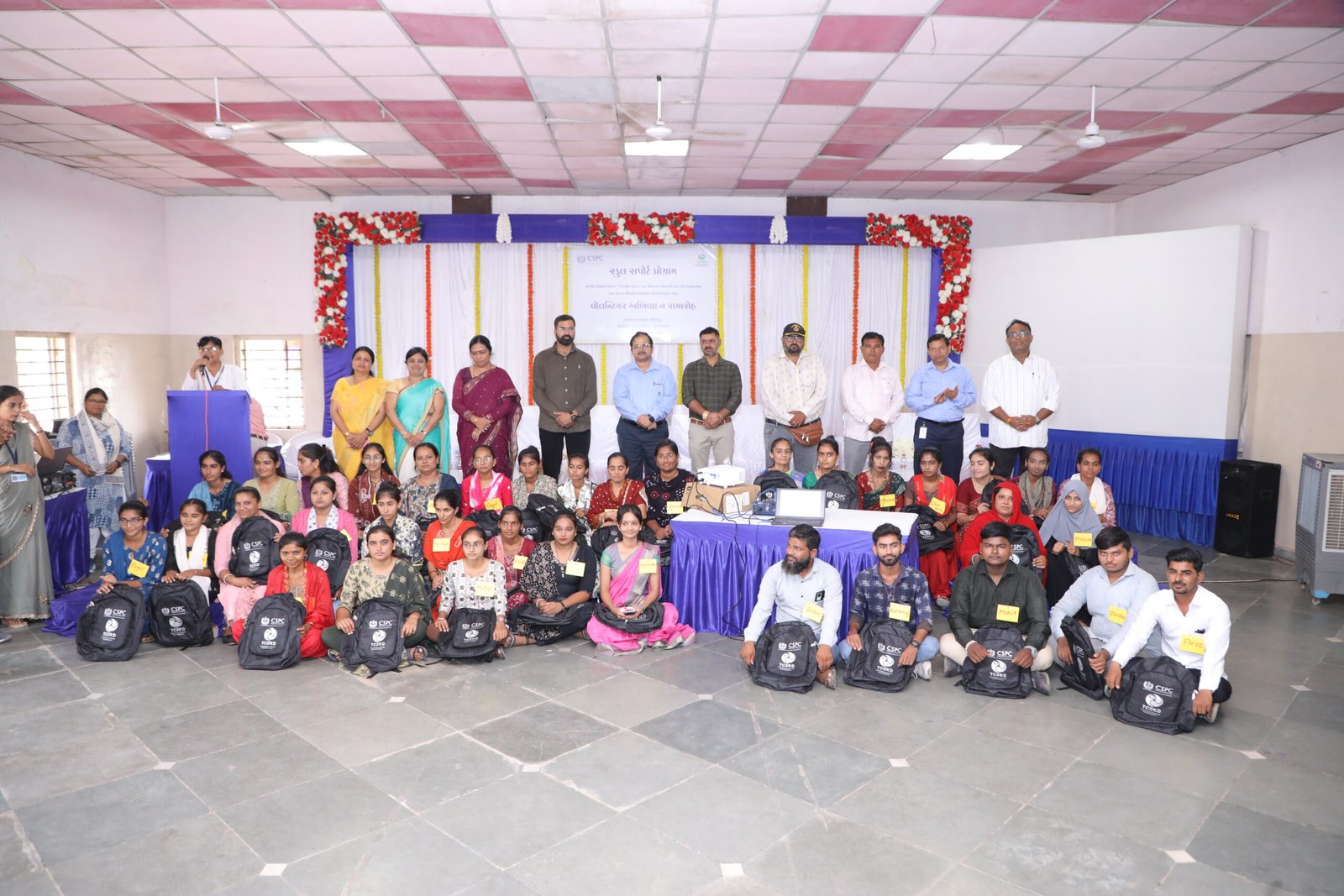
    Tata Chemicals Society for Rural Development (TCSRD), the CSR arm of Tata Chemicals Limited, has launched a School Support Programme in Okhamandal in partnership with the Coastal Salinity Prevention Cell (CSPC), to address teacher shortages in government schools and strengthen education quality across the block.

    While the Right to Education (RTE) Act mandates quality education for children from Classes 1 to 8, several government schools in Okhamandal require additional academic support to ensure continuity in classroom learning. To bridge this gap, TCSRD and CSPC have recruited and trained 120 local education volunteers who will provide academic support across primary and secondary schools.

    The School Support Programme includes:

    • 40 Primary School Volunteers to support government primary schools facing teacher shortages
    • 44 Remedial Education Volunteers to strengthen foundational literacy and numeracy
    • 16 High School Educators to provide Mathematics and Science support for Classes 9 and 10
    • 13 Re-enrolment and NIOS Instructors to help out-of-school children and youth continue their education through the National Institute of Open Schooling (NIOS)
    • 7 Academic Enhancement Educators to strengthen the overall learning environment across villages

    The programme was formally launched on August 4, 2026, at Sabras Bhavan, Mithapur, in the presence of Pabubha Virambha Manek, Member of the Legislative Assembly, Devbhumi Dwarka; Madhuben Bhatt, District Primary Education Officer; R. V. Odedra, Taluka Development Officer, Devbhumi Dwarka; Bharatbhai Karmata, Vice President, Dwarka Taluka Panchayat; Bhurabha Jadiya, Block Resource Centre Coordinator; Aashaben Parmar, Taluka Education Coordinator; and Rino Raj, Vice President Manufacturing, India, Tata Chemicals Ltd.

    “At Tata Chemicals, we believe quality education is fundamental to long-term community development. Through this partnership, we aim to ensure that students continue to receive uninterrupted learning support while creating opportunities for local youth to contribute to the education ecosystem,” Raj said, adding that the initiative is expected to strengthen schools and encourage more children to stay connected with education.

    The School Support Programme reflects TCSRD’s continued focus on improving access to quality education through collaborative, community-led interventions, the company said, adding that the initiative aims to build a stronger learning ecosystem for children across Okhamandal by working closely with local institutions and government schools.

    CSPC is a specialized resource organization focused on mitigating coastal salinity, supporting land and water resource management, and enhancing rural livelihoods across coastal Gujarat.

    TCSRD is the social development arm of Tata Chemicals, working on livelihoods, women’s empowerment, education, healthcare and sustainability to build resilient rural communities across India.

    Tata Chemicals Limited, part of the over USD 180 billion Tata Group, is a leading supplier to the glass, detergent, industrial and chemical sectors, with a strong position in crop protection through subsidiary Rallis India Limited.

  • ICICI Bank CSR spending surges to Rs 994 crore in FY26

    ICICI Bank CSR spending surges to Rs 994 crore in FY26

    ICICI Bank’s CSR spending surged to Rs 994 crore in fiscal 2026, up from Rs 801 crore a year earlier, as the lender’s philanthropic arm impacted over 1.98 crore lives across India, the bank said in its ESG report for the year.

    The bank’s CSR arm, ICICI Foundation for Inclusive Growth, has reached the milestone through initiatives till March 31, 2026, ICICI Bank said in a statement.

    ICICI Bank’s outstanding sustainable financing portfolio stood at Rs 99,385 crore at the end of March 2026, up from Rs 90,624 crore a year earlier, of which green financing accounted for Rs 30,704 crore, the bank said. Its forest conservation initiatives now span 83 forests and tiger reserves across 21 states, alongside the planting of 86,600 trees and the creation of 49 crore litres of water storage capacity during the year, while Scope 1 emissions were cut by 32%, it added.

    “We significantly scaled up our CSR initiatives across the four thematic areas of healthcare, conservation of environment and restoration of ecology, livelihood enhancement and community development, with a focus on capacity creation and developing ecosystems,” said Sandeep Batra, Executive Director, ICICI Bank.

    Healthcare remained the bank’s largest area of focus during the year, with the Foundation’s interventions benefitting 5 lakh individuals in fiscal 2026 and 30 lakh individuals through 600 hospitals since 2020, the bank said.

    It has committed Rs 1,800 crore to Tata Memorial Centre for three new cancer care blocks in Visakhapatnam, Navi Mumbai and Punjab, and partnered with the Indian Institute of Science, Bengaluru, for a cancer research centre.

    On skilling, the Foundation’s livelihood and training programmes benefitted 3.54 lakh individuals in fiscal 2026, taking the cumulative number to 94.5 lakh since inception, the bank said, adding that it has set up a manufacturing facility at IIT Delhi and is upgrading nine National Skill Training Institutes with advanced Industry 4.0 laboratories.

    The bank has empowered over 1.2 crore women through Self-Help Group loans exceeding Rs 35,500 crore since 2011, with 8.9 lakh women benefitting in fiscal 2026 alone, it said.

  • Bank of Baroda donates Rs 1.20 crore for Assam flood relief

    Bank of Baroda donates Rs 1.20 crore for Assam flood relief

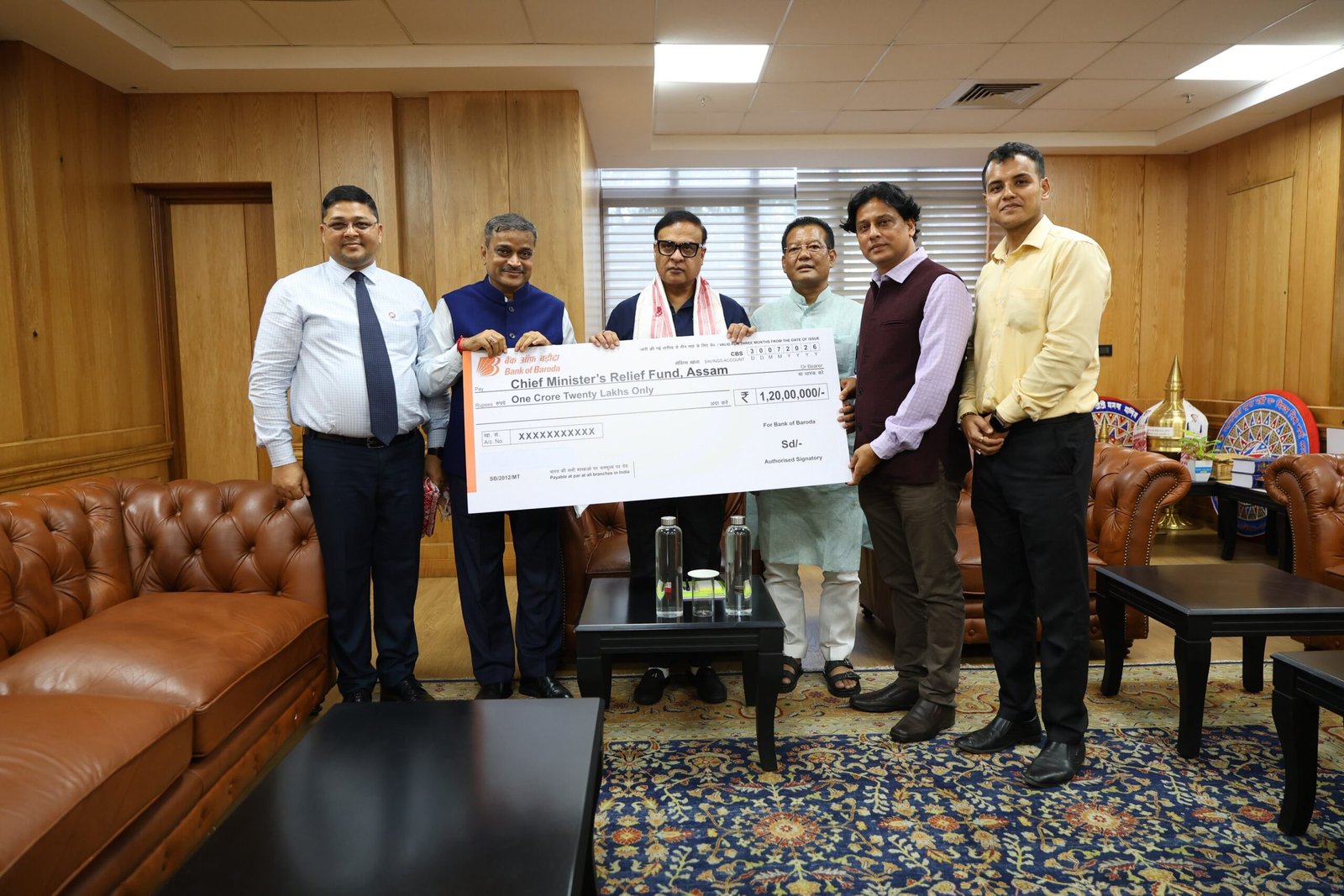
    Bank of Baroda on Wednesday donated Rs 1.20 crore to the Chief Minister’s Relief Fund, Assam, boosting relief and rehabilitation efforts for communities hit by recent floods in the state.

    The cheque was presented to Assam Chief Minister Himanta Biswa Sarma at the Chief Minister’s Office in Guwahati by Nayak Shiba Pada, General Manager and Zonal Head, Northeastern States Zone, Bank of Baroda.

    MLA Naba Doley, along with Deputy General Managers Biswajit Swain and Sandeep Kumar of Bank of Baroda’s Northeastern States Zone, also attended the event.

    “At Bank of Baroda, we believe that our responsibility extends beyond banking. In times of adversity, it is our collective duty to stand with the communities we serve,” Pada said, adding that the contribution reflects the bank’s commitment to helping affected families rebuild their lives.

    The donation forms part of Bank of Baroda’s broader efforts to support relief and rehabilitation initiatives in regions hit by natural disasters, the bank said, adding it continues to work with governments and local administrations to strengthen community resilience.

    Bank of Baroda, founded in 1908, is majority owned by the Government of India with a 63.97% stake. It serves close to 180 million customers through roughly 65,000 touch points across 15 countries.

  • AWL Agri Business strengthens mid-day meal programme with new vehicles, meal sponsorship

    AWL Agri Business strengthens mid-day meal programme with new vehicles, meal sponsorship

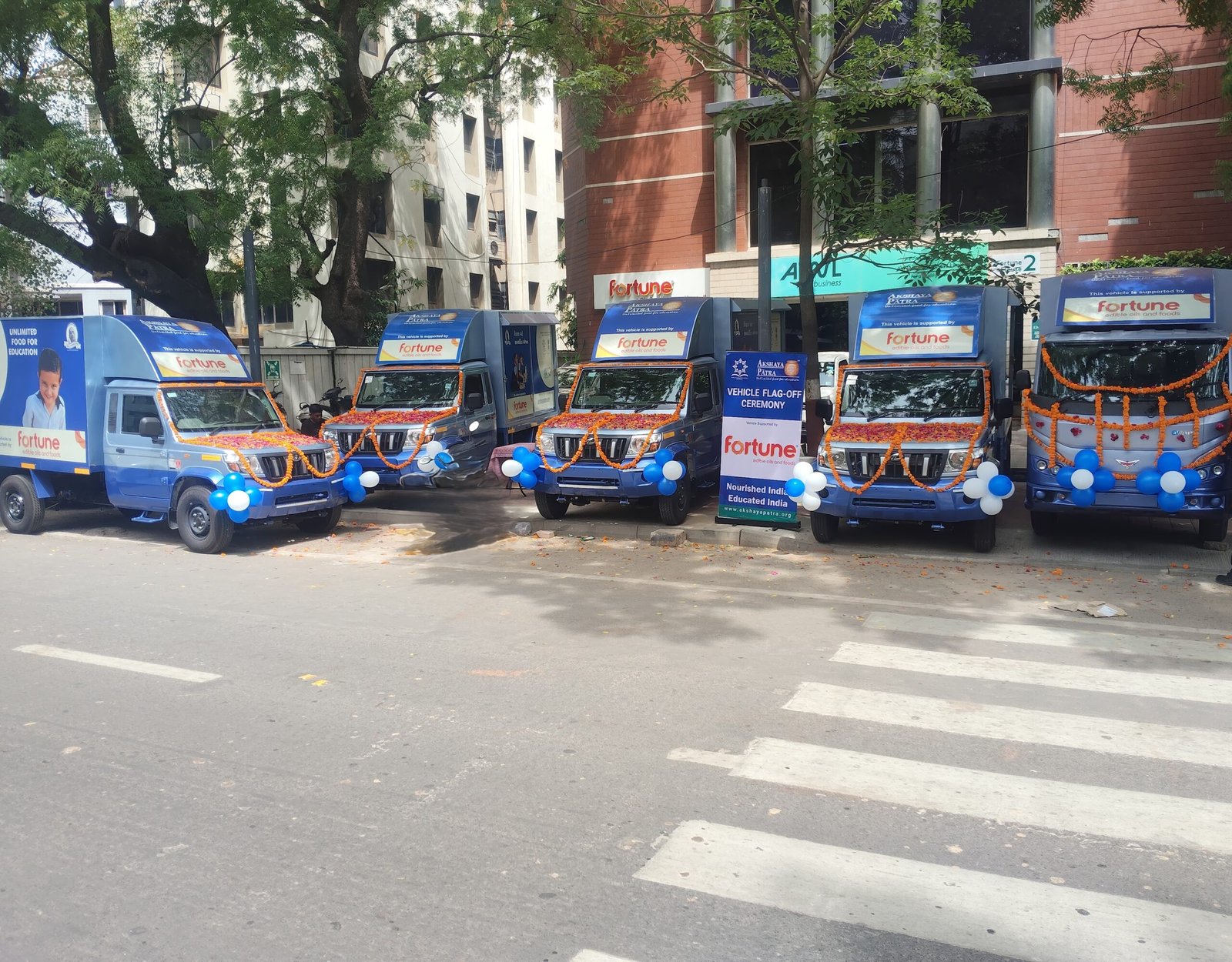
    AWL Agri Business Limited, one of India’s largest food and FMCG companies, said on Tuesday it has strengthened its partnership with The Akshaya Patra Foundation by donating five custom-built insulated food distribution vehicles to support the Foundation’s Mid-Day Meal Programme.

    The company has also committed to sponsoring nutritious mid-day meals for more than 41,000 children studying in government schools across Gandhinagar, it said. The initiative was marked by a vehicle flag-off ceremony held at the company’s corporate headquarters.

    The five customized insulated vehicles will enable the safe and timely delivery of freshly prepared meals to government schools across Surat, Gandhinagar, and Vadodara, strengthening the Foundation’s ability to provide nutritious meals to children every school day, the company said.

    “At AWL Agri Business, we believe that good nutrition is the foundation of a child’s health, education and future,” said Shrikant Kanhere, Managing Director & CEO, AWL Agri Business Ltd. “We are delighted to further strengthen our partnership with The Akshaya Patra Foundation through this initiative, which combines infrastructure support with direct nutritional assistance to children.”

    Sri Raya Rama Dasa, Vice President of The Akshaya Patra Foundation, Gujarat, said the vehicles and meal sponsorship would strengthen the organization’s ability to serve children more efficiently. “Together, these efforts will help us combat classroom hunger, improve school attendance and help more children to learn and thrive,” he said.

    The partnership builds on a long-standing association between the two organizations. To date, AWL Agri Business has served more than 700,000 mid-day meals to school children and provided 14 food delivery vehicles, covering more than 27,000 children across 129 schools, the company said.

    The Mid-Day Meal Programme initiative also supports Fortune SuPoshan, AWL’s flagship CSR programme addressing malnutrition and anaemia among women and children, the company said.

    AWL Agri Business Ltd., formerly known as Adani Wilmar Ltd., is one of India’s largest food and FMCG companies, with more than 80 manufacturing facilities across 11 states, including what it says is India’s largest single-location refinery, located in Mundra with a 5,000-tonne-per-day capacity. Its Fortune brand reaches more than 135 million households, the company said.

  • Govt exploring CSR funds to boost innovation, social enterprises: Sitharaman

    Govt exploring CSR funds to boost innovation, social enterprises: Sitharaman

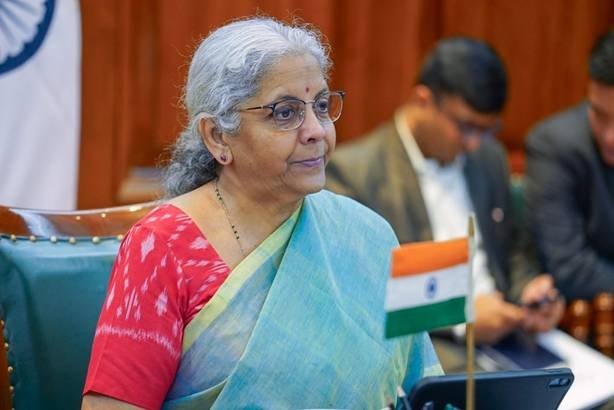
    Finance and Corporate Affairs Minister Nirmala Sitharaman on Monday said the government has explored the potential of CSR funds to boost innovation, social enterprises and mission-driven organisations capable of delivering scalable social impact across the country.

    “Yes sir,” Sitharaman said in a written reply to a question in the Lok Sabha.

    The minister said the legal framework for Corporate Social Responsibility (CSR) is laid out under Section 135 of the Companies Act, 2013, Schedule VII of the Act, and the Companies (CSR Policy) Rules, 2014. Schedule VII lists the activities that companies can undertake as part of their CSR obligations, and these, she said, “are broad-based and may be interpreted liberally so as to capture the essence of the subjects enumerated therein.”

    The activities under Schedule VII are broadly aligned with national development priorities and span sectors such as education, environmental sustainability, gender equality, healthcare, livelihood enhancement, skill development, eradication of hunger, safe drinking water, sanitation, slum area development, rural development, and reduction of inequalities faced by socially and economically backward groups.

    Companies can also route CSR funds through four designated funds — the Clean Ganga Fund, the Prime Minister’s National Relief Fund (PMNRF), the Prime Minister’s Citizen Assistance and Relief in Emergency Situations Fund (PM CARES), and the Swachh Bharat Kosh — enabling scalable social impact nationwide.

    Sitharaman further pointed out that item (ix) of Schedule VII allows companies to contribute to incubators or research and development projects in science, technology, engineering and medicine, helping boost innovation-led ventures.

    Under Section 135 of the Companies Act read with Rule 4(1) of the Companies (CSR Policy) Rules, 2014, the board of a company can carry out CSR activities either directly or through a Section 8 company, registered public trust or society meeting tax-exemption criteria under the Income Tax Act, 1961, an entity established under an Act of Parliament or State legislature, or an implementing agency with at least three years’ track record in similar activities. This framework, Sitharaman said, facilitates partnerships between companies and suitable implementing agencies.

    The Ministry, she added, has widened the scope of Schedule VII through a notification dated May 27, 2026, introducing a new item (xiii) — “subscription to zero coupon zero principal instruments on the Social Stock Exchange.” The amendment is expected to boost fundraising for not-for-profit organisations working on public welfare projects in a transparent and regulated manner.

  • Muthoot Finance hikes CSR spend to Rs 174 crore for FY27

    Muthoot Finance hikes CSR spend to Rs 174 crore for FY27

    Muthoot Finance, India’s largest gold loan non-banking financial company, said on Monday it will boost its Corporate Social Responsibility (CSR) spending to Rs 174.03 crore for fiscal year 2027, extending programmes in healthcare, education and housing to underserved communities nationwide.

    The Muthoot Finance CSR outlay follows FY26 spending of Rs 106.42 crore, which the company said reached approximately 3.37 million beneficiaries through initiatives spanning education, healthcare, livelihood support, community development and sports promotion.

    “At Muthoot Finance, we believe sustainable growth must go hand in hand with meaningful social impact,” Managing Director George Alexander Muthoot said in a statement.

    He said the FY26 results reflected the company’s commitment to underserved communities through healthcare, education, housing and social inclusion programmes.

    Education remained a central focus of the Muthoot Finance CSR strategy, with flagship programmes including the Muthoot M. George Excellence Awards, higher education scholarships and the Muthoot Shiksha Jyothi initiative supporting nearly 11,900 students, including first-generation learners, the company said.

    Muthoot Finance has also established several educational institutions, including Sanskara School in Kochi, the Muthoot Institute of Technology and Science, and the newly launched Kalaivani School in Tamil Nadu.

    On healthcare, the company said its Muthoot Snehasraya programme and related interventions benefited more than 100,000 people in FY26 through medical outreach, rehabilitation support and community healthcare services.

    The company’s housing initiative, Muthoot Aashiyana, has built more than 270 homes for vulnerable and disaster-affected families since its 2018 launch, providing shelter and stability to underserved households, Muthoot Finance said.

    Muthoot Finance also expanded its Soundscape Project, which provides digital hearing aids to children with hearing impairments, reaching 267 beneficiaries across Kerala, Hyderabad and Mumbai.

    Separately, the company’s prison rehabilitation programme, Radio Parvaaz, supports emotional wellbeing and informal learning among inmates, alongside initiatives for children of incarcerated parents.

    Other community programmes included Box of Hope for fisherwomen’s livelihoods, a maritime safety programme for coastal communities in Tamil Nadu, and Pedal for Progress, which distributes bicycles to tribal students.

    Deputy Managing Director George Muthoot George said the company aims to move beyond addressing immediate needs toward empowering communities for long-term self-reliance.

  • River lift irrigation empowers 5,700 farmers in Bengal

    River lift irrigation empowers 5,700 farmers in Bengal

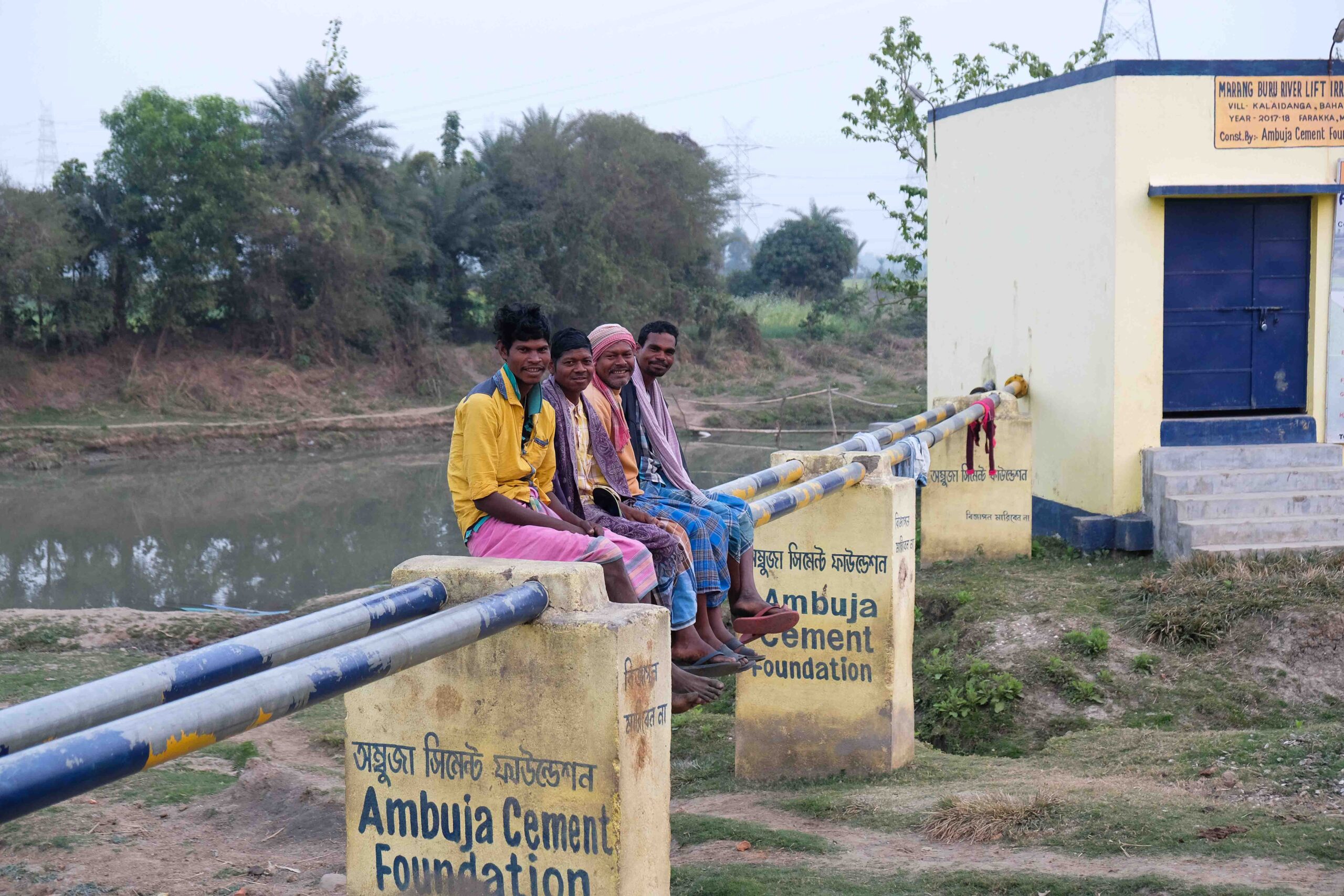
    A River Lift Irrigation initiative led by Ambuja Foundation has transformed farming livelihoods for more than 5,700 farmers across 23 villages in Farakka, Murshidabad district, West Bengal.

    The foundation, working with partners, installed 25 River Lift Irrigation systems covering nearly 747 hectares of farmland, addressing chronic water scarcity that had confined local agriculture to a single crop cycle, the Foundation said in a statement.

    The River Lift Irrigation systems draw water from a nearby river, lift it to higher elevations and distribute it through an underground pipeline network, minimizing land loss and reducing maintenance costs compared with conventional irrigation infrastructure, according to the foundation.

    To sustain the project, Ambuja Foundation established Water User Groups in all 23 villages to manage operations, finances and maintenance, while engaging local pump operators to keep the systems running. The community-led model generates enough revenue to cover operational costs and wages, while building surplus funds for future upkeep, the foundation said.

    The River Lift Irrigation project has lifted cropping intensity in the region from 100% to 250%, while irrigation efficiency has improved by nearly 30%, the foundation said. Farmers who previously grew a single paddy crop are now cultivating Rabi crops such as mustard, wheat and maize, alongside vegetables including cabbage, cauliflower, potato and tomato, enabling two to three harvests a year.

    The economic impact has been significant. Average annual income per acre in the project area has risen to between 80,000 rupees and 150,000 rupees, from 25,000-30,000 rupees before the systems were installed, marking more than a twofold increase, the foundation said. Agricultural land values in the area have also climbed by nearly 20%, strengthening household assets.

    “Ambuja Foundation is committed to bring a meaningful change in rural India. Therefore, we supported rural communities in Farakka with River Lift Irrigation systems which allow families to secure sustainable livelihoods within their own villages,” said Chandrakant Kumbhani, CEO of Ambuja Foundation.

    “We look forward to collaborating on more projects under our sustainable agriculture program to strengthen and support rural communities on their journey toward economic resilience.”

    The initiative forms part of Ambuja Foundation’s broader sustainable agriculture program aimed at improving rural incomes and water resource management across India.

  • HCLFoundation’s Sports for Change National Finals empower 600 athletes

    HCLFoundation’s Sports for Change National Finals empower 600 athletes

    HCLFoundation, the corporate social responsibility arm of HCLTech, on Tuesday said it hosted the eighth edition of the Sports for Change National Finals 2026 at Gautam Buddha University, bringing together 600 young athletes from 15 states over three days.

    The Sports for Change National Finals empower grassroots talent by giving underserved children a platform to compete at the national level, the foundation said in a statement.

    The three-day event featured 300 boys and 300 girls who had qualified through district, state and zonal competitions in football, kabaddi, volleyball, kho kho, archery, badminton and table tennis.

    Participants represented states and union territories including Uttar Pradesh, Ladakh, Tamil Nadu, Andhra Pradesh, Telangana, Kerala, Maharashtra, Madhya Pradesh, Chhattisgarh, Rajasthan, Karnataka, West Bengal, Assam, Sikkim and Nagaland, the foundation said.

    “At HCLFoundation, we believe every child, regardless of their socio-economic background, deserves the opportunity to discover their potential and pursue their aspirations,” said Dr. Nidhi Pundhir, Senior Vice President, Global CSR at HCLTech and Director of HCLFoundation.

    “By nurturing grassroots talent and fostering an environment where young athletes are encouraged to dream bigger, build resilience and strive for excellence, we hope the National Finals inspire every participant to realize that their circumstances need not define their future.”

    The Sports for Change programme has reached more than 74,000 children and youth across India since inception, including 474 para-athletes, the foundation said.

    More than 12,000 young athletes took part in this year’s competitions, and over 30 sports scholarships covering coaching, equipment, nutrition and training access will be awarded to top performers.

    The initiative has enabled more than 490 athletes to advance to national-level competitions, with 38 going on to represent India internationally, the foundation said.

    Notable alumni include badminton player Jerlin Anika, sprinter Preeti Pal, rugby player Akshaya, powerlifter Rajkumari and chess player Kanishri.

    HCLFoundation said it has positively impacted more than 8.5 million lives to date through programmes focused on education, grassroots sports, health, sanitation, skill development, livelihood and environmental initiatives.

    HCLTech, its parent company, employs more than 223,000 people across 60 countries and reported consolidated revenues of USD 14.8 billion for the 12 months ended June 2026.

  • Belstar Microfinance empowers Anandam Trust with van

    Belstar Microfinance empowers Anandam Trust with van

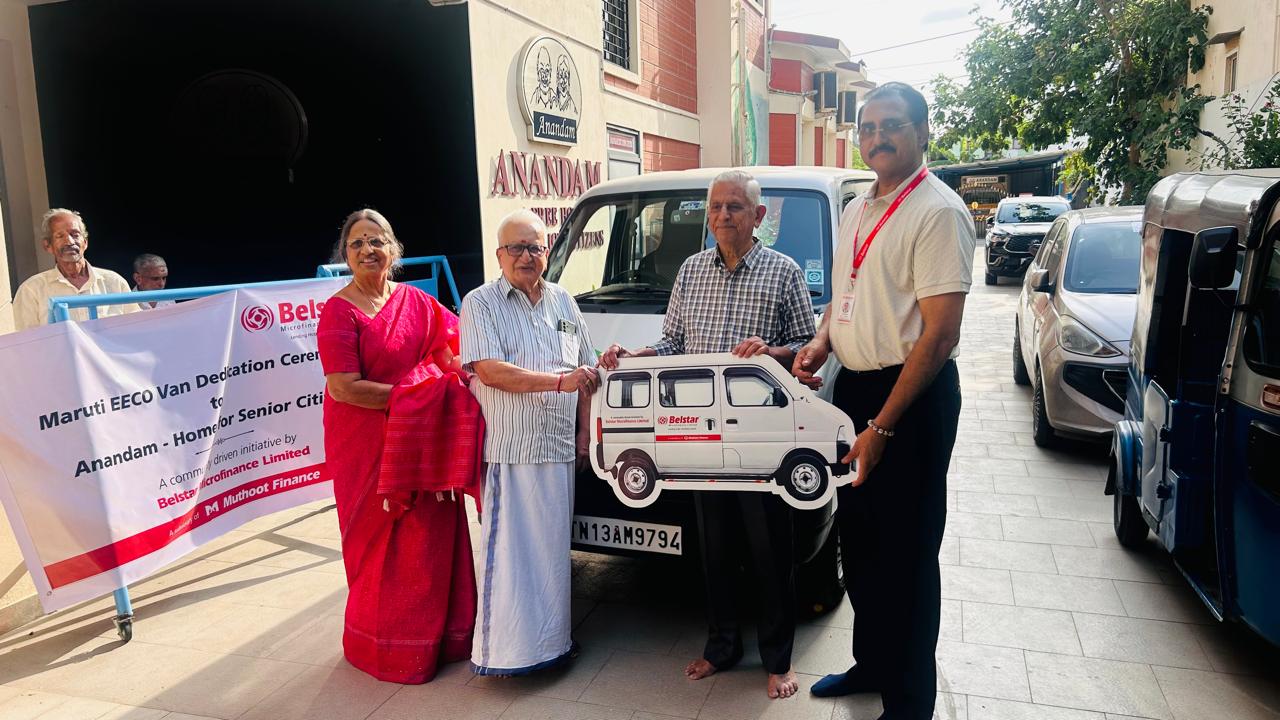
    Belstar Microfinance Limited, a subsidiary of Muthoot Finance Limited, had donated a Maruti Eeco van to Anandam Trust, a home for senior citizens, as part of a community outreach programme aimed at improving emergency healthcare access for elderly residents.

    The Belstar Microfinance Van Donation will help more than 110 elderly residents at the trust reach nearby hospitals quickly during medical emergencies, the company said in a statement.

    Anandam Trust also runs daily tuition classes for underprivileged schoolchildren with learning difficulties, and the vehicle will additionally be used to transport students between locations.

    Company executives said timely access to transport can be critical for elderly residents without family support or independent income, and that the initiative reflects Belstar’s broader focus on community welfare beyond its core lending business.

    “At Belstar, we believe that meaningful progress extends beyond financial services and is reflected in the positive difference we create in the communities around us,” said J. Balakrishnan, Whole Time Director and Chief Executive Officer of Belstar Microfinance Limited.

    “Supporting initiatives that address essential needs, especially for senior citizens, is a step towards building stronger and more caring communities.”

    Bhageerathy Ramamoorthy, Managing Trustee of Anandam Trust, thanked Belstar Microfinance and its leadership for the contribution, saying the van would directly support the healthcare and emergency transportation needs of residents at Anandam Old Age Home.

    Belstar Microfinance, ranked among India’s top 10 NBFC-MFIs, holds an “AA/Stable” credit rating from CRISIL and operates across 19 states and two union territories, offering micro-enterprise, education, consumer and emergency loans, along with gold loans in select southern states.

    The company said its business model follows a double bottom line approach, balancing financial performance with social impact, particularly through women’s economic empowerment.

  • Maruti Suzuki signs Gujarat MoU for five ITI labs

    Maruti Suzuki signs Gujarat MoU for five ITI labs

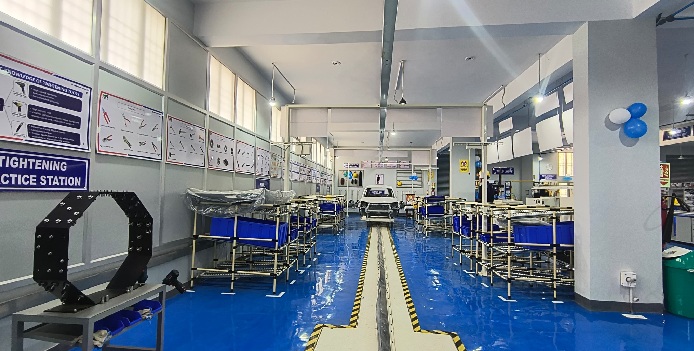
    Maruti Suzuki India Limited has signed a Memorandum of Understanding with the Directorate of Employment and Training (DET), Government of Gujarat, to establish Advanced Manufacturing Labs (AMLs) at Industrial Training Institutes in Palanpur, Bhavnagar, Surendranagar, Godhra, and Dahod, the company announced.

    The initiative, developed under Maruti Suzuki’s Corporate Social Responsibility program, is aligned with the Government of India’s Skill India mission and aims to build a future-ready automotive workforce across the state.

    The Advanced Manufacturing Labs replicate real-world shop-floor conditions and provide hands-on training in assembly, welding, painting, machining, mechatronics, and industrial safety — areas directly relevant to modern automotive manufacturing.

    EXPANDING MANUFACTURING FOOTPRINT

    The Skill India push in Gujarat coincides with a significant expansion of Maruti Suzuki’s manufacturing operations in the state. The company is set to commission a fourth production line at its Hansalpur facility this year, raising total annual capacity there from 750,000 units to 1 million units.

    In addition, Maruti Suzuki is constructing a new plant at Sanand with a capacity of 1 million units annually. Once operational, the company’s combined annual production capacity in Gujarat will reach 2 million units.

    EXECUTIVES SPEAK

    Rahul Bharti, Senior Executive Officer, Corporate Affairs, Maruti Suzuki India Limited, said the company’s Skill India alignment was central to creating livelihood opportunities for young people.

    “Through Advanced Manufacturing Labs, we are equipping students with experiential learning and confidence in modern equipment, nurturing professionals who can seamlessly integrate into the evolving automotive ecosystem,” Bharti said.

    He added that each manufacturing expansion brought with it a demand for skilled, job-ready talent, and that the AMLs were designed to meet that need directly.

    Ms. Stuti Charan, IAS, Director, DET, Government of Gujarat, said the initiative bridges a longstanding gap between classroom instruction and industry expectations.

    “This initiative will empower our youth and strengthen Gujarat’s position as a hub for the automotive sector, in line with the Prime Minister’s vision of Viksit Bharat and the Chief Minister’s guidance toward Viksit Gujarat 2047,” Charan said.

    NATIONAL SCALE

    Maruti Suzuki currently supports 31 ITIs across India in manufacturing-related trades. The company has established 18 AMLs nationwide to date. With the five new Gujarat labs, the total will rise to 23 AMLs operating across seven states and union territories — Gujarat, Haryana, Uttar Pradesh, Bihar, Madhya Pradesh, Punjab, and Chandigarh.

    The company also operates four Japan-India Institutes for Manufacturing in Gujarat, at Mehsana and Gandhinagar, and in Haryana, at Manesar and Sonipat. The institutes were established as a bilateral initiative between the Governments of India and Japan to develop a skilled manufacturing workforce.