Tag: #ClimateResilience

  • HCLTech awards $1 million climate grants in Americas

    HCLTech awards $1 million climate grants in Americas

    HCLTech awards USD 1 million under its HCLTech Climate Grant to three nonprofit organizations in the Americas for innovative climate resilience projects, with Guatemala’s CISP taking the top prize.

    CISP will receive USD 500,000 to enhance water security and sustainable land management in Guatemala’s dry corridor through rainwater harvesting benefiting 200 families, the company said in a statement.

    Runners-up Aves Argentinas (Argentina) and Lluvia para Todos (Mexico) will each get USD 250,000 for biodiversity conservation in the Atlantic Forest and community rainwater systems serving 2,300 people, respectively.

    The third edition of the HCLTech Climate Grant saw applications from 10 countries across the Americas, a 41 percent increase from previous years. A jury of HCLTech leaders and external experts selected the winners based on scalability and local relevance.

    “We are inspired by the ingenuity and commitment demonstrated by this year’s recipients,” said Nidhi Pundhir, Senior Vice President, Global CSR, HCLTech.

    Launched in 2023 with a USD 5 million commitment over five years, the program has so far supported ecological restoration, planted over 360,000 trees and mangroves, and empowered more than 1,400 young people in climate leadership.

  • ITC deploys AI for climate resilience in India

    ITC deploys AI for climate resilience in India

    Multi-business conglomerate ITC deploys ITC AI climate tools to decode nature’s signals and drive targeted adaptation measures across its operations and agricultural catchments as the world marks World Environment Day 2026.

    Under the theme “Inspired by Nature. For Climate. For Our Future” and the call #NowForClimate, ITC has conducted AI-powered climate risk assessments at 140 sites, including owned assets and third-party units, covering 20+ metrics such as floods, drought, extreme wind and more across multiple scenarios.

    Using these insights, the company is implementing site-specific adaptation plans featuring engineering solutions, nature-based interventions, early warning systems and community preparedness measures, ITC said in a statement.

    In agriculture, ITC has leveraged AI for farm-level studies to assess climate impacts on crop yields and is rolling out hyper-local advisories, climate-resilient crop varieties and regenerative practices through its ITCMAARS platform.

    The company has expanded its Climate Smart Agriculture (CSA) programme to nearly 32 lakh acres, benefiting over 12 lakh farmers, with a target of 4 million acres by 2030.

    “By combining AI, climate science and collaborative partnerships, we can turn data into insights and insights into meaningful action,” said S. Sivakumar, Group Head – Agri & IT Businesses and Sustainability, ITC Ltd.

    ITC has also scaled decarbonisation efforts, with over 50% of its energy from renewable sources and a goal of 100% renewable electricity by 2030. The company aims for Net Zero Operations by 2050.

  • IFAD launches transformative India rural development roadmap worth USD 4.2 billion

    IFAD launches transformative India rural development roadmap worth USD 4.2 billion

    The International Fund for Agricultural Development (IFAD) and the Government of India have launched a transformative eight-year rural development strategy, committing to scale investment, strengthen climate resilience and accelerate inclusive agricultural growth across the country’s vast rural economies.

    The new Country Strategic Opportunities Programme (COSOP) 2026–2033 was unveiled at the IFAD–India Partnership for Rural Prosperity event held at Bharat Mandapam in New Delhi on April 12, bringing together senior government representatives, IFAD leadership, development partners and private sector actors.

    The strategy sets two core objectives: enhancing the social, economic and climatic resilience of rural communities; and strengthening knowledge systems to scale proven models domestically and share them across the Global South.

    The announcement marks a pivotal expansion of one of IFAD’s largest country partnerships. Across 35 projects, USD 1.36 billion in IFAD financing has mobilised more than twice as much from partners, for a total investment of USD 4.2 billion.

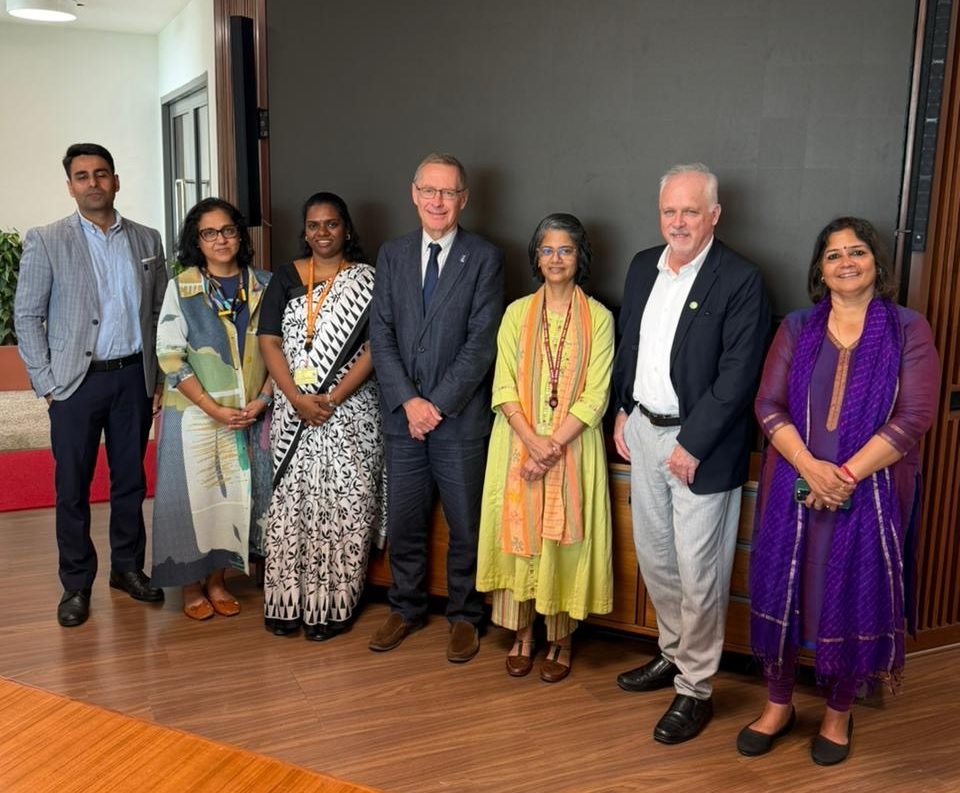
    A senior IFAD delegation led by Associate Vice-President Donal Brown held talks with officials from India’s Ministry of Finance, Ministry of Agriculture and Farmers Welfare, and Ministry of Rural Development. Discussions covered smallholder support, digital agriculture, climate-resilient crops such as millets, and expanding farmer producer organisations.

    Brown said the partnership goes beyond individual projects and focuses on building systems that connect institutions, finance, infrastructure and markets for long-term rural development, IFAD said in a statement.

    The strategy places significant emphasis on strengthening grassroots institutions including self-help groups, farmer producer organisations and cooperatives, expected to play a key role in linking finance, technology, infrastructure and markets.

    On the financing front, IFAD signed a strategic partnership with NABARD on the sidelines of the event to expand rural finance and innovation. NABARD Chairman Shaji K V said the two institutions share a conviction that rural financial systems work best when built from the community up. International Fund for Agricultural Development

    The new strategy also positions India as a knowledge leader in rural development, with plans to share successful models in digital agriculture, inclusive rural finance and climate-resilient value chains with partner countries across Africa, Southeast Asia and Latin America.

    The IFAD delegation also undertook field visits to Meghalaya’s Ri-Bhoi district to review community-led initiatives under the Meghalaya Livelihoods and Access to Markets Project, and held talks with Meghalaya Chief Minister Conrad Sangma and Assam Chief Minister Himanta Biswa Sarma on future agricultural cooperation.

    India and IFAD have partnered for nearly 48 years, financing 35 rural development projects worth approximately USD 4.2 billion, with six ongoing projects focused on market linkages, climate-resilient agriculture and training programmes.

    “India is not only transforming its own rural economy — it is generating solutions that are relevant globally,” said Reehana Raza, IFAD Regional Director for Asia and the Pacific.

  • ITC’s women-led water groups transform rural India

    ITC’s women-led water groups transform rural India

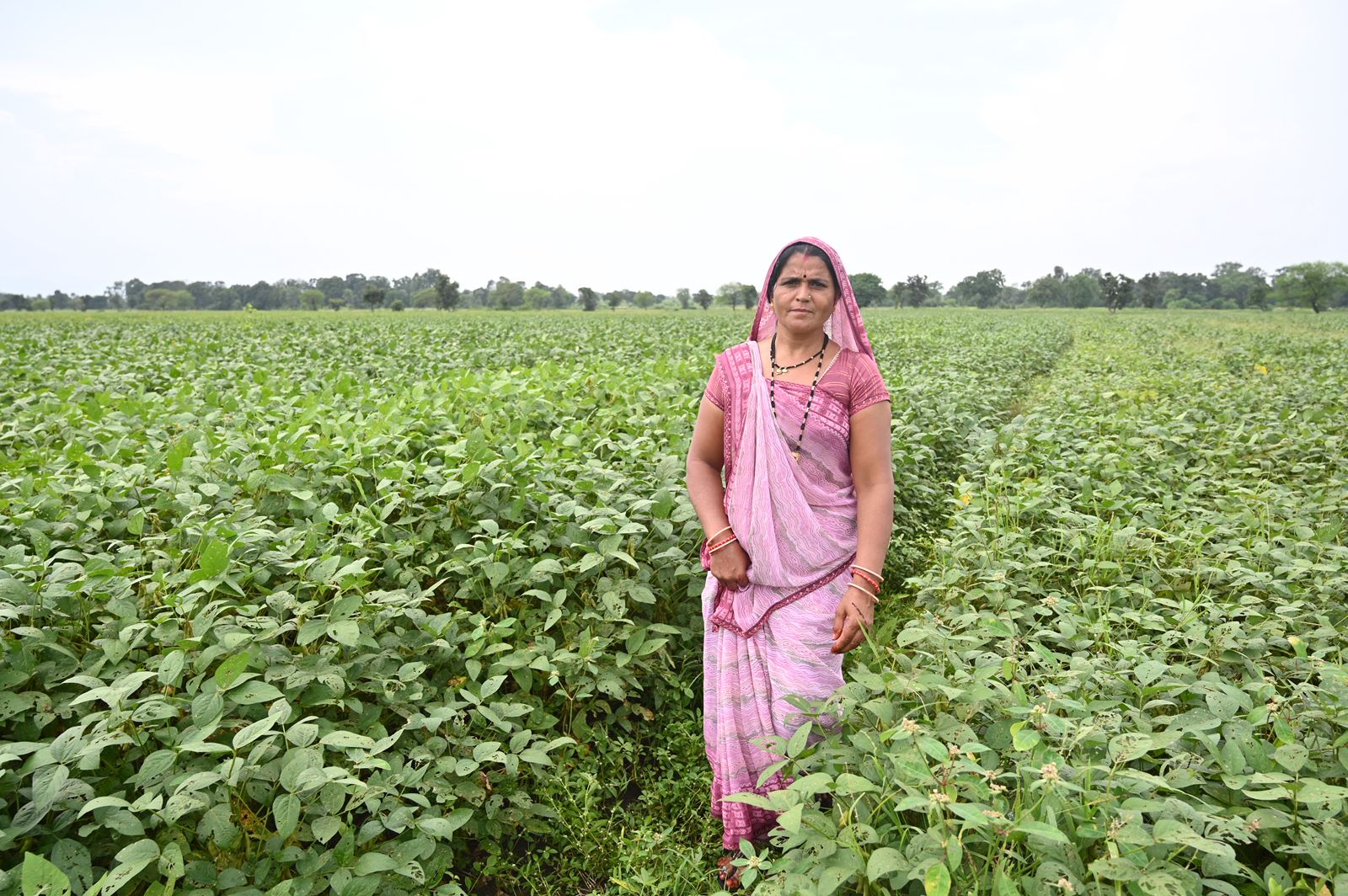
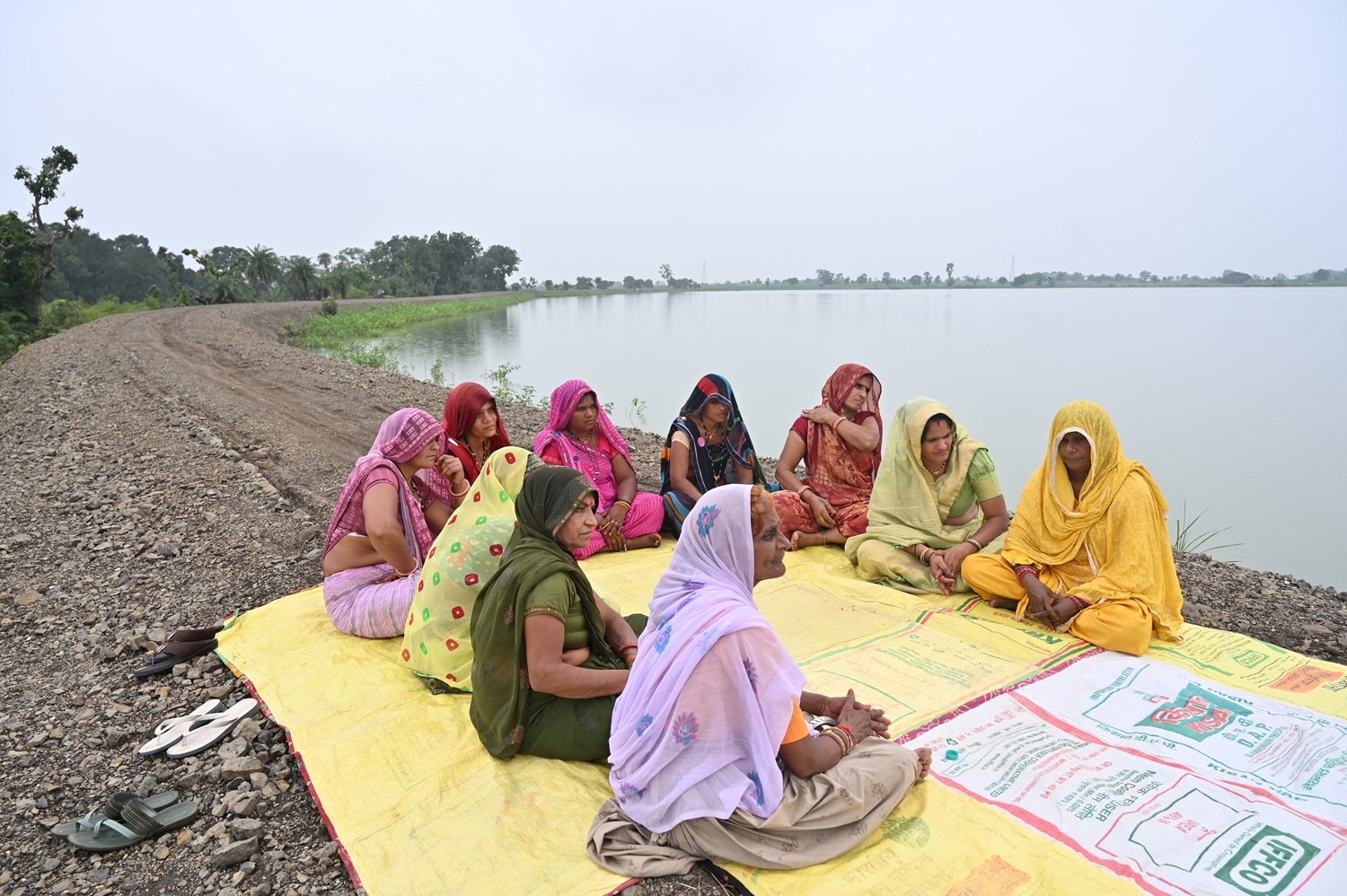
    In Molga village in Madhya Pradesh’s Sehore district, a six-acre lake that once ran dry now brims with water, feeding acres of soybean fields through sluice gates. The turnaround is the work of women — dozens of them — organised into a community water user group under Indian conglomerate ITC Ltd’s watershed initiative.

    The company’s integrated water stewardship programme has established over 5,800 women-led water user groups spanning 17 states, covering 1.89 million acres and benefiting more than 500,000 people. The model centres on a straightforward principle: give women governance over local water, and communities thrive.

    “We used to face a lot of difficulty in getting water earlier,” said Vimla Malvi, a water user group member in Sehore. “I had to carry two pots on my head for long distances. After getting involved with ITC’s water user group, there has been a lot of positive change.”

    Women now oversee maintenance of more than 36,900 water structures — ponds, canals, and check dams — built under ITC’s programmes. Their involvement has ensured equitable water access for marginalised households, where scarcity has historically fallen hardest.

    Beyond infrastructure, ITC’s Krishi Sakhi programme has trained thousands of women as agriculture service providers, promoting drip and sprinkler micro-irrigation and climate-resilient farming. Nearly 200,000 women farmers are part of ITC’s agricultural ecosystem. The company said its water-use efficiency drive enabled potential crop water savings of nearly 1,700 million kilolitres in 2025–26 alone.

    “In inclusive water user groups, women play an active role in decision-making on how water is managed, maintained and shared, ensuring ITC’s interventions are not only equitable and sustainable but also scalable,” said Prabhakar Lingareddy, Executive Vice President, Social Investments, ITC Ltd.

    The programme has helped ITC maintain a water-positive status for over 23 consecutive years, while also operating river basin-level interventions across five major sub-basins.

    The initiative aligns with the United Nations’ World Water Day 2026 theme — “Water and Gender” — carrying the message: “Where water flows, equality grows.” Advocates say ITC’s model demonstrates that empowering women is inseparable from solving the global water crisis.

    Time freed from water collection has flowed into income-generating activities, with women joining micro-enterprises and self-help groups supported by ITC — compounding the social return on what began as an environmental intervention.

  • DS Group achieves landmark water positive certification, joins elite corporate circle

    DS Group achieves landmark water positive certification, joins elite corporate circle

    Dharampal Satyapal Group (DS Group), one of India’s leading FMCG conglomerates, has earned Water Positive Certification from GRIHA (Green Rating for Integrated Habitat Assessment), recording a Water Positivity Index of 1.80 — placing the company among a select few Indian corporations to achieve such a high score.

    The certification, awarded under GRIHA’s Decarbonizing Habitat Programme, follows a two-and-a-half-year assessment across 30 business locations in India, covering divisions spanning food and beverage, mouth freshener, hospitality, and agriculture.

    Scale of Impact

    Conservation interventions by DS Group have created a cumulative water storage potential of 66 lakh kilolitres. The programme integrates rainwater harvesting structures, wastewater reuse systems, recharge wells, water-efficient fixtures, and ecological restoration measures. Projects in Rajasthan and Madhya Pradesh contributed significantly to groundwater recharge outcomes.

    “The whole world is moving rapidly towards sustainability, with global water demand projected to exceed supply by 40% by 2030,” said Rajiv Kumar, Vice Chairman of DS Group.

    “By embedding water-positive practices into our business and community initiatives, DS Group contributes meaningfully to the larger sustainability agenda that India is aiming for.”

    Kumar added that the Group views sustainability “not as a project but as a permanent responsibility,” guided by its philosophy of ‘Create What is Worth Creating.’

    Sanjay Seth, VP and CEO of GRIHA Council and Senior Director at TERI, called the certification “a statement of intent of responsibility and vision,” adding that DS Group had demonstrated that “sustainability, productivity and profitability can go hand in hand.”

    Broader Sustainability Context

    The Water Positive Certification adds to a wider sustainability programme at DS Group that spans water conservation, livelihood development, agricultural initiatives, and energy efficiency. The company’s headquarters holds both LEED Platinum and LEED Zero Carbon certifications from the U.S. Green Building Council.

    The achievement comes ahead of COP30, where water security and climate resilience are expected to be central agenda items.

    Founded in 1929, DS Group markets brands including Rajnigandha, Catch, Pulse, Pass Pass, LuvIt, and L’Opera across domestic and international markets.

    Established in 2007 as a joint initiative between Ministry of New and Renewable Energy and TERI, GRIHA operates as India’s nationally recognised green building rating system and is referenced in India’s Nationally Determined Contributions to the UNFCCC.