Category: Water

  • ITC’s women-led water groups transform rural India

    ITC’s women-led water groups transform rural India

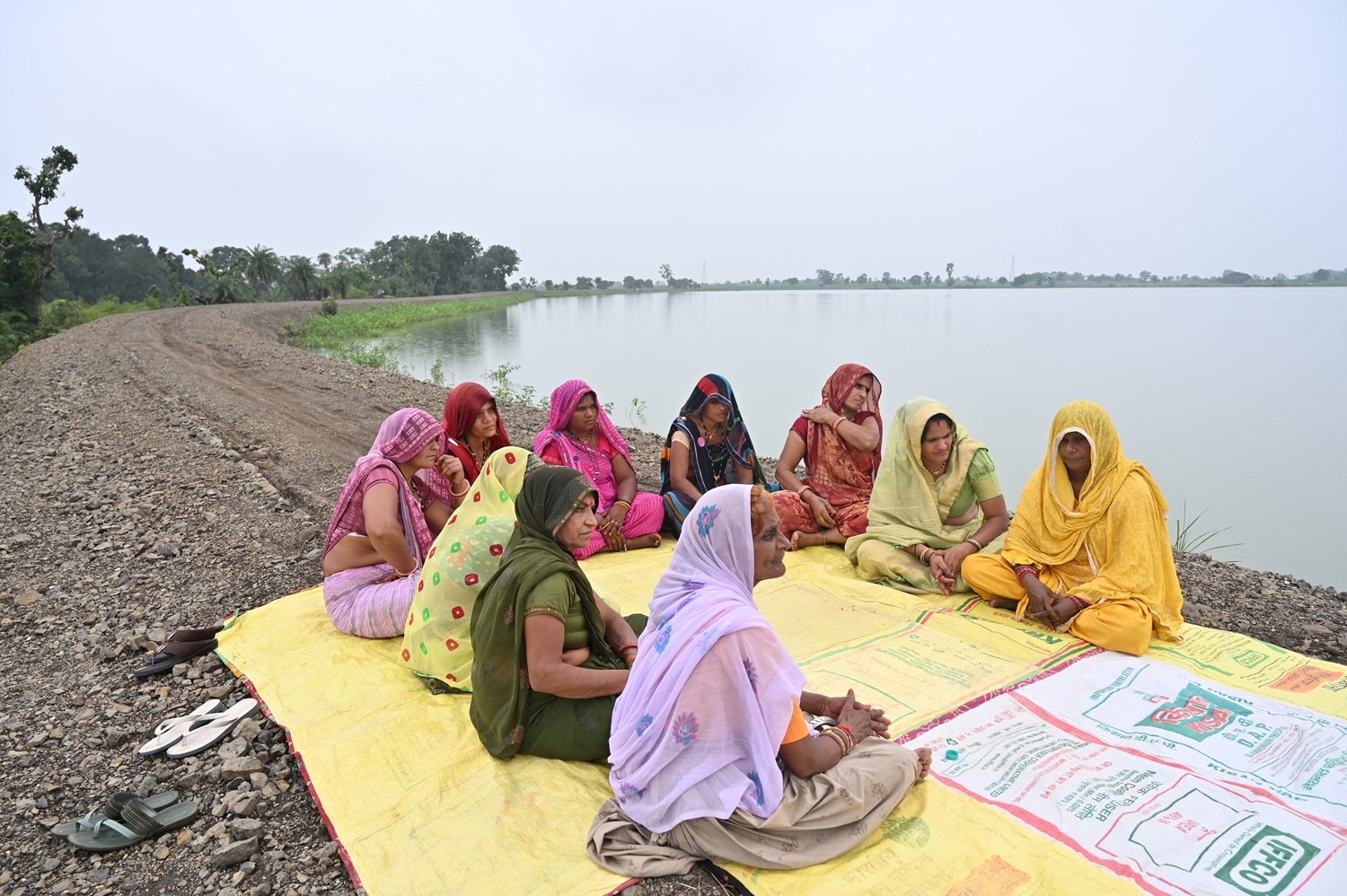
    In Molga village in Madhya Pradesh’s Sehore district, a six-acre lake that once ran dry now brims with water, feeding acres of soybean fields through sluice gates. The turnaround is the work of women — dozens of them — organised into a community water user group under Indian conglomerate ITC Ltd’s watershed initiative.

    The company’s integrated water stewardship programme has established over 5,800 women-led water user groups spanning 17 states, covering 1.89 million acres and benefiting more than 500,000 people. The model centres on a straightforward principle: give women governance over local water, and communities thrive.

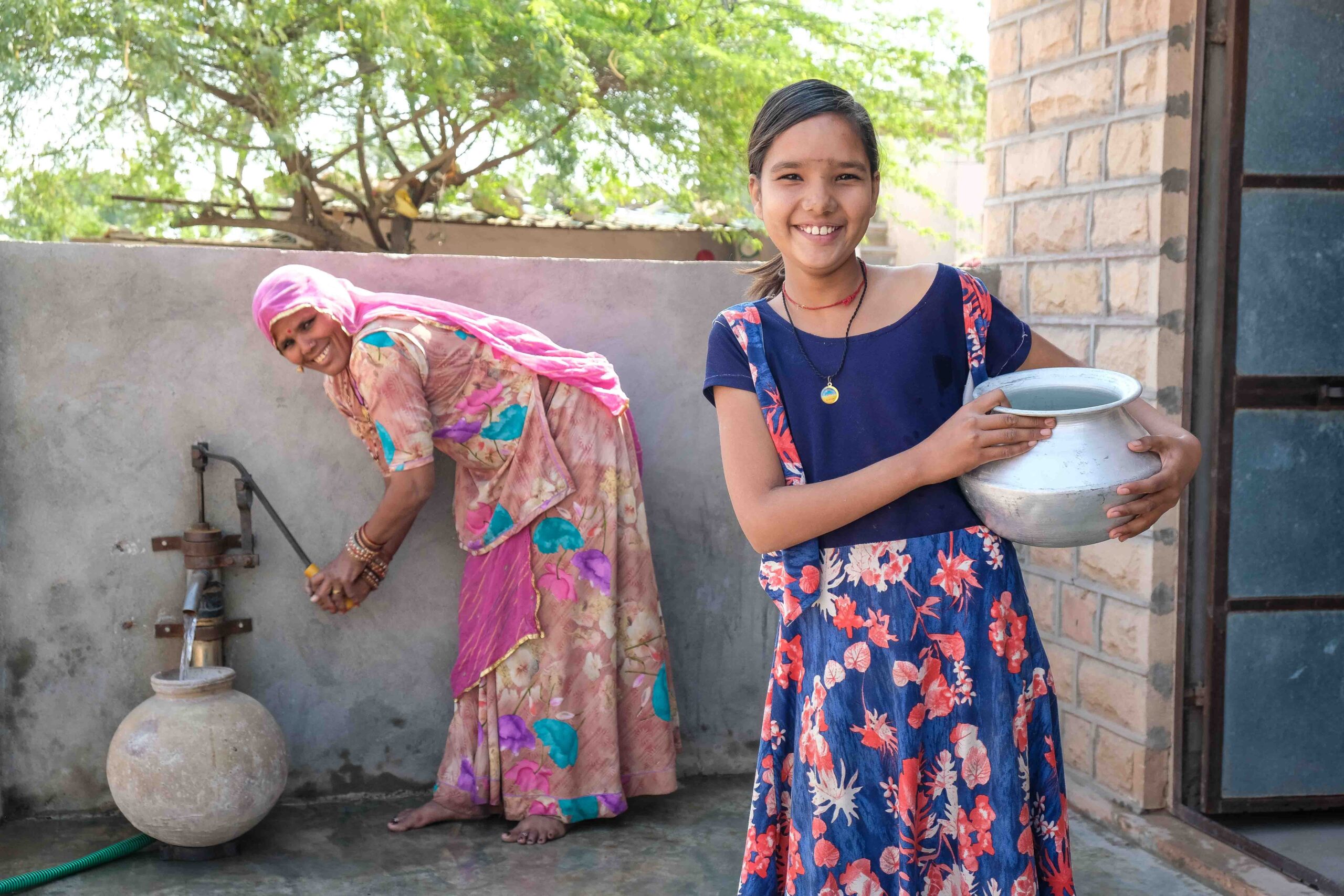
    “We used to face a lot of difficulty in getting water earlier,” said Vimla Malvi, a water user group member in Sehore. “I had to carry two pots on my head for long distances. After getting involved with ITC’s water user group, there has been a lot of positive change.”

    Women now oversee maintenance of more than 36,900 water structures — ponds, canals, and check dams — built under ITC’s programmes. Their involvement has ensured equitable water access for marginalised households, where scarcity has historically fallen hardest.

    Beyond infrastructure, ITC’s Krishi Sakhi programme has trained thousands of women as agriculture service providers, promoting drip and sprinkler micro-irrigation and climate-resilient farming. Nearly 200,000 women farmers are part of ITC’s agricultural ecosystem. The company said its water-use efficiency drive enabled potential crop water savings of nearly 1,700 million kilolitres in 2025–26 alone.

    “In inclusive water user groups, women play an active role in decision-making on how water is managed, maintained and shared, ensuring ITC’s interventions are not only equitable and sustainable but also scalable,” said Prabhakar Lingareddy, Executive Vice President, Social Investments, ITC Ltd.

    The programme has helped ITC maintain a water-positive status for over 23 consecutive years, while also operating river basin-level interventions across five major sub-basins.

    The initiative aligns with the United Nations’ World Water Day 2026 theme — “Water and Gender” — carrying the message: “Where water flows, equality grows.” Advocates say ITC’s model demonstrates that empowering women is inseparable from solving the global water crisis.

    Time freed from water collection has flowed into income-generating activities, with women joining micro-enterprises and self-help groups supported by ITC — compounding the social return on what began as an environmental intervention.

  • UBL launches transformative project Jal Shakti in Telangana

    UBL launches transformative project Jal Shakti in Telangana

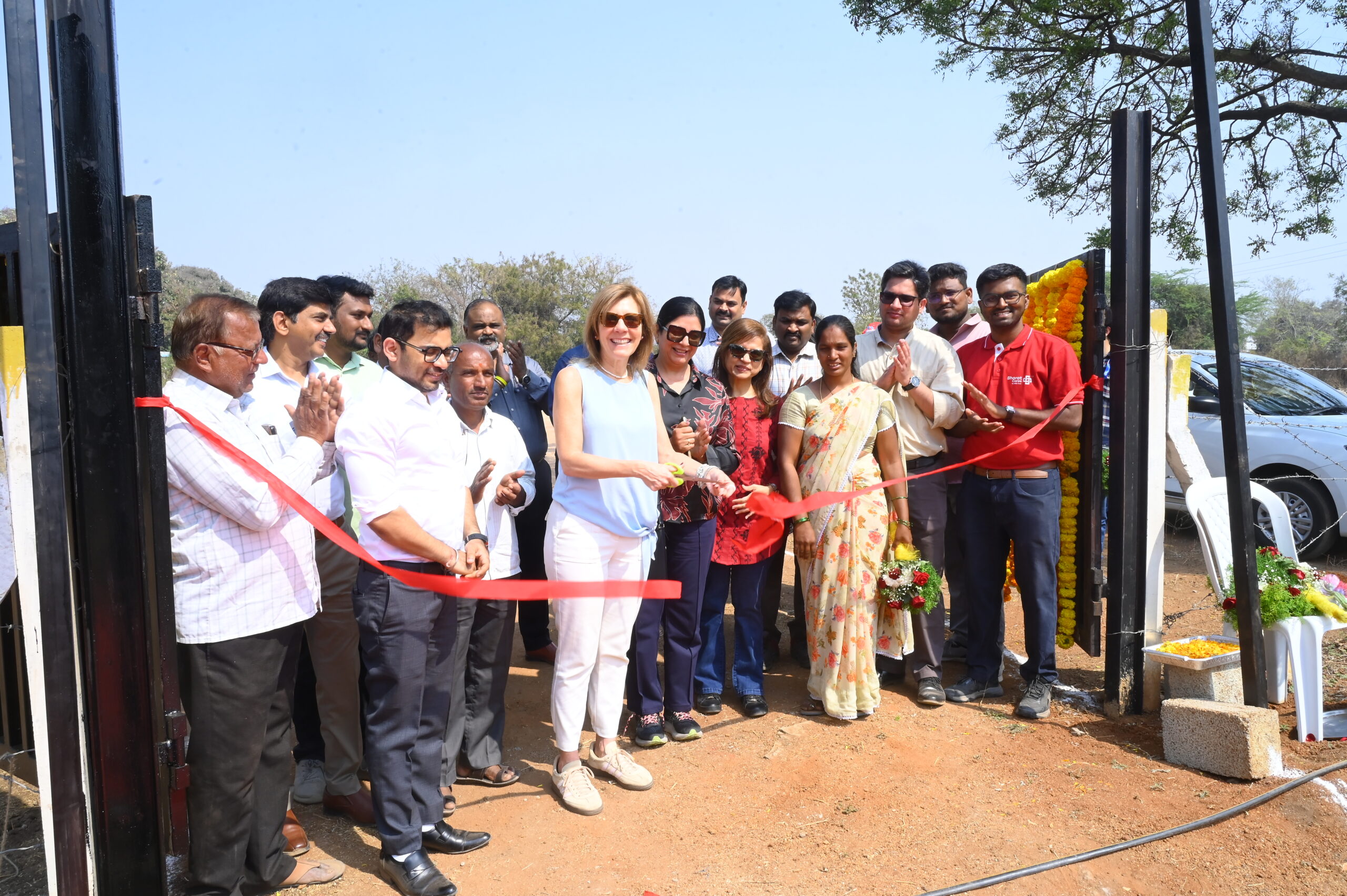
    United Breweries Limited (UBL), a subsidiary of HEINEKEN, has inaugurated its flagship transformative CSR initiative, Project Jal Shakti, in Sangareddy district, Telangana.

    The project, implemented in partnership with BharatCares, focuses on promoting sustainable agriculture, enhancing groundwater recharge, and boosting biodiversity across six gram panchayats: Malkapur, Kothlapur, Guntapalley, Gopulapuram, Haridaspur, and Malepally.

    As part of Project Jal Shakti, two renewable energy-powered Centres of Excellence (CoEs) have been established to empower farmers and local communities.

    The CoEs offer training in sustainable farming practices, soil and water conservation techniques to improve crop productivity. Equipped with automatic weather stations for real-time data and soil testing laboratories, the centres enable data-driven, efficient agriculture.

    To bolster water security, the initiative includes constructing a new check dam, rejuvenating an existing one, and deepening/widening three irrigation channels. Additionally, over 1,200 native saplings are being planted to aid ecosystem restoration.

    The inauguration event featured key attendees including Geetu Gidwani Verma (CSR & ESG Committee Chairperson, UBL), Yolanda Talamo (CSR & ESG Committee Member, UBL), Garima Singh (Chief Corporate Affairs, UBL), Bhomik Shah (Trustee, BharatCares), and Pentani Praveen Kumar (Sarpanch, Kothlapur Gram Panchayat).

    Garima Singh, Chief Corporate Affairs Officer at UBL, stated: “Project Jal Shakti reflects our long-term commitment to sustainable agriculture and water stewardship. By integrating farmer training, water infrastructure, agroforestry, and Centres of Excellence, we are building resilient livelihoods and restoring ecosystems through impactful partnerships.”

    Bhomik Shah of BharatCares added: “We are collaborating closely with communities to advance sustainable farming and water availability. The CoEs will drive long-term resilience for regional farmers.”

    Project Jal Shakti aligns with UBL’s broader sustainability efforts as India’s largest beer producer, marketing brands including Kingfisher and Heineken variants, alongside non-alcoholic beverages.

    BharatCares, the social impact arm of CSRBOX Group, ranks among India’s top social organizations, emphasizing innovation, scalability, and collaborations to tackle education, employability, rural infrastructure, healthcare, entrepreneurship, environmental sustainability, and road safety.

  • Community Pure Water Annual Fundraiser 2026: Safe Water Triumph

    Community Pure Water Annual Fundraiser 2026: Safe Water Triumph

    Hyderabad’s iconic Chowmahalla Palace hosted the Community Pure Water Annual Fundraiser 2026, a transformative charity dinner that brought together philanthropists, business leaders, CSR executives, and government officials committed to safe drinking water as preventive health infrastructure in rural India.

    Race2Win Foundation served as title sponsor, reinforcing the urgent need to address water contamination that hinders education, economic progress, and gender equity.

    Founded by Ravi Reddy under the Community Development Foundation, Community Pure Water operates over 550 ISO-certified community water centres, delivering more than 9 lakh litres of purified water daily to 1.2 million people across villages and schools with 97% uptime. These micro-utilities combine technology, automation, and community ownership to eliminate health hazards from polluted water and support stronger nutrition and livelihoods.

    Under the leadership of Mrs. Pratiksha Prashant, Chairperson of the Fundraising Committee, the event achieved its goal of providing safe water to 25 additional rural schools through generous support from attendees, including Chief Guest Mrs. Pinky Reddy, Special Guest Speaker Ms. Nandita Das, and distinguished figures from defence, police, government, and civil society.

    The fundraiser underscored safe drinking water as a powerful catalyst for community development. By prioritising clean water, Community Pure Water empowers healthier, more resilient, and thriving rural communities, advancing sustainable progress across India.

  • ACC’s transforming water conservation in Dhakori village in Maharashtra

    ACC’s transforming water conservation in Dhakori village in Maharashtra

    ACC, part of the Adani Portfolio, and the Adani Foundation are advancing climate resilience through transforming water conservation efforts in rural Maharashtra.

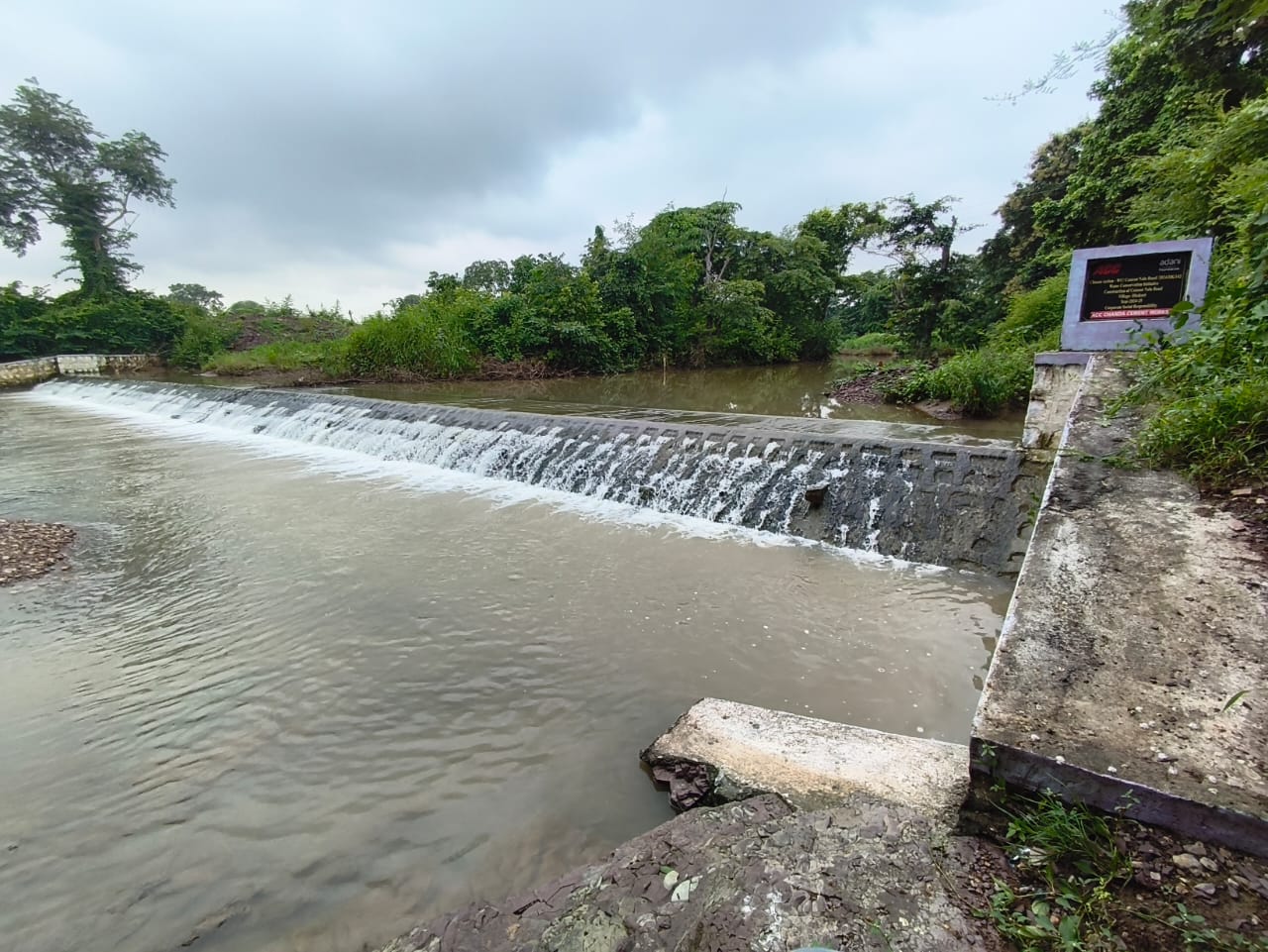
    In Dhakori village, Wani block, Yavatmal district, the companies addressed chronic water scarcity by building an upstream cement nala bund under the 2024-25 Climate Action Water Conservation initiative.

    Despite heavy monsoons, runoff previously left fields dry by November, restricting farmers to one crop annually.

    The new structure stores nearly 48,000 litres of water, recharges borewells and provides year-round supply to 96 acres of farmland.

    Around 35 farmers now grow multiple crops, with incomes rising by about Rs 18,000 per acre.

    The project has also secured household and livestock water supplies, fostering community stability.

    By revitalising resources in Dhakori, ACC and the Adani Foundation demonstrate how targeted, community-led initiatives can achieve sustainable rural development amid climate challenges.

    For more on ACC’s initiatives, visit ACC Limited. Details on Adani Foundation’s work available at Adani Foundation.

  • PepsiCo India expands water security initiative

    PepsiCo India expands water security initiative

    PepsiCo India, via the PepsiCo Foundation and partner Pandit Jagat Ram Memorial FORCE Trust, will extend its water security and sanitation efforts from 13 villages in Mathura to 17 more, doubling reach to 100,000 people under the Water & WASH Secure Villages Initiative.

    The expansion builds on achievements in safe drinking water, sanitation, hygiene and groundwater management, implemented with local panchayats, administrations, communities and schools. It aligns with PepsiCo’s “Partnership of Progress” ethos, emphasizing multi-stakeholder collaboration for rural India’s water security, the company said in a statement.

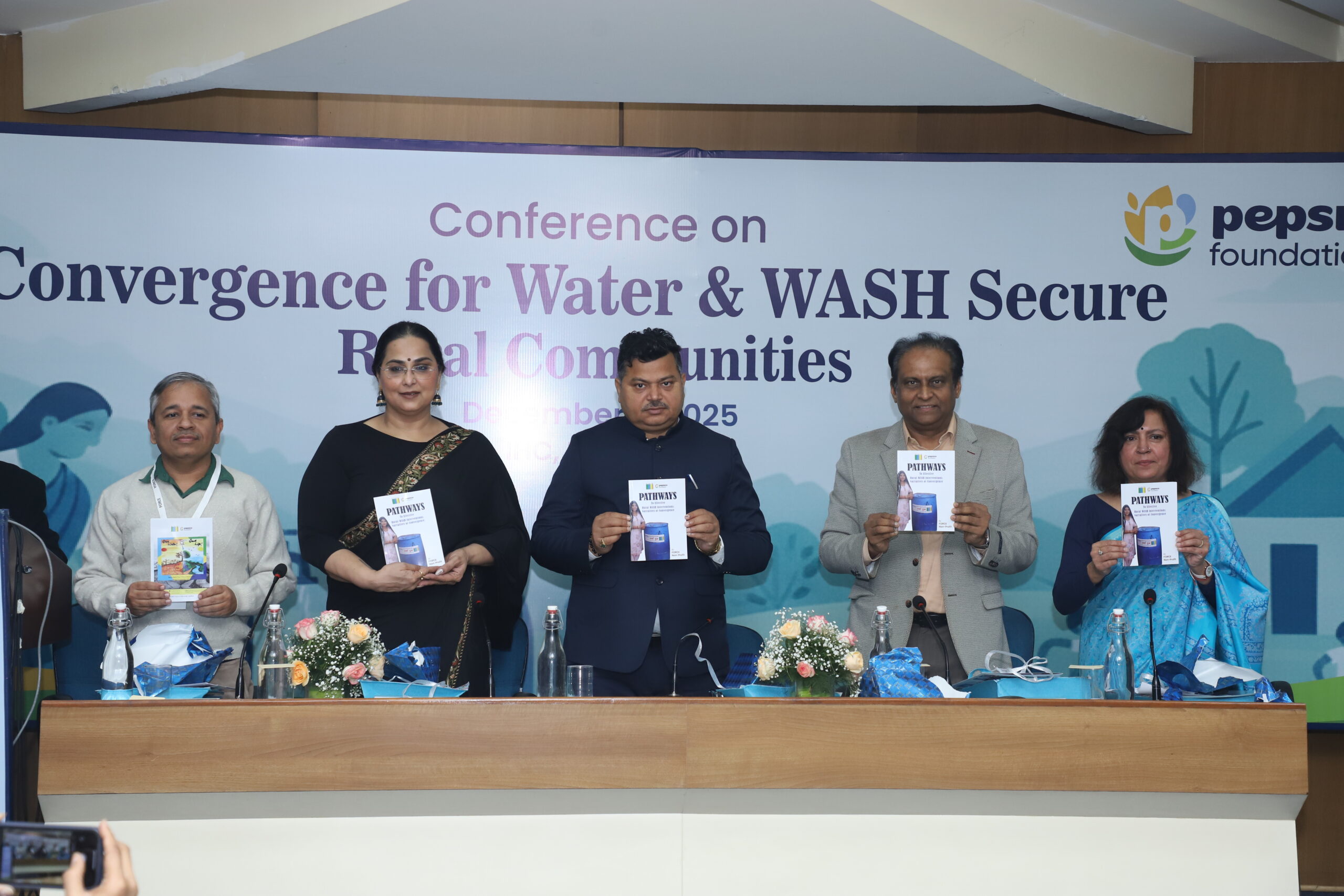
    Announced at the Convergence for Water and WASH Secure Rural Communities conference in New Delhi, the event drew India’s Jal Shakti Minister of State Raj Bhushan Choudhary, officials from national missions, CSR executives, panchayat leaders and Uttar Pradesh community figures. Highlights included unveiling “Pathways to Effective Rural Water Sustainability & WASH Interventions,” a compilation of program success stories.

    Choudhary praised the initiative, quoting Prime Minister Narendra Modi: “Catch the rain where it falls, when it falls,” and lauded PepsiCo and FORCE for generational water security benefits.

    Yashika Singh, PepsiCo India and South Asia’s chief corporate affairs and sustainability officer, said: “True progress comes from communities, partners and institutions advancing together. Our Water & WASH Secure Villages Initiative’s success in 13 villages proves collective action’s power, now extending water security to 17 more for resilient futures.”

    Globally, the PepsiCo Foundation’s 2024 water access programs aided 1.2 million people, totaling over 96 million since 2010, prioritizing infrastructure and stewardship in high-risk zones. India’s expansion is a key focus.

    FORCE founder Jyoti Sharma noted: “Community-driven solutions ensure lasting water security. Partnering with PepsiCo India, we’ve boosted sanitation, health and resilience in Mathura, leveraging conference insights for greater impact.”

    The project has deployed 11 community and 12 school reverse osmosis units, rainwater harvesting, pond rejuvenation, hygiene drives and training for water committees, backed by hydrogeological studies and behavior change campaigns. It supports Jal Jeevan Mission, Swachh Bharat Mission and climate goals.

    PepsiCo India advances water security through watershed projects, recharge, regenerative farming and community access, fostering resilient agriculture and national agendas.

  • Ambuja Cements builds water security in Marwar Mundwa through farm ponds

    Ambuja Cements builds water security in Marwar Mundwa through farm ponds

    Ambuja Cements, India’s ninth-largest building materials provider and part of the Adani Group, has constructed 170 farm ponds and 3,410 rooftop rainwater harvesting systems in the Marwar Mundwa region to enhance water security and support sustainable agriculture for local farmers.

    The corporate social responsibility (CSR) initiatives, focused on water-smart interventions including irrigation innovations and horticulture, aim to reduce climate dependency and boost rural incomes in Rajasthan’s arid Nagaur district.

    In Didiya Kalan village, Ambuja supported farmers Bau Devi and Ganpatram with a 1,782 cubic metre farm pond and rooftop rainwater harvesting system, the company said in a statement.

    The couple now grows cumin in the dry season and earned Rs 15,000 last year by selling excess water, enabling year-round farming.

    Twenty farmers in the same gram panchayat benefited from farm pond construction, harvesting a total of 38,147 cubic metres of water for irrigation.


    In Mundwa village, Bhauram Ji and Pipudi Devi addressed saline groundwater issues with a 1.7 million litre farm pond and rainwater system funded by Ambuja.

    The family shifted to year-round cultivation of cumin, isabgol and cotton, raising annual income to 600,000 rupees from 200,000 rupees, including savings on outsourced water for drinking and crops.

    Dharmendra Mundel in the region expanded his farmland from 15 to 30 bighas with a 2,178 cubic metre poly-lined farm pond backed by Ambuja, alongside sprinkler systems and a Pan Methi Cutter tool. His income rose to Rs 15-18 lakh annually, with Rs 200,000 saved on irrigation.

    In Rupasar village, farmer Jagdishram received a 1.24 million litre farm pond and a horticulture “wadi” plantation from the company. He earned an extra Rs 100,000 from off-season cumin on 8 bighas, with the orchard expected to add Rs 50,000 yearly.

    Ambuja‘s efforts in Marwar Mundwa, which include ongoing farmer training, target broader water security and economic resilience in rural India.

  • Water Access Transforms 15 Rajasthan Villages

    In Sambhar, Rajasthan, the Royal Rajasthan Foundation’s (RRF) Access to Water project, launched in 2020, is changing lives across 15 villages. Partnering with Gram Chetan Kendra, Muthoot Pappachan Foundation, and Danish Power, RRF has built farm ponds to conserve rainwater, boost irrigation, and lift farmer incomes, while empowering women to lead community efforts.

    For the first time in generations, families are growing a second crop, ending distress migration. Key impacts include:

    • 100% of farmers now grow a second crop, with 24% earning over ₹1.2 lakh extra annually.
    • Households save ₹1,000–2,000 monthly on water, with many accessing fluoride-free drinking water.
    • 91% of families with fruit trees save ₹200–300 monthly and report better nutrition.
    • Chemical fertilizer use dropped from 43% to 13%.
    • 96% of farmers learned efficient water use, improving soil and reducing pests.
    • 95% of families invest savings in children’s education.

    “Water isn’t scarce—it’s mismanaged,” says Ranjit Barthakur, RRF Chairperson. “With women leading, we’re building resilient, thriving communities.”

    In 2025, RRF will add 400 farm ponds, reaching over 1,470 families, and launch a Khejri tree plantation drive. This project shows how water, women’s empowerment, and climate action can transform rural lives.

  • PepsciCo launches rejuvenated wastewater pond, impacting 2,000 people in Punjab

    PepsciCo launches rejuvenated wastewater pond, impacting 2,000 people in Punjab

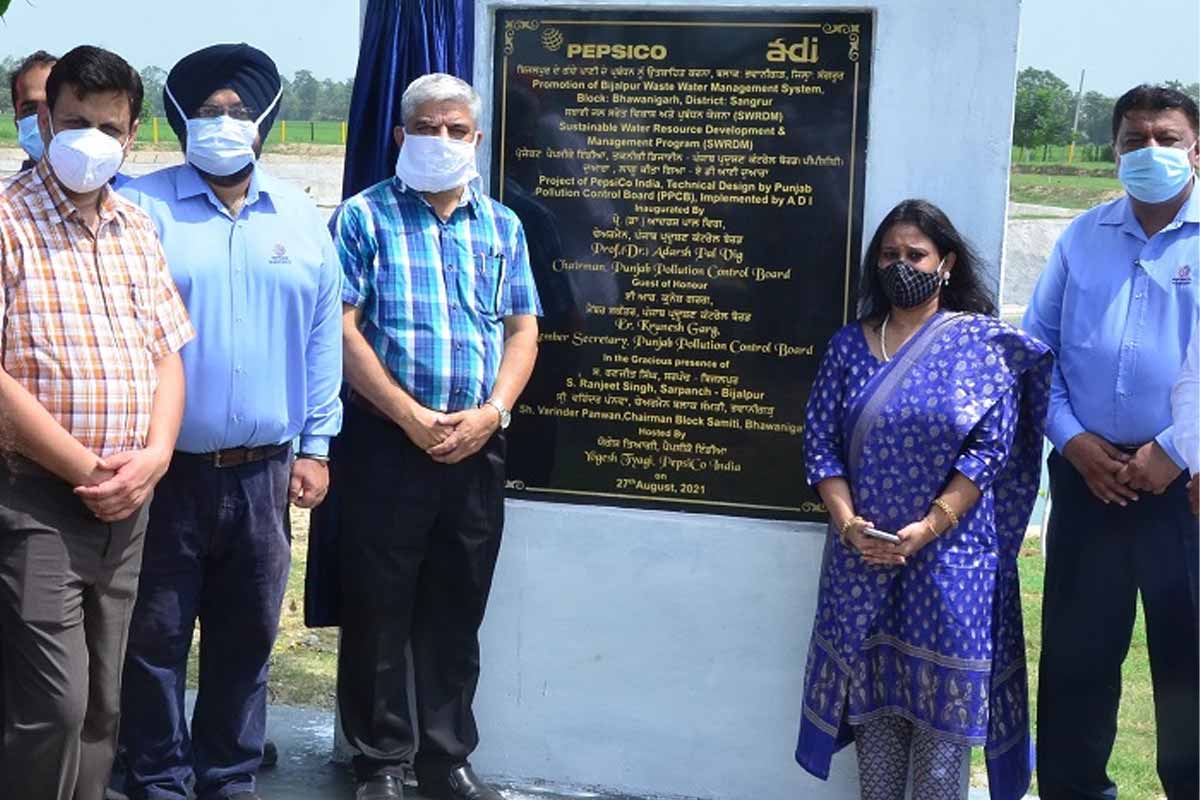
    A rejuvenated wastewater pond in Sangrur, Punjab was launched by PepsiCo India and Alternative Development Initiatives (ADI), marking the culmination of World Water Week 2021. This project has led to positively impacting the lives of over 2000 people

    A rejuvenated wastewater pond in Sangrur, Punjab was launched by PepsiCo India and Alternative Development Initiatives (ADI), marking the culmination of World Water Week 2021.

    This project has led to positively impacting the lives of over 2000 people in Bijalpur in Sangrur, PespiCo India said in a statement.

    The rejuvenated wastewater pond was inaugurated by Punjab Pollution Control Board (PPCB) Chairman Prof Adarsh Pal Vig, Bijalpur Sarpanch S Ranjeet and ADI’s Rajinder Nijjar and PepsiCo India Head of Sustainability Juhi Gupta.

    PPCB Chairman Prof Adarsh Pal Vig said disposal of wastewater in the ponds is a major public health concern as the stagnant water leads to bad smell and spread of many diseases.

    “There is an emerging need for water restoration and preservation leading to multiple benefits including ground water recharging, environment regeneration, and livelihood and the local level,” he said.

    To take this initiative forward, PepsiCo India in partnership with ADI came forward to help the state government in their efforts to rejuvenate water bodies for daily household and irrigation purposes, he said.

    “I would like to congratulate the team of PepsiCo India and ADI for coming forward to start an initiative of taking up the village ponds for in-site remediation through use mix of cost effective and indigenous biotechnologies-based techniques so that wastewater could be treated,” he said.

    PPCB will always support and facilitate more of such water conservation projects with help of villagers and local communities to restore the ecology of Punjab, he added.

    The program complements the effort of the Punjab government in cleaning the community ponds collecting household wastewater, and using the treated wastewater for irrigation purposes, reducing the burden of depleting fresh water sources.

    This initiative will bring in more area under agriculture, as the wastewater pond will have water available round the year irrespective of climatic variability.

  • Music industry ties up for national movement on water conservation

    Music industry ties up for national movement on water conservation

    ‘Panni ka Teeka’, an initiative of IdeaHive Media, has partnered with legends of advertising and music – Piyush Pandey and Louiz Banks – for a music based project to create awareness about water conservation. ‘Paani Ka Teeka’ project focuses on water, education and job creation

    ‘Panni ka Teeka’, an initiative of IdeaHive Media, has partnered with legends of advertising and music – Piyush Pandey and Louiz Banks – for a music based project to create awareness about water conservation.

    ‘Paani Ka Teeka’ project focuses on water, education and job creation.

    The music duo are reuniting after the iconic ‘Mile Sur’ anthem. They have garnered the support of musicians like Zakir Hussain, Shankar Mahadevan, Shreya Ghoshal, Shaan, Vishal Dadlani, Harshdeep Kaur, Neha Bhasin, Pankaj Udhas, Salim Merchant, Sivamani, Mame Khan, Rakesh Chaurasia, among others for a campaign on conserving water, an official statement said.

    “PaanikaTeeka is a great initiative and a step in the right direction to create long-term sustainable ways of preserving water and promoting water-protecting ecosystems,” said veteran musician Louis Banks.

    He said music has the capacity to bridge cultures and create a momentum unlike any other art form, he added.

    “The objective of the campaign is to make this project a citizens’ movement and work towards a water-secure India,” said Dilip Moorkoth, Founder PaaniKaTeeka and the Director of IdeaHive Media Pvt Ltd.

    PaaniKaTeeka has designed an integrated project, which will work at multiple levels of advocacy and impact at the grassroot level. It is aimed to bring support to over 1000 villages of India as one of its major impact mechanisms, besides working on bringing a behavioural change across the nation.

    PaaniKaTeeka has partnered with Watershed Organisation Trust (WOTR) as its knowledge partner, National Environmental Engineering Research Institute (NEERI), Ashoka Trust for Research in Ecology and the Environment (ATREE) and Emergy Enviro (ASINE IIT Bombay Company) as its Advisory and Technical partners who will work closely to make this project into a national movement.