In the rural hamlet of Gagal in Himachal Pradesh, ACC, a unit of the Adani Group’s diversified portfolio and India’s fastest-growing building materials firm, is bolstering youth livelihoods via targeted, community-driven skill development programs.
Sakshi, 22, hails from a humble family in Gagal village, where early tragedy struck: her father died young, leaving her mother and elder brother to shoulder the financial load. Her sibling, a heavy machinery operator, toiled long hours to fund the household and Sakshi’s schooling amid mounting pressures.
Eager to ease the strain, Sakshi turned to the Adani Skill Development Centre (ASDC), a joint initiative of ACC and the Adani Foundation. She joined the Retail Sales Associate program, honing key competencies in communication, customer interaction and sales techniques. The rigorous curriculum fortified her self-assurance and primed her for the competitive retail job market.
Upon graduation, Sakshi landed a position at Royal Signet, a Bhatinda-based retailer, drawing a monthly salary of Rs 12,000 plus meals and lodging. Her ascent underscores the potent ripple effects of ACC‘s skill development efforts, which arm disadvantaged youth with tools to surmount barriers and forge stable prospects.
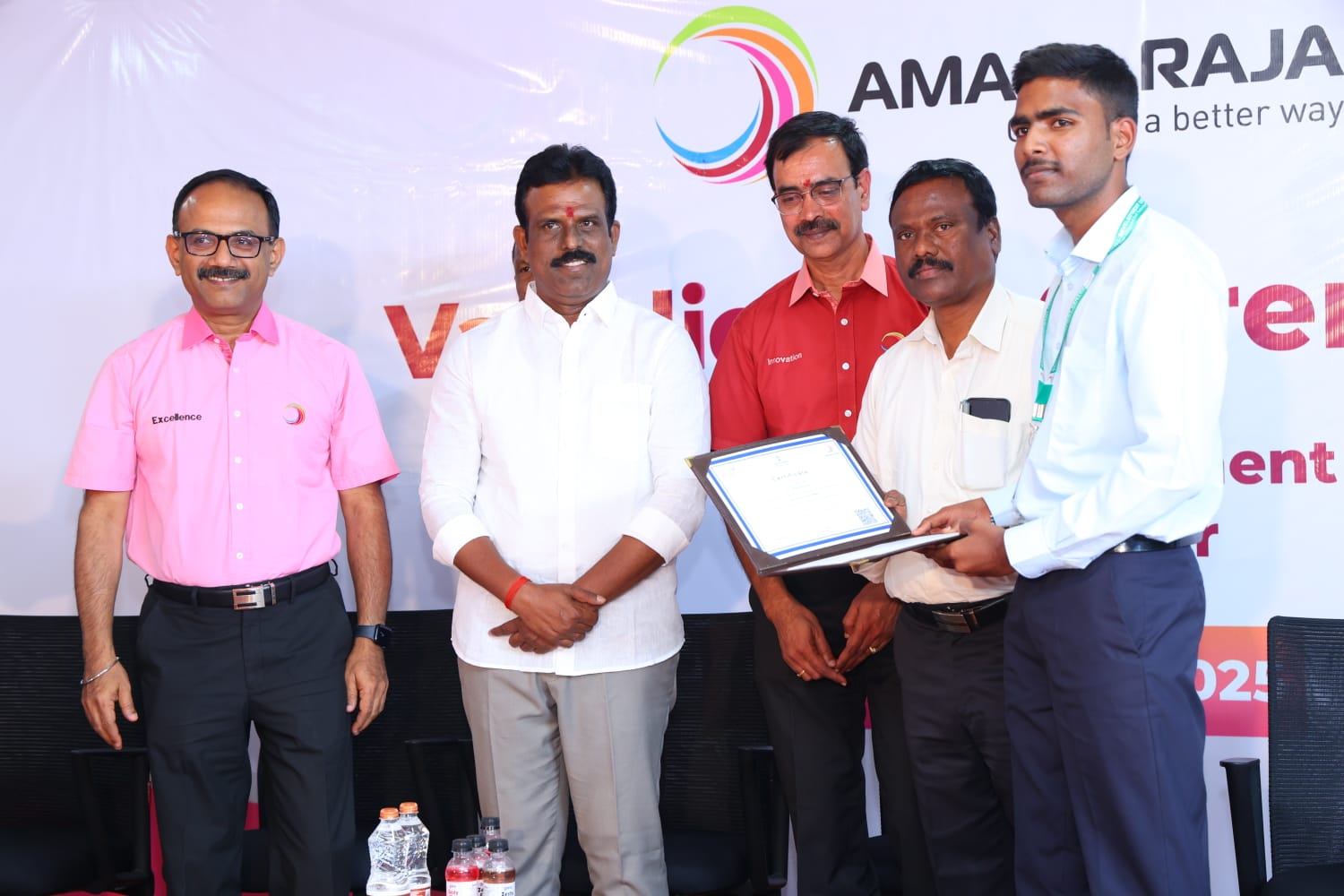
The Amara Raja Skill Development Centre (ARSDC), a joint initiative of Amara Raja Advanced Cell Technologies and the Rajanna Foundation, marked a significant achievement on Tuesday with the valedictory of its inaugural batch, where 98 trainees from local villages secured placements in key industries at a near-perfect rate of 98.85%.
Inaugurated on August 10 this year in partnership with the Electronics Sector Skills Council of India (ESSCI), the centre targeted underprivileged youth who had completed Class 10 or 12, selecting the cohort through a competitive screening process.
The three-month programme offered free vocational training in high-growth areas such as heating, ventilation and air conditioning (HVAC), domestic and industrial electricals, electric vehicle service and repair (EVSR), and EV battery pack assembly. It combined theoretical classes, lab sessions and on-site practicals, culminating in NCVET-recognised certifications that enhance employability.
The event drew prominent attendees, including Devarakadra MLA Madhusudan Reddy, District Collector Viziendira Boyi and TGIIC Vice-Chairman and Managing Director K Shashanka, alongside Amara Raja Group’s senior leadership.
For many graduates from low-income families, the placements—offering stable salaries in leading firms—represent their first formal jobs, alleviating economic distress and stemming rural-to-urban migration.
The centre’s model, which included complimentary transport and meals, addressed longstanding barriers to skill acquisition in Mahabubnagar, a district poised for industrial expansion with the upcoming Giga Corridor. Officials highlighted how such interventions could catalyse local development, with the second batch slated to commence on December 15.
As India’s push for skilling gains momentum amid the green energy transition, ARSDC exemplifies the potential of targeted CSR efforts to build a resilient workforce, one certification at a time.
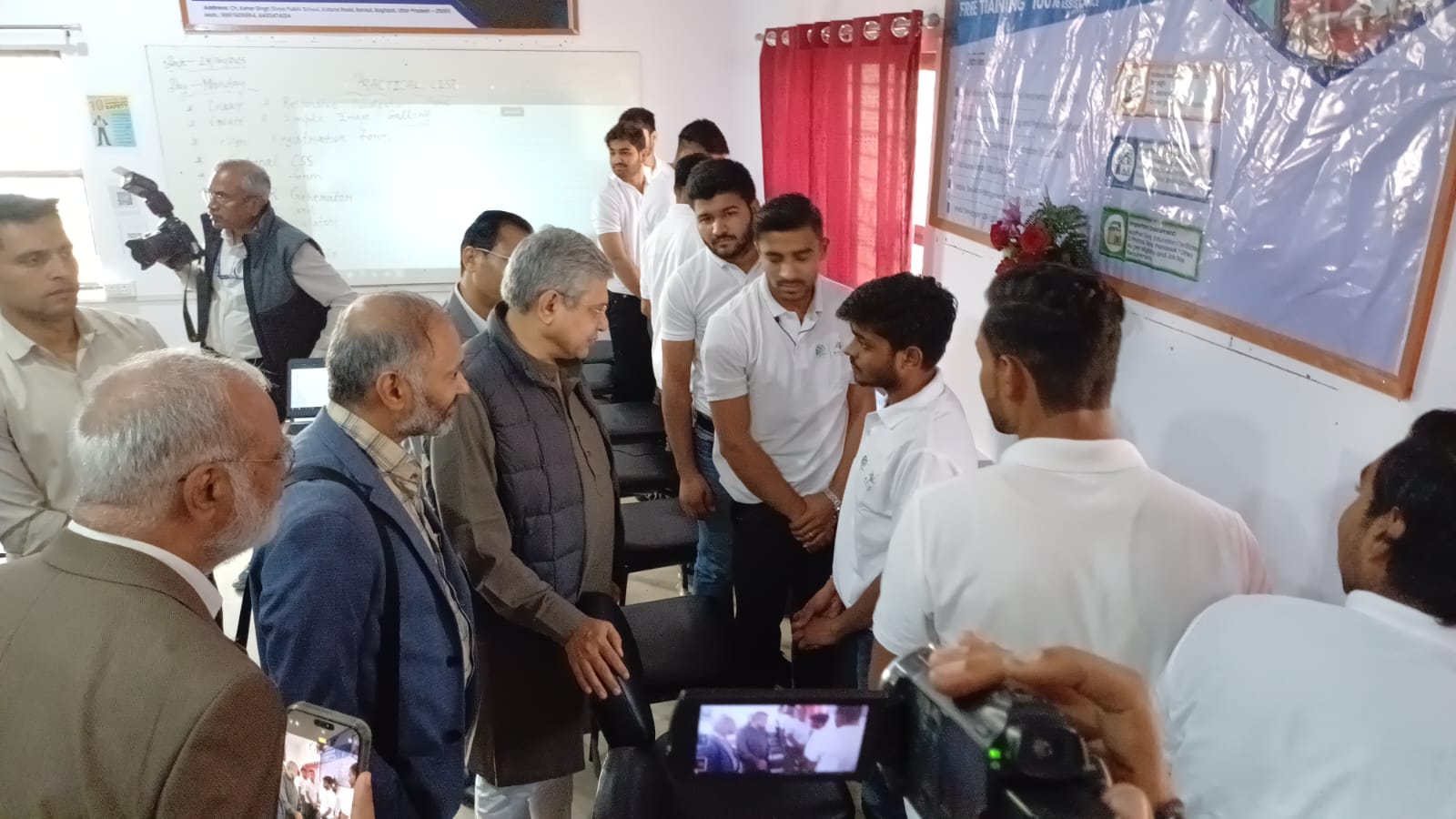
Union Minister for Electronics and Information Technology Ashwini Vaishnaw and Minister of State for Skill Development and Entrepreneurship Jayant Chaudhary on Monday inaugurated a new Skill India Centre (SIC) in Baraut, Baghpat district, Uttar Pradesh, targeting rural youth and women with training in electronics and IT-ITeS sectors.
A hub-and-spoke model will operate with the main facility in Baraut and a spoke centre in Chhaprauli to extend last-mile access.
“This initiative strengthens the government’s mission of building a technologically empowered workforce that can support India’s expanding digital and electronics ecosystem,” Vaishnaw said at the inauguration.
“When quality skilling reaches rural districts, it unlocks aspirations and accelerates social transformation.”
Jayant Chaudhary highlighted the broader socio-economic impact, stating, “Skilling is not just about employment—it is about dignity, mobility, and confidence. This centre will become a gateway of new possibilities for young people in the region.”
The curriculum focuses on high-demand areas in electronics manufacturing and IT-enabled services, aligning with national priorities under the Skill India and Digital India programmes.
Redington Foundation’s Global Chief Sustainability Officer R. Venkatesh said the partnership “reaffirms our commitment to unlock impact by equipping rural and underprivileged youth with future-ready, job-oriented skills” in advanced electronics and IT domains.
Early results from the collaboration are encouraging: 72 candidates from Baghpat trained under Redington Foundation’s CSR programme have already secured placements in reputed organisations.
The Baraut centre is part of a wider push to expand skilling infrastructure in rural Uttar Pradesh and bridge the urban-rural digital divide through industry-aligned training and employment linkages.
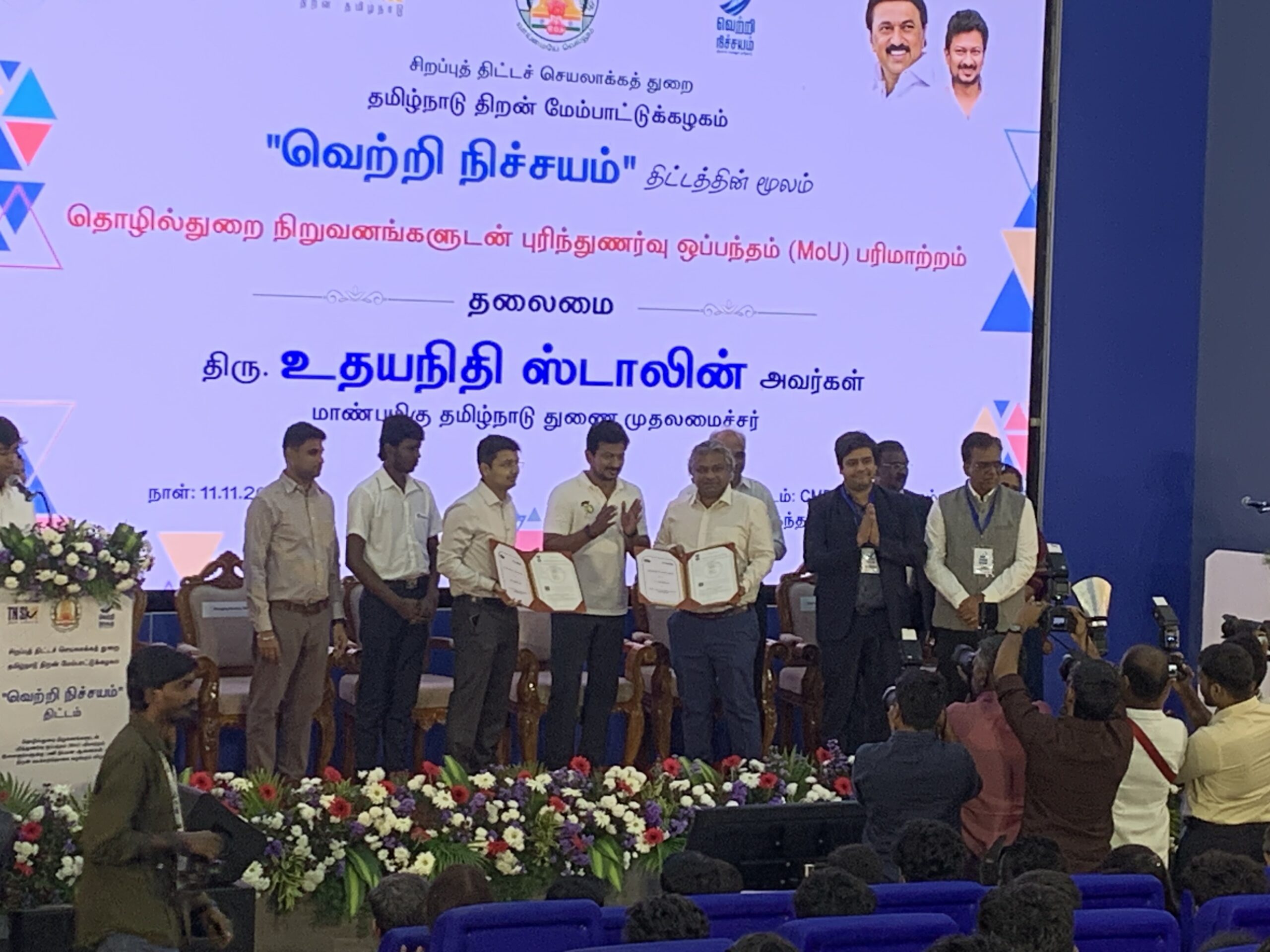
HCLFoundation, the corporate social responsibility arm of HCLTech, has signed a memorandum of understanding with the Tamil Nadu Skill Development Corporation to deliver digital skills training to 2,500 rural youth over the next three years.
The digital skills training programme targets youth in the Vilathikulam and Pudur blocks of Thoothukudi district, covering 95 village panchayats. It includes setting up micro workspaces at block headquarters to support remote jobs in information technology and IT-enabled services, with a placement tracking system to monitor outcomes.
The initiative falls under TNSDC’s “Vetri Nichayam” scheme, which offers digital skills training and job placement for unemployed people aged 18-35.
“This MoU with HCLFoundation is a proactive step to equip local youth with the digital skills training needed to participate meaningfully in the district’s evolving economic landscape,” Kranthi Kumar Pati, TNSDC managing director, said in a statement.
The digital skills training programme aims to curb rural-to-urban migration by creating local employment and to boost women’s participation in sectors including IT, logistics and finance, officials said.
Thoothukudi is developing as an industrial centre in Tamil Nadu, and the digital skills training addresses educated unemployment in rural areas, said Alok Varma, HCLFoundation project director.
HCLTech is a global technology services firm based in Noida, India.
Indus Towers, one of the world’s largest telecom infrastructure companies, said its Digital Transformation Van (DTV) has provided digital literacy training to 136,525 people from underserved communities across seven states as the country marks 10 years of its Digital India initiative.
The mobile Digital Transformation Van, part of Indus Towers’ flagship Corporate Social Responsibility program ‘Saksham’, has reached rural and urban slum communities in Delhi, Uttarakhand, Madhya Pradesh, Maharashtra, Jharkhand, Chhattisgarh and Odisha, the company said in a statement.
Launched in 2018 as the DigiShiksha initiative, the Digital Transformation Van program empowers youth, women, senior citizens and farmers with digital literacy, IT skills, cybersecurity awareness and financial education, aligning with the government’s Digital India Mission, according to the announcement.
“Indus Towers’ DTV is a commitment to inclusive growth and a belief that technology can be a powerful equalizer,” said Neeti Wahi, Chief Digital and Information Officer at Indus Towers. “It is heartening to see over half of our beneficiaries are women.”
The solar-powered Digital Transformation Van provides free doorstep digital education and public services through a 21-seater mobile classroom equipped with high-speed internet, modern computers, printers and e-learning tools, the company said.
The Digital Transformation Van initiative is implemented by NIIT Foundation, with expert trainers conducting community awareness sessions on digital safety, environmental conservation and waste management for school children aged 12 and above, women, farmers and senior citizens, according to the statement.
The Digital Transformation Van program represents Indus Towers’ approach to reaching communities where digital infrastructure and literacy gaps are most pronounced, customizing offerings based on local needs rather than relying on static training centers, the company said.
Indus Towers operates 256,074 telecom towers across all 22 telecom circles in India, making it one of the country’s largest tower infrastructure providers, according to company information.
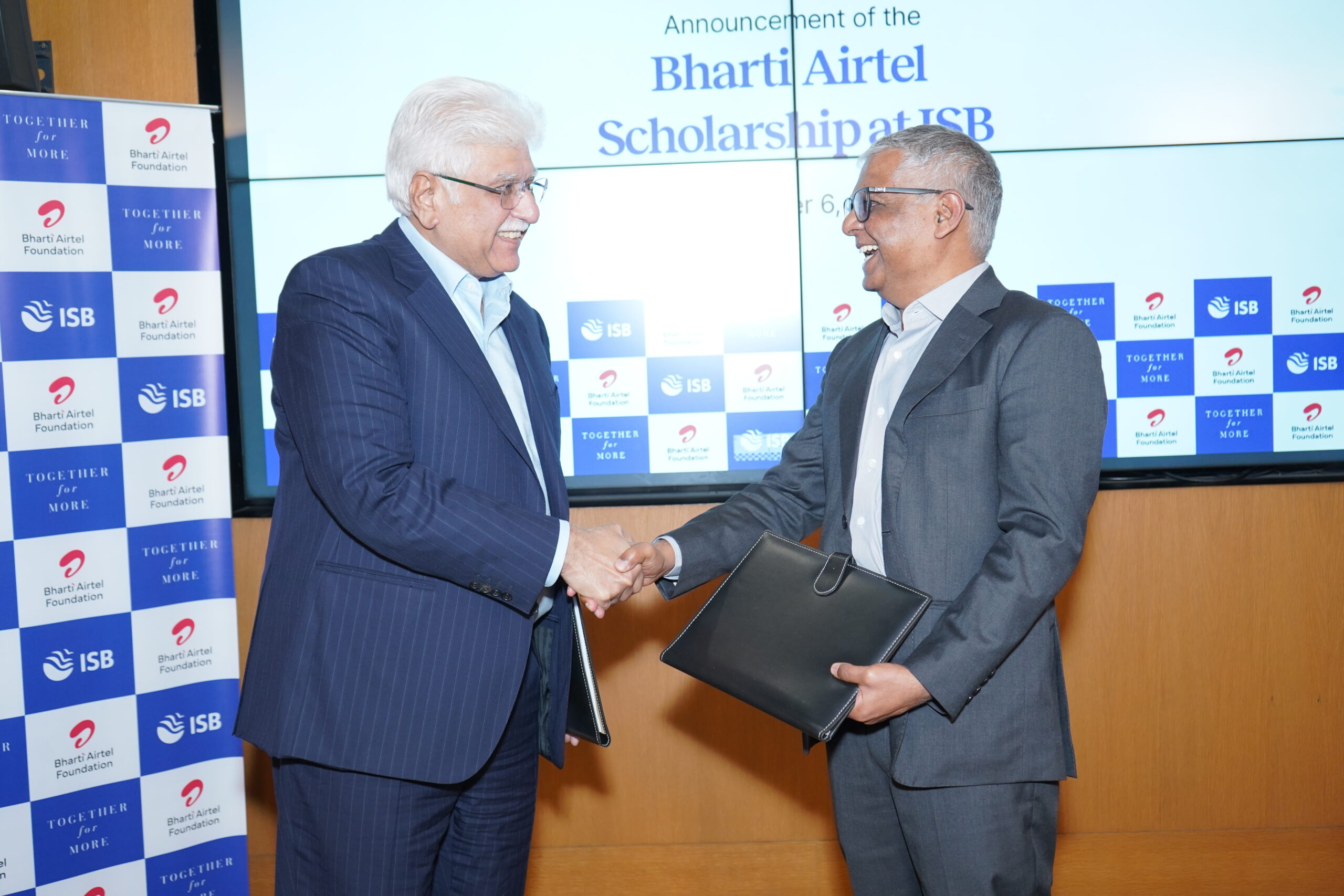
The program will provide five students from each cohort with full or partial waivers covering tuition, accommodation and meal expenses through a need-cum-merit based selection process, the foundation said in a statement.
The scholarship recipients, designated as “Bharti Scholars,” will be chosen based on both financial need and academic merit, according to the announcement.
“Education is the cornerstone of progress and empowerment,” said Rakesh Bharti Mittal, Co-Chairman of the Bharti Airtel Foundation and Vice Chairman of Bharti Enterprises. “When talent meets opportunity, extraordinary things happen.”
The memorandum of understanding was signed in the presence of Mittal, Madan Pillutla, Dean of ISB, and DNV Kumara Guru, Senior Director of Advancement, Alumni Engagement and External Relations at ISB.
The foundation has supported over 2,000 scholars since its inception, with 44% of recipients being female students, according to the statement. The initiative focuses on creating higher education opportunities for children from underserved communities.
ISB said the partnership advances its commitment to ensuring financial constraints do not limit access to management education for qualified candidates. The Post Graduate Programme in Management for Young Leaders is designed for early-career professionals seeking business education.
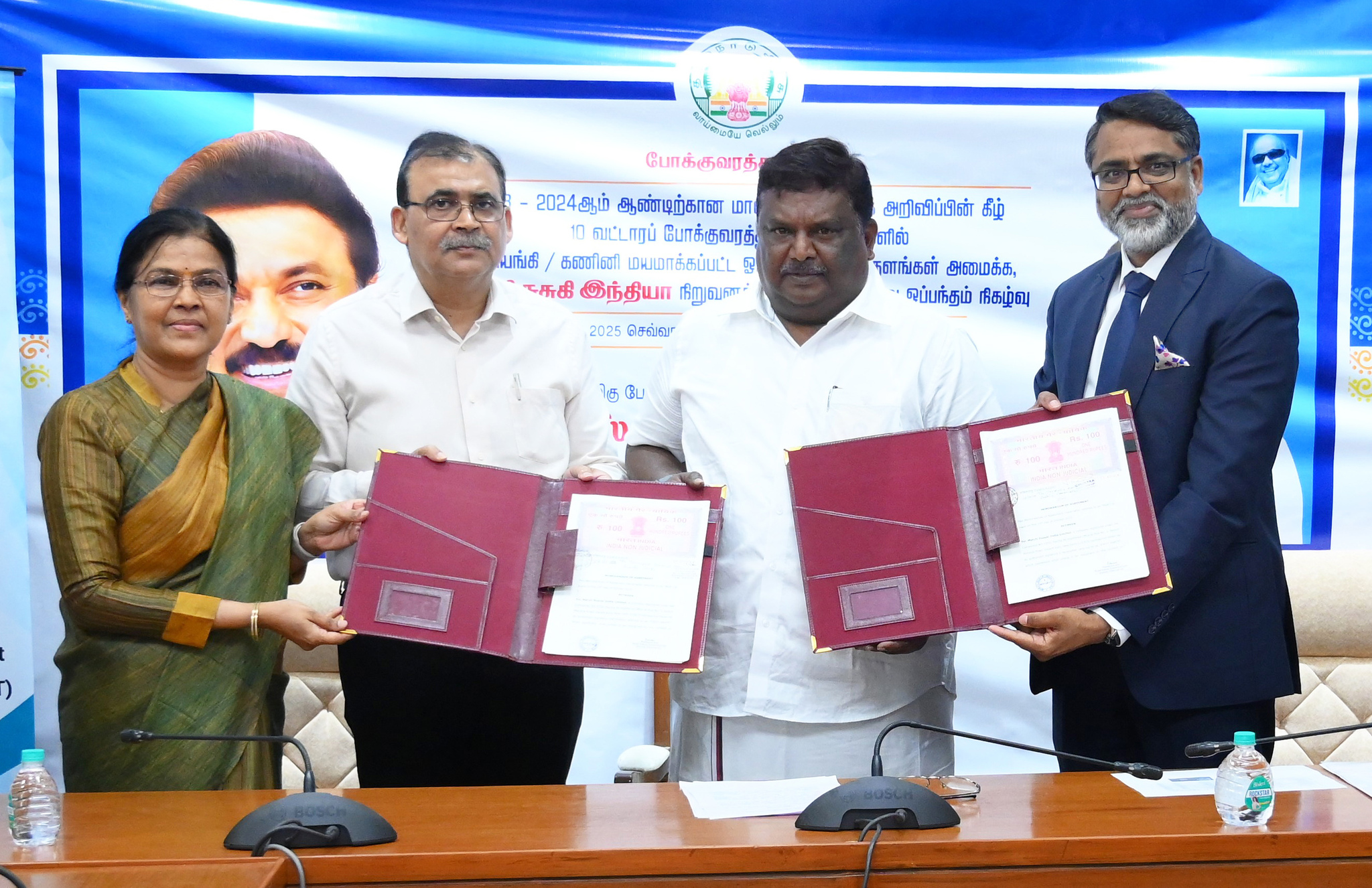
The initiative, formalized in a ceremony attended by Transport and Electricity Minister S S Sivasankar and Home Secretary Dheeraj Kumar, aims to revolutionize driving license testing with cutting-edge technology.
The ADTTs, to be set up in Marthandam, Tirunelveli, Coimbatore (Central), Madurai (North), Tuticorin, Krishnagiri, Dindigul, Tiruvannamalai, Sivagangai, and Trichy (West), were strategically chosen based on high license issuance volumes and connectivity to nearby cities.
These tracks will leverage video analytics, Radio Frequency Identification (RFID), and Harnessing Automobiles for Safety (HAMS) technologies to ensure a transparent, standardized, and objective testing process with zero human intervention, aligning with Central Motor Vehicle Rules.
Maruti Suzuki’s road safety initiatives span the 5Es: Education, Evaluation, Enforcement, Engineering, and Emergency Care.
“Maruti Suzuki’s commitment to road safety is commendable,” said Minister S S Sivasankar. “This collaboration to establish automated driving test tracks will promote disciplined driving and elevate road safety standards across Tamil Nadu.”
Rahul Bharti, Senior Executive Officer, Corporate Affairs at Maruti Suzuki, added, “Automated driving test tracks ensure a rigorous and transparent assessment of driver skills. This initiative is a significant step toward safer roads in Tamil Nadu.”
Maruti Suzuki’s road safety initiatives span the 5Es: Education, Evaluation, Enforcement, Engineering, and Emergency Care.
The company has already established 45 ADTTs nationwide, including 17 in Uttar Pradesh, 14 in Delhi, 7 in Bihar, 4 in Uttarakhand, 2 in Haryana, and 1 in Jammu & Kashmir. With a recent MoA for 21 ADTTs in Rajasthan and the new Tamil Nadu project, the total will reach 76 ADTTs across India.
Additionally, Maruti Suzuki operates 8 Institutes of Driving and Traffic Research (IDTRs) and 23 Road Safety Knowledge Centres (RSKCs) to enhance driver education. Its Integrated Traffic Safety Management System (ITMS) supports real-time monitoring, while First Responder training strengthens emergency care.
The MoA was signed by R Gajalakshmi, Transport and Road Safety Commissioner, and Tarun Agarwal, Senior Vice President, CSR, Maruti Suzuki, marking a milestone in the company’s mission to foster safer roads through innovation and collaboration.
In Kolkunte village, 13-year-old Priya beams as she enters her new classroom—bright, airy, and sturdy. Thanks to a partnership between Aahwahan Foundation and Huawei India, modern learning spaces are rising in remote Karnataka villages like Kolkunte (Davanagere), Hirekeruru (Haveri), and Thuraganuru (Mandya), where old schools lacked basic facilities.
These spacious, well-ventilated classrooms are more than buildings—they’re hope for kids like Priya and 15-year-old Anil, who no longer worries about leaking roofs. “School feels like a place to grow now,” Anil says.
“We’re building spaces where kids can dream big,” says Aahwahan’s CEO Braja Kishore Pradhan statement. The initiative bridges the urban-rural education gap, creating inclusive environments for underserved communities.
“Every child deserves a chance to learn,” says Satish Hampali of Huawei India. “We’re proud to support rural students and build a brighter future.”
With plans to reach more villages, Aahwahan and Huawei India are transforming lives, one classroom at a time. For Priya, it’s simple: “This place makes me believe I can be anything.”
The project, located in Bhawani Enclave near Basai village, will provide non-formal education to 150 children aged 6 to 14 years from migrant worker families who are currently not enrolled in schools.
Whiteland Foundation announced on Monday it has adopted a school for underprivileged children in Gurugram in collaboration with BG Foundation, marking its first major initiative in the child education sector. The project, located in Bhawani Enclave near Basai village, will provide non-formal education to 150 children aged 6 to 14 years from migrant worker families who are currently not enrolled in schools, the foundations said in a joint statement.
It was inaugurated by Whiteland Foundation trustees Priyanka Sardana and Karishma Kaul Babbar.
“Education is the birthright of every child,” said Kaul Babbar. “Our adoption of this school and commitment to providing quality education will have a transformational impact on society.”
The long-term initiative spanning 3-5 years aims to integrate the children into the formal schooling system. It will also feature a computer centre to teach basic computing skills.
Teachers from the local community will conduct baseline assessments of students’ educational levels and start with building rapport and interest before formal lessons based on structured modules.
BG Foundation currently operates two schools accommodating 150 students and focuses on education, skill development and disaster management for disadvantaged children and youth.
The higher secondary school, which will provide classes from nursery to 11th, has a capacity to accomodate up to 1000 students.
Former President Ram Nath Kovind today inauguraged a school constructed by agrochemical makeer Dhanuka Group here at Salasar town — that houses the famous Balaji temple — in Churu district of Rajasthan.
Shrimati Triveni Devi Dhanuka Higher Secondary Adarsh Vidya Mandir has been built by Dhanuka Group as a part of its corporate social responsibility (CSR) initiatives.
The higher secondary school, which will provide classes from nursery to 11th, has a capacity to accommodate students up to 1000. Currently, 580 students (320 boy and 260 girl students) are enrolled.
Constructed over 7586 square meter of land, the school has a staff strength of 37, with 27 of them being teaching staff. It has a facility of air conditioned computer lab with 20 computers and a conference cum hall with multimedia facility.
Addressing the gathering, Kovind said: “Education has an invaluable contribution in our life and better resources are necessary for this. If the ‘temple of education’ starts in small cities and villages, then it would help in shaping the future of children, their families, society and the country.”
The inauguration of Adarsh Vidya Mandir by Chiranjilal Dhanuka Charitable Trust in Salasar Dham will make not only make children efficient but a good human being also, he said.
Union Minister of State for Agriculture and Farmers Welfare Kailash Chowdhary said establishment of this school is a matter of pride in Salasar Dham. “The Dhanuka family has given a temple of education here, which will shape the future of our India,” he said.
On the occasion, Dhanuka Group Chairman R G Aggarwal said Salasar Dham is renowned for its famous Lord Balaji temple. It is a place where faith is reinforced, and prayers are offered for the fulfilment of wishes.
“Adarsh Vidya Mandir, inspired by the principles of Vidya Bharti, aims to create a holistic educational experience that instills a deep sense of patriotism, love for Indian cultural heritage, and clear goals. It endeavors to foster balanced spiritual development, molding the future intelligentsia of our great nation and preparing them to contribute meaningfully to its growth,” he added.
The group has two more schools in same district. One school named Durgaprasad Dhanuka Kanya Adarsh Vidyalaya Mandir is located in neighboring Ratangarh town of same district. This all-girl school has a capacity for 700 students, with 614 girl students benefiting from charitable education. It has a staff strength of 33 personnel, with 29 of them being teachers.
Located at Hrishikul road in same Ratagarh town of district Churu, the third school ‘Chiranjilal Dhanuka Uchha Madhyamik Adarsh Vidya Mandir has 811 students (all boys) studying from nursery to 12th class. This school has a capacity to accomodate up to 1000 students at a time.
Besides these charitable schools, Dhanuka Group has been at the forefront of philanthropic activities in other areas of ecology, environment and humanity too.