Category: News

  • Gates Foundation AI push: bold USD 1 billion health pledge

    Gates Foundation AI push: bold USD 1 billion health pledge

    The Gates Foundation said on Tuesday it would spend at least USD 1 billion over the next two years to widen access to artificial intelligence, a bold bet that the technology can narrow rather than widen the gap between rich and poor countries.

    The commitment was unveiled alongside the foundation’s 10th annual Goalkeepers Report, titled “Make This Matter: AI, Equity, and the Choice We Can’t Delay.” The report argues that the window to shape who benefits from AI, and how quickly, is closing fast.

    Under the plan, 40% of the money will go to education, including AI tutoring designed to individualize student learning and teaching tools for classrooms in the United States and abroad. Another 40% is earmarked for health care, spanning diagnostics, clinical decision support for frontline health workers, maternal and newborn care tools, and drug and vaccine discovery.

    A further 10% will support agriculture, including AI-generated advice tailored to smallholder farmers’ soil, weather and crop conditions. The remaining 10% will fund digital infrastructure, such as building datasets in languages current models do not yet understand.

    The Gates Foundation AI strategy rests on three priorities set out in the report: making tools work in every language people speak, designing them around the contexts where they will actually be used, and investing in the people and access needed for communities to shape the technology themselves.

    More than 90% of the data used to train early large language models came from English-language sources, the report said, leaving many communities poorly represented in the systems built on that data. It also calls for countries and communities to decide how their own data is managed and protected.

    Bill Gates, chair of the foundation, wrote that the organization was created in part to address a basic market failure, in which those with the greatest needs have the least power to steer innovation and investment. AI presents the same challenge, he wrote, only at far greater speed, because the most capable tools will be built first for those most able to pay.

    “We can harness AI for good. But it won’t happen by accident,” Gates wrote, adding that success should be measured not only by what AI does for the most profitable users but by what it does for the people who stand to gain the most.

    The foundation said its funding would scale up partners already working to close access gaps, with examples cited from clinics, classrooms and small farms. It also urged technology companies, governments and other philanthropies to commit resources, expertise and public advocacy, noting that affordable access will require action from industry as well as public investment.

    The Seattle-based foundation is led by Chief Executive Mark Suzman under the direction of Gates and its governing board. Goalkeepers is its campaign to accelerate progress toward the United Nations Sustainable Development Goals.
  • HCL Foundation, UP govt renew Samuday pact till 2031

    HCL Foundation, UP govt renew Samuday pact till 2031

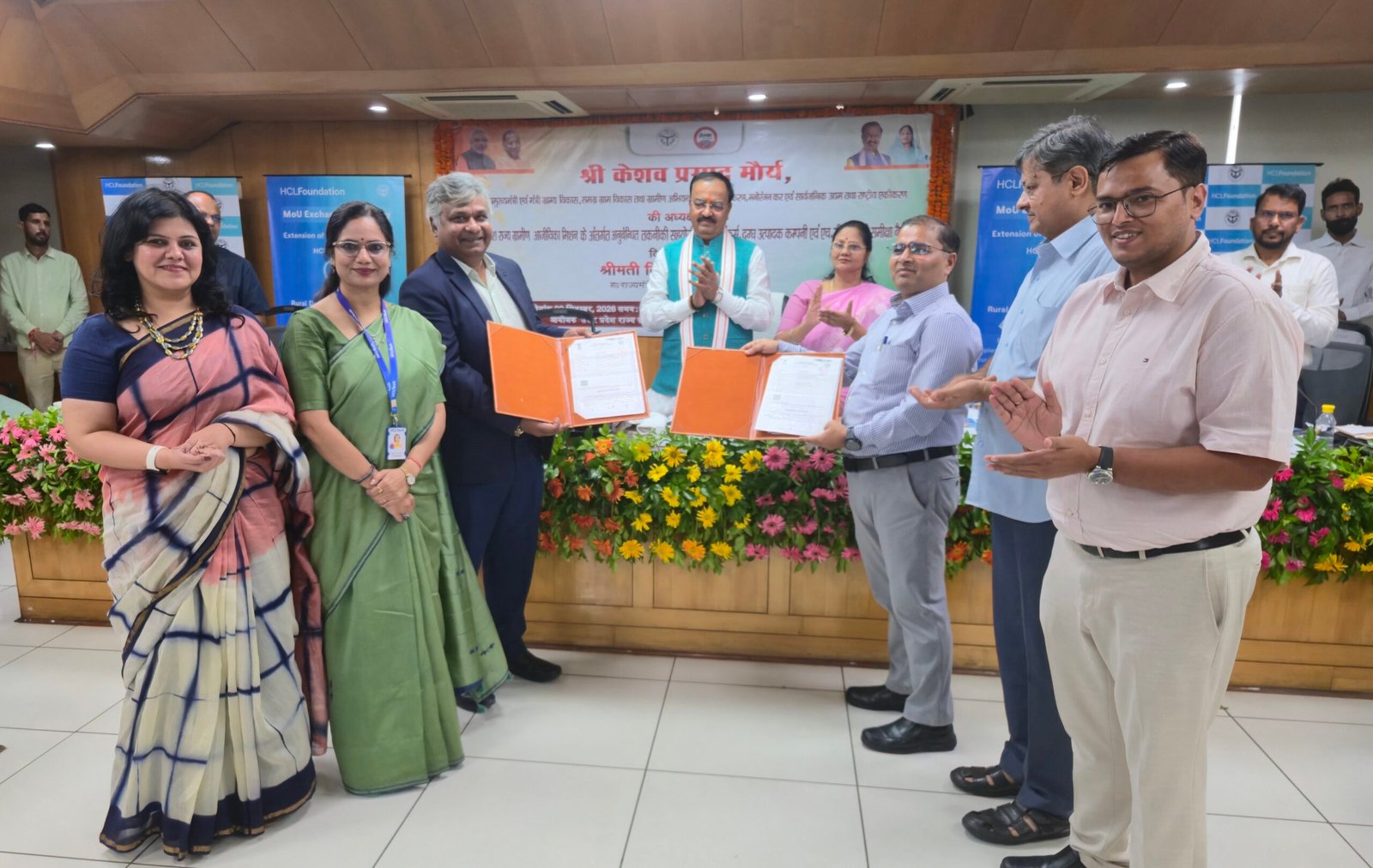
    In a major push for rural development, HCL Foundation and the Uttar Pradesh government on Wednesday announced a landmark extension of their Samuday partnership, renewing the flagship rural development programme for another five years, through 2031.

    The two sides signed a Memorandum of Understanding at a ceremony in Lucknow, in the presence of Deputy Chief Minister and Rural Development Minister Keshav Prasad Maurya, Minister of State for Rural Development Vijay Laxmi Gautam, and senior government officials.

    Maurya said the state government remains committed to integrated rural development, noting that the Samuday partnership had driven significant change in Hardoi district over the past 11 years, and that the renewed MoU aims to replicate this transformation in other districts of Uttar Pradesh.

    Since its launch in Hardoi in 2015, the Samuday partnership by HCL Foundation has grown into one of India’s largest government-CSR collaborations. The programme now spans 579 Gram Panchayats across 13 districts of Uttar Pradesh, reaching more than 3 million people. It is also active in 95 Gram Panchayats in Tamil Nadu’s Thoothukudi district, benefiting over 140,000 residents.

    Under the renewed Samuday partnership, focus areas will include strengthening rural livelihoods, improving education and healthcare access, promoting climate-resilient agriculture, advancing water and sanitation infrastructure, empowering Panchayati Raj institutions, and deepening convergence with government schemes, besides extending the programme’s footprint to additional districts.

    Dr Nidhi Pundhir, Director, HCL Foundation, said the organisation works closely with communities and government bodies to strengthen rural ecosystems and build development models that can be scaled across geographies. She added that the past decade of the Samuday partnership had shown how government, communities and the private sector could jointly deliver lasting impact, and that HCL Foundation looks forward to deepening this collaboration.

    Samuday’s impact since 2015:

    • Over 1.99 million people reached through health and nutrition programmes
    • More than 534,000 students benefited from improved learning environments
    • 113,000+ farmers supported with better agricultural practices
    • 85,000+ youth and women aided through livelihood initiatives
    • 2,224 kWp of renewable energy infrastructure created
    • 2,300+ households covered under waste management interventions

    HCL Foundation, the CSR arm of HCLTech, has so far impacted over 8.5 million lives across its programmes in education, sports, health, sanitation, skilling, livelihood and environmental sustainability.

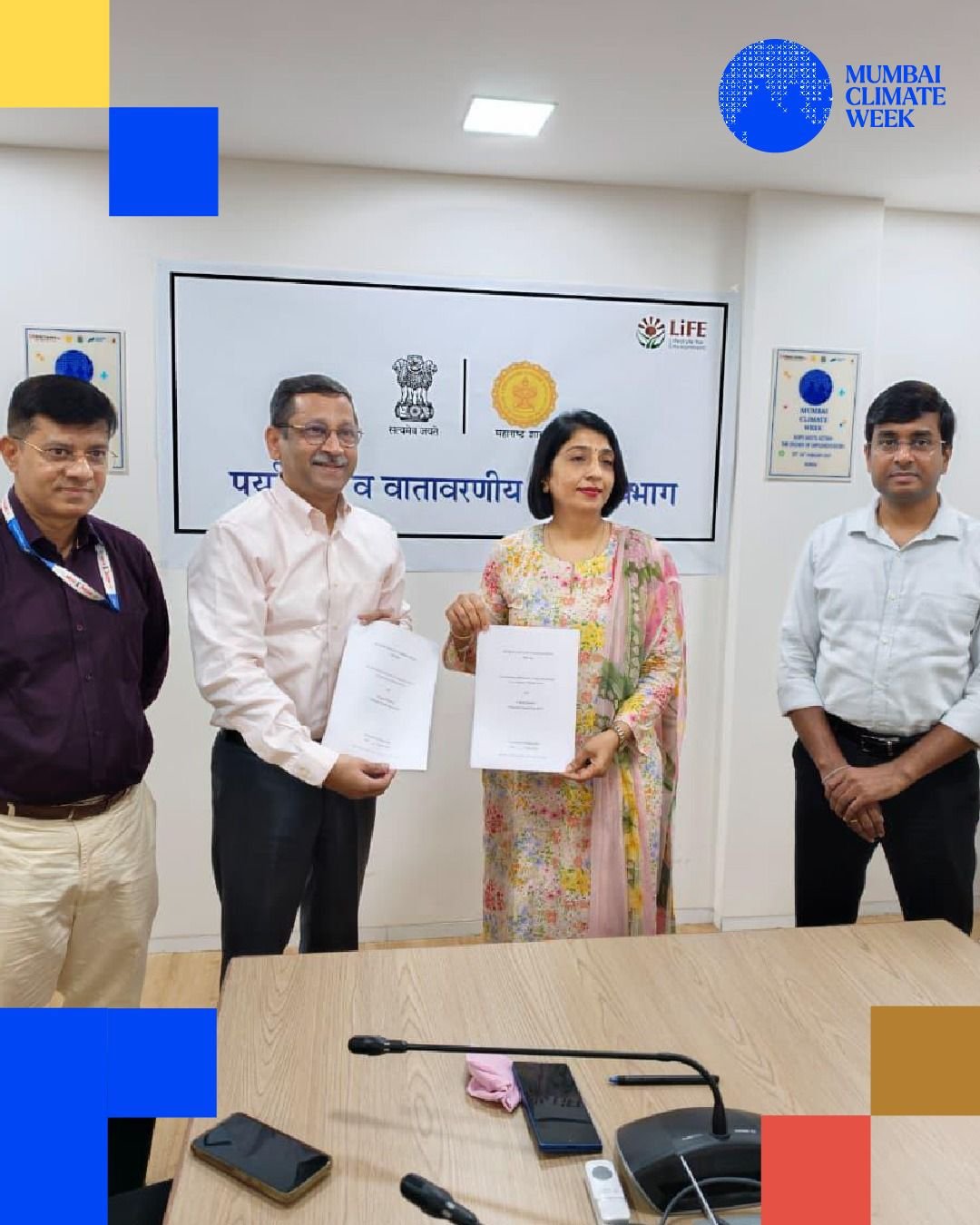
  • Maharashtra govt, Project Mumbai sign MoU for climate week

    Maharashtra govt, Project Mumbai sign MoU for climate week

    Maharasthra government and Project Mumbai have signed a Memorandum of Understanding to strengthen institutional coordination ahead of the second edition of Mumbai Climate Week, scheduled for February 23-26, 2027, at the Jio Convention Centre.

    Under the Mumbai Climate Week MoU, the state’s Environment and Climate Change Department will act as the nodal partner agency and knowledge partner for MCW 2027, supporting Project Mumbai in organising the event and coordinating with government bodies including the Mumbai Metropolitan Region Development Authority and the Brihanmumbai Municipal Corporation.

    The agreement commits the Department to facilitating time-bound meetings between MCW 2027 theme leads and senior officials, including ministries, commissioners and secretaries of the Maharashtra government. Organisers said the partnership aims to build a stronger link between thematic discussions at the event — spanning urban resilience, food systems, energy transition, biodiversity and circularity — and government institutions implementing related policy on the ground. This year’s edition will also examine climate’s intersections with literature, food, sports, cinema and healthcare.

    Pankaja Munde, state Minister of Environment & Climate Change, called the platform significant for bringing together governments, businesses, civil society and citizens to advance climate action, adding that the Department hopes to build on the momentum of the previous edition to strengthen climate leadership across the state.

    Shishir Joshi, CEO and Founder of Project Mumbai and Chief Convenor of Mumbai Climate Week, said the partnership with the state department would help translate discussions at the event into lasting solutions.

    Organisers said the MoU reinforces the institutional framework behind MCW 2027 as Mumbai grapples with climate impacts across infrastructure, mobility, water, waste management, energy and urban resilience.

  • Swiggy, Hero MotoCorp ink exclusive mobility partnership

    Swiggy, Hero MotoCorp ink exclusive mobility partnership

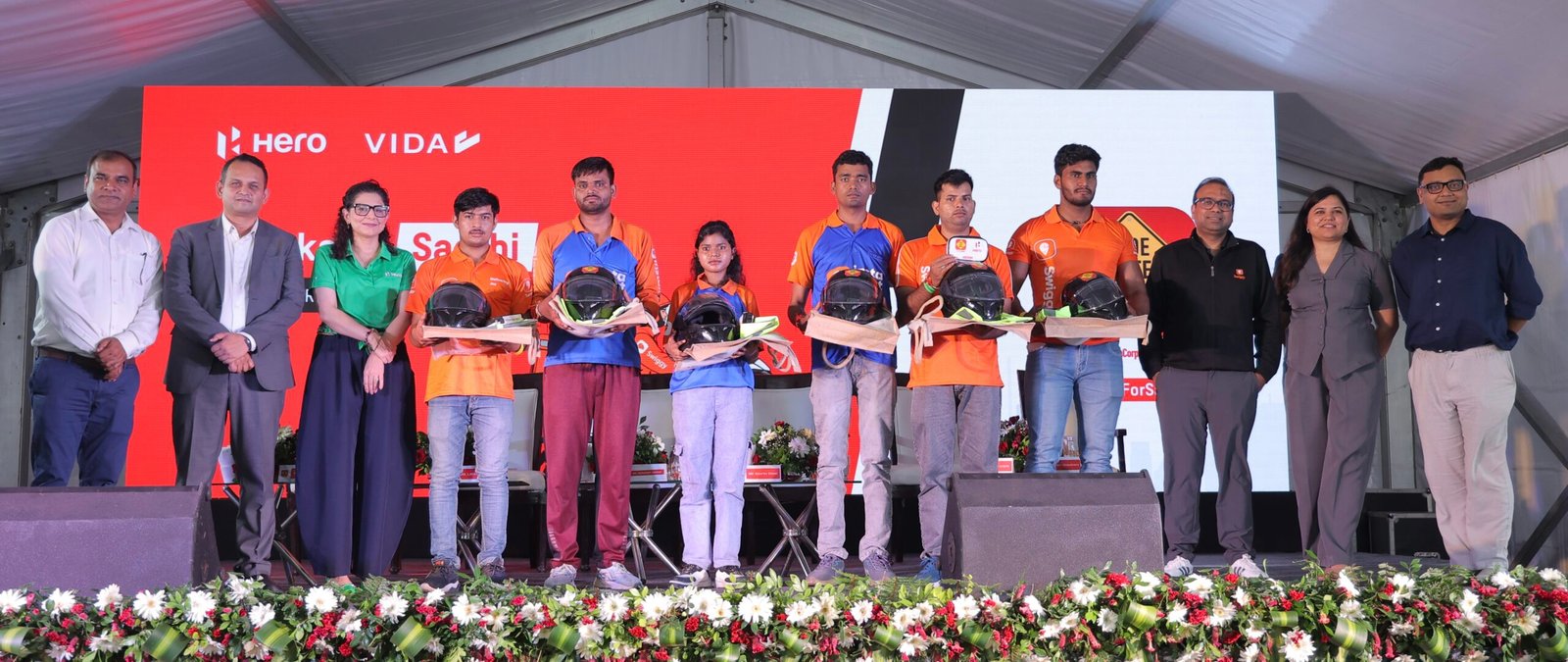
    Swiggy Ltd and Hero MotoCorp on Wednesday announced a strategic partnership giving delivery partners on Swiggy Food Marketplace and Instamart preferential access to two-wheelers, financing and road safety training.

    Under the Swiggy Hero MotoCorp partnership, riders will be able to select a preferred Hero model directly on the Swiggy app and receive exclusive pricing at Hero dealerships. The deal also unlocks customised financing, including loans covering up to 90% of the vehicle’s value at competitive interest rates.

    The companies kicked off the tie-up with a road safety training session at Hero MotoCorp’s Traffic Training Park in Gurugram, part of the automaker’s “Ride Safe India” CSR programme.

    Participants received safety kits containing a full-face helmet, a medical kit and a reflective vest. Hero MotoCorp said the training — combining digital modules with instructor-led sessions — will now be extended to Swiggy riders nationwide, covering hazard anticipation, traffic rule compliance and emergency response.

    Saurav Goyal, Chief Operating Officer of Swiggy’s Food Marketplace, said the initiative reflects the company’s push to make vehicle ownership more accessible for delivery partners through curated pricing and flexible financing.

    Ashutosh Varma, Chief Business Officer at Hero MotoCorp, said the partnership underscores the company’s commitment to affordable mobility and safer roads for India’s gig workforce.

    Registration will run through an API integration linking the Swiggy app to Hero MotoCorp’s systems, with riders able to complete purchases online or at participating dealerships, supported by dedicated customer service.

  • NABARD-IMD sign MoU to boost farmer weather data

    NABARD-IMD sign MoU to boost farmer weather data

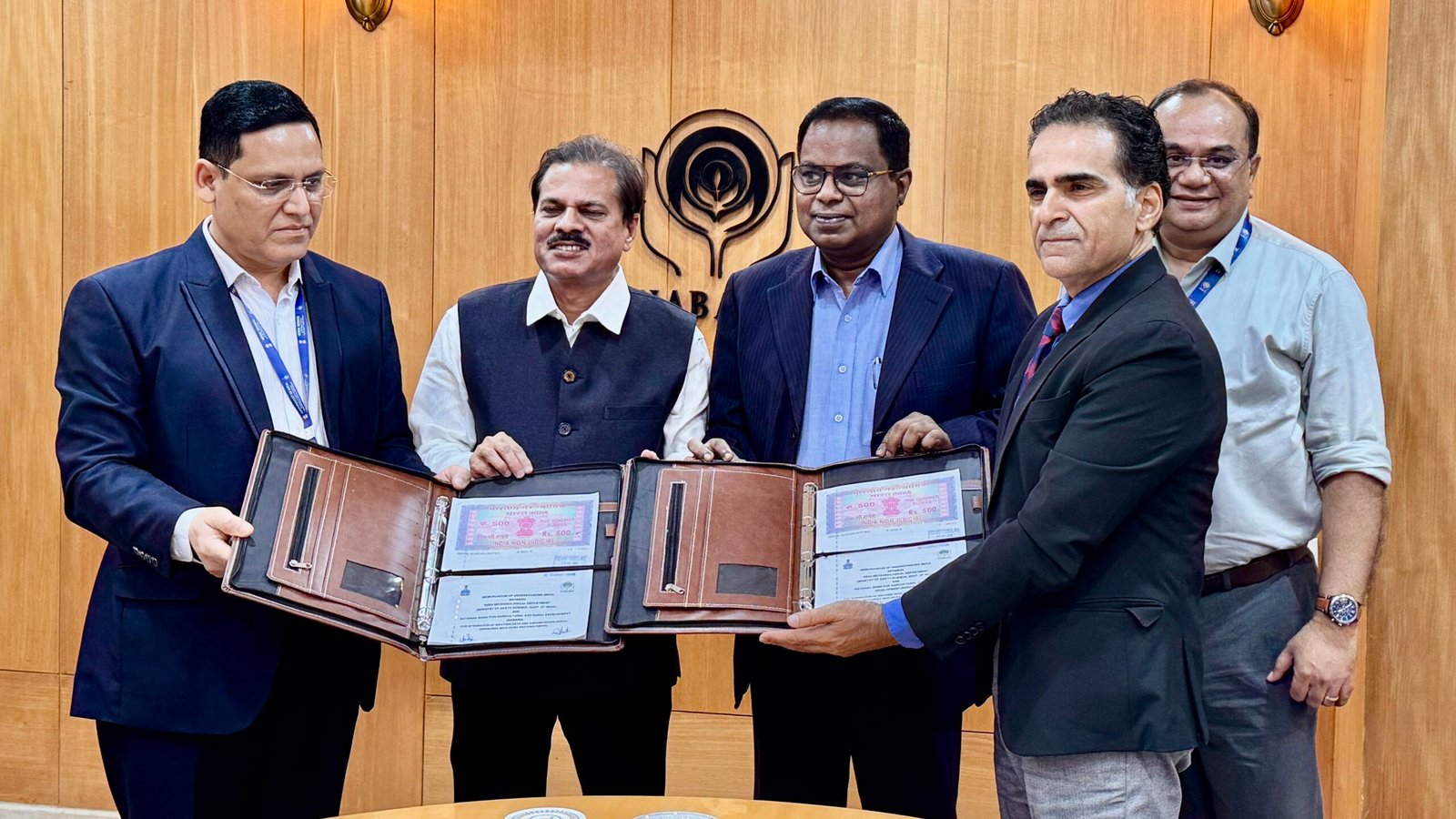
    National Bank for Agriculture and Rural Development (NABARD) and the India Meteorological Department (IMD) signed an MoU on Monday to integrate IMD’s agro-meteorological data products into DiCRA (Data in Climate Resilient Agriculture), an open-source digital platform backed by the United Nations Development Programme (UNDP) and NABARD.

    The agreement aims to make weather and climate data freely accessible to farmers, financial institutions, policymakers and researchers across the country, an official statement said.

    The MoU was signed by Sanjeev D Rohilla, Chief General Manager, Department of Climate Action and Sustainability at NABARD, and Bikram Singh, Scientist-G and Head of the Regional Meteorological Centre in Mumbai.

    NABARD Chairman Shaji Krishnan V, IMD Director General of Meteorology Mrutyunjay Mohapatra, and senior officials from both organisations were present at the ceremony.

    Under the deal, IMD will supply district and block-level weather forecasts, agromet advisories, in-situ observations and weather alerts through a dedicated Weather Portal on DiCRA. The data will sit alongside DiCRA’s existing geospatial datasets on soil moisture, vegetation health, crop conditions and climate vulnerability, giving users decision-ready insights at the local level.

    “Climate risk cannot be treated as a standalone issue; it has to be integrated into our development and financing decisions,” Krishnan said, adding that the partnership would help “forewarn both the farmer and the bank.”

    Mohapatra said Indian weather forecasting accuracy has improved by 40 to 50 percent over the past decade, with forecasts now reaching the panchayat level, but that reaching every farmer in a usable format remained the next challenge.

    NABARD will use DiCRA’s open APIs to distribute district-level advisories, seasonal risk alerts and weather-linked vulnerability assessments to credit officers, field staff, researchers and farmers via web, mobile and API channels. The Weather Portal integration also supports NABARD’s own weather portal on DiCRA, which is currently under development.

    NABARD, India’s apex rural development bank, was established in 1982. IMD, founded in 1875, is India’s national meteorological service under the Ministry of Earth Sciences. DiCRA, recognized as a Digital Public Good in 2022, is jointly maintained by NABARD with technical support from UNDP.

  • PWNSAT 2026: secure up to 100% scholarships for JEE, NEET

    PWNSAT 2026: secure up to 100% scholarships for JEE, NEET

    PhysicsWallah (PW) has launched the fourth edition of PWNSAT 2026, its national scholarship cum admission test, to help students prepare for JEE and NEET.

    Registrations are free and open to students from Class V to XII, as well as Class XII pass-outs, in both PCM and PCB streams. Eligible candidates can secure scholarships covering up to 100% of tuition fees and cash prizes totaling up to INR 2.5 crore. The top 500 eligible students will also receive free education and hostel support.

    PWNSAT 2026 will be held in online and offline modes. Online exams run from October 1 to 15, 2026. Offline tests take place on October 3, 4, 10 and 11, 2026 at PW Vidyapeeth, Pathshala and Tuition centres across India. Results will be announced later.

    Alakh Pandey, Educator, Founder and CEO of PhysicsWallah, said: “Access to quality education should not be determined by a student’s financial circumstances. Through PWNSAT, we aim to support learners by reducing some of these barriers while providing academic guidance that can help them continue their preparation with confidence. We hope the initiative encourages more students across the country to pursue their aspirations without financial constraints becoming a limiting factor.”

    Select high performers in PWNSAT 2026 will gain additional mentorship through the Exclusive Rankers’ Group to support their JEE and NEET preparation.

    PhysicsWallah Limited, founded in 2020 by Alakh Pandey and Prateek Maheshwari and headquartered in Noida, offers online, offline and hybrid education programmes. The company listed on the NSE and BSE on November 18, 2025.

  • Bosch India’s Spark of Joy successfully raises funds for 17 projects

    Bosch India’s Spark of Joy successfully raises funds for 17 projects

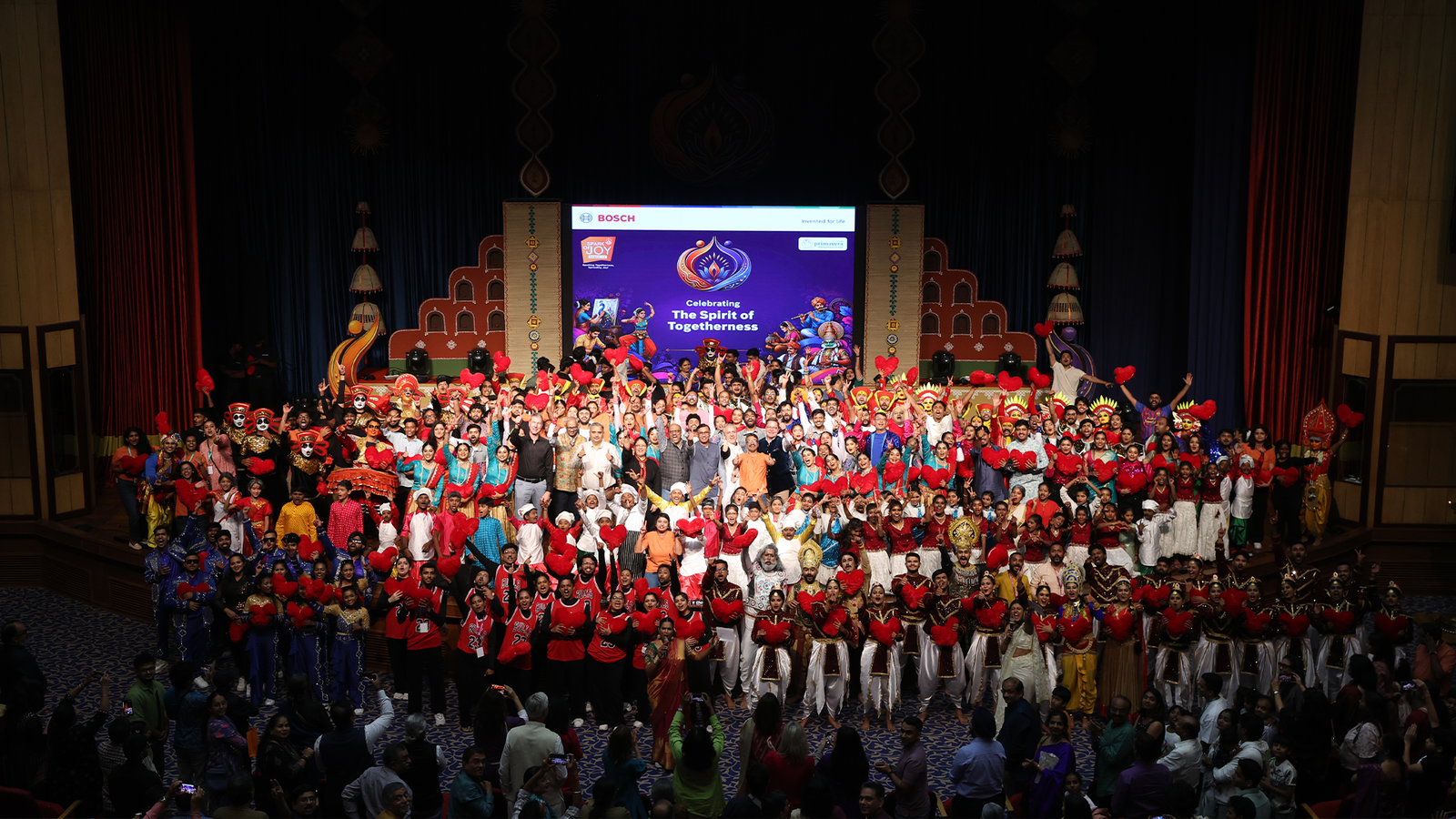
    Bosch India’s Spark of Joy event successfully raised funds for 17 projects across six cities, impacting over 5,000 underprivileged beneficiaries, the company said Thursday, marking another milestone for its employee-led social engagement initiative.

    The event, organized through Primavera India, the company’s employee-led social engagement initiative, was themed “Bandhan – Celebrating Togetherness” and featured 14 performances spanning music, classical and contemporary dance, folk traditions, shadow art, neon effects and puppetry.

    Bosch employees, including AI experts, hardware designers and assembly line staff, rehearsed after work hours for months to stage the performances, the company said, describing the initiative as proof that shared experiences unite people across roles.

    “At Bosch, our ‘Invented for life’ ethos extends beyond business to creating a positive social impact in the communities where we live and work,” said Guruprasad Mudlapur, President of the Bosch Group in India and Managing Director, Bosch Ltd.

    “Initiatives like Spark of Joy show how employee-led initiatives can drive meaningful change, bringing people together for a shared purpose and support causes like education, healthcare, and skilling.”

    Funds raised through this year’s Spark of Joy campaign will support 17 projects across six Indian cities, focused on improving access to education, healthcare, nutrition, rehabilitation and vocational training for underprivileged children, the company said.

    Primavera India has operated as Bosch India’s employee-driven social engagement platform for more than 25 years, partnering with local non-profit organizations to support disadvantaged communities.

  • Muthoot Finance hikes CSR spend to Rs 174 crore for FY27

    Muthoot Finance hikes CSR spend to Rs 174 crore for FY27

    Muthoot Finance, India’s largest gold loan non-banking financial company, said on Monday it will boost its Corporate Social Responsibility (CSR) spending to Rs 174.03 crore for fiscal year 2027, extending programmes in healthcare, education and housing to underserved communities nationwide.

    The Muthoot Finance CSR outlay follows FY26 spending of Rs 106.42 crore, which the company said reached approximately 3.37 million beneficiaries through initiatives spanning education, healthcare, livelihood support, community development and sports promotion.

    “At Muthoot Finance, we believe sustainable growth must go hand in hand with meaningful social impact,” Managing Director George Alexander Muthoot said in a statement.

    He said the FY26 results reflected the company’s commitment to underserved communities through healthcare, education, housing and social inclusion programmes.

    Education remained a central focus of the Muthoot Finance CSR strategy, with flagship programmes including the Muthoot M. George Excellence Awards, higher education scholarships and the Muthoot Shiksha Jyothi initiative supporting nearly 11,900 students, including first-generation learners, the company said.

    Muthoot Finance has also established several educational institutions, including Sanskara School in Kochi, the Muthoot Institute of Technology and Science, and the newly launched Kalaivani School in Tamil Nadu.

    On healthcare, the company said its Muthoot Snehasraya programme and related interventions benefited more than 100,000 people in FY26 through medical outreach, rehabilitation support and community healthcare services.

    The company’s housing initiative, Muthoot Aashiyana, has built more than 270 homes for vulnerable and disaster-affected families since its 2018 launch, providing shelter and stability to underserved households, Muthoot Finance said.

    Muthoot Finance also expanded its Soundscape Project, which provides digital hearing aids to children with hearing impairments, reaching 267 beneficiaries across Kerala, Hyderabad and Mumbai.

    Separately, the company’s prison rehabilitation programme, Radio Parvaaz, supports emotional wellbeing and informal learning among inmates, alongside initiatives for children of incarcerated parents.

    Other community programmes included Box of Hope for fisherwomen’s livelihoods, a maritime safety programme for coastal communities in Tamil Nadu, and Pedal for Progress, which distributes bicycles to tribal students.

    Deputy Managing Director George Muthoot George said the company aims to move beyond addressing immediate needs toward empowering communities for long-term self-reliance.

  • Uttar Pradesh to plant 35 crore saplings on July 12

    Uttar Pradesh to plant 35 crore saplings on July 12

    Uttar Pradesh will launch a massive plantation drive on July 12, aiming to plant 35 crore saplings in a single day as part of the state’s Vriksharopan Mahabhiyan 2026 campaign, Chief Minister Yogi Adityanath said on Friday.

    Reviewing preparations via video conference, the CM said the Uttar Pradesh plantation drive was intended to function as a public movement rather than a routine government exercise, with success measured by sapling survival rather than volume planted alone, an official statement said.

    The state has set a target of raising green cover to 15% by 2030 and 20% by 2047, the statement said. To meet that goal, authorities plan to plant 35 crore saplings annually over the next five years, a pace they say could help absorb nearly 72 million tonnes of carbon dioxide.

    The CM directed departments to complete verification of plantation sites, ensure sapling availability, carry out geo-tagging and arrange irrigation ahead of the drive. He called for participation from citizens, students, farmers, elected representatives and voluntary organisations.

    Officials from the departments of Environment, Forest and Climate Change, Rural Development, Agriculture, Horticulture, Panchayati Raj, Revenue and Urban Development presented their action plans during the review.

    The CM also directed that beneficiaries of the PM Kisan Samman Nidhi scheme be linked to the campaign, and said a mix of fruit-bearing, shade-giving, medicinal and timber species should be planted.

    State data show Uttar Pradesh added about 3.38 lakh acres of forest and tree cover between 2017 and 2023, with total cover rising to 9.96% from 9.18% over that period. The state has planted 242 crore saplings since 2017, compared with 51.48 crore between 2009 and 2016, according to the review.

    The campaign also includes several themed initiatives — Mission Chhaya, Samaras Van, Samriddhi Van, City Van, Kapi Van, Maharshi Charak Aushadhi Van, Urja Van, Pauranik Van and Aviral Dhara Van — designed to support biodiversity, reduce heat stress and promote agroforestry across the state.

  • IIT Kharagpur study proves speed management cuts crashes

    IIT Kharagpur study proves speed management cuts crashes

    New research from IIT Kharagpur has proved that scientific speed management interventions can significantly cut fatal crash risk, fatalities and crash severity on Indian highways, offering crucial evidence for policymakers as India seeks to halve road crash deaths and serious injuries by 2030.

    The findings were presented at a high-level road safety dialogue organised by the Road Safety Network (RSN) in partnership with IIT Kharagpur, as the country continues to grapple with a severe road safety crisis. More than 1.8 lakh lives were lost in road crashes in 2024.

    The study, carried out on a 51-km stretch of National Highway 16 between Balihati and Kolaghat in West Bengal, examined how design-based speed management measures affected vehicle behaviour and crash outcomes.

    Researchers found the interventions cut operating speeds by 39-45% for cars, 29-33% for heavy vehicles and 18-28% for two-wheelers.

    The study also recorded significant reductions in fatal crashes, fatalities, crash severity and the likelihood of a crash turning fatal at locations where speed management measures were applied.

    Speeding remains a leading cause of road crashes in India. According to the Ministry of Road Transport and Highways’ Road Accidents in India 2024 report, over-speeding accounted for 62% of all road crashes and more than one lakh fatalities nationwide. Pedestrians, among the most vulnerable road users, accounted for 20.6% of all crash fatalities.

    Prof. (Dr.) Bhargab Maitra, Professor, Department of Civil Engineering, IIT Kharagpur, and a Road Safety Network member, said the Safe System approach recognises that while people make mistakes, roads, policies and systems must be designed so those mistakes do not result in death or serious injury.

    He said scientific speed management is central to this approach, and that aligning speeds with road function and the needs of all users, particularly vulnerable ones, significantly improves safety outcomes. He called for greater emphasis on evidence-based interventions as India pursues its road safety targets.

    The findings were unveiled at a dialogue convened by RSN and IIT Kharagpur at the IIT Kharagpur Research Park, bringing together government officials, public health experts, researchers and road safety practitioners to discuss evidence-based approaches to reducing fatalities and serious injuries.

    RSN also presented recommendations to the Ministry of Road Transport and Highways and state and local authorities to strengthen speed management nationwide.

    These included rationalising speed limits based on road function and user risk, adopting context-sensitive speed zoning, strengthening infrastructure and access control, expanding technology-enabled enforcement, improving crash data systems and enhancing coordination across transport, enforcement, health and urban development sectors.

    The recommendations stressed aligning speed management policies with the safety needs of vulnerable road users to support India’s road safety goals.