Tag: #WomenEmpowerment

  • VISL skilling initiatives transform 1 lakh lives in India

    VISL skilling initiatives transform 1 lakh lives in India

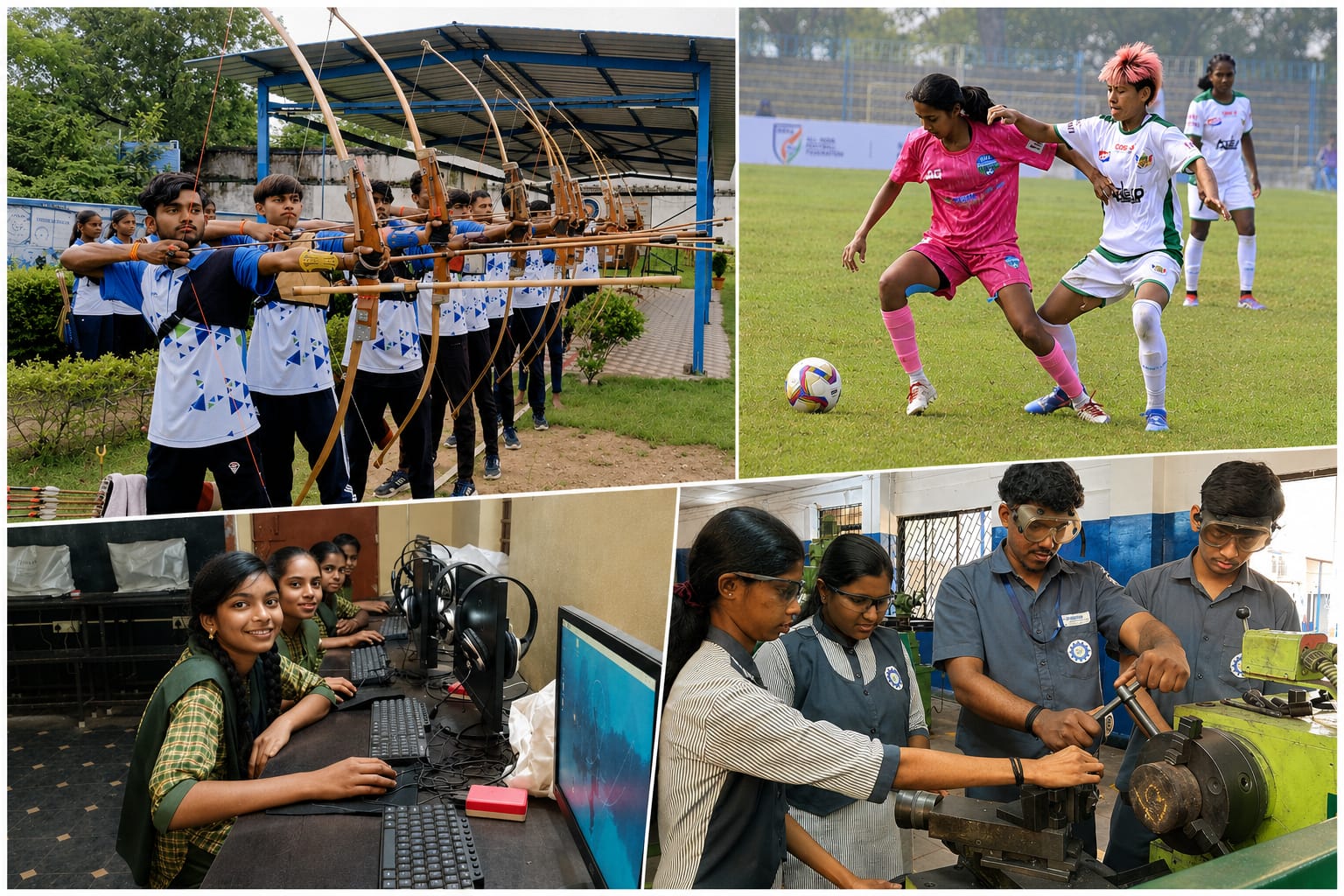
    Vedanta Iron and Steel Limited (VISL) said on World Youth Skills Day that its skilling programmes have reached more than 100,000 people across India, as part of a broader push to build a future-ready workforce through technical education, digital learning, entrepreneurship and sports development.

    The VISL Skilling Initiatives, aligned with this year’s World Youth Skills Day theme of “Skills for a Shared Future,” span operations in Goa, Jharkhand, Maharashtra, Karnataka and Odisha, the company said.

    In Goa, the Sesa Technical School has trained more than 2,100 youth over three decades with a near 100% placement record, the company said, adding that the programme places particular emphasis on encouraging girls to pursue technical training. In Bokaro, the Vedanta ESL Skill School has trained over 700 youth since 2022 in trades including solar photovoltaic installation and home appliance repair, with more than 400 placed in formal sector jobs.

    The company also operates 25 Vedanta Computer Centres and Computer Labs across Goa, Maharashtra and Karnataka, alongside learning hubs under Project AAS Vidyalaya in rural Jharkhand. Combined, the digital literacy initiatives have benefited more than 80,000 students and young people, the company said.

    “The youth of our Nation are the driving force behind India’s growth story, and investing in their skills is an investment in the nation’s future,” said Pankaj Kumar Sharma, Chief Executive Officer of VISL.

    “At VISL, our approach to skilling goes beyond employment by enabling aspiration, nurturing potential and creating pathways to long-term socio-economic progress,” he said in a statement.

    Sports development remains a core pillar of the company’s youth outreach. The Sesa Football Academy in Goa has produced over 230 graduates through its residential training programme, including 14 international players, while engaging more than 8,000 young footballers through grassroots initiatives.

    Its men’s and women’s teams compete in national leagues including I-League3 and the Indian Women’s League. Separately, the Vedanta ESL Archery Academy in Bokaro has trained more than 50 young archers who have collectively won over 200 medals at district, state and national competitions.

    On women’s economic empowerment, the company’s Project JIVIKA has supported more than 280 self-help groups and benefited nearly 4,000 women across five states through vocational training in tailoring, handicrafts, mushroom farming and footwear manufacturing.

    VISL operates iron ore and steelmaking assets across India and Liberia, including Sesa Iron Ore, ESL Steel Limited and Western Cluster Limited, alongside associated industrial businesses.

  • Malabar Gold pledges bold Rs 200 cr CSR push in 2026-27

    Malabar Gold pledges bold Rs 200 cr CSR push in 2026-27

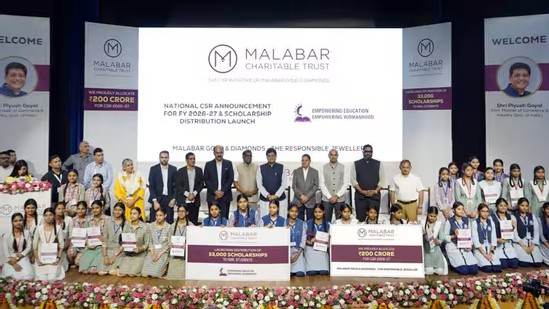
    Malabar Gold & Diamonds has kicked off its most ambitious Corporate Social Responsibility cycle to date, with a bold Rs 200 crore programme for 2026-27 now under way across 19 states.

    The retail jewellery group unveiled the plan earlier this week at the Dr. Ambedkar International Centre in New Delhi, where Union Minister for Commerce and Industry Piyush Goyal inaugurated the distribution of educational scholarships for 33,000 girl students.

    The Malabar Gold CSR 2026-27 initiative spans 15 major programmes at more than 3,000 locations and is designed to benefit over two lakh people by the end of the financial year.

    “Malabar Gold & Diamonds’ decision to allocate INR 200 crore towards CSR will further strengthen the nation’s progress,” Goyal said at the launch event Wednesday. He emphasised that India’s growth is rooted in the empowerment of women and girls.

    Education receives the largest share at Rs 114 crore. Scholarships are now being distributed to students across 284 districts in 18 states — a rollout timed to mark the group’s 33rd anniversary. Micro-learning centres for street children, run in partnership with the Pratham Education Foundation, are also being expanded this year from 1,543 to 2,500 locations across 17 states, with enrolment targets rising from 64,000 to one lakh students.

    Group Chairman M.P. Ahammad said “human resource development is the backbone of national growth,” and added that the scholarship programme gives students the means to contribute to national development. Pratham CEO Rukmini Banerji, who attended the New Delhi launch, called the micro-learning model a proven route to reaching the hardest-to-reach children.

    Food security is the second-largest priority. The Hunger Free World project, allocated Rs 30 crore, already provides daily nutritious meals to 1,15,000 people in India, Zambia, and Ethiopia — a figure the group aims to grow through this cycle. The Grandma Home initiative for destitute mothers anchors the Rs 25 crore housing allocation, while Rs 14.2 crore funds healthcare access, including subsidised medicines through Malabar-Thanal pharmacies.

    Environmental protection receives Rs 10 crore, with the remaining Rs 6.8 crore directed at other humanitarian activities.

    The programmes are administered by the Malabar Charitable Trust, which channels five per cent of the company’s net trading profit into CSR activities annually. The group operates under ESG principles centred on women’s empowerment, healthcare, and education.

    The launch on Wednesday was attended by Malabar Group Managing Director of India Operations Asher Ottamoochikkal, Executive Directors Nishad A.K. and Abdulla Ibrahim, Kerala House Resident Commissioner Puneet Kumar, and Thanal Chairman Idris.

  • RBL Bank’s UMEED empowers 800 Delhi girls with bicycles in CSR Initiative to curb school dropouts

    RBL Bank’s UMEED empowers 800 Delhi girls with bicycles in CSR Initiative to curb school dropouts

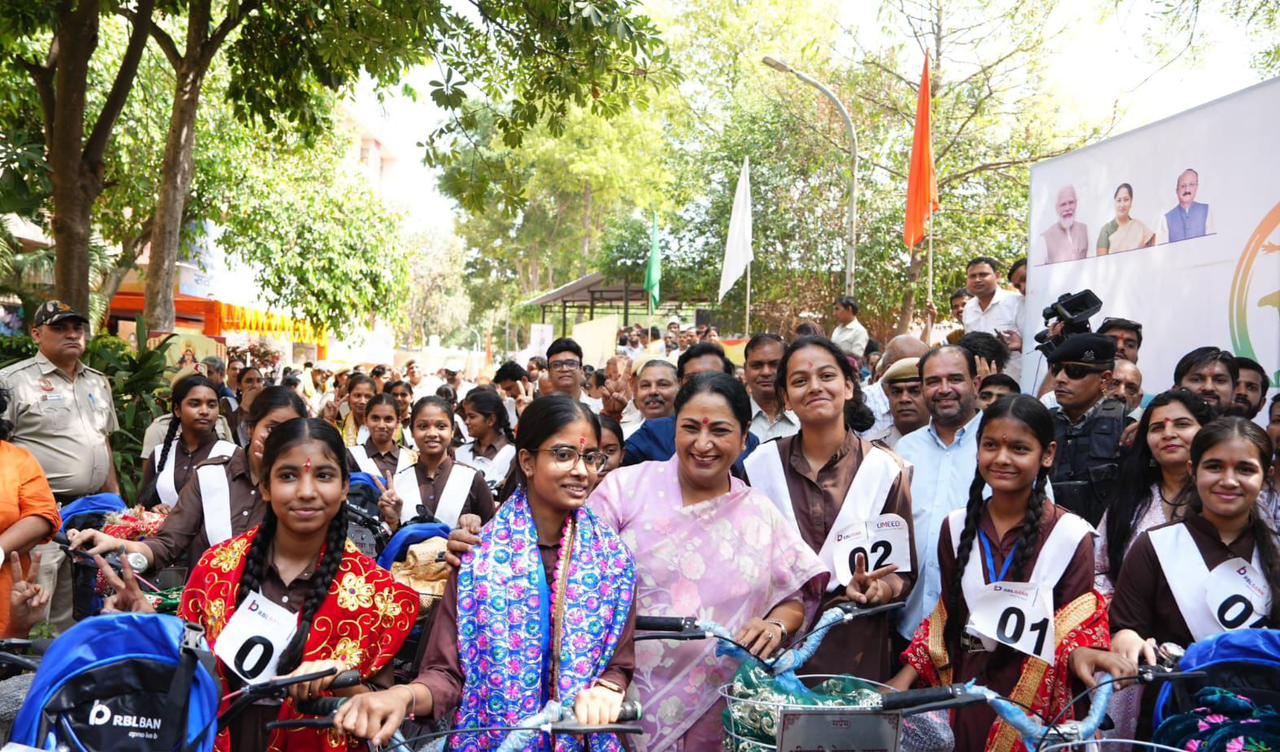
    RBL Bank, one of India’s leading private sector banks, distributed 800 bicycles and school kits to underprivileged girl students in New Delhi on March 26, under its corporate social responsibility programme UMEED — a bold move to empower vulnerable communities through accessible education.

    The girl student bicycles CSR initiative was held at Sarvodaya Vidyalaya, Pitampura, and attended by Delhi Chief Minister Rekha Gupta, Education Minister Ashish Sood, and senior officials from the bank. The event marks one of the largest single-day bicycle donation drives by a private bank in the national capital.

    Long distances between homes and schools remain one of the primary drivers of dropout rates among girls from low-income households in India. RBL Bank said the initiative directly targets that barrier by providing reliable, sustainable transportation — reducing travel time and safety concerns that often lead families to keep girls out of school.

    “Education is the cornerstone of a bright future. By providing bicycles and school kits, we aim to empower young girls to overcome obstacles and pursue their dreams.” — R. Subramaniakumar, MD & CEO, RBL Bank

    The UMEED programme, which focuses on enabling education and widening opportunity for marginalised communities across India, continues to scale its outreach. Officials said the CSR initiative is designed to offer not just immediate support but a sustainable, environmentally friendly solution to a systemic problem.

    No financial details of the programme were disclosed.

  • Ambuja Cements Drives Women Empowerment, Hands E-Autos to 10 SHG Women in Gujarat

    Ambuja Cements Drives Women Empowerment, Hands E-Autos to 10 SHG Women in Gujarat

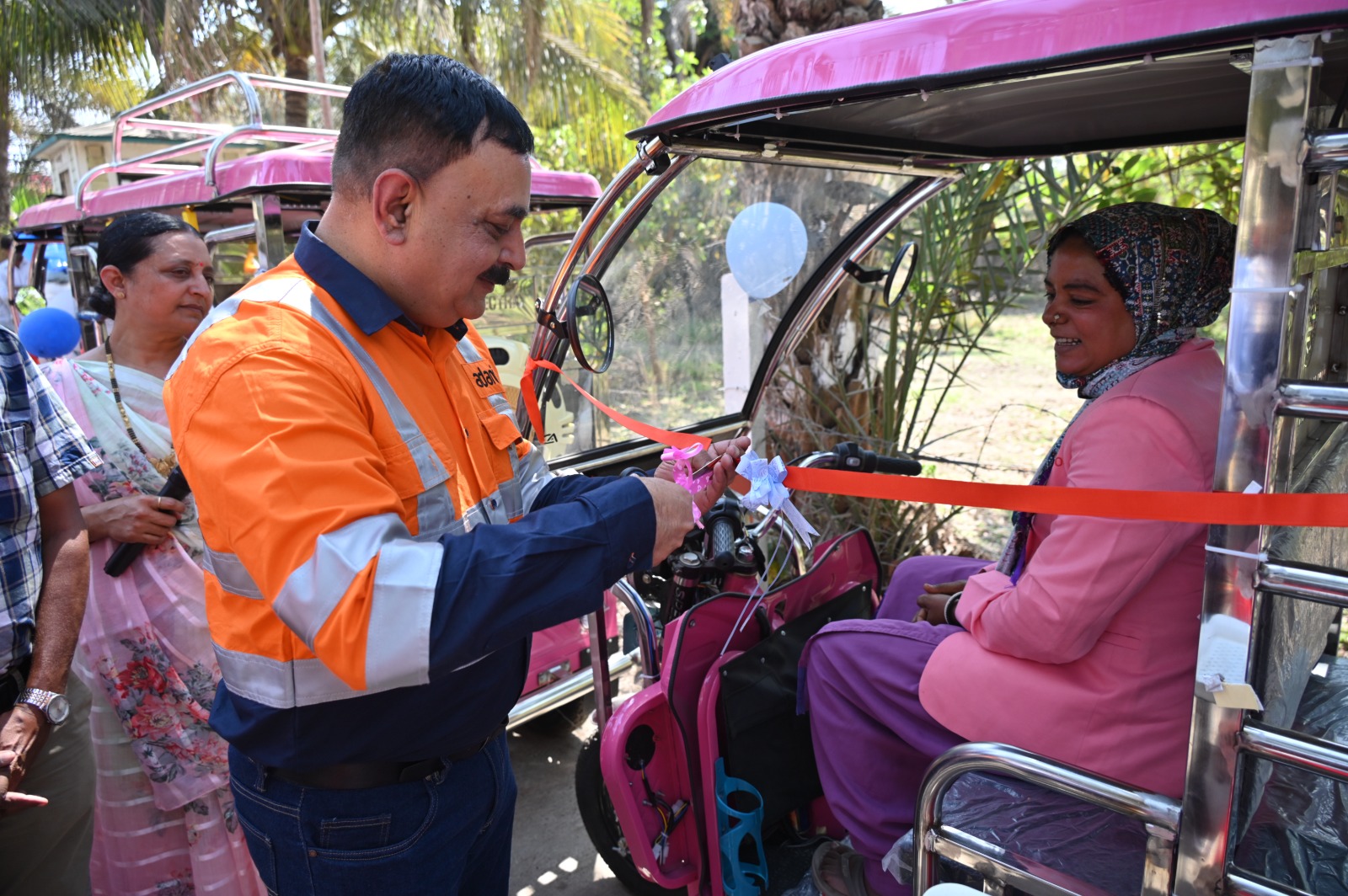
    Ambuja Cements, the ninth-largest building materials solutions provider globally and part of the Adani Portfolio, has handed over electric auto-rickshaws to 10 women from Self-Help Groups (SHGs) in the Kodinar region of Gujarat, opening a new chapter in rural women empowerment and self-employment on International Women’s Day.

    The handover ceremony was held at Ambujanagar, marking the culmination of a structured skilling and financing initiative designed to equip women with both the capability and capital to operate independent transport businesses.

    Women associated with Sorath Mahila Vikas Sahakari Mandali and local SHGs underwent two months of specialised e-auto driving training at the Skill and Entrepreneurship Development Institute (SEDI), Ambujanagar. The programme focused on building safe driving skills and operational confidence among participants.

    Following training, participants purchased the e-autos with extended loan support from Sorath Mahila Vikas Sahakari Mandali, ensuring financial access remained no barrier to ownership.

    The trained women will operate e-autos in and around Kodinar, providing passenger transport services and ferrying school-going children — addressing a critical rural mobility gap while generating sustainable household income.

    Ambuja Cements officials, present at the handover, encouraged the women to embrace their self-employment journey, reaffirming the company’s commitment to income-generating opportunities for women in underserved rural communities.

    The initiative reflects Ambuja Cements’ wider strategy of linking skill development with livelihood creation, particularly for women in regions surrounding its plant operations. The company’s SEDI centres across India have trained thousands of rural youth and women in vocational skills since inception.

    The e-auto programme aligns with India’s broader push for electric mobility adoption in rural areas and dovetails with national priorities around women-led development and the SHG movement under the National Rural Livelihoods Mission.