Tag: WomenEmpowerment

  • Empowering women through Ambuja Cements turmeric cultivation

    Empowering women through Ambuja Cements turmeric cultivation

    In the sun-baked villages of Chhattisgarh, where the earth cracks under the weight of relentless summers, a quiet revolution is blooming in shades of yellow. For Sunita Yadav, a 38-year-old mother of three, the spice that once dusted her kitchen shelves has become the key to unlocking a future her family never dreamed possible—thanks to the transformative Ambuja Cements turmeric cultivation initiative.

    Two years ago, Yadav was among 151 women from 11 remote hamlets, huddled in self-help groups (SHGs) that scraped by on subsistence farming. “We grew what the soil gave us—barely enough to eat,” she recalls, her calloused hands cradling a fistful of vibrant turmeric rhizomes. That changed in 2022-23, when Ambuja Cements—the ninth-largest global building materials giant and a pillar of the Adani Portfolio—launched its groundbreaking Ambuja Cements turmeric cultivation program as part of its CSR efforts to bolster rural livelihoods through sustainable agriculture.

    With hands-on training in scientific methods tailored for Ambuja Cements turmeric cultivation, the women chose the hardy Salem variety and sowed 20 quintals of seeds across four acres. Raised-bed planting, organic manuring, and mulching weren’t just techniques; they were lifelines under the Ambuja Cements turmeric cultivation framework. The harvest? A staggering 3.7-fold yield surge, netting over Rs 2.66 lakh in their debut season. “It was like the gods smiled on our fields,” Yadav says, eyes lighting up. “For the first time, I had money to send my daughters to school without borrowing—all from embracing Ambuja Cements turmeric cultivation.”

    Word spread faster than monsoon rains. By 2023-24, the Ambuja Cements turmeric cultivation initiative swelled to 261 SHG women, who tilled eight acres and birthed a community seed bank—a grassroots exchange ensuring quality rhizomes stayed local and affordable. They reaped 10,100 kilograms of turmeric, pocketing a collective Rs 5.05 lakh . “We weren’t just farmers anymore,” adds Rukmini Sahu, a 42-year-old group leader. “We were entrepreneurs, trading our sweat for seeds of tomorrow, powered by Ambuja Cements turmeric cultivation.”

    This year, in 2024-25, the Ambuja Cements turmeric cultivation tide has crested with 313 women on board, fortified by better organic inputs and expert guidance from Ambuja’s teams. Their coffers now brim with over 3,100 kilograms of seeds—2,100 kilograms earmarked for sale to lure newcomers into the fold, while 7,500 kilograms sustain households through lean times. It’s a self-reinforcing cycle: Ambuja Cements turmeric cultivation fueling financial independence, one rhizome at a time.

    Ambuja Cements’ Ambuja Cements turmeric cultivation push underscores a broader vow to women-led entrepreneurship in Chhattisgarh, blending continuous training with enterprise development to weave inclusive rural growth into the fabric of Adani’s diversified empire. For these SHG trailblazers, the golden root isn’t just a crop—it’s a testament to resilience, turning parched plots into plots of prosperity through Ambuja Cements turmeric cultivation.
  • Rural Skill India Centre unveiled in UP to boost electronics, IT skilling

    Rural Skill India Centre unveiled in UP to boost electronics, IT skilling

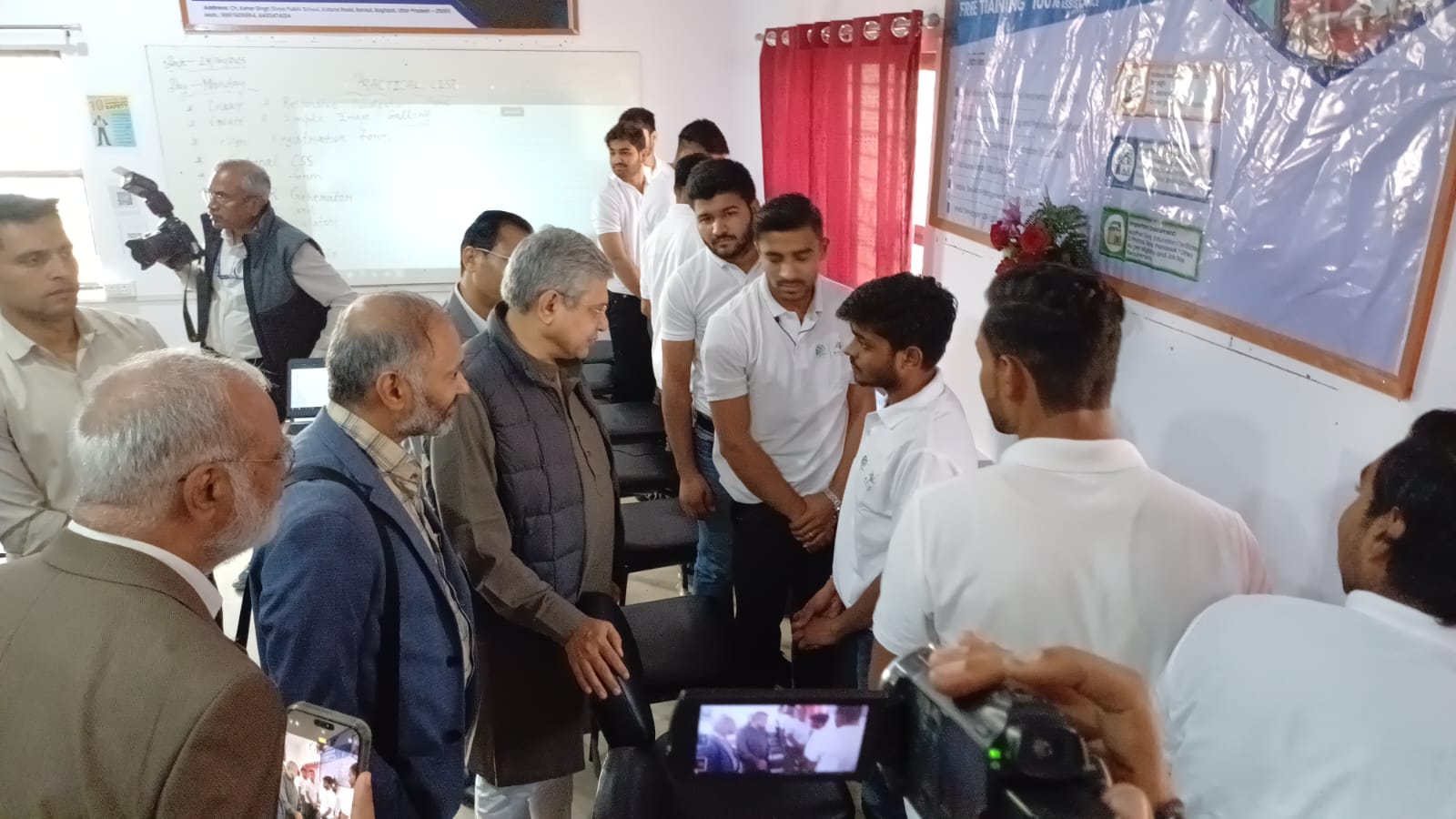
    Union Minister for Electronics and Information Technology Ashwini Vaishnaw and Minister of State for Skill Development and Entrepreneurship Jayant Chaudhary on Monday inaugurated a new Skill India Centre (SIC) in Baraut, Baghpat district, Uttar Pradesh, targeting rural youth and women with training in electronics and IT-ITeS sectors.

    The centre, set up by the National Skill Development Corporation (NSDC) in partnership with Redington Foundation, aims to train around 600 candidates from the underprivileged sections of Baraut and neighbouring Chhaprauli blocks.

    A hub-and-spoke model will operate with the main facility in Baraut and a spoke centre in Chhaprauli to extend last-mile access.

    “This initiative strengthens the government’s mission of building a technologically empowered workforce that can support India’s expanding digital and electronics ecosystem,” Vaishnaw said at the inauguration.

    “When quality skilling reaches rural districts, it unlocks aspirations and accelerates social transformation.”

    Jayant Chaudhary highlighted the broader socio-economic impact, stating, “Skilling is not just about employment—it is about dignity, mobility, and confidence. This centre will become a gateway of new possibilities for young people in the region.”

    The curriculum focuses on high-demand areas in electronics manufacturing and IT-enabled services, aligning with national priorities under the Skill India and Digital India programmes.

    Redington Foundation’s Global Chief Sustainability Officer R. Venkatesh said the partnership “reaffirms our commitment to unlock impact by equipping rural and underprivileged youth with future-ready, job-oriented skills” in advanced electronics and IT domains.

    Early results from the collaboration are encouraging: 72 candidates from Baghpat trained under Redington Foundation’s CSR programme have already secured placements in reputed organisations.

    The Baraut centre is part of a wider push to expand skilling infrastructure in rural Uttar Pradesh and bridge the urban-rural digital divide through industry-aligned training and employment linkages.

  • HCLFoundation-TNSDC partnership to deliver digital skills training to 2,500 rural youth

    HCLFoundation-TNSDC partnership to deliver digital skills training to 2,500 rural youth

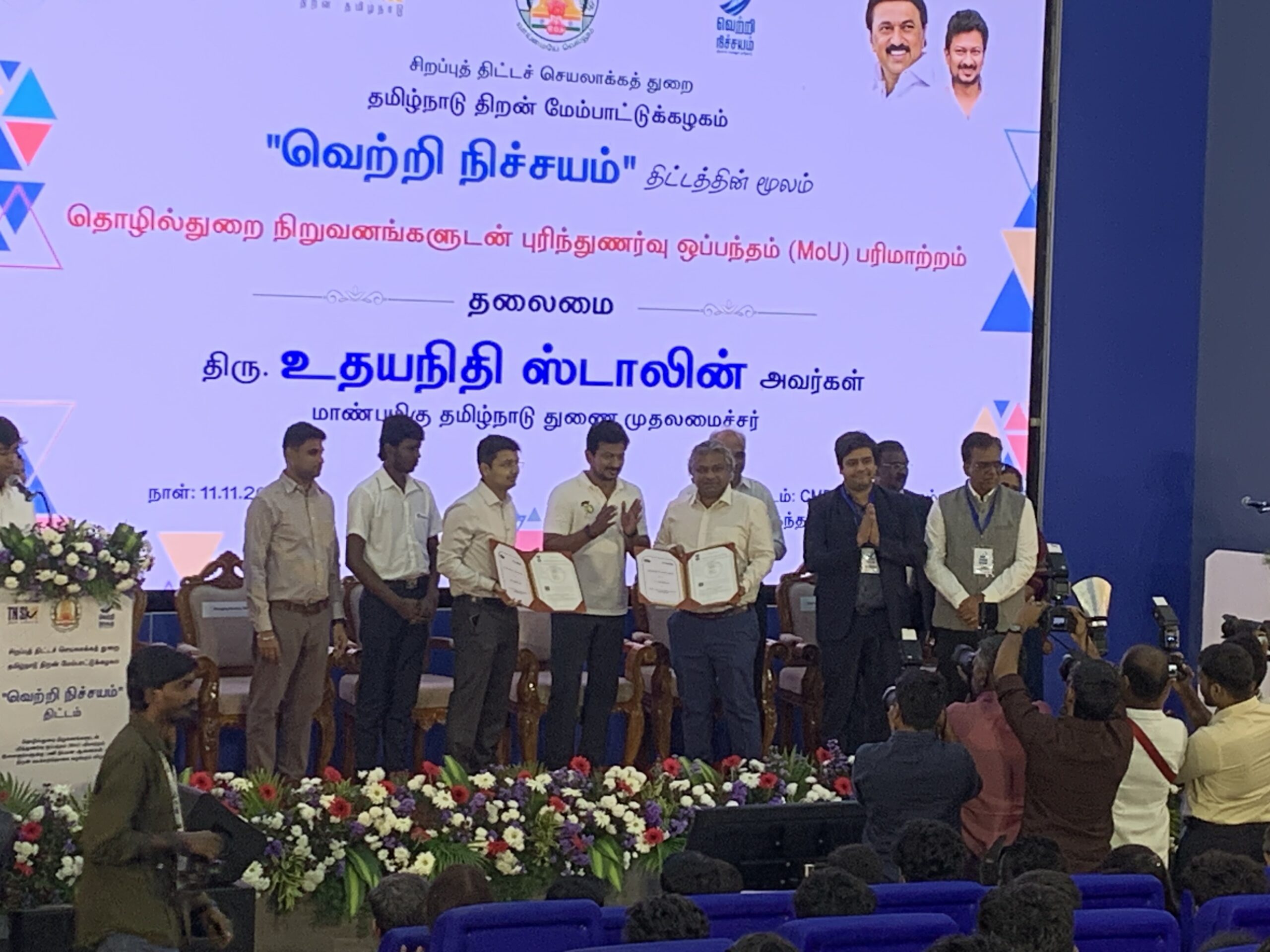
    HCLFoundation, the corporate social responsibility arm of HCLTech, has signed a memorandum of understanding with the Tamil Nadu Skill Development Corporation to deliver digital skills training to 2,500 rural youth over the next three years.

    The digital skills training programme targets youth in the Vilathikulam and Pudur blocks of Thoothukudi district, covering 95 village panchayats. It includes setting up micro workspaces at block headquarters to support remote jobs in information technology and IT-enabled services, with a placement tracking system to monitor outcomes.

    The initiative falls under TNSDC’s “Vetri Nichayam” scheme, which offers digital skills training and job placement for unemployed people aged 18-35.

    “This MoU with HCLFoundation is a proactive step to equip local youth with the digital skills training needed to participate meaningfully in the district’s evolving economic landscape,” Kranthi Kumar Pati, TNSDC managing director, said in a statement.

    The digital skills training programme aims to curb rural-to-urban migration by creating local employment and to boost women’s participation in sectors including IT, logistics and finance, officials said.

    Thoothukudi is developing as an industrial centre in Tamil Nadu, and the digital skills training addresses educated unemployment in rural areas, said Alok Varma, HCLFoundation project director.

    HCLTech is a global technology services firm based in Noida, India.

  • Indus Towers Digital Van trains 136,525 in seven states

    Indus Towers, one of the world’s largest telecom infrastructure companies, said its Digital Transformation Van (DTV) has provided digital literacy training to 136,525 people from underserved communities across seven states as the country marks 10 years of its Digital India initiative.

    The mobile Digital Transformation Van, part of Indus Towers’ flagship Corporate Social Responsibility program ‘Saksham’, has reached rural and urban slum communities in Delhi, Uttarakhand, Madhya Pradesh, Maharashtra, Jharkhand, Chhattisgarh and Odisha, the company said in a statement.

    Launched in 2018 as the DigiShiksha initiative, the Digital Transformation Van program empowers youth, women, senior citizens and farmers with digital literacy, IT skills, cybersecurity awareness and financial education, aligning with the government’s Digital India Mission, according to the announcement.

    “Indus Towers’ DTV is a commitment to inclusive growth and a belief that technology can be a powerful equalizer,” said Neeti Wahi, Chief Digital and Information Officer at Indus Towers. “It is heartening to see over half of our beneficiaries are women.”

    The solar-powered Digital Transformation Van provides free doorstep digital education and public services through a 21-seater mobile classroom equipped with high-speed internet, modern computers, printers and e-learning tools, the company said.

    The Digital Transformation Van initiative is implemented by NIIT Foundation, with expert trainers conducting community awareness sessions on digital safety, environmental conservation and waste management for school children aged 12 and above, women, farmers and senior citizens, according to the statement.

    The Digital Transformation Van program represents Indus Towers’ approach to reaching communities where digital infrastructure and literacy gaps are most pronounced, customizing offerings based on local needs rather than relying on static training centers, the company said.

    Indus Towers operates 256,074 telecom towers across all 22 telecom circles in India, making it one of the country’s largest tower infrastructure providers, according to company information.