Tag: VocationalTraining

  • Ambuja Foundation hosts dialogue on empowering skill building for Viksit Bharat

    Ambuja Foundation hosts dialogue on empowering skill building for Viksit Bharat

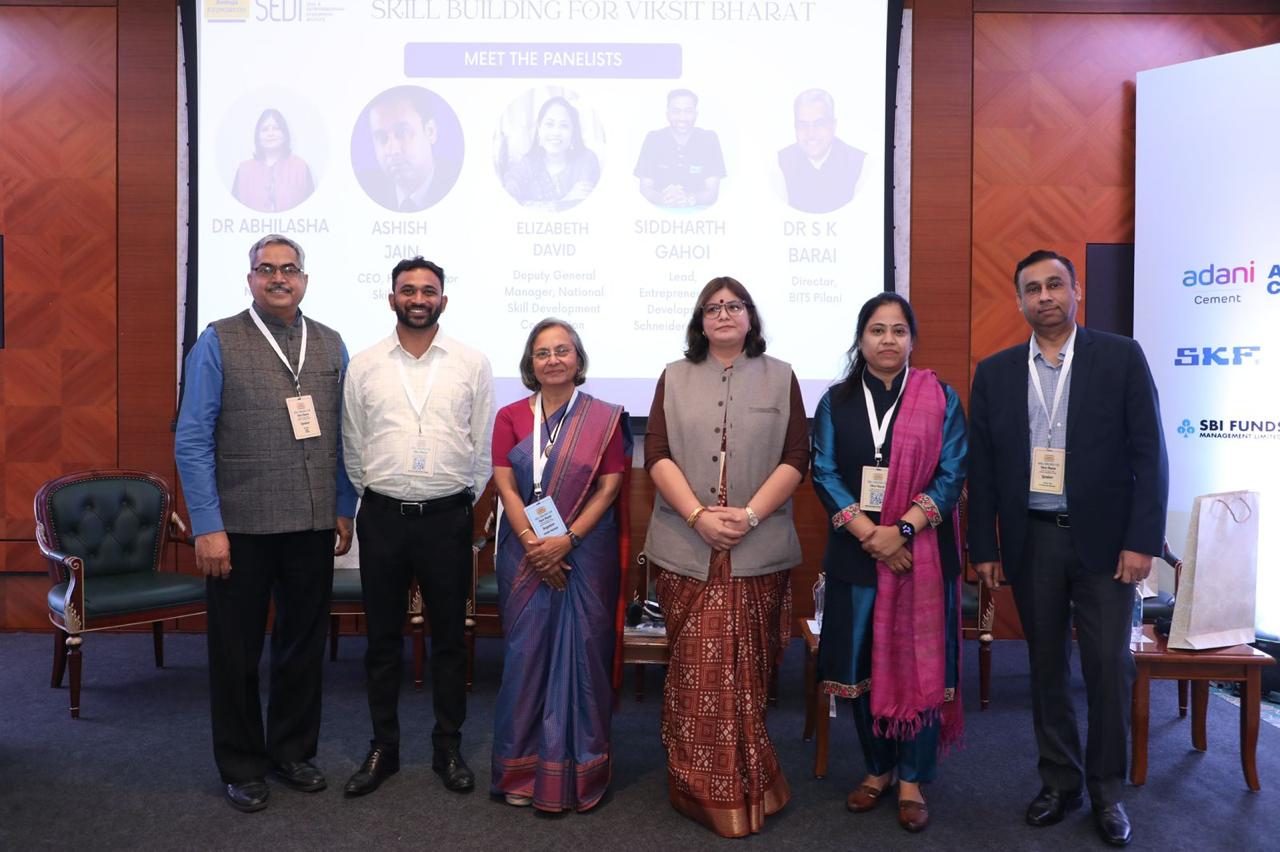
    Ambuja Foundation, an independent pan-India social development group focused on rural transformation, convened an open dialogue on empowering skill building for Viksit Bharat at Bharat Mandapam here on Thursday.

    The event drew over 150 stakeholders, including government officials, global academics, industry leaders and on-ground practitioners, to explore how skill building can reshape tomorrow’s workforce and boost India’s economic trajectory.

    Keynote speakers, among them Dr Rashmi Singh, secretary for women and child development and art, culture and languages in the New Delhi government; Raman Wadhwa, deputy director of the Deendayal Antyodaya Yojana under India’s National Rural Livelihoods Mission; and Col Gunjan Chowdhary, director of the National Council for Vocational Education and Training, outlined national skilling initiatives, access to opportunities and the need for cross-sector collaboration to realise Viksit Bharat.

    Swiss vocational education expert Urs Keller highlighted his country’s dual system, where two-thirds of training occurs on the job and nearly 66% of youth pursue vocational paths, backed by strong parental support and career guidance.

    Two panel discussions followed: one on corporate, agency and academic investments in skill building strategies; the other on industry leaders’ views of evolving sector needs and partnerships between government, business and academia.

    Attendees heard success stories from two graduates of Ambuja’s Skill and Entrepreneurship Development Institutes (SEDI), which have trained 1.34 million rural youth across 51 centres in 13 states for sustainable livelihoods. The event also launched a report on SEDI’s impact.

    “These discussions reaffirm our conviction that skill building will lead the path to Viksit Bharat,” said Pearl Tiwari, CEO of Ambuja Foundation. “Empowering individuals from disadvantaged backgrounds demands collaboration among social organisations, corporates and government for systemic change.”
  • Amara Raja Skill Centre in Mahabubnagar achieves 98.85% placement rate for first batch

    Amara Raja Skill Centre in Mahabubnagar achieves 98.85% placement rate for first batch

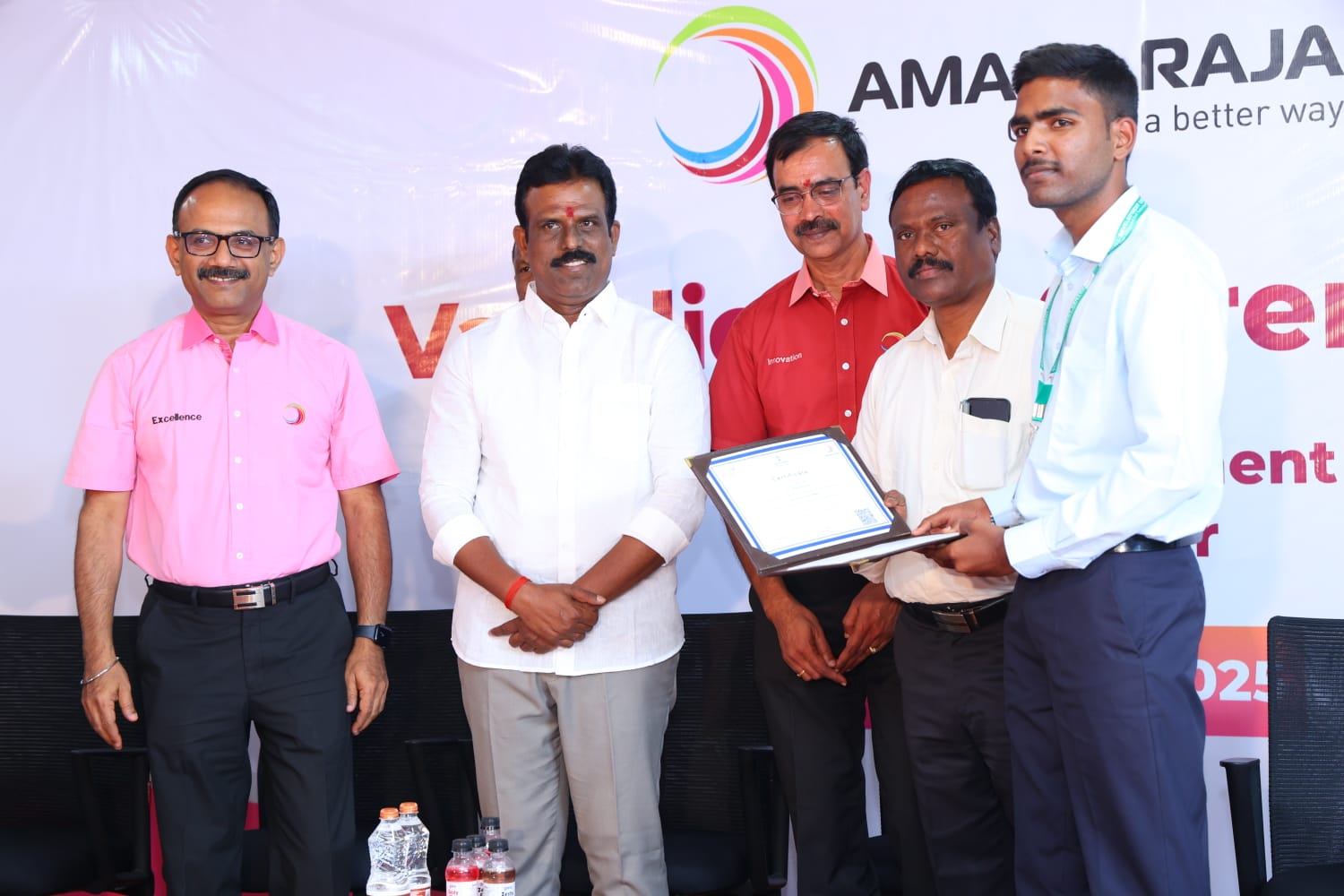
    The Amara Raja Skill Development Centre (ARSDC), a joint initiative of Amara Raja Advanced Cell Technologies and the Rajanna Foundation, marked a significant achievement on Tuesday with the valedictory of its inaugural batch, where 98 trainees from local villages secured placements in key industries at a near-perfect rate of 98.85%.

    Inaugurated on August 10 this year in partnership with the Electronics Sector Skills Council of India (ESSCI), the centre targeted underprivileged youth who had completed Class 10 or 12, selecting the cohort through a competitive screening process.

    The three-month programme offered free vocational training in high-growth areas such as heating, ventilation and air conditioning (HVAC), domestic and industrial electricals, electric vehicle service and repair (EVSR), and EV battery pack assembly. It combined theoretical classes, lab sessions and on-site practicals, culminating in NCVET-recognised certifications that enhance employability.

    The event drew prominent attendees, including Devarakadra MLA Madhusudan Reddy, District Collector Viziendira Boyi and TGIIC Vice-Chairman and Managing Director K Shashanka, alongside Amara Raja Group’s senior leadership.

    For many graduates from low-income families, the placements—offering stable salaries in leading firms—represent their first formal jobs, alleviating economic distress and stemming rural-to-urban migration.

    The centre’s model, which included complimentary transport and meals, addressed longstanding barriers to skill acquisition in Mahabubnagar, a district poised for industrial expansion with the upcoming Giga Corridor. Officials highlighted how such interventions could catalyse local development, with the second batch slated to commence on December 15.

    As India’s push for skilling gains momentum amid the green energy transition, ARSDC exemplifies the potential of targeted CSR efforts to build a resilient workforce, one certification at a time.