Tag: #ViksitBharat

  • VISL skilling initiatives transform 1 lakh lives in India

    VISL skilling initiatives transform 1 lakh lives in India

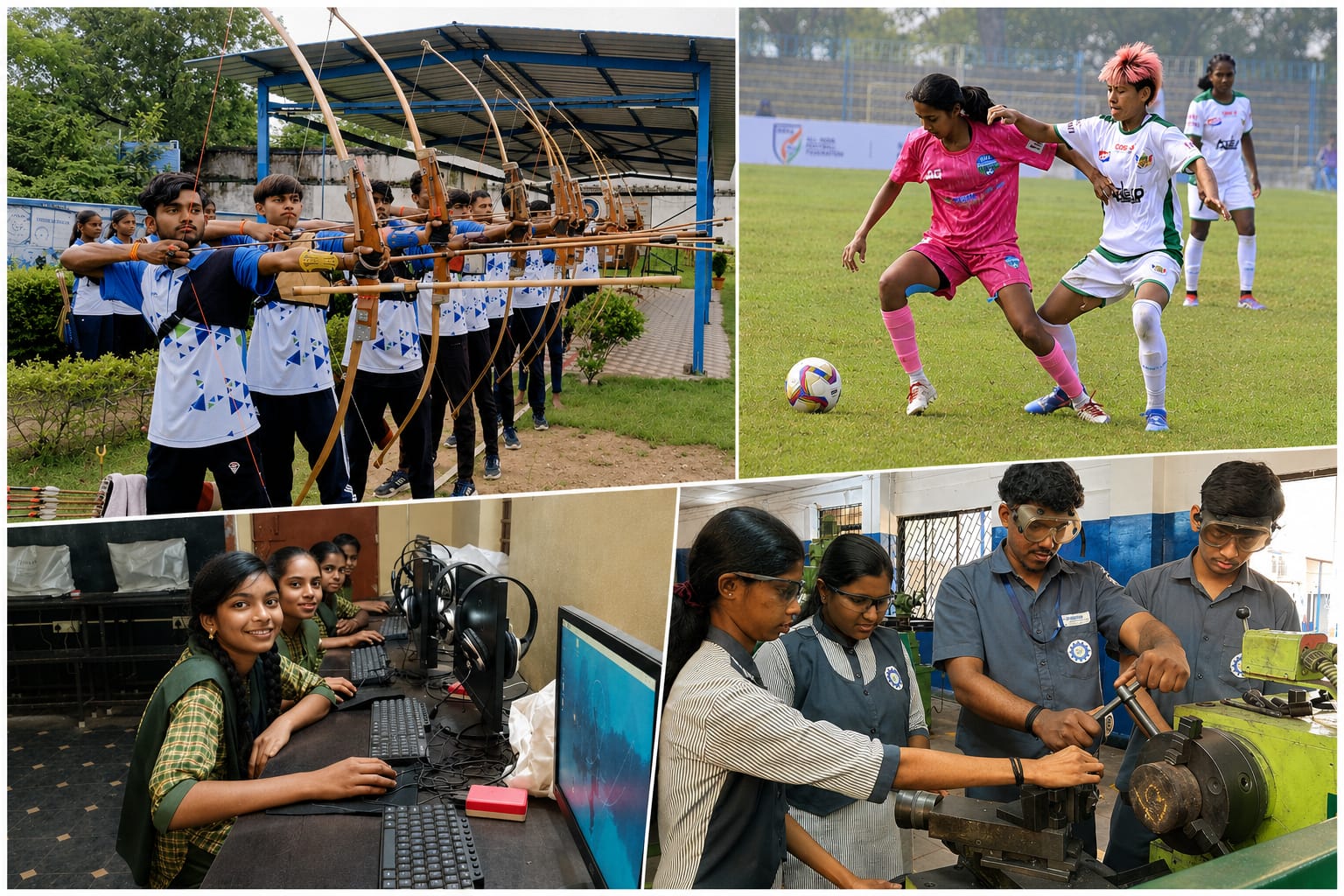
    Vedanta Iron and Steel Limited (VISL) said on World Youth Skills Day that its skilling programmes have reached more than 100,000 people across India, as part of a broader push to build a future-ready workforce through technical education, digital learning, entrepreneurship and sports development.

    The VISL Skilling Initiatives, aligned with this year’s World Youth Skills Day theme of “Skills for a Shared Future,” span operations in Goa, Jharkhand, Maharashtra, Karnataka and Odisha, the company said.

    In Goa, the Sesa Technical School has trained more than 2,100 youth over three decades with a near 100% placement record, the company said, adding that the programme places particular emphasis on encouraging girls to pursue technical training. In Bokaro, the Vedanta ESL Skill School has trained over 700 youth since 2022 in trades including solar photovoltaic installation and home appliance repair, with more than 400 placed in formal sector jobs.

    The company also operates 25 Vedanta Computer Centres and Computer Labs across Goa, Maharashtra and Karnataka, alongside learning hubs under Project AAS Vidyalaya in rural Jharkhand. Combined, the digital literacy initiatives have benefited more than 80,000 students and young people, the company said.

    “The youth of our Nation are the driving force behind India’s growth story, and investing in their skills is an investment in the nation’s future,” said Pankaj Kumar Sharma, Chief Executive Officer of VISL.

    “At VISL, our approach to skilling goes beyond employment by enabling aspiration, nurturing potential and creating pathways to long-term socio-economic progress,” he said in a statement.

    Sports development remains a core pillar of the company’s youth outreach. The Sesa Football Academy in Goa has produced over 230 graduates through its residential training programme, including 14 international players, while engaging more than 8,000 young footballers through grassroots initiatives.

    Its men’s and women’s teams compete in national leagues including I-League3 and the Indian Women’s League. Separately, the Vedanta ESL Archery Academy in Bokaro has trained more than 50 young archers who have collectively won over 200 medals at district, state and national competitions.

    On women’s economic empowerment, the company’s Project JIVIKA has supported more than 280 self-help groups and benefited nearly 4,000 women across five states through vocational training in tailoring, handicrafts, mushroom farming and footwear manufacturing.

    VISL operates iron ore and steelmaking assets across India and Liberia, including Sesa Iron Ore, ESL Steel Limited and Western Cluster Limited, alongside associated industrial businesses.

  • Maruti Suzuki signs Gujarat MoU for five ITI labs

    Maruti Suzuki signs Gujarat MoU for five ITI labs

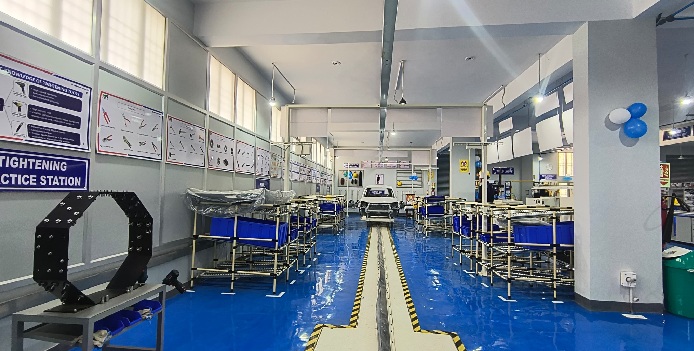
    Maruti Suzuki India Limited has signed a Memorandum of Understanding with the Directorate of Employment and Training (DET), Government of Gujarat, to establish Advanced Manufacturing Labs (AMLs) at Industrial Training Institutes in Palanpur, Bhavnagar, Surendranagar, Godhra, and Dahod, the company announced.

    The initiative, developed under Maruti Suzuki’s Corporate Social Responsibility program, is aligned with the Government of India’s Skill India mission and aims to build a future-ready automotive workforce across the state.

    The Advanced Manufacturing Labs replicate real-world shop-floor conditions and provide hands-on training in assembly, welding, painting, machining, mechatronics, and industrial safety — areas directly relevant to modern automotive manufacturing.

    EXPANDING MANUFACTURING FOOTPRINT

    The Skill India push in Gujarat coincides with a significant expansion of Maruti Suzuki’s manufacturing operations in the state. The company is set to commission a fourth production line at its Hansalpur facility this year, raising total annual capacity there from 750,000 units to 1 million units.

    In addition, Maruti Suzuki is constructing a new plant at Sanand with a capacity of 1 million units annually. Once operational, the company’s combined annual production capacity in Gujarat will reach 2 million units.

    EXECUTIVES SPEAK

    Rahul Bharti, Senior Executive Officer, Corporate Affairs, Maruti Suzuki India Limited, said the company’s Skill India alignment was central to creating livelihood opportunities for young people.

    “Through Advanced Manufacturing Labs, we are equipping students with experiential learning and confidence in modern equipment, nurturing professionals who can seamlessly integrate into the evolving automotive ecosystem,” Bharti said.

    He added that each manufacturing expansion brought with it a demand for skilled, job-ready talent, and that the AMLs were designed to meet that need directly.

    Ms. Stuti Charan, IAS, Director, DET, Government of Gujarat, said the initiative bridges a longstanding gap between classroom instruction and industry expectations.

    “This initiative will empower our youth and strengthen Gujarat’s position as a hub for the automotive sector, in line with the Prime Minister’s vision of Viksit Bharat and the Chief Minister’s guidance toward Viksit Gujarat 2047,” Charan said.

    NATIONAL SCALE

    Maruti Suzuki currently supports 31 ITIs across India in manufacturing-related trades. The company has established 18 AMLs nationwide to date. With the five new Gujarat labs, the total will rise to 23 AMLs operating across seven states and union territories — Gujarat, Haryana, Uttar Pradesh, Bihar, Madhya Pradesh, Punjab, and Chandigarh.

    The company also operates four Japan-India Institutes for Manufacturing in Gujarat, at Mehsana and Gandhinagar, and in Haryana, at Manesar and Sonipat. The institutes were established as a bilateral initiative between the Governments of India and Japan to develop a skilled manufacturing workforce.

  • IFAD launches transformative India rural development roadmap worth USD 4.2 billion

    IFAD launches transformative India rural development roadmap worth USD 4.2 billion

    The International Fund for Agricultural Development (IFAD) and the Government of India have launched a transformative eight-year rural development strategy, committing to scale investment, strengthen climate resilience and accelerate inclusive agricultural growth across the country’s vast rural economies.

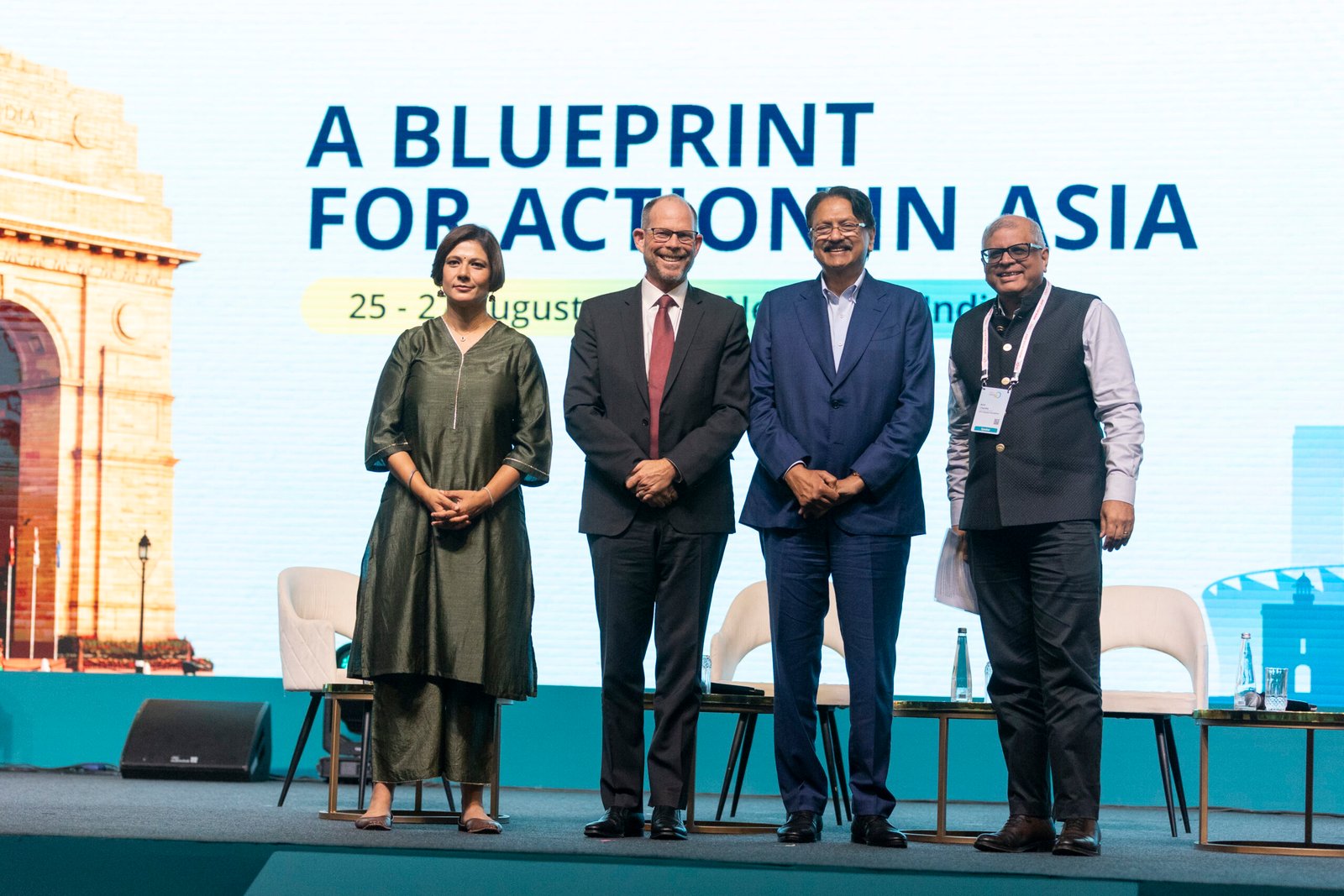
    The new Country Strategic Opportunities Programme (COSOP) 2026–2033 was unveiled at the IFAD–India Partnership for Rural Prosperity event held at Bharat Mandapam in New Delhi on April 12, bringing together senior government representatives, IFAD leadership, development partners and private sector actors.

    The strategy sets two core objectives: enhancing the social, economic and climatic resilience of rural communities; and strengthening knowledge systems to scale proven models domestically and share them across the Global South.

    The announcement marks a pivotal expansion of one of IFAD’s largest country partnerships. Across 35 projects, USD 1.36 billion in IFAD financing has mobilised more than twice as much from partners, for a total investment of USD 4.2 billion.

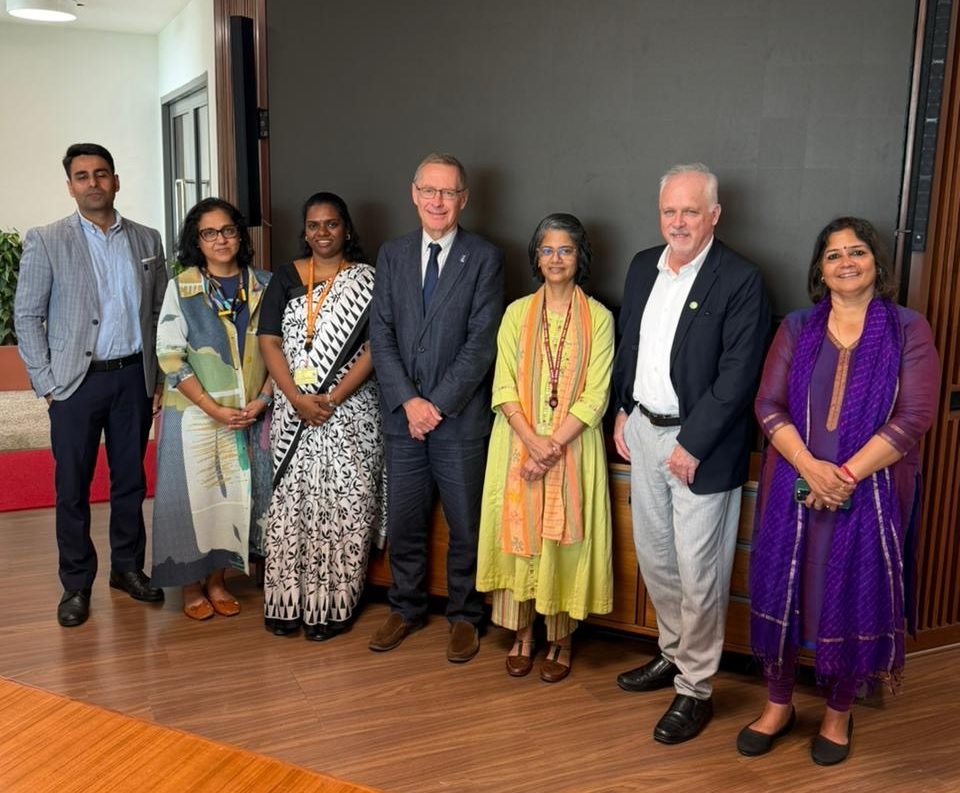
    A senior IFAD delegation led by Associate Vice-President Donal Brown held talks with officials from India’s Ministry of Finance, Ministry of Agriculture and Farmers Welfare, and Ministry of Rural Development. Discussions covered smallholder support, digital agriculture, climate-resilient crops such as millets, and expanding farmer producer organisations.

    Brown said the partnership goes beyond individual projects and focuses on building systems that connect institutions, finance, infrastructure and markets for long-term rural development, IFAD said in a statement.

    The strategy places significant emphasis on strengthening grassroots institutions including self-help groups, farmer producer organisations and cooperatives, expected to play a key role in linking finance, technology, infrastructure and markets.

    On the financing front, IFAD signed a strategic partnership with NABARD on the sidelines of the event to expand rural finance and innovation. NABARD Chairman Shaji K V said the two institutions share a conviction that rural financial systems work best when built from the community up. International Fund for Agricultural Development

    The new strategy also positions India as a knowledge leader in rural development, with plans to share successful models in digital agriculture, inclusive rural finance and climate-resilient value chains with partner countries across Africa, Southeast Asia and Latin America.

    The IFAD delegation also undertook field visits to Meghalaya’s Ri-Bhoi district to review community-led initiatives under the Meghalaya Livelihoods and Access to Markets Project, and held talks with Meghalaya Chief Minister Conrad Sangma and Assam Chief Minister Himanta Biswa Sarma on future agricultural cooperation.

    India and IFAD have partnered for nearly 48 years, financing 35 rural development projects worth approximately USD 4.2 billion, with six ongoing projects focused on market linkages, climate-resilient agriculture and training programmes.

    “India is not only transforming its own rural economy — it is generating solutions that are relevant globally,” said Reehana Raza, IFAD Regional Director for Asia and the Pacific.