Tag: #SustainableAgriculture

  • River lift irrigation empowers 5,700 farmers in Bengal

    River lift irrigation empowers 5,700 farmers in Bengal

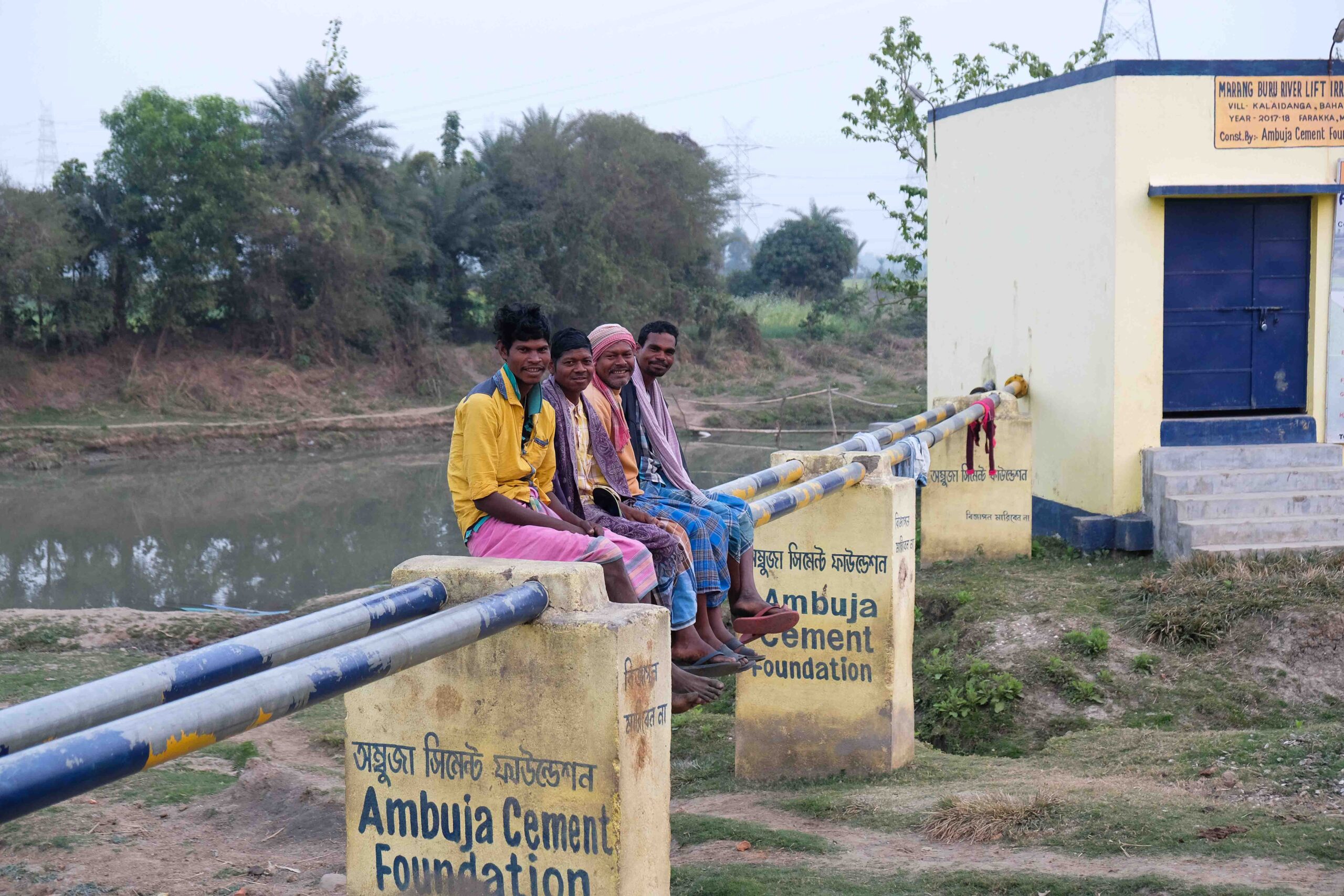
    A River Lift Irrigation initiative led by Ambuja Foundation has transformed farming livelihoods for more than 5,700 farmers across 23 villages in Farakka, Murshidabad district, West Bengal.

    The foundation, working with partners, installed 25 River Lift Irrigation systems covering nearly 747 hectares of farmland, addressing chronic water scarcity that had confined local agriculture to a single crop cycle, the Foundation said in a statement.

    The River Lift Irrigation systems draw water from a nearby river, lift it to higher elevations and distribute it through an underground pipeline network, minimizing land loss and reducing maintenance costs compared with conventional irrigation infrastructure, according to the foundation.

    To sustain the project, Ambuja Foundation established Water User Groups in all 23 villages to manage operations, finances and maintenance, while engaging local pump operators to keep the systems running. The community-led model generates enough revenue to cover operational costs and wages, while building surplus funds for future upkeep, the foundation said.

    The River Lift Irrigation project has lifted cropping intensity in the region from 100% to 250%, while irrigation efficiency has improved by nearly 30%, the foundation said. Farmers who previously grew a single paddy crop are now cultivating Rabi crops such as mustard, wheat and maize, alongside vegetables including cabbage, cauliflower, potato and tomato, enabling two to three harvests a year.

    The economic impact has been significant. Average annual income per acre in the project area has risen to between 80,000 rupees and 150,000 rupees, from 25,000-30,000 rupees before the systems were installed, marking more than a twofold increase, the foundation said. Agricultural land values in the area have also climbed by nearly 20%, strengthening household assets.

    “Ambuja Foundation is committed to bring a meaningful change in rural India. Therefore, we supported rural communities in Farakka with River Lift Irrigation systems which allow families to secure sustainable livelihoods within their own villages,” said Chandrakant Kumbhani, CEO of Ambuja Foundation.

    “We look forward to collaborating on more projects under our sustainable agriculture program to strengthen and support rural communities on their journey toward economic resilience.”

    The initiative forms part of Ambuja Foundation’s broader sustainable agriculture program aimed at improving rural incomes and water resource management across India.

  • Chouhan urges industry to boost CSR in agriculture

    Chouhan urges industry to boost CSR in agriculture

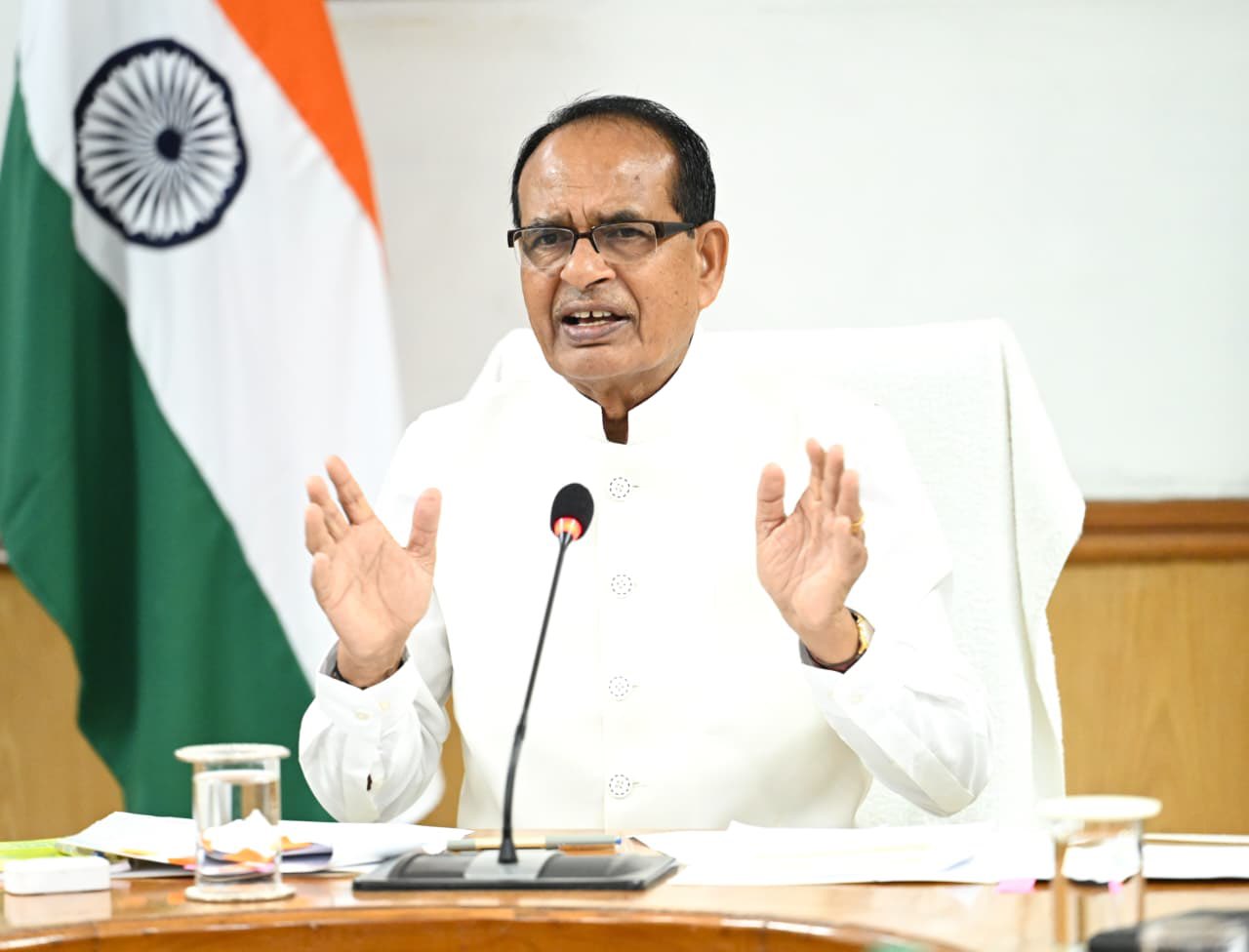
    Union Agriculture Minister Shivraj Singh Chouhan on Wednesday urged Indian corporations to expand CSR in agriculture, calling on industry leaders to channel a share of their profits into farmer welfare, rural development and agricultural research.

    Speaking at the CSR Conclave 2026, organised by the Indian Council of Agricultural Research (ICAR) in New Delhi, Chouhan said companies have a duty to act as “trustees” of national wealth rather than mere profit-makers, invoking Mahatma Gandhi’s philosophy of trusteeship.

    “While the nation provides opportunities for growth, it is the responsibility of industry to become an active partner in nation-building,” Chouhan said, adding that research must move beyond laboratories to directly benefit farmers.

    The minister strongly urged companies to prioritise climate-resilient farming, soil health, nutrition-secure food systems, and skill development for rural youth and women. He cited jute-processing technology as an example of innovation that needs faster commercialisation with private-sector backing.

    Chouhan also urged support for agri-tech startups, drone-pilot training, and women-led initiatives such as “Drone Didi,” describing rural women’s self-help groups as central to the next wave of agricultural entrepreneurship.

    While Indian law mandates that companies spend 2% of profits on CSR, Chouhan said the obligation should be viewed as a moral commitment rather than a legal formality. “True life belongs to the one who gives life to others,” he said.

    The event at the Bharat Ratna C. Subramaniam Auditorium was also attended by Ministers of State Ramnath Thakur and Bhagirath Choudhary, alongside senior ICAR officials and corporate representatives.

  • Coromandel, IICARE launch Jawali watershed plan in Maharasthra

    Coromandel, IICARE launch Jawali watershed plan in Maharasthra

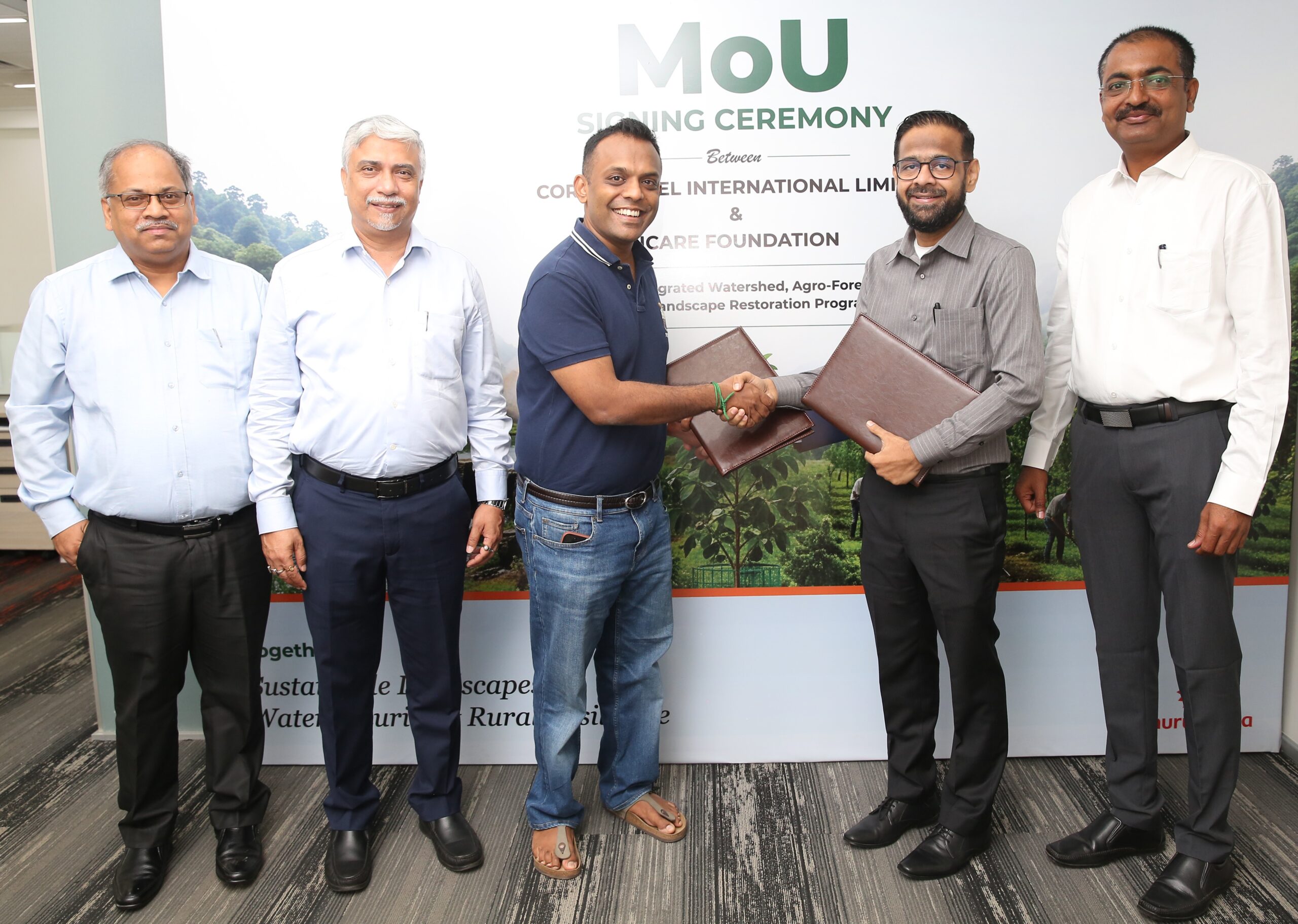
    Coromandel International Limited, one of India’s leading agri-solutions companies, has signed a Memorandum of Understanding with IICARE Foundation, a not-for-profit working on ecological restoration and climate resilience, to launch the landmark Jawali Watershed programme in Phaltan taluka, Satara district, Maharashtra.

    The agreement, announced on Tuesday, covers an integrated watershed, agro-forestry, nursery and landscape restoration initiative.

    The companies said the partnership would build a scientifically designed, community-driven and scalable model for sustainable land management, combining watershed development, agro-forestry, nursery planning and ecological restoration under one programme.

    Under the deal, IICARE Foundation will act as the lead implementation partner, coordinating with local communities, farmer groups, government bodies and technical agencies, the company said in a statement.

    Coromandel will contribute expertise in agronomy, soil and nutrient management, crop suitability, nursery design and watershed interventions, supporting the Jawali Watershed effort with scientific and strategic input.

    The programme will roll out in phases. The first stage involves site validation, soil and water assessments, contour studies, nursery planning and a detailed project report.

    Later phases will include pilot projects, nursery establishment, soil and water conservation structures, native plantations, agro-forestry demonstrations and farmer training, building toward a replicable, large-scale restoration model.

    Organisers said the initiative would follow a “nursery-first” and “pilot-to-scale” strategy, prioritising native and mixed-species plantations, groundwater recharge, soil health and long-term community stewardship.

    Performance will be tracked through indicators such as area restored, sapling survival rates, species diversity, water conservation and farmer participation.

    “This collaboration reflects Coromandel’s commitment to advancing sustainable agriculture and strengthening the resilience of rural ecosystems,” said Narayanan Vellayan, Executive Director – Nutrient Business, Coromandel International Limited.

    “The programme aims to develop a practical and scalable model for restoring degraded landscapes and supporting sustainable livelihoods.”

    Dr Santosh Bhosale, Director, IICARE Foundation, called the Jawali Watershed programme a landmark step bringing together ecological restoration, watershed management and climate-resilient agriculture.

    “Coromandel’s technical capabilities and agricultural expertise will strengthen the programme’s scientific foundation and support a credible model that can be replicated across similar geographies,” he said.

  • Andhra farmers smartly beat El Nino with Direct Seeded Rice (DSR)

    Andhra farmers smartly beat El Nino with Direct Seeded Rice (DSR)

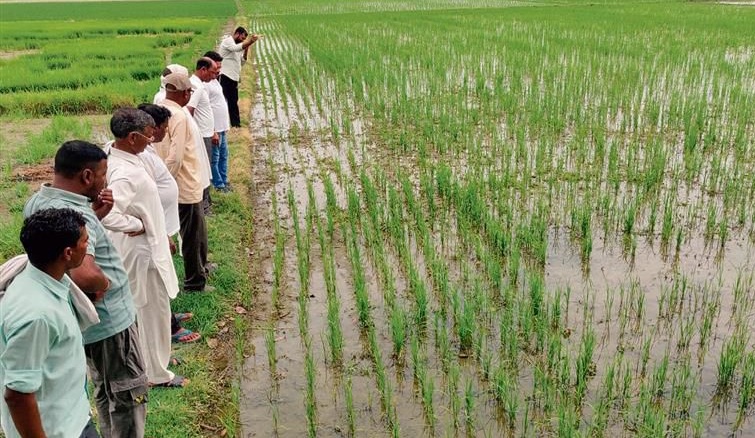
    Majji Satyam has been watching the sky since May. The 52-year-old farmer from JR Puram village in Andhra Pradesh’s Srikakulam district has five acres, two borewells, and a lifetime of growing paddy the way his father did — raise seedlings in a nursery, transplant them into flooded fields, keep the water standing until harvest.

    This kharif season, backed by years of training from the family-owned trust Dr Reddy’s Foundation — one of the beneficiaries of CSR funds of pharma major Dr Reddy’s Laboratories — he is trying something different.

    “Last year, rains had arrived in May itself. This year it has not yet come. I have heard that the rainfall will be less due to El Niño,” Satyam told PTI. “So I have decided to try DSR.”

    DSR — Direct Seeded Rice — skips the nursery entirely. Seeds go straight into the field. No transplantation, no waterlogging, no standing puddles. For a farmer staring down a lean monsoon, it is an attractive proposition.

    Satyam is not alone. Across Srikakulam and Vizianagaram districts, where the Dr Reddy’s Foundation works with farmers in over 1,500 villages covering roughly 10 lakh paddy area as part of the Action for Climate and Environment (ACE) program, a generation of cultivators is being quietly nudged away from water-intensive methods.

    State agricultural departments and Krishi Vighyan Kendras, with whom the foundation works closely, are reinforcing the message — advising farmers to reduce paddy acreage, switch to short-duration crops, or move to pulses and cereals.

    “If El Niño gets severe, we will cultivate paddy for house consumption only,” Satyam said.

    R Sanyas Rao, 50, from the same village, did not wait for a bad year to make the switch. Associated with the Foundation since 2014 — three years before Satyam joined — he tried wet DSR on five acres last kharif and found it worked. Labour costs dropped. Nursery management vanished as a headache. Transplantation costs disappeared.

    This year, Rao is going further: dry DSR on two acres, maize on three. “With borewell facility, I will be able to manage,” he said.

    The numbers make the case bluntly. Conventional paddy cultivation is extraordinarily water guzzling method. DSR and Alternate Wetting and Drying — AWD, a technique where fields are flooded and drained in cycles rather than kept continuously submerged — dramatically cut that demand.

    “Dry DSR method saves around 11-12 lakh litres of water per acre. Wet DSR saves around 4-5.5 lakh litres AWD saves roughly 3-5 lakh litres of water compared to traditional methods,” said Suman Saraswathibatla, Director (Rural Livelihoods and Climate Action) at Dr Reddy’s Foundation.

    Last year, farmers in two districts adopted DSR across 3,667 acres and AWD across 21,963 acres, saving more than 3,000 crore litres of water and reducing over 50,000 tonne equivalent carbon dioxide. With El Nino back in the forecast, those numbers are expected to rise significantly, he said.

    For both techniques to work well, soil moisture must remain consistent in the upper 30–40 cm of the field — a critical condition that shapes when and how farmers decide to sow.

    Being a cyclone and rainfed belt, Srikakulam’s sowing calendar has already changed. Traditionally, paddy went in at the end of June. Over the last three to four years, sowing has shifted to July, with peak transplantation moving to August.

    To bridge the gap, the Foundation has been encouraging farmers to plant short-duration cover crops — black gram, green gram, sesamum — in the May–June window before kharif begins. Green manuring crops like sun hemp and napier help retain soil moisture in the interim.

    Last year, cover crops were grown across 2,372 acres; agro-forestry — mixing timber and fruit plants in coconut orchards — covered 1508 acres. Both are set to expand this season.

    Underlying all of this is a quiet crisis in Srikakulam’s soil health. The foundation through its own state-of-art Hyderabad facility launched in January 2025 is providing soil health test results quickly along with actionable crop advisories.

    Over 5,000 soil health cards were issued last year and the findings are consistent: organic carbon levels are very low. Micronutrients like sulphur, zinc, and boron are deficient. Potash is in excess.

    “Site-specific nutrient management is one of our major interventions this year, especially given the combination of El Nino effects and the fertilizer crunch. We’re pushing hard to bring in as many samples as possible,” Suman said.

    For the past five years, the Foundation has been running awareness campaigns — bulk SMS messages, posters, farm extension meetings — urging farmers to apply fertilisers more precisely, based on what their specific soil actually needs rather than what habit or convenience suggests.

    It is slow work, changing practices that have been handed down across generations. But in a district where water is becoming an annual gamble, farmers like Satyam and Rao are finding that the old ways may no longer be the safest bet.

    “There is more awareness being created to adopt DSR instead of paddy transplantation,” Rao said. “I will decide the sowing operation in July.”

    The monsoon, as ever, will have the final word.

    Source: PTI
  • Syngenta India sponsors 650 motorised tricycles to empower specially abled citizens in Madhya Pradesh

    Syngenta India sponsors 650 motorised tricycles to empower specially abled citizens in Madhya Pradesh

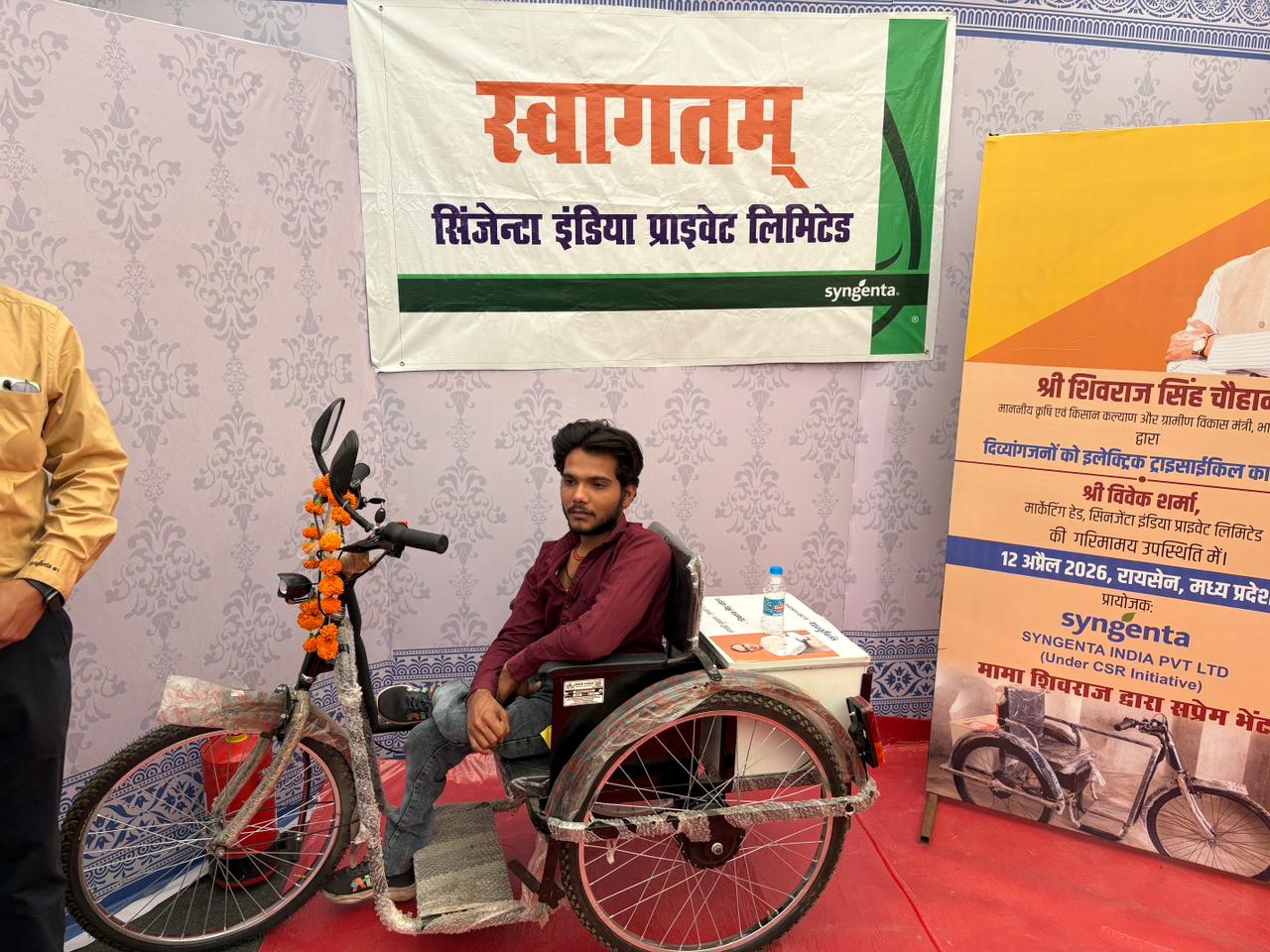
    Agro-innovation company Syngenta India has launched what it called a first-of-its-kind corporate social responsibility initiative, committing to sponsor 650 motorised tricycles for specially abled individuals in Madhya Pradesh, in a move that links agricultural enterprise with disability inclusion.

    The first batch of vehicles was handed over on Sunday by Union Agriculture Minister Shivraj Singh Chouhan at the Unnat Krishi Mahotsav 2026, an agriculture exhibition and conference held in Raisen, Madhya Pradesh, on April 12.

    “Empowering them with mobility is a critical step towards ensuring dignity, inclusion, and self-reliance,” Chouhan said, adding that the government remained committed to addressing the needs of marginalised communities, including the Divyangjan — a Hindi term for persons with disabilities. He singled out the Vidisha region, his parliamentary constituency, as a focus area for broader mobility initiatives.

    Chouhan framed the distribution of motorised tricycles not merely as a mobility intervention but as a pathway to economic participation, saying recipients could use the vehicles as livelihood tools and engage in local rural economies.

    Vivek Sharma, officiating Managing Director and Head of Marketing at Syngenta India, said the initiative was anchored in the company’s sustainability priorities, integrating social inclusion with agricultural advancement. He said the programme aimed to support last-mile connectivity, on-farm engagement and participation in rural enterprises across the agricultural value chain.

    Sharma said Syngenta planned to complement the mobility support with skill development and improved market access, with the stated aim of enabling “long-term transformation at the grassroots.”

    Syngenta India has operated in Madhya Pradesh through several community development programmes, including I RISE, a rural skilling initiative; I CLEAN, a market-access and hygiene awareness programme; and I SAFE, which promotes responsible use of agricultural inputs. At the Raisen exhibition, the company showcased new products and technologies for farmers.