Tag: #RuralDevelopment

  • River lift irrigation empowers 5,700 farmers in Bengal

    River lift irrigation empowers 5,700 farmers in Bengal

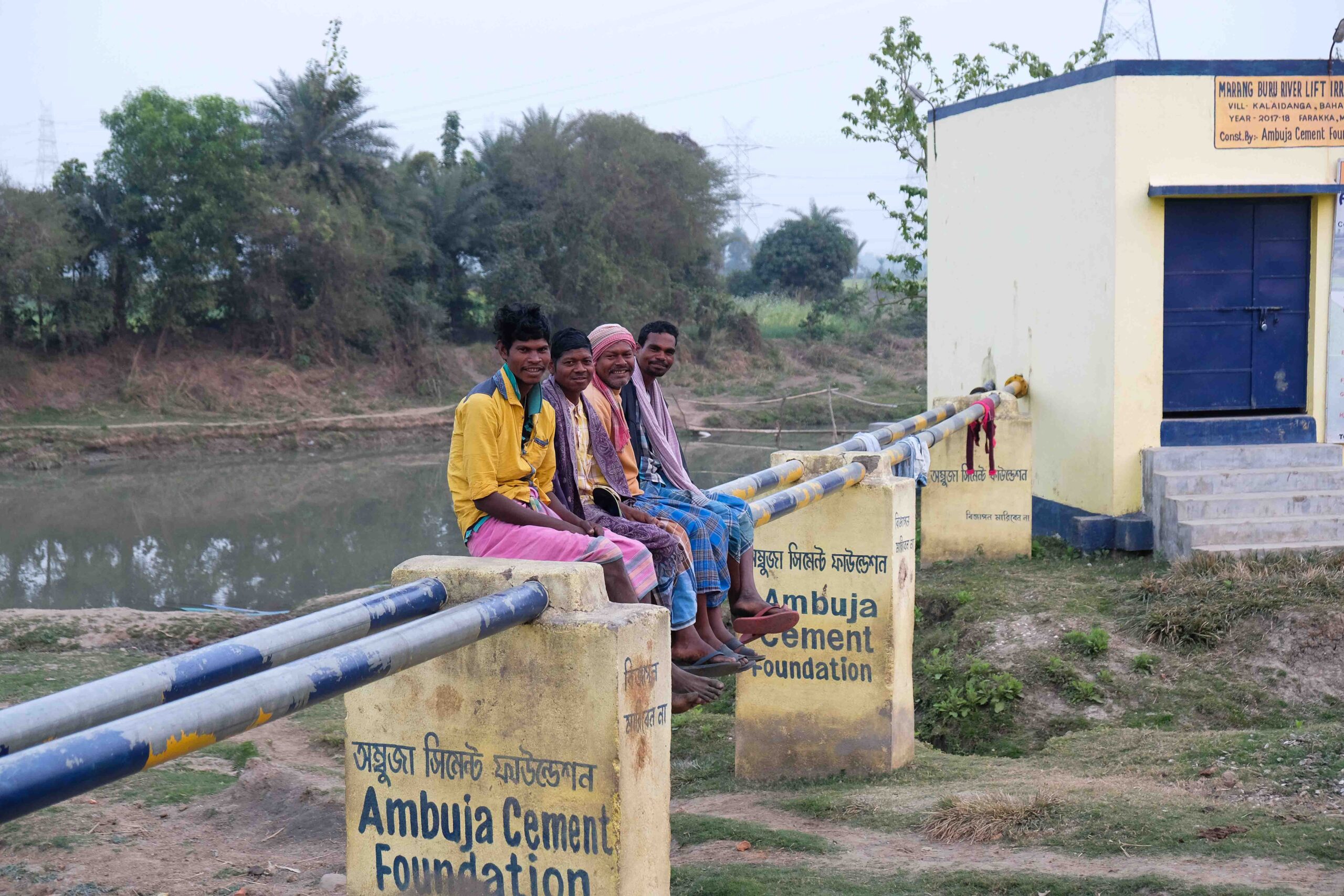
    A River Lift Irrigation initiative led by Ambuja Foundation has transformed farming livelihoods for more than 5,700 farmers across 23 villages in Farakka, Murshidabad district, West Bengal.

    The foundation, working with partners, installed 25 River Lift Irrigation systems covering nearly 747 hectares of farmland, addressing chronic water scarcity that had confined local agriculture to a single crop cycle, the Foundation said in a statement.

    The River Lift Irrigation systems draw water from a nearby river, lift it to higher elevations and distribute it through an underground pipeline network, minimizing land loss and reducing maintenance costs compared with conventional irrigation infrastructure, according to the foundation.

    To sustain the project, Ambuja Foundation established Water User Groups in all 23 villages to manage operations, finances and maintenance, while engaging local pump operators to keep the systems running. The community-led model generates enough revenue to cover operational costs and wages, while building surplus funds for future upkeep, the foundation said.

    The River Lift Irrigation project has lifted cropping intensity in the region from 100% to 250%, while irrigation efficiency has improved by nearly 30%, the foundation said. Farmers who previously grew a single paddy crop are now cultivating Rabi crops such as mustard, wheat and maize, alongside vegetables including cabbage, cauliflower, potato and tomato, enabling two to three harvests a year.

    The economic impact has been significant. Average annual income per acre in the project area has risen to between 80,000 rupees and 150,000 rupees, from 25,000-30,000 rupees before the systems were installed, marking more than a twofold increase, the foundation said. Agricultural land values in the area have also climbed by nearly 20%, strengthening household assets.

    “Ambuja Foundation is committed to bring a meaningful change in rural India. Therefore, we supported rural communities in Farakka with River Lift Irrigation systems which allow families to secure sustainable livelihoods within their own villages,” said Chandrakant Kumbhani, CEO of Ambuja Foundation.

    “We look forward to collaborating on more projects under our sustainable agriculture program to strengthen and support rural communities on their journey toward economic resilience.”

    The initiative forms part of Ambuja Foundation’s broader sustainable agriculture program aimed at improving rural incomes and water resource management across India.

  • Coromandel, IICARE launch Jawali watershed plan in Maharasthra

    Coromandel, IICARE launch Jawali watershed plan in Maharasthra

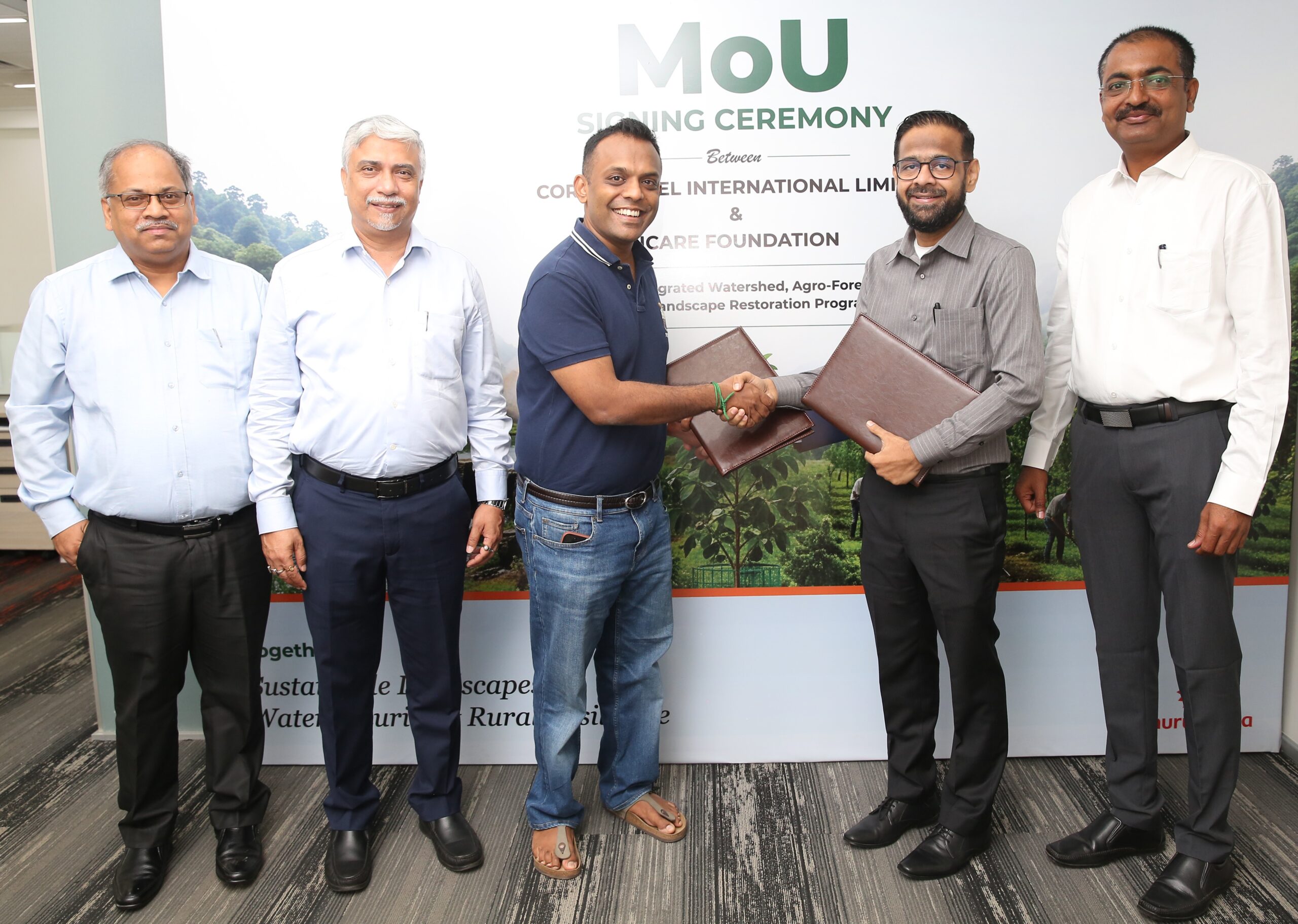
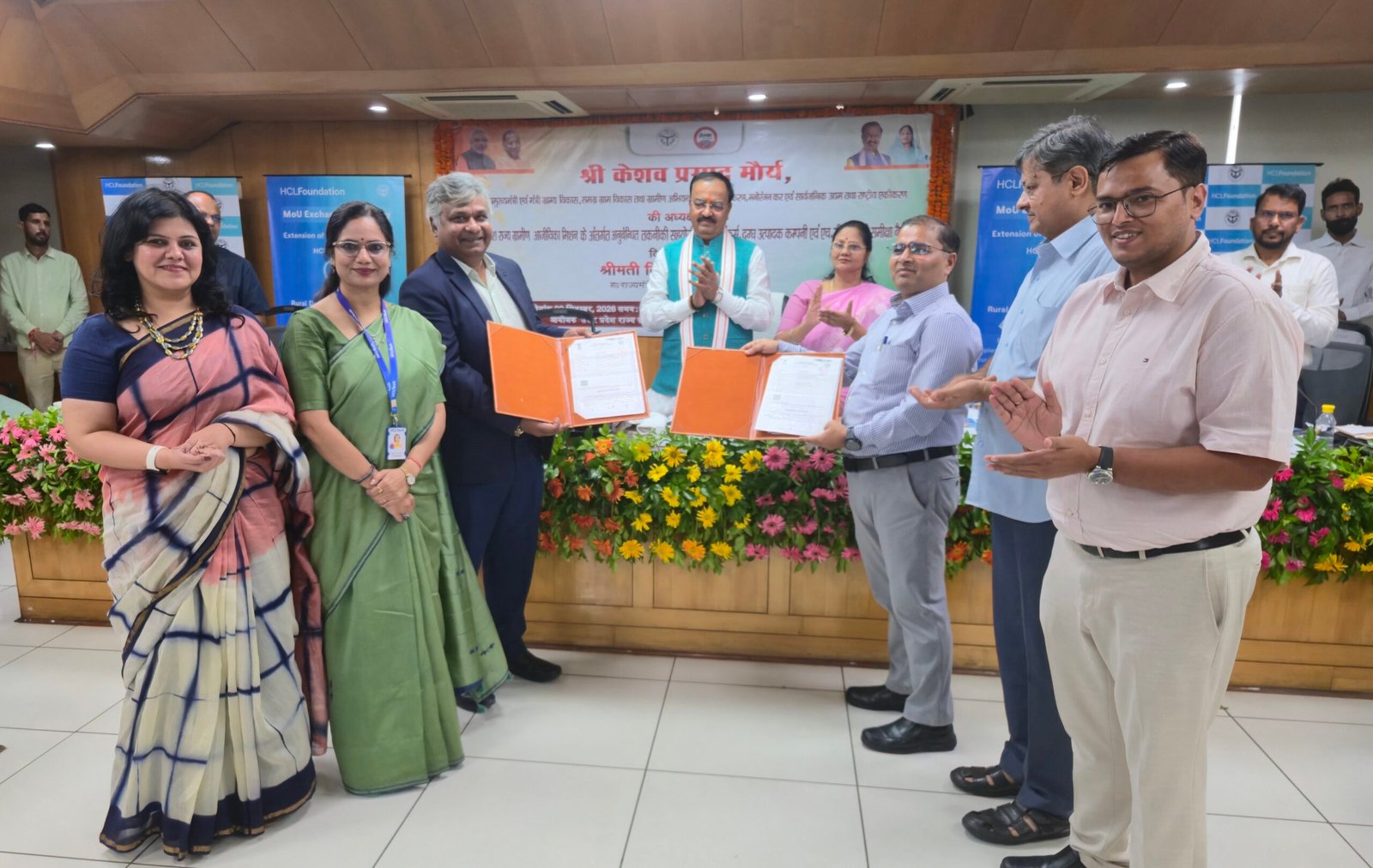
    Coromandel International Limited, one of India’s leading agri-solutions companies, has signed a Memorandum of Understanding with IICARE Foundation, a not-for-profit working on ecological restoration and climate resilience, to launch the landmark Jawali Watershed programme in Phaltan taluka, Satara district, Maharashtra.

    The agreement, announced on Tuesday, covers an integrated watershed, agro-forestry, nursery and landscape restoration initiative.

    The companies said the partnership would build a scientifically designed, community-driven and scalable model for sustainable land management, combining watershed development, agro-forestry, nursery planning and ecological restoration under one programme.

    Under the deal, IICARE Foundation will act as the lead implementation partner, coordinating with local communities, farmer groups, government bodies and technical agencies, the company said in a statement.

    Coromandel will contribute expertise in agronomy, soil and nutrient management, crop suitability, nursery design and watershed interventions, supporting the Jawali Watershed effort with scientific and strategic input.

    The programme will roll out in phases. The first stage involves site validation, soil and water assessments, contour studies, nursery planning and a detailed project report.

    Later phases will include pilot projects, nursery establishment, soil and water conservation structures, native plantations, agro-forestry demonstrations and farmer training, building toward a replicable, large-scale restoration model.

    Organisers said the initiative would follow a “nursery-first” and “pilot-to-scale” strategy, prioritising native and mixed-species plantations, groundwater recharge, soil health and long-term community stewardship.

    Performance will be tracked through indicators such as area restored, sapling survival rates, species diversity, water conservation and farmer participation.

    “This collaboration reflects Coromandel’s commitment to advancing sustainable agriculture and strengthening the resilience of rural ecosystems,” said Narayanan Vellayan, Executive Director – Nutrient Business, Coromandel International Limited.

    “The programme aims to develop a practical and scalable model for restoring degraded landscapes and supporting sustainable livelihoods.”

    Dr Santosh Bhosale, Director, IICARE Foundation, called the Jawali Watershed programme a landmark step bringing together ecological restoration, watershed management and climate-resilient agriculture.

    “Coromandel’s technical capabilities and agricultural expertise will strengthen the programme’s scientific foundation and support a credible model that can be replicated across similar geographies,” he said.

  • TCSRD boosts Shala Praveshotsav 2026 in Gujarat with school kits and volunteering

    TCSRD boosts Shala Praveshotsav 2026 in Gujarat with school kits and volunteering

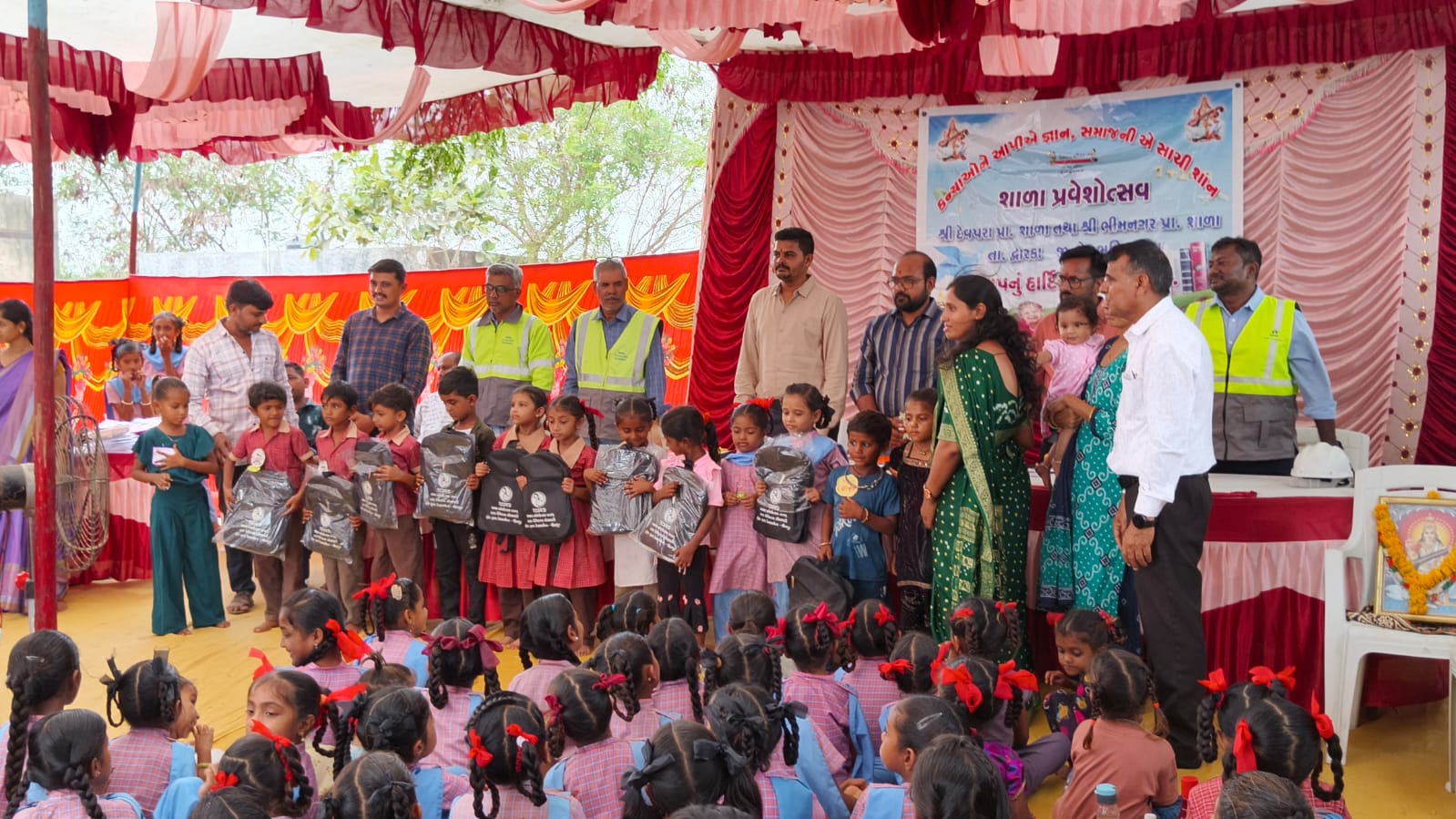
    Reinforcing its commitment to education and community development, Tata Chemicals Society for Rural Development (TCSRD) is supporting Shala Praveshotsav 2026 across Okhamandal from June 23 to 25.

    The annual enrolment drive, organised by the Government of Gujarat and District Administration, welcomes children into Class 1, Balvatika, and Anganwadi centres.

    TCSRD will distribute school bags and educational kits to newly enrolled students in government schools across the Okhamandal block. The initiative is expected to benefit 2,534 students.

    Employees from over 20 Tata Chemicals departments will volunteer, contributing more than 350 hours to engage with students and parents and build excitement for learning.

    The programme brings together state government representatives, district officials, village leaders, parents and corporate volunteers in a collaborative effort to promote education, especially for girls, and ensure every child gets access to quality early education.

    “The first day of school is a special milestone in every child’s life. Through our support to Shala Praveshotsav, we aim to warmly welcome young learners with encouragement and enthusiasm,” Rino Raj, Vice President and Site Head, Mithapur, said in a statement.

    “Together with schools, parents and the community, we remain committed to strengthening access to quality education and building a strong foundation for every child’s future success.”

  • HCLFoundation seeks NGO applications for Rs 24 Crore HCLTech Grant Edition XII

    HCLFoundation seeks NGO applications for Rs 24 Crore HCLTech Grant Edition XII

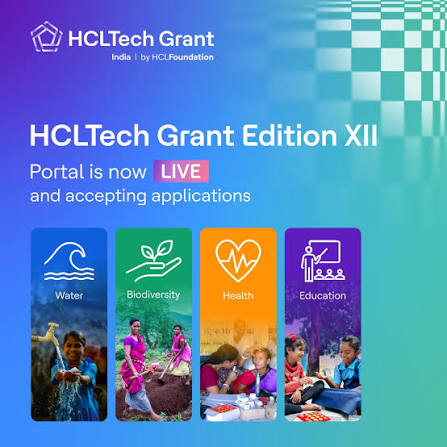
    HCLFoundation has invited applications from non-profit organisations across India for Edition XII of the HCLTech Grant, Rs 24 crore initiative targeting transformative rural development across four themes — water, biodiversity, health and education.

    The corporate social responsibility arm of global technology company HCLTech is accepting submissions at www.hclfoundation.org/hcltech-grant until June 30, 2026, the Foundation said in a statement on Thursday.

    Four winning organisations, one from each theme, will receive Rs 5 crore each. Eight additional NGOs will receive Rs 50 lakh each for proposed projects across the same categories.

    “Some of the most transformative solutions emerge from grassroots organisations deeply connected to the communities they serve,” said Dr Nidhi Pundhir, Director, HCLFoundation.

    “Through this edition of HCLTech Grant, we aim to provide a platform for NGOs to unleash their potential, scale innovative ideas and create sustainable change.”

    The HCLTech Grant has to date reached 2.3 million lives across 61,000 villages in India. Funded initiatives have resulted in the planting of more than three lakh saplings, rejuvenation of over 68,300 hectares of land and a reduction of more than 67,000 tonnes of CO2 emissions. Total commitments under the programme now exceed ₹203 crore.

    Winners of Edition XI included Gramin Vikas Vigyan Samiti from Rajasthan, Live Foundation from Jharkhand, Goodwill Foundation from Mizoram and Mahila Jan Adhikar Samiti from Rajasthan, each receiving Rs 5 crore for projects spanning water harvesting, biodiversity conservation, healthcare access and gender equality through education.

    HCLFoundation also announced the HCLTech Grant Edition XII Pan India Symposiums 2026, scheduled in Bhubaneswar, Chennai, Nagpur and New Delhi, to bring together NGOs, government bodies, corporates and policymakers on the role of CSR in nation building.

    HCLFoundation has positively impacted over 8.4 million lives through long-term programmes in education, health, sanitation, skill development, environment and disaster risk reduction.

  • IFAD launches transformative India rural development roadmap worth USD 4.2 billion

    IFAD launches transformative India rural development roadmap worth USD 4.2 billion

    The International Fund for Agricultural Development (IFAD) and the Government of India have launched a transformative eight-year rural development strategy, committing to scale investment, strengthen climate resilience and accelerate inclusive agricultural growth across the country’s vast rural economies.

    The new Country Strategic Opportunities Programme (COSOP) 2026–2033 was unveiled at the IFAD–India Partnership for Rural Prosperity event held at Bharat Mandapam in New Delhi on April 12, bringing together senior government representatives, IFAD leadership, development partners and private sector actors.

    The strategy sets two core objectives: enhancing the social, economic and climatic resilience of rural communities; and strengthening knowledge systems to scale proven models domestically and share them across the Global South.

    The announcement marks a pivotal expansion of one of IFAD’s largest country partnerships. Across 35 projects, USD 1.36 billion in IFAD financing has mobilised more than twice as much from partners, for a total investment of USD 4.2 billion.

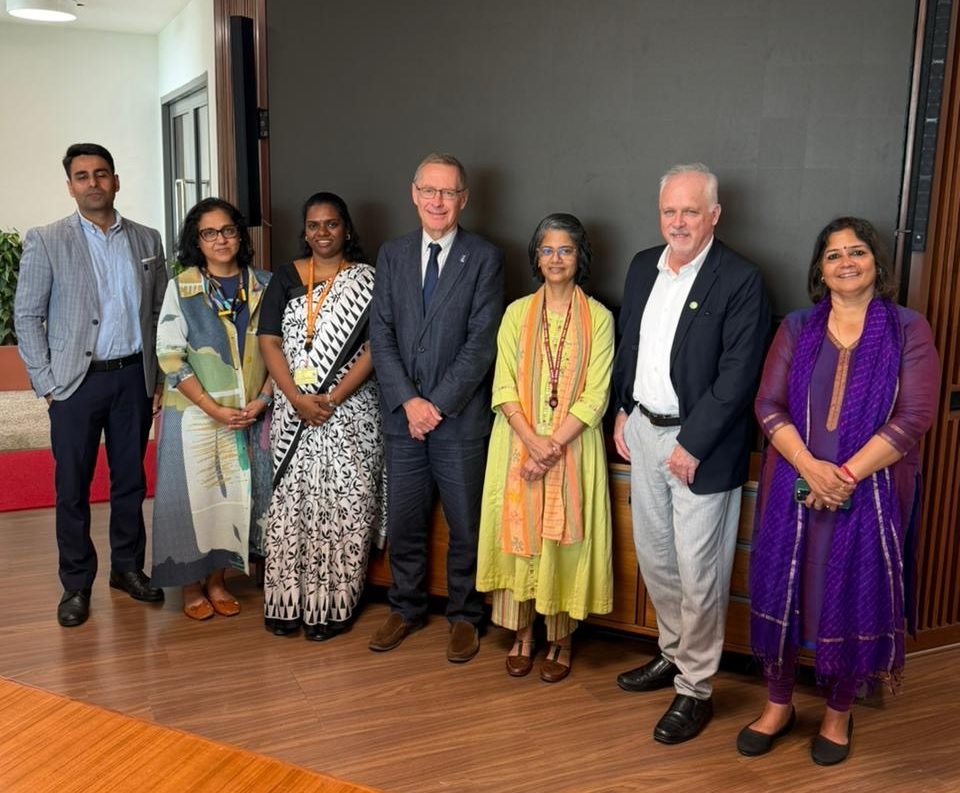
    A senior IFAD delegation led by Associate Vice-President Donal Brown held talks with officials from India’s Ministry of Finance, Ministry of Agriculture and Farmers Welfare, and Ministry of Rural Development. Discussions covered smallholder support, digital agriculture, climate-resilient crops such as millets, and expanding farmer producer organisations.

    Brown said the partnership goes beyond individual projects and focuses on building systems that connect institutions, finance, infrastructure and markets for long-term rural development, IFAD said in a statement.

    The strategy places significant emphasis on strengthening grassroots institutions including self-help groups, farmer producer organisations and cooperatives, expected to play a key role in linking finance, technology, infrastructure and markets.

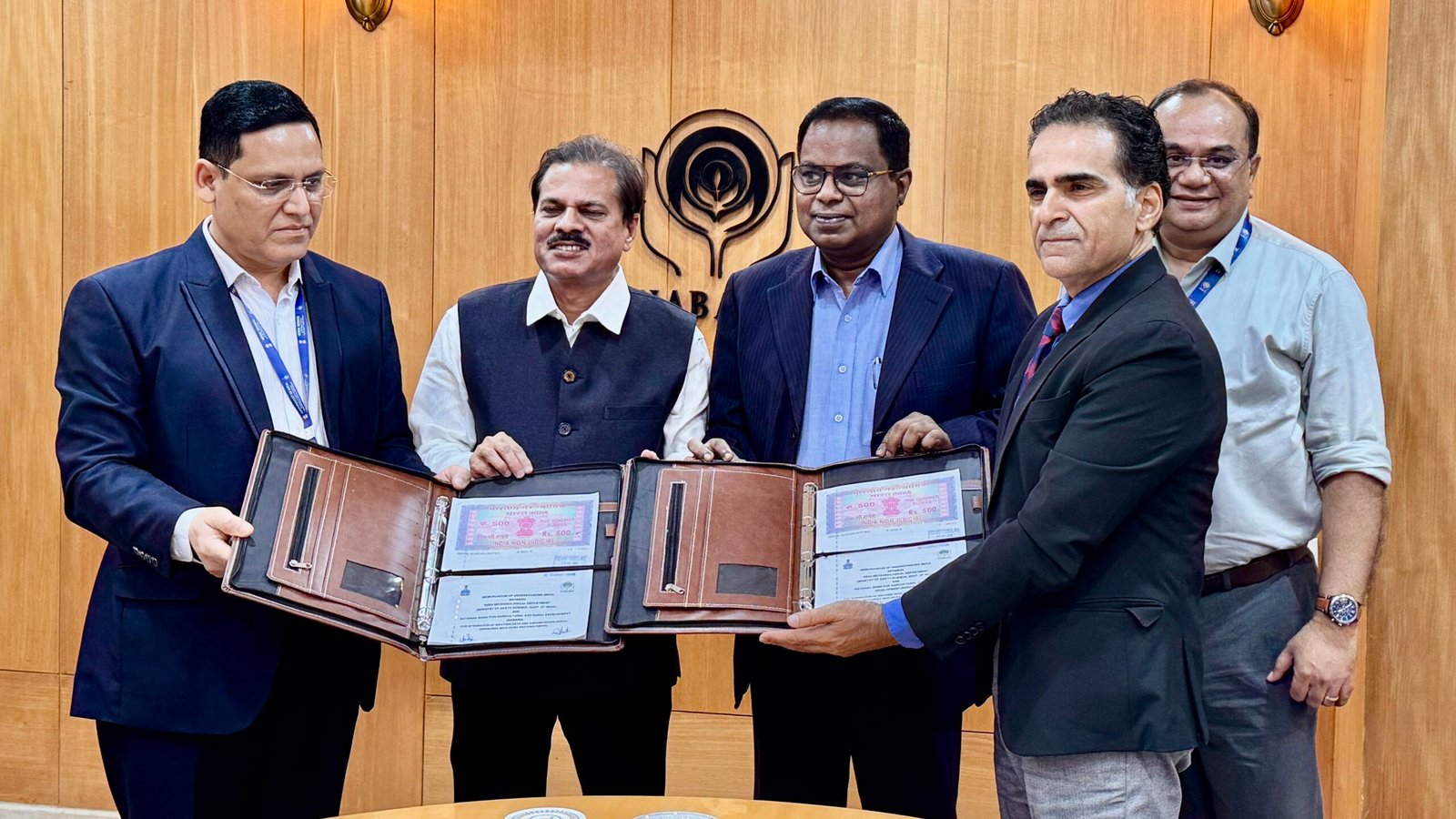
    On the financing front, IFAD signed a strategic partnership with NABARD on the sidelines of the event to expand rural finance and innovation. NABARD Chairman Shaji K V said the two institutions share a conviction that rural financial systems work best when built from the community up. International Fund for Agricultural Development

    The new strategy also positions India as a knowledge leader in rural development, with plans to share successful models in digital agriculture, inclusive rural finance and climate-resilient value chains with partner countries across Africa, Southeast Asia and Latin America.

    The IFAD delegation also undertook field visits to Meghalaya’s Ri-Bhoi district to review community-led initiatives under the Meghalaya Livelihoods and Access to Markets Project, and held talks with Meghalaya Chief Minister Conrad Sangma and Assam Chief Minister Himanta Biswa Sarma on future agricultural cooperation.

    India and IFAD have partnered for nearly 48 years, financing 35 rural development projects worth approximately USD 4.2 billion, with six ongoing projects focused on market linkages, climate-resilient agriculture and training programmes.

    “India is not only transforming its own rural economy — it is generating solutions that are relevant globally,” said Reehana Raza, IFAD Regional Director for Asia and the Pacific.