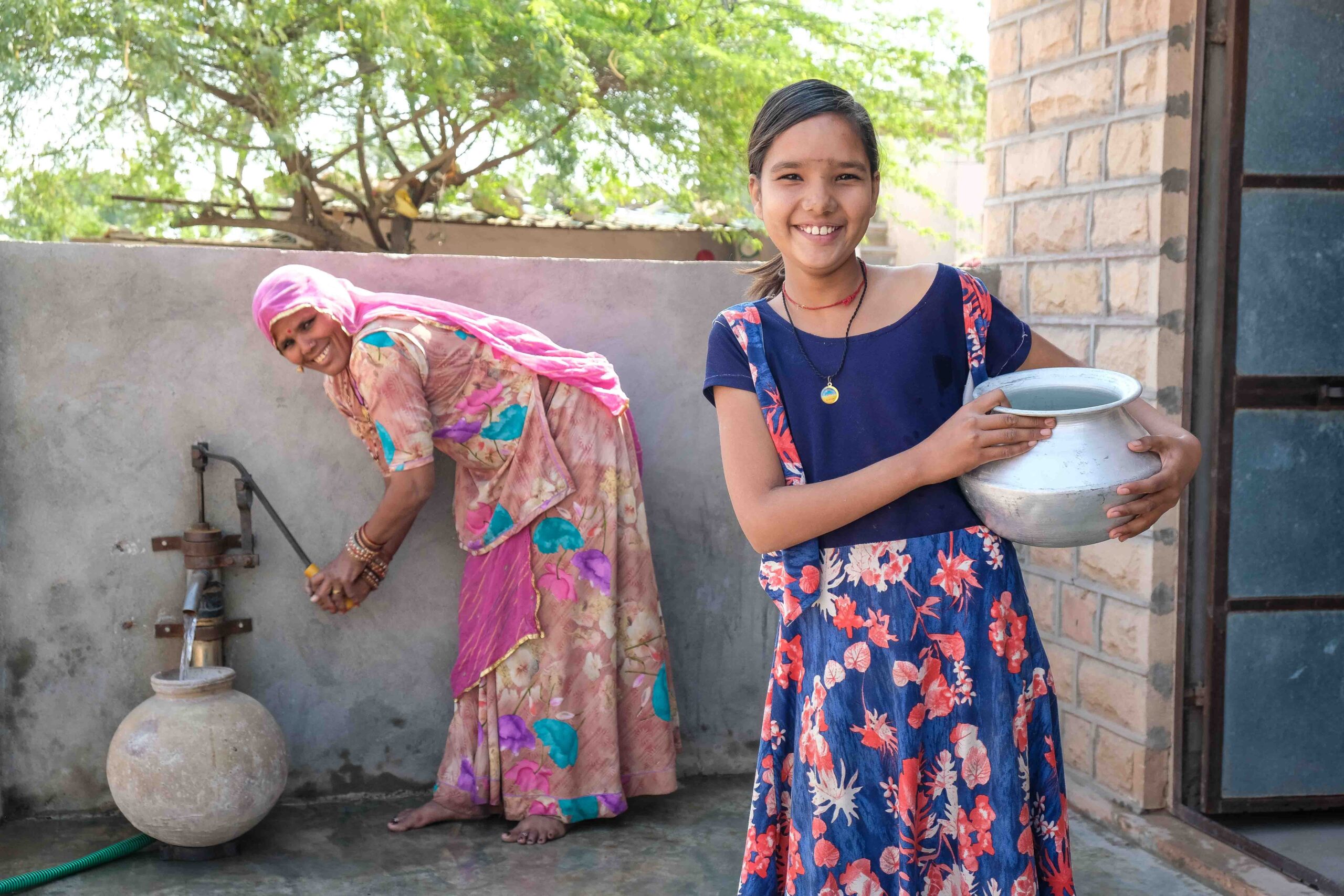
In the arid landscapes of Rajasthan, where traditional farming often meant meager earnings and uncertainty, Hindustan Zinc’s Samadhan Project is sparking a quiet revolution. This flagship CSR initiative has reached nearly 1.4 lakh farmers, helping them generate over Rs 192 crore in diversified income in just the past year through modern, sustainable practices.
Take Shankar Lal Dangi from Chota Guda village near Udaipur. Like many, his family once scraped by on Rs 6,000–7,000 a month, limited by old-fashioned methods, scarce water, and unreliable markets. Through the Samadhan Project, Shankar embraced drip irrigation, scientific cropping, and joined a Farmer Producer Organization for better prices, according to the company statement.
Today, his yields are higher, milk production has doubled, and his income has soared—bringing stability, pride, and a brighter future for his family.

Similar hope blooms in Sindesar Kalan village, Rajsamand district, with Dinesh Puri Goswami. He shifted from low-yield crops to diverse vegetables and upgraded dairy practices.
Using raised-bed nurseries and better animal care, Dinesh earned Rs 78,000 from vegetables in four months, plus Rs 12,000 monthly from milk. “It’s reduced our risks and given us steady income,” he shares.
Women are at the heart of this change too. Gendi Bai from Ganeshpura village turned one bigha of land into a thriving vegetable plot with drip irrigation and mulching, earning ₹90,000 and gaining recognition as a progressive farmer.
From leading Farmer Interest Groups to running dairy enterprises, women under Samadhan are driving household prosperity and community strength.
The project’s multi-pronged approach—crop diversification, precision irrigation, livestock improvement, microenterprises, and farmer-owned institutions—has delivered real results: ₹90 crore in livestock assets, 280 lakh litres of milk worth ₹88 crore, and revenues from farmer-led ventures.
With 510 Farmer Interest Groups and five Producer Organizations involving over 9,300 shareholders, Samadhan covers 2,449 hectares in climate-smart practices like trellis farming and bio-fortified crops. It’s not just boosting incomes; it’s building resilience, nutrition, and agri-entrepreneurship.
As a Vedanta Group company, Hindustan Zinc extends its impact beyond farming through education, healthcare, and more, touching 23 lakh lives across 2,300 villages—aligning with India’s vision of inclusive growth.
These stories of Shankar, Dinesh, Gendi Bai, and thousands more show how the Samadhan Project is turning subsistence into sustainability, one farm at a time.