Tag: Himalayas

  • Alarming Western Disturbances shift raises flood risks in Himalayas: IIT Roorkee study

    Alarming Western Disturbances shift raises flood risks in Himalayas: IIT Roorkee study

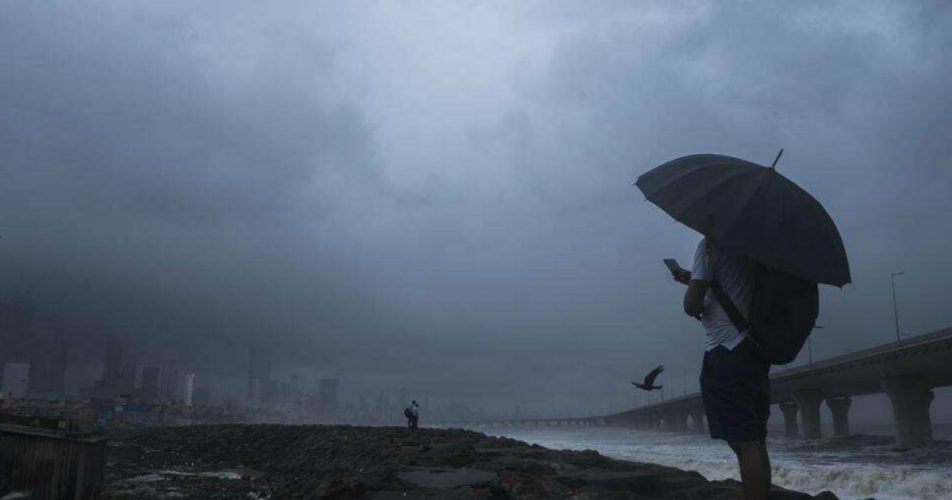
    A groundbreaking study from the Indian Institute of Technology (IIT) Roorkee has uncovered an alarming Western Disturbances shift, with these vital weather systems—traditionally tied to winter snowfall—now exerting greater influence during pre-monsoon months, heightening threats to climate resilience, disaster preparedness, and water security in northern India.


    Published in the International Journal of Climatology, the research reveals that Western Disturbances are becoming more active beyond the cold season, traveling longer distances, absorbing higher moisture, and delivering intensified precipitation from March to May.

    This Western Disturbances shift, driven by climate warming, is reshaping precipitation patterns across the Himalayas and adjacent areas.


    Analyzing over seven decades of atmospheric and rainfall data, researchers identified significant changes in Western Disturbances pathways, including extended travel, enhanced moisture uptake, and stronger upper-level winds, which amplify rainfall intensity outside the traditional winter period.


    The alarming Western Disturbances shift elevates risks of flash floods, landslides, and extreme rainfall in the fragile Himalayan terrain, while disrupting long-term water availability for downstream regions.


    “Extreme events, such as the 2023 Himachal flood and the recent 2025 Uttarakhand flood, reflect the growing influence of these disturbances,” said Spandita Mitra, PhD Scholar at IIT Roorkee’s Department of Hydrology.


    Lead investigator Prof. Ankit Agarwal added: “Our analysis shows that Western Disturbances are undergoing significant seasonal and structural changes, particularly during the pre-monsoon period. This transition has far-reaching implications for water resources, extreme weather events, and disaster vulnerability in the Himalayas.”


    Prof K K Pant, Director of IIT Roorkee, emphasized the need for proactive measures: “Scientific evidence such as this is crucial for rethinking climate resilience in ecologically sensitive regions. This study reinforces our commitment to translating insights into actionable strategies for sustainable development.”


    The researchers call for updated climate models, dynamic forecasting, and region-specific risk assessments to address the evolving patterns under a warming climate.

  • Transformative Himachal Pradesh Vision Care Initiative Treks to 5,000

    Transformative Himachal Pradesh Vision Care Initiative Treks to 5,000

    The Government of Himachal Pradesh has partnered with online bus ticketing platform redBus and VisionSpring Foundation to launch the Himachal Pradesh vision care initiative, a transformative effort to deliver vision care services to underserved Himalayan communities.

    Targeting 5,000 people, this initiative provides eye screenings and eyeglass distribution to bridge a critical gap in eye care access.

    In Himachal Pradesh, 3 million people lack proper vision care, part of India’s 550 million residents without necessary corrective eyewear.

    Studies show eyeglasses can boost earning potential by up to 33.4% and increase productivity by 32%. The Himachal Pradesh vision care initiative addresses this need, empowering communities with clearer vision and brighter futures.

    From Oct. 9-18, VisionSpring teams, government officials, and health experts are trekking across Shimla and Kinnaur districts, reaching remote areas like Chitkul, India’s first village, and hazardous mountain roads near Reckong Peo. This Clear Vision Trek, a cornerstone of the Himachal Pradesh vision care initiative, marks the 25th anniversary of VisionSpring founder Jordan Kassalow’s journey that inspired the organization’s mission.

    “Everyone has the right to see clearly, no matter where they live,” Kassalow said, emphasizing the trek’s goal to deliver “life-changing eyeglasses across some of the most challenging terrain on earth.”

    The Himachal Pradesh vision care initiative includes three transformative programs: See to Earn for working adults, See to Learn for students, and See to be Safe for commercial vehicle drivers navigating mountainous roads. These efforts ensure comprehensive vision care tailored to diverse needs.

    Chief Minister Sukhvinder Singh Sukhu launched the Clear Vision Trek in Shimla on Oct. 9, aligning with World Sight Day celebrations. Partners like the National Programme for Control of Blindness & Visual Impairment, World Health Organization, and Indiahikes bolster this transformative Himachal Pradesh vision care initiative, setting a model for accessible healthcare in remote regions.