Tag: #ClimateAction

  • Hitachi Vantara commits to validated net-zero by 2040

    Hitachi Vantara commits to validated net-zero by 2040

    Hitachi Vantara, the data infrastructure and hybrid cloud unit of Hitachi Ltd. (TSE: 6501), said on Thursday it has set a validated net-zero target to eliminate greenhouse gas emissions across its global value chain by fiscal year 2040.

    The company said its near- and long-term emissions targets have been independently validated by the Science Based Targets initiative (SBTi), a body that sets standards for corporate climate goals, giving customers and partners assurance the plan aligns with current climate science.

    The announcement comes as data centers face mounting scrutiny over energy use tied to the AI boom. A Congressional Research Service report cited by the company found cooling systems account for 38% to 40% of data center electricity consumption, underscoring the stakes for infrastructure providers.

    “Customers increasingly expect their technology suppliers to demonstrate that their climate commitments are credible and backed by action,” said Simon Ninan, senior vice president of business strategy at Hitachi Vantara. He said the validated net-zero target “holds us accountable to measurable progress.”

    Under the near-term plan, Hitachi Vantara aims to cut Scope 1 and 2 emissions 98% by FY2030 from an FY2024 baseline, and reduce Scope 3 emissions 51% per usable petabyte of storage sold by FY2036. The long-term goal calls for a 97% cut in Scope 3 emissions per petabyte sold by FY2040.

    The company said it reduced Scope 1 and 2 emissions 43% in FY2025, helped by sourcing half its energy from renewables. It has also expanded sustainability features across its VSP One storage platform and is aligning products with Hitachi’s Eco-Design Management Guidelines.

    Hitachi Vantara pointed to customer results from its VSP 360 Clear Sight monitoring tool: Turkey’s DestekBank cut data center energy use 25% and total cost of ownership 20%; India’s Malayala Manorama reduced power and cooling costs 70% and rack space 66%; Turkey’s Garanti BBVA estimated its Hitachi Vantara systems use about 30% less energy than rival systems; and Brazil’s Aquiris used the platform to support wastewater treatment operations processing more than 110 million cubic meters annually.

    “Sustainability is most effective when it is embedded into decision-making across the organization,” said Courtney Hadden, sustainability director at Hitachi Vantara, adding that the SBTi validation gives the company “a clear, science-based framework” to track progress.
  • Maharashtra govt, Project Mumbai sign MoU for climate week

    Maharashtra govt, Project Mumbai sign MoU for climate week

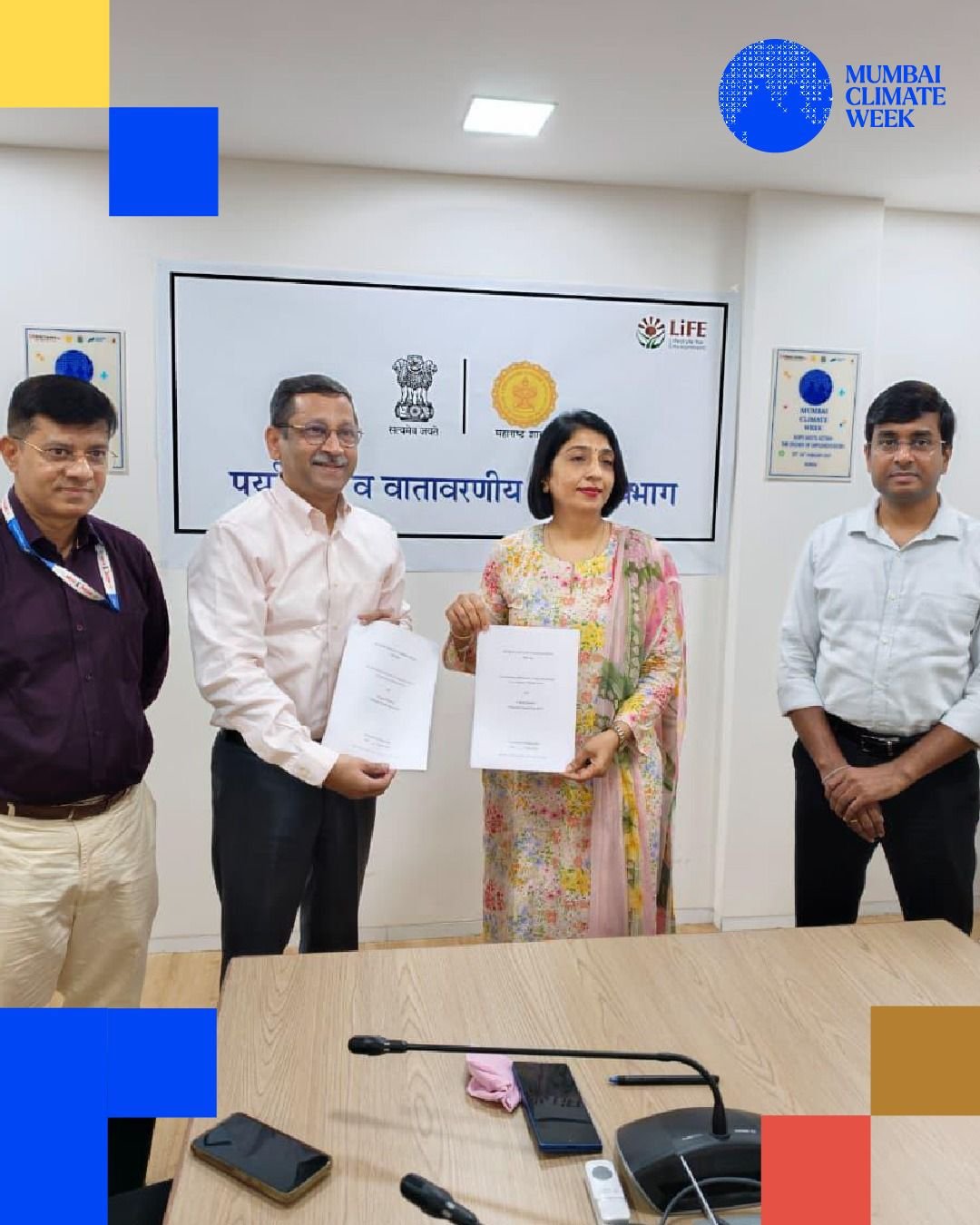
    Maharasthra government and Project Mumbai have signed a Memorandum of Understanding to strengthen institutional coordination ahead of the second edition of Mumbai Climate Week, scheduled for February 23-26, 2027, at the Jio Convention Centre.

    Under the Mumbai Climate Week MoU, the state’s Environment and Climate Change Department will act as the nodal partner agency and knowledge partner for MCW 2027, supporting Project Mumbai in organising the event and coordinating with government bodies including the Mumbai Metropolitan Region Development Authority and the Brihanmumbai Municipal Corporation.

    The agreement commits the Department to facilitating time-bound meetings between MCW 2027 theme leads and senior officials, including ministries, commissioners and secretaries of the Maharashtra government. Organisers said the partnership aims to build a stronger link between thematic discussions at the event — spanning urban resilience, food systems, energy transition, biodiversity and circularity — and government institutions implementing related policy on the ground. This year’s edition will also examine climate’s intersections with literature, food, sports, cinema and healthcare.

    Pankaja Munde, state Minister of Environment & Climate Change, called the platform significant for bringing together governments, businesses, civil society and citizens to advance climate action, adding that the Department hopes to build on the momentum of the previous edition to strengthen climate leadership across the state.

    Shishir Joshi, CEO and Founder of Project Mumbai and Chief Convenor of Mumbai Climate Week, said the partnership with the state department would help translate discussions at the event into lasting solutions.

    Organisers said the MoU reinforces the institutional framework behind MCW 2027 as Mumbai grapples with climate impacts across infrastructure, mobility, water, waste management, energy and urban resilience.

  • NABARD-IMD sign MoU to boost farmer weather data

    NABARD-IMD sign MoU to boost farmer weather data

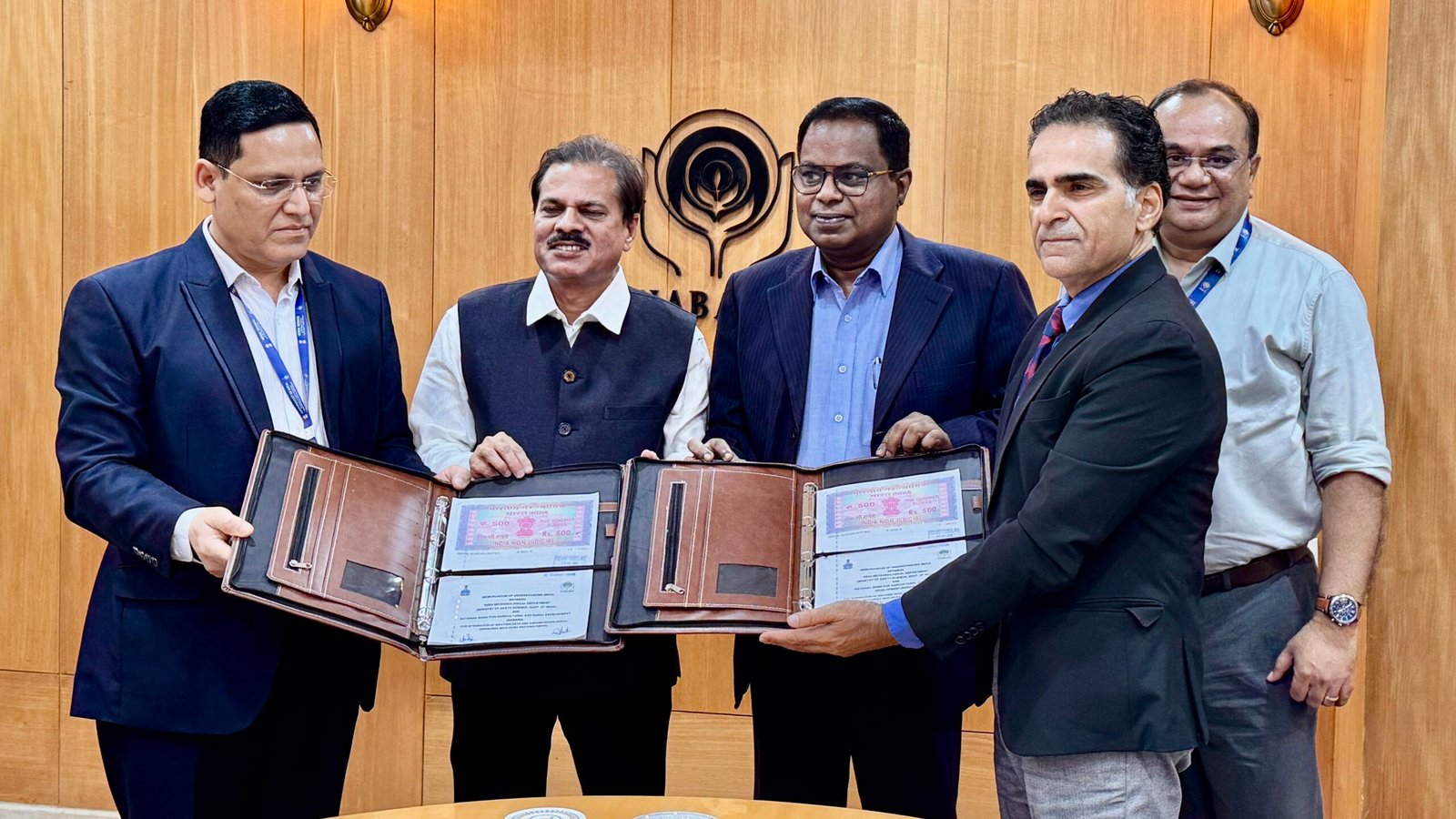
    National Bank for Agriculture and Rural Development (NABARD) and the India Meteorological Department (IMD) signed an MoU on Monday to integrate IMD’s agro-meteorological data products into DiCRA (Data in Climate Resilient Agriculture), an open-source digital platform backed by the United Nations Development Programme (UNDP) and NABARD.

    The agreement aims to make weather and climate data freely accessible to farmers, financial institutions, policymakers and researchers across the country, an official statement said.

    The MoU was signed by Sanjeev D Rohilla, Chief General Manager, Department of Climate Action and Sustainability at NABARD, and Bikram Singh, Scientist-G and Head of the Regional Meteorological Centre in Mumbai.

    NABARD Chairman Shaji Krishnan V, IMD Director General of Meteorology Mrutyunjay Mohapatra, and senior officials from both organisations were present at the ceremony.

    Under the deal, IMD will supply district and block-level weather forecasts, agromet advisories, in-situ observations and weather alerts through a dedicated Weather Portal on DiCRA. The data will sit alongside DiCRA’s existing geospatial datasets on soil moisture, vegetation health, crop conditions and climate vulnerability, giving users decision-ready insights at the local level.

    “Climate risk cannot be treated as a standalone issue; it has to be integrated into our development and financing decisions,” Krishnan said, adding that the partnership would help “forewarn both the farmer and the bank.”

    Mohapatra said Indian weather forecasting accuracy has improved by 40 to 50 percent over the past decade, with forecasts now reaching the panchayat level, but that reaching every farmer in a usable format remained the next challenge.

    NABARD will use DiCRA’s open APIs to distribute district-level advisories, seasonal risk alerts and weather-linked vulnerability assessments to credit officers, field staff, researchers and farmers via web, mobile and API channels. The Weather Portal integration also supports NABARD’s own weather portal on DiCRA, which is currently under development.

    NABARD, India’s apex rural development bank, was established in 1982. IMD, founded in 1875, is India’s national meteorological service under the Ministry of Earth Sciences. DiCRA, recognized as a Digital Public Good in 2022, is jointly maintained by NABARD with technical support from UNDP.

  • Blue Planet Environmental Solutions unveils landmark first Sustainability Report, sets FY24-FY26 ESG baseline

    Blue Planet Environmental Solutions unveils landmark first Sustainability Report, sets FY24-FY26 ESG baseline

    Singapore-headquartered waste management and circular economy company Blue Planet Environmental Solutions has released its first Annual Sustainability Report 2026, marking a significant milestone in the company’s ESG journey and setting a baseline for performance across FY24 and FY26.

    The integrated waste management firm said it processed 8.92 million tonnes of waste across the two reporting years, contributing to an estimated 1.24 million tCO₂e in avoided emissions through initiatives spanning landfill biomining, e-waste recycling and biofuel operations.

    Resource recovery scales up

    According to the report, legacy waste processed jumped to 5.10 million tonnes in FY26, up from 3.49 million tonnes in FY25. E-waste processed also saw a sharp rise, nearly doubling from 11,552 tonnes to 20,060 tonnes over the same period.

    In FY26 alone, the company processed 44,833 tonnes of paper, 24,537 tonnes of plastics, and 6,364 tonnes of iron and steel, along with other material streams, the report noted.

    Commenting on the development, Prashant Singh, Co-Founder & CEO, Blue Planet Environmental Solutions, said, “Our first Sustainability Report marks an important step in how we measure our impact. As Blue Planet scales, we believe growth must be matched by transparency, accountability and measurable outcomes. This report establishes our baseline and strengthens our commitment to creating long-term environmental, social and economic value.”

    Robust ESG governance framework

    The report has been prepared with reference to the GRI Standards 2021 and is supported by a digital ESG data management platform aimed at improving consistency, traceability and review of ESG information, the company said.

    Blue Planet also disclosed that it implemented 103 Environmental and Social Action Plan (ESAP) items, achieving 100% ESAP compliance — verified through independent third-party audits across multiple operations.

    Additionally, select ESG indicators underwent independent limited assurance in line with ISAE 3000 (Revised), covering key areas such as energy, water, waste, Scope 1 and Scope 2 emissions, workforce, workplace safety and diversity.

    Workforce and road ahead

    The company reported a workforce of more than 4,000 employees and workers during the reporting period. Notably, employee participation in training programmes surged from 7,706 in FY25 to 14,318 in FY26.

    Looking ahead, Blue Planet said it will prioritise strengthening ESG data governance, climate and resource efficiency, supply-chain ESG oversight, occupational health and safety, and consistent ESG practices across its business verticals.

  • HCLTech named to TIME’s most sustainable companies 2026 list for 2nd straight year

    HCLTech named to TIME’s most sustainable companies 2026 list for 2nd straight year

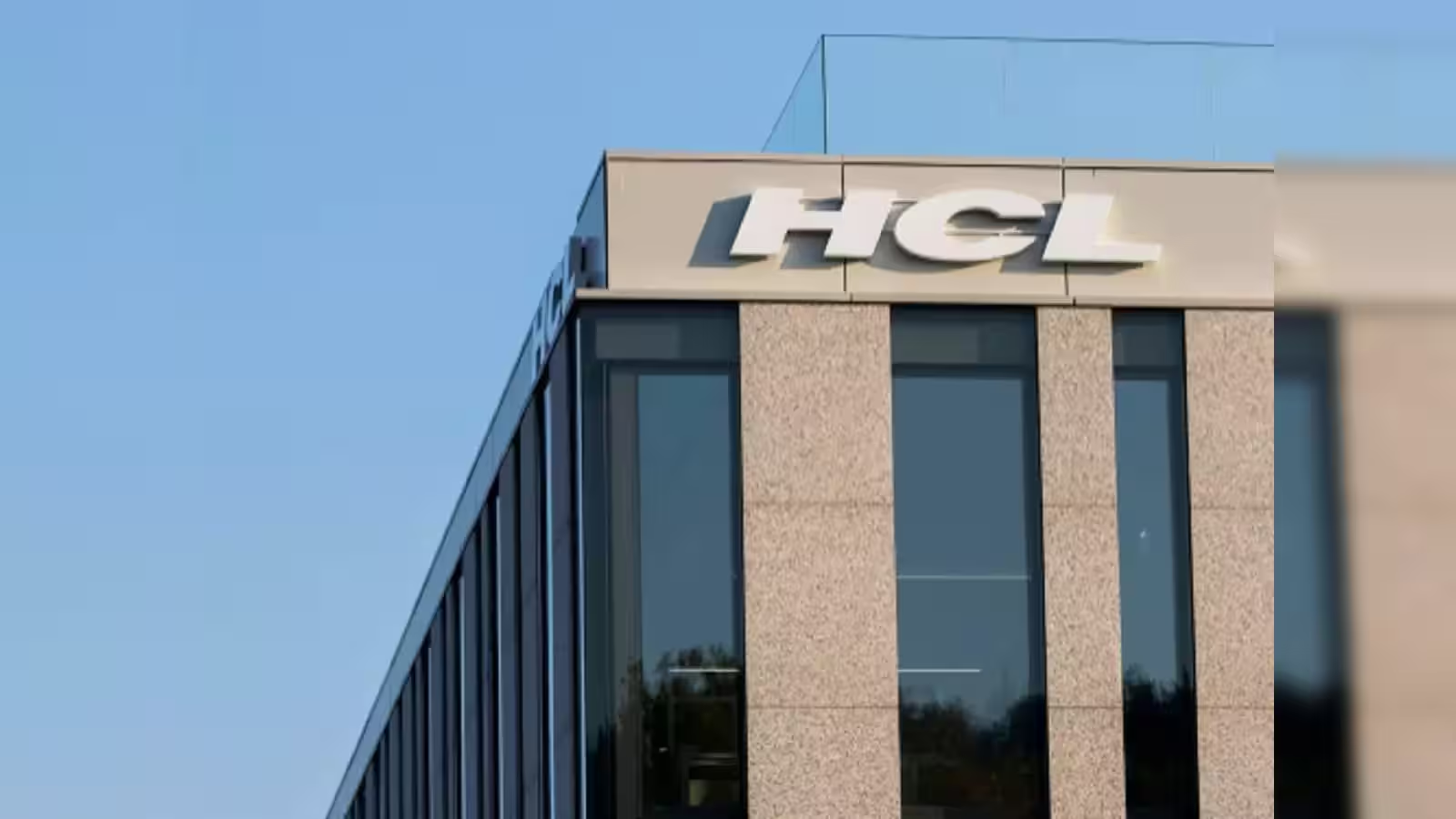
    HCLTech, a global technology company, has been named to TIME’s World’s Most Sustainable Companies 2026 list, marking its second consecutive year on the ranking, the company said.

    HCLTech ranks among the top five global professional services companies on the list and is the highest-ranked India-headquartered company in the category, the company said.

    The ranking, compiled by TIME in collaboration with Statista, assesses more than 5,800 global companies across more than 20 sustainability indicators, including commitments and ratings, reporting and transparency, and environmental and social stewardship.

    HCLTech said the recognition reflects its alignment with the UN Global Compact and the Sustainable Development Goals. In fiscal year 2026, the company said it replenished 51 times more water than it consumed and retained zero waste-to-landfill platinum certification across all owned facilities.

    The company said it has accelerated its net-zero journey by achieving its 2030 Science Based Targets initiative (SBTi)-validated emissions target four years ahead of schedule.

    “Being recognized by TIME for a second consecutive year reflects the progress we are making in embedding sustainability deeper into the core of our business and advancing our net-zero ambition for 2040,” said Vipul Arora, Global Head of Sustainability at HCLTech.

    “Our focus remains on scaling impact through innovation, partnerships and responsible practices that enable long-term value for our clients, communities and the broader ecosystem,” Arora said.

    HCLTech is a global technology company with more than 223,000 employees across 60 countries, offering services in AI, digital, engineering, cloud and software. The company serves clients across sectors including financial services, manufacturing, life sciences and healthcare, technology and services, semiconductors, telecom and media, retail and consumer packaged goods, mobility and public services.

    Consolidated revenue for the 12 months ending June 2026 totaled USD 14.8 billion, the company said.

  • Gujarat emissions model goes global as Rio launches first South America market

    Gujarat emissions model goes global as Rio launches first South America market

    The state of Gujarat, an Earthshot Prize 2025 finalist, is taking its pioneering emissions trading model global through a new partnership with the City of Rio de Janeiro, Brazil.

    The Emissions Market Accelerator (EMA) will help Rio explore South America’s first particulate matter emissions market, adapting proven lessons from India to cut pollution while supporting economic growth.

    The announcement was made at The Earthshot Prize Impact Assembly, co-hosted with Bloomberg Philanthropies during London Climate Action Week.

    “The Rio de Janeiro City Hall is taking a bold step forward in spearheading this innovative approach to reducing pollution,” said EMA Co-Chair Michael Greenstone, Milton Friedman Distinguished Service Professor in Economics at the University of Chicago.

    “We are thrilled to work with government leaders to ensure this market successfully reduces pollution while fostering continued economic growth.”

    Once launched, Rio’s emissions market would be the first of its kind in South America.

    Gujarat’s groundbreaking work on market-based pollution control spurred the launch of the Emissions Market Accelerator. The state has since launched a second market and is developing two more for sulfur dioxide and wastewater pollution. The EMA is also working with other Indian states and expanding globally.

    “This partnership with Rio marks an exciting step toward globalizing the success of market-based pollution control,” said Kaushik Deb, Executive Director of the EMA. “In Gujarat, we demonstrated that emissions trading can dramatically reduce pollution without compromising industrial productivity. Now we can take those lessons global.”

    Eduardo Cavaliere, Mayor of Rio de Janeiro, said: “Rio de Janeiro is proud to partner with the Emissions Market Accelerator (EMA) to bring market-based solutions to air pollution in South America for the first time. Gujarat’s emissions trading scheme, recognized by the Earthshot Prize, proves cities can harness innovative tools to protect people and the future.”

  • HCLTech awards $1 million climate grants in Americas

    HCLTech awards $1 million climate grants in Americas

    HCLTech awards USD 1 million under its HCLTech Climate Grant to three nonprofit organizations in the Americas for innovative climate resilience projects, with Guatemala’s CISP taking the top prize.

    CISP will receive USD 500,000 to enhance water security and sustainable land management in Guatemala’s dry corridor through rainwater harvesting benefiting 200 families, the company said in a statement.

    Runners-up Aves Argentinas (Argentina) and Lluvia para Todos (Mexico) will each get USD 250,000 for biodiversity conservation in the Atlantic Forest and community rainwater systems serving 2,300 people, respectively.

    The third edition of the HCLTech Climate Grant saw applications from 10 countries across the Americas, a 41 percent increase from previous years. A jury of HCLTech leaders and external experts selected the winners based on scalability and local relevance.

    “We are inspired by the ingenuity and commitment demonstrated by this year’s recipients,” said Nidhi Pundhir, Senior Vice President, Global CSR, HCLTech.

    Launched in 2023 with a USD 5 million commitment over five years, the program has so far supported ecological restoration, planted over 360,000 trees and mangroves, and empowered more than 1,400 young people in climate leadership.

  • EBG Foundation launches Sambhav Hai to build carbon-neutral villages across India

    EBG Foundation launches Sambhav Hai to build carbon-neutral villages across India

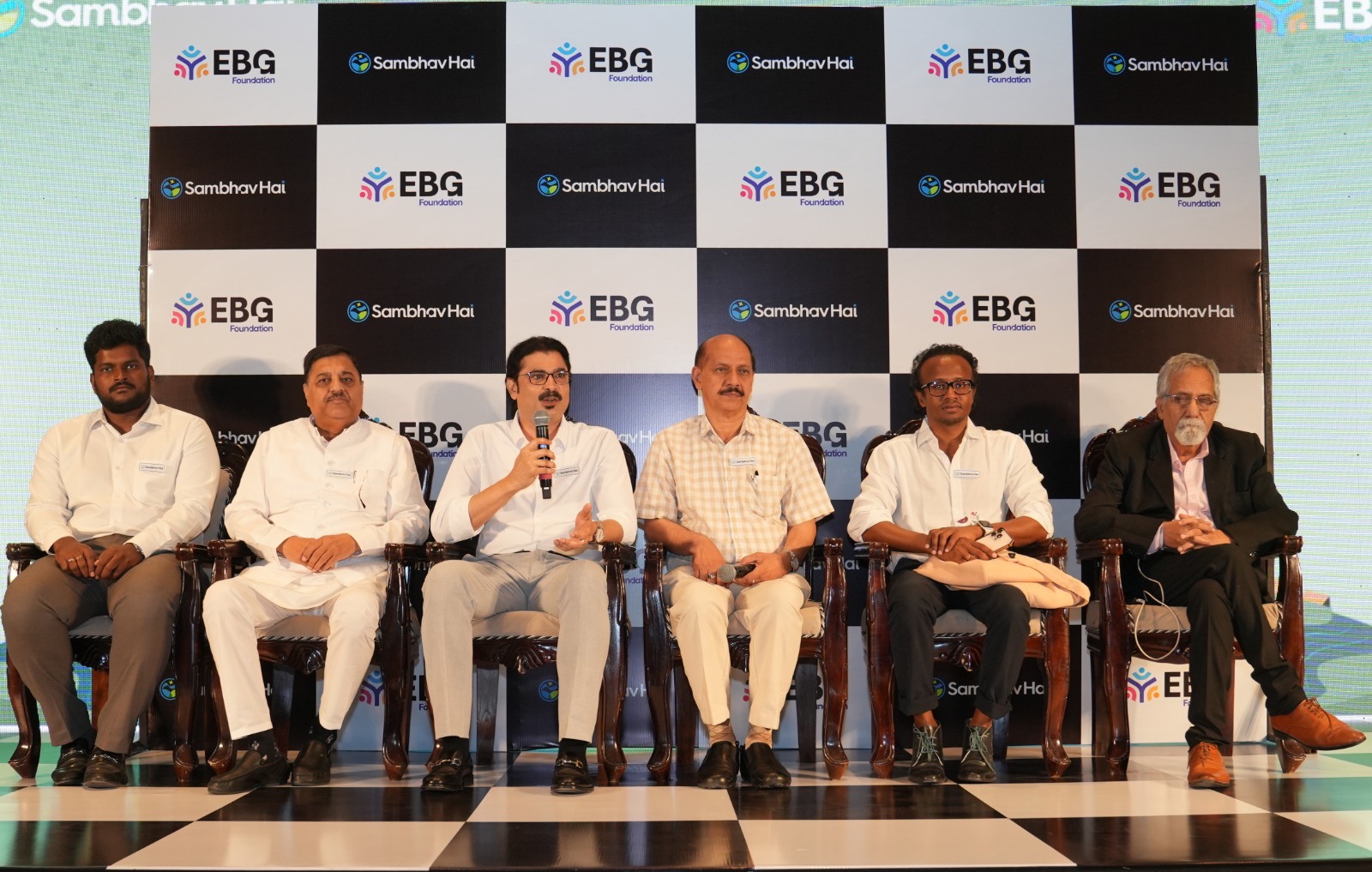
    EBG Foundation launched Sambhav Hai on Earth Day, a nationwide rural sustainability programme spearheaded by EBG Group Founder and Chairman Dr Irfan Khan, targeting carbon-neutral villages across India through a phased, data-driven framework that begins with the adoption of Charla Thanda village in Telangana’s Nalgonda district.

    The initiative marks one of the most ambitious grassroots climate programmes announced in India this year, with a Rs 30 crore allocation for its first phase covering 50 villages, expanding to 150 villages in Year 2 and scaling to 750 villages in Year 3 with government institutional support. The programme aims to reduce carbon emissions by 10 to 20 percent within the first year, progressing toward full carbon neutrality within three years.

    “Real change cannot come from isolated interventions. With Sambhav Hai, we are building a model where environmental sustainability, economic progress, and community ownership go hand in hand. Our aim is to empower villages with the tools, data, and accountability systems they need to lead their own transformation and contribute meaningfully to India’s climate goals,” said Dr Irfan Khan, Founder and Chairman, EBG Group

    At Charla Thanda, on-ground interventions have already begun with household-level data mapping to establish a comprehensive climate and resource baseline. The programme will focus on improving access to safe drinking water, strengthening groundwater recharge systems and implementing structured waste segregation and composting solutions. Afforestation drives and regenerative land practices will run in parallel, with local volunteers trained to sustain efforts over the long term.

    The village is being developed as a live demonstration of the Foundation’s Minus One Village model — a replicable blueprint designed to be scaled across regions and geographies.

    “Sambhav Hai’s success will be tracked through a robust framework that integrates water, energy, waste, food and land systems, along with carbon footprint metrics under the Minus One Village model. This ensures that the impact is measurable, accountable, and scalable across geographies.” — Suresh Goyal, Additional Director, EBG Foundation

    “What began as a simple idea has evolved into a powerful movement for large-scale transformation. By placing villages at the centre of climate action and bridging the gap between policy and on-ground implementation, Sambhav Hai creates a pathway for communities to actively lead India’s journey towards environmental resilience.” — Ranjitha M, Additional Director, EBG Foundation

    In parallel with its phased village rollout, the Foundation said it would initiate work across multiple states as part of a broader national expansion, extending the programme’s footprint beyond Telangana into a pan-India rural sustainability movement.

  • HDFC Bank Parivartan builds 15,289 water assets, boosts rural India

    HDFC Bank Parivartan builds 15,289 water assets, boosts rural India

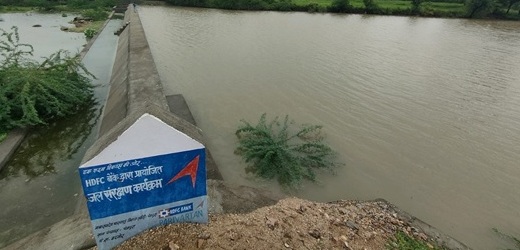
    HDFC Bank Parivartan has built and restored over 15,289 water structures across more than 10,430 villages, delivering a powerful boost to rural water security and benefiting 14.92 lakh households.

    The flagship CSR programme has also provided access to safe drinking water in over 950 villages through community purification systems using UV, RO, and multi-stage filtration technology, supported by dedicated water tanks, tap connections, and regular quality monitoring.

    From farm ponds and check dams to jal minars, rainwater harvesting systems, lift irrigation, and recharge wells, HDFC Bank Parivartan has created diverse water assets tailored to local needs, especially helping tribal farming communities in Central India.

    Powering long-term impact, the bank combines every water structure with agricultural support including micro irrigation systems, shade net houses, Bio-Input Resource Centres, and multilayer farming. These integrated efforts have significantly increased irrigated area, reduced dependence on erratic rainfall, and improved crop yields for smallholder farmers.

    Community ownership remains central to the programme’s success. Women’s Self-Help Groups and Water User Associations actively participate in Village Action Plans, while GIS-based planning and convergence with government schemes like MGNREGA ensure precision and sustainability. Trained water user groups focus on water budgeting and judicious usage to keep assets productive for years.

    “At HDFC Bank Parivartan, we meet communities where they are — whether building ice stupas in the mountains or installing purification plants in villages that never had clean tap water,” said Ms. Nusrat Pathan, Head of CSR, HDFC Bank.

    “Through Parivartan, our work spans watershed development, rainwater harvesting, rejuvenation of water bodies, last-mile irrigation infrastructure, and climate-smart agricultural practices. Over 15,000 water structures and safe drinking water for nearly a thousand villages is a major milestone, but the real success lies in fields now yielding a second crop and children no longer falling ill from contaminated water. We remain committed to building a water-secure India,” she added.

    Natural Resource Management was introduced as a dedicated focus area under Parivartan in FY 2024-25, integrating water conservation with afforestation, soil health, and solar energy. The programme supports Sustainable Development Goal 6 (clean water and sanitation) and SDG 13 (climate action).

    HDFC Bank Parivartan operates across six key pillars — Rural Development, Education, Skill Development & Livelihood Enhancement, Healthcare & Hygiene, Financial Literacy & Inclusion, and Natural Resource Management. As of March 2025, it has positively impacted over 10.56 crore lives across 28 states and 8 Union Territories. In FY 2024-25, HDFC Bank spent Rs. 1,068.03 crore on CSR activities under the Parivartan umbrella.