Tag: Biodiversity

  • HCLTech Grant adds water, biodiversity themes in second decade

    HCLTech Grant adds water, biodiversity themes in second decade

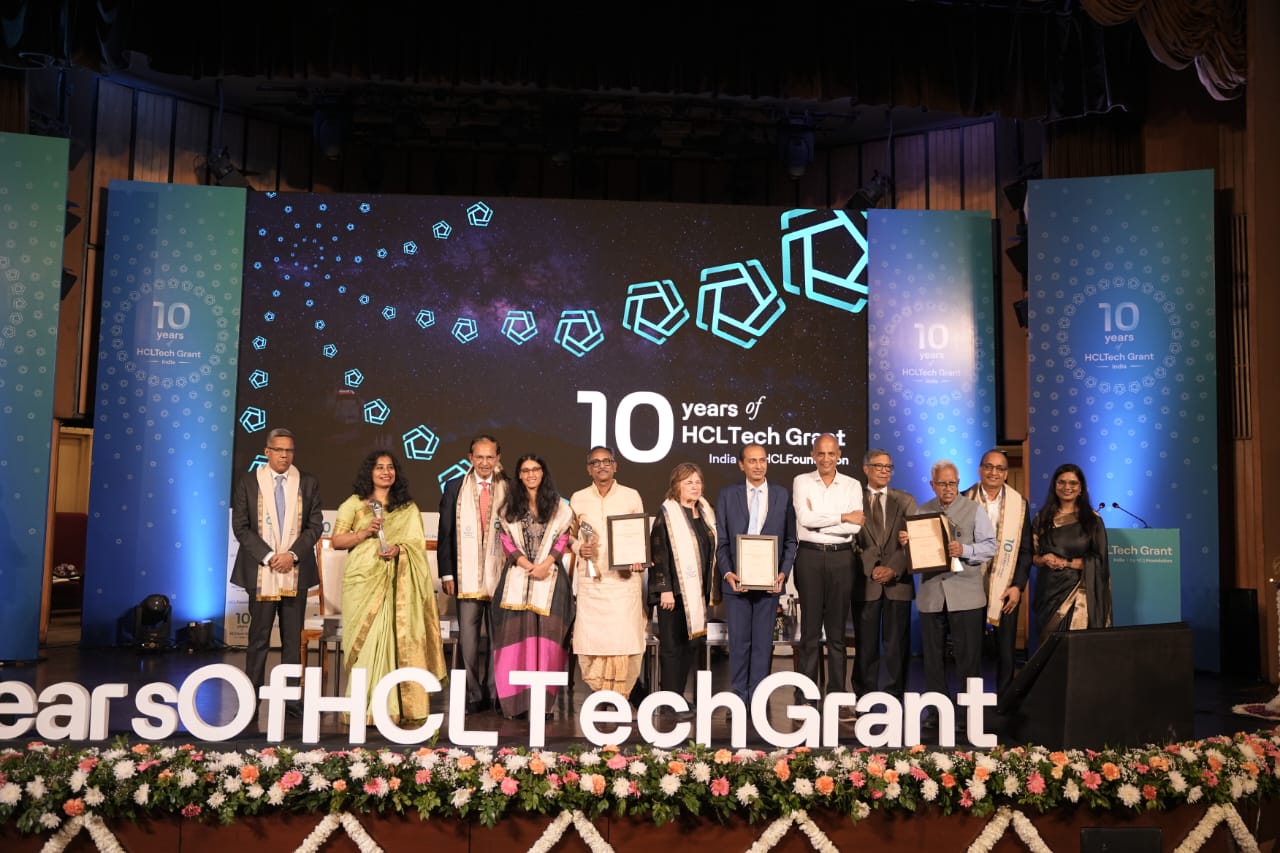
    HCLTech‘s grant program will expand its focus to include water and biodiversity as it enters its second decade, building on initiatives that have impacted over 300,000 individuals across India, the company said.

    The HCLTech Grant, which has supported community-driven development projects over the past 10 years, will add the new themes in its 11th edition alongside existing areas of health and education, according to a statement.

    The grant program has aligned interventions with 12 of the 17 United Nations Sustainable Development Goals, addressing challenges in government and rural schools, maternal and child health in remote regions, and ecological restoration in forest-dependent communities, the company said.


    “Sustainable change is not achieved by charity alone, but by coupling research with empathy, technology with trust, and resources with measurable results,” the HCLTech Grant statement said.

    The grant program’s strategic roadmap through 2030 includes three phases: consolidation and scaling through 2027, deepening impact and diversification until 2029, and institutionalization and sustainability by 2030.

    The HCLTech Grant will strengthen its research framework by implementing Social Return on Investment (SROI) methodologies to quantify outcomes and expand digital monitoring tools for real-time impact tracking, according to the announcement.

    Technology integration within the grant program will include satellite-based water mapping, AI-enabled health diagnostics and digital learning platforms to scale community solutions, the company said.


    The water theme under the HCLTech Grant will align with India’s Jal Jeevan Mission and SDG 6, developing a national model for integrated water resource management, the statement added.

    HCLTech plans to establish a Centre for Social Research and Innovation through the grant program to synthesize learnings and contribute to sectoral policy dialogues, while creating an alumni network of grantees for peer learning and mentoring.

    The grant program has collaborated with state health departments and the National Health Mission to strengthen public health systems across multiple states, impacting thousands of students and educators across districts.

    In environment interventions, the HCLTech Grant has worked with rural and forest-dependent populations to restore degraded ecosystems, revive water bodies, and promote biodiversity-friendly livelihoods, contributing to climate adaptation and ecological resilience.

  • Coffee Board Seeks Feedback on Sustainability Scheme to Boost Recognition for Indian Producers

    Coffee Board Seeks Feedback on Sustainability Scheme to Boost Recognition for Indian Producers

    The Coffee Board has invited public consultation on its draft sustainability certification framework, aiming to address a critical gap in recognition for India’s coffee sector despite the country’s adherence to sustainable practices across over 400,000 small and marginal holdings.

    The Indian Coffee Board Sustainability Certification Scheme (INDICOFS), developed by a Core Technical Committee comprising domain experts, introduces a voluntary three-tier compliance system designed to progressively align Indian coffee producers with international sustainability standards.

    Bridging the Recognition Gap

    The sector is integral to the livelihoods of approximately two million individuals, with farms situated in high biodiversity regions, notably the Western and Eastern Ghats. These regions provide essential ecosystem services and are home to numerous major rivers, underscoring the critical role that coffee cultivation plays in environmental stewardship.

    Despite adherence to sustainable agricultural practices integrating social, economic and environmental dimensions, the Indian coffee industry has not achieved recognition commensurate with its quality and production methods. While global demand for sustainably certified coffee has increased, only approximately 15% of India’s total coffee output is currently certified under sustainable certification criteria.

    INDICOFS Framework

    In response to the need for a coherent sustainability framework, the Coffee Board has developed INDICOFS—a set of sustainability standards tailored to the Indian context. The standards acknowledge best practices implemented by Indian coffee farms and facilitate a structured approach for continual improvement, ensuring sustainability across the coffee value chain.

    The scheme covers two phases. The first phase addresses “Sustainability Standards for Indian Coffee Plantations,” while the second phase focuses on “Chain of Custody Standards.” The framework encompasses sustainability standards, inspection procedures and certification protocols.

    The certification system defines three compliance levels:

    Level 1 (Basic/Self-Assessment): Provides foundational requirements for growers to evaluate practices and identify improvement opportunities, overseen by Coffee Board inspections

    Level 2 (Aspiring/Auditing): Outlines criteria for third-party verification, ensuring compliance and facilitating progression beyond basic practices

    Level 3 (Benchmarked Best Practices): Delineates advanced sustainability benchmarks assessed by recognized auditing bodies, signifying alignment with international standards

    Implementation and Oversight

    Implementation of INDICOFS will be managed by the Central Coffee Research Institute (CCRI), functioning under the administrative control of Coffee Board of India, recognized as one of the oldest public coffee research institutions globally.

    The standards are designed to address the evolving landscape of coffee production, including critical issues related to trade, environmental sustainability and preservation of traditional farming practices. A key innovation is INDICOFS’ holistic integration of responsible production methodologies with practices that enhance climate adaptation and minimize ecological footprints.

    The standard addresses critical Environmental, Social and Governance (ESG) aspects essential for sustainable coffee farming and incorporates general disclosure requirements aimed at providing stakeholders with transparent, relevant and comparable information about production operations.

    Public Consultation Invited

    The Coffee Board has posted the draft INDICOFS scheme along with an overview note on its website for wider consultation. Stakeholders and members of the public are invited to review the documents and share their views, comments and suggestions.

    Comments must be submitted in the prescribed format (Annexure-I) by email to dirresh@gmail.com with a copy to drccri2022@gmail.com on or before October 24, 2025.

    “The Coffee Board values your feedback and cooperation in this important national initiative to position Indian Coffee as a global benchmark for sustainability,” the board stated.

    By adopting this standard, coffee producers can demonstrate compliance with recognized sustainability benchmarks, enhance their marketability and contribute to the global movement toward sustainable agricultural practices. The initiative is expected to foster collaboration among coffee producers and stakeholders to promote a resilient and sustainable Indian coffee industry while improving the long-term viability of coffee farming and quality of life for communities involved in the supply chain.