
Tag: #AgriTech

  • Gates Foundation AI push: bold USD 1 billion health pledge

    Gates Foundation AI push: bold USD 1 billion health pledge

    The Gates Foundation said on Tuesday it would spend at least USD 1 billion over the next two years to widen access to artificial intelligence, a bold bet that the technology can narrow rather than widen the gap between rich and poor countries.

    The commitment was unveiled alongside the foundation’s 10th annual Goalkeepers Report, titled “Make This Matter: AI, Equity, and the Choice We Can’t Delay.” The report argues that the window to shape who benefits from AI, and how quickly, is closing fast.

    Under the plan, 40% of the money will go to education, including AI tutoring designed to individualize student learning and teaching tools for classrooms in the United States and abroad. Another 40% is earmarked for health care, spanning diagnostics, clinical decision support for frontline health workers, maternal and newborn care tools, and drug and vaccine discovery.

    A further 10% will support agriculture, including AI-generated advice tailored to smallholder farmers’ soil, weather and crop conditions. The remaining 10% will fund digital infrastructure, such as building datasets in languages current models do not yet understand.

    The Gates Foundation AI strategy rests on three priorities set out in the report: making tools work in every language people speak, designing them around the contexts where they will actually be used, and investing in the people and access needed for communities to shape the technology themselves.

    More than 90% of the data used to train early large language models came from English-language sources, the report said, leaving many communities poorly represented in the systems built on that data. It also calls for countries and communities to decide how their own data is managed and protected.

    Bill Gates, chair of the foundation, wrote that the organization was created in part to address a basic market failure, in which those with the greatest needs have the least power to steer innovation and investment. AI presents the same challenge, he wrote, only at far greater speed, because the most capable tools will be built first for those most able to pay.

    “We can harness AI for good. But it won’t happen by accident,” Gates wrote, adding that success should be measured not only by what AI does for the most profitable users but by what it does for the people who stand to gain the most.

    The foundation said its funding would scale up partners already working to close access gaps, with examples cited from clinics, classrooms and small farms. It also urged technology companies, governments and other philanthropies to commit resources, expertise and public advocacy, noting that affordable access will require action from industry as well as public investment.

    The Seattle-based foundation is led by Chief Executive Mark Suzman under the direction of Gates and its governing board. Goalkeepers is its campaign to accelerate progress toward the United Nations Sustainable Development Goals.
  • NABARD-IMD sign MoU to boost farmer weather data

    NABARD-IMD sign MoU to boost farmer weather data

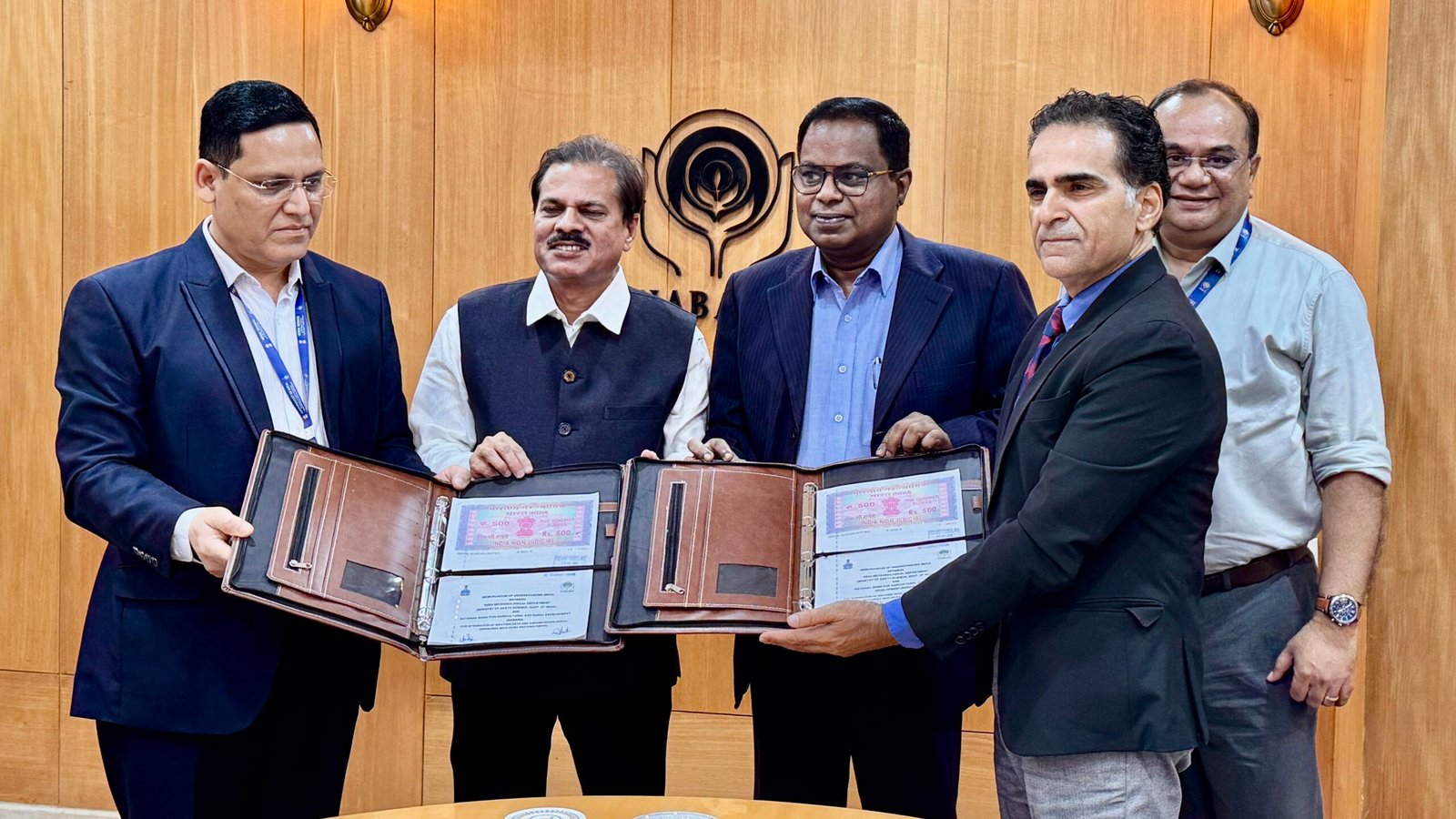
    National Bank for Agriculture and Rural Development (NABARD) and the India Meteorological Department (IMD) signed an MoU on Monday to integrate IMD’s agro-meteorological data products into DiCRA (Data in Climate Resilient Agriculture), an open-source digital platform backed by the United Nations Development Programme (UNDP) and NABARD.

    The agreement aims to make weather and climate data freely accessible to farmers, financial institutions, policymakers and researchers across the country, an official statement said.

    The MoU was signed by Sanjeev D Rohilla, Chief General Manager, Department of Climate Action and Sustainability at NABARD, and Bikram Singh, Scientist-G and Head of the Regional Meteorological Centre in Mumbai.

    NABARD Chairman Shaji Krishnan V, IMD Director General of Meteorology Mrutyunjay Mohapatra, and senior officials from both organisations were present at the ceremony.

    Under the deal, IMD will supply district and block-level weather forecasts, agromet advisories, in-situ observations and weather alerts through a dedicated Weather Portal on DiCRA. The data will sit alongside DiCRA’s existing geospatial datasets on soil moisture, vegetation health, crop conditions and climate vulnerability, giving users decision-ready insights at the local level.

    “Climate risk cannot be treated as a standalone issue; it has to be integrated into our development and financing decisions,” Krishnan said, adding that the partnership would help “forewarn both the farmer and the bank.”

    Mohapatra said Indian weather forecasting accuracy has improved by 40 to 50 percent over the past decade, with forecasts now reaching the panchayat level, but that reaching every farmer in a usable format remained the next challenge.

    NABARD will use DiCRA’s open APIs to distribute district-level advisories, seasonal risk alerts and weather-linked vulnerability assessments to credit officers, field staff, researchers and farmers via web, mobile and API channels. The Weather Portal integration also supports NABARD’s own weather portal on DiCRA, which is currently under development.

    NABARD, India’s apex rural development bank, was established in 1982. IMD, founded in 1875, is India’s national meteorological service under the Ministry of Earth Sciences. DiCRA, recognized as a Digital Public Good in 2022, is jointly maintained by NABARD with technical support from UNDP.

  • Chouhan urges industry to boost CSR in agriculture

    Chouhan urges industry to boost CSR in agriculture

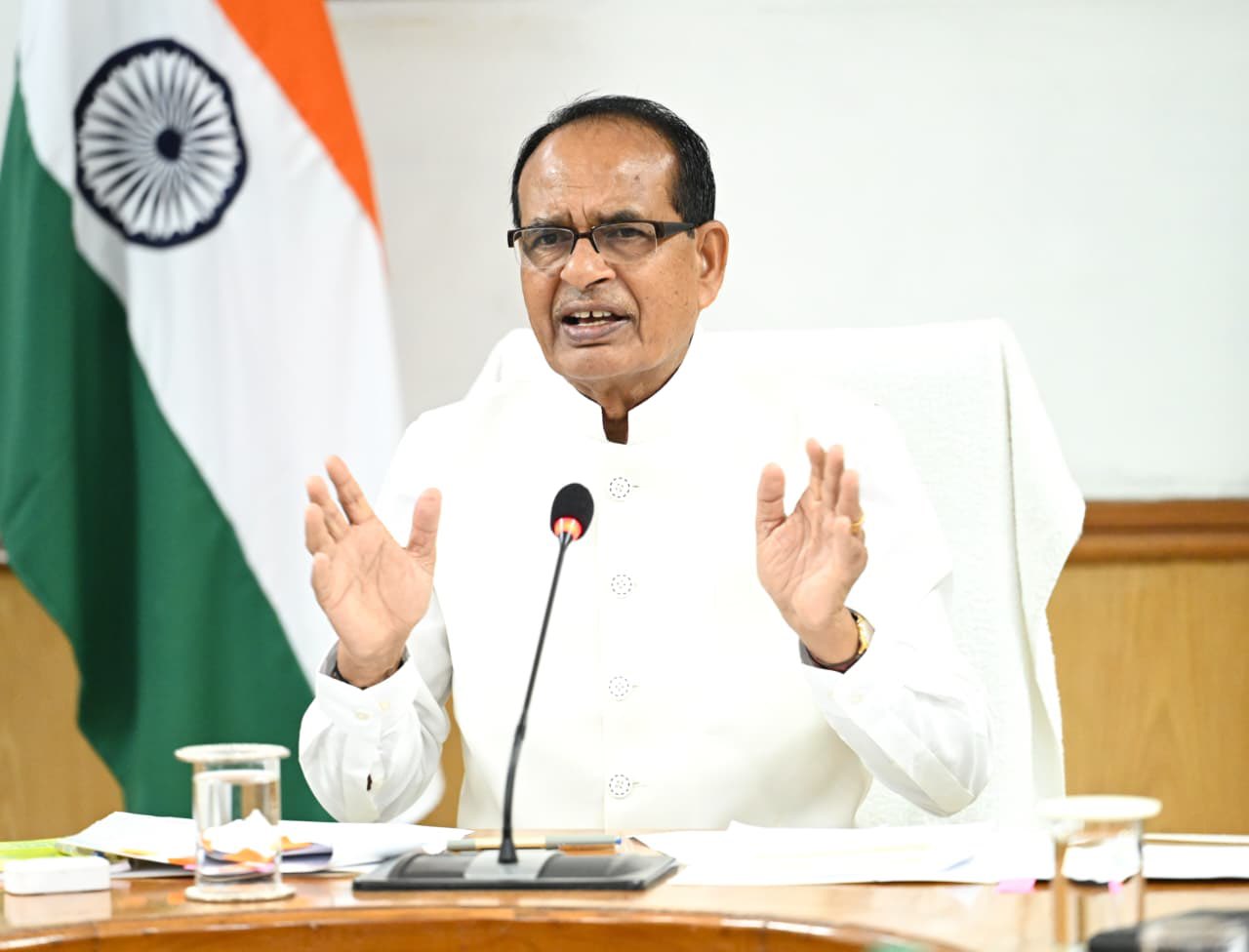
    Union Agriculture Minister Shivraj Singh Chouhan on Wednesday urged Indian corporations to expand CSR in agriculture, calling on industry leaders to channel a share of their profits into farmer welfare, rural development and agricultural research.

    Speaking at the CSR Conclave 2026, organised by the Indian Council of Agricultural Research (ICAR) in New Delhi, Chouhan said companies have a duty to act as “trustees” of national wealth rather than mere profit-makers, invoking Mahatma Gandhi’s philosophy of trusteeship.

    “While the nation provides opportunities for growth, it is the responsibility of industry to become an active partner in nation-building,” Chouhan said, adding that research must move beyond laboratories to directly benefit farmers.

    The minister strongly urged companies to prioritise climate-resilient farming, soil health, nutrition-secure food systems, and skill development for rural youth and women. He cited jute-processing technology as an example of innovation that needs faster commercialisation with private-sector backing.

    Chouhan also urged support for agri-tech startups, drone-pilot training, and women-led initiatives such as “Drone Didi,” describing rural women’s self-help groups as central to the next wave of agricultural entrepreneurship.

    While Indian law mandates that companies spend 2% of profits on CSR, Chouhan said the obligation should be viewed as a moral commitment rather than a legal formality. “True life belongs to the one who gives life to others,” he said.

    The event at the Bharat Ratna C. Subramaniam Auditorium was also attended by Ministers of State Ramnath Thakur and Bhagirath Choudhary, alongside senior ICAR officials and corporate representatives.