Author: csr-admin

  • ICSI unveils Stewardship Principles after COP30

    ICSI unveils Stewardship Principles after COP30

    Institute of Company Secretaries (ICSI) has launched guiding principles on stewardship to embed environmental, social and governance (ESG) practices in corporate strategies, building on commitments from the COP30 climate summit in Brazil.

    The ICSI Guiding Principles on Stewardship (IGPS) promote responsible asset management for long-term value, with adoption mandated by the International Financial Services Centres Authority (IFSCA) for fund managers and institutional investors in India’s financial hubs. The principles shift focus from short-term gains to sustainable growth, urging stewards to demand robust ESG frameworks.

    Complementing the IGPS, ICSI released a Stakeholder Engagement Toolkit on ESG this year to help company secretaries and boards craft comprehensive policies. It also introduced the ICSI Principles on Climate Change Governance (IPCG), offering metrics and targets for transparent climate disclosures.

    “Integrating climate considerations into business requires well-crafted principles, detailed guidance and equipped professionals,” ICSI President CS Dhananjay Shukla said. “As a leader in best practices, ICSI delivers through these initiatives.”

    ICSI Secretary CS Asish Mohan added: “In a climate-challenged world, we leverage investors and stewards for principles-based governance supporting sustainable development.”

    The moves align with global pushes for climate finance and multilateral action, as nations at COP30 pledged new tools to combat warming.

  • Vrutti, HSBC India launch FPO Shakti to aid farmer groups

    Vrutti, HSBC India launch FPO Shakti to aid farmer groups

    Vrutti, a livelihoods catalyst under the Catalyst Platform, partnered with HSBC India on Thursday to unveil FPO Shakti, a blended finance facility aimed at empowering early-stage Farmer Producer Organisations (FPOs) with timely capital.

    The stage-based programme, managed by Friends of Women’s World Banking (FWWB) India, targets a financing gap that hampers more than two-thirds of India’s 44,000 registered FPOs from scaling beyond incubation. It combines revolving funds, guarantees and revenue-linked loans with technical support on governance, business planning and digital tools, offering a 24-month acceleration path for participants.

    An initial 15 FPOs will benefit, with expansion planned to over 100, fostering bankable farmer-owned enterprises amid seasonal agricultural risks.

    “Structured interventions to build FPO capacity and governance are essential to unlock investment-ready pipelines,” HSBC India Managing Director and Head of Sustainability Aloka Majumdar said.

    Vrutti CEO Raghini Badhrinarayanan described the facility as a “shift to long-term institutional strengthening” with patient capital tailored to rural realities.

    The initiative integrates diagnostics, business support organisations and real-time digital tracking to align finance with FPO growth stages, promoting resilient value chains and higher smallholder incomes.

  • Empowering women through Ambuja Cements turmeric cultivation

    Empowering women through Ambuja Cements turmeric cultivation

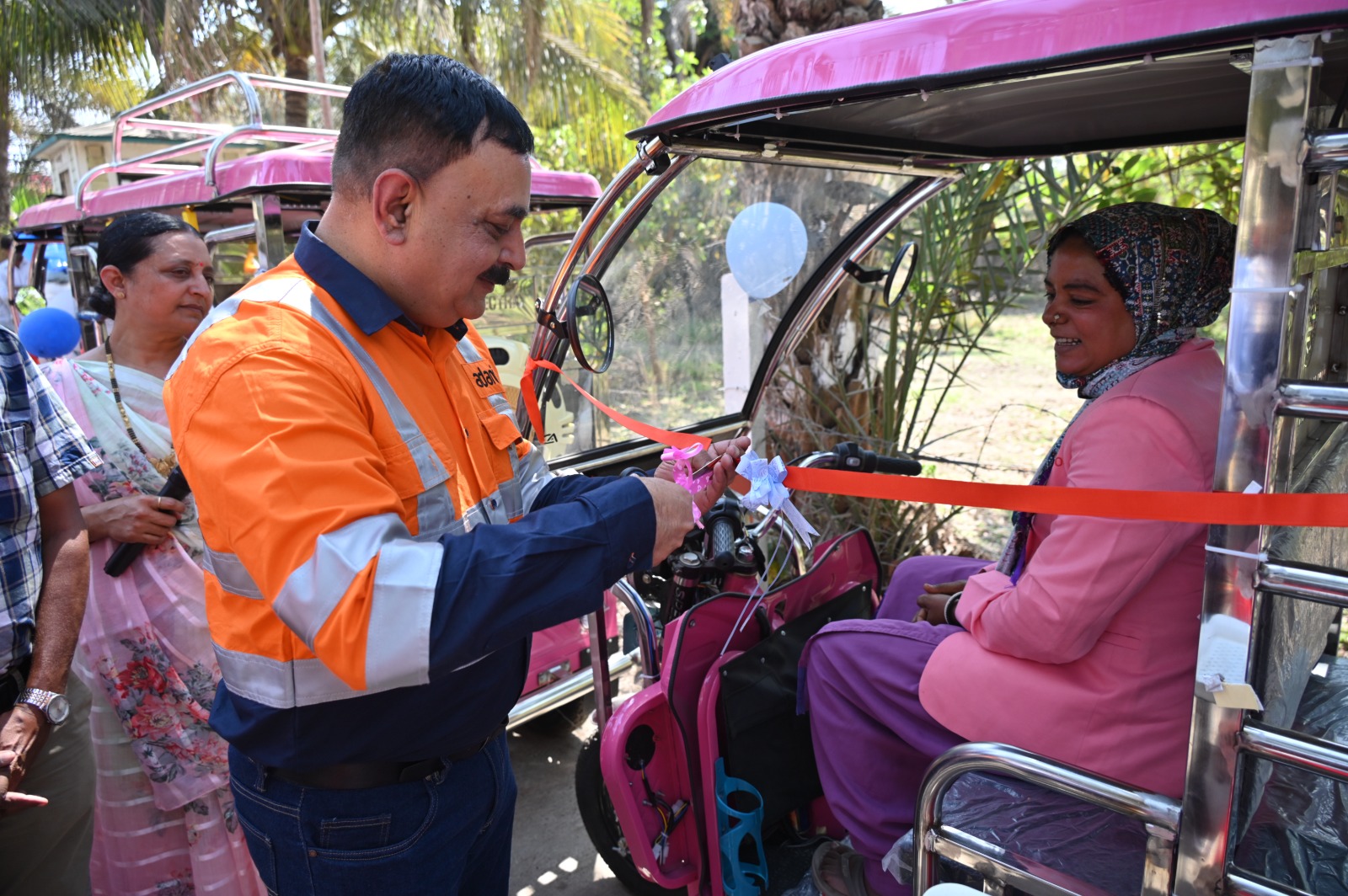
    In the sun-baked villages of Chhattisgarh, where the earth cracks under the weight of relentless summers, a quiet revolution is blooming in shades of yellow. For Sunita Yadav, a 38-year-old mother of three, the spice that once dusted her kitchen shelves has become the key to unlocking a future her family never dreamed possible—thanks to the transformative Ambuja Cements turmeric cultivation initiative.

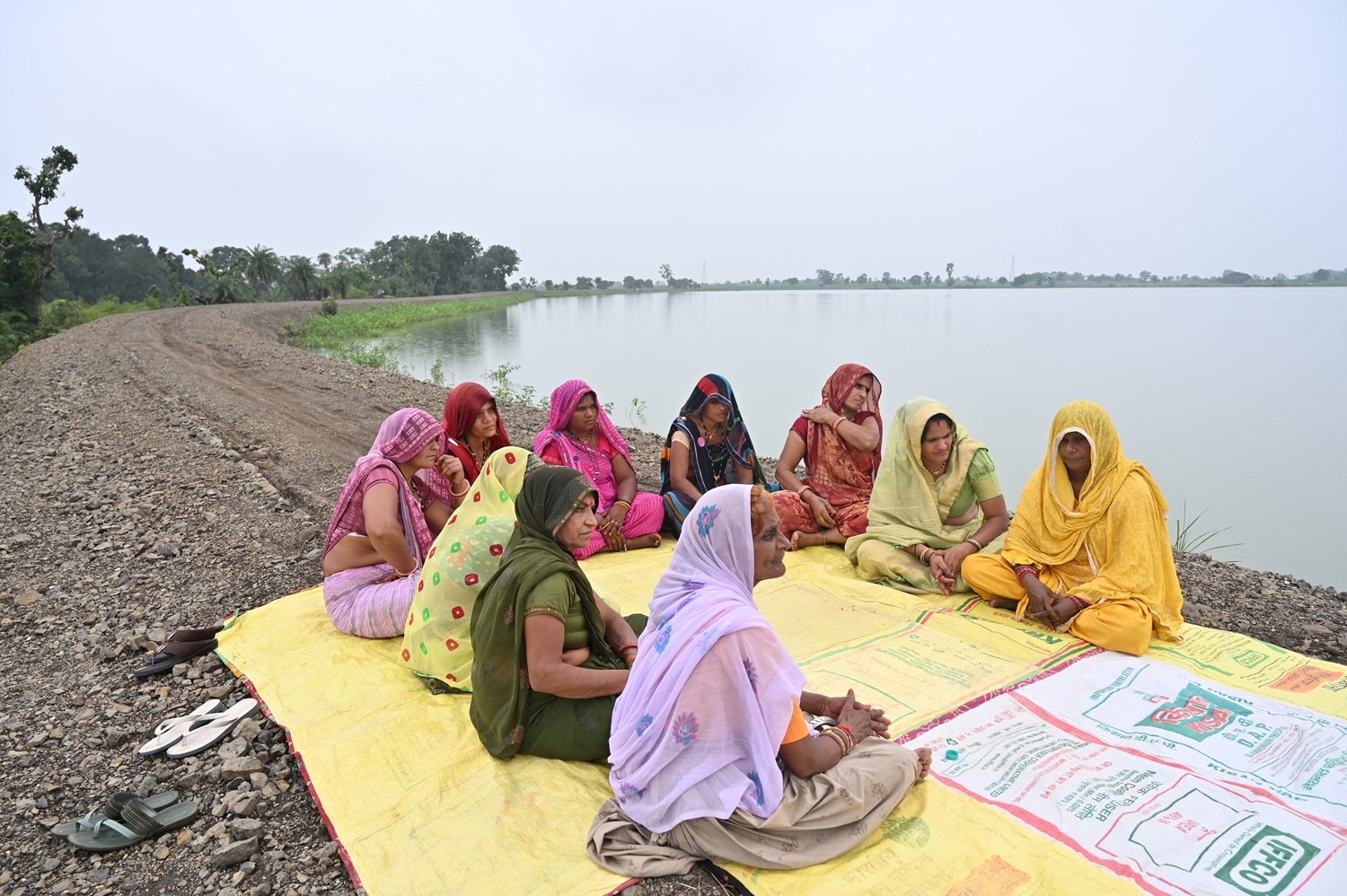
    Two years ago, Yadav was among 151 women from 11 remote hamlets, huddled in self-help groups (SHGs) that scraped by on subsistence farming. “We grew what the soil gave us—barely enough to eat,” she recalls, her calloused hands cradling a fistful of vibrant turmeric rhizomes. That changed in 2022-23, when Ambuja Cements—the ninth-largest global building materials giant and a pillar of the Adani Portfolio—launched its groundbreaking Ambuja Cements turmeric cultivation program as part of its CSR efforts to bolster rural livelihoods through sustainable agriculture.

    With hands-on training in scientific methods tailored for Ambuja Cements turmeric cultivation, the women chose the hardy Salem variety and sowed 20 quintals of seeds across four acres. Raised-bed planting, organic manuring, and mulching weren’t just techniques; they were lifelines under the Ambuja Cements turmeric cultivation framework. The harvest? A staggering 3.7-fold yield surge, netting over Rs 2.66 lakh in their debut season. “It was like the gods smiled on our fields,” Yadav says, eyes lighting up. “For the first time, I had money to send my daughters to school without borrowing—all from embracing Ambuja Cements turmeric cultivation.”

    Word spread faster than monsoon rains. By 2023-24, the Ambuja Cements turmeric cultivation initiative swelled to 261 SHG women, who tilled eight acres and birthed a community seed bank—a grassroots exchange ensuring quality rhizomes stayed local and affordable. They reaped 10,100 kilograms of turmeric, pocketing a collective Rs 5.05 lakh . “We weren’t just farmers anymore,” adds Rukmini Sahu, a 42-year-old group leader. “We were entrepreneurs, trading our sweat for seeds of tomorrow, powered by Ambuja Cements turmeric cultivation.”

    This year, in 2024-25, the Ambuja Cements turmeric cultivation tide has crested with 313 women on board, fortified by better organic inputs and expert guidance from Ambuja’s teams. Their coffers now brim with over 3,100 kilograms of seeds—2,100 kilograms earmarked for sale to lure newcomers into the fold, while 7,500 kilograms sustain households through lean times. It’s a self-reinforcing cycle: Ambuja Cements turmeric cultivation fueling financial independence, one rhizome at a time.

    Ambuja Cements’ Ambuja Cements turmeric cultivation push underscores a broader vow to women-led entrepreneurship in Chhattisgarh, blending continuous training with enterprise development to weave inclusive rural growth into the fabric of Adani’s diversified empire. For these SHG trailblazers, the golden root isn’t just a crop—it’s a testament to resilience, turning parched plots into plots of prosperity through Ambuja Cements turmeric cultivation.

  • PepsiCo India expands water security initiative

    PepsiCo India expands water security initiative

    PepsiCo India, via the PepsiCo Foundation and partner Pandit Jagat Ram Memorial FORCE Trust, will extend its water security and sanitation efforts from 13 villages in Mathura to 17 more, doubling reach to 100,000 people under the Water & WASH Secure Villages Initiative.

    The expansion builds on achievements in safe drinking water, sanitation, hygiene and groundwater management, implemented with local panchayats, administrations, communities and schools. It aligns with PepsiCo’s “Partnership of Progress” ethos, emphasizing multi-stakeholder collaboration for rural India’s water security, the company said in a statement.

    Announced at the Convergence for Water and WASH Secure Rural Communities conference in New Delhi, the event drew India’s Jal Shakti Minister of State Raj Bhushan Choudhary, officials from national missions, CSR executives, panchayat leaders and Uttar Pradesh community figures. Highlights included unveiling “Pathways to Effective Rural Water Sustainability & WASH Interventions,” a compilation of program success stories.

    Choudhary praised the initiative, quoting Prime Minister Narendra Modi: “Catch the rain where it falls, when it falls,” and lauded PepsiCo and FORCE for generational water security benefits.

    Yashika Singh, PepsiCo India and South Asia’s chief corporate affairs and sustainability officer, said: “True progress comes from communities, partners and institutions advancing together. Our Water & WASH Secure Villages Initiative’s success in 13 villages proves collective action’s power, now extending water security to 17 more for resilient futures.”

    Globally, the PepsiCo Foundation’s 2024 water access programs aided 1.2 million people, totaling over 96 million since 2010, prioritizing infrastructure and stewardship in high-risk zones. India’s expansion is a key focus.

    FORCE founder Jyoti Sharma noted: “Community-driven solutions ensure lasting water security. Partnering with PepsiCo India, we’ve boosted sanitation, health and resilience in Mathura, leveraging conference insights for greater impact.”

    The project has deployed 11 community and 12 school reverse osmosis units, rainwater harvesting, pond rejuvenation, hygiene drives and training for water committees, backed by hydrogeological studies and behavior change campaigns. It supports Jal Jeevan Mission, Swachh Bharat Mission and climate goals.

    PepsiCo India advances water security through watershed projects, recharge, regenerative farming and community access, fostering resilient agriculture and national agendas.

  • No proposal for centralised CSR monitoring platform: Govt

    No proposal for centralised CSR monitoring platform: Govt

    There is no proposal to create a centralised CSR monitoring platform for oversight and evaluation, Minister of State for Corporate Affairs Harsh Malhotra stated on Tuesday.

    In his written reply to the Rajya Sabha, the minister further disclosed that the government has penalised 30 companies with a total penalty of Rs 19.94 crore for non-compliance.

    “Whenever violation of CSR provisions is reported, action against such non-compliant companies is initiated as per provisions of the Act after due examination of records and following due process of law,” he added.

    As per the latest data, companies spent Rs 34,908.75 crore on CSR activities in the 2023-24 financial year, marking an increase from Rs 30,932.07 crore in the previous year.

    This underscores growing corporate commitment to social responsibility amid ongoing discussions on enhancing CSR monitoring platforms for transparency.

    All data related to CSR filed by companies in the MCA21 registry is available in the public domain and can be accessed at www.csr.gov.in.

    Stakeholders and researchers can leverage this portal to track compliance and impact without the need for a new centralised CSR monitoring platform.

  • Amway India Fights Child Malnutrition in Delhi School

    Amway India Fights Child Malnutrition in Delhi School

    Amway India, in partnership with the Nourishing Schools Foundation, hosted interactive workshops on child malnutrition and hygiene for students at a low-cost private school in the capital on Thursday, advancing the fight against childhood malnutrition.

    The event, under Amway’s Power of 5 programme, involved volunteers preparing healthy meals like fruit salads and sprout chaat with the children, followed by painting sessions, drawing contests and role-playing exercises focused on combating child malnutrition through sanitation and balanced diets.

    “Every child deserves the foundation of good nutrition and the opportunity to grow strong and healthy for a better tomorrow,” Rajneesh Chopra, managing director of Amway India, said in a statement.

    He highlighted government initiatives like Poshan Abhiyaan and Mission Saksham Anganwadi, adding that the company aims to embed practical education against child malnutrition early through such activities.

    Archana Sinha, co-founder of Nourishing Schools Foundation, described the sessions as “fun and impactful,” saying they help children internalise health messages.

    “Our shared goal is to empower school children with knowledge that can transform their fight against child malnutrition and future,” she said.

    Launched in 2018, Power of 5 has reached more than 730,000 people across India, including over 100,000 children, by promoting awareness of micronutrients and healthy habits to tackle childhood malnutrition.

    Amway India’s corporate social responsibility efforts also include women’s empowerment programmes that have trained over 4,000 underprivileged women in skills for self-employment, and community projects such as water conservation in seven villages and five telemedicine centres serving 35,000 patients annually.

    The company has received awards including the Golden Peacock CSR Award and CSR Health Impact Award for its initiatives against child malnutrition since 2018.

  • Diageo India ESG Report highlights 93% emissions cut

    Diageo India ESG Report highlights 93% emissions cut

    The Diageo India ESG Report for fiscal year 2024-2025 reveals groundbreaking progress, with a staggering 93% reduction in greenhouse gas emissions since 2020, far surpassing the company’s ambitious 2030 targets.

    This fourth annual Diageo India ESG Report, meticulously aligned with Global Reporting Initiative (GRI) standards, UN Sustainable Development Goals (SDGs), and Sustainability Accounting Standards Board (SASB) disclosures, underscores United Spirits Ltd’s (Diageo India’s) commitment to environmental stewardship, social responsibility, and robust governance in the alcobev sector.

    Environmental Triumphs in the Diageo India ESG Report

    At the heart of the Diageo India ESG Report is a narrative of transformative environmental action. The report details how Diageo India achieved 99% renewable energy usage across its operations, a feat accomplished well ahead of schedule. This leap was propelled by the complete phasing out of coal in 2022, which directly contributed to the dramatic 93% drop in greenhouse gas emissions. The Diageo India ESG Report also celebrates zero waste to landfill status and 99% recyclable packaging, positioning the company as a pioneer in low-carbon initiatives.

    Water conservation emerges as another cornerstone of the Diageo India ESG Report. Since 2020, distilleries have seen a 54% improvement in water-use efficiency, while packaging sites have improved by 35%. In FY25 alone, Diageo India replenished 1,82,000 cubic meters of water, pushing the cumulative total to 11 lakh cubic meters. These efforts, detailed extensively in the Diageo India ESG Report, span critical water-stressed regions in states like Maharashtra, Uttar Pradesh, and Rajasthan. The flagship Godavari Initiative for aquifer restoration exemplifies how the Diageo India ESG Report translates data into on-ground impact, fostering community resilience amid climate challenges.

    Social Impact and Empowerment in the Diageo India ESG Report

    The Diageo India ESG Report goes beyond metrics to spotlight social progress that builds inclusive communities. In agriculture, 430 smallholder farmers received training in regenerative practices, enhancing livelihoods and soil health. Gender diversity has surged, with women now holding 28% of executive roles, 30% of leadership positions, and 50% of executive committee seats—edging closer to the 50% leadership target outlined in prior Diageo India ESG Report iterations.

    Skilling initiatives in the Diageo India ESG Report reached 1,922 individuals, 67% of whom were women, including 303 persons with disabilities. The Bar Academy, a standout program, trained over 9,400 bartenders, equipping them with skills for sustainable careers. Responsible drinking remains a priority, as evidenced in the Diageo India ESG Report: Act Smart India engaged 2 lakh youth to prevent underage access, while anti-drink-driving education reached 5 lakh people. The DRINKiQ platform further promotes moderation, aligning with the holistic social agenda of the Diageo India ESG Report.

    Governance Excellence Driving the Diageo India ESG Report

    Strong governance forms the backbone of the Diageo India ESG Report, featuring a diverse board and quarterly executive reviews to ensure accountability. Jitendra Mahajan, Diageo India’s Chief Supply and Sustainability Officer, emphasized in the Diageo India ESG Report that this agenda crafts a business that “grows responsibly, leads with integrity, and creates long-term value.” As India accelerates its push for sustainable practices, the Diageo India ESG Report cements United Spirits Ltd’s role as a leader in the alcobev industry, inspiring peers to elevate their ESG commitments.

    This comprehensive Diageo India ESG Report not only quantifies achievements but also charts a visionary path forward, proving that profitability and planetary care can coexist harmoniously.

  • Amara Raja Skill Centre in Mahabubnagar achieves 98.85% placement rate for first batch

    Amara Raja Skill Centre in Mahabubnagar achieves 98.85% placement rate for first batch

    The Amara Raja Skill Development Centre (ARSDC), a joint initiative of Amara Raja Advanced Cell Technologies and the Rajanna Foundation, marked a significant achievement on Tuesday with the valedictory of its inaugural batch, where 98 trainees from local villages secured placements in key industries at a near-perfect rate of 98.85%.

    Inaugurated on August 10 this year in partnership with the Electronics Sector Skills Council of India (ESSCI), the centre targeted underprivileged youth who had completed Class 10 or 12, selecting the cohort through a competitive screening process.

    The three-month programme offered free vocational training in high-growth areas such as heating, ventilation and air conditioning (HVAC), domestic and industrial electricals, electric vehicle service and repair (EVSR), and EV battery pack assembly. It combined theoretical classes, lab sessions and on-site practicals, culminating in NCVET-recognised certifications that enhance employability.

    The event drew prominent attendees, including Devarakadra MLA Madhusudan Reddy, District Collector Viziendira Boyi and TGIIC Vice-Chairman and Managing Director K Shashanka, alongside Amara Raja Group’s senior leadership.

    For many graduates from low-income families, the placements—offering stable salaries in leading firms—represent their first formal jobs, alleviating economic distress and stemming rural-to-urban migration.

    The centre’s model, which included complimentary transport and meals, addressed longstanding barriers to skill acquisition in Mahabubnagar, a district poised for industrial expansion with the upcoming Giga Corridor. Officials highlighted how such interventions could catalyse local development, with the second batch slated to commence on December 15.

    As India’s push for skilling gains momentum amid the green energy transition, ARSDC exemplifies the potential of targeted CSR efforts to build a resilient workforce, one certification at a time.

  • Rural Skill India Centre unveiled in UP to boost electronics, IT skilling

    Rural Skill India Centre unveiled in UP to boost electronics, IT skilling

    Union Minister for Electronics and Information Technology Ashwini Vaishnaw and Minister of State for Skill Development and Entrepreneurship Jayant Chaudhary on Monday inaugurated a new Skill India Centre (SIC) in Baraut, Baghpat district, Uttar Pradesh, targeting rural youth and women with training in electronics and IT-ITeS sectors.

    The centre, set up by the National Skill Development Corporation (NSDC) in partnership with Redington Foundation, aims to train around 600 candidates from the underprivileged sections of Baraut and neighbouring Chhaprauli blocks.

    A hub-and-spoke model will operate with the main facility in Baraut and a spoke centre in Chhaprauli to extend last-mile access.

    “This initiative strengthens the government’s mission of building a technologically empowered workforce that can support India’s expanding digital and electronics ecosystem,” Vaishnaw said at the inauguration.

    “When quality skilling reaches rural districts, it unlocks aspirations and accelerates social transformation.”

    Jayant Chaudhary highlighted the broader socio-economic impact, stating, “Skilling is not just about employment—it is about dignity, mobility, and confidence. This centre will become a gateway of new possibilities for young people in the region.”

    The curriculum focuses on high-demand areas in electronics manufacturing and IT-enabled services, aligning with national priorities under the Skill India and Digital India programmes.

    Redington Foundation’s Global Chief Sustainability Officer R. Venkatesh said the partnership “reaffirms our commitment to unlock impact by equipping rural and underprivileged youth with future-ready, job-oriented skills” in advanced electronics and IT domains.

    Early results from the collaboration are encouraging: 72 candidates from Baghpat trained under Redington Foundation’s CSR programme have already secured placements in reputed organisations.

    The Baraut centre is part of a wider push to expand skilling infrastructure in rural Uttar Pradesh and bridge the urban-rural digital divide through industry-aligned training and employment linkages.

  • Ambuja Cements builds water security in Marwar Mundwa through farm ponds

    Ambuja Cements builds water security in Marwar Mundwa through farm ponds

    Ambuja Cements, India’s ninth-largest building materials provider and part of the Adani Group, has constructed 170 farm ponds and 3,410 rooftop rainwater harvesting systems in the Marwar Mundwa region to enhance water security and support sustainable agriculture for local farmers.

    The corporate social responsibility (CSR) initiatives, focused on water-smart interventions including irrigation innovations and horticulture, aim to reduce climate dependency and boost rural incomes in Rajasthan’s arid Nagaur district.

    In Didiya Kalan village, Ambuja supported farmers Bau Devi and Ganpatram with a 1,782 cubic metre farm pond and rooftop rainwater harvesting system, the company said in a statement.

    The couple now grows cumin in the dry season and earned Rs 15,000 last year by selling excess water, enabling year-round farming.

    Twenty farmers in the same gram panchayat benefited from farm pond construction, harvesting a total of 38,147 cubic metres of water for irrigation.


    In Mundwa village, Bhauram Ji and Pipudi Devi addressed saline groundwater issues with a 1.7 million litre farm pond and rainwater system funded by Ambuja.

    The family shifted to year-round cultivation of cumin, isabgol and cotton, raising annual income to 600,000 rupees from 200,000 rupees, including savings on outsourced water for drinking and crops.

    Dharmendra Mundel in the region expanded his farmland from 15 to 30 bighas with a 2,178 cubic metre poly-lined farm pond backed by Ambuja, alongside sprinkler systems and a Pan Methi Cutter tool. His income rose to Rs 15-18 lakh annually, with Rs 200,000 saved on irrigation.

    In Rupasar village, farmer Jagdishram received a 1.24 million litre farm pond and a horticulture “wadi” plantation from the company. He earned an extra Rs 100,000 from off-season cumin on 8 bighas, with the orchard expected to add Rs 50,000 yearly.

    Ambuja‘s efforts in Marwar Mundwa, which include ongoing farmer training, target broader water security and economic resilience in rural India.